Greece
Greece does something specific to the practitioner. The light — that particular quality of Aegean light that painters never quite capture and philosophers tried to describe — is not decoration. It is a direct encounter with clarity.
On the mat, in a whitewashed studio above the sea, with the morning spreading across the water in every direction, the practice becomes less about effort and more about receiving. Greece has always known this. The retreat simply makes it explicit.
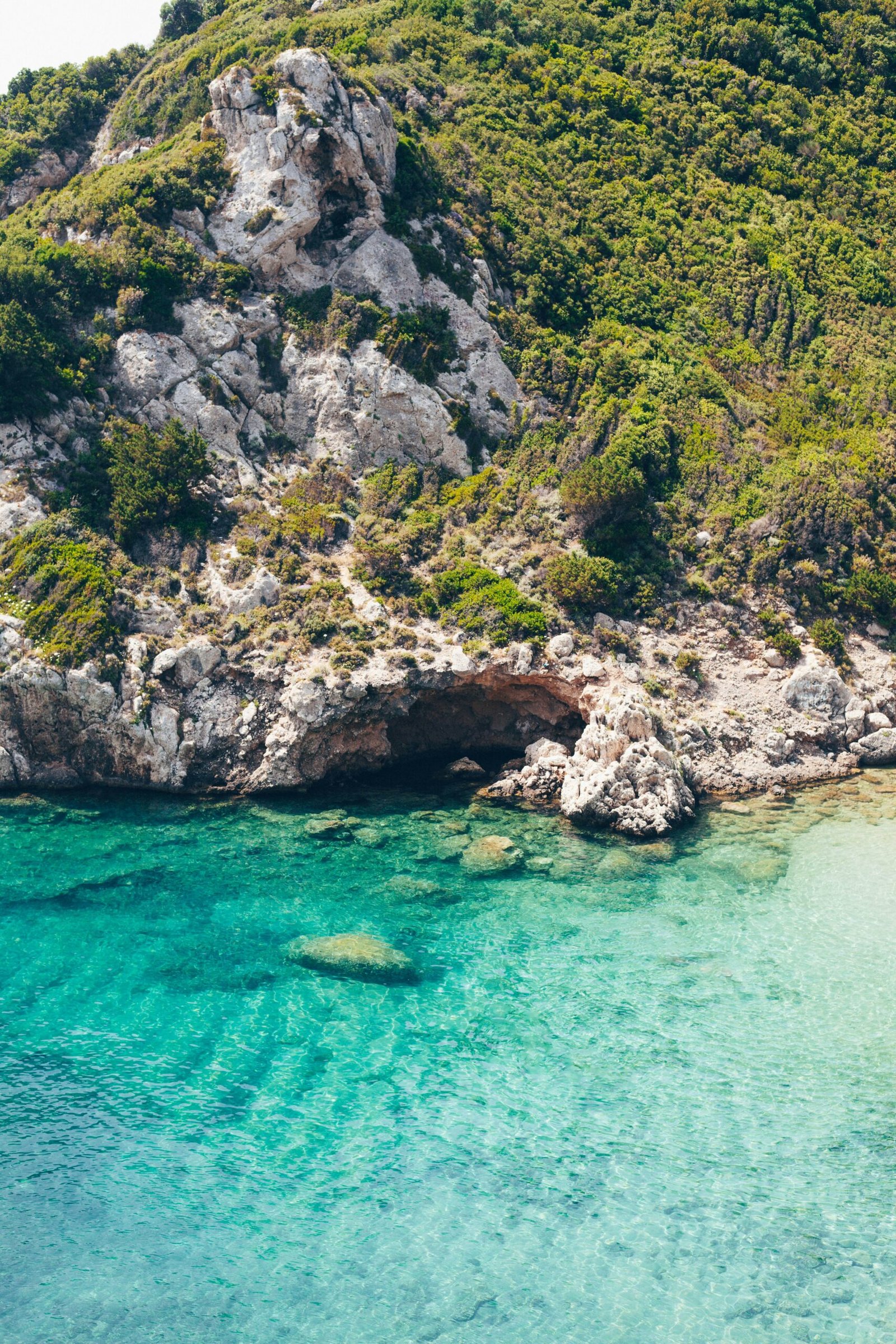
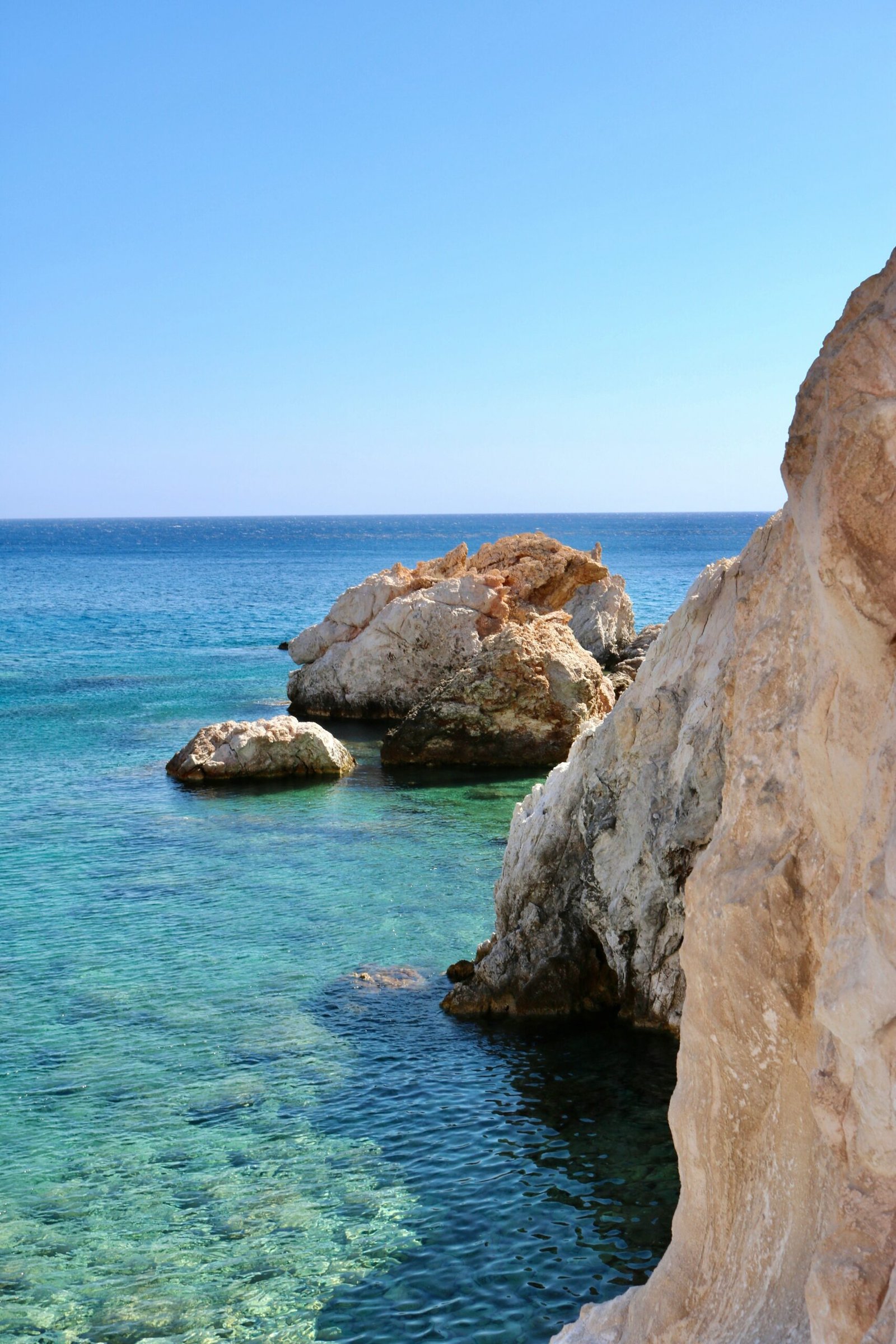
Greece is the European retreat destination most directly shaped by its landscape — the islands, the light, and the sea produce conditions for practice that the countryside retreats of France or Italy approach but never quite replicate. What the retreats collected here share is an understanding that in Greece, the landscape itself is the primary instructor. The teacher’s role is to help you pay attention to what the country is already doing.
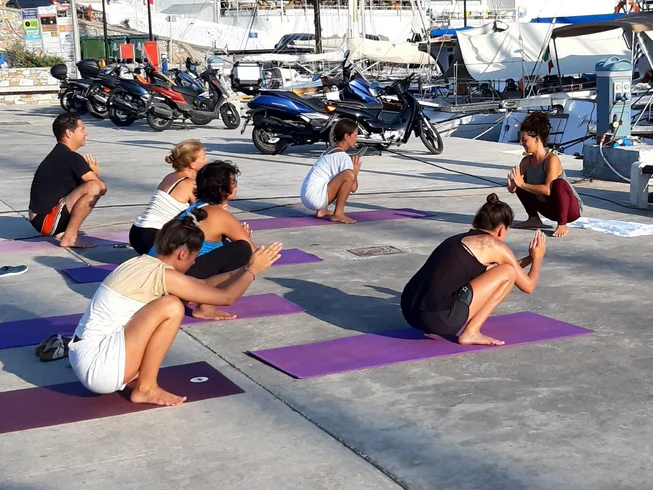
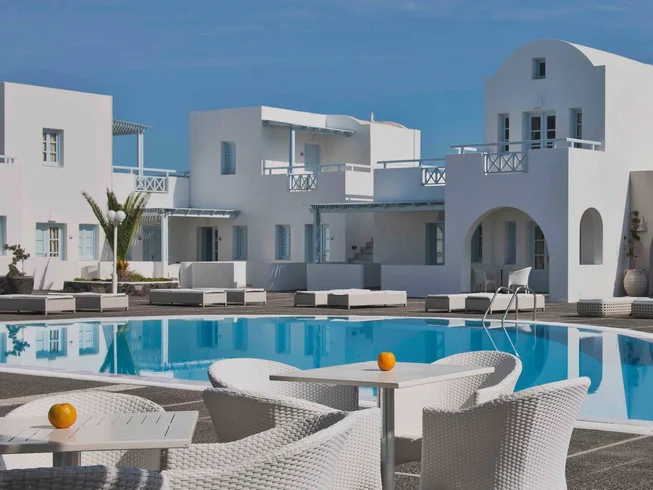
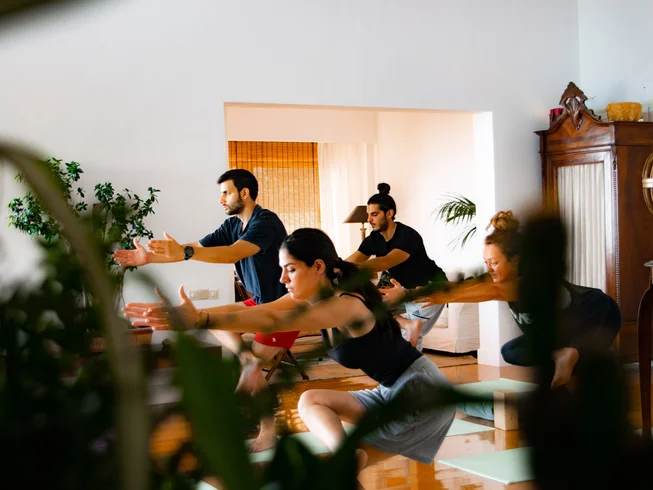
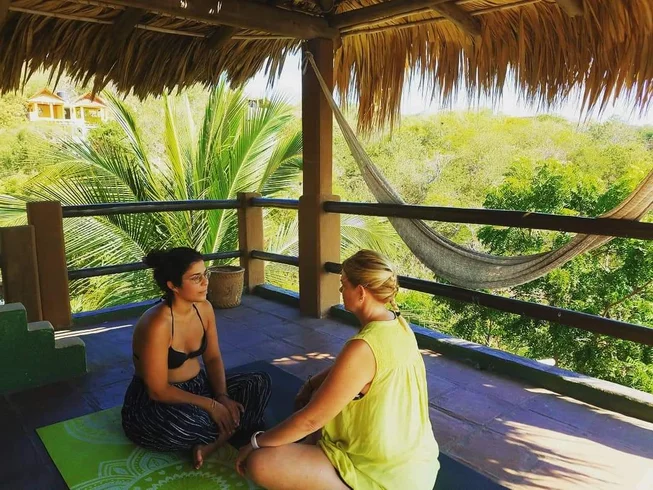
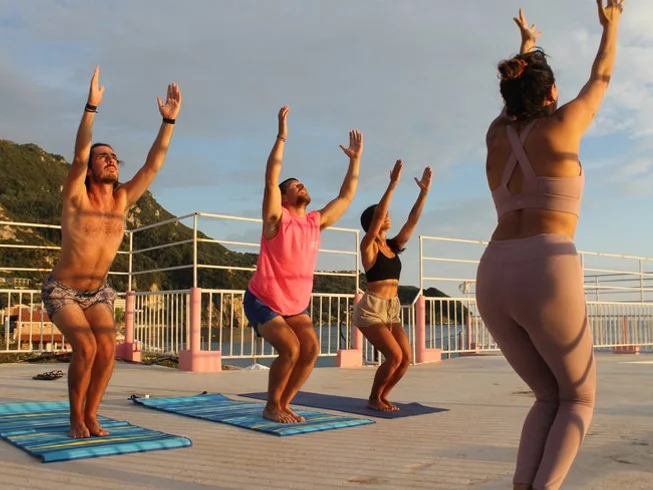
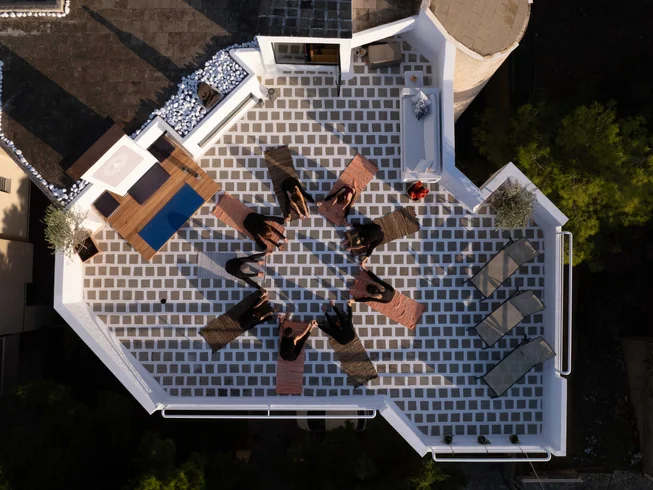
Greece is the European retreat destination most directly shaped by its landscape — the islands, the light, and the sea produce conditions for practice that the countryside retreats of France or Italy approach but never quite replicate. What the retreats collected here share is an understanding that in Greece, the landscape itself is the primary instructor. The teacher’s role is to help you pay attention to what the country is already doing.
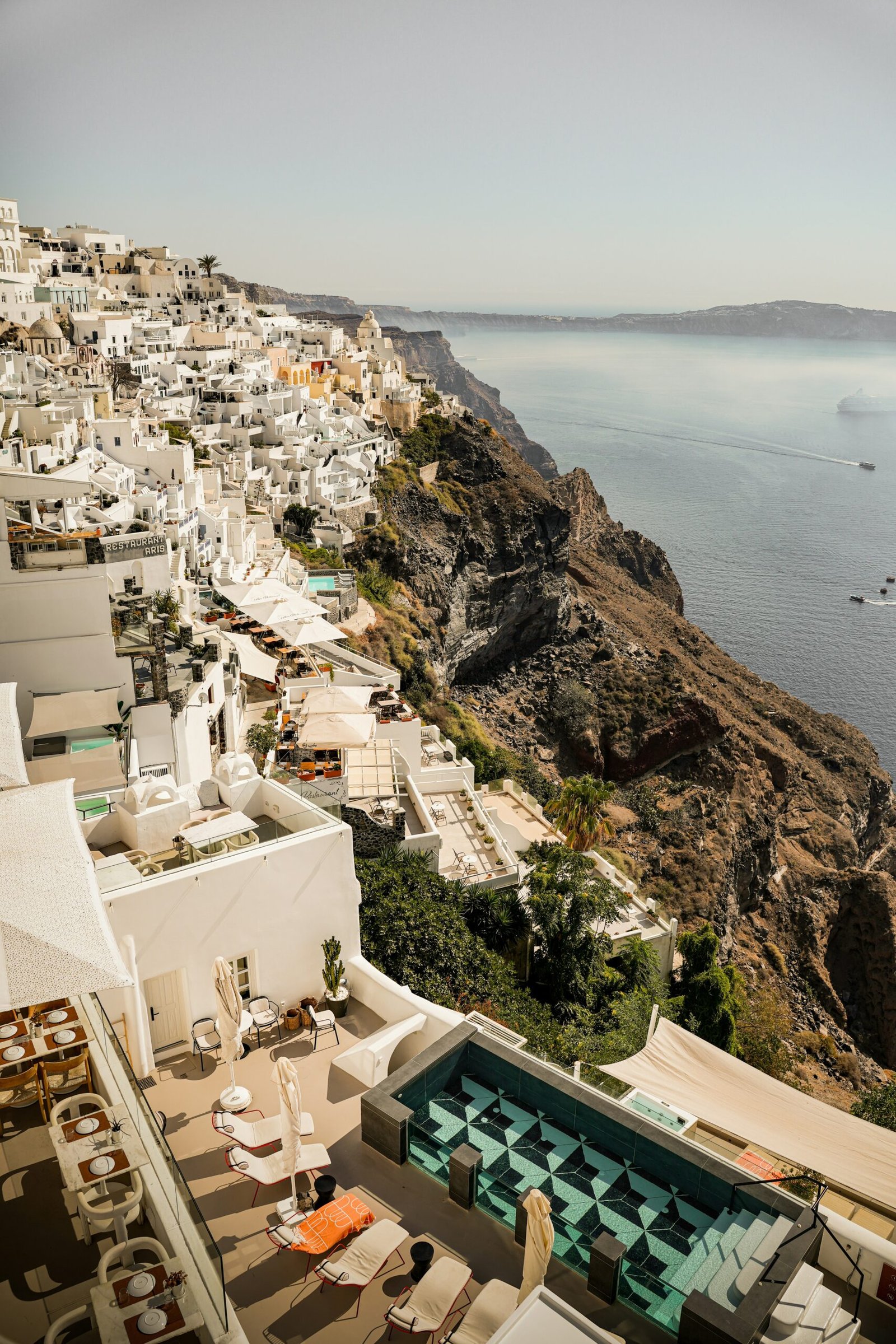
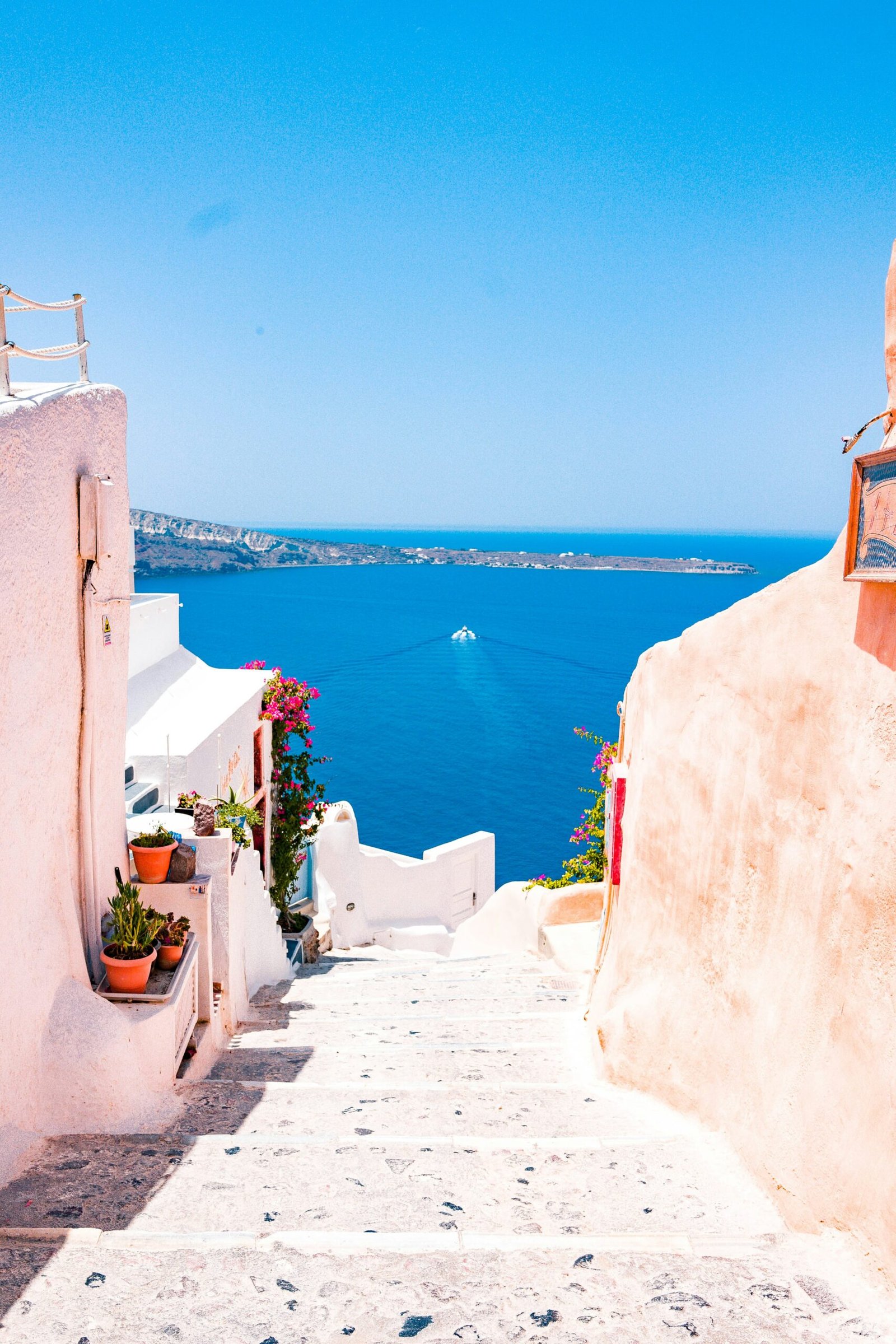
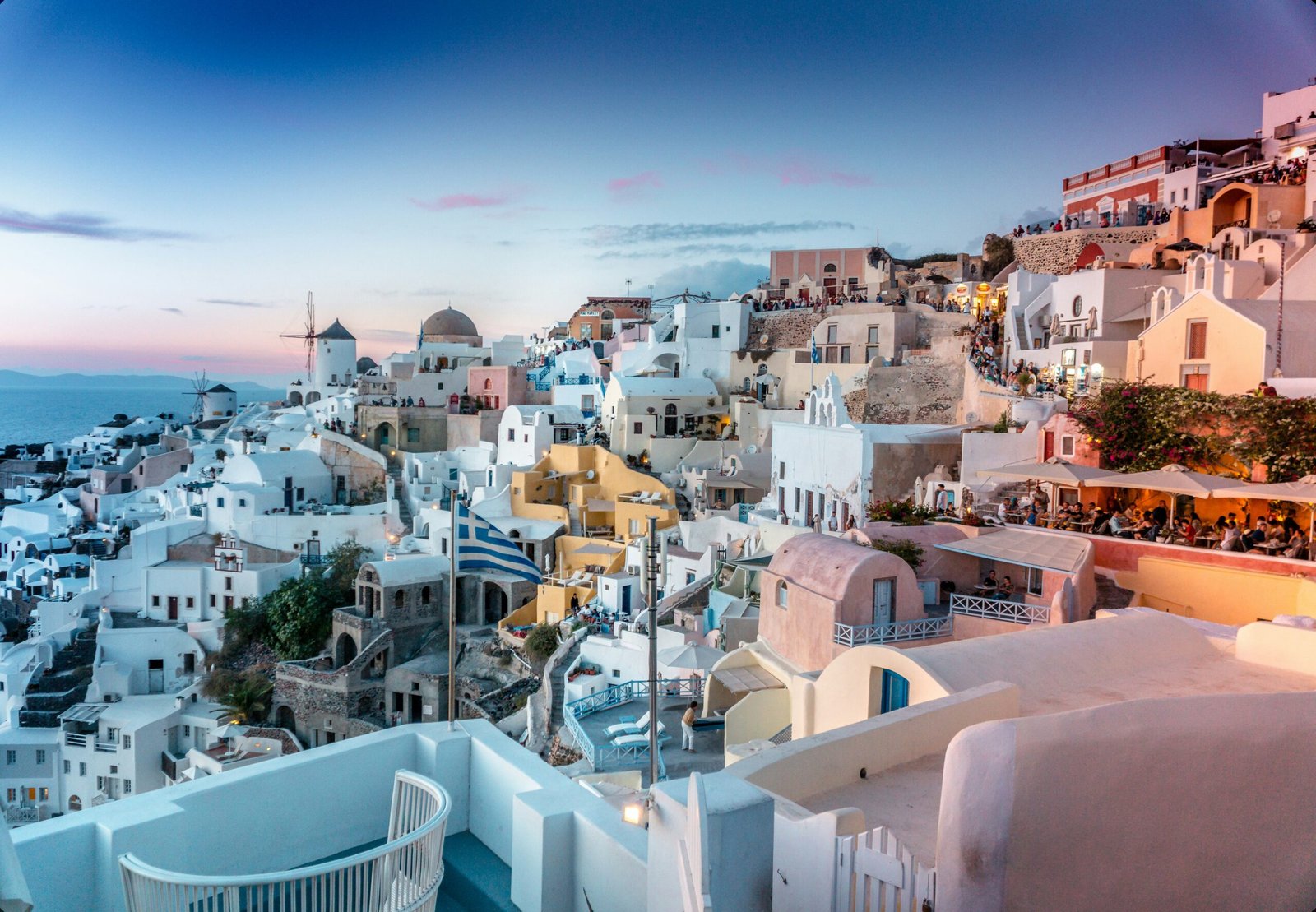
Santorini — the caldera island with the white cubic architecture above the volcanic cliffs of the submerged Minoan eruption — is the most dramatically sited of the Greek retreat destinations. The yoga shala above the caldera, with the Aegean visible in three directions and the volcanic islands floating in the blue below, produces the most specifically extraordinary of the Greek practice environments.
Perched 300 metres above the sea, Santorini creates a specific psychological condition — the sense of suspension, of being above the ordinary concerns of daily life, that the practice cultivates internally but that the landscape produces externally. The cave villas and boutique hotels that have been converted to retreat spaces here use the cliff architecture deliberately: the morning practice at the caldera edge before the cruise ships arrive is available to the practitioner at 6am in a way it is not available to the tourist at 10am.
The island in April-June and September-October has the caldera conditions without the summer density. The retreat that books Santorini in shoulder season gets the landscape at its most dramatic and the infrastructure at its most navigable.
→ See our full yoga retreats in Santorini guide.
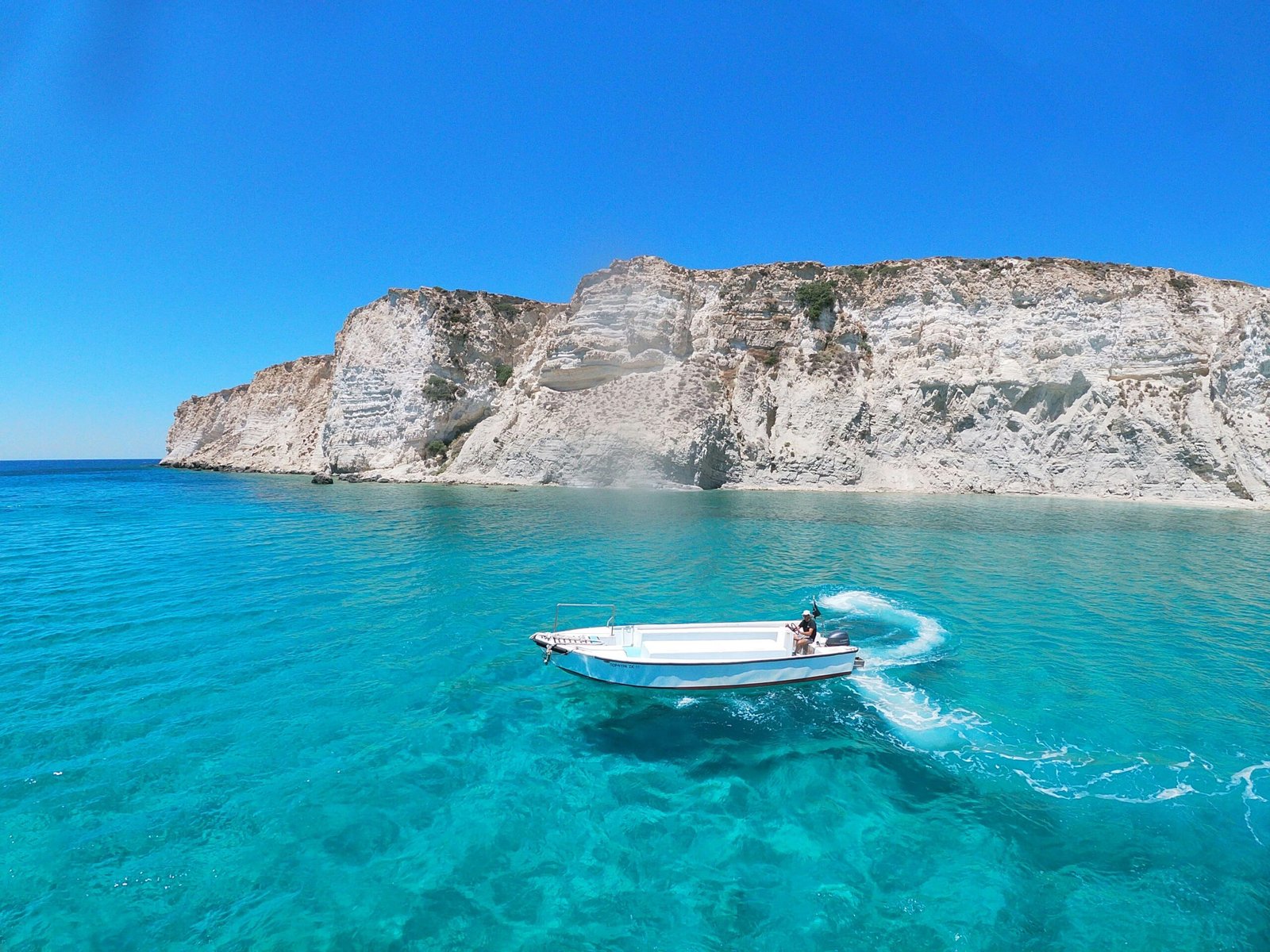
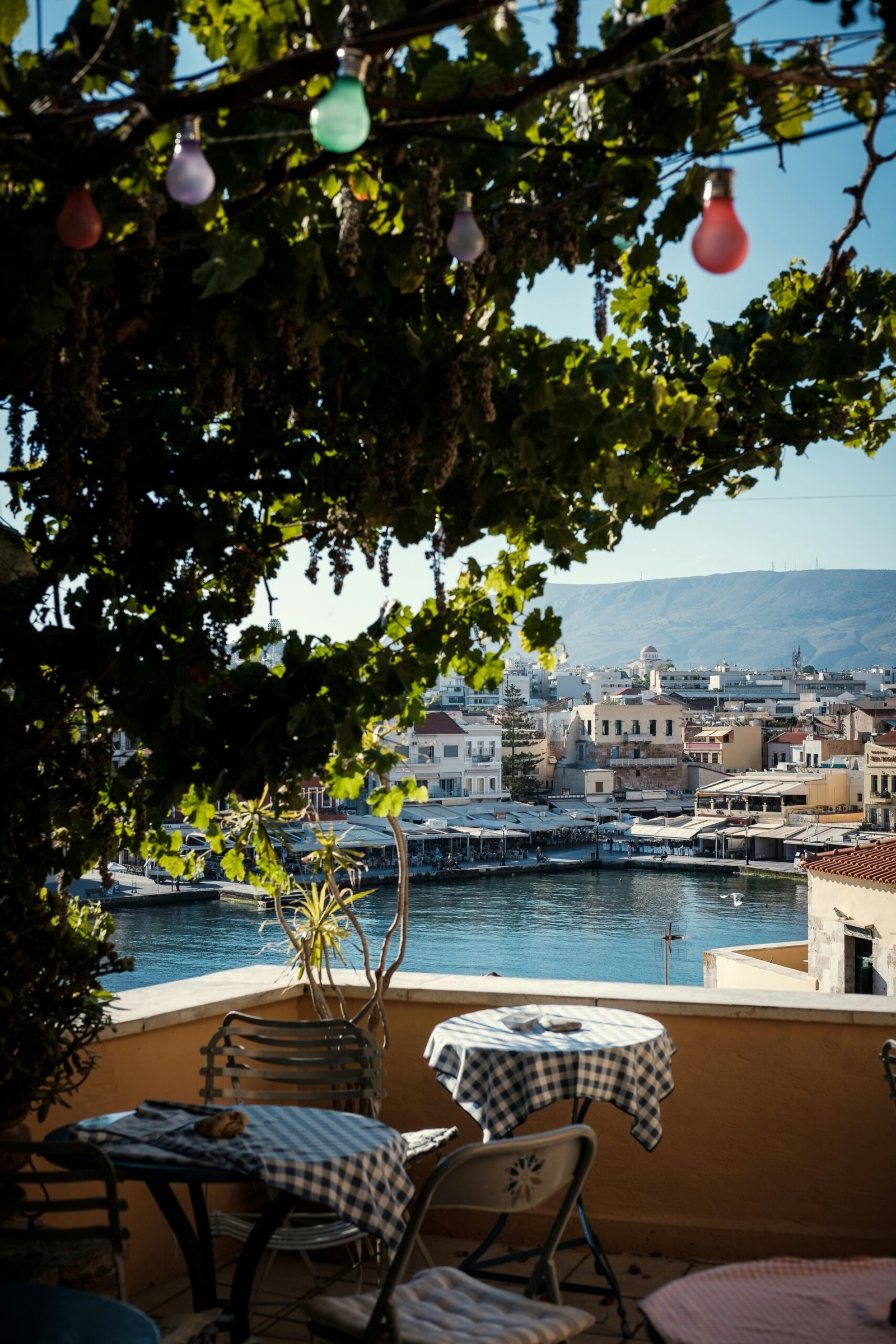
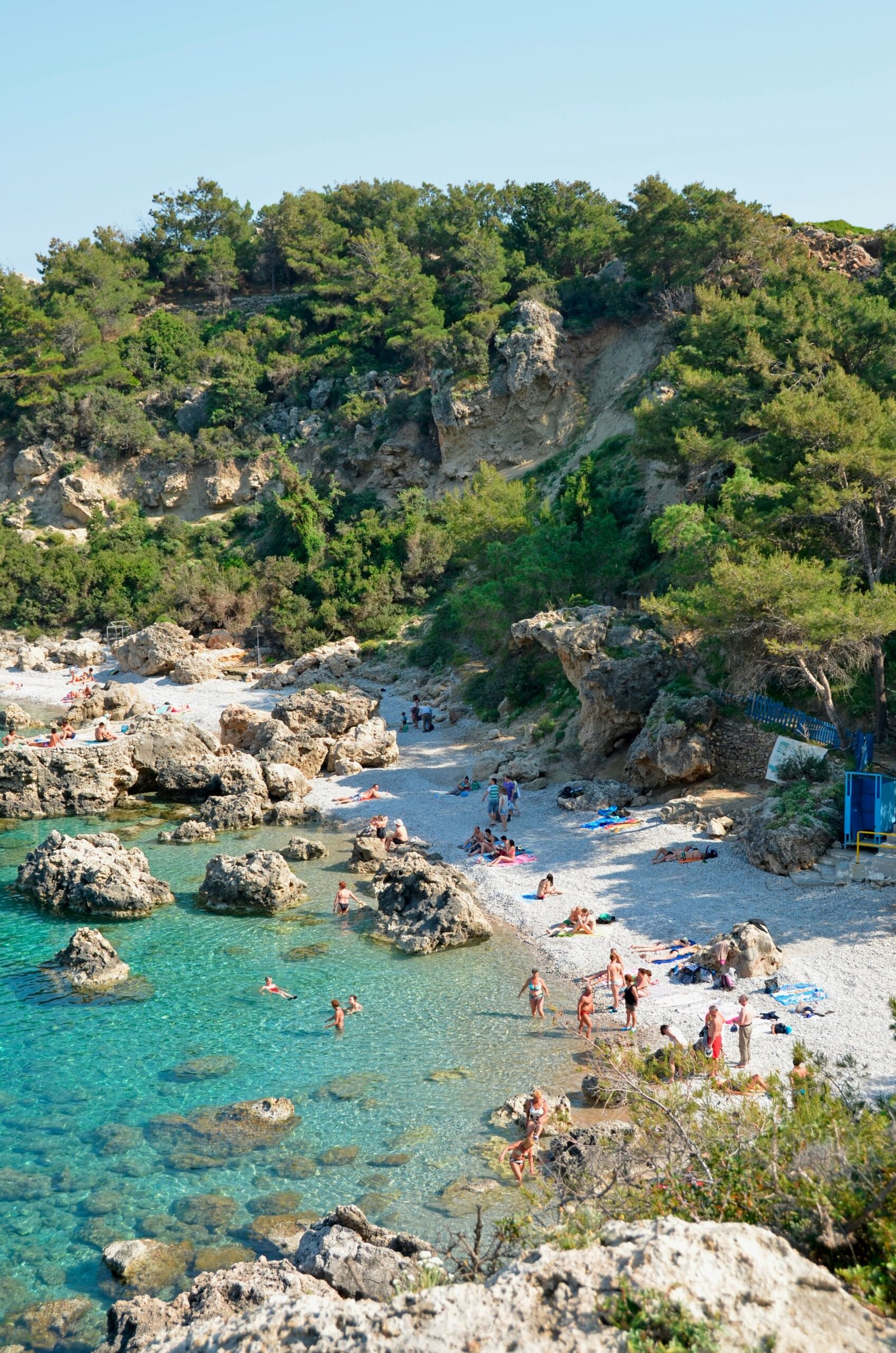
If Santorini is about elevation and air, Crete is about earth and rootedness. Greece’s largest island offers a completely different retreat experience — one that is deeply connected to land, tradition, and the slow rhythms of rural life. The White Mountains of the west, the Samaria Gorge, the Minoan Palace of Knossos, and a coastal geography ranging from the tourist-developed north coast to the remote southern bays accessible only by boat or long walk produce the most comprehensively varied of the Greek retreat landscapes.
Crete’s retreat centres tend toward the holistic and specifically local — yoga teachers who also tend the herb garden, morning practice followed by a walk through olive groves that have stood for centuries, meals prepared from vegetables grown within sight of the shala. The island’s food culture is the most specifically Cretan of any Greek retreat context: the Cretan diet — which predates the more famous Mediterranean diet label by decades — is built on the olive oil, the wild herbs, the legumes, and the wholegrain bread that the island’s agricultural tradition has maintained.
→ See our full yoga retreats in Crete guide.
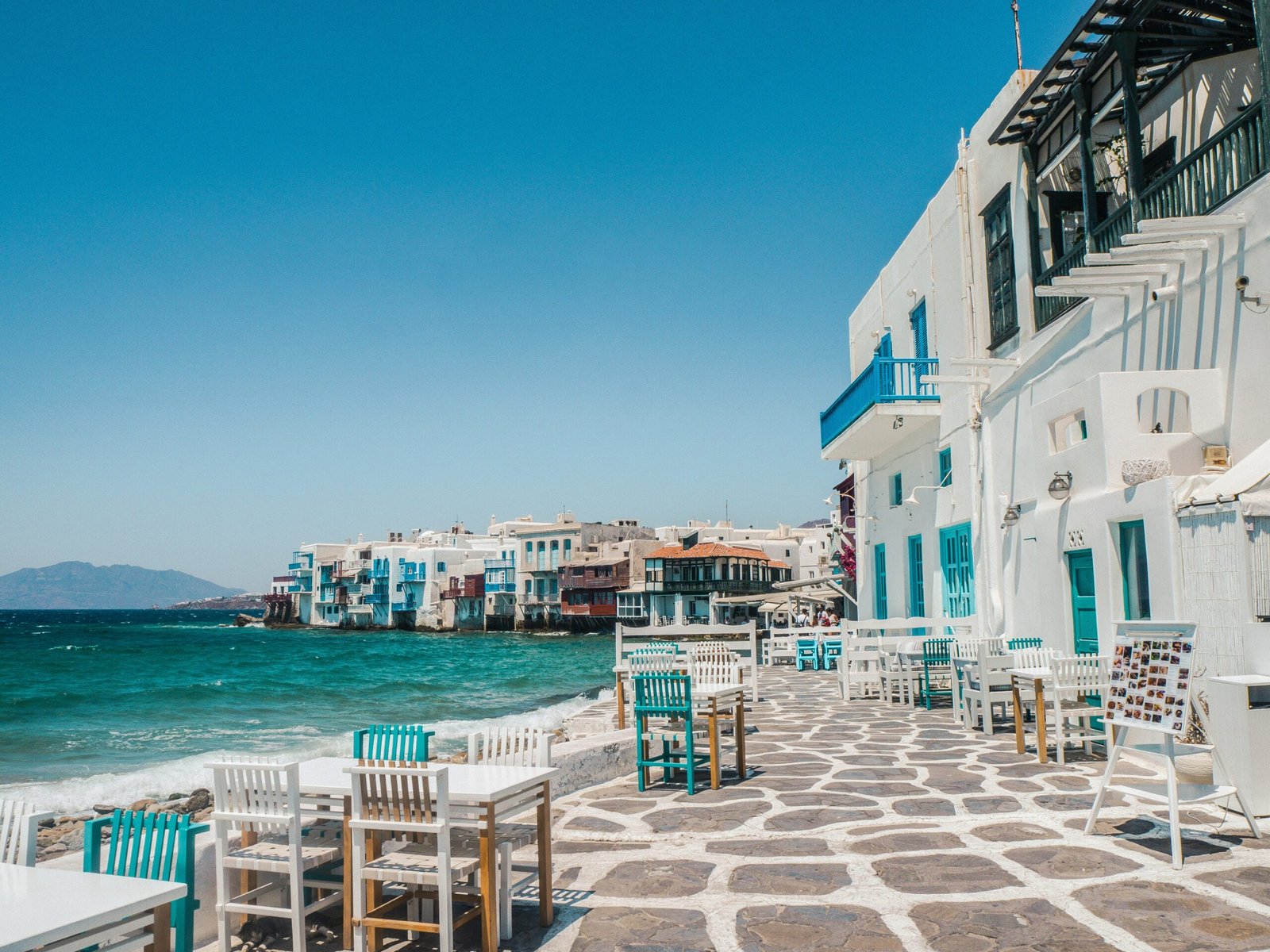
Mykonos has a yoga and wellness scene that exists in deliberate counterpoint to its international party reputation. The island’s Ano Mera village inland, the northern coast bays, and the boutique wellness hotels of the quieter southern shores produce a Mykonos that is simultaneously international and genuinely contemplative.
The island’s real gift to the practitioner is the Meltemi — the consistent northwest wind that sweeps across the Cyclades from June through August and transforms the outdoor practice into something physically specific: finding your centre when external forces push and pull, maintaining the pose in movement rather than in stillness. It is pranayama courtesy of the Aegean. The luxury retreat infrastructure of Mykonos is the most developed of any Cycladic island outside Santorini, and the walled gardens and private yoga pavilions of the boutique retreat hotels produce the protected space the practice requires even in high season.
→ See our full yoga retreats in Mykonos guide.
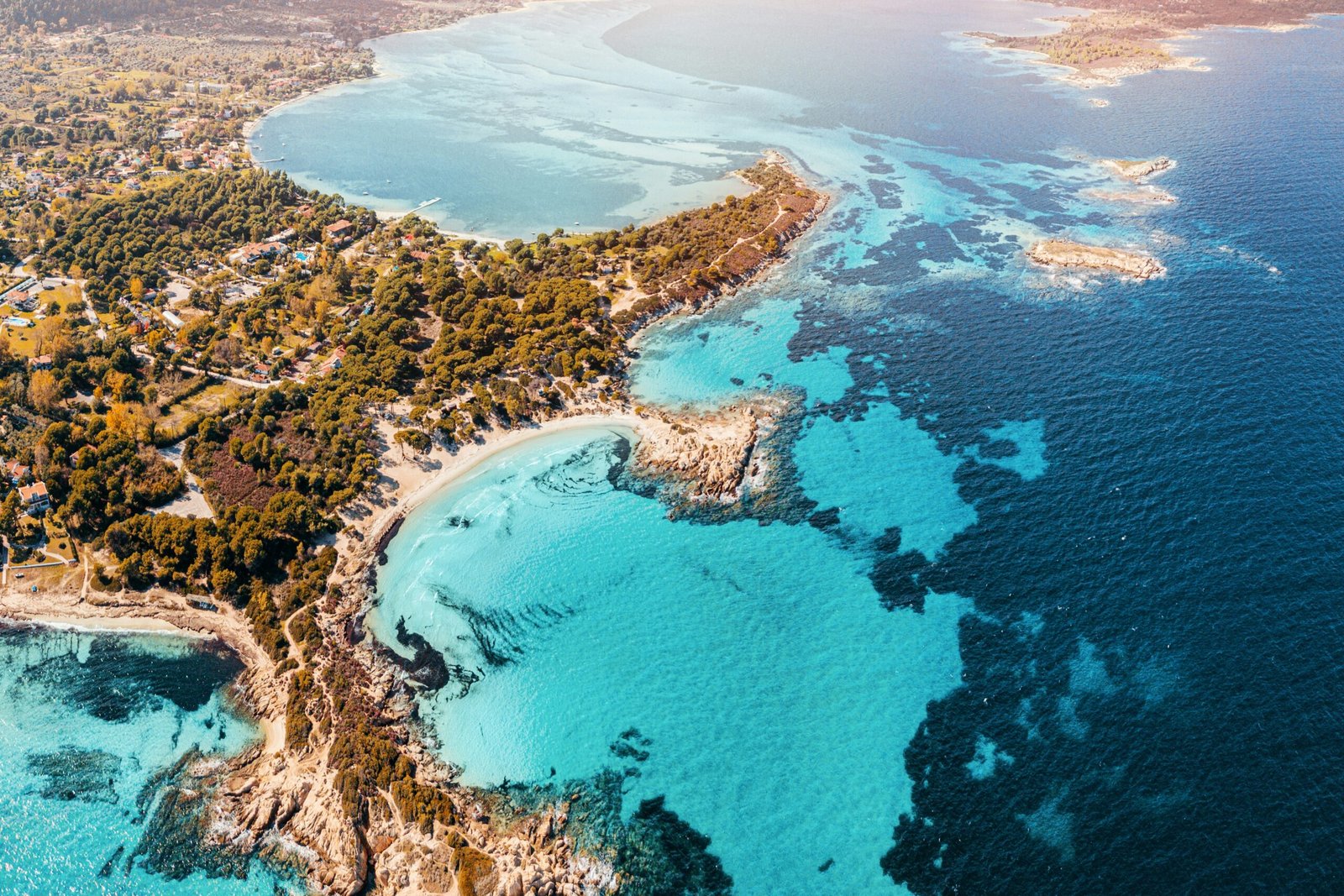
The Peloponnese — the large peninsula south of Athens, connected to the mainland by the Corinth canal — is the least internationally known and the most specifically archaeological of the Greek retreat destinations. The ancient theatre of Epidaurus (where the acoustic engineering of the 4th-century BCE Greeks produces near-perfect sound at the back of the 14,000-seat theatre), the Byzantine hill city of Mystras, and the Mani peninsula — the most dramatically arid of the Greek landscapes, with the medieval tower houses of the independent Maniot clans rising from the olive groves above the Gulf of Laconia — produce a cultural context that the island retreats cannot approach.
The Peloponnese retreat attracts the practitioner who wants Greece in depth rather than Greece in view. The archaeology, the Byzantine history, and the specifically Peloponnesian food culture — the Kalamata olive, the Mani honey, the Laconian figs — providing the cultural programme alongside the practice.
→ See our full yoga retreats in the Peloponnese guide.
Paros and Naxos — the two large Cycladic islands most favoured by the Greek domestic retreat community — offer what Santorini and Mykonos increasingly cannot: authentic village life alongside the Aegean landscape. Paros has the most developed of the non-Santorini retreat scenes, with the Naoussa fishing village and the Lefkes mountain village producing retreat contexts that the human-scale Cycladic community makes specifically rewarding.
Naxos — the largest of the Cyclades, with mountains reaching 1,001 metres and the most fertile agricultural land in the archipelago — offers the most varied of the island retreat landscapes. The combination of the mountain interior, the marble quarries (Naxian marble built the Parthenon), and the coastal plain produces a retreat week that uses the island’s full geographic range. The food on Naxos is exceptional by any Greek standard — the Naxian Graviera cheese, the local kitron liqueur from the citron trees of the Halki valley, and the potatoes from the volcanic soil of the plateau are the most specifically island of any Cycladic produce.
→ See our full yoga retreats in Paros and Naxos guide.
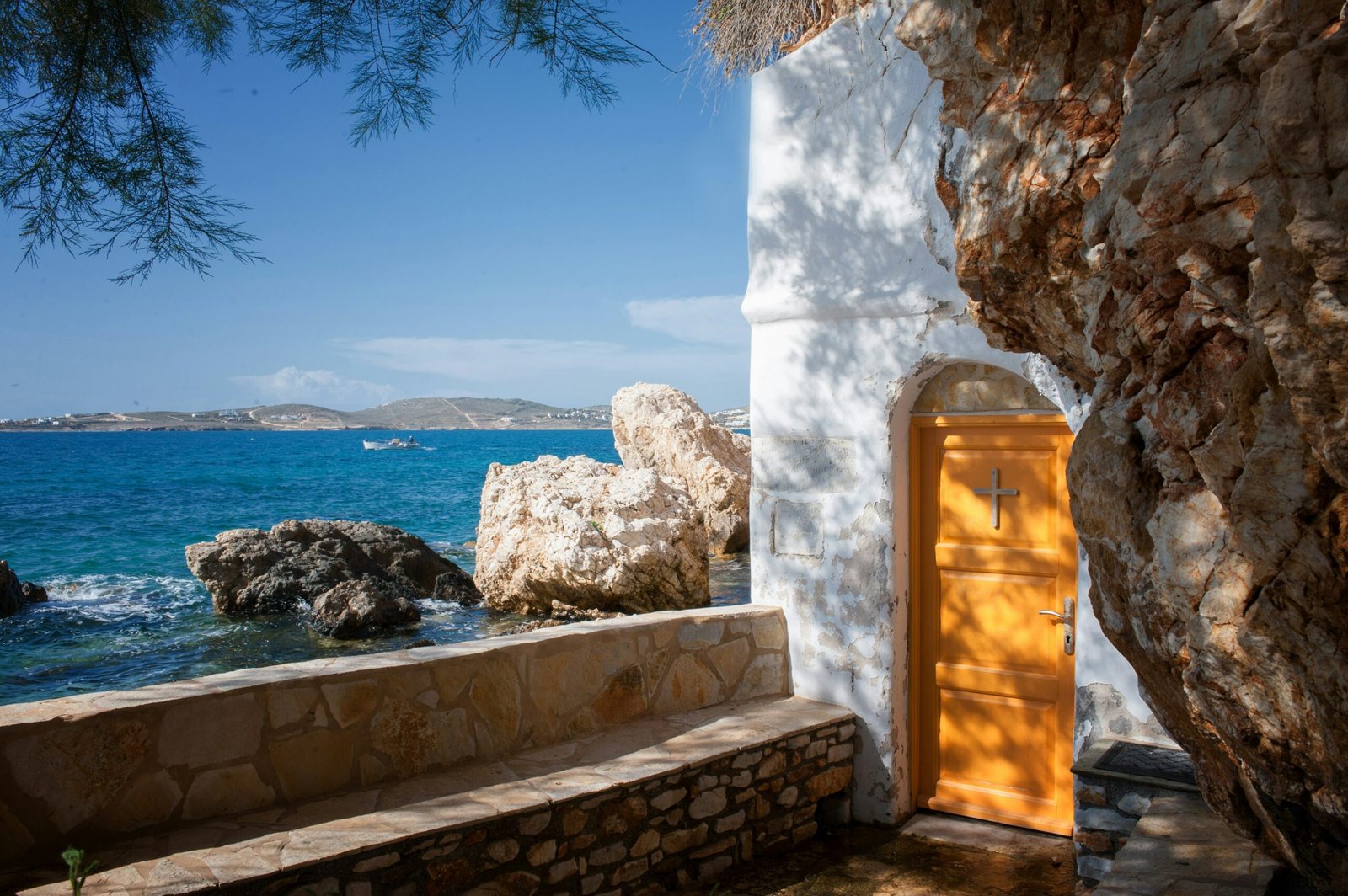
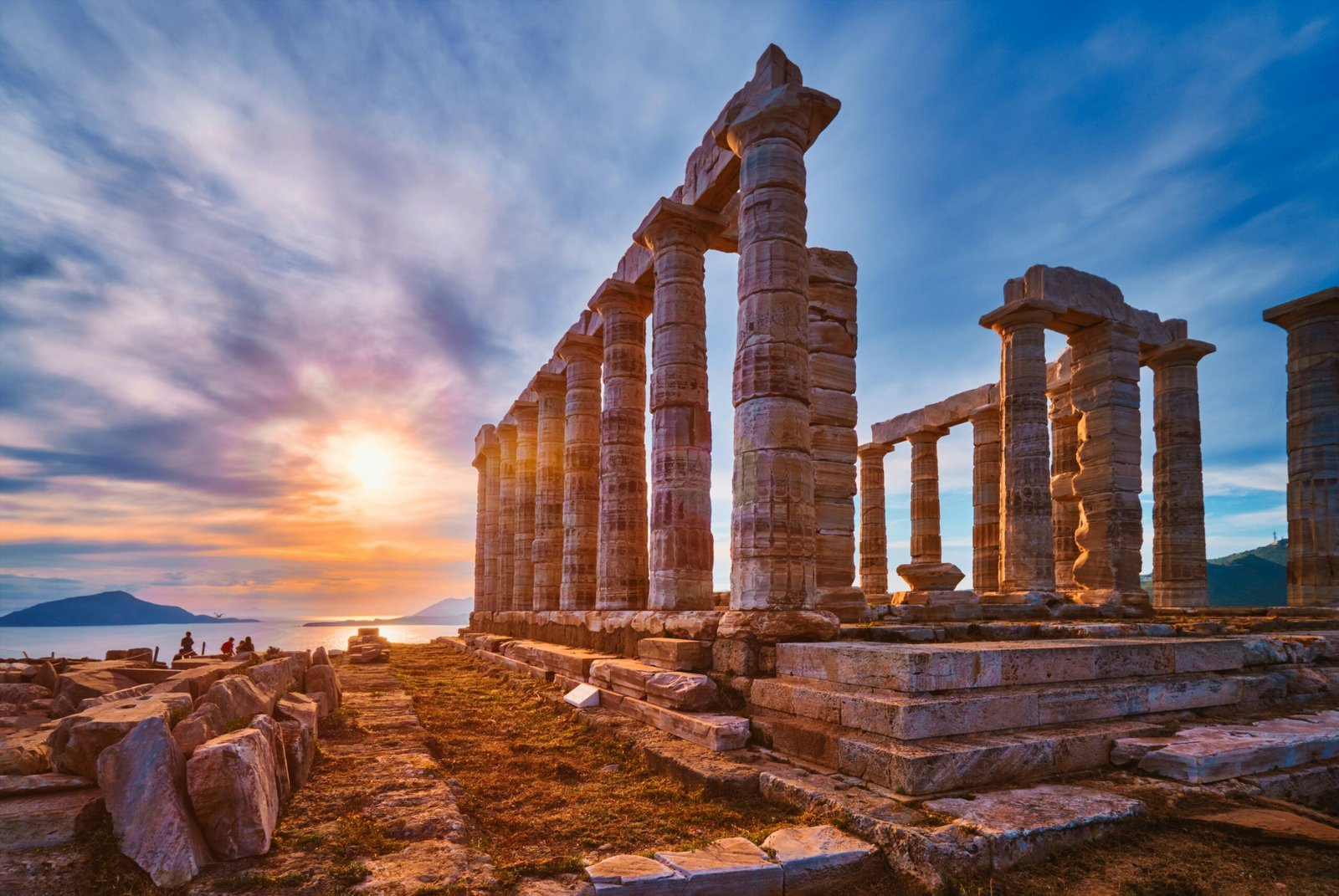
The Athens Riviera — the coastline stretching from the city’s southern suburbs to the Temple of Poseidon at Cape Sounion — has quietly developed into a retreat destination in its own right. Within an hour of landing at Athens airport, you can be practicing morning yoga overlooking the Saronic Gulf. Within 90 minutes, you can be in Sounion with the 5th-century BCE temple on the cliff above the sea.
The Argosaronic islands — Aegina (with the Temple of Aphaea and the pistachio orchards), Hydra (no cars, no mopeds, only horses and walking), and Spetses — are accessible by hydrofoil from Piraeus and produce some of the most specifically contemplative retreat bases available within a day’s reach of a major European capital. Hydra in particular — the island that banned motorised vehicles in the 1950s — has a silence that the mainland cannot produce.
→ See our full yoga retreats near Athens guide.
Spring (April-May) is the most consistently recommended window — the wildflowers covering the island hillsides, the sea warming toward swimmable, the tourist infrastructure operational but uncrowded, and the light at the specific quality that makes the Aegean most dramatically beautiful. See our guides for April — wildflowers, the Aegean awakening, and the season at its freshest and May — warm sea, empty beaches, and the perfect pre-summer balance.
June is the last pre-peak month — equivalent conditions to May with a slightly warmer sea and slightly more visitors. The best value in the high-quality retreat centres before the July premium takes effect. See our June — long days, warm evenings, and the Aegean before the crowds guide.
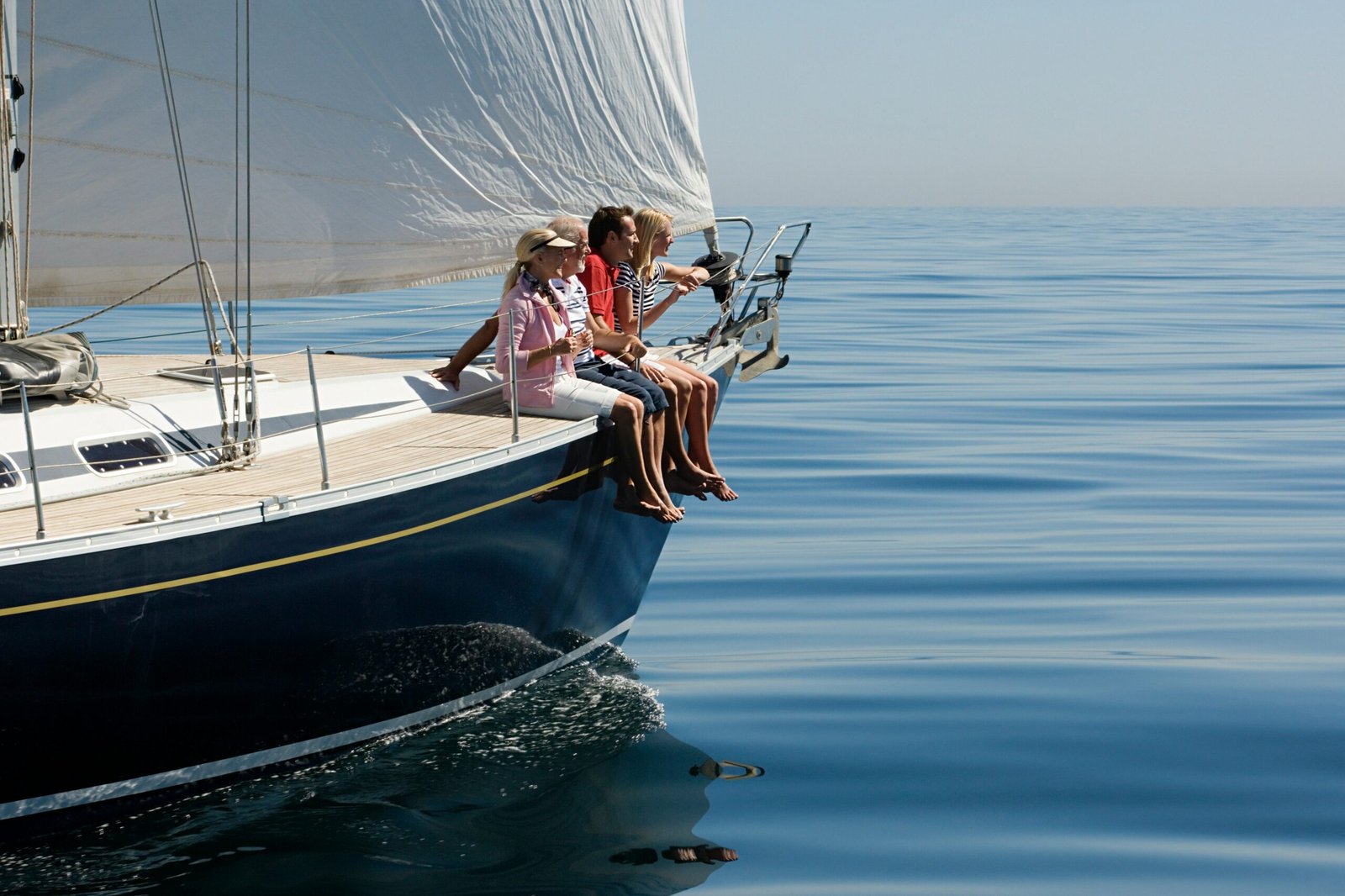
July and August are peak season. The Meltemi wind that cools the Cyclades makes outdoor practice specifically rewarding despite the heat, but the major tourist destinations reach their maximum density. The Peloponnese and the less visited Aegean islands are the best alternatives. See our July — peak Aegean, Meltemi winds, and the islands at full intensity and August — golden light, sailing retreats, and the season’s summit guides.
September and October are the months the experienced Greece practitioner specifically chooses — the sea at its warmest (26-27°C in September), the summer crowds gone, the light at its amber autumn quality. See our September — the sea at its warmest, the islands returning to themselves and October guides.
Winter (November-March) — the islands go quiet and many retreat centres close. Athens, the Peloponnese, and Crete’s southern coast are accessible and rewarding year-round. See our November, contemplative Greece before winter closes the season, December, Athens and ancient sites without the crowds, January, the quietest and most intimate month on the mainland, February , first signs of spring on the southern islands, and March, wildflowers return and the season begins to open guides.
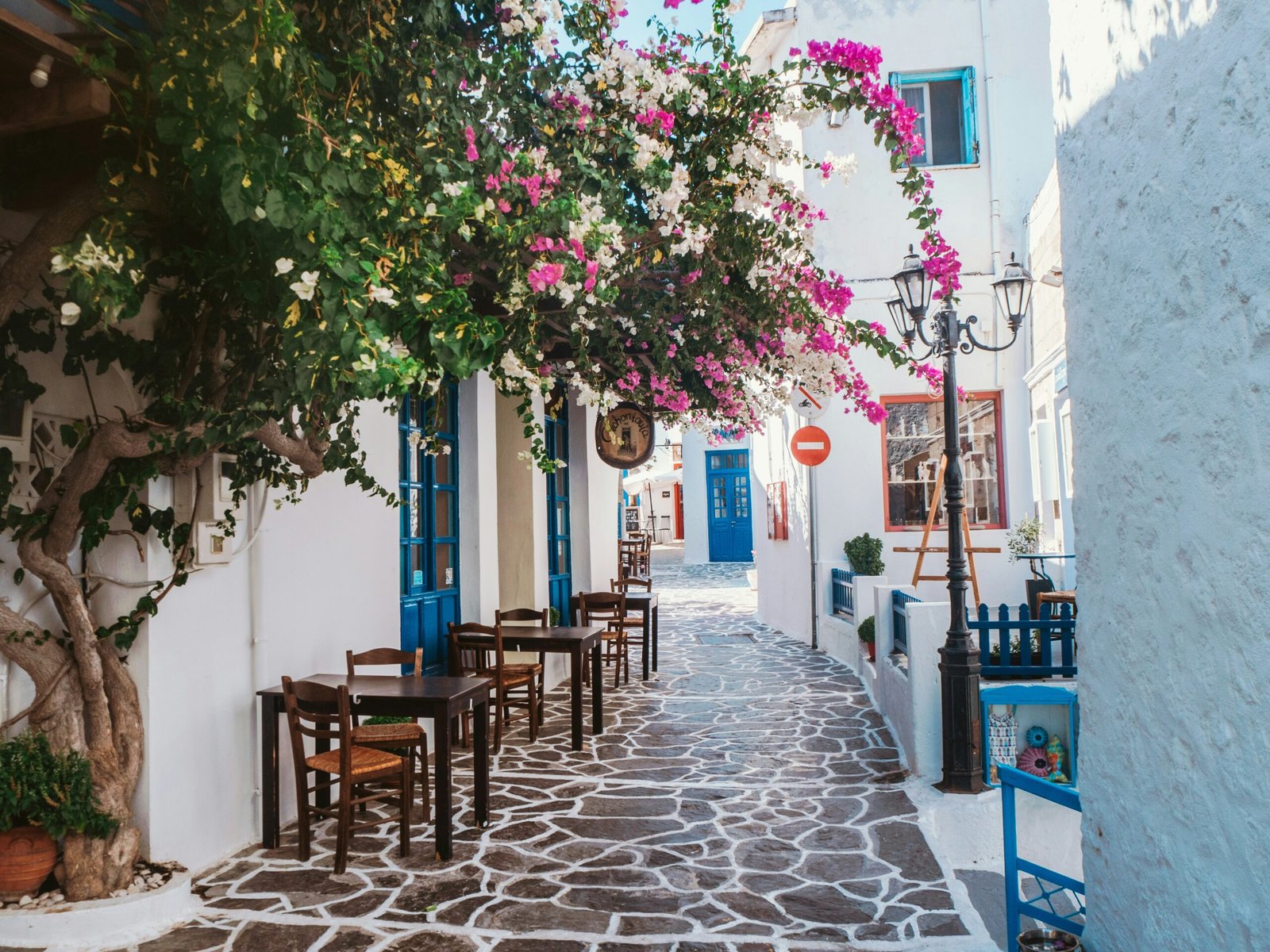
By air — Athens International Airport (ATH) is the main hub, with direct connections from Europe, North America, and the Middle East. The islands are served by domestic flights on Olympic Air and Sky Express from Athens (25-45 minutes). Heraklion (HER) and Chania (CHQ) in Crete, Thira (JTR) in Santorini, Mykonos (JMK), Rhodes (RHO), and Corfu (CFU) all receive direct international flights from European cities through the summer season (May-October).
By ferry — the Greek ferry network is one of the most extensive in the Mediterranean. The main port of Piraeus (Athens) connects to all major islands. The Cyclades are connected by fast catamaran from Piraeus in 3-4 hours. The Blue Star Ferries overnight service connects the Dodecanese. Book ferry tickets in advance for July-August — the peak season routes fill weeks ahead.