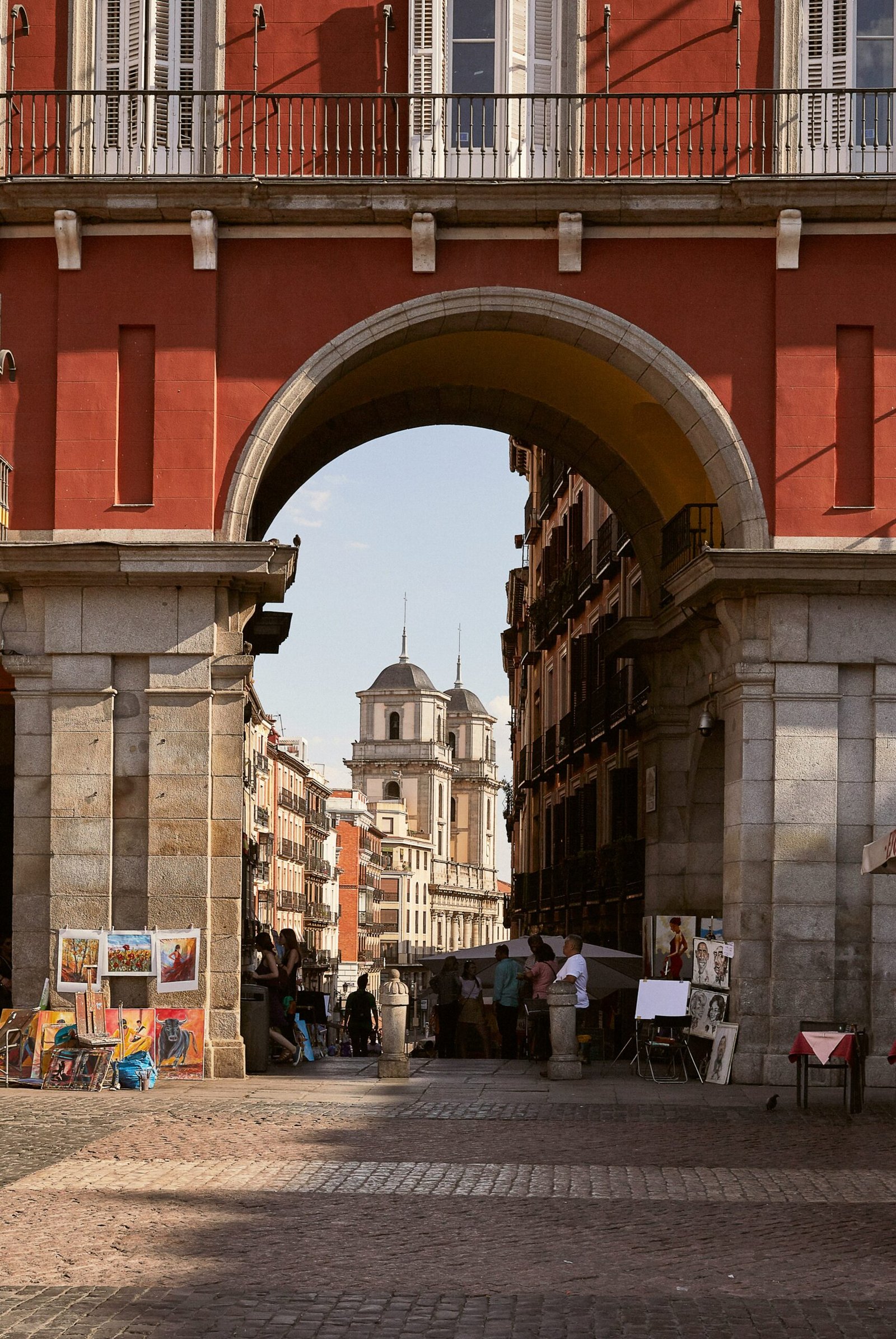
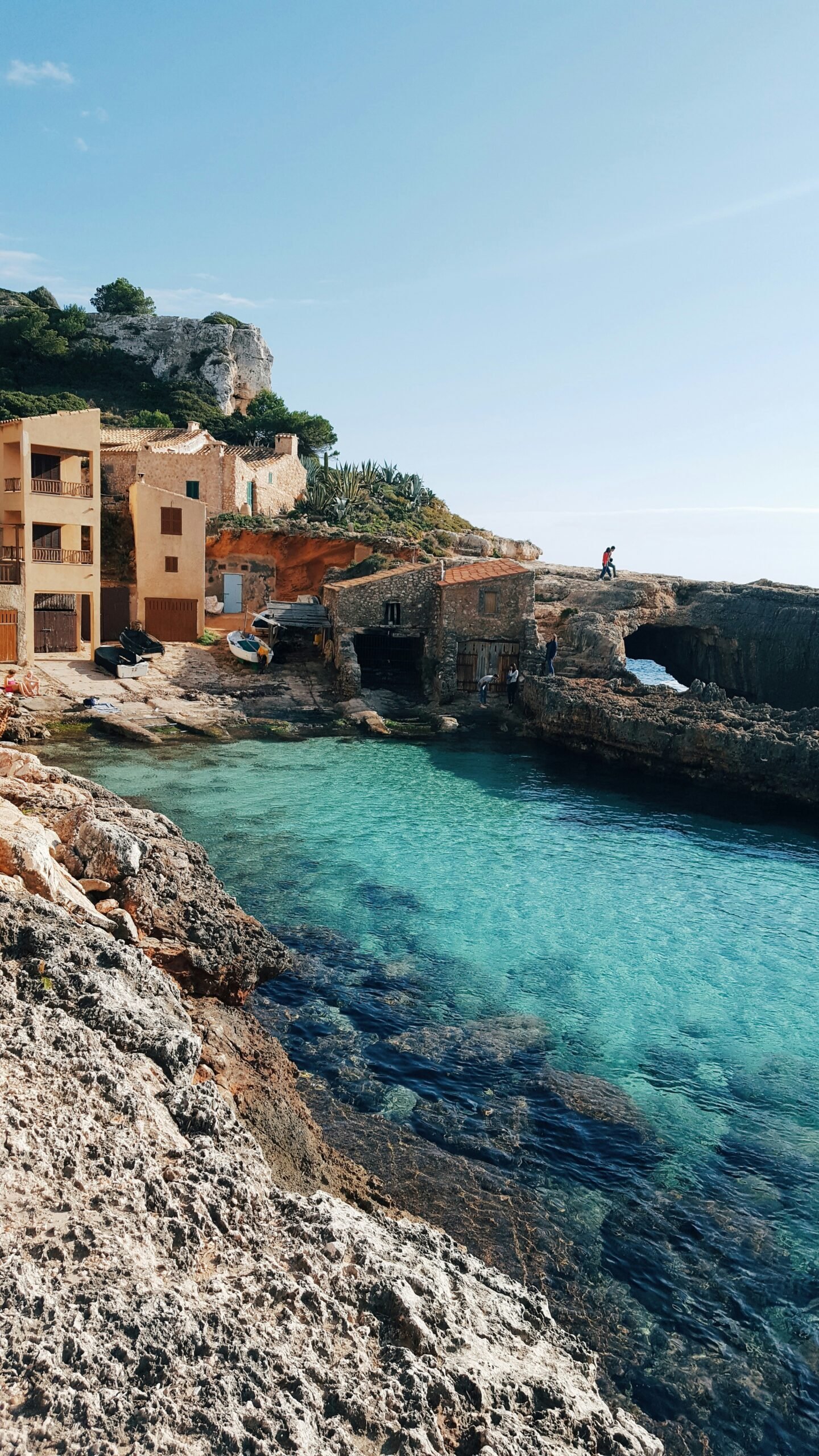
Spain
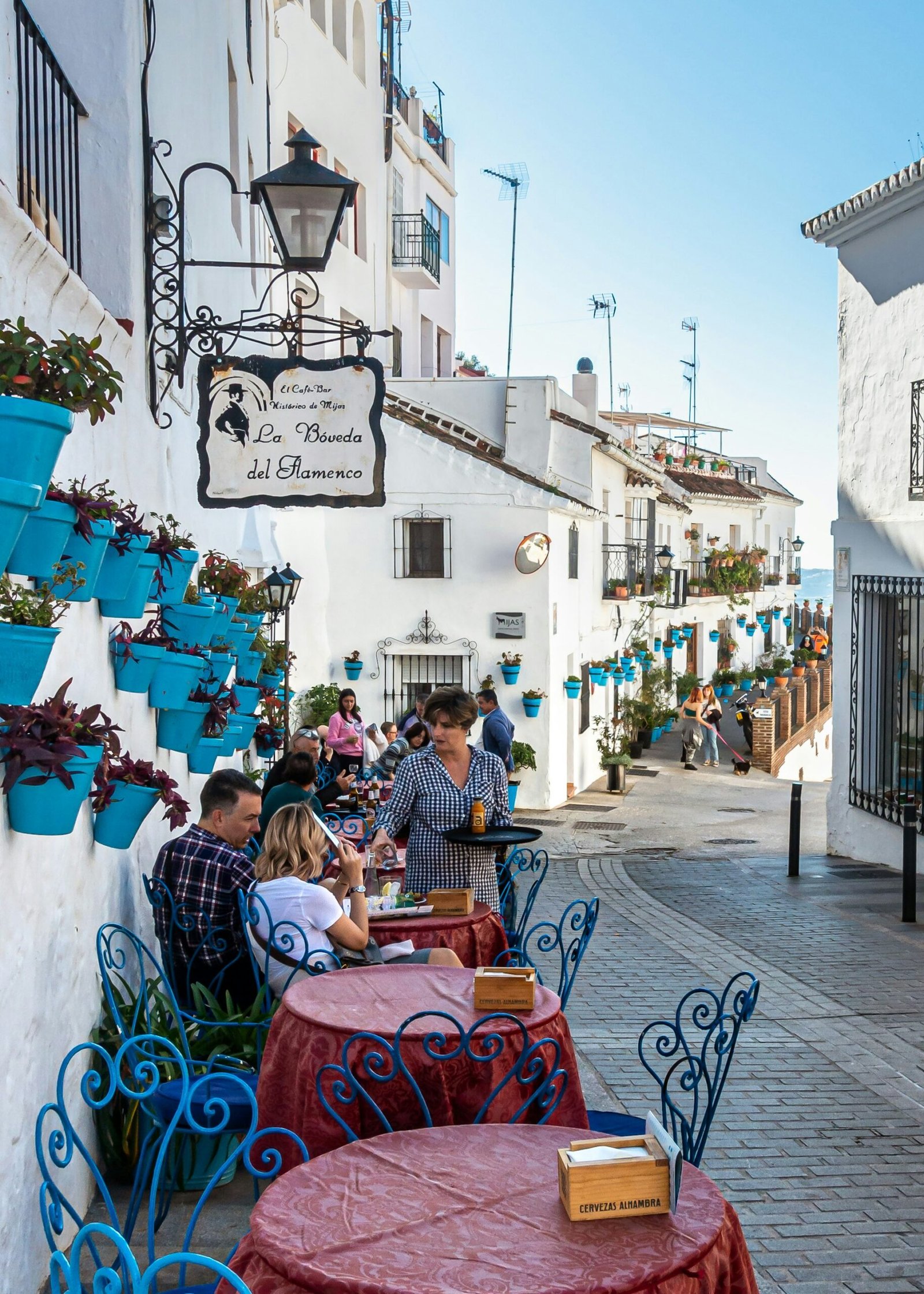
Spain earns its reputation slowly. The first impression is sensory — the heat, the colour, the noise of the market, the smell of orange blossom in a Sevillian courtyard.
But the country has a contemplative dimension that the surfaces conceal. The flamenco dancer’s stillness between the stamps. The Andalusian patio’s cool interior behind the painted tiles. The Camino pilgrim’s silence on the mountain path. Spain knows how to be present. A retreat here borrows from that knowledge.
Discover retreats that blend meaningful practices with Spain’s most unique settings. Each program in this collection has been selected for its quality and its ability to support genuine rest.
DATE
PRICE
LOCATION
Nights
Greece is the European retreat destination most directly shaped by its landscape — the islands, the light, and the sea produce conditions for practice that the countryside retreats of France or Italy approach but never quite replicate. What the retreats collected here share is an understanding that in Greece, the landscape itself is the primary instructor. The teacher’s role is to help you pay attention to what the country is already doing.
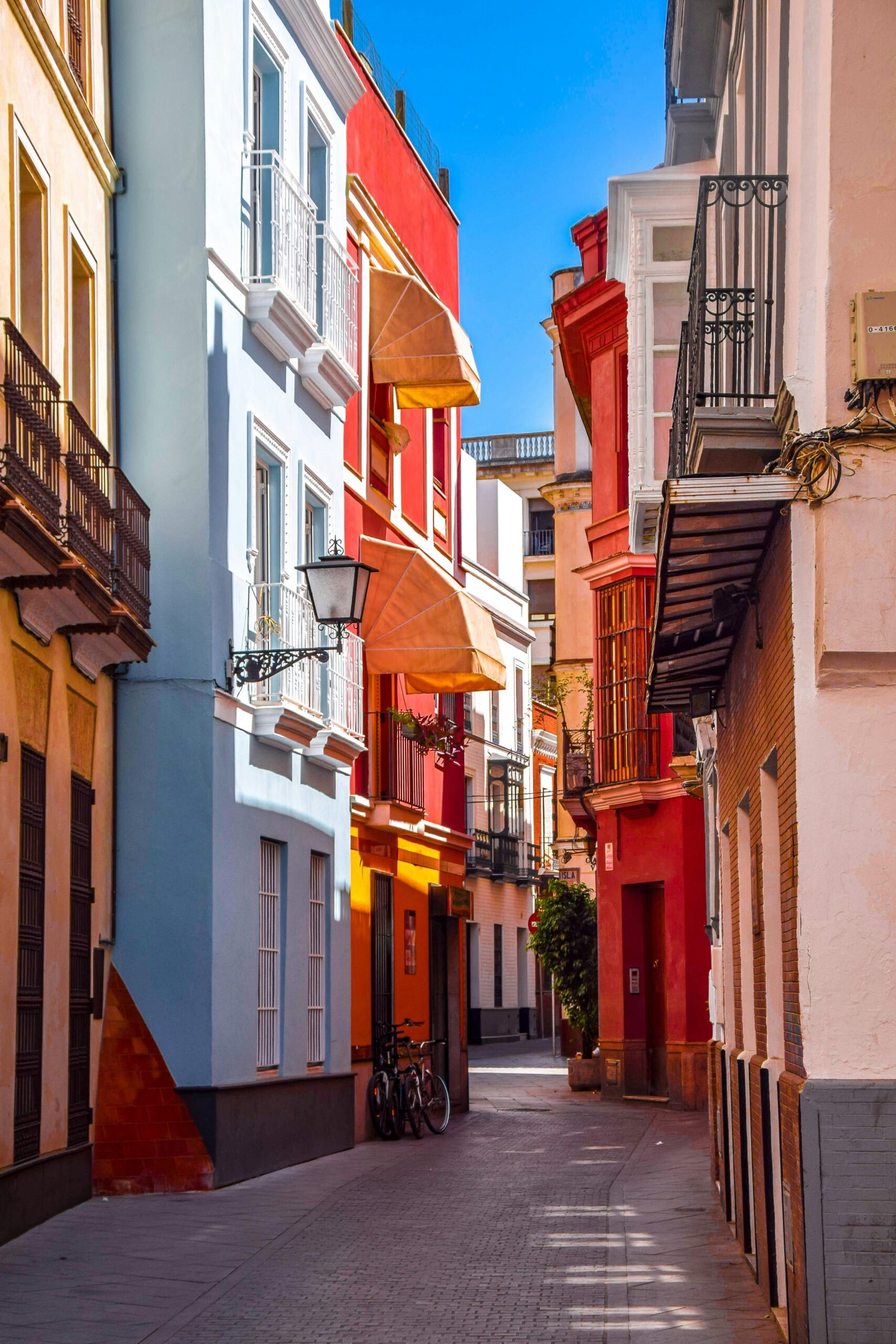
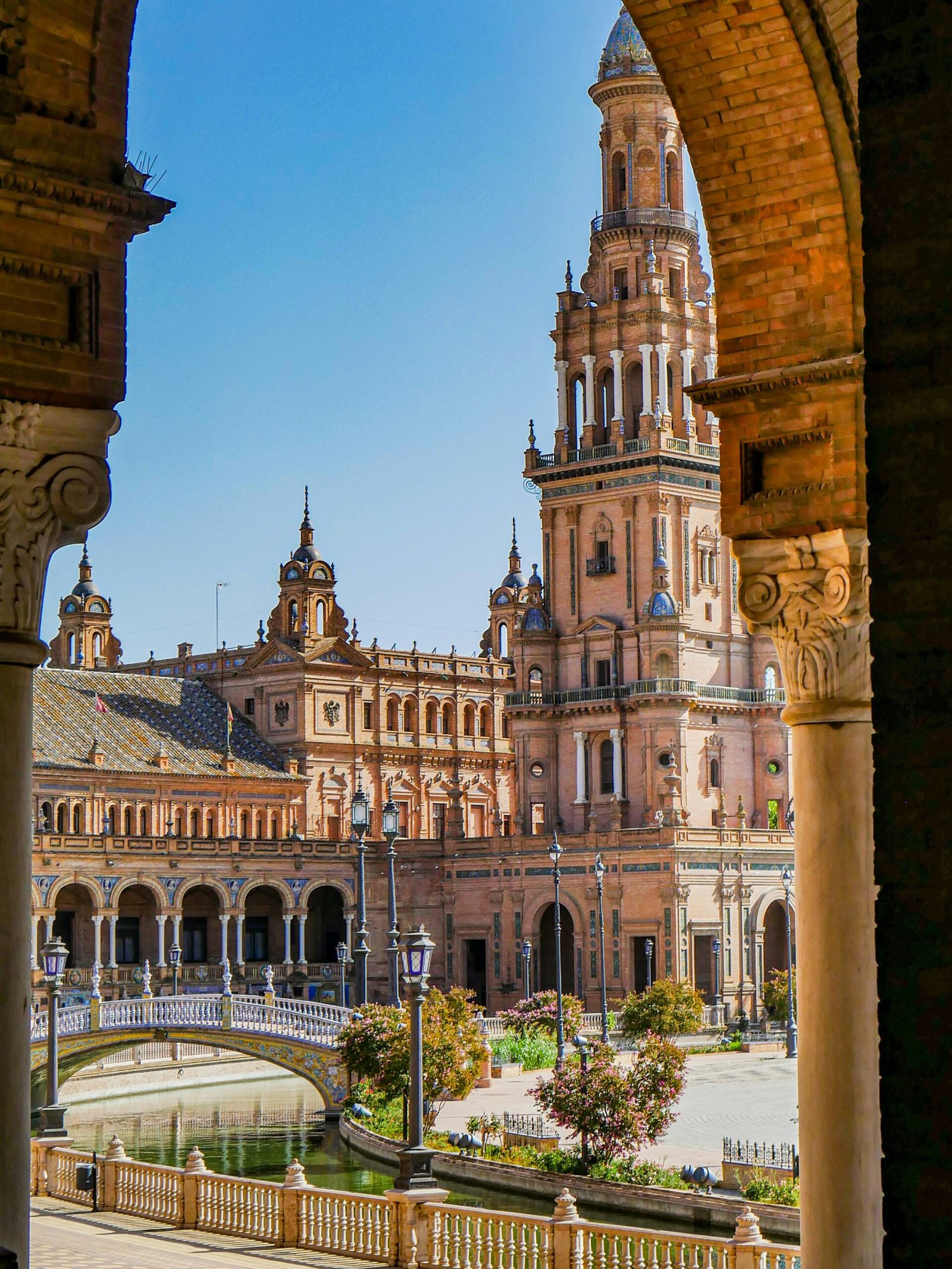
Andalusia — the southern region with the white villages (pueblos blancos) of the Sierra de Grazalema, the Moorish architecture of Granada, Córdoba, and Seville, and the most dramatically arid of the Spanish interior landscapes — is the most culturally specific of the Spanish retreat destinations. The Alhambra, the Mezquita, and the Alcázar produce the most concentrated of the European Islamic heritage landscapes, and the specifically Andalusian synthesis of Moorish, Christian, and Gypsy cultural traditions produces the retreat context most unlike anywhere else in Europe.
The yoga retreat in Andalusia typically uses the rural cortijo (the traditional Andalusian farmhouse) or the converted cave house of the Granada hinterland as its base. The morning practice in the whitewashed courtyard, the afternoon excursion to the nearest Moorish site, and the evening flamenco at the village tablao are the Andalusian retreat programme at its most specifically itself.
→ See our full yoga retreats in Andalusia guide.
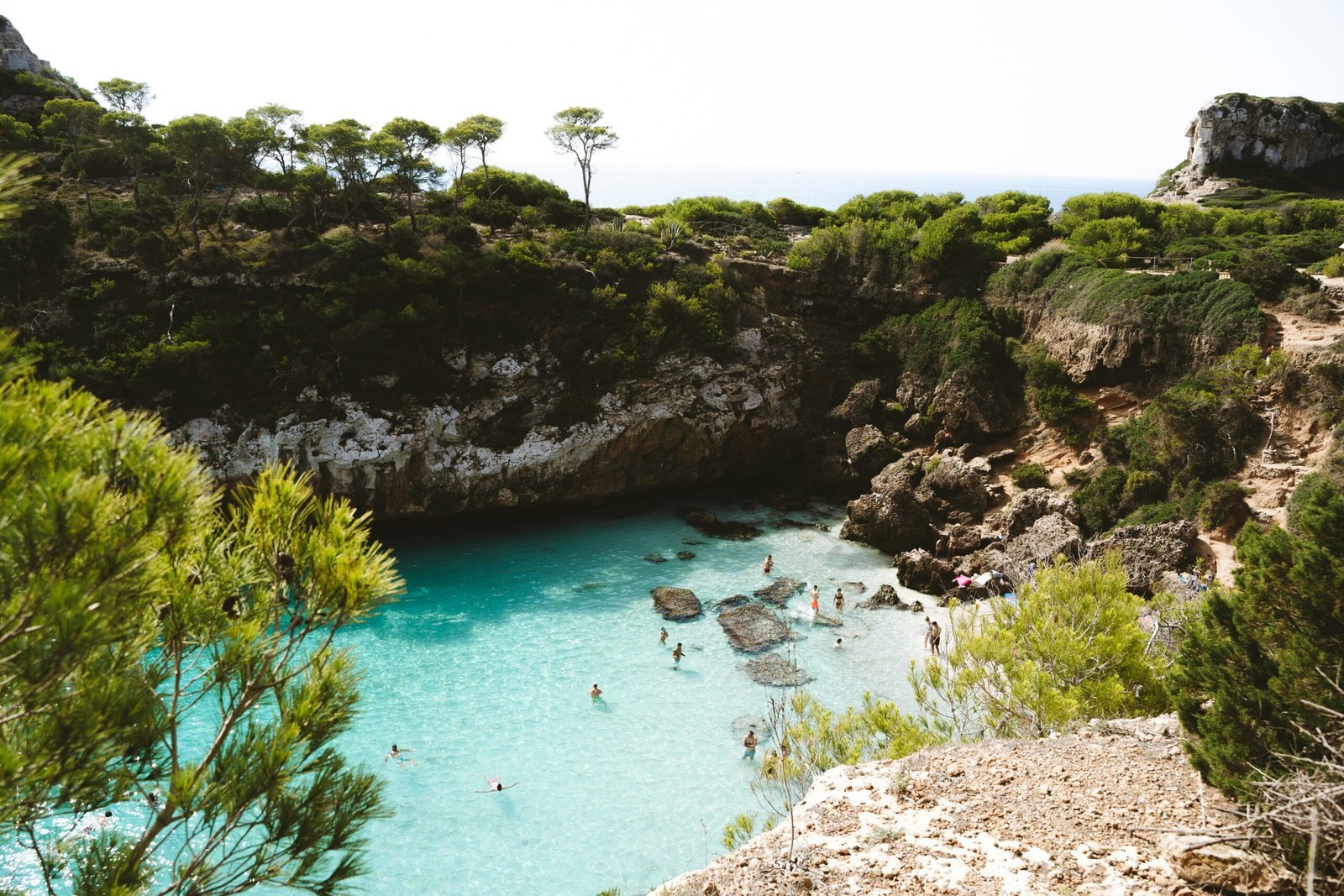
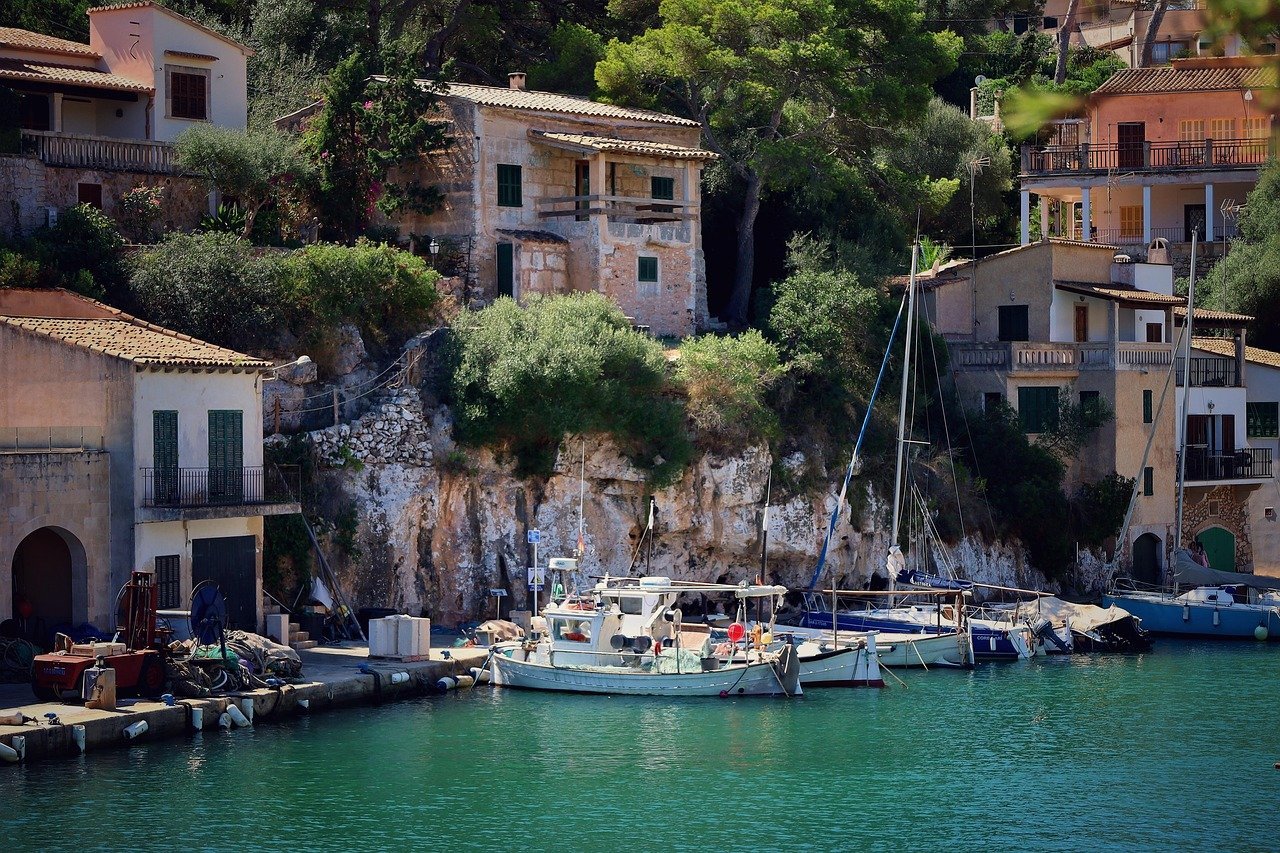
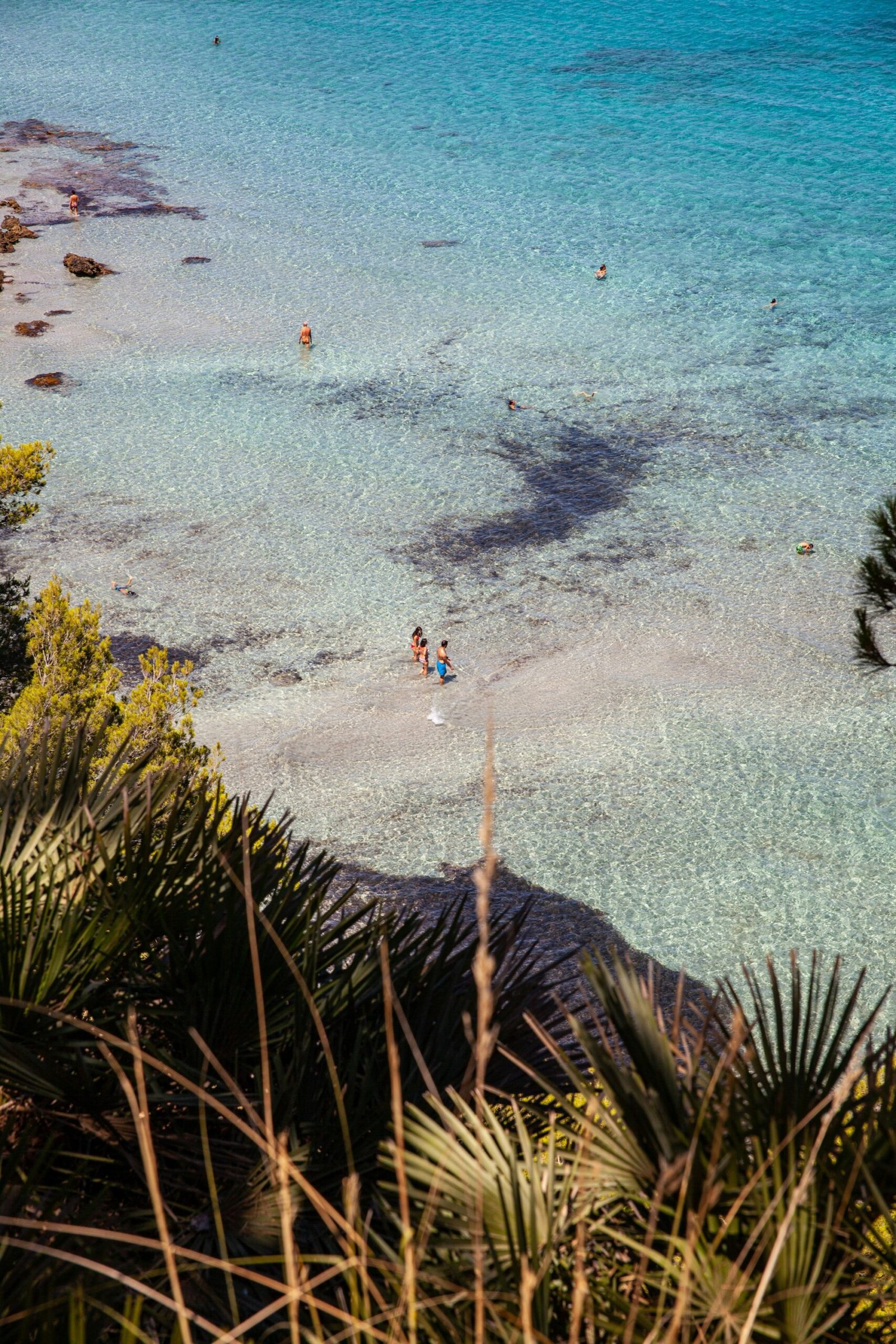
Mallorca — the largest of the Balearic Islands — is the most established of the Spanish island retreat destinations: direct flights from across Europe, a developed boutique hotel and finca infrastructure, and a landscape ranging from the dramatic Tramuntana Mountains (the UNESCO-listed range on the northwest coast) to the sheltered bays of the east coast.
The yoga retreat in Mallorca typically uses a converted finca in the Tramuntana foothills — the stone farmhouse above the almond and olive groves, with the Mediterranean visible between the mountains on clear days.
→ See our full yoga retreats in Mallorca guide.
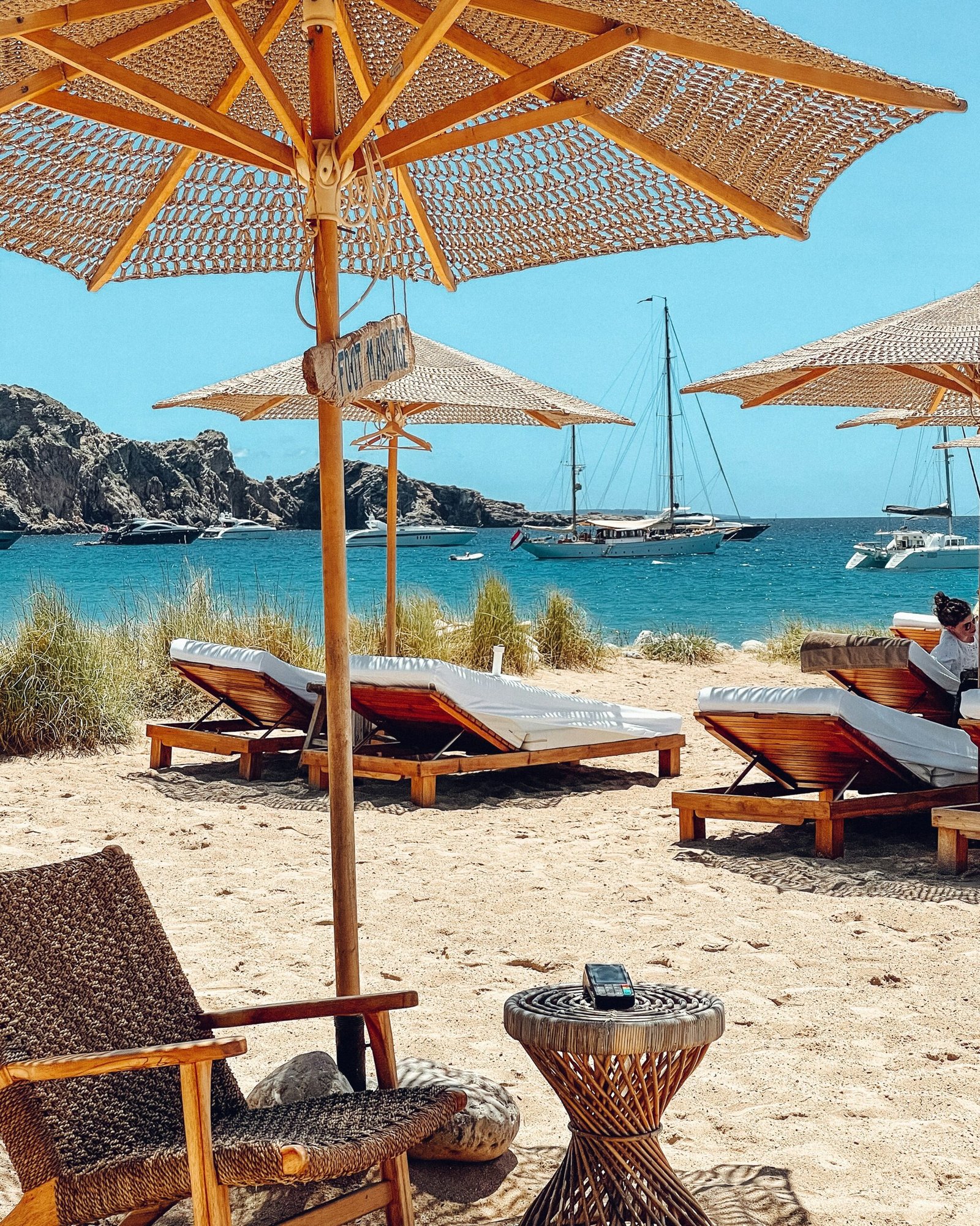
Ibiza has a yoga and wellness culture that has been developing since the 1960s hippie community that preceded the club scene.
The island’s north (the Sant Joan and Santa Gertrudis areas) has a specifically serious wellness community that the international club tourism has not displaced. The retreat centres here are among the most internationally connected in Europe — the teachers rotate from Bali, India, and California alongside the resident Ibiza community.
→ See our full yoga retreats in Ibiza guide.
The Sierra de Guadarrama and the Sierra de Gredos — the mountain ranges accessible from Madrid in 1-2 hours — provide the most practically accessible of the Spanish rural retreat bases.
The highland villages at 1,000-1,800 metres, the granite landscapes, and the Extremaduran dehesa produce the most specifically Castilian of the Spanish retreat landscapes.
→ See our full yoga retreats near Madrid guide.
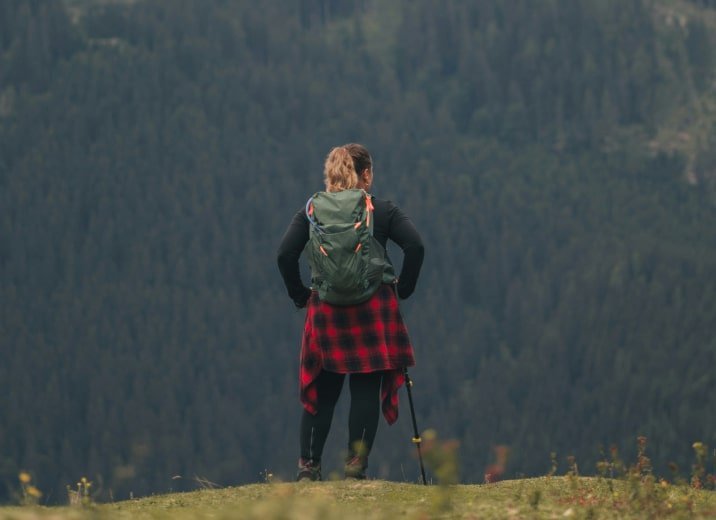
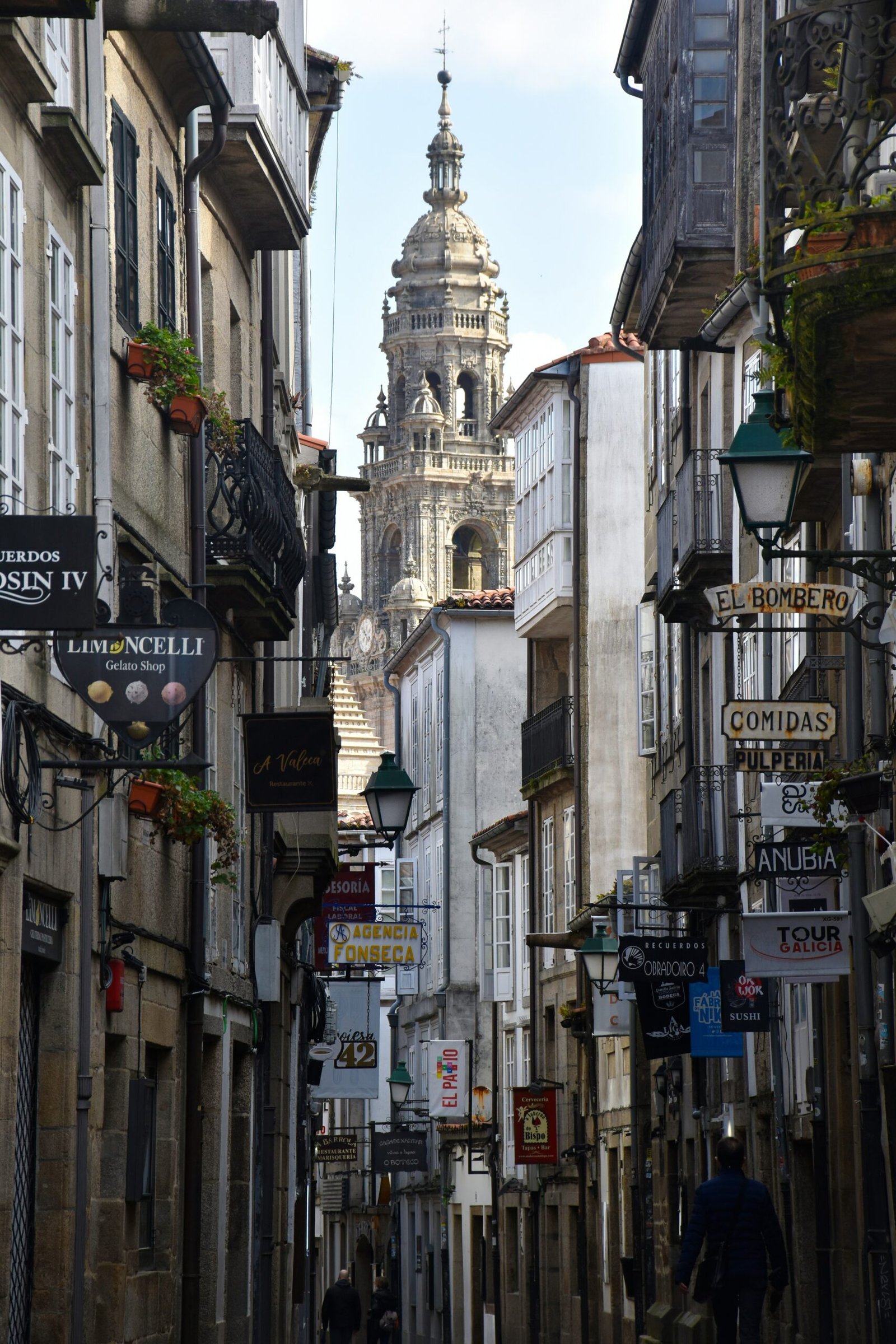
The Camino de Santiago is the most specifically contemplative of the Spanish outdoor experiences. The yoga retreat that uses the Camino as its framework — walking sections of the path as the daily outdoor practice, the evening yoga as recovery and reflection — produces the most specifically intentional of the walking-and-practice combinations.
The Basque Country is separately the most gastronomically extraordinary of the Spanish retreat regions, and its Atlantic surf coast produces the surf-and-yoga combination that the Mediterranean coast cannot approach.
Spain’s retreat season varies dramatically by region — more so than most European destinations.
Spring (March-May) is the best window for Andalusia. The wildflowers cover the Sierra de Grazalema, the Semana Santa processions fill Seville and Granada, and the temperatures are ideal for outdoor practice before the summer heat arrives. March in Spain catches the Easter celebrations and the first warm days. April in Andalusia is orange blossom season across the south. May retreats in Spain are the last cool window before summer takes hold.
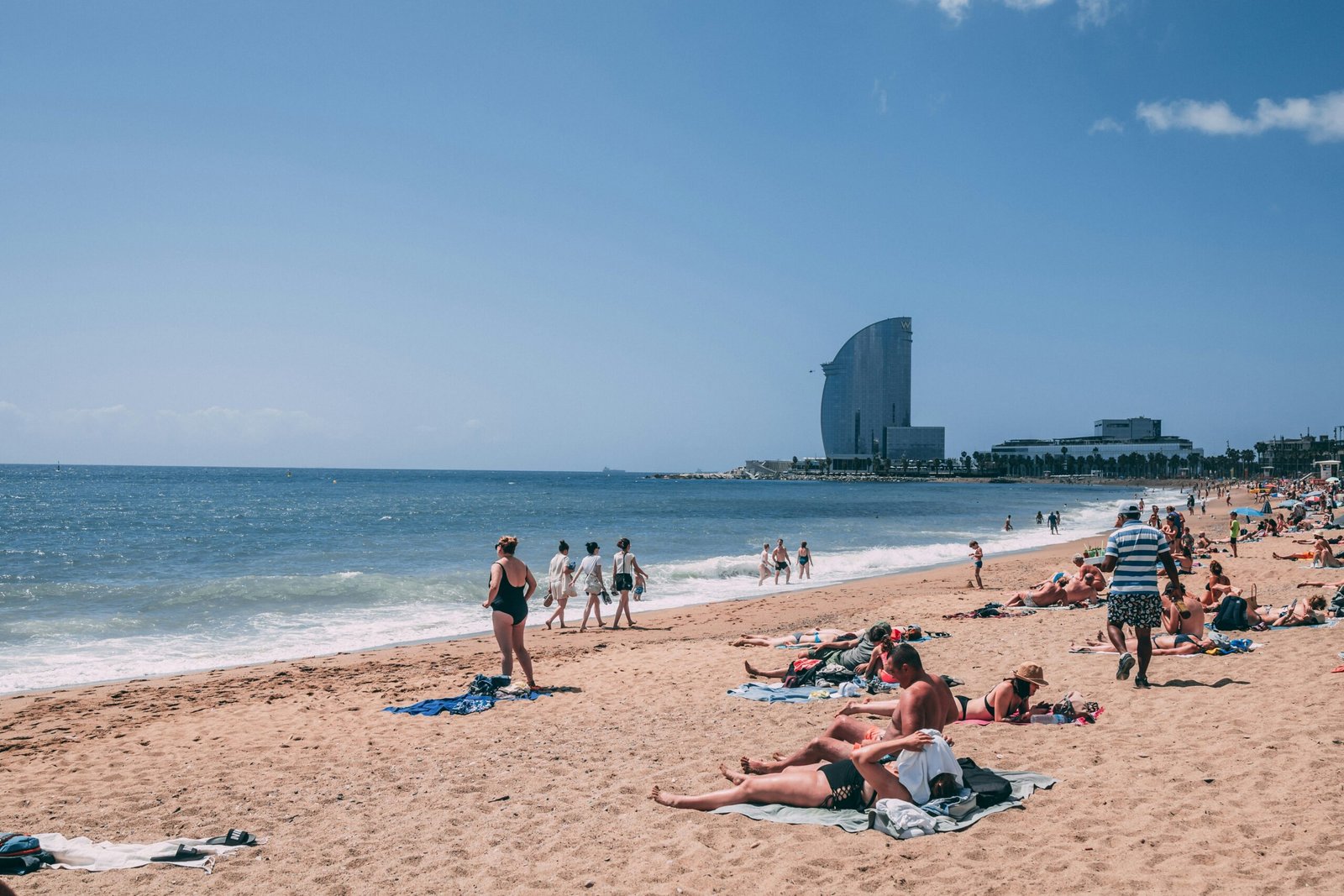
Early summer (June) is the ideal window for Mallorca and Ibiza — the Mediterranean at its freshest before the July-August charter flight density transforms the islands. The Basque surf coast is also at its early-season best. June in Spain is the most underrated month in the retreat calendar.
July and August bring peak season to the Mediterranean coast and islands. Andalusia’s interior reaches 38-42°C — outdoor practice moves to the early morning. The Basque Country, the Pyrenees, and the Galician coast are at their summer best. July retreats in Spain suit the mountain and Atlantic destinations. August in Spain is the grande vacances — the country at its most animated.
Autumn (September-October) is consistently the best overall window. The Mediterranean islands are warm without the summer density, Andalusia is back to comfortable temperatures, and the country is operating for its own population rather than for visitors. September in Spain is harvest month in the Rioja and the Douro. October retreats have the vendimia wine culture and the golden afternoon light.
Winter (November-February) — the Canary Islands are at their dry season peak, Andalusia is mild and affordable, and the retreat centres are at their most intimate. November in Spain is the quietest and most focused month. December Spain retreats have the Christmas markets of the northern cities. January in Spain is the deepest off-season — lowest prices, most serious practitioners. February in Andalusia brings Carnival to Cadiz and the first signs of spring.
By air — Madrid Barajas (MAD) is the primary hub with transatlantic connections. Barcelona El Prat (BCN) is the second major hub. The resort airports of Málaga (AGP) for Andalusia, Palma de Mallorca (PMI), Ibiza (IBZ), Alicante (ALC), and Seville (SVQ) all receive direct European flights. Bilbao (BIO) serves the Basque Country.
By train — Spain’s AVE high-speed rail network connects Madrid to Seville (2.5 hours), Barcelona (2.5 hours), Valencia (1.5 hours), and Málaga (2.5 hours). The network is the fastest and most comfortable way to connect the main cities.
By road — Spain’s motorway network is extensive and mostly toll-free. A rental car is the most practical option for the rural retreat bases in Andalusia, the Sierra de Gredos, and the Mallorca interior.
Programme formats — Spanish retreats range from the cultural immersion format (once-daily practice, afternoon excursions, emphasis on the table and the landscape) to the intensive twice-daily programme. The surf and yoga format is specifically developed in Spain — the Atlantic surf coast has the most developed of the European surf-and-yoga retreat circuits.
Accommodation — the cortijo (Andalusian farmhouse), the finca (Balearic rural estate), and the masía (Catalan rural house) are the most characteristic Spanish retreat accommodation formats. All share the thick stone walls, the central courtyard or terrace, and the agricultural land that makes the Spanish rural architecture the most naturally suited to the retreat format.
Food — the gazpacho, the salmorejo, the escalivada, and the vegetable paella of the Spanish kitchen are naturally vegan. The plant-based retreat kitchen in Spain is among the most varied and most locally sourced in Europe.