
November in Greece is for those who know. The October visitors have gone home, the Christmas crowd has not yet arrived, and the country returns to its own rhythm entirely. The Cycladic islands have closed. But Crete stays open and mild, the Peloponnese is accessible and quiet, the Athens Riviera operates without interruption, and Rhodes in the south has a November character that the summer entirely obscures.
The olive harvest is at full production across the mainland and the islands. Prices are at their autumn low. And the country in November has a quality of honesty and stillness that peak season never allows.


November is the quietest month of the Greek retreat calendar outside of February, and shares February’s advantages: low prices, genuine retreat availability, and a Greece that is not performing for visitors. The year-round destinations are running their most intimate programmes. Our yoga retreats in Greece page covers every option that stays open.
November is the peak of the Cretan olive harvest. The October beginning — the first lowland groves picked, the first oil pressed — has now extended across the island, and the olive presses of the Cretan cooperatives are running continuously through November. The smell of fresh-pressed oil in the villages. The tractors moving between the groves and the press. And the oil itself, still bright green and intensely peppery in the November weeks before it begins to settle and clarify: this is the ingredient at the moment of its maximum vitality, and being on the island during this month means encountering it in forms that no other season produces.
The Cretan landscape in November has a quality that the summer obscures: the olive trees silver-green above the red earth, the mountain villages of the interior receiving the first autumn rains that will produce the spring wildflowers, and the south coast still mild enough (18-20°C) for afternoon outdoor practice on the protected terraces above the Libyan Sea. The retreat centres operating in November in Crete are among the most experienced winter retreat operations in Greece — they have been running through the quiet season for years and their November programming reflects that accumulated understanding of what works in this specific month.
For the full Crete picture, our yoga retreats in Crete guide covers the island across all seasons.
The Peloponnese in November is the region at its most introspective. The olive harvest continues across the Laconian and Messenian plains, the archaeological sites are empty of the guided tour groups that fill them from April through September, and the whitewashed villages of the Mani — the central peninsula, a landscape of stone towers and austere hillsides above the Mediterranean — are in November operating entirely for their own residents.
The Mani in November has a specific quality that no other month replicates: the stone tower villages of Areopoli, Gerolimenas, and Vathia in the deep Mani with the autumn light on the schist hillsides, the walking paths between the tower houses empty, and the particular silence of a landscape that has always been more interested in its own survival than in accommodating visitors. Retreat programmes in the deep Mani in November are for those who specifically want the most austere and most elemental version of the Greek landscape available in a retreat context.
The Kalamata region — the major city of the southern Peloponnese, producer of the most internationally recognised Greek olive — is in November doing the work that its name implies: the Kalamata olive harvest is at full production, and the combination of the harvest landscape, the Kalamata Archaeological Museum, and the coastal access of the Messenian Bay produces a November retreat base of unexpected completeness.
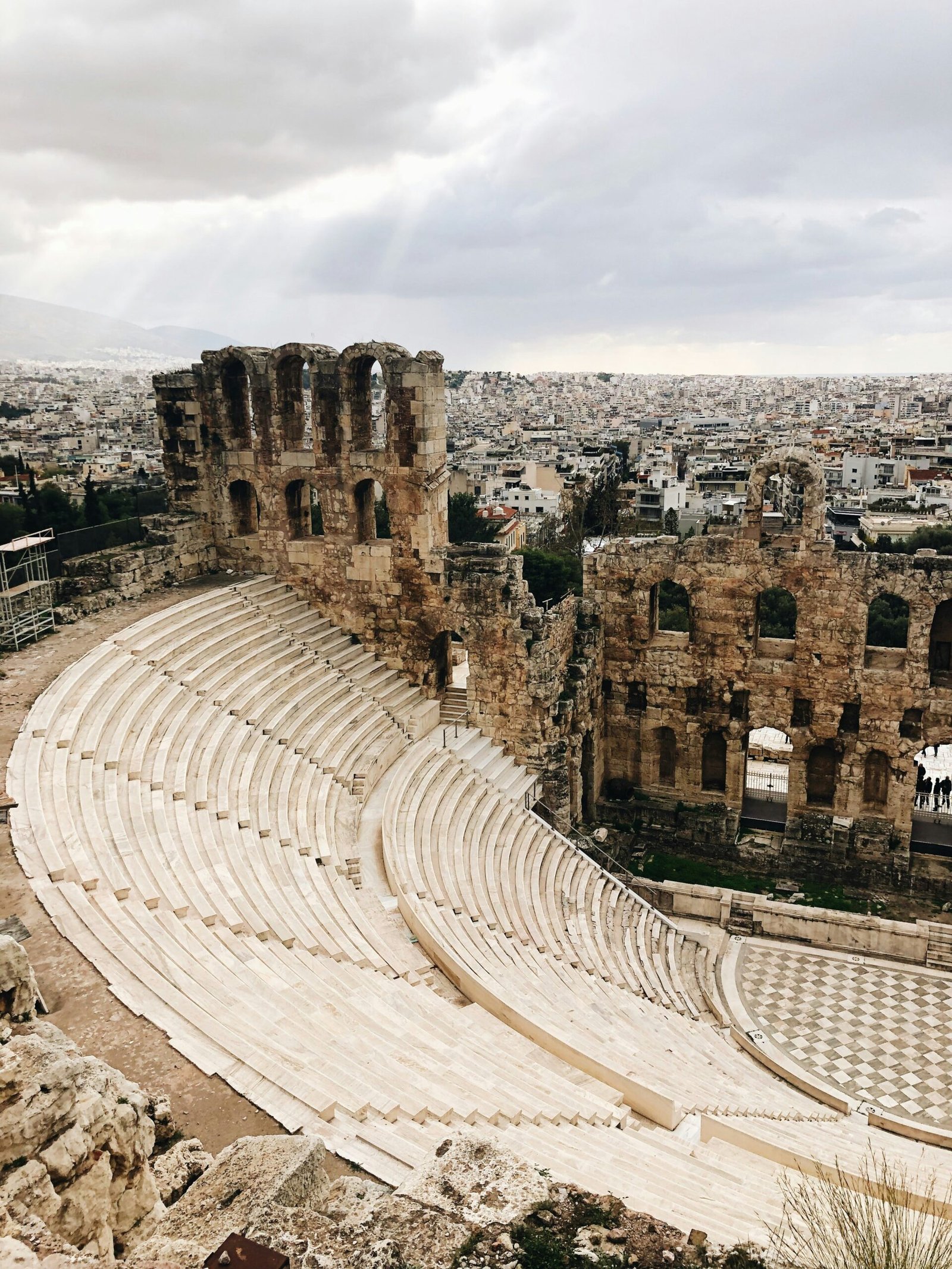
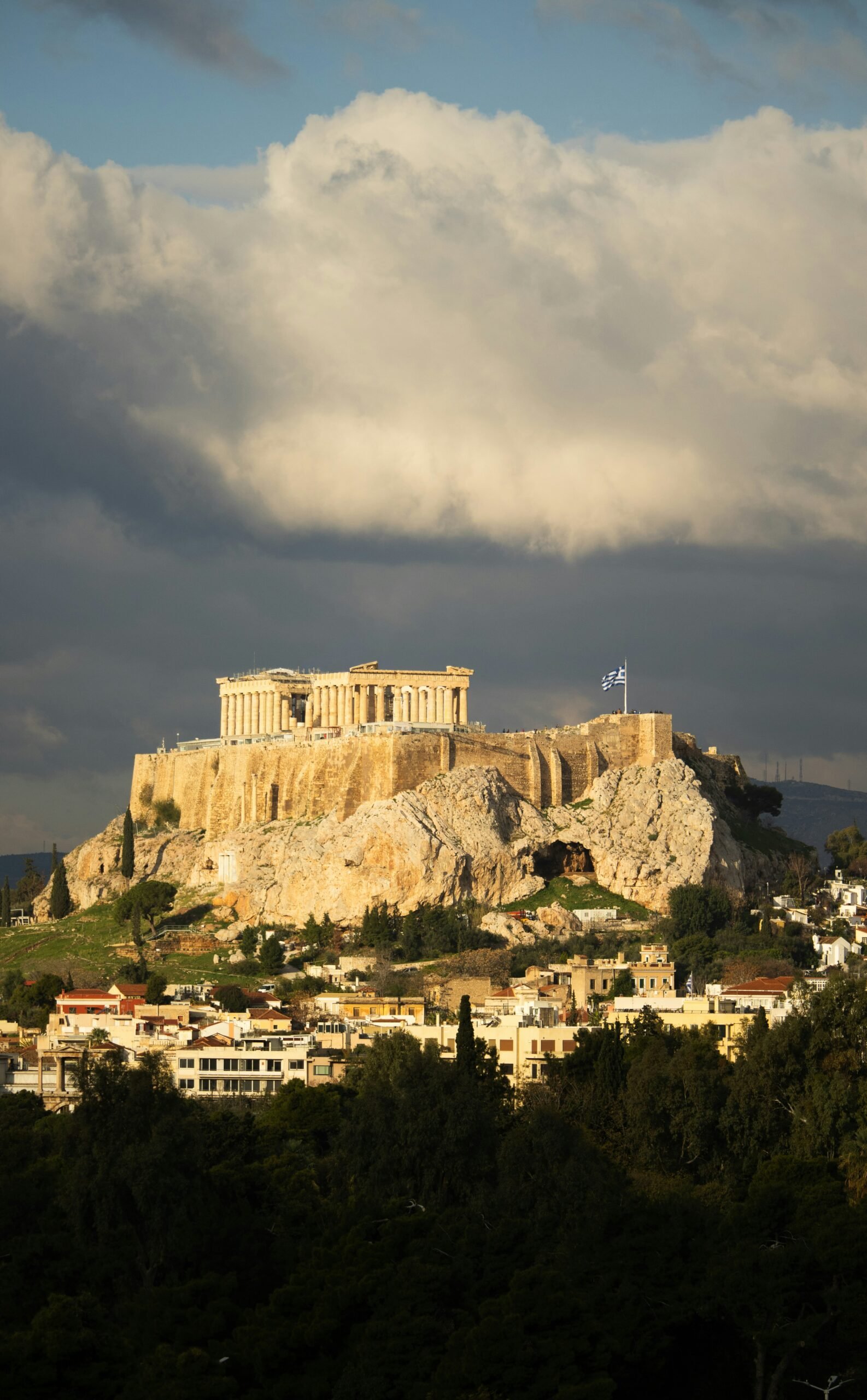
Athens in November is the city at its most culturally productive. The Athens Epidaurus Festival ended in August; the winter season that replaces it is, for serious cultural engagement, more interesting. The Megaron Athens Concert Hall programmes its most ambitious performances from November through May. The National Theatre and the smaller venues of Gazi and Psyrri run their autumn productions. And the museums — the National Archaeological Museum, the Acropolis Museum, the Byzantine and Christian Museum — are in November visited at a pace that the summer makes impossible.
The Athens street life in November has a specifically Mediterranean winter quality: the outdoor café culture that persists through the mild Athens winter (14-18°C), the laiki (street markets) selling the seasonal produce of the Attica hinterland, and the general animation of a city that has returned from the summer dispersal to its own compact, urban self. For retreat guests based on the Athens Riviera, the city in November is a day trip of genuine cultural density rather than the crowd navigation exercise of August.
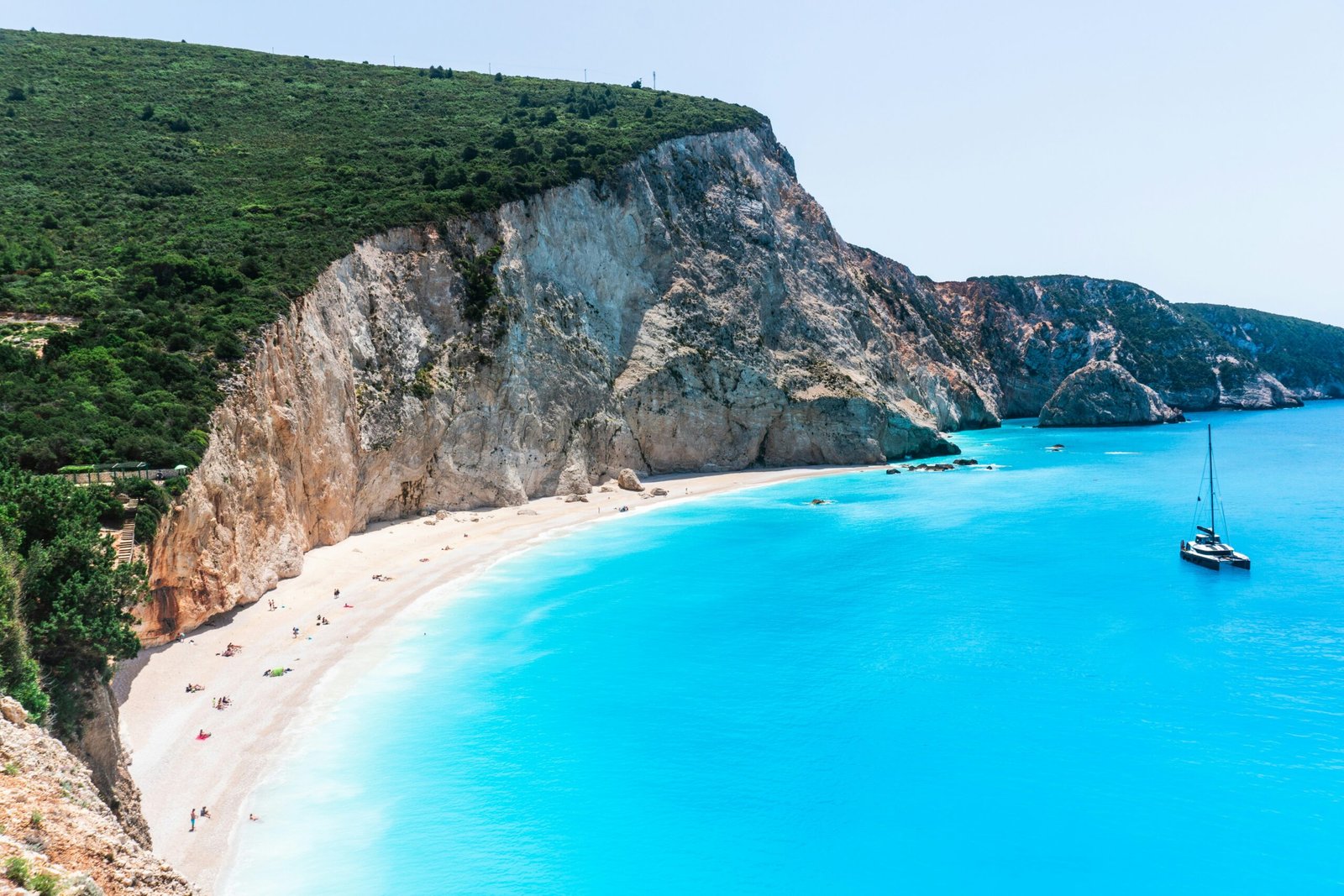
Rhodes in November is the most accessible warm option for those who specifically need the southern Greek island experience in winter. Temperatures of 16-20°C, the medieval old town of Rhodes without the cruise ship crowds that from May through October can make the cobblestone streets genuinely difficult to walk through, and the south coast of the island — the area around Lindos, Lardos, and the Valley of the Butterflies (now empty of the summer moth population but peaceful in its wooded gorge) — in November at its most accessible and most itself.
Lindos village in November has a quality that July makes structurally impossible: the whitewashed cubic houses, the Acropolis visible above the village, and the two bays below visible simultaneously from the path up to the ancient site — all of this without the summer queue at the entrance or the tour group commentary competing with the landscape. The November version of Lindos is the village that the summer version is trying to show you.
November new-season olive oil from the Cretan and Peloponnese presses is the finest olive oil available anywhere in Greece at any time of year. The Koroneiki variety — the small, intensely flavoured olive that produces Greece’s most distinctive oil — pressed in November from the peak of the harvest produces oil with a polyphenol concentration and a flavour intensity that commercial bottled oil, pressed later in the season and stored before sale, cannot replicate. At a farm gate or weekly market in Crete or the Peloponnese in November, buying a litre of oil pressed the previous week and using it immediately — drizzled over bread, over horta, over the freshly grilled fish — is one of those ingredient experiences that permanently adjusts expectations.
November is game season across the Greek mountains. The hunting season that opened in October is at full activity in November, and the traditional game dishes of the Greek countryside — lagoto (hare stew braised with onions, red wine, and allspice), stifado (wild rabbit or hare slow-cooked with pearl onions and cinnamon), and the various preparations of woodcock and partridge that the Peloponnese mountain restaurants serve specifically in the hunting months — appear on the menus of traditional tavernas that track the seasonal calendar rather than serving the same menu year-round.
The first autumn rains bring the wild greens back to the Cretan and Peloponnese hillsides from November. The horta that Greek tradition has gathered from the wild since antiquity — amaranth, chicory, mustard greens, and the specifically Cretan stamnagkathi — returns in November with the particular freshness of ingredients that have been growing in cool, wet conditions rather than the parched summer soil. At a retreat kitchen in Crete in November that sources its vegetables locally, the horta served blanched with olive oil and lemon is the autumn version of the same dish at its most nutritionally dense. Research on wild edible greens from Crete has documented the significantly higher antioxidant content of traditionally foraged wild greens compared to cultivated varieties — a finding that the Greek tradition of gathering wild greens has always understood intuitively.
November chestnuts from the Arcadian forests are at their peak — the sweet chestnut harvest running from October through November, the roasted chestnut sellers appearing at street corners in Athens and on the main squares of the Peloponnese mountain towns. Pomegranates (rodia) continue from October into November, the last of the season and the most concentrated in flavour, used in the traditional Greek spoon sweet (rodia gliko) that retreat kitchens in the Peloponnese serve with coffee as the traditional welcome gesture.
Throughout November across Crete, the Peloponnese, and the Ionian islands. The harvest is at its peak production in November — the presses running continuously, the cooperative collection points busy from early morning, and the November oil arriving at markets and farm gates with the freshness that makes it the most sought-after of the year. Retreat centres in olive-producing regions that incorporate a harvest morning — nets spread under the trees, the traditional hand-raking of the branches, the drive to the press — are offering an experience that requires this month specifically.
One of the five major film festivals in Europe, running over ten days in mid-November in Greece’s second city. Greek and international premieres, retrospectives, and the specific cultural energy of a small, walkable city hosting an event it takes seriously. The Thessaloniki festival has a reputation for discovering directors early — Pedro Almodóvar and Fatih Akin both won awards here before achieving international recognition. For retreat guests based in northern Greece or Halkidiki, the festival week adds a cultural dimension to the November retreat that no other month provides.
The feast of Saint Andrew — the patron saint of Patras, Greece’s third city — is celebrated with particular elaboration in Patras, where the relics of the saint are housed in the largest Orthodox church in Greece. The November 30th celebration has a specifically Peloponnesian character: the procession of the relics through the city, the liturgical ceremonies at the cathedral, and the communal gathering that follows.
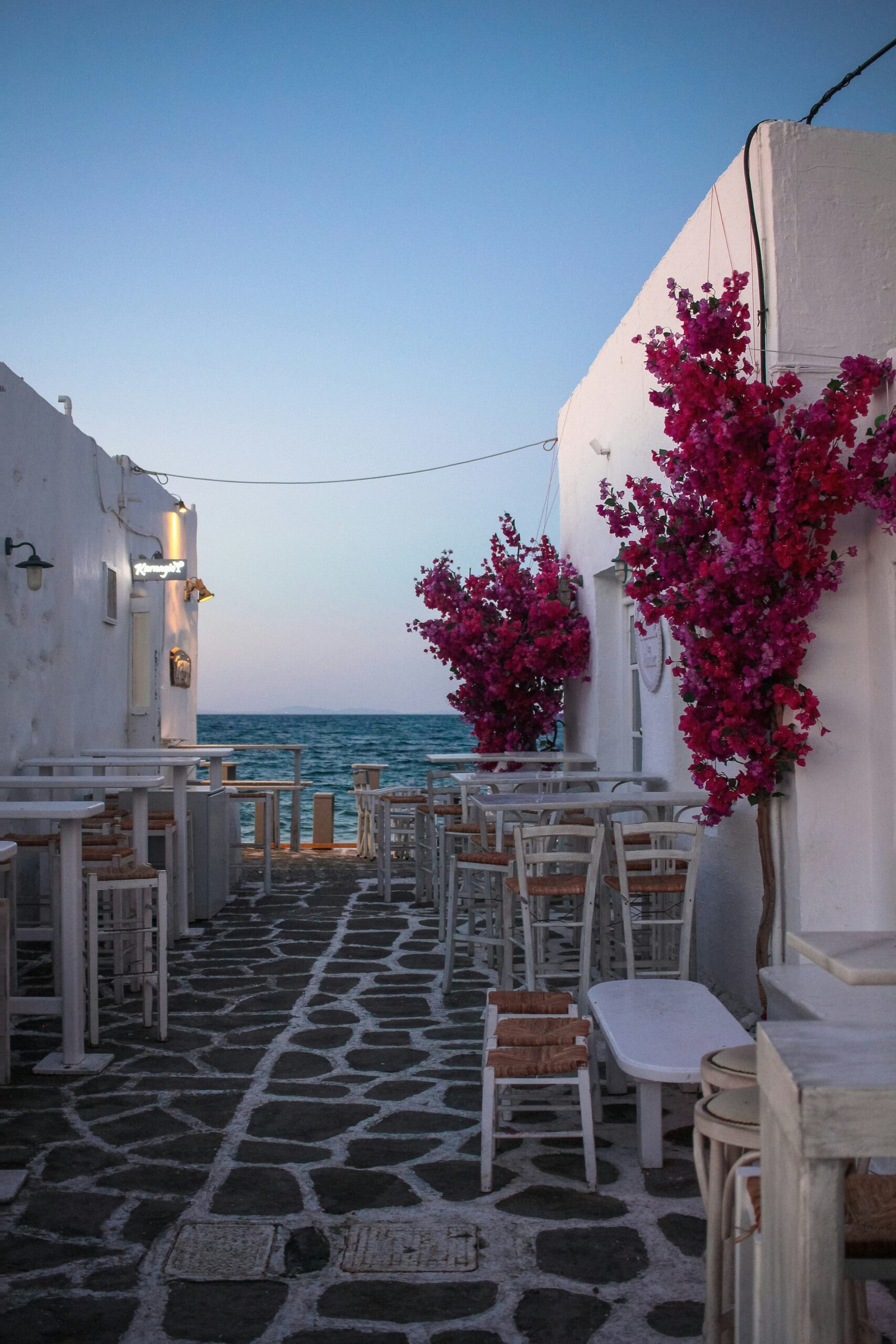
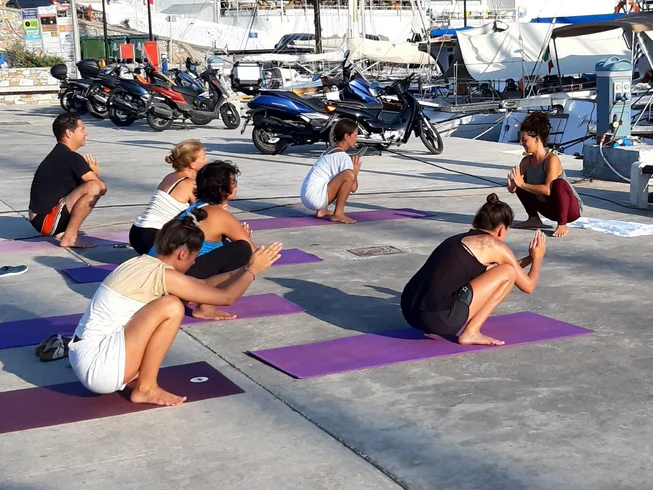
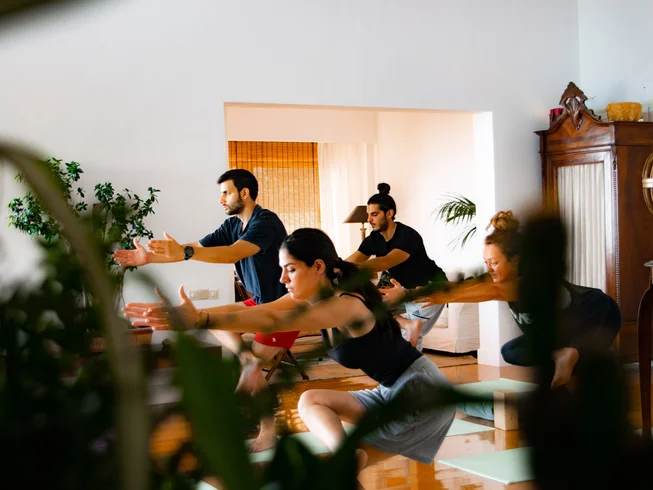
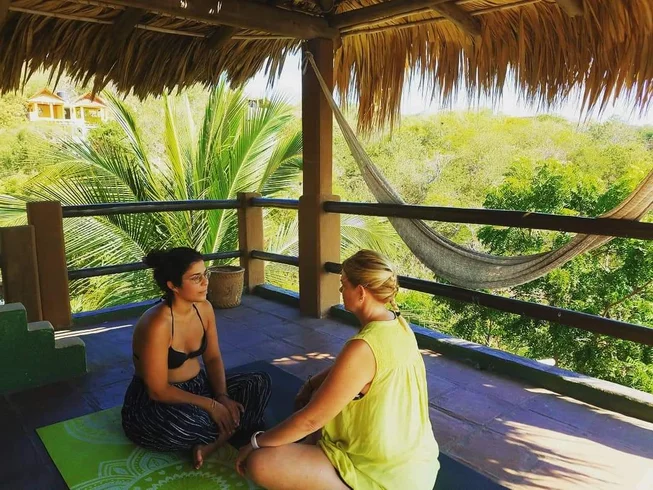
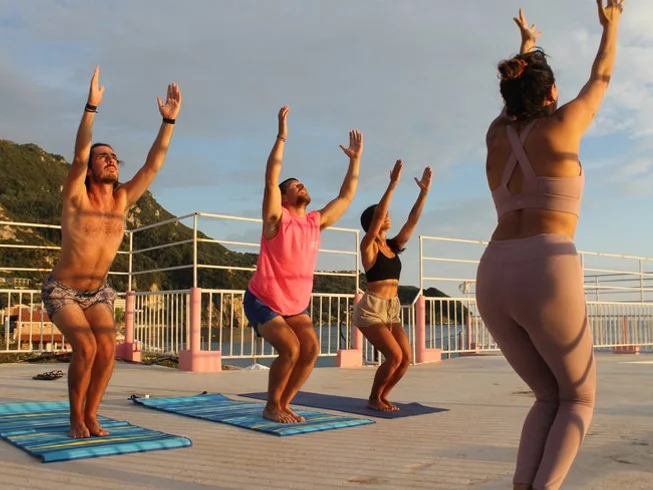
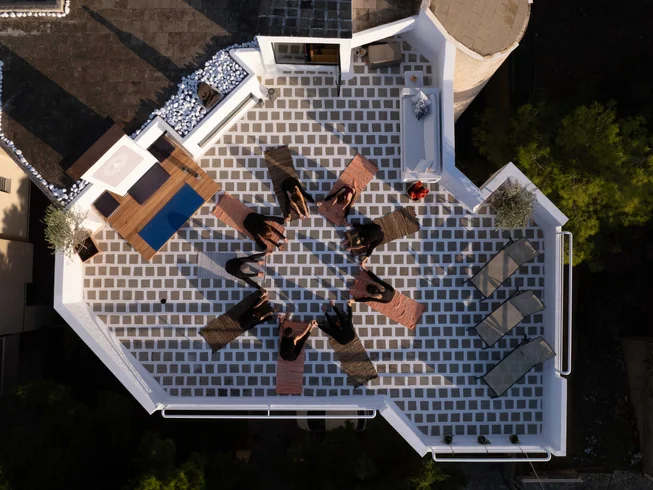
November programming is the most inward-facing of the autumn. The outdoor practice that September and October offered continues in Crete and on the Athenian coast but the shorter days and cooler temperatures shift the balance toward indoor sessions, evening restorative practice, and the hammam that cold evenings make genuinely useful rather than optional.
Morning practice moves slightly later than summer — 8:30am rather than 7am — allowing for the natural light that the shorter November days produce more slowly. Sessions lean toward grounding styles: Hatha, Yin, and extended pranayama and meditation that summer programmes sometimes compress. The wood-heated studios of the Cretan farmhouse retreat centres and the heated spaces of the Peloponnese mountain properties create the specific quality of indoor winter practice that the season requires.
The olive harvest excursion in the Cretan or Peloponnese retreat base is the November programming event with no equivalent in any other month. Arriving at an olive grove at 8am with the nets spread and the harvest in progress, spending two hours in the work alongside the family that owns the grove, and tasting the oil pressed the previous week at the farm table afterward produces a quality of encounter with the agricultural foundation of Greek culture that the practice alone cannot generate.
Evening practice in November is the restorative close that the cool air and the early darkness make specifically right. Yin yoga at 6pm in a candlelit studio after an afternoon walk through the olive harvest landscape is the November retreat evening at its most coherent.
Your email address will not be published. Required fields are marked *