
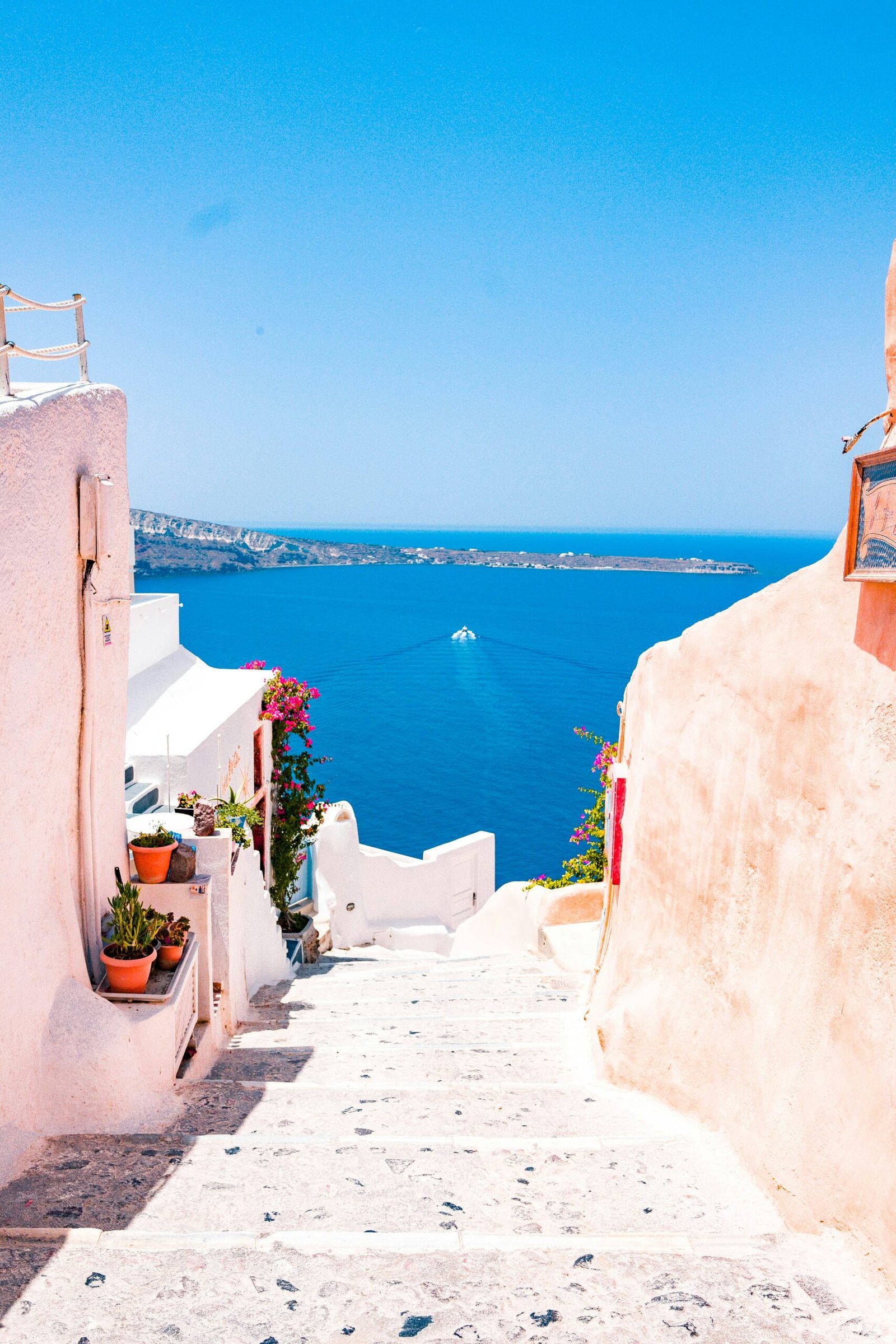
Santorini is one of those places that operates on the imagination long before you arrive, and the reality, improbably, tends to justify the anticipation. The white-washed architecture cascading toward a caldera formed by one of history’s most violent volcanic eruptions, the Aegean so blue it looks digitally enhanced, the light at golden hour doing things that photographers travel thousands of miles to attempt to capture — all of it is real, and all of it creates a backdrop for yoga practice that is unlike anywhere else in the world.
A retreat here is not just a retreat. It is a practice conducted inside a landscape that has been stopping people mid-thought for centuries, and that quality of arrested attention — of being genuinely unable to take your surroundings for granted — turns out to be one of the most useful states a practitioner can arrive in. Santorini doesn’t let you be distracted. It simply replaces every ordinary distraction with itself.


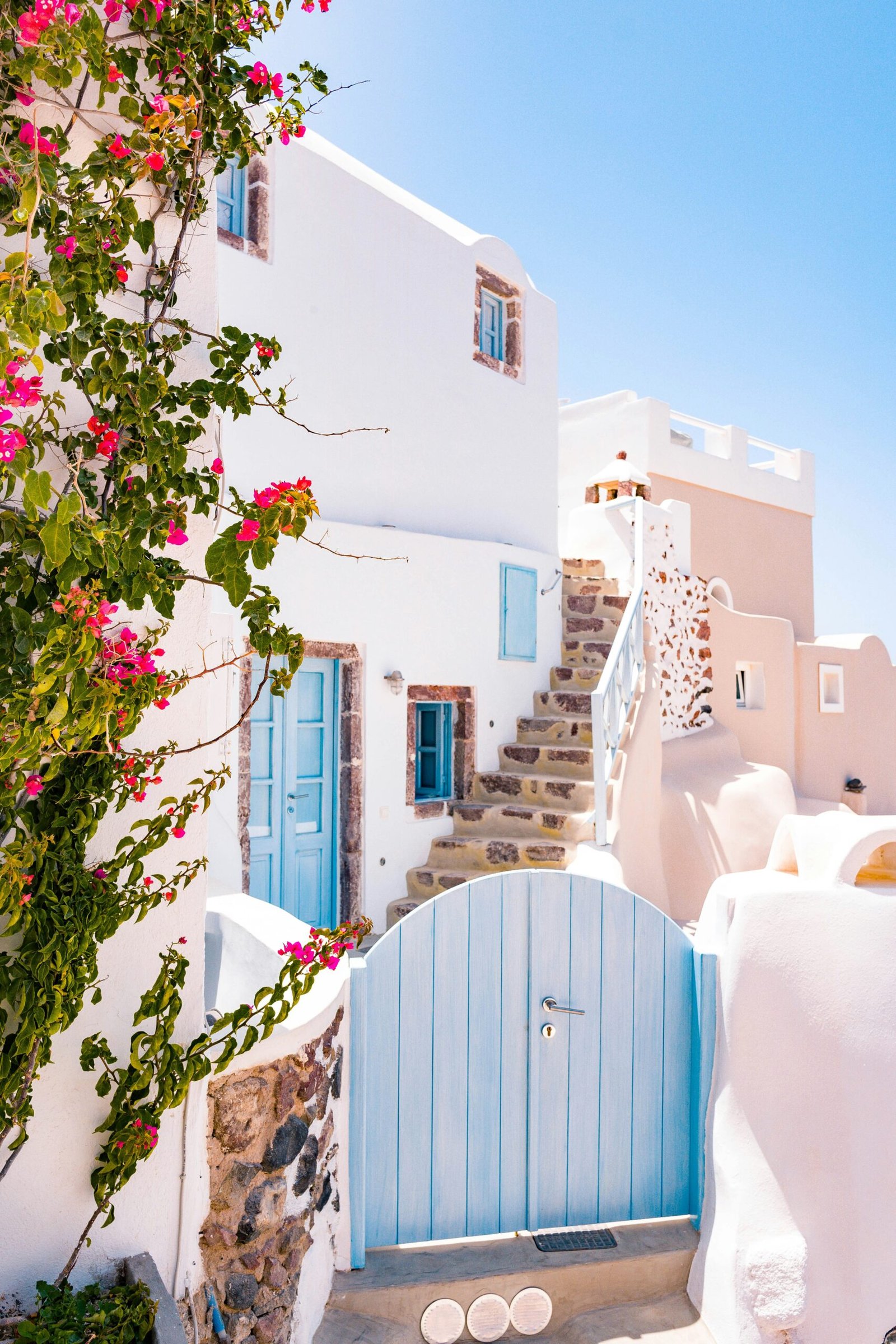
Santorini doesn’t look like it should exist. The crescent-shaped island—what remains after a volcanic eruption so massive it may have inspired the legend of Atlantis—rises dramatically from the Aegean in layers of rust, charcoal, and bone white. Villages cling impossibly to cliffsides, their cubic houses stacked like sugar cubes against the cobalt sky. The caldera—the flooded volcanic crater—spreads below in gradients of blue that shift from turquoise to navy depending on depth, light, and time of day.
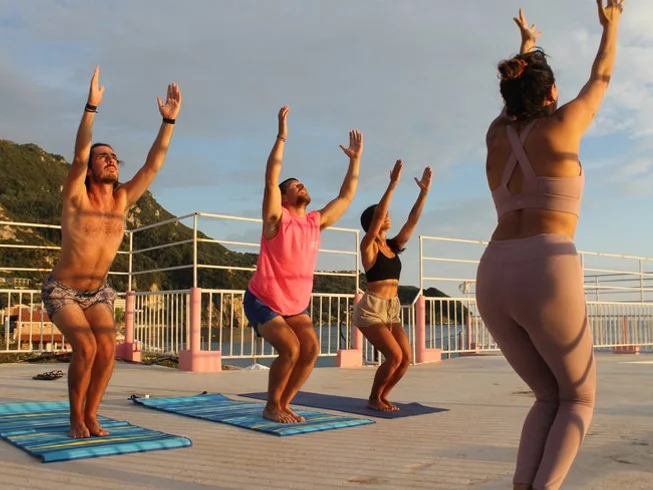
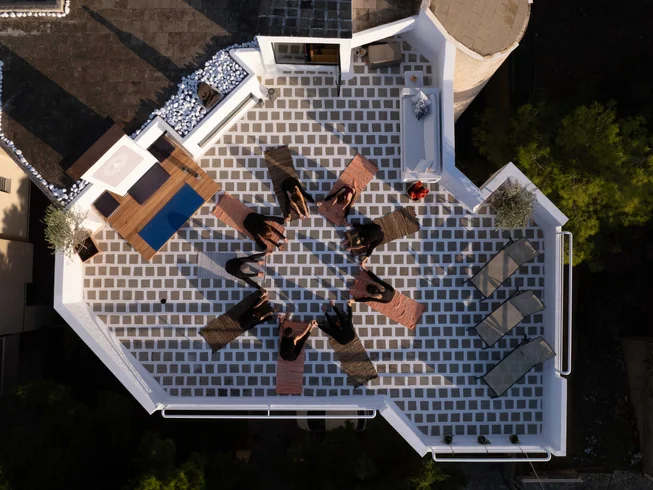
It’s a landscape that demands attention, that makes it nearly impossible to remain distracted or lost in thought. And that’s precisely what makes it extraordinary for yoga practice. When you unroll your mat on a terrace suspended hundreds of meters above the sea, with nothing between you and the horizon but air and light, the external drama naturally quiets internal noise. The view doesn’t distract from practice—it becomes part of it, a reminder of vastness, impermanence, and beauty that exists independent of our small concerns.
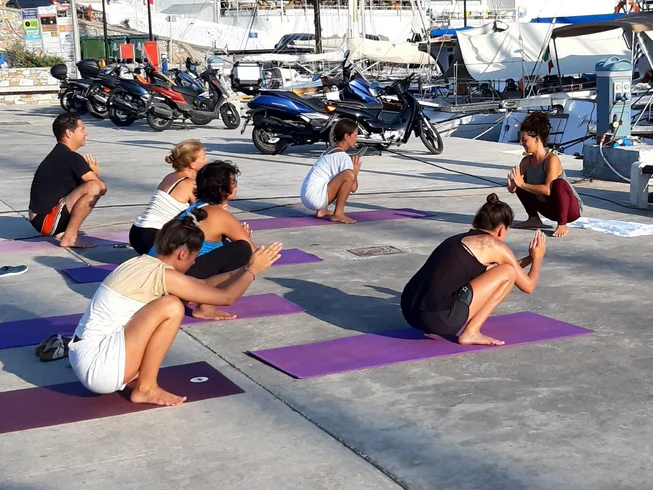
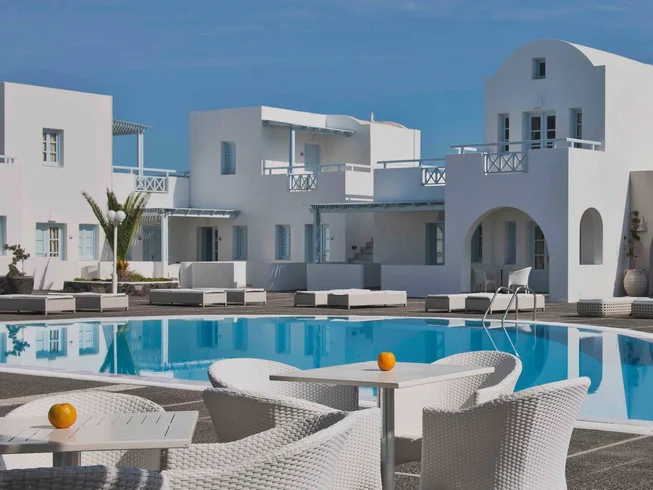
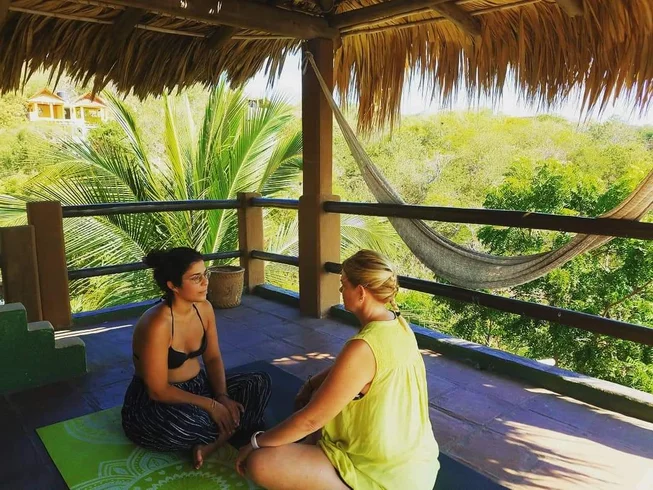
Santorini’s retreat accommodations are unlike anywhere else in Greece. Traditional cave houses—carved into the volcanic rock as protection from summer heat and winter winds—have been transformed into boutique retreats that blend ancient architecture with contemporary comfort. Think vaulted ceilings, smooth plaster walls in shades of cream and terracotta, built-in beds and seating platforms, and minimalist decor that lets the architecture and views speak for themselves.
Many yoga retreat centers occupy renovated captains’ houses or small hotels in the villages of Oia (famous for its sunset views and artistic community), Imerovigli (quieter, with arguably better caldera perspectives), and Fira (the main town, with more amenities and nightlife for those who want options). Some properties feature infinity pools that seem to merge with the sea beyond, spa facilities offering treatments using local volcanic mud and pumice, and private terraces where you can practice yoga at sunrise before the rest of the island wakes.
The luxury here is experiential rather than ostentatious.
You won’t find grand hotels or sprawling resorts—Santorini’s clifftop real estate is too precious and scarce. Instead, retreats offer intimacy, privacy, and details that matter: crisp linens, fresh flowers daily, coffee delivered to your terrace at dawn, staff who remember your name and preferences. Group sizes tend to be small—8 to 15 guests is typical—which allows for personalized instruction and genuine community building.
For those considering a sailing retreat between the islands, our yoga sailing retreats in Greece guide covers the multi-island formats.
Yoga Styles and Daily Rhythm
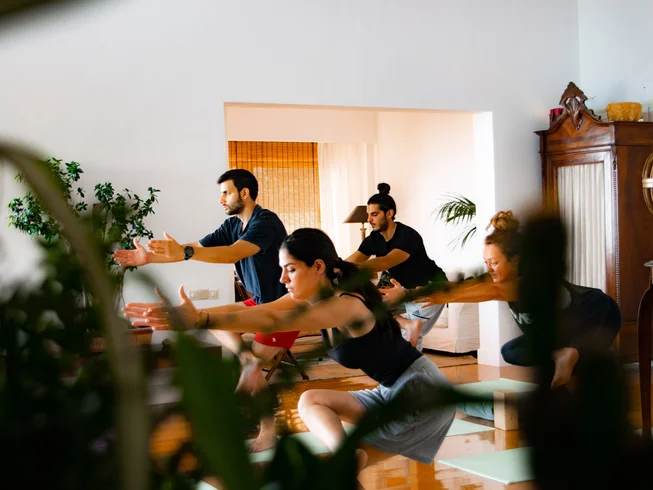
Most Santorini retreats favor gentle to moderate practices that complement the contemplative atmosphere. Hatha flow, Vinyasa with restorative elements, Yin yoga with extended holds, and meditation-focused programs are common. The heat during summer months (June through September, when temperatures regularly exceed 28-30°C) naturally encourages slower, more mindful movement rather than vigorous athletic practice.
Timing matters enormously in Santorini. The island experiences some of the most dramatic seasonal shifts in Greece, both in terms of weather and tourist density.
April and May: These months offer ideal conditions for retreat—mild temperatures (18-24°C), wildflowers blooming across the island, and minimal crowds. The sea is still cool for swimming (16-19°C), but many find this refreshing rather than prohibitive. Accommodation prices are moderate, and there’s a palpable sense of the island waking up after winter. This is the best time for hiking (the path from Fira to Oia is spectacular) and exploring without the overwhelming summer heat.
June and September: These shoulder months deliver the best of both worlds—warm weather, swimmable seas (22-25°C), extended daylight hours, and slightly fewer tourists than peak summer. Retreat availability is highest during these months, and the energy feels balanced between liveliness and calm. Book at least three to four months in advance, as these dates fill quickly.
July and August: High summer in Santorini is intense in every sense. Temperatures often exceed 30°C, the sun is relentless, and the island swells with visitors—up to 10,000 cruise ship passengers can arrive in a single day. For yoga retreats, this presents challenges: midday heat makes practice uncomfortable, popular viewpoints and restaurants become crowded, and the contemplative atmosphere that attracts wellness travelers gives way to party energy in some areas. That said, if you choose a retreat property with good shade, air conditioning, and some distance from the main tourist zones, and if you embrace the vibrant summer culture (outdoor festivals, wine harvest celebrations, long nights), this can still be a magical time. Just expect to pay premium prices and share the famous sunset views with hundreds of others.
October: Many consider this the secret best month. The sea retains summer warmth (21-23°C), crowds have largely departed, the light takes on a golden quality beloved by photographers, and prices drop significantly. There’s a sense of the island returning to itself, of locals reclaiming their spaces. Early October is particularly lovely; by month’s end, weather can be more variable and some businesses begin closing for winter.
November through March: Most retreat centers close during winter months, though a handful remain open for those seeking complete solitude and the raw beauty of Santorini in storm season. This is not for everyone, but for those drawn to dramatic weather, empty villages, and the feeling of having discovered a secret, winter Santorini offers experiences unavailable in any other season.
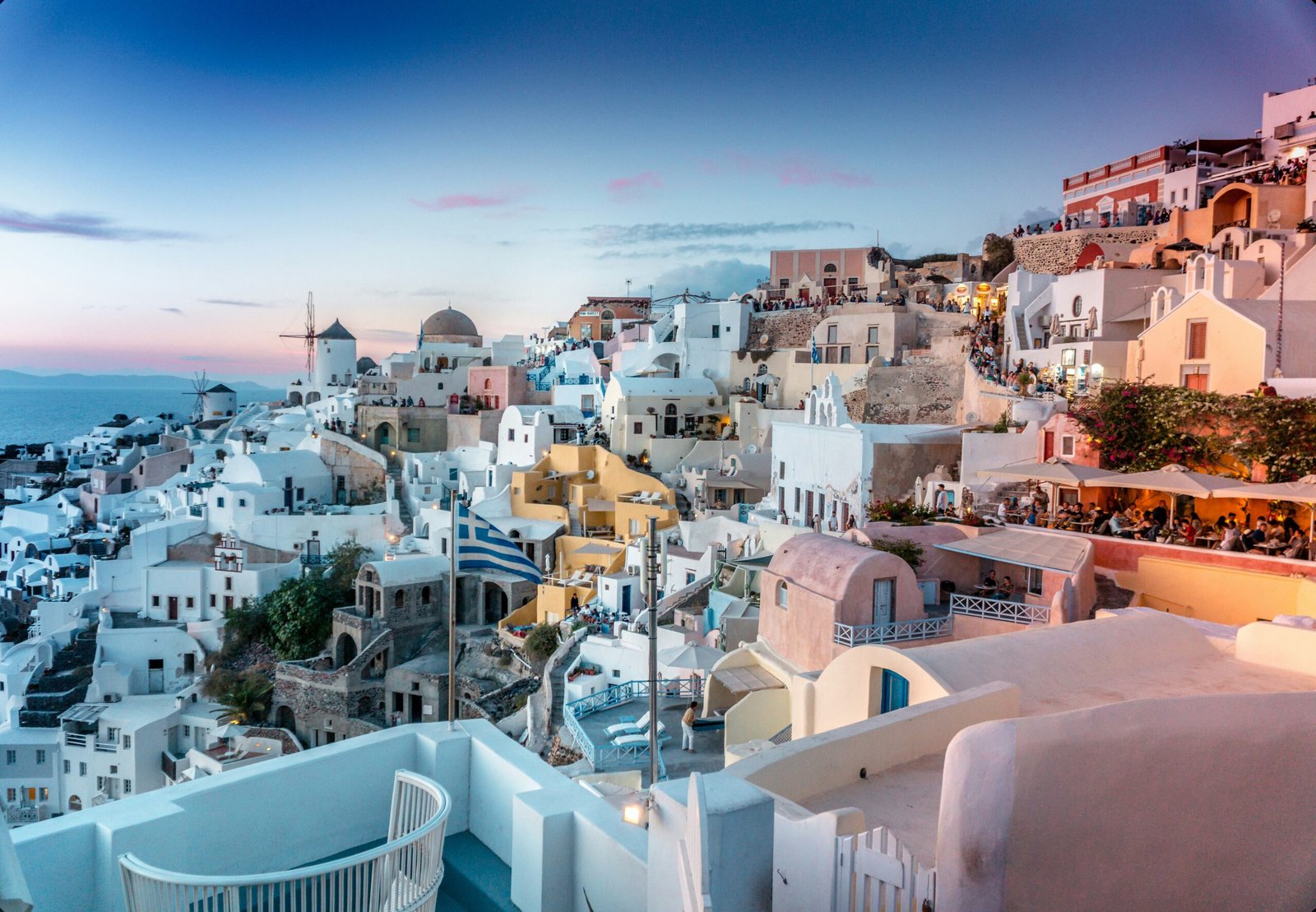
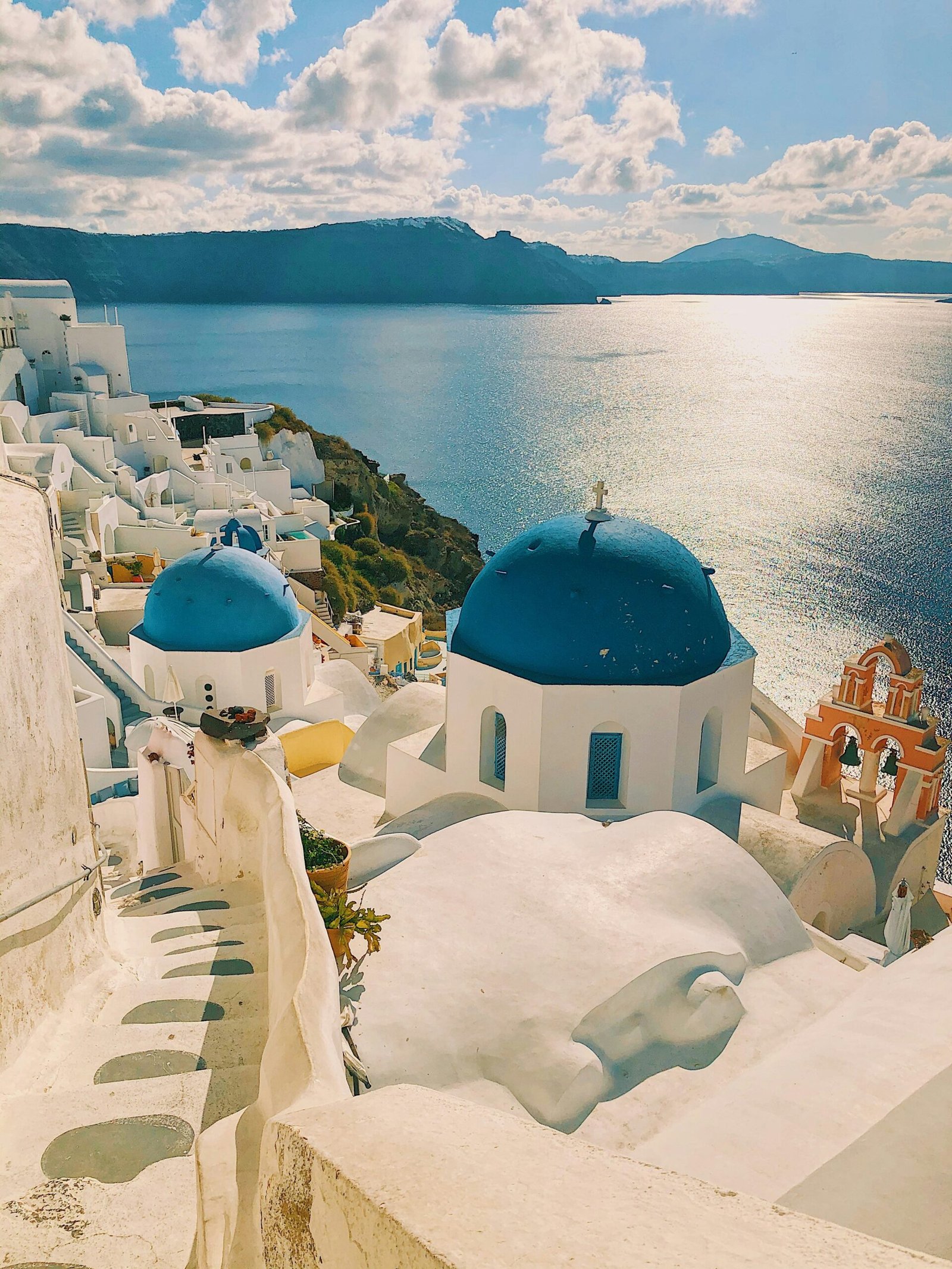
There is something about the geological drama of Santorini that enters the practice in ways that are difficult to anticipate and impossible to ignore once experienced. The island sits on the rim of a submerged volcanic caldera — the result of a catastrophic eruption around 1600 BCE that reshaped the entire region — and that history is present in the landscape in a way that is felt rather than simply known. The sheer verticality of the cliffs, the particular quality of stillness over the caldera at dawn, and the awareness of standing at the edge of something vast and ancient produces a quality of presence on the mat that urban retreat environments, however beautifully designed, rarely generate. The volcano doesn’t let you forget that you are small, and that smallness — genuinely felt rather than philosophically acknowledged — is one of the more useful things a practice can work with.
Morning practice on Santorini, ideally positioned to face the caldera as the sun rises over the eastern edge of the island, is an experience that redefines what the opening of a practice day can feel like. The light arrives dramatically and immediately — no gradual urban brightening, no buildings to interrupt the transition from darkness to day — and the body’s response to that quality of dawn, combined with the warmth of the Aegean air and the silence that the island preserves in its early hours, creates a readiness for practice that no amount of alarm clocks and coffee produces in ordinary life. Teachers who have led retreats in Santorini consistently report that participants drop into their practice faster and more completely than anywhere else they have worked — not because of anything the teaching did, but because the island had already done most of the preparation before the session began.
Santorini’s food is shaped by its volcanic soil, which produces ingredients with a specific intensity — the island’s small production quantities mean most of what you eat here stays here rather than being exported.
Fava is the dish most specific to Santorini. Split yellow peas grown in the volcanic soil of the island for over 3,500 years, slow-cooked to a smooth puree and dressed with olive oil, capers, and raw onion. The Santorini fava is a Protected Designation of Origin product and is genuinely different from the generic split pea versions served elsewhere in Greece. At any restaurant on the island that takes its food seriously, the fava will be on the menu and worth ordering.
Tomatokeftedes — tomato fritters made from the small, intensely sweet cherry tomatoes grown specifically on Santorini — are the island’s signature mezze. The Santorini tomato is another PDO product, grown in the volcanic ash soil without irrigation (the plants absorb moisture from the night air), which concentrates the flavour to a degree that regular greenhouse tomatoes cannot approach. The fritters, crisp outside and almost jammy inside, are eaten as a starter at nearly every taverna on the island.
White eggplant from Santorini, paler than the standard purple variety and with a less bitter flavour, is used across the island’s menus in ways that demonstrate the vegetable’s versatility: grilled with olive oil and garlic, stuffed with feta and herbs, or slow-cooked in tomato sauce. It appears at its best at the tavernas of Pyrgos and Megalochori, the inland villages that the tourist circuit reaches less reliably.
Assyrtiko wine from the island’s volcanic terroir is one of the great dry white wines of Greece — mineral, saline, with a citrus acidity that reflects the island’s volcanic soil and sea air. The grape variety, grown in the traditional “kouloura” basket shape that protects it from the wind, produces wine with a specificity of place that is worth understanding alongside the retreat experience. The Boutari Santorini and the wines of the Santo Wines cooperative are available across the island; the smaller estates of Gaia and Sigalas reward the effort of finding them.
Chlorotyri — the fresh, slightly sour local cheese made from goat’s and sheep’s milk — appears at breakfast tables and as a mezze ingredient. Eaten with thyme honey from the island’s wild thyme, it is one of those simple combinations that requires both elements to be specifically local to taste as it should.
Timing matters enormously in Santorini. The island experiences some of the most dramatic seasonal shifts in Greece, both in terms of weather and tourist density.
April and May: These months offer ideal conditions for retreat—mild temperatures (18-24°C), wildflowers blooming across the island, and minimal crowds. The sea is still cool for swimming (16-19°C), but many find this refreshing rather than prohibitive. Accommodation prices are moderate, and there’s a palpable sense of the island waking up after winter. This is the best time for hiking (the path from Fira to Oia is spectacular) and exploring without the overwhelming summer heat.
June and September: These shoulder months deliver the best of both worlds—warm weather, swimmable seas (22-25°C), extended daylight hours, and slightly fewer tourists than peak summer. Retreat availability is highest during these months, and the energy feels balanced between liveliness and calm. Book at least three to four months in advance, as these dates fill quickly.
July and August: High summer in Santorini is intense in every sense. Temperatures often exceed 30°C, the sun is relentless, and the island swells with visitors—up to 10,000 cruise ship passengers can arrive in a single day. For yoga retreats, this presents challenges: midday heat makes practice uncomfortable, popular viewpoints and restaurants become crowded, and the contemplative atmosphere that attracts wellness travelers gives way to party energy in some areas. That said, if you choose a retreat property with good shade, air conditioning, and some distance from the main tourist zones, and if you embrace the vibrant summer culture (outdoor festivals, wine harvest celebrations, long nights), this can still be a magical time. Just expect to pay premium prices and share the famous sunset views with hundreds of others.
October: Many consider this the secret best month. The sea retains summer warmth (21-23°C), crowds have largely departed, the light takes on a golden quality beloved by photographers, and prices drop significantly. There’s a sense of the island returning to itself, of locals reclaiming their spaces. Early October is particularly lovely; by month’s end, weather can be more variable and some businesses begin closing for winter.
For a complete overview of when to visit Greece for a yoga retreat, our yoga retreats in Greece in October guide covers the full autumn season.
November through March: Most retreat centers close during winter months, though a handful remain open for those seeking complete solitude and the raw beauty of Santorini in storm season. This is not for everyone, but for those drawn to dramatic weather, empty villages, and the feeling of having discovered a secret, winter Santorini offers experiences unavailable in any other season.
By air: Santorini International Airport (JTR) receives direct flights from Athens (45 minutes, multiple daily), from major European cities in summer (London, Amsterdam, Paris, Frankfurt, Milan), and from some cities year-round via Athens. In peak season (June to September), direct European flights arrive daily. Outside peak season, a connection through Athens is usually required.
By ferry: High-speed ferries from Athens (Piraeus port) reach Santorini in 4.5-5 hours. Conventional ferries take 8-9 hours but are significantly cheaper and more scenic. The Blue Star Ferries service runs year-round. From other Cycladic islands, ferries are the standard connection: Mykonos to Santorini takes 2-3 hours by high-speed. The ferry port at Athinios is 10 kilometres from Fira — taxis and buses connect them.
On the island: Santorini has a bus service running between the main villages, but taxis are the most practical option for retreat transfers. Many retreat centres arrange airport and port pickups. The island is small enough to cover by ATV or scooter if you are comfortable with winding cliff roads; rental is available in Fira.
What is the best time of year for a yoga retreat in Santorini? April, May, and October are the best months. April and May offer mild temperatures (18-24°C), wildflowers, minimal crowds, and the full retreat experience before summer density arrives. October has the warmest sea of the year (21-23°C), golden light, and an island that has returned to its own pace after the summer. June and September are strong shoulder-season alternatives. July and August are possible but require choosing a retreat property specifically away from the main tourist zones.
How crowded is Santorini during a retreat? This depends entirely on when you go. April and May: genuinely calm. June and September: busy but manageable. July and August: up to 10,000 cruise ship day-trippers arrive on peak days — the clifftop villages of Oia and Fira can be difficult to move through between 10am and 4pm. The best July and August retreat properties are positioned in the quieter villages of Imerovigli, Pyrgos, or Akrotiri, where the tourist pressure is significantly lower.
Is Santorini suitable for a first yoga retreat? Yes, with the caveat that the island’s visual intensity can work against deep inward focus for some practitioners. Those who find external beauty stimulating rather than grounding may find that the caldera view from their terrace competes with practice rather than supporting it. For experienced practitioners who can work with strong environmental input, Santorini is among the most extraordinary retreat settings in Europe.
How does Santorini compare to Crete or Mykonos for a yoga retreat? Santorini is the most visually dramatic of the three but also the most expensive and most tourist-dense. Crete offers a more grounded experience with more varied landscape, better food culture, and a wider range of retreat formats. Mykonos has a stronger wellness infrastructure in recent years but is even more expensive and more party-oriented than Santorini. For a first Greece yoga retreat, Crete or the Peloponnese tend to offer better value for the experience. For those specifically drawn to the volcanic caldera setting, Santorini is irreplaceable. Our full Greece yoga retreats guide covers all the options.
What yoga styles are available in Santorini? The combination of summer heat and the contemplative landscape means most Santorini retreats favour slower, more meditative styles: Hatha, Yin, restorative yoga, and meditation-integrated programmes. High-intensity Ashtanga or Power yoga programmes exist but are less common. Morning practice typically starts early to use the cooler hours; afternoon sessions are often yin or restorative.
Your email address will not be published. Required fields are marked *