Italy
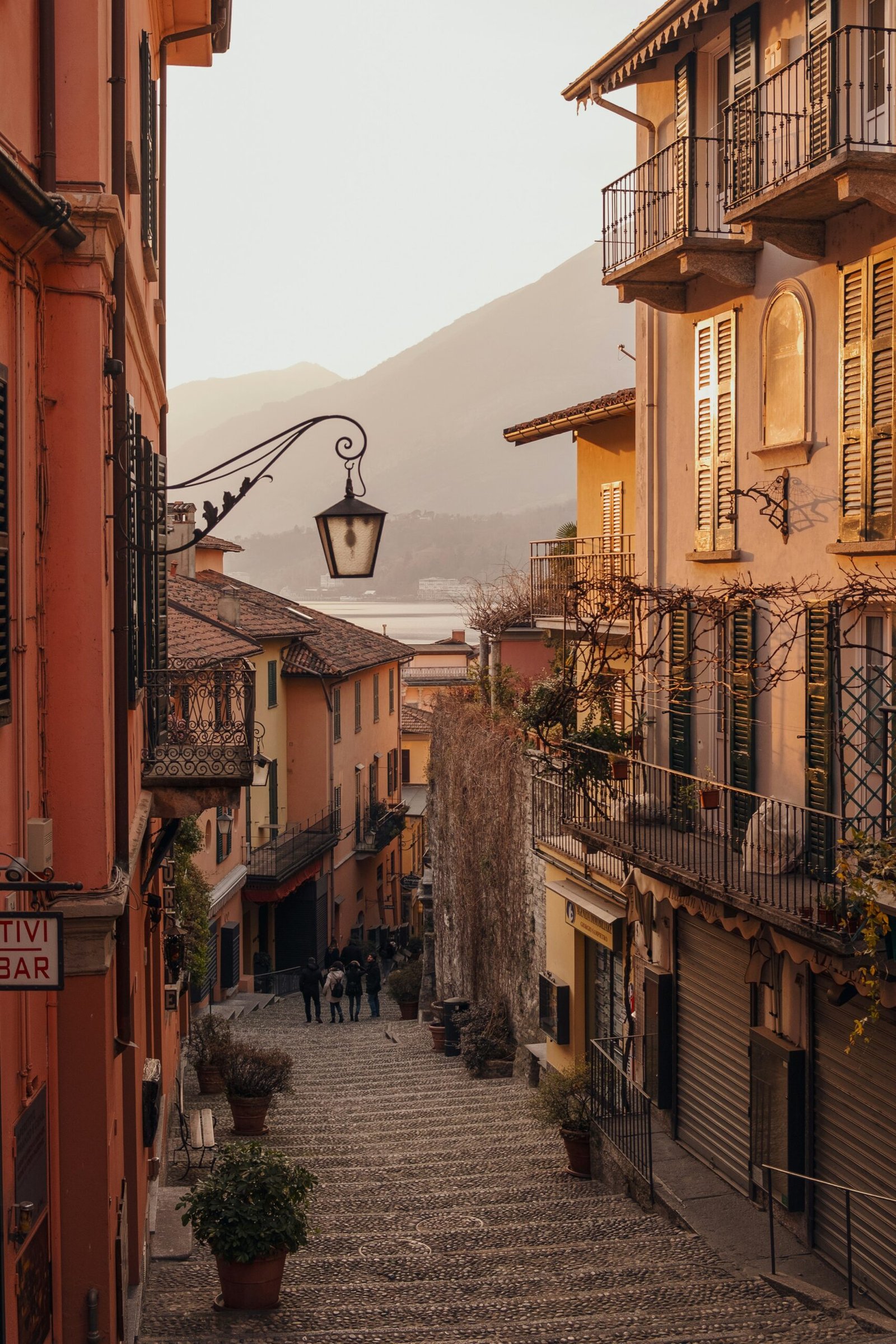
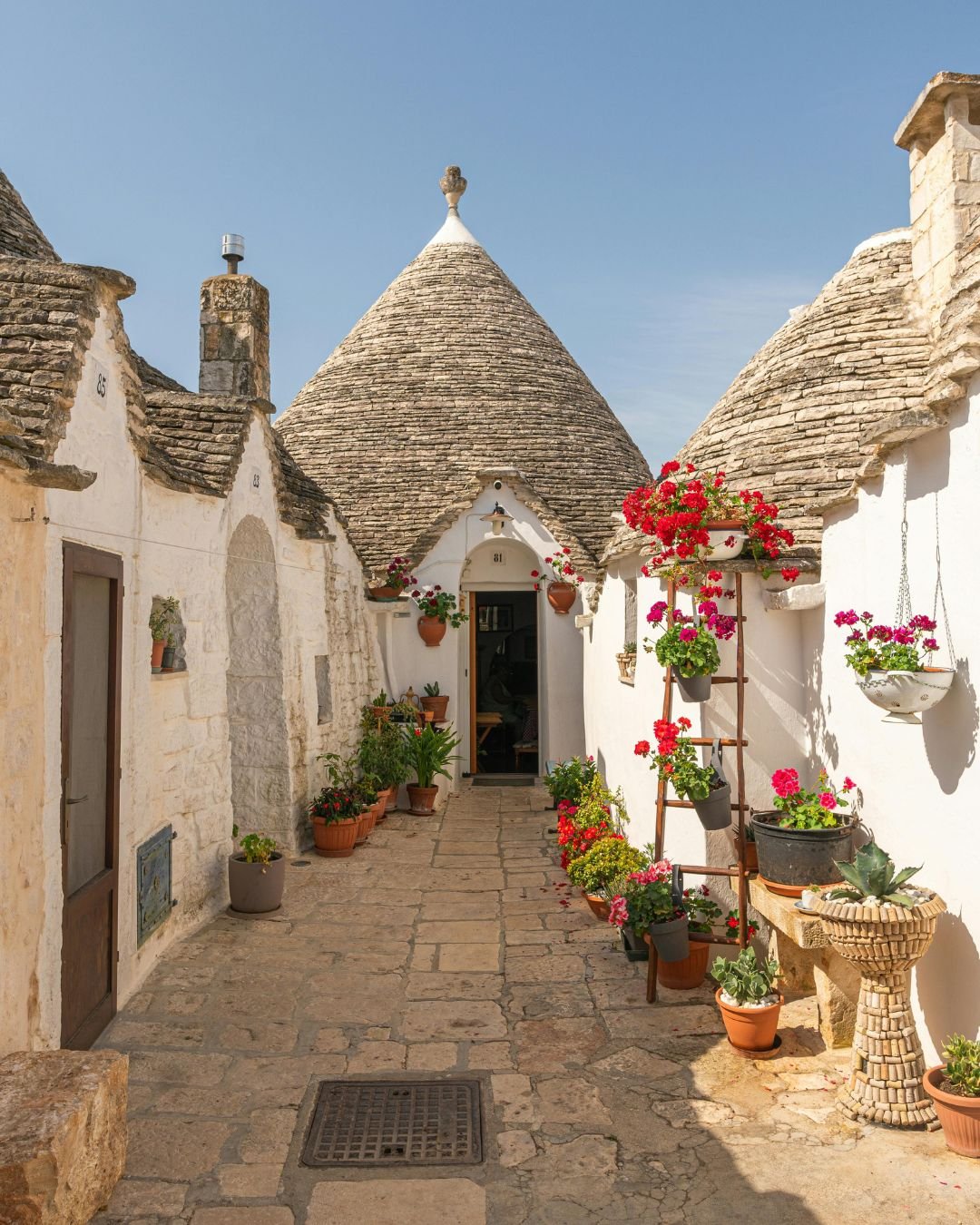
Italy does not ask you to slow down. It simply makes speed feel absurd. The olive groves, the hilltop villages, the afternoon light on the stone — everything in the Italian landscape conspires toward the kind of presence that the yoga practice is built on.
A retreat here is not a departure from Italian culture. It is an immersion in what Italian culture, at its most essential, has always understood: that the quality of a day matters more than the quantity of days.
Italy is one of the most naturally suited of all the European yoga retreat destinations — not because of its retreat infrastructure, which is less developed than Bali or India, but because the country itself produces the conditions that the retreat seeks. The pace, the food, the light, and the landscape are already doing the work before the teacher opens their mouth. The retreats collected here have been selected for their quality of teaching, their authenticity of setting, and their ability to use Italy’s specific character as an asset rather than a backdrop.
DATE
PRICE
LOCATION
Nights
DATE
PRICE
LOCATION
Nights
DATE
PRICE
LOCATION
Nights
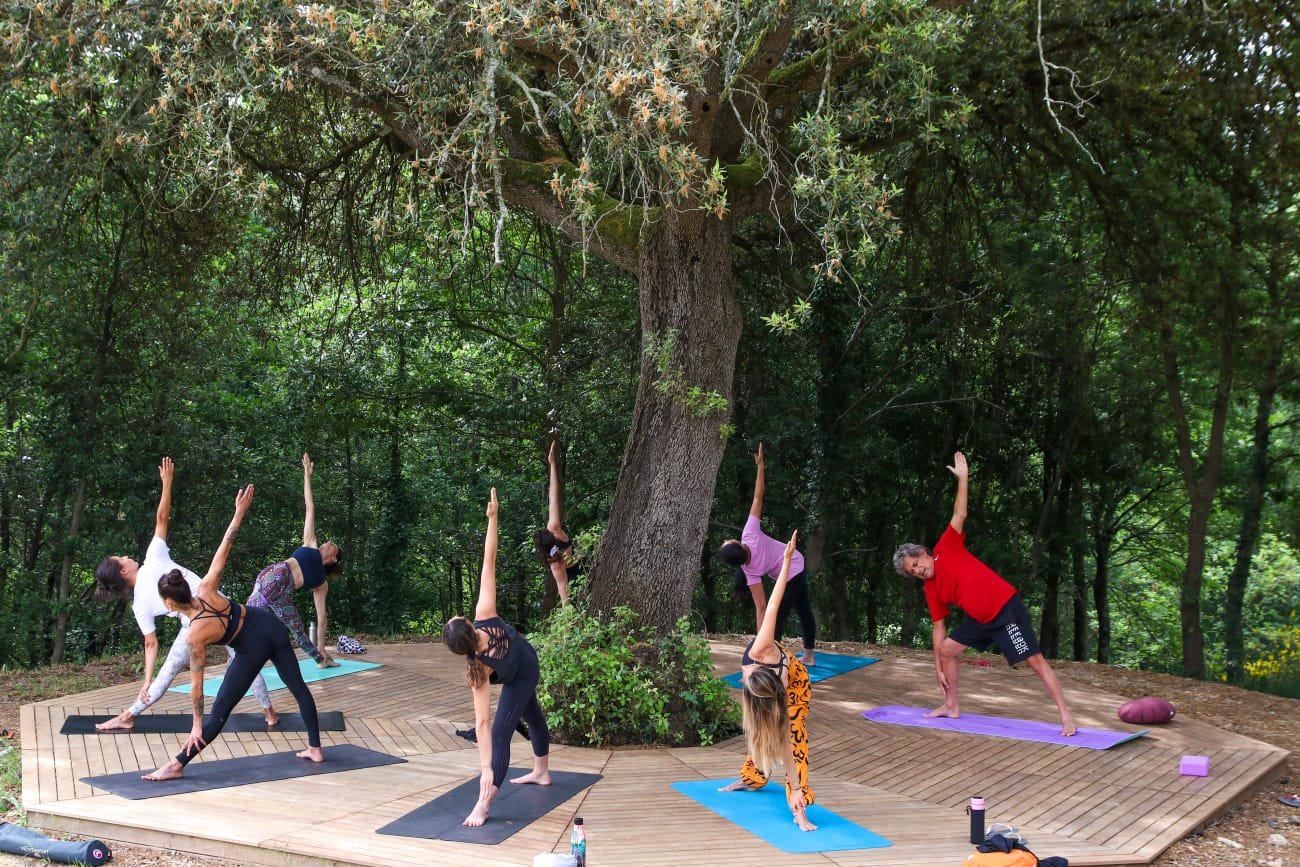
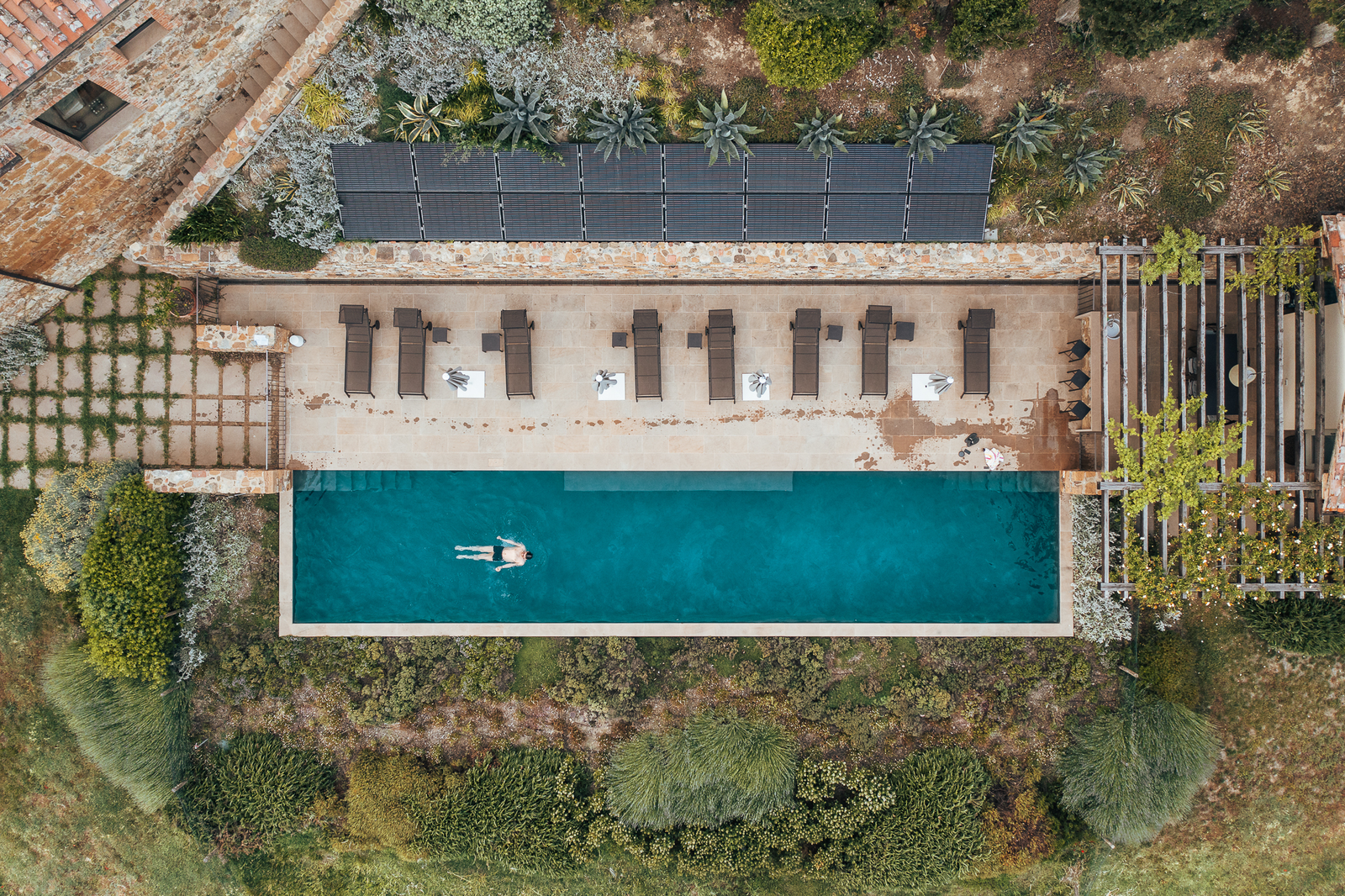
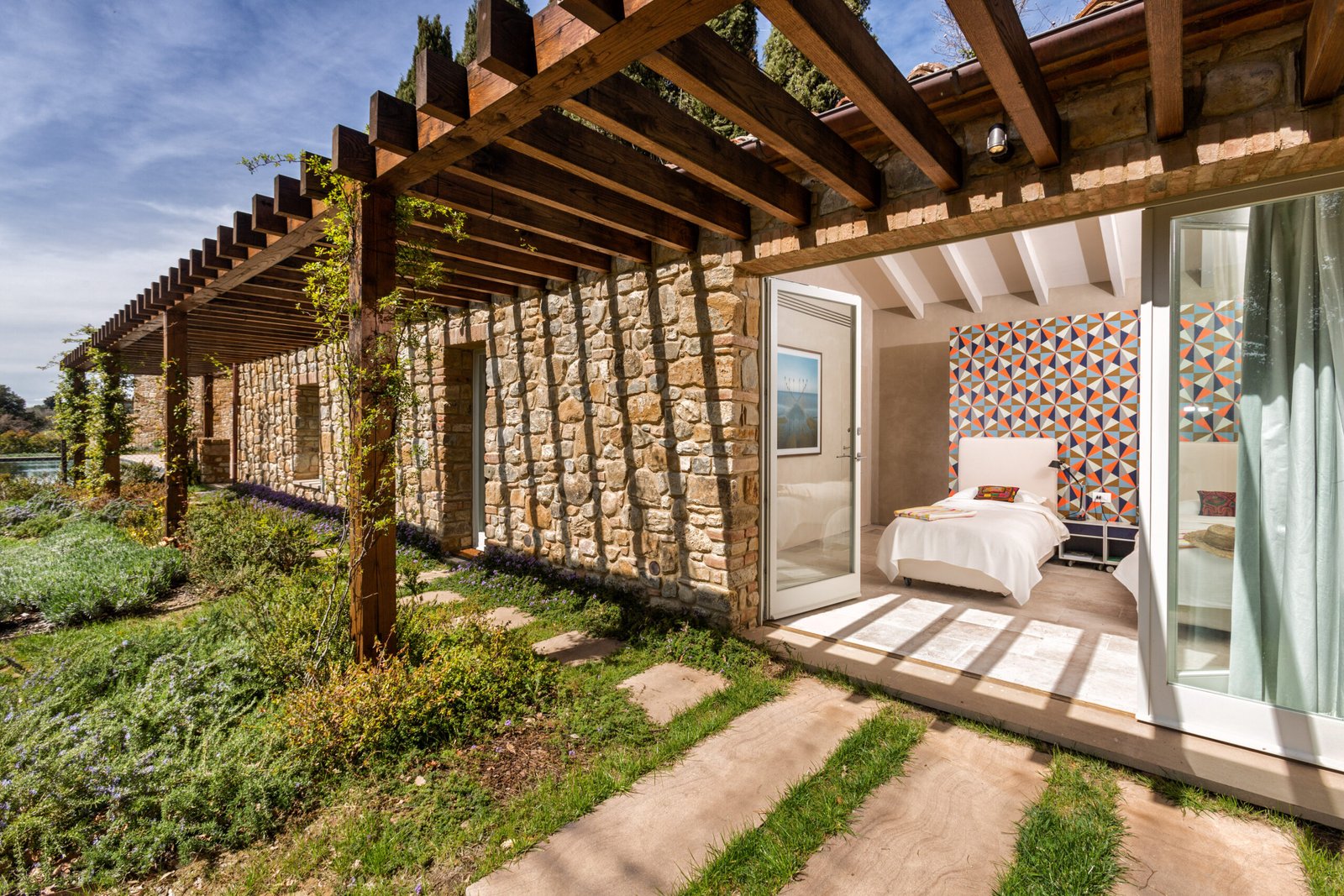
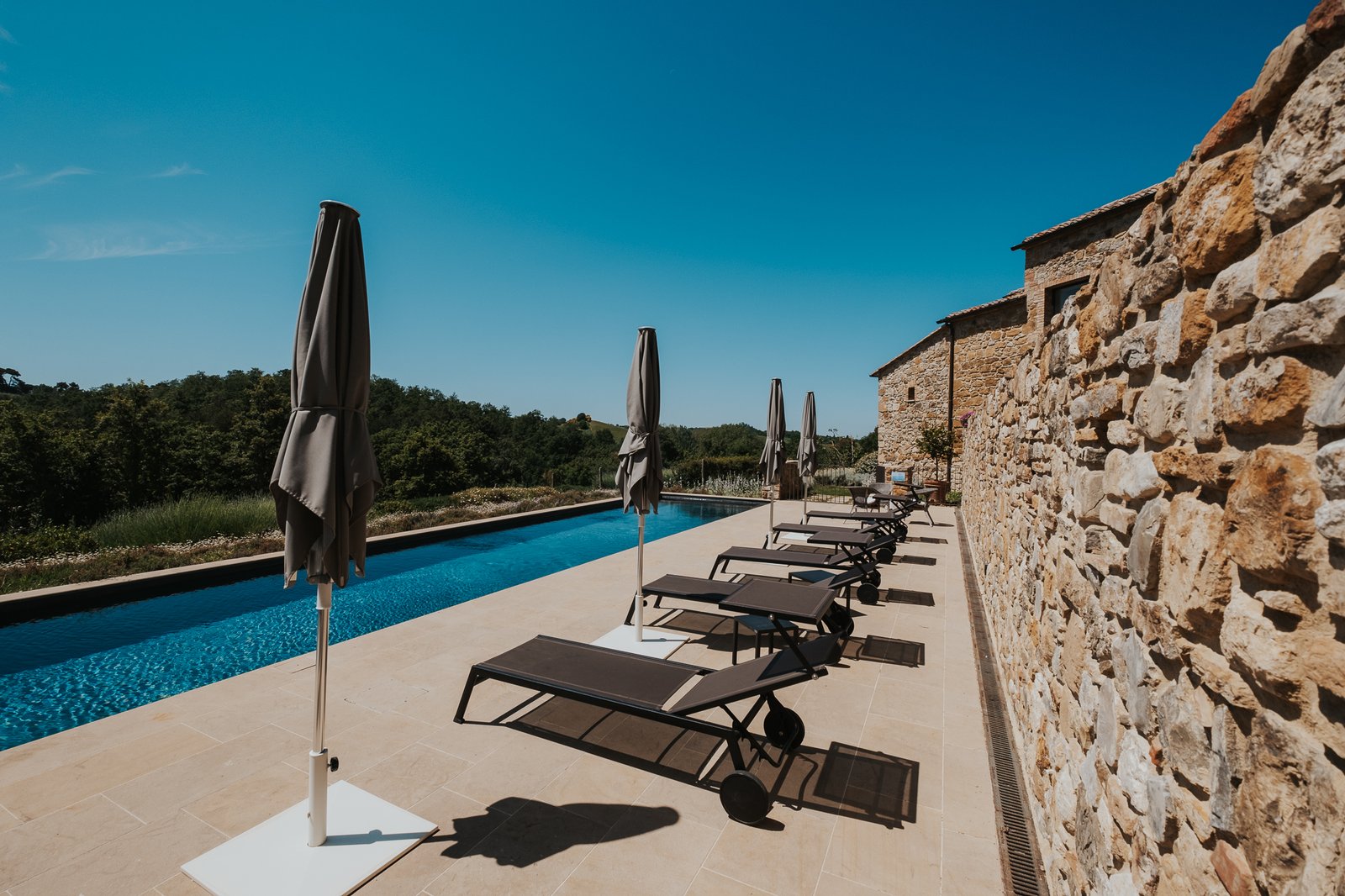
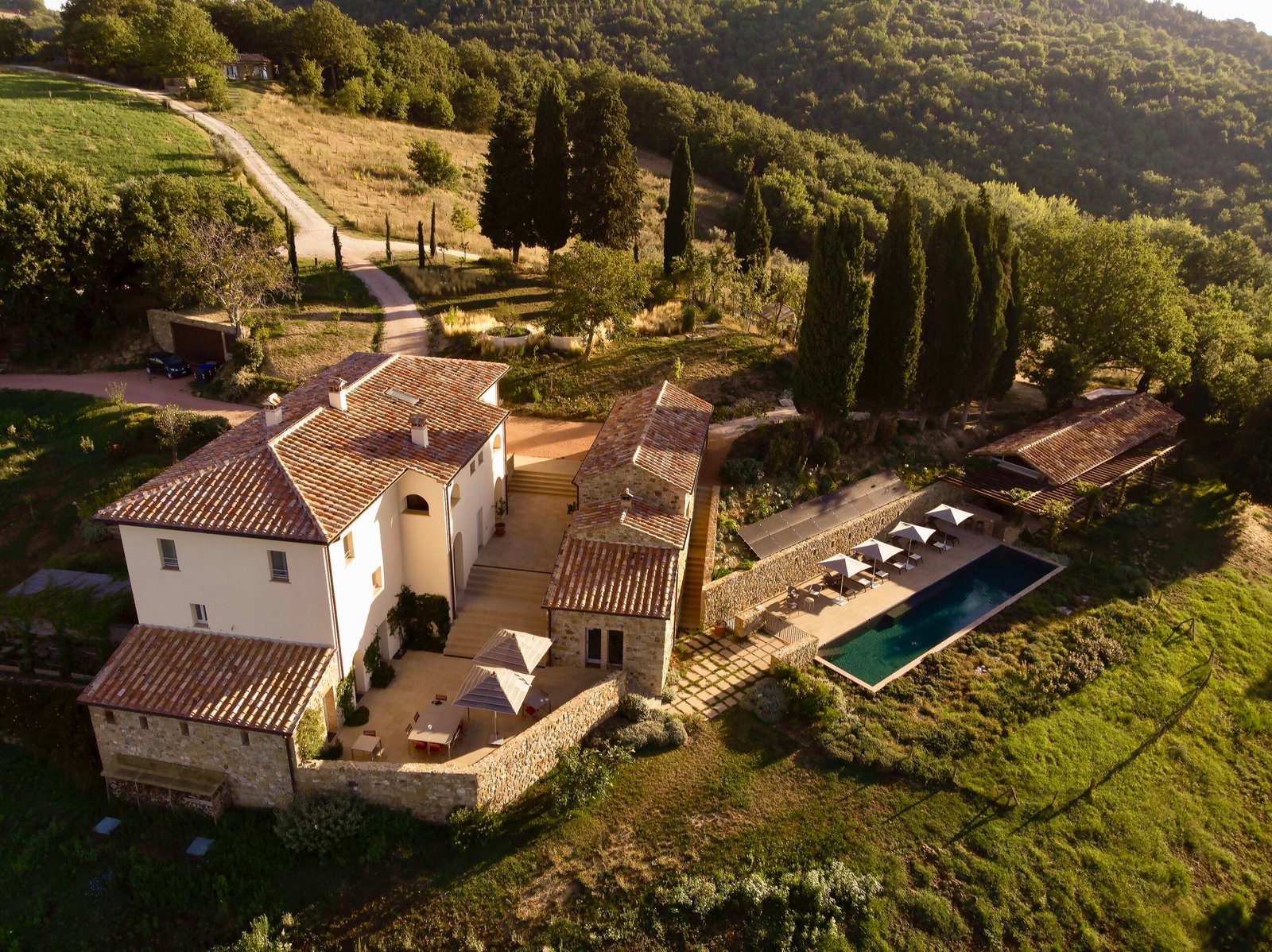
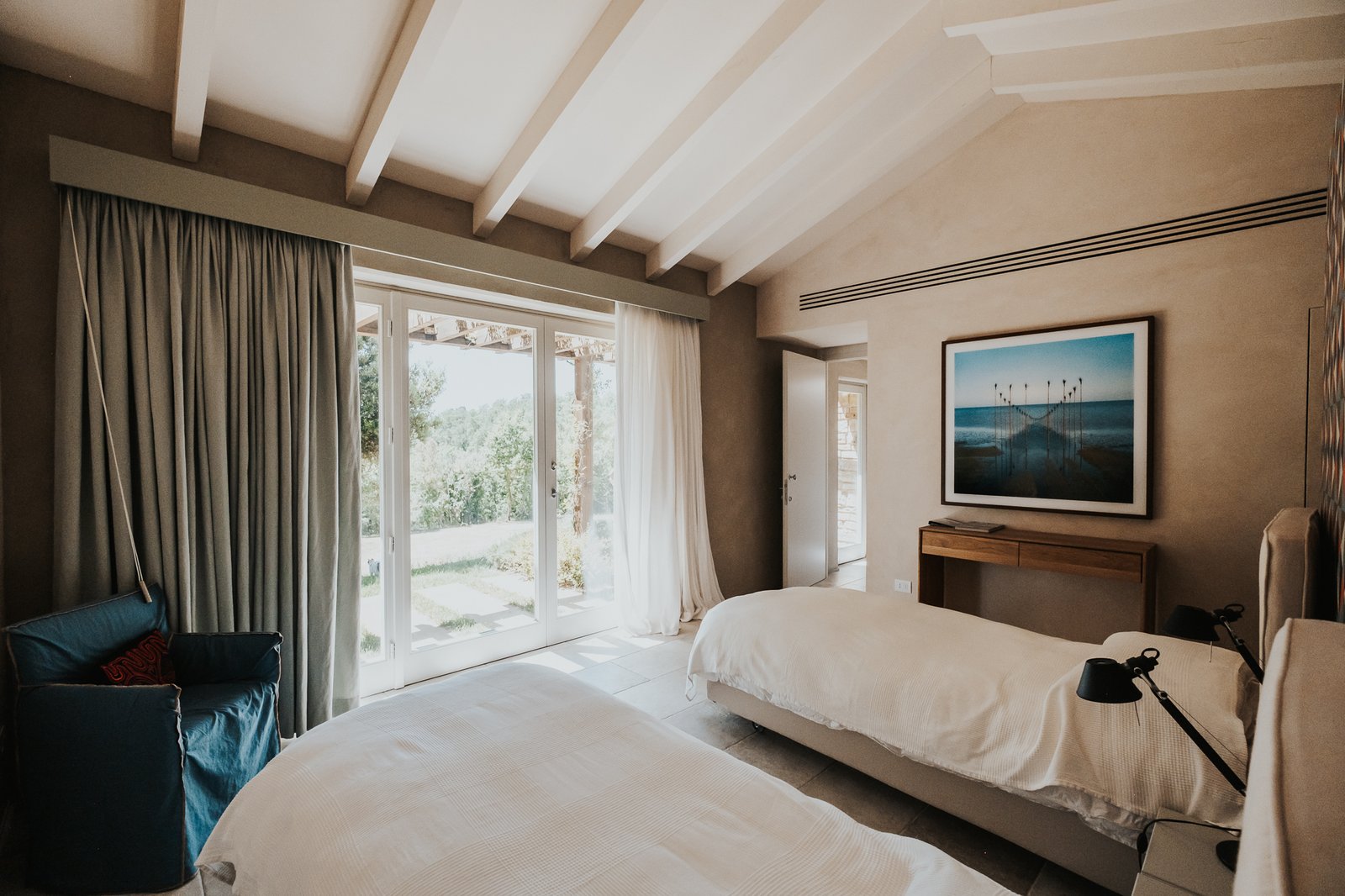
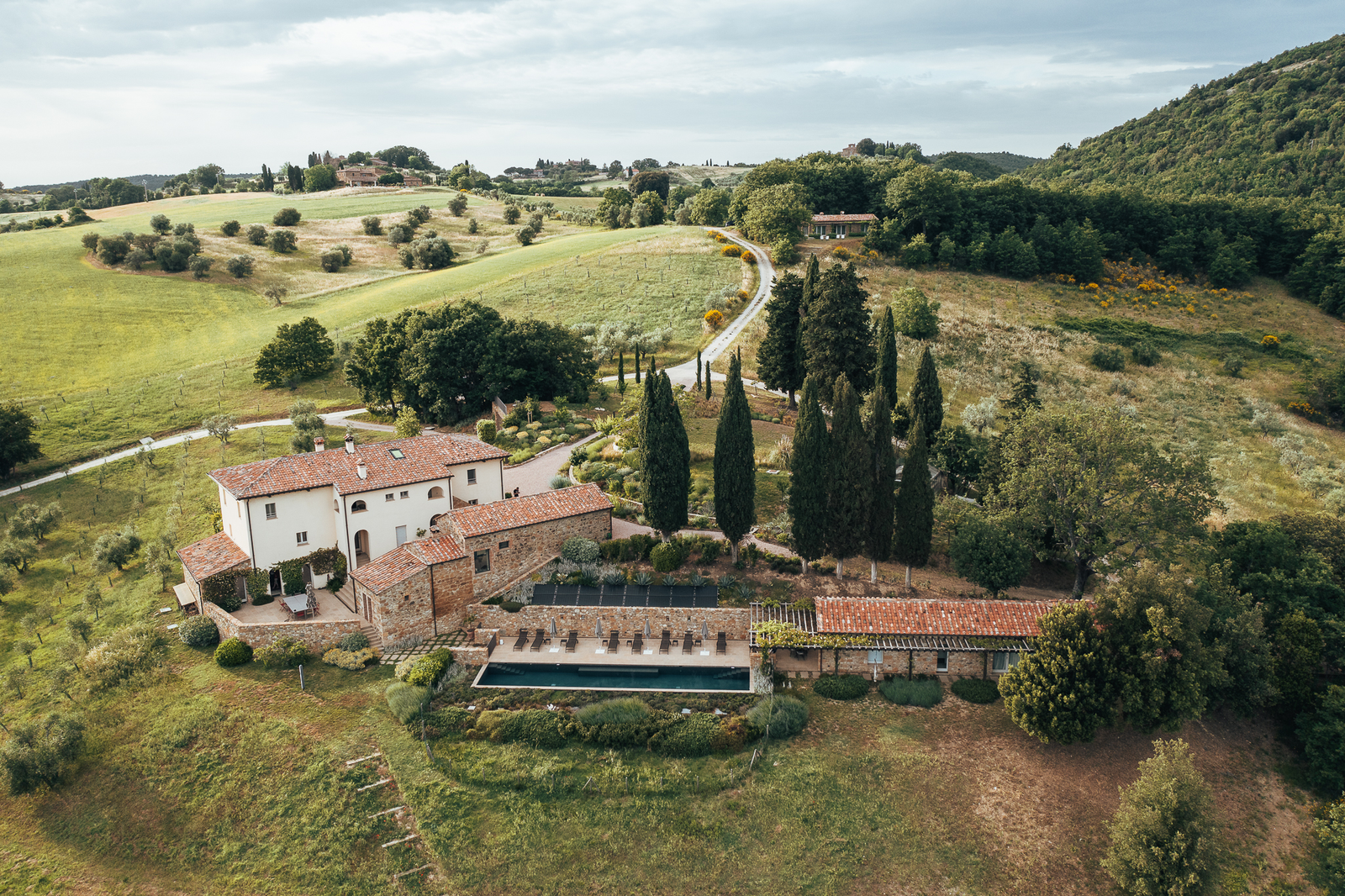
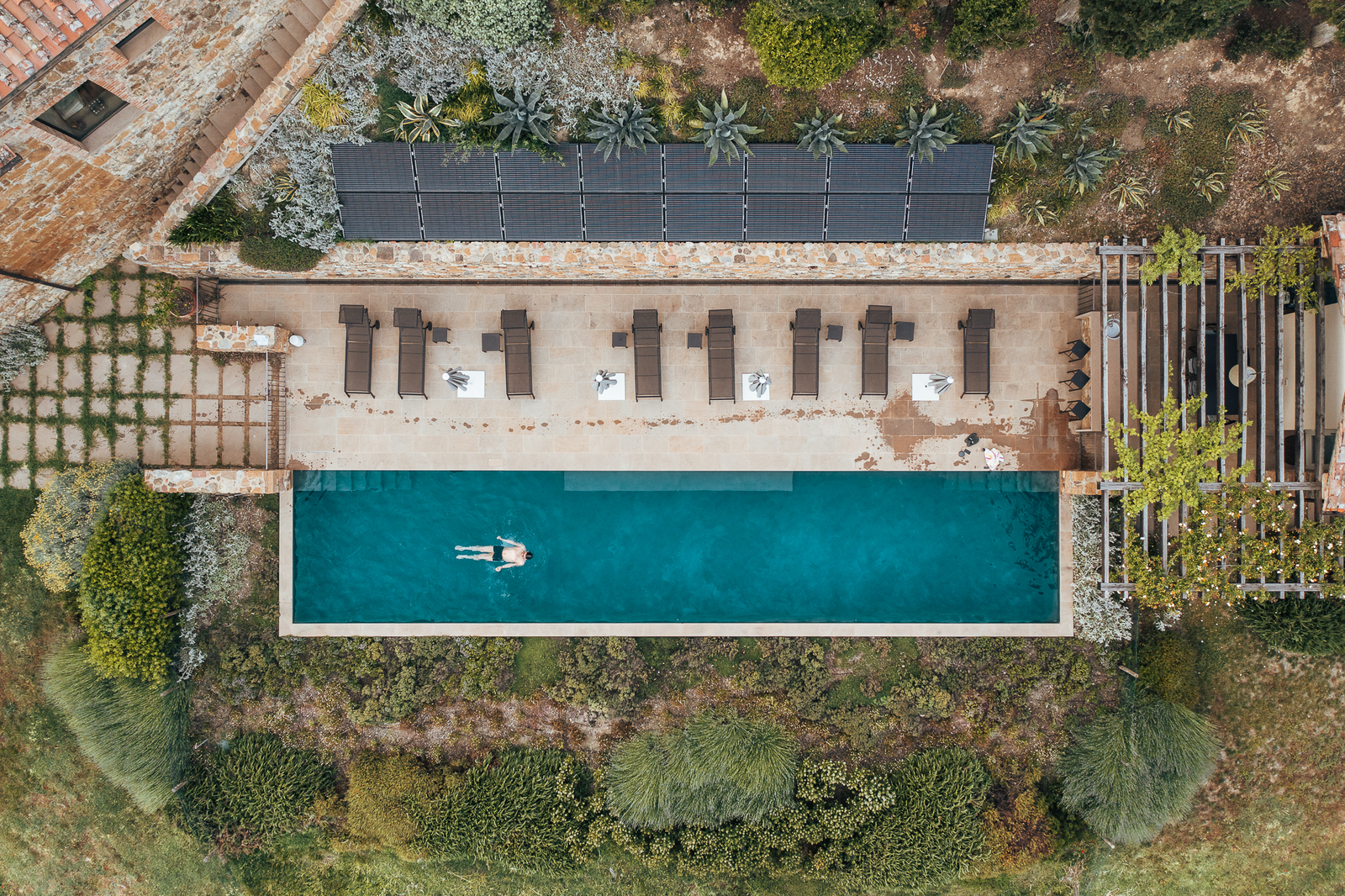
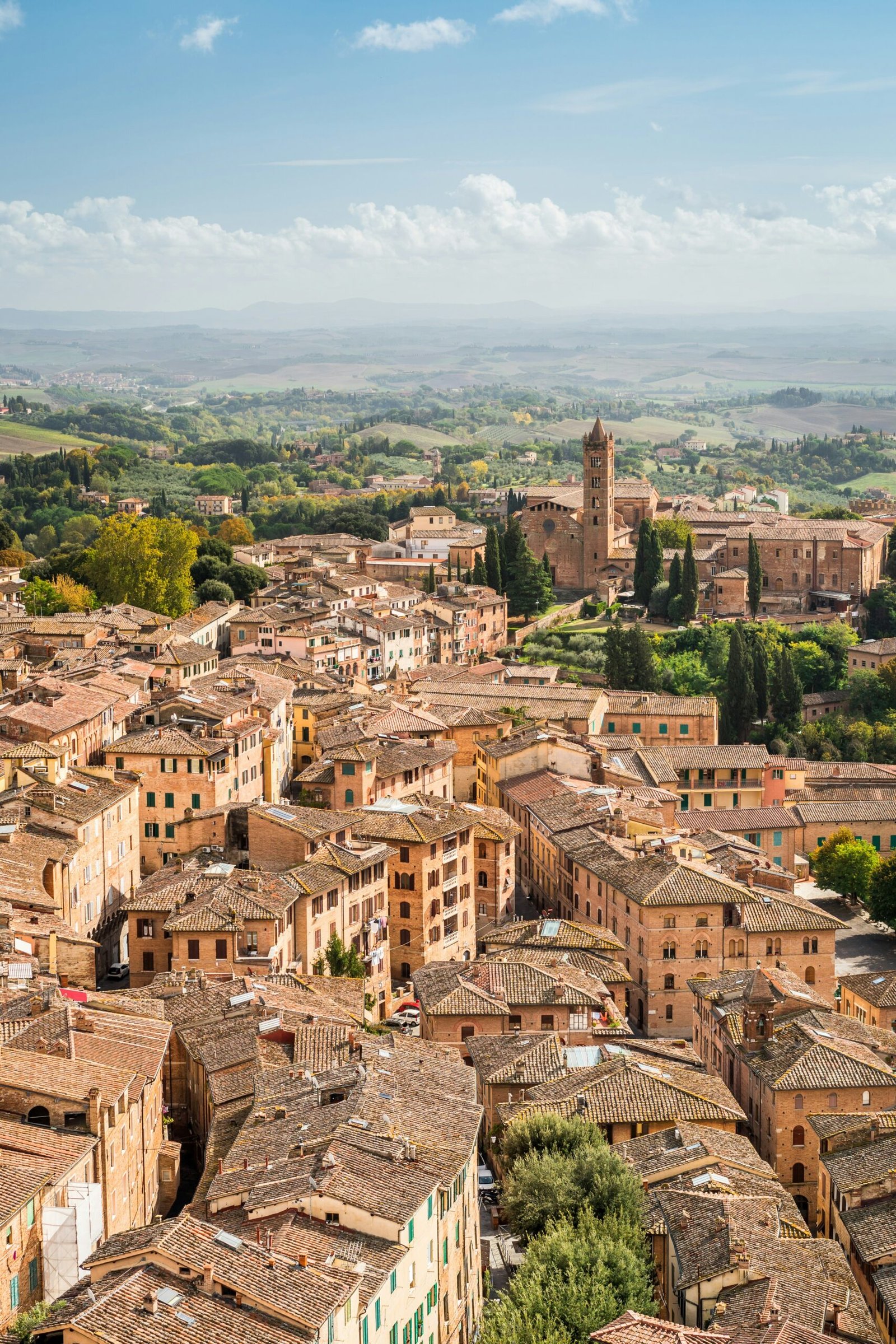
Tuscany is the Italy that the international retreat market most consistently seeks — and for good reason. The cypress-lined roads, the hilltop villages of Montepulciano, Pienza, and San Gimignano, the Chianti vineyards, and the stone farmhouses (the poderi and the borghi that the retreat sector has converted into its most characteristic accommodation) produce the visual and atmospheric conditions that make the practice most immediately rewarding.
The Tuscan retreat is typically based at a converted agriturismo or villa in the countryside around Siena, Arezzo, or Cortona — far enough from the tourist circuit to have the agricultural landscape all around, close enough to the medieval towns to use their culture as the afternoon programme. The morning yoga in the stone-floored sala, the lunch of the farm’s own olive oil and the local pecorino, and the evening walk through the vineyard to the terrace view across the valley at sunset: this is the Tuscany retreat format at its most specifically itself.
→ See our full yoga retreats in Tuscany guide.
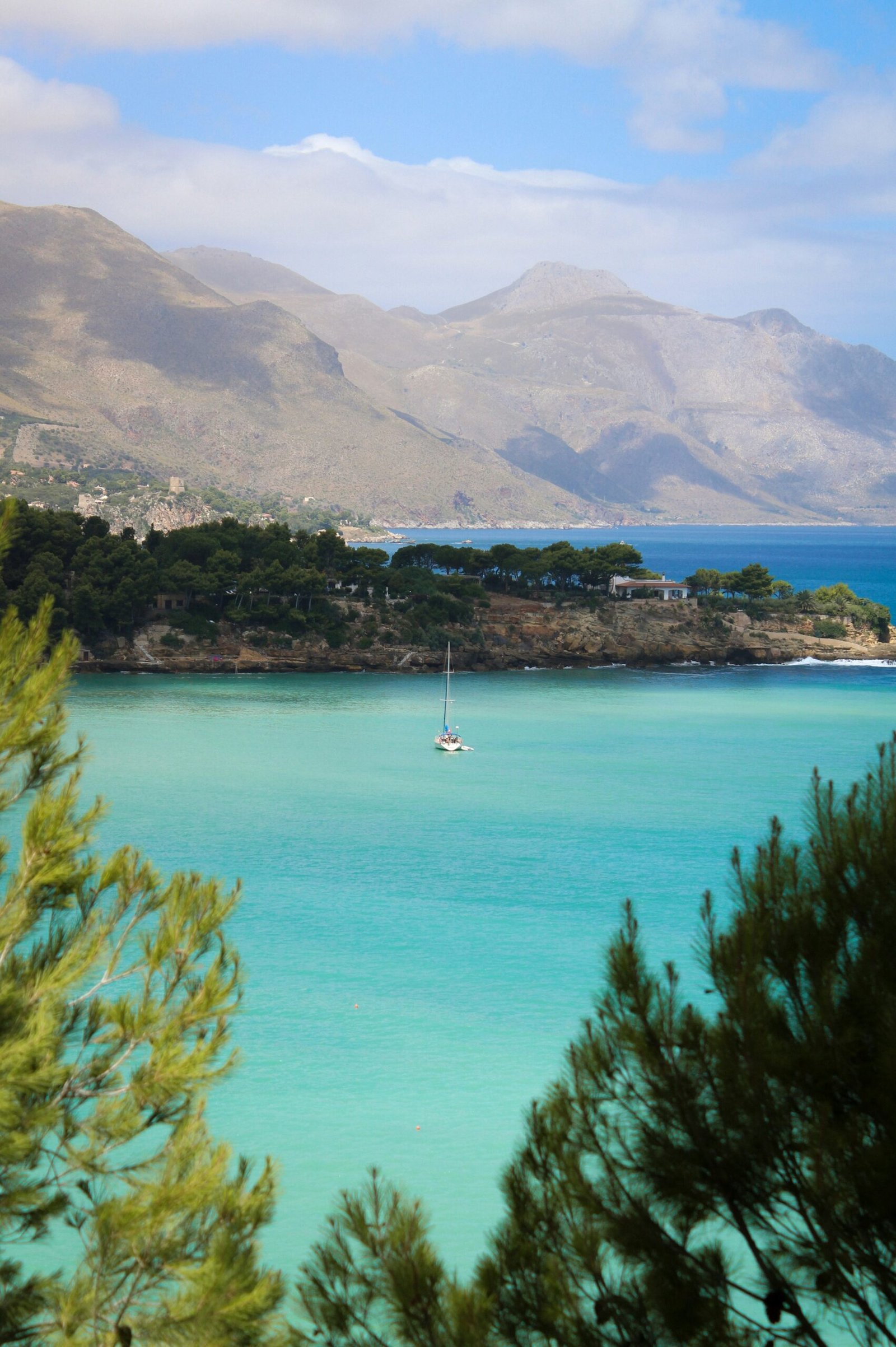
Sicily is the Italy that most surprises — the Greek temples at Agrigento, the Arab-Norman architecture of Palermo, the active volcano of Etna above the orange groves, and the most dramatically spiced of the Italian regional cuisines produce a retreat context that is simultaneously the most ancient and the most specifically itself. The island in spring (March-May) and autumn (September-November) is at its most comfortable and its most culturally specific.
Retreat centres in Sicily use the masseria (the traditional fortified farm) and the baglio (the fortified estate of the Arab period) as their accommodation format — the thick stone walls, the inner courtyard, and the organic farms producing the specific Mediterranean combination of ancient architecture and contemporary practice.
→ See our full yoga retreats in Sicily guide.
Umbria — Tuscany’s less visited neighbour, with the same rolling hills and medieval hilltop towns but without the international tourist density — is the retreat destination that the practitioners who know Italy specifically prefer. Assisi (the town of St. Francis, with the most contemplative of any Italian hilltop atmosphere), Spoleto (the theatre festival city with its Roman ruins and forested gorge), and the Valnerina valley with its Benedictine monasteries produce a quality of silence that Tuscany’s more developed tourism circuit increasingly struggles to provide.
Umbria retreat centres tend to be smaller and more specifically rooted in their communities — the converted convent, the working farm, the village house rather than the agriturismo resort. The food culture here is the most grounded of the central Italian regions: the black truffle from the Norcia hills, the lentils of Castelluccio, and the Sagrantino wine of Montefalco produce the most specifically Umbrian of the Italian retreat tables.
→ See our full yoga retreats in Umbria guide.

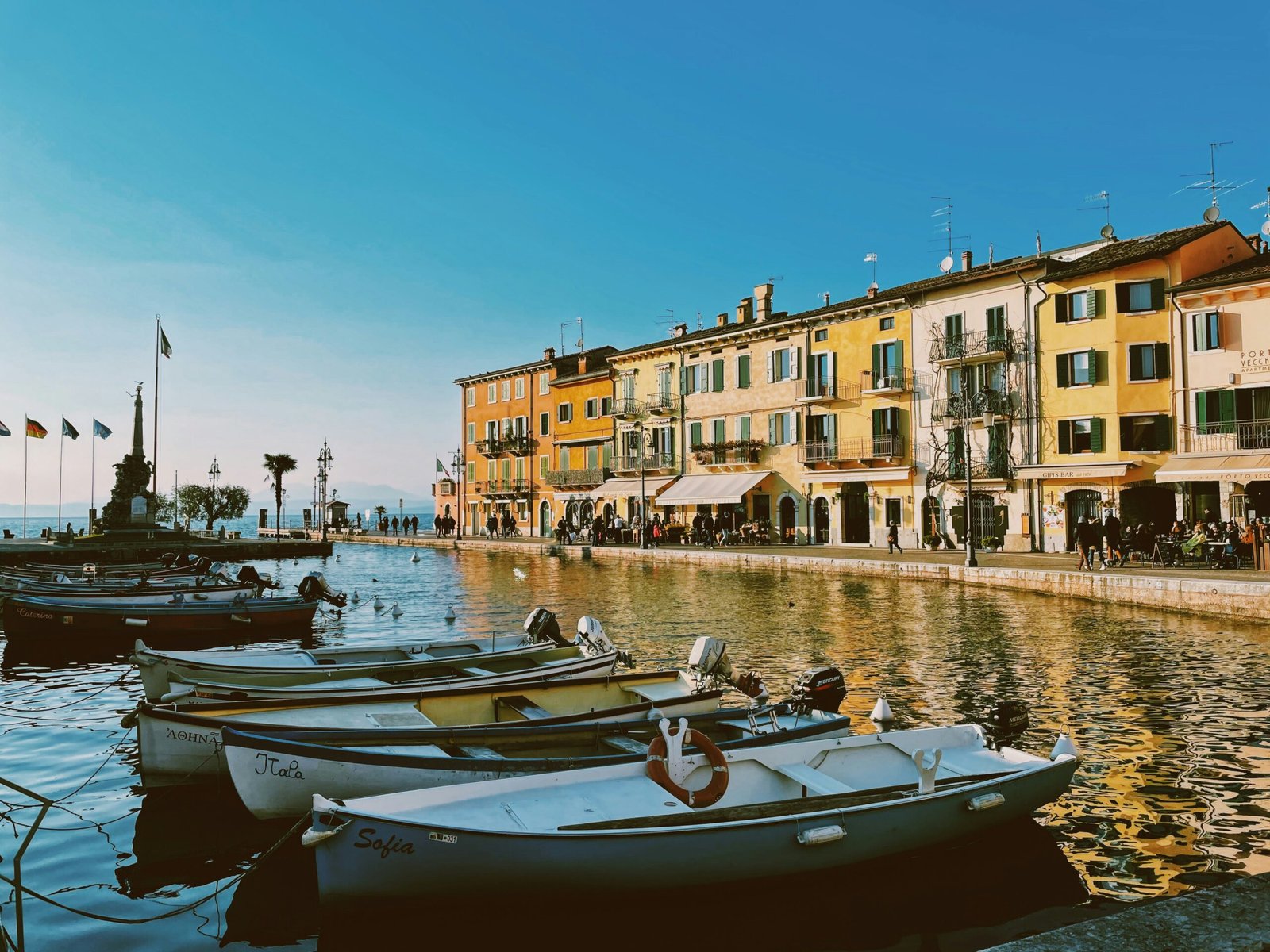
Lake Garda — the largest lake in Italy, at the foot of the Alps between Verona and Brescia — is the most practically accessible of the Italian retreat bases: 90 minutes from Milan, 2 hours from Venice, 3 hours from Bologna.
The lake’s microclimate (warm enough for olive groves and citrus on the southern shores, alpine in character at the northern end) produces the most varied landscape of any Italian lake retreat, and the wellness infrastructure of the Garda Trentino northern shore has been developing specifically for the international retreat market.
→ See our full yoga retreats by Lake Garda guide.
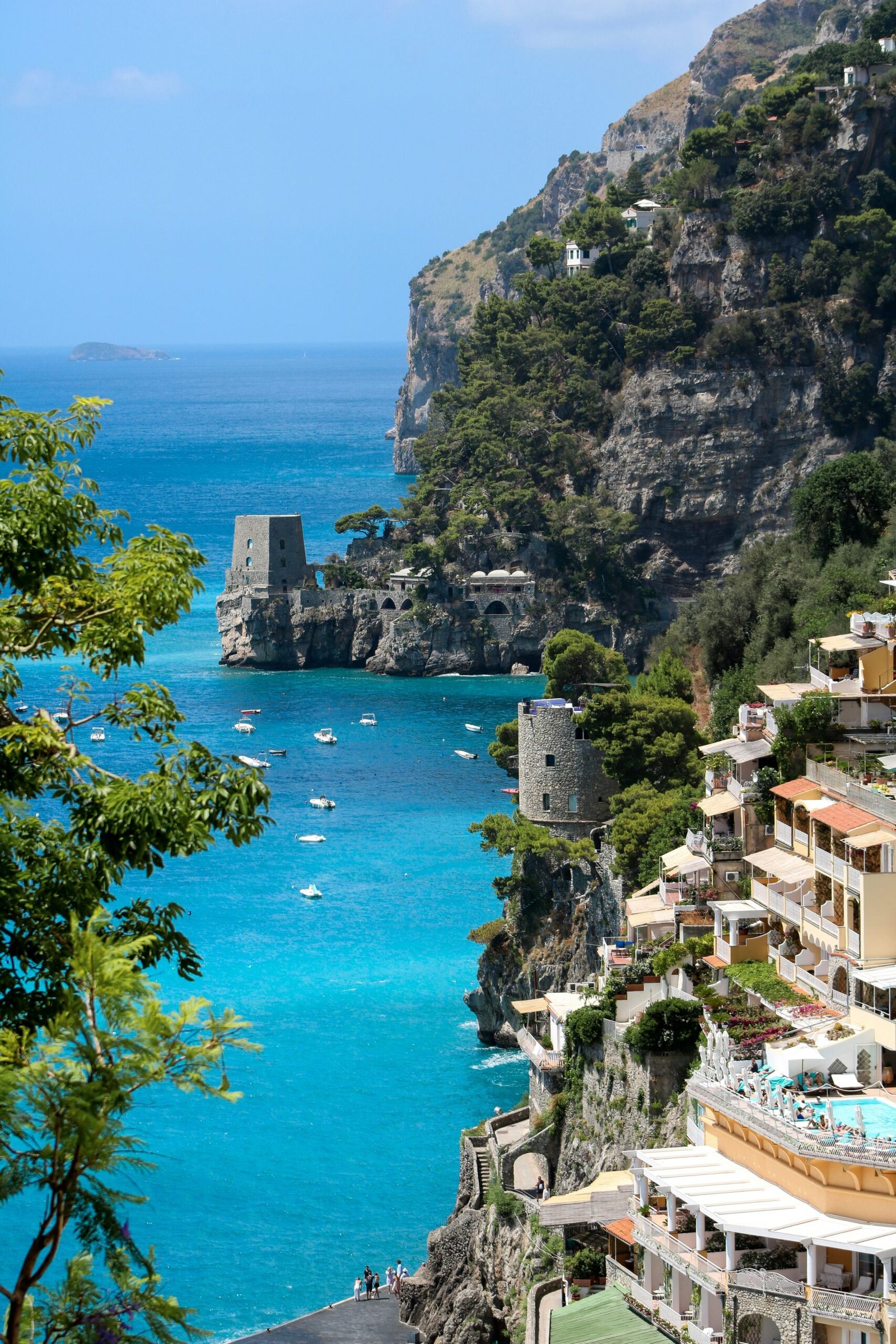
The Amalfi Coast — the 50-kilometre stretch of coastal road between Positano and Vietri sul Mare, with the vertical cliffs above the Tyrrhenian Sea and the lemon groves on every terrace — is the most dramatically sited of the Italian retreat destinations. The yoga practice above the sea, with the water visible between the lemon trees and the villages of Ravello and Praiano on the cliff face above, produces the most specifically Mediterranean of the Italian retreat experiences.
The Coast’s logistical complexity — the narrow road, the steep steps, the limited flat ground — is also its specific quality: the absence of cars and crowds in the village above the main road, the physical challenge of the path producing the specific tiredness that makes the evening Yin practice most deeply rewarding.
→ See our full yoga retreats on the Amalfi Coast guide.
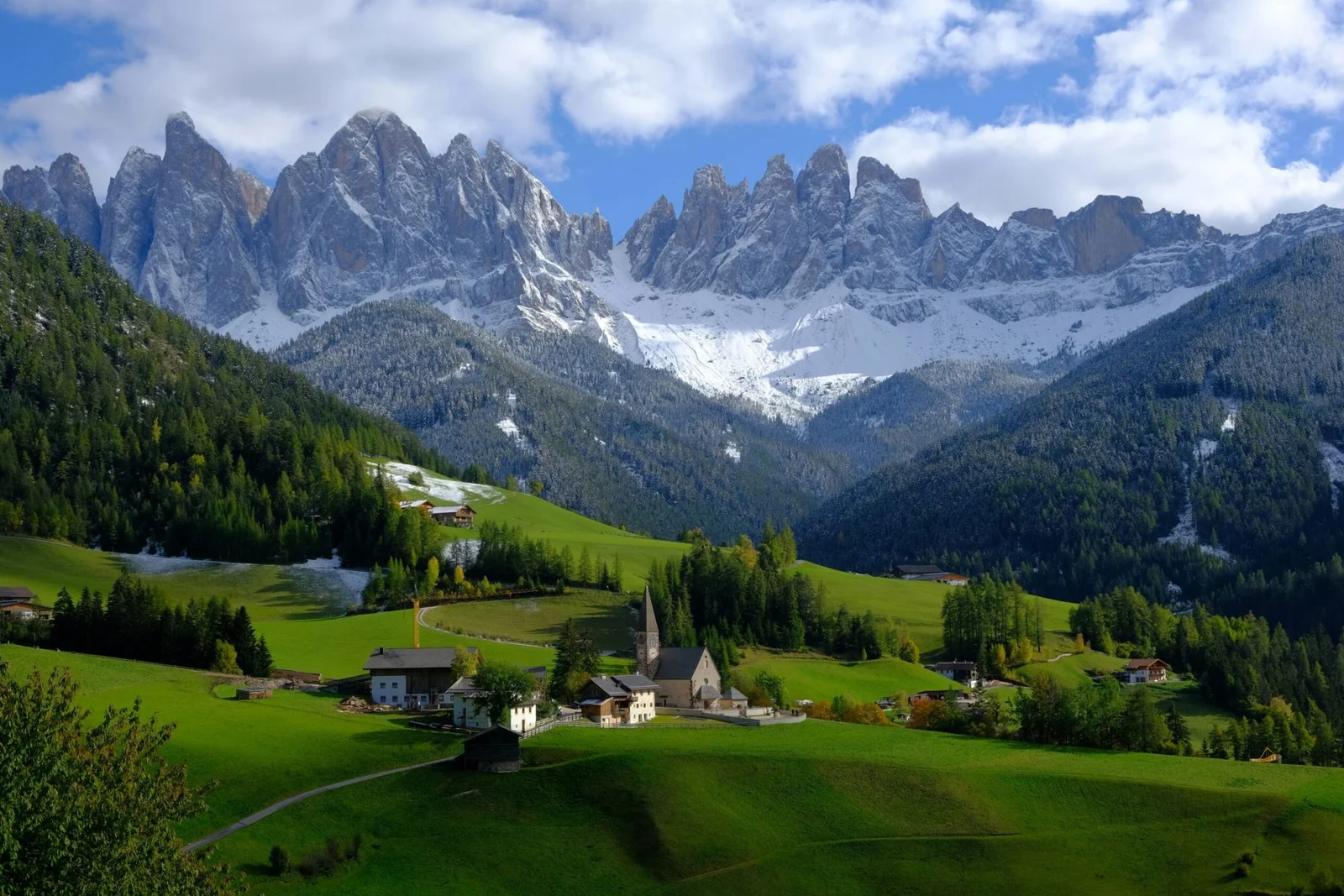
The Dolomites — the UNESCO World Heritage mountain range in the northeast, with the most dramatic rock formations in Europe and the most developed mountain wellness infrastructure in Italy — produce a retreat experience entirely different from the central and southern Italian formats. The altitude (1,200-2,500 metres), the clean air, the specific quality of mountain silence, and the South Tyrolean cultural context (German-Italian in language, Austrian in food tradition, completely its own in character) make the Dolomite retreat the most specifically physically demanding and the most dramatically sited.
→ See our full wellness retreats in the Dolomites guide.
Italy’s retreat season peaks twice — in spring and in autumn — and the specific month shapes the experience more than in most destinations.
Spring is the most universally rewarding window. The landscape is at its freshest — the wildflowers on the Umbrian hills, the almond blossom in Sicily, the first vine leaves in the Tuscan vineyard. The temperatures are comfortable for outdoor practice (16-22°C) and the tourist infrastructure has not yet reached summer capacity. See our guides for March, April, and May.
June is the last comfortable month before the July-August heat arrives in the south and centre. The light in June has the specific golden quality that the Italian landscape is most known for. See our June guide.
These are the peak domestic Italian holiday months — the country is at its most animated and its most expensive. In the central and southern regions (Tuscany, Umbria, Sicily, Amalfi), the midday heat requires moving the outdoor programme to the early morning. The Dolomites and Lake Garda are at their summer best. See our July and August guides.
Autumn is the season that the serious Italy practitioner prefers. The harvest is underway — the grape vendemmia in September, the truffle season in Umbria and Piedmont from October — the landscape is at its most golden, and the tourist pressure has dropped sharply. See our September, October, and November guides.
Winter is the off-season in most of Italy. The Dolomites are at their ski season peak. Tuscany and Umbria have the most contemplative of the annual atmospheres — the landscape stripped of tourists, the truffle markets at their January peak, and the retreats running at their most intimate group sizes. See our December, January, and February guides.
By air — Italy has three major international hubs: Rome Fiumicino (FCO), Milan Malpensa (MXP), and Milan Linate (LIN). Secondary airports serve the retreat regions directly: Florence Peretola (FLR) for Tuscany and Umbria, Palermo Falcone-Borsellino (PMO) and Catania Fontanarossa (CTA) for Sicily, Naples Capodichino (NAP) for the Amalfi Coast and Campania, Verona Villafranca (VRN) and Bergamo Orio al Serio (BGY) for Lake Garda and the Dolomites. Most European capitals have direct connections to at least one Italian airport.
By train — Italy’s Trenitalia and Italo high-speed network connects all major cities efficiently. Rome to Florence takes 1.5 hours; Milan to Florence 2 hours; Naples to Rome 1 hour. For the retreat regions not on the high-speed network (Umbria, the Amalfi hinterland, Sicily’s interior), regional trains and local buses connect from the nearest high-speed station. Most retreat centres organise airport or station transfers — book in advance.
By car — a rental car is the most practical option for the rural retreat bases of Tuscany, Umbria, and Sicily’s interior. The Italian motorway (autostrada) network is comprehensive and well-maintained. The historic centre of most Italian towns is a ZTL (limited traffic zone) — do not drive into the medieval centre without checking the retreat centre’s specific access instructions.
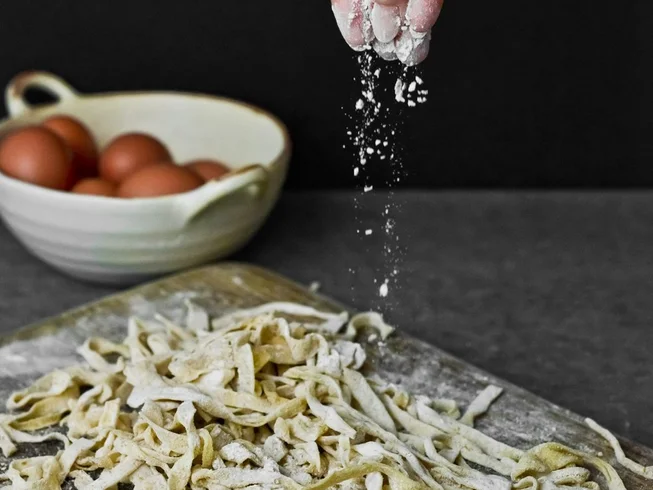
Food in Italy is not incidental to the retreat experience. In a country where the quality of ingredients, the culture of the shared meal, and the relationship between cooking and care are all deeply embedded in daily life, what you eat and how you eat it is inseparable from the restoration you’re seeking.
The Mediterranean dietary pattern that Italian cuisine — particularly in the south and centre — naturally follows is among the most studied and consistently supported eating patterns in nutritional research. High in olive oil, legumes, seasonal vegetables, whole grains, and fish; low in ultra-processed food and industrial ingredients. Retreats that source locally and cook seasonally are drawing on this naturally, not constructing something artificial.
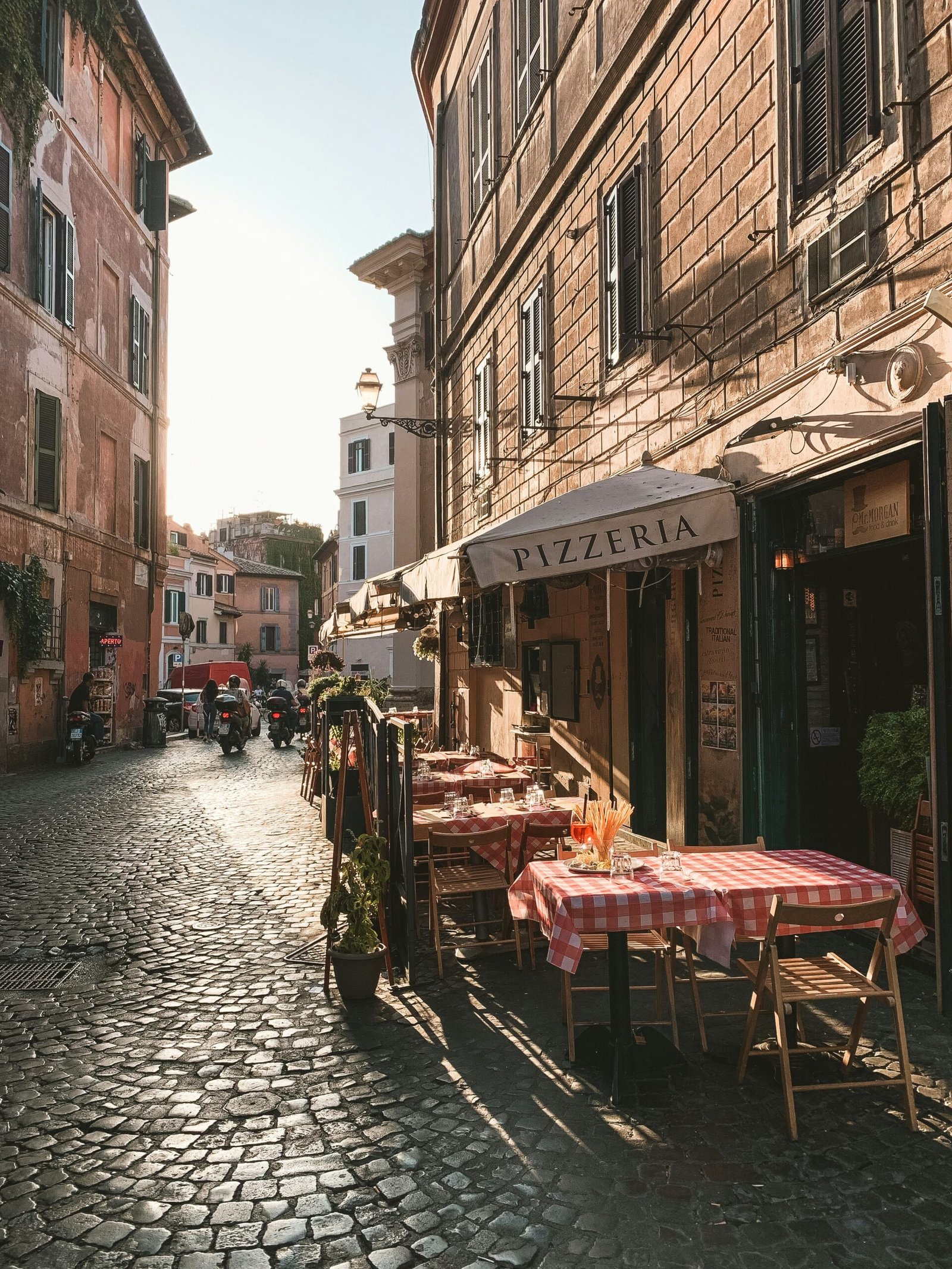
But the manner of eating matters as much as the content. The Italian meal — unhurried, communal, structured around conversation and genuine attention to what’s on the plate — is a form of mindfulness practice in itself. Eating slowly with people you’re getting to know, without screens, around a table that holds the meal as the central event rather than a refuelling pause, produces measurable physiological effects: better digestion, greater satiety, lower cortisol. The best Italian retreats understand this and protect it.
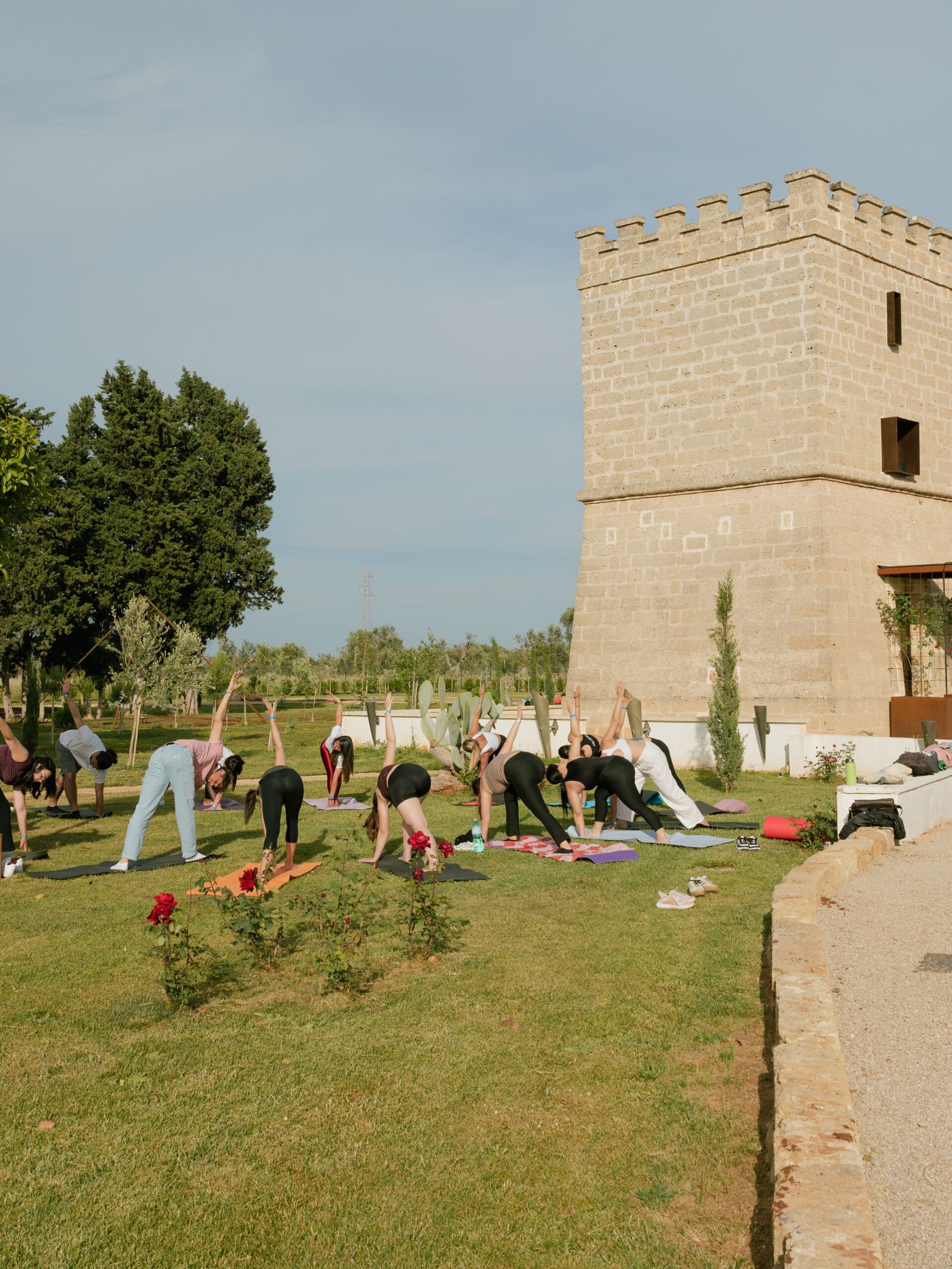
Regional food cultures add another layer of specificity. In Puglia, the cuisine is largely plant-forward and olive oil-saturated in ways that align closely with contemporary nutritional thinking. In Sicily, the combination of Mediterranean and North African influences produces extraordinary diversity of vegetable and legume dishes alongside exceptional seafood. In Tuscany, the simplicity of ribollita, pici, and bistecca made from high-quality local ingredients demonstrates that restraint and quality produce more than complexity.
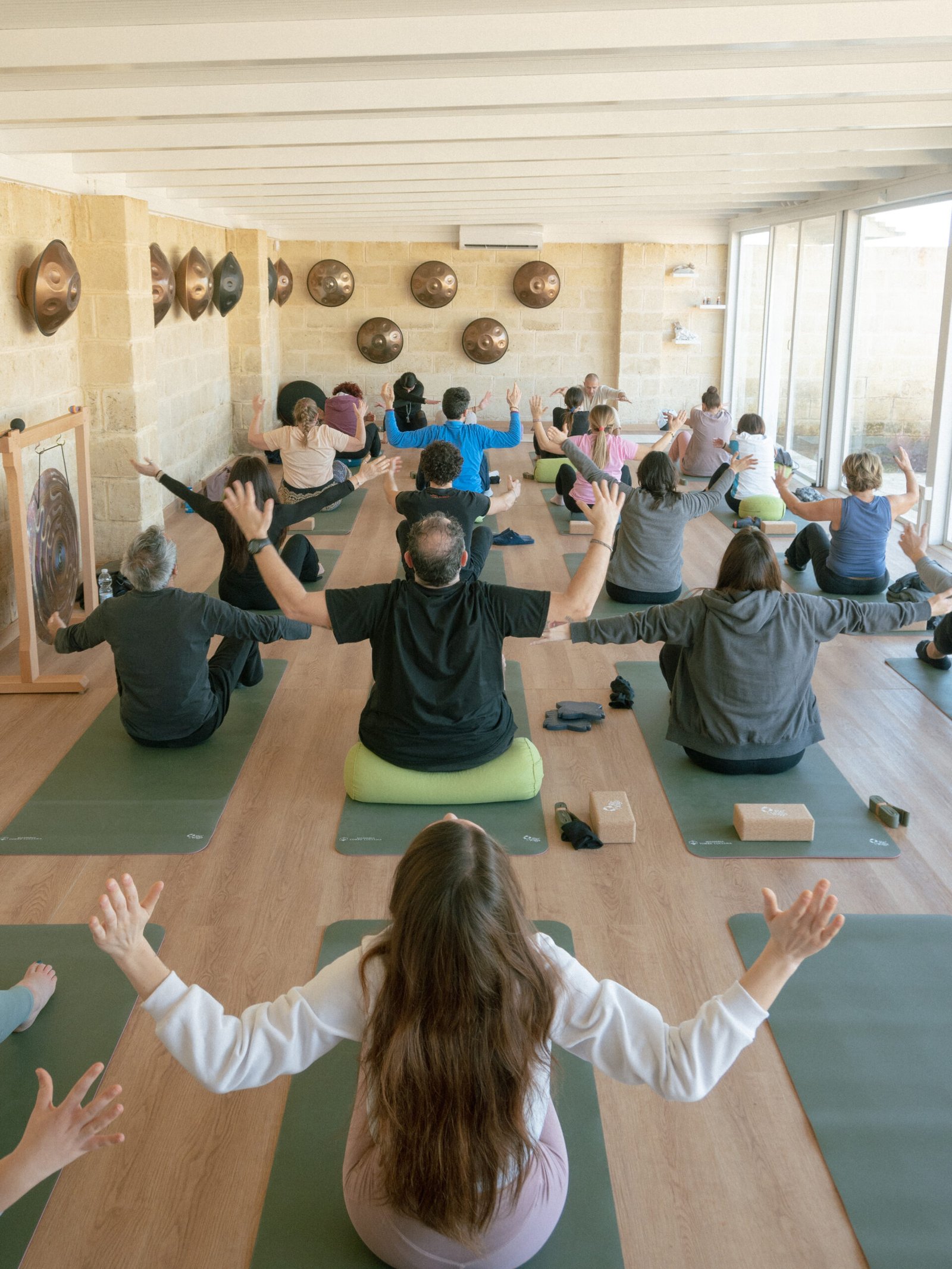
Programme formats — the Italian retreat tends toward the cultural immersion format more than the intensive practice format. The once-daily yoga session, the afternoon excursion to the nearby medieval town or the local vineyard, and the emphasis on the table as a communal practice space reflect the Italian understanding that wellness is embedded in daily life rather than extracted from it. The twice-daily intensive format exists but is less dominant than in India or Bali.
Accommodation — the agriturismo (the working farm with guest accommodation) and the villa (the converted estate) are the most characteristic Italian retreat accommodation formats. Both produce the specific combination of agricultural landscape, stone architecture, and generous table that defines the Italian retreat experience. Monastery and convent retreats — particularly in Umbria and Tuscany — offer the most specifically contemplative of the Italian accommodation options.
Food — the Italian retreat kitchen is the most naturally aligned of any European retreat cuisine with the principles of whole, seasonal, and locally sourced food. The olive oil, the legumes, the seasonal vegetables, and the regional cheeses of the Italian agricultural tradition produce a retreat table that requires minimal modification for plant-based practitioners. Wine at the evening meal is a cultural expectation at many Italian retreat centres — and a genuinely Italian dimension of the evening’s communal practice.
Language — retreat programmes in Italy run in English at the international retreat centres. Outside the centre, basic Italian is useful in the rural areas; the cities are universally English-friendly.