The World
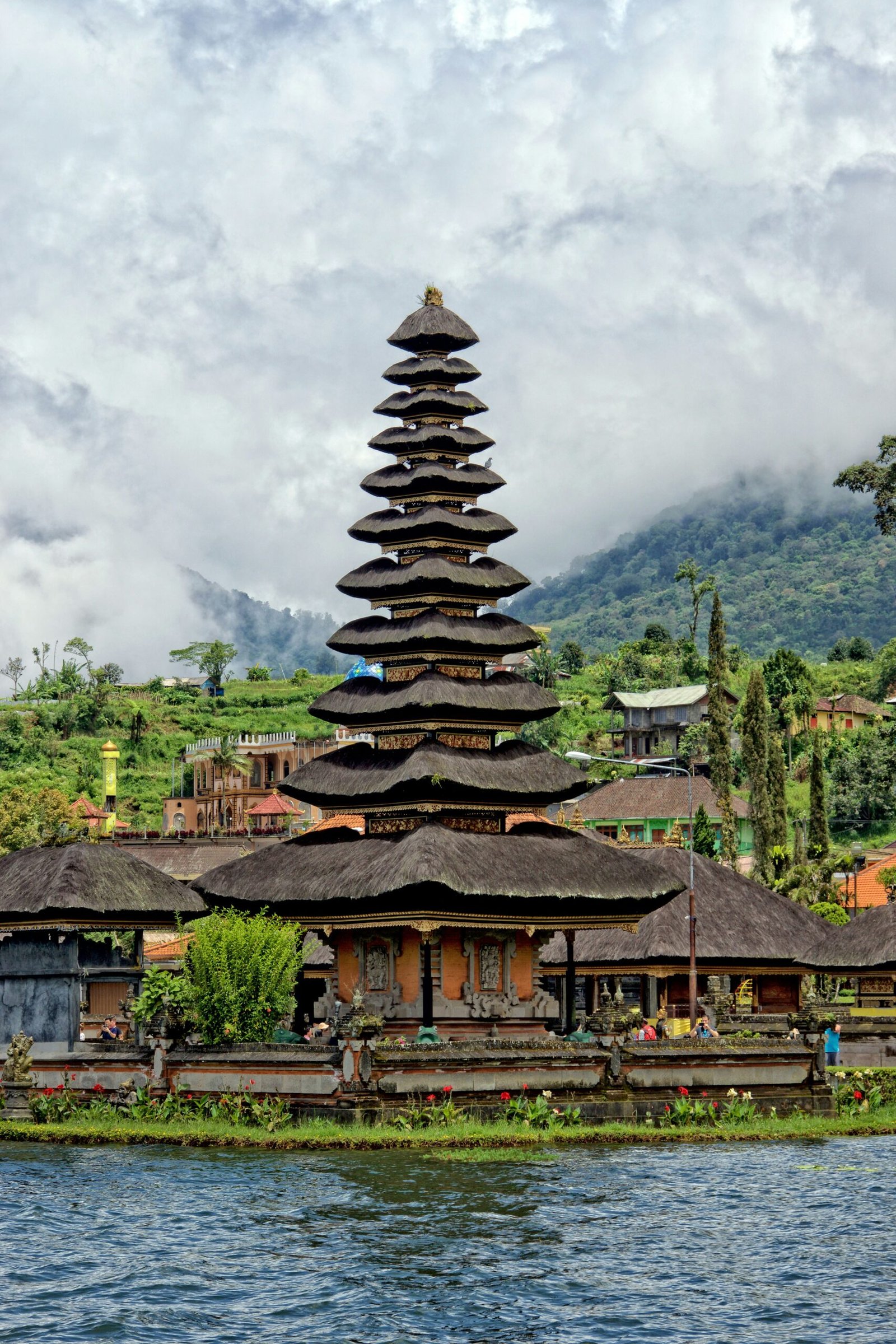
Bali is the only place on earth where the entire culture is organised around the idea that the spiritual and the everyday are the same thing. Every offering at the temple gate, every ceremony in the banjar compound, every gamelan note from the evening rehearsal is a form of practice.
The retreats collected here sit inside that culture rather than beside it. They use it as the condition for the work rather than the backdrop.
Bali is the most developed yoga retreat destination in the world outside of India — and it has been for thirty years. The infrastructure of the practice here is embedded: the teaching is serious, the accommodation is specifically designed for the retreat format, and the cultural context provides the kind of support that purpose-built wellness resorts in other countries spend enormous resources trying to simulate. What the retreats collected here share is an understanding that Bali is already doing most of the work. The programme helps you pay attention.

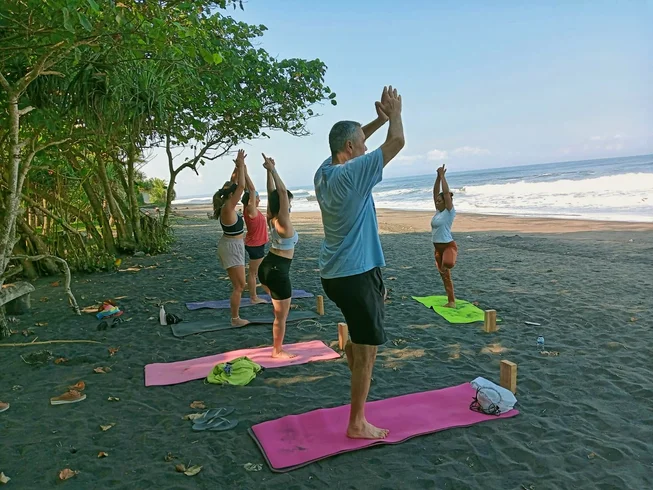
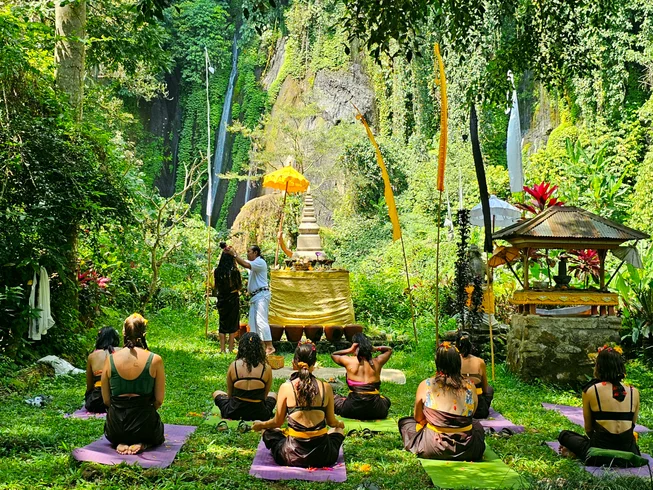
Bali is the only place on earth where the entire culture is organised around the idea that the spiritual and the everyday are the same thing. Every offering at the temple gate, every ceremony in the banjar compound, every gamelan note from the evening rehearsal is a form of practice. The retreats collected here sit inside that culture rather than beside it. They use it as the condition for the work rather than the backdrop.
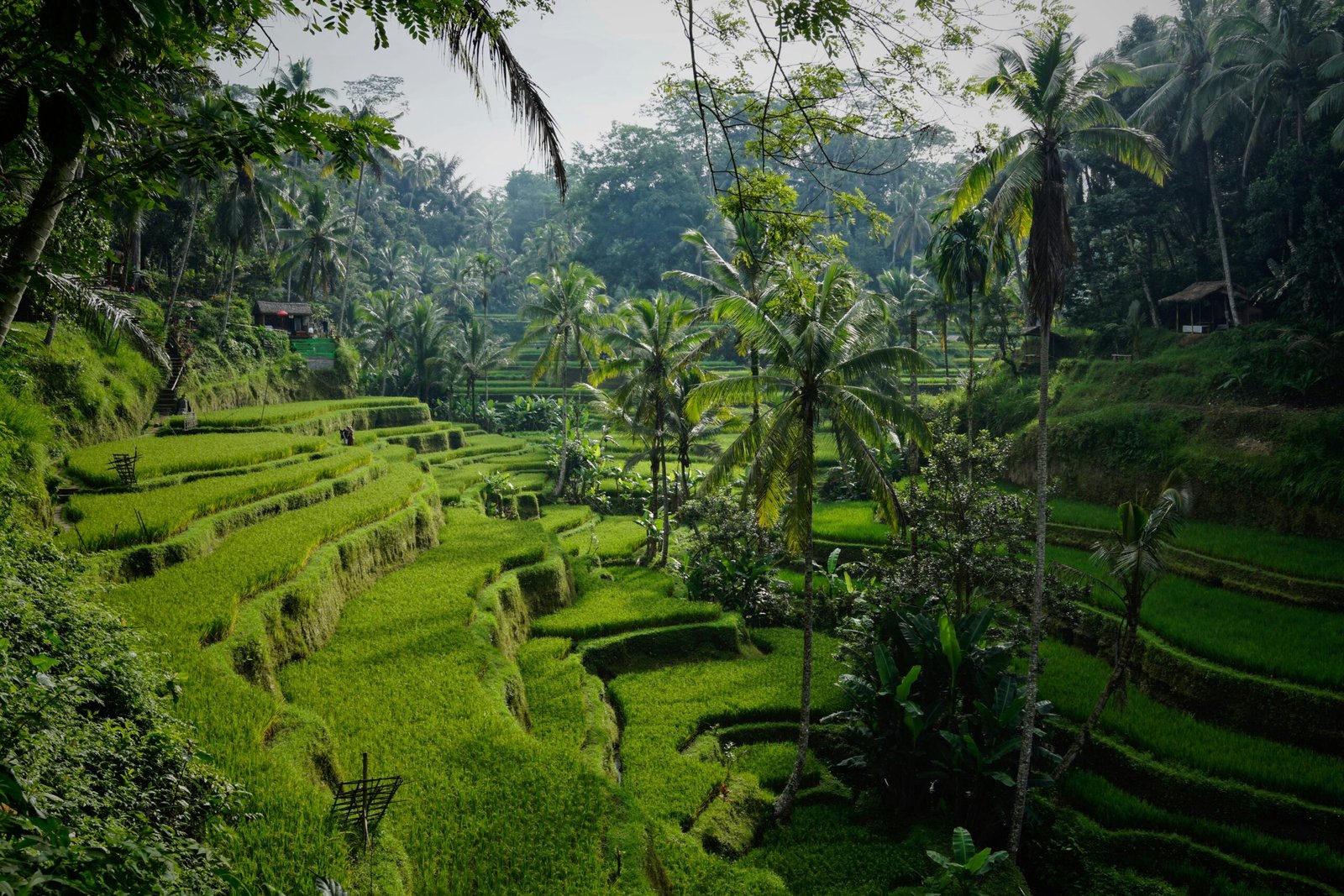
Ubud — the cultural capital of Bali, in the central highland plateau at 300 metres, surrounded by rice terraces, river gorges, and the most concentrated community of yoga teachers, healers, and spiritual practitioners on the island — is the most internationally recognised of the Balinese retreat bases and the one that most directly delivers what the yoga retreat concept promises.
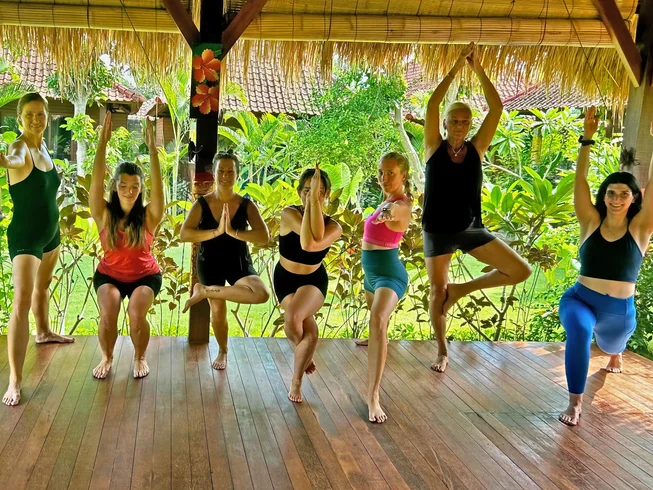
The retreat centres of Ubud range from the internationally famous (the Yoga Barn, with its multiple daily classes and its resident teacher community) to the intimate family-run shalas in the rice terrace villages of Penestanan, Sayan, and Tegalalang. The morning practice in the open-sided shala with the rice terrace view, the afternoon walk to the Campuhan Ridge, and the evening ceremony at the nearest banjar temple are the Ubud retreat day in its most specifically Balinese form.
Ubud is also the island’s healing centre — the Balinese traditional medicine (the balian healers, the herbal jamu tradition, the massage and energy work of the local practitioners) is most accessible here, and the retreat that incorporates a balian consultation or a traditional Balinese healing session alongside the yoga programme is using Ubud correctly.
Canggu — the former rice field village on the southwest coast that has become the most internationally mixed of the Balinese retreat communities — is specifically for the practitioner who wants the yoga practice combined with the surf, the café culture, and the social energy of the international long-stay community.
The Echo Beach and Berawa breaks produce the most consistent of the Bali surf conditions for the intermediate surfer, and the retreat centres of Canggu are specifically designed around the yoga-and-surf format.
The Canggu retreat is deliberately less contemplative than Ubud — the rice field aesthetic is still visible in the gaps between the villas and the coffee shops, but the energy is social and mobile rather than inward. It is the best of the Bali retreat bases for those who want the practice in the morning and the community in the afternoon.
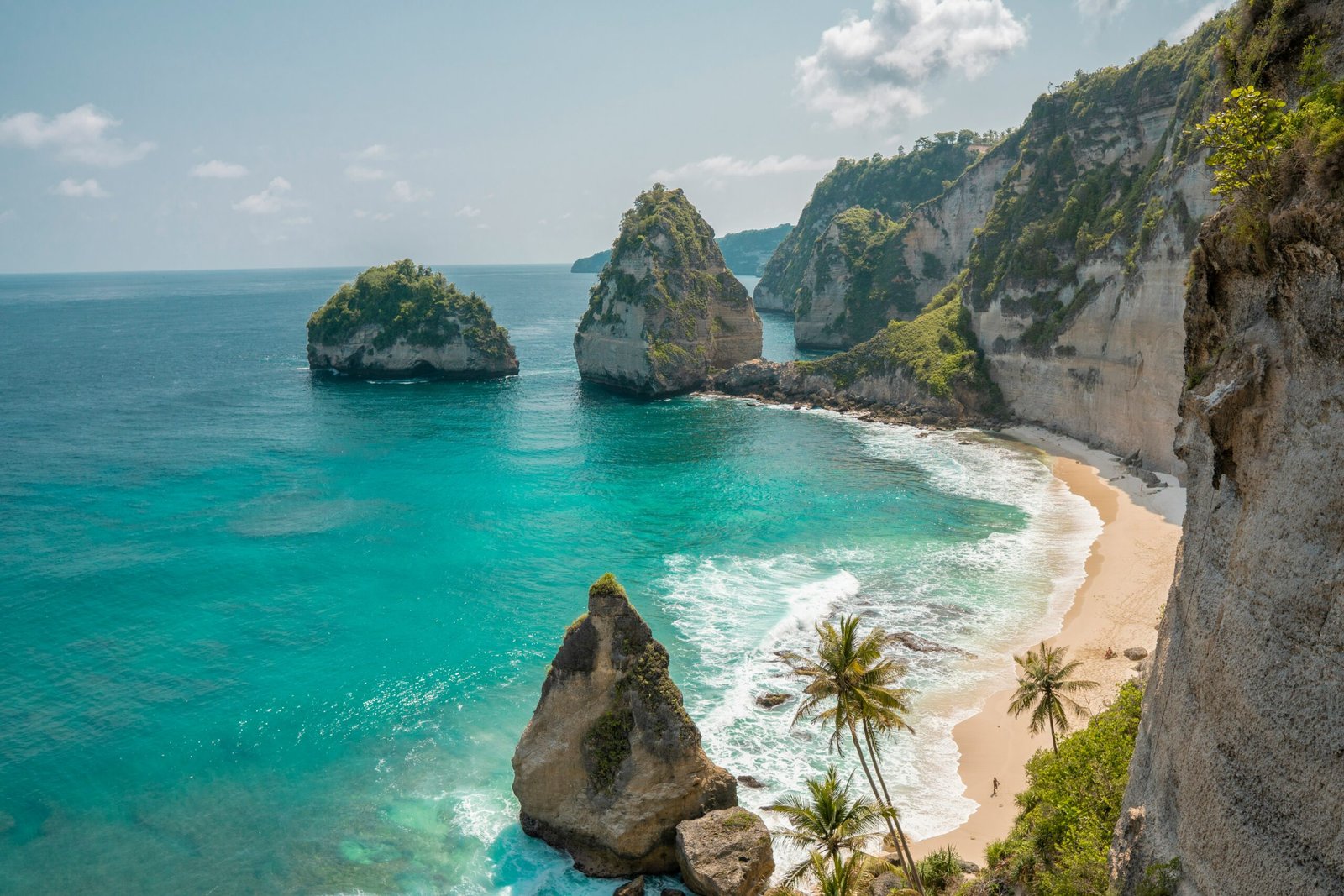
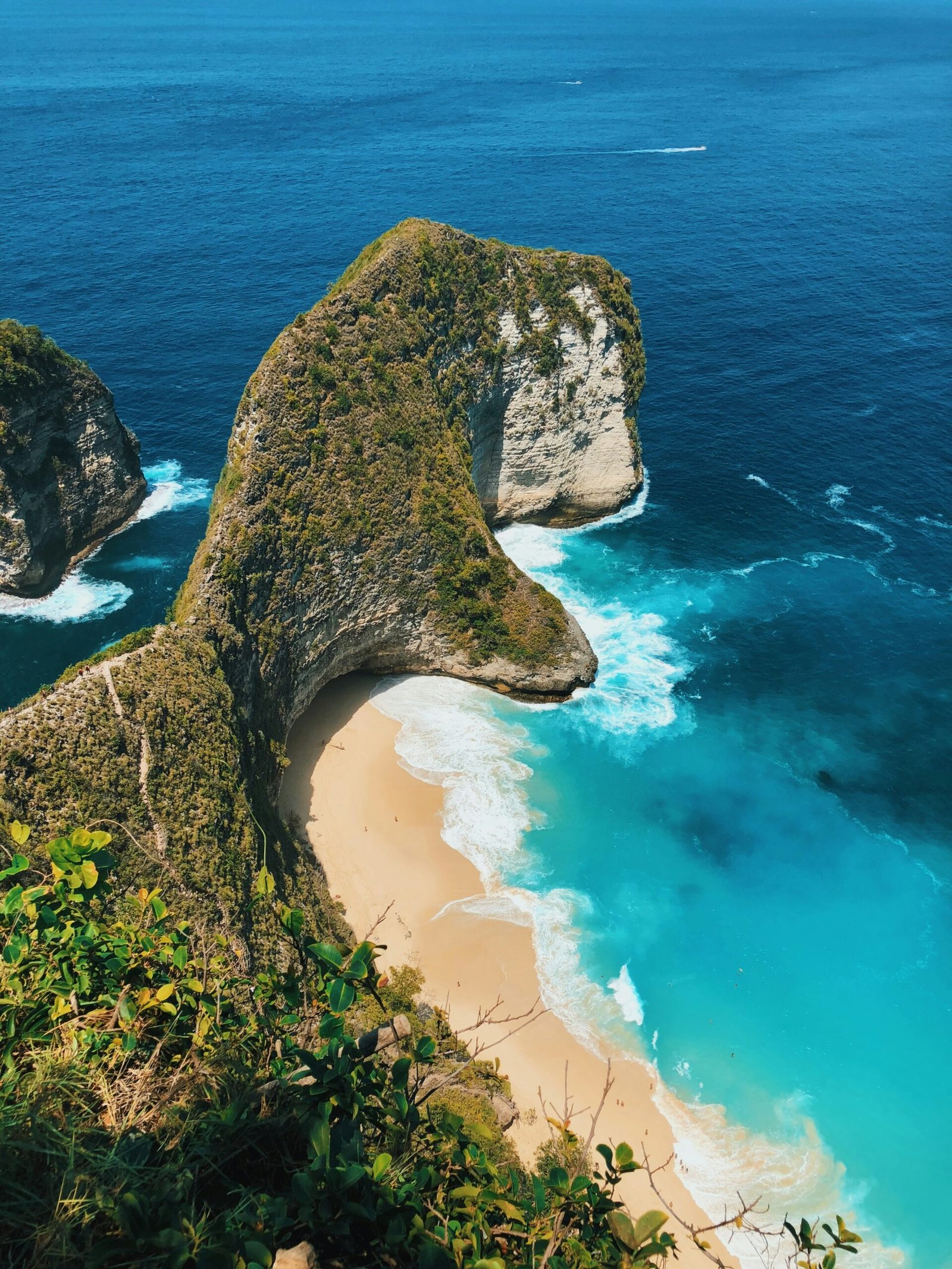
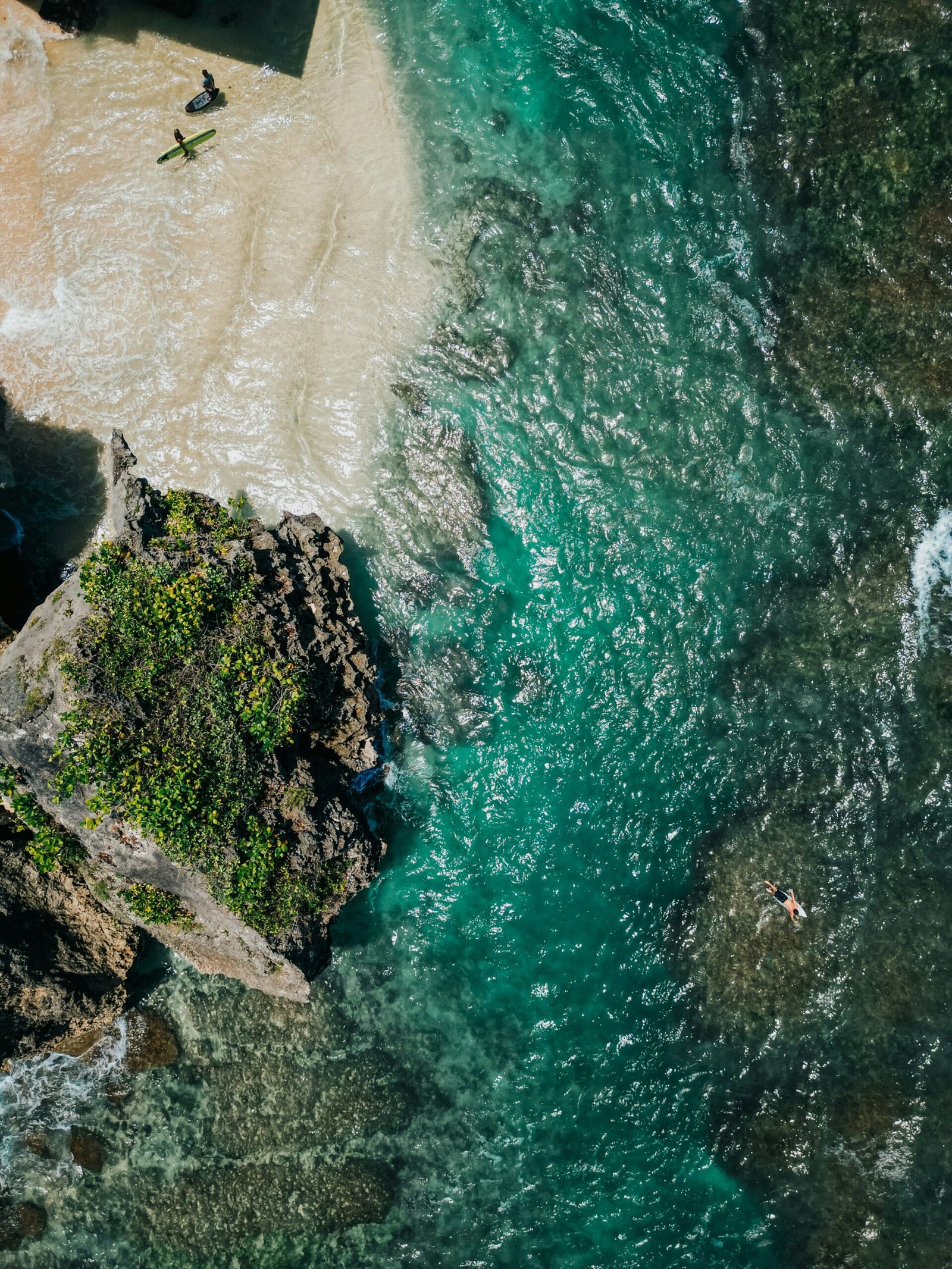
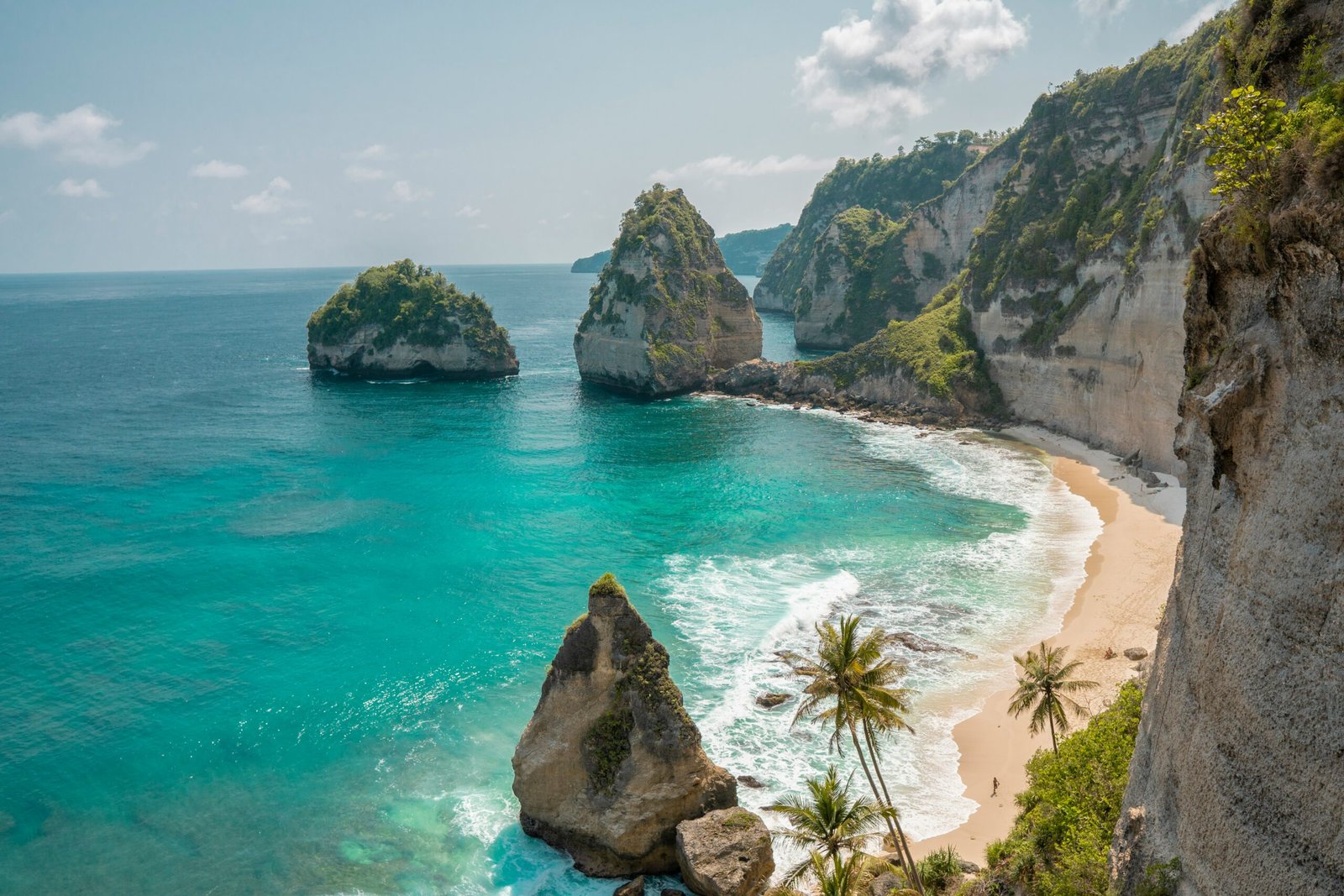
Uluwatu — the clifftop temple at the southern tip of the Bukit Peninsula, with the most dramatic of the Bali coastal views and the most powerful of the island’s surf breaks below the limestone cliffs — is the retreat destination for those who want the Bali practice in its most elemental setting. The Bukit Peninsula is the driest part of Bali — the landscape more arid than the lush central highland, the limestone cliffs above the Indian Ocean producing the most specifically dramatic of the island’s coastal environments.
The retreat centres of the Bukit use the clifftop position deliberately — the morning yoga above the ocean, the afternoon at the Padang Padang or Bingin beach below, and the evening at the Uluwatu Temple for the Kecak fire dance at sunset are the Bukit retreat day at its most visually extraordinary.
Seminyak and the adjacent Kerobokan area — the most developed of the Bali resort zones, with the luxury villa infrastructure, the international restaurant circuit, and the most accessible of the beach conditions on the southwest coast — are the most practically convenient of the retreat bases for the first-time Bali visitor.
The direct airport transfer is 20 minutes, the accommodation quality is the highest on the island, and the yoga studio infrastructure (the Desa Seni resort, the Taksu Spa teachers) is specifically oriented toward the international retreat market.
Amed — the fishing village coastline on the northeast coast of Bali, with the most spectacularly clear diving and snorkelling in Bali (the USS Liberty wreck at Tulamben is 30 minutes north, the most easily accessible wreck dive in Indonesia) and the Mount Agung volcano visible across the bay — is the most remote of the accessible Bali retreat bases and the most specifically peaceful.
The retreat centres of Amed and the East Bali coast use the black sand beaches, the early morning fishing boat activity, and the absence of the international tourist infrastructure to produce the most contemplative of the Bali retreat formats. The morning practice with Mount Agung illuminated by the first light across the Lombok Strait is the East Bali retreat image that no other Bali location replicates.
Bali is a year-round retreat destination — the question is not whether to go but which version of the island you want.
The dry season (April-October) is the most internationally popular window — clear skies, lower humidity, and the outdoor practice at its most comfortable. April in Bali is the dry season opening — the rice terraces at their greenest from the last rains, the days clear, and the retreat centres at their pre-peak availability. May retreats are the sweet spot — dry season fully established, before the July-August international influx. June in Bali is the last relatively quiet month before peak season.
Peak season (July-August) brings the highest international density but also the most active cultural calendar — the Galungan and Kuningan festivals transform every temple and every road with the bamboo penjor offerings. July retreats have the most festive atmosphere of the year. August in Bali is the busiest month — book 4-6 months ahead.
Shoulder season (September-October) is the experienced practitioner’s preferred window — the dry season continuing, the international crowd thinning, and the retreat centres at their most focused post-peak programmes. September in Bali is the most underrated month. October retreats catch the Galungan cycle if it falls in this period.
The wet season (November-March) is Bali at its most introspective — the afternoon rain, the lush green at maximum intensity, and the island operating for its own community rather than for the international retreat market. November in Bali is the transition month. December retreats have the Christmas and New Year community. January in Bali is the most affordable month and the one with the most serious practice community. February retreats catch the Nyepi (the Balinese Day of Silence) if it falls in February — the one day per year the entire island shuts down completely, no lights, no travel, no sound. March in Bali is the wet season’s final month before the April dry season returns.
By air — Ngurah Rai International Airport (DPS) in Denpasar is the only international airport in Bali, receiving direct flights from Singapore, Kuala Lumpur, Sydney, Melbourne, Tokyo, Hong Kong, and major European hubs via connection. Garuda Indonesia, Singapore Airlines, AirAsia, and Scoot are the most frequently used carriers for the Southeast Asia connections. European visitors typically connect via Singapore (Changi), Kuala Lumpur (KLIA), or Doha (Hamad).
From the airport — the airport is in the south of the island, 30 minutes from Seminyak and Kerobokan, 1.5 hours from Ubud, 45 minutes from the Bukit Peninsula, and 2.5-3 hours from Amed. Most retreat centres organise airport transfers — book these in advance as the unlicensed taxi situation at Denpasar airport requires navigation. The official Blue Bird taxis and the pre-booked Grab car service are the most reliable options from the arrivals hall.
Getting around Bali — the most practical solution for the retreat guest exploring multiple areas is a hired driver with car (approximately €40-50 per day), available through any hotel or retreat centre. Motorbike rental is common among long-stay visitors but is not recommended for those unfamiliar with Indonesian traffic conditions.
Programme formats — Bali retreat programmes span the full range from the one-week beginner immersion to the 200-hour and 300-hour Yoga Alliance teacher training. The Ubud area has the highest concentration of teacher training programmes globally outside of India — the Yoga Barn and the Radiantly Alive studio both run internationally certified programmes year-round. The shorter retreat formats (5-7 days) are the most common and combine twice-daily practice with the cultural programme.
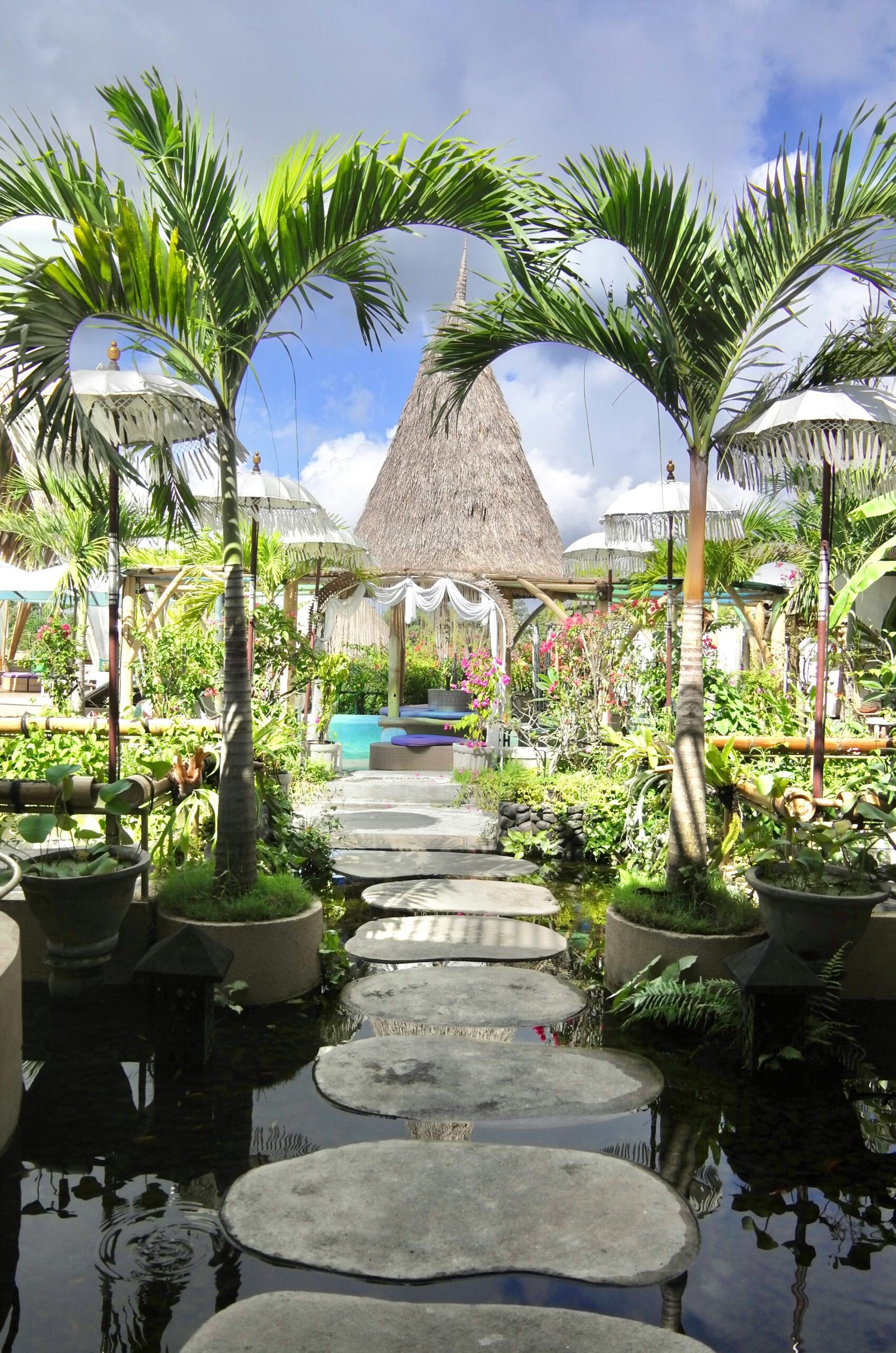
Accommodation — the villa format (the private pool villa with the Balinese garden, the open-air bathroom, and the rice terrace or jungle view) is the most specifically Balinese of the retreat accommodation options and the one that most directly delivers the visual and atmospheric conditions that make Bali the most photographed retreat destination in the world. The eco-lodge format — bamboo architecture in the rice terrace landscape — is specifically developed in the Ubud area and produces the most environmentally embedded of the retreat experiences.
The Balinese cultural dimension — the most serious retreats in Bali incorporate the cultural practice as part of the programme: the temple visit with the white and yellow offerings, the Balinese cooking class using the spice paste (the base genep) that is the foundation of the Balinese kitchen, and the traditional healer consultation (the balian or the pemangku priest). These are not tourist additions — they are the most direct access to the cultural tradition that makes Bali specifically different from every other yoga retreat destination.
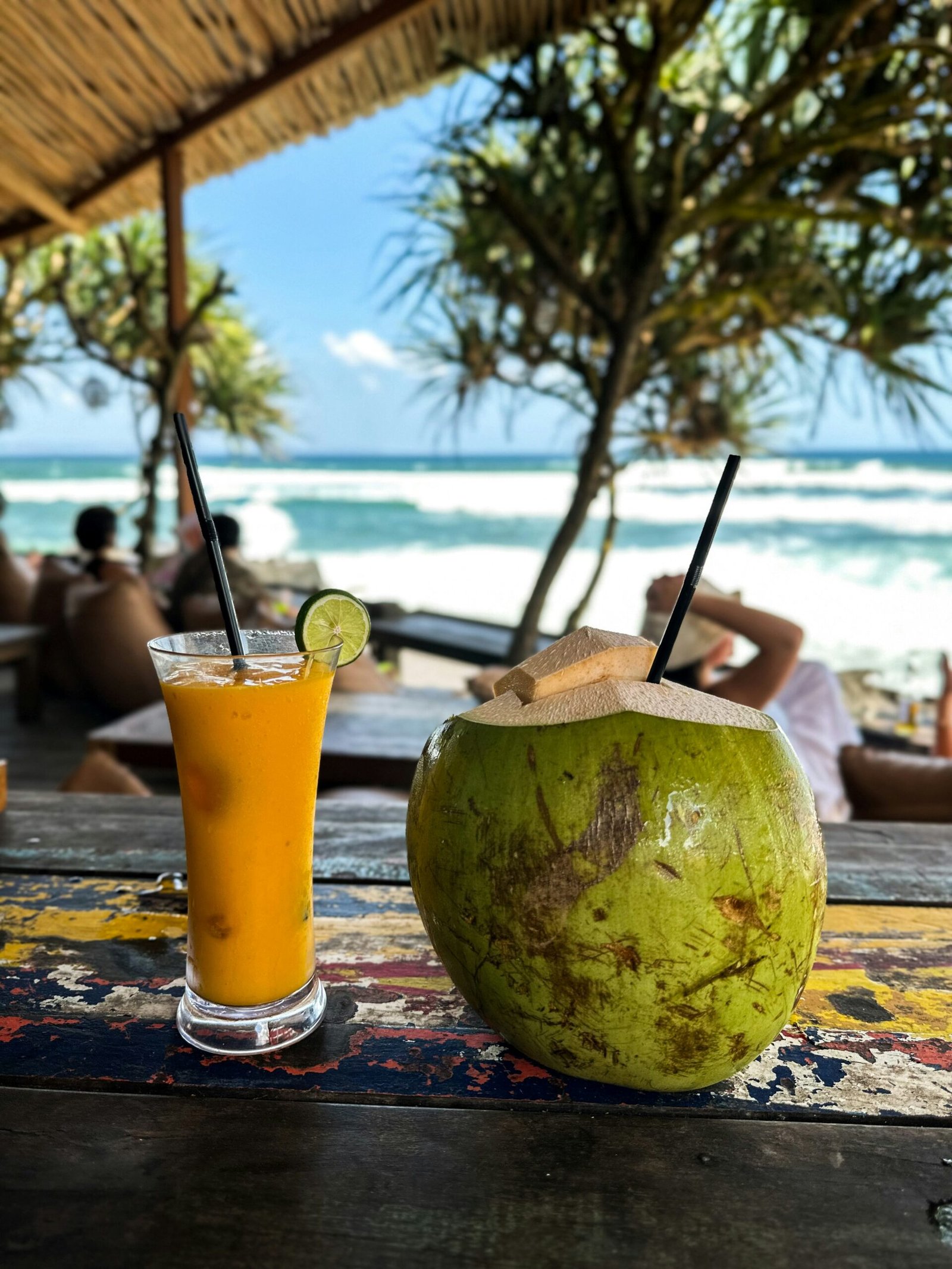
Food — Balinese retreat cuisine ranges from the traditional Balinese kitchen (the nasi campur, the lawar, the sate lilit) to the internationally developed plant-based cuisine that the Ubud health food scene has been refining for thirty years. The Ubud market produce — the local vegetables, the coconut products, the tropical fruits at their ripest — provides the retreat kitchen with ingredients that no imported wellness food can approach.