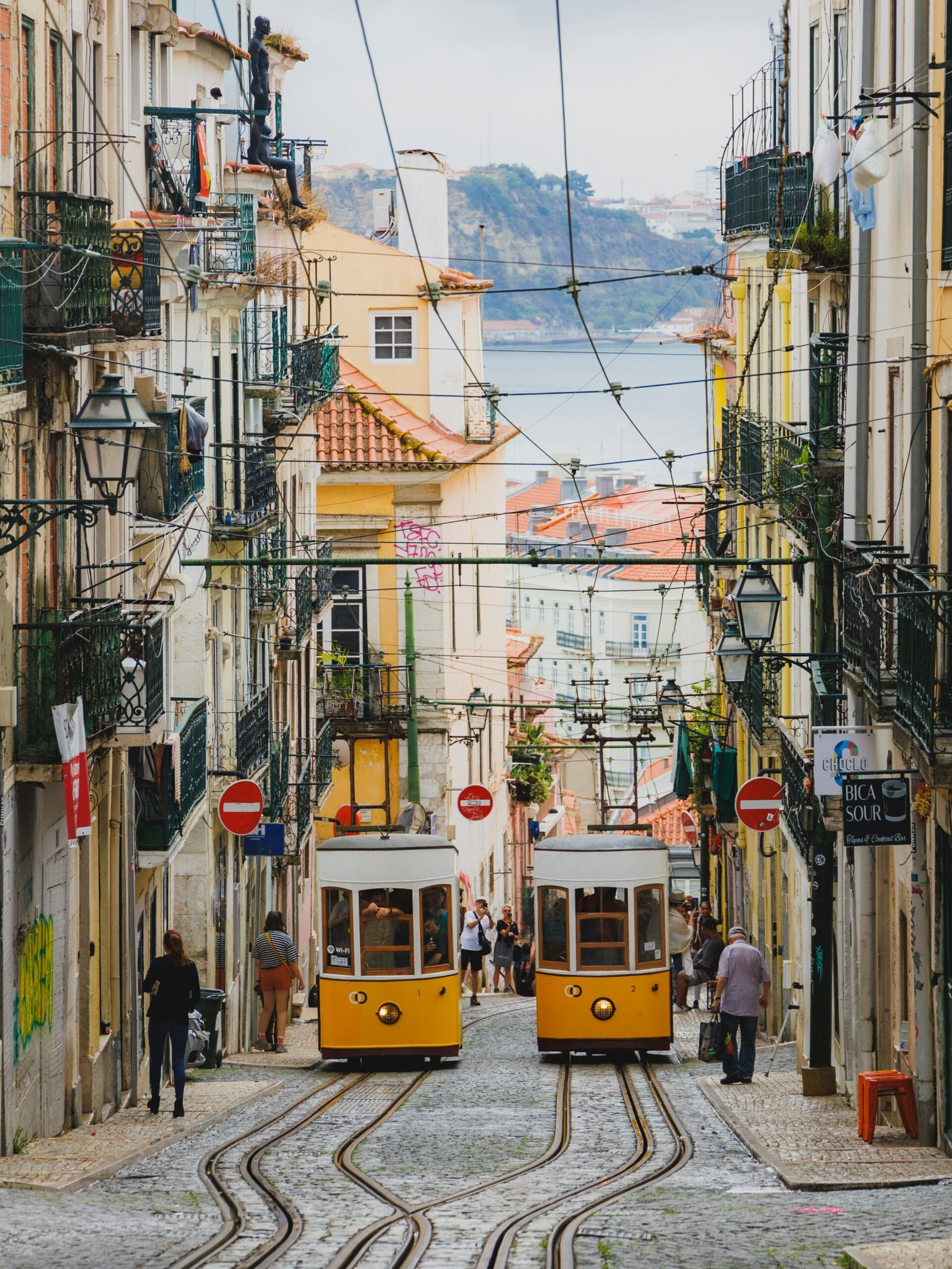
Portugal
Portugal has one of the most developed yoga retreat scenes in Europe, and it earned it the hard way — through the surf coast, the Atlantic light, and a rural landscape that rewards slowness without requiring you to romanticise it.
The Algarve cliffs, the Alentejo cork forests, the Douro vineyard terraces, and the Ericeira breaks are four completely different reasons to come. Most practitioners end up finding all four.
Portugal has become one of the most sought-after of the European yoga retreat destinations in the past decade — not because of a marketing campaign but because practitioners who go once tend to return. The country is small enough to be navigable, varied enough to reward multiple visits, and affordable enough relative to the rest of Western Europe to sustain the long-stay retreat format that the serious practitioner prefers. The retreats collected here have been selected for their quality of teaching, their authenticity of setting, and their understanding of what Portugal specifically offers.
Portugal is small enough to cross in a day but varied enough to feel like four different countries. The Atlantic surf coast, the Alentejo plains, the Douro valley, and the Algarve cliffs each produce a completely different retreat experience — and they are all within a few hours of each other.
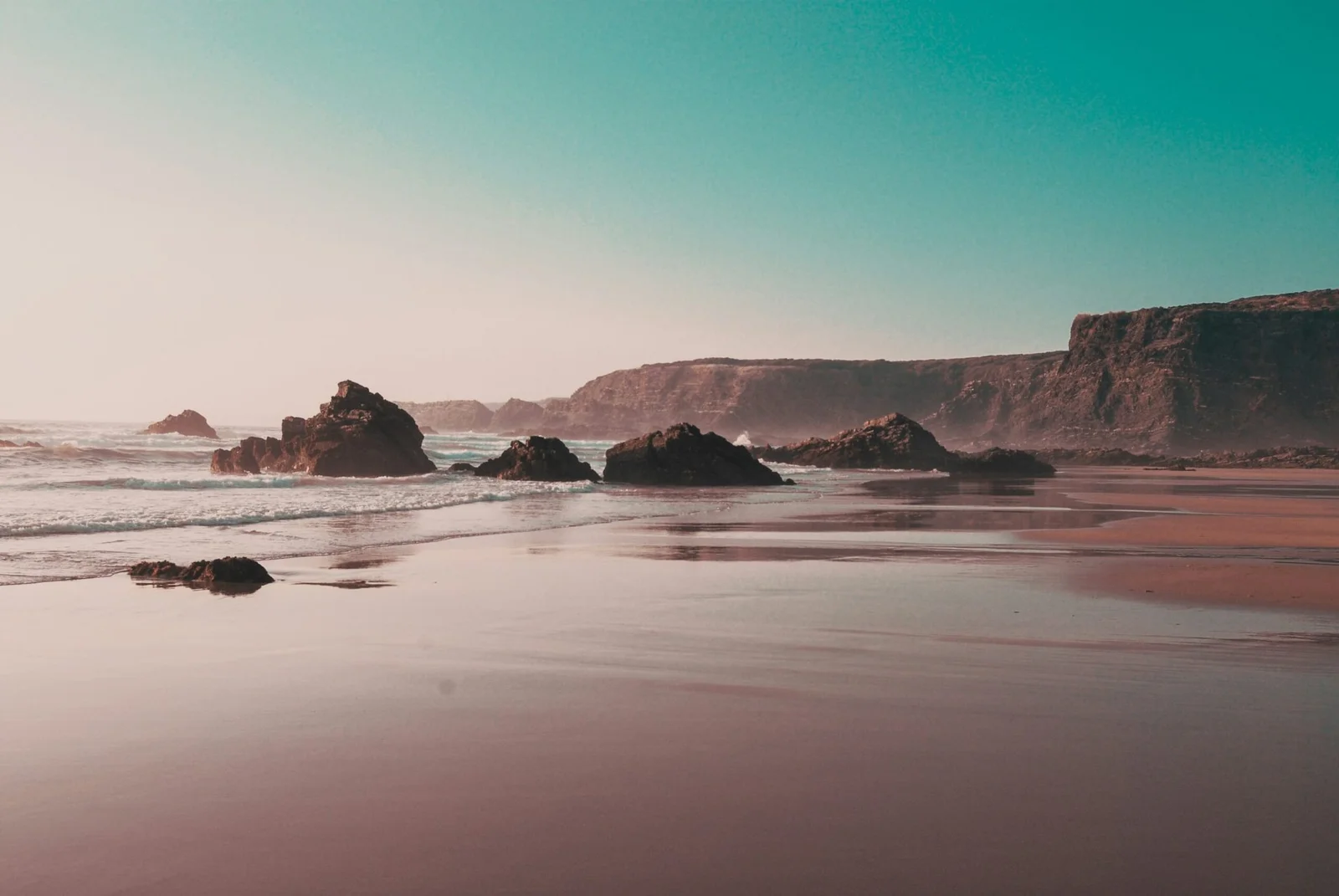
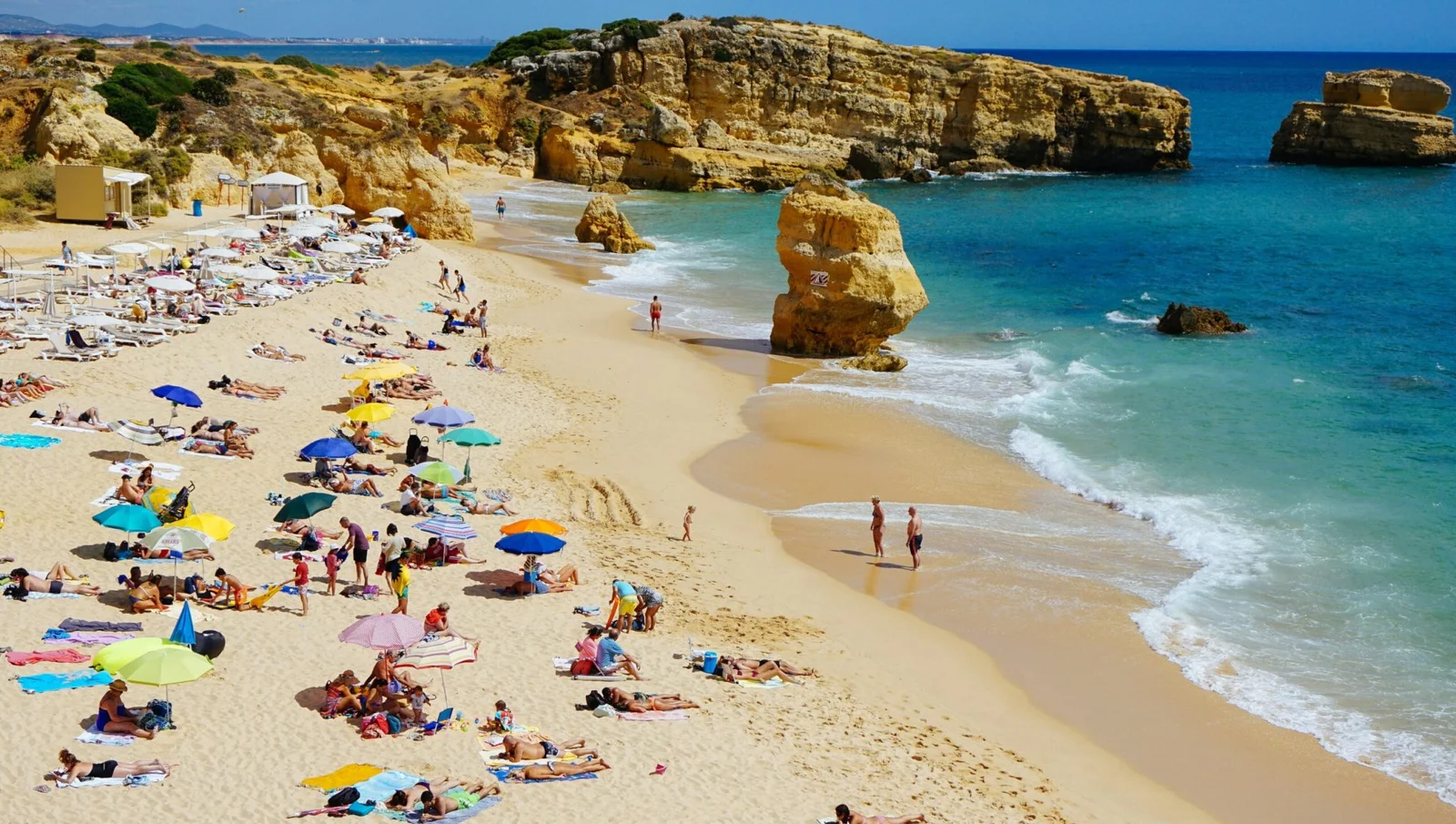
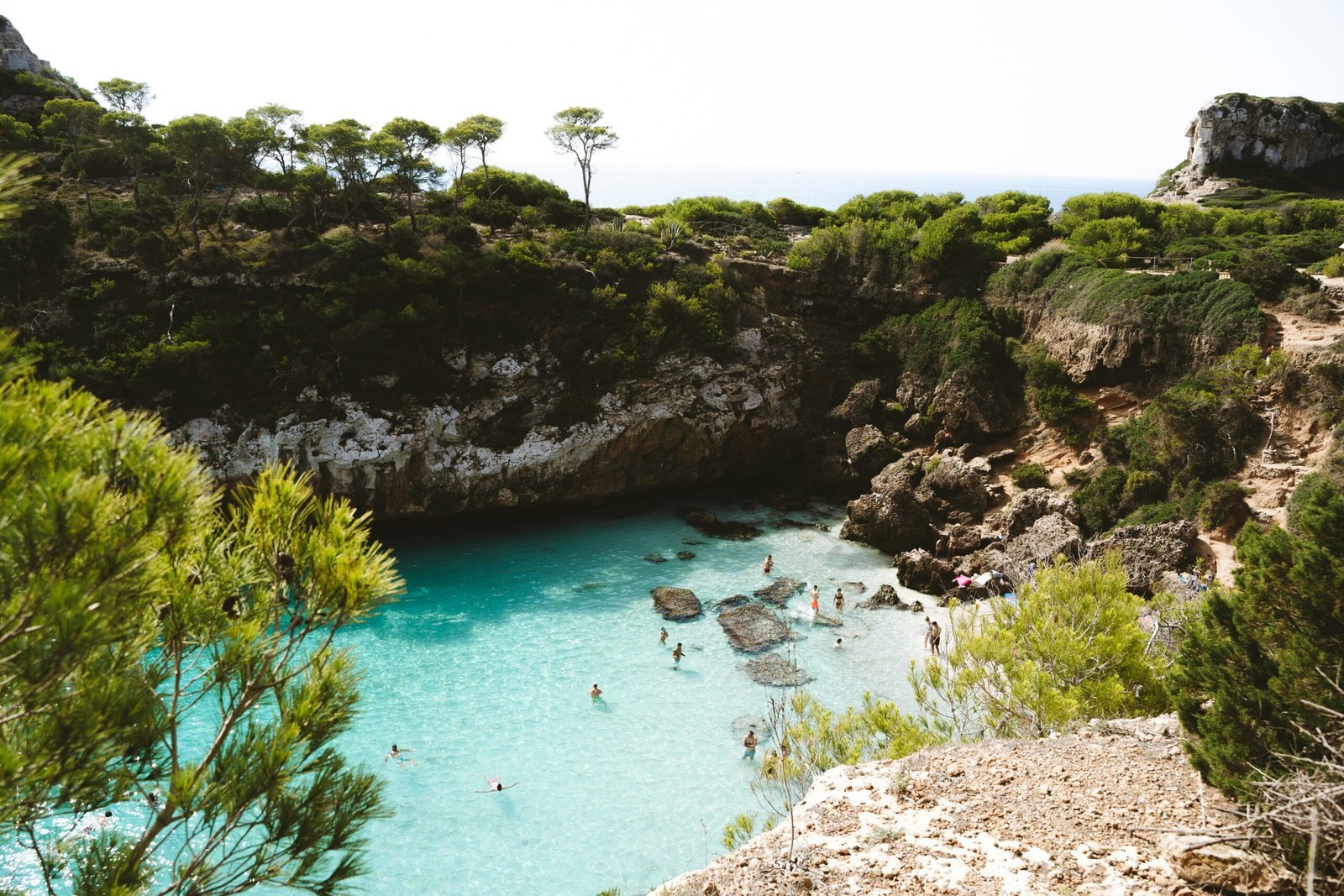
The Algarve — the southern coastal region with the dramatic limestone cliffs, the hidden cove beaches, and the most reliably sunny climate in continental Europe — is the most internationally recognised of the Portuguese retreat destinations. The western Costa Vicentina (the protected Atlantic coastline with the most powerful surf breaks in Portugal and the most specifically wild of the Algarve coastal landscapes) and the more sheltered eastern Sotavento coast produce very different retreat bases from within the same region.
The yoga and surf retreat format is most developed in the Algarve — the waves of Arrifana, Monte Clérigo, and Carrapateira on the west coast producing the Atlantic swell that the retreat community specifically comes for, alongside the morning yoga on the clifftop above the ocean.
→ See our full yoga retreats in the Algarve guide.

Ericeira — the World Surfing Reserve north of Lisbon, the only one in Europe — has the most specifically surfing-oriented of the Portuguese retreat scenes. The town itself is a working fishing village that has managed the surf culture overlay without losing its character, and the breaks of Ribeira d’Ilhas, Reef, Coxos, and Pedra Branca produce the most technically varied of the Portuguese surf environments within a 10-kilometre stretch of coast.
The Ericeira yoga-and-surf retreat is the most internationally developed of the Portuguese formats — the community of teachers, surfers, and long-stay practitioners that has accumulated around the World Surfing Reserve producing the specific social quality that makes a retreat more than a programme.
→ See our full yoga retreats in Ericeira guide.
Lisbon and its surroundings — the Sintra mountain range (the most specifically romantic of the Portuguese landscapes, with the 19th-century palaces in the cloud forest above the Atlantic cliffs), the Arrábida natural park (the Mediterranean microclimate south of Lisbon with the clearest water on the Portuguese coast), and the Setúbal peninsula — produce the most varied of the Portuguese day-reach retreat bases within 1-2 hours of the main international airport.
The urban retreat format in Lisbon itself — the morning studio practice in the Mouraria or Intendente neighbourhoods, the afternoon in the neighbourhood markets and the Fado houses — is specifically developed for the practitioner who wants the Portuguese capital as a retreat base rather than merely a transit point.
→ See our full yoga retreats near Lisbon guide.

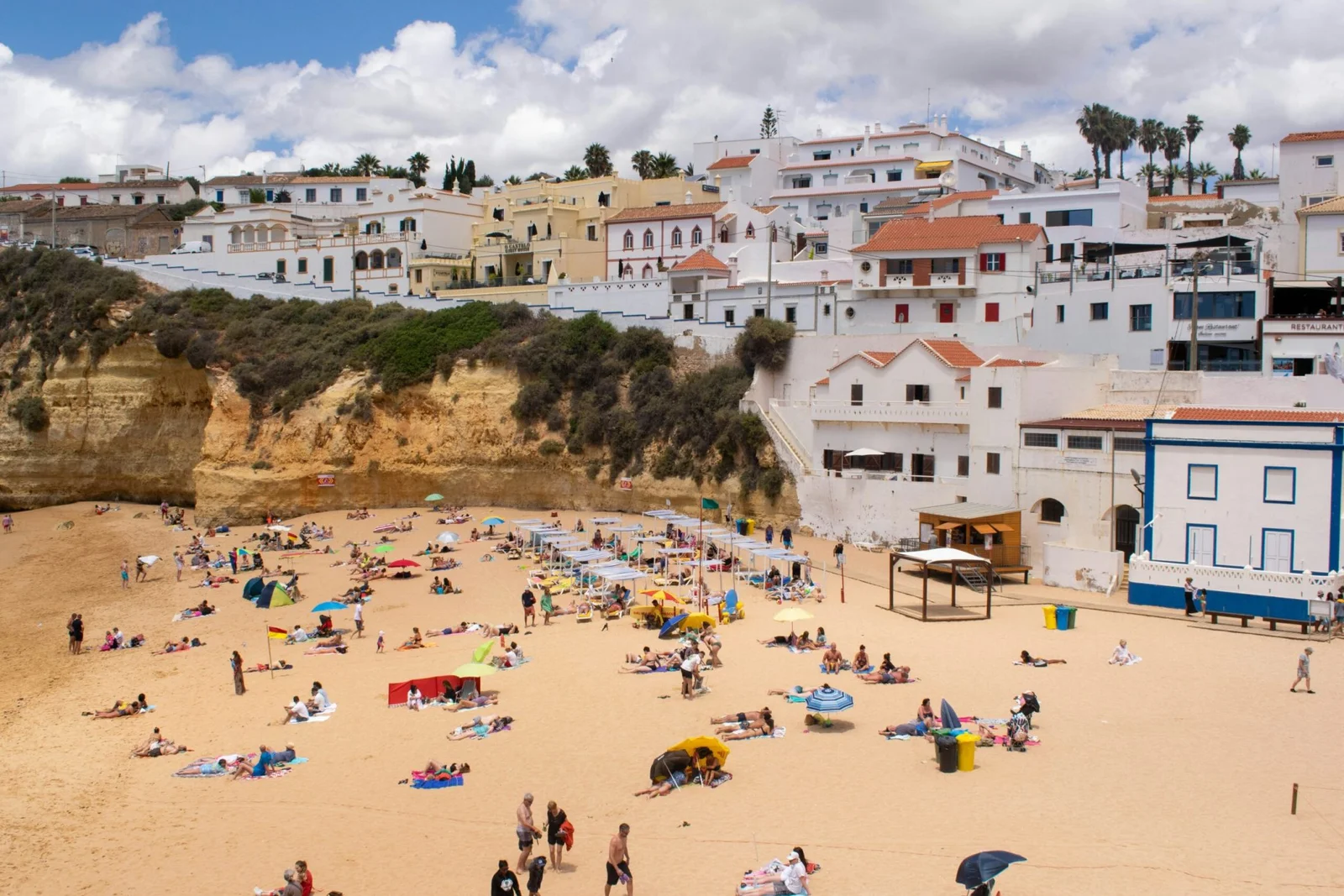
The Alentejo — the vast central plains region, with the cork oak forests, the whitewashed villages, and the most specifically slow of any Portuguese landscape — is the retreat destination that the practitioners who know Portugal prefer over the coastal areas. The Monte Alentejano (the traditional Alentejo farmstead) converted to a retreat centre, set in the cork oak dehesa with the nearest village 15 kilometres away, produces the most specifically silent of the Portuguese retreat environments.
The Alentejo food culture — the black Alentejo pork, the migas bread dishes, the açorda bread soups, and the Alentejo wines from the Vidigueira and the Borba cooperatives — is the most specifically regional of the Portuguese culinary traditions, and the retreat kitchen here is at its most directly local.
→ See our full yoga retreats in the Alentejo guide.
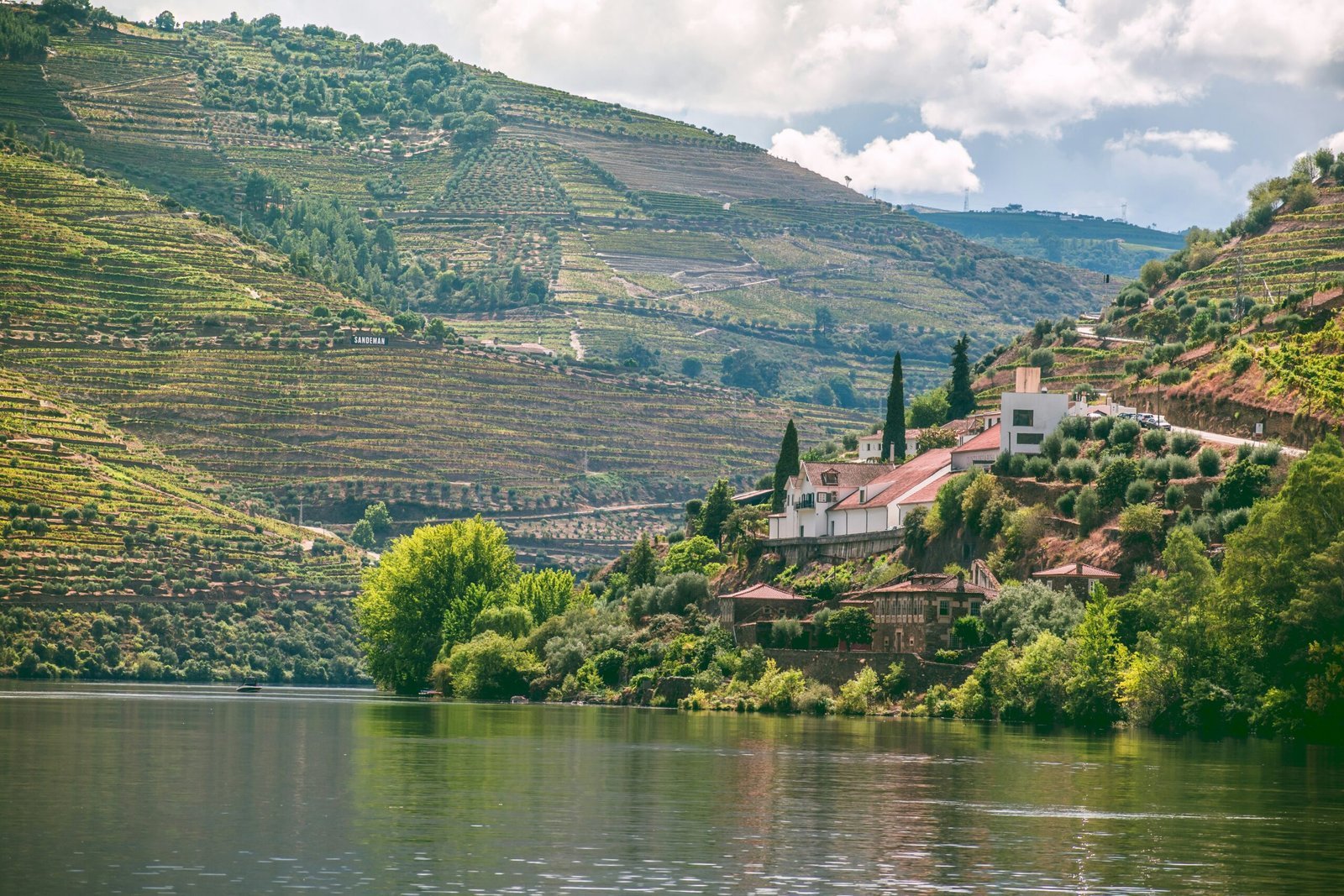
The Douro Valley — the UNESCO-listed wine landscape of stepped vineyards descending to the river between Porto and the Spanish border — is the most dramatically terraced of the Portuguese retreat landscapes and the one that most directly combines the practice with the wine culture.
The quintas (the Port wine estates) that have converted part of their accommodation to the wellness retreat format produce the most specifically Douro of the retreat experiences — the morning yoga on the vine terrace above the river, the afternoon in the estate cellar with the wine-maker.
→ See our full yoga and wine retreats in the Douro Valley guide.
Portugal’s retreat season is effectively year-round on the southern coast, with clear seasonal advantages in each region.
Spring (March-May) is the most universally recommended window — the wildflowers cover the Alentejo plains and the Algarve cliffs, the Atlantic coast produces its most consistent surf swells, and the temperatures are ideal for outdoor practice. March in Portugal catches the migratory birds on the Alentejo wetlands and the first wildflowers of the year. April retreats find the country in full bloom before the tourists arrive. May in Portugal is the last quiet month before summer — warm enough for the sea, cool enough for the hills.
Early summer (June) has the long Atlantic evenings, the warming ocean, and the pre-peak retreat availability. June retreats are the most underrated in the Portuguese calendar — the conditions of July at a fraction of the competition.
July and August are peak months on the Algarve and near Lisbon. The Alentejo interior reaches 38-40°C. The surf on the west coast is at its summer pattern. July in Portugal is peak coastal season — book well in advance. August retreats suit the surf coast and the northern beaches more than the south.
Autumn (September-October) is when the Douro Valley and the Alentejo are most specifically themselves — the grape harvest in the Douro, the cork harvest in the Alentejo, and the Atlantic returning to its most powerful swell. September in Portugal has the sea at its warmest and the landscape at its most golden. October retreats catch the Douro vendimia and the last warm days on the coast.
Winter (November-February) — the Algarve is mild and largely quiet, the surf coast is at its most powerful, and the Alentejo has the most contemplative of its annual atmospheres. November in Portugal is when the country exhales after summer. December retreats have the Christmas markets of Lisbon and Porto alongside the Atlantic winter surf. January in Portugal is the quietest and most affordable month. February retreats catch the first signs of spring in the Algarve and the almond blossom in the Douro.
By air — Lisbon Humberto Delgado Airport (LIS) is the main hub with direct connections from Europe, North America, Brazil, and Africa. Porto Francisco de Sá Carneiro Airport (OPO) serves the north and is the most convenient arrival point for the Douro Valley retreats. Faro Airport (FAO) on the Algarve receives direct summer charter flights from most European capitals. Ryanair, TAP Air Portugal, EasyJet, and Wizz Air all have strong Portuguese networks.
Within Portugal — the A2 motorway connects Lisbon to the Algarve in approximately 3 hours. The A1 connects Lisbon to Porto in 3 hours. The Alfa Pendular train between Lisbon and Porto (2.5 hours) is the most comfortable domestic transport option. For the Alentejo and the Douro interior, a rental car is the most practical option — public transport in the interior is infrequent.
Programme formats — Portuguese retreat programmes range from the surf and yoga intensive (twice-daily practice built around the tide and swell schedule) to the cultural immersion format (once-daily practice, afternoon wine tasting, evening Fado). The Alentejo retreat tends toward the most contemplative — the silence of the cork oak forest and the absence of activity producing the conditions for extended meditation that the surf and city retreats cannot.
Accommodation — the quinta (the rural estate), the herdade (the Alentejo large farm), and the solar (the manor house) are the most specifically Portuguese of the retreat accommodation formats. The converted stone building with the deep walls, the terracotta tile roof, and the agricultural land around it produces the specific Portuguese rural aesthetic that distinguishes the retreat here from the Spanish cortijo or the Italian agriturismo next door.
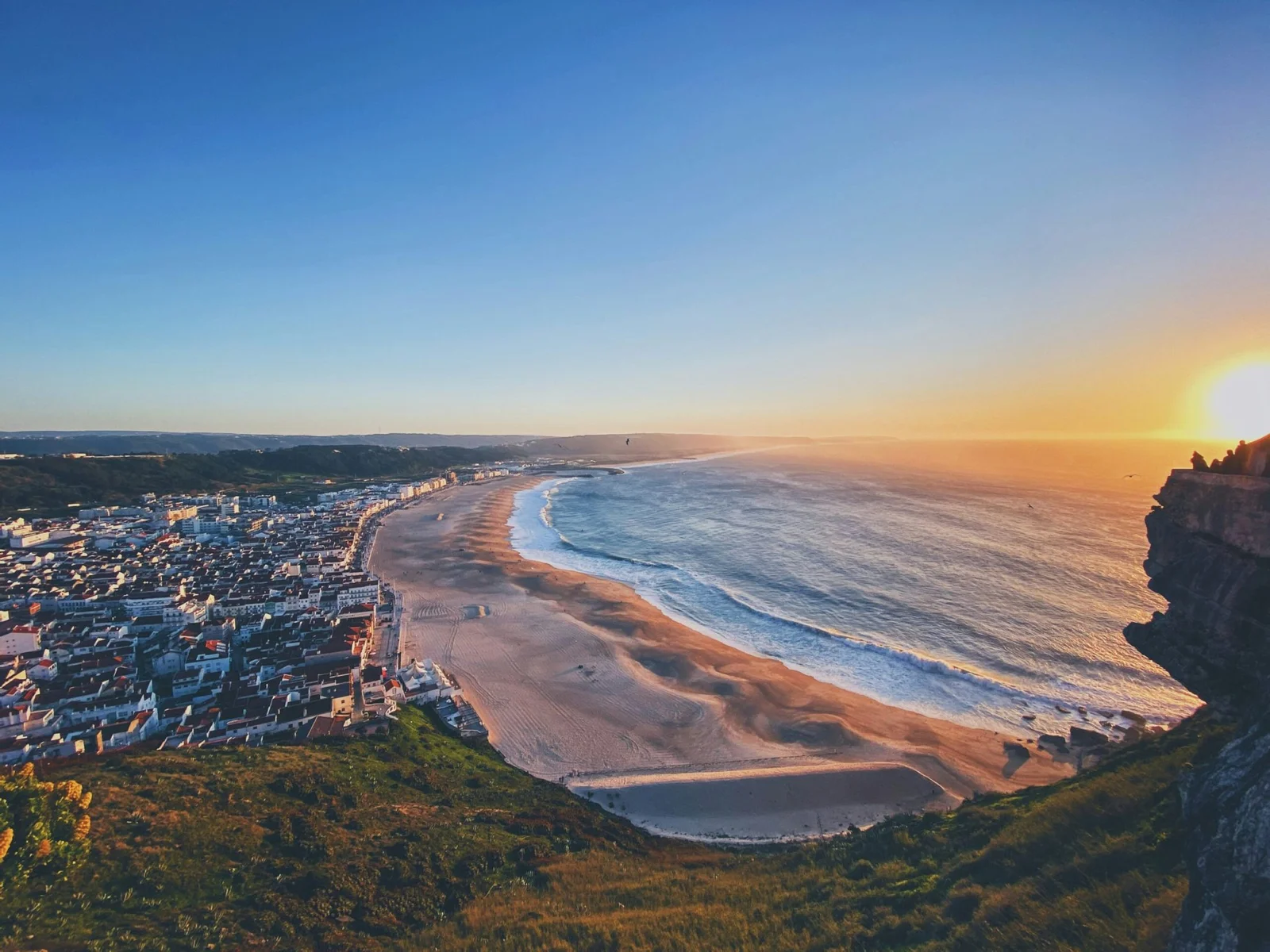
The surf — Portugal has the most powerful surf in mainland Europe. The Nazaré canyon produces the largest waves ever ridden (100+ feet). The retreat coast (Ericeira, the Algarve west coast, the Setúbal peninsula) has the intermediate and advanced breaks that the retreat community comes specifically for. The surf school culture is the most developed in Europe here — the beginner learns in some of the most consistent conditions available in the continent.