
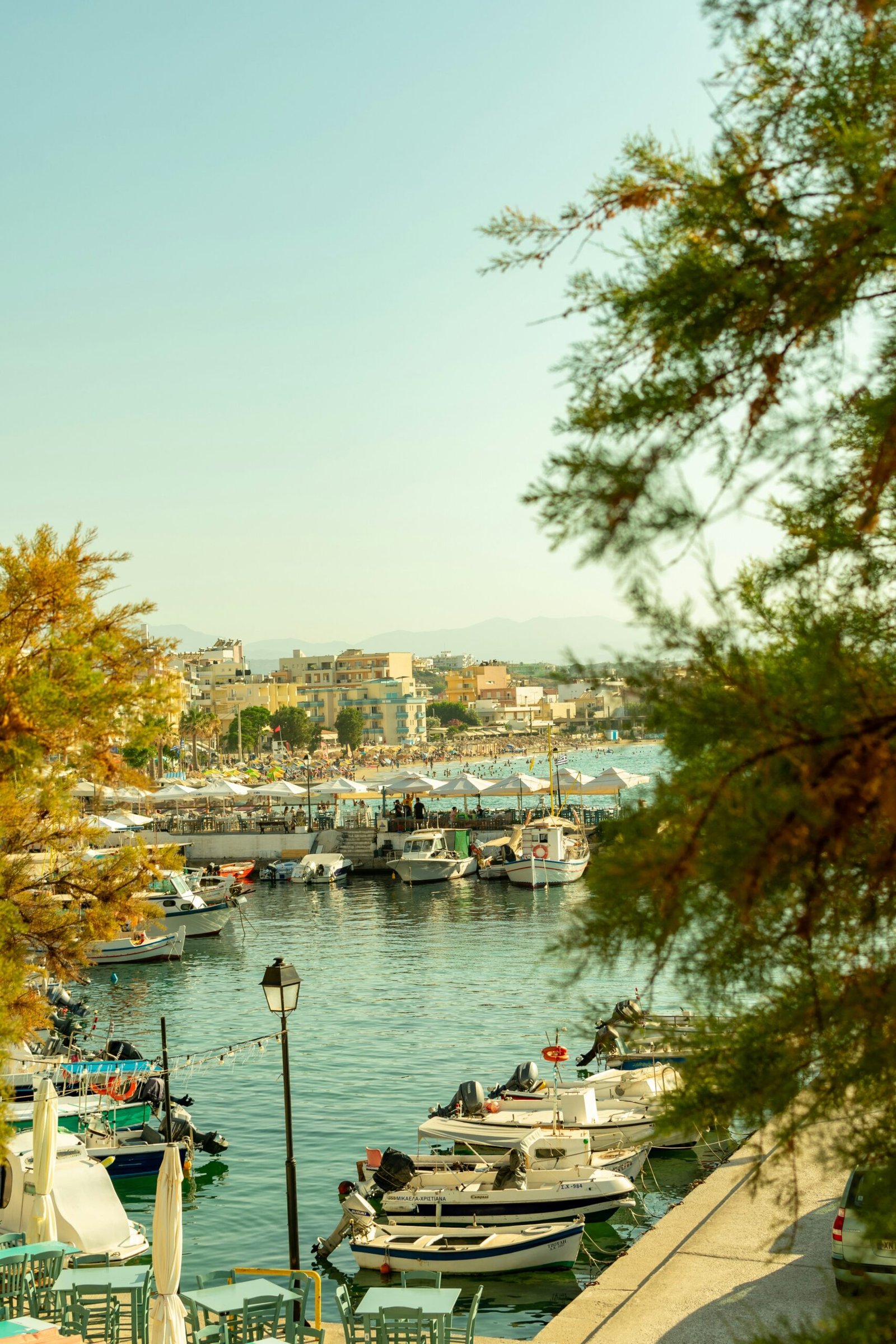
February has one thing no other month in Greece can offer: almond blossom. The orchards of Crete and the Peloponnese turn white and pink for three weeks in February, and the landscape does something specific that no other season replicates.
Combined with the Carnival celebrations in Patras and the continued winter quiet of the retreat centres, February makes a case for itself that goes beyond simply being the cheapest month to travel.


February shares January’s advantages — low prices, small retreat groups, a Greece operating at its own pace — and adds two things that January lacks: the almond blossom across the southern regions, and the Carnival season that peaks in the last week before Lent. The retreat infrastructure in Crete, the Peloponnese, Athens, and Rhodes stays fully operational. Our full Greece yoga retreats guide covers the year-round options.
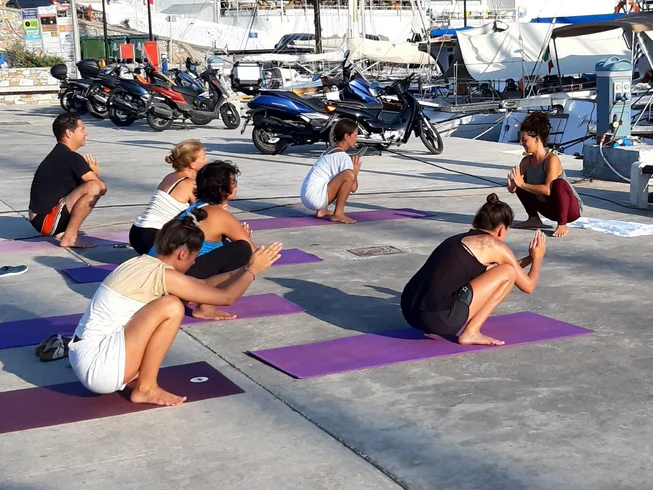
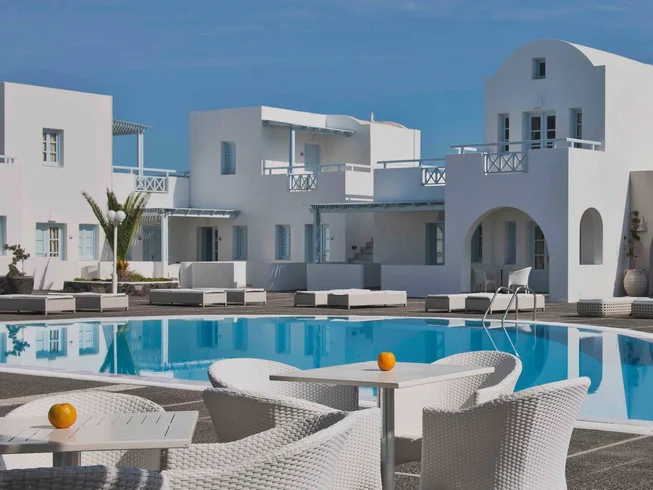
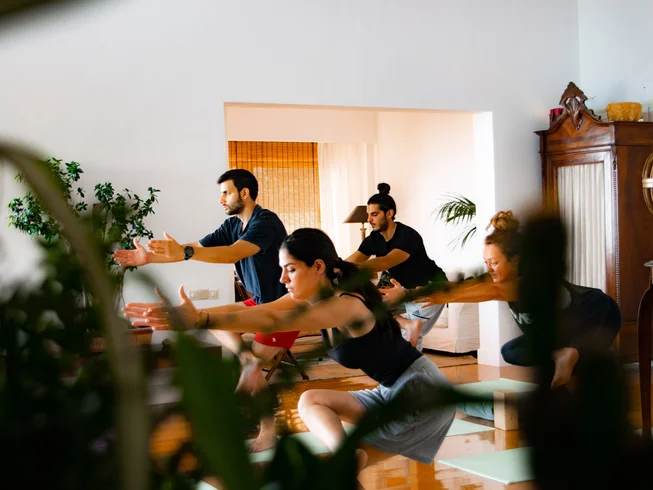
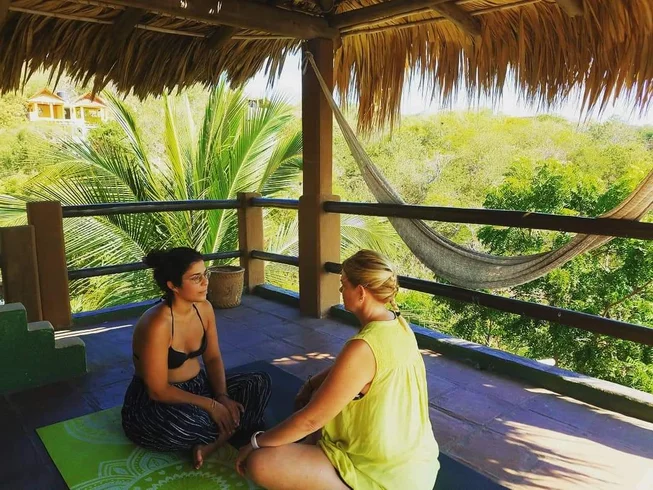
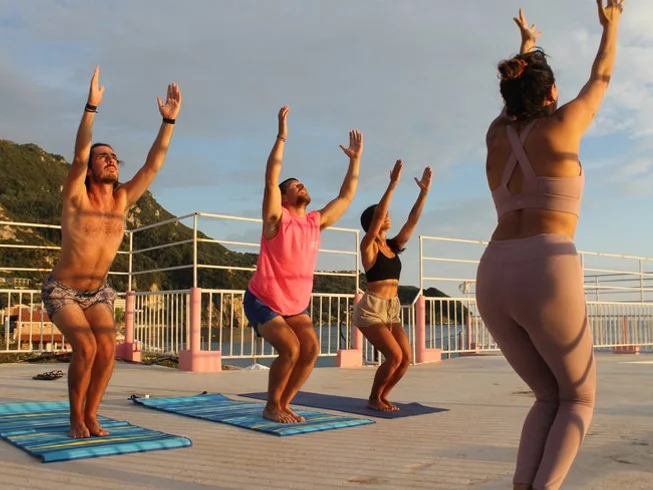
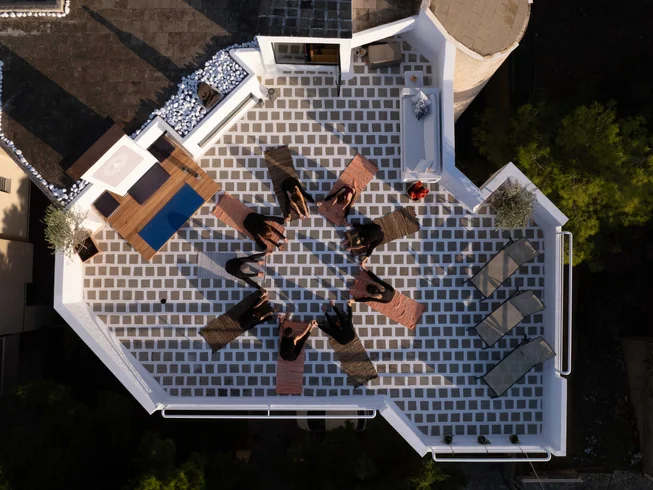
February is the month Crete does something extraordinary. The almond orchards of the Amari Valley, the Apokoronas region behind Chania, and the hills above Heraklion flower in the first three weeks of February — white blossom on bare branches against red earth and blue sky, a combination so specific to this island and this month that retreat centres in the area build excursions to the blossom valleys into their February programming as a matter of course.
The timing matters. The lower altitude orchards flower first, usually in the first week of February. Higher orchards follow a week or two later. A retreat based in central or western Crete with a half-day excursion to the Amari Valley during peak blossom week is the combination that works best logistically. The Amari Valley specifically — a hidden agricultural valley south of Rethymno, surrounded by mountains and almost entirely without tourism — has the density of almond orchards that makes the blossom experience specifically Cretan rather than generically Mediterranean.
Beyond the blossom, February Crete is doing what it does in January: mild temperatures on the south coast (14-18°C), the retreat centres running small and focused groups, and the island in its most authentic winter character. For the full Crete retreat picture, our yoga retreats in Crete guide covers the island in detail.
The Peloponnese in February has the almond blossom too, particularly in the Argolid region around Nafplio and in the Laconian valleys below the Taygetos. But February Peloponnese also has the first signs of spring arriving in the valley floors: wild narcissus in the sheltered spots, early anemones on the Mani hillsides, and the olive groves beginning to show the first new growth after winter.
Nafplio — the elegant neoclassical town on the Argolic Gulf, briefly the first capital of modern Greece — is in February a working town without the summer visitors. The harbour, the Palamidi fortress above the town, and the narrow streets of the old town are accessible at any hour without the summer density. A retreat based in the Nafplio area in February with afternoon excursions to the archaeological sites of the Argolid — Mycenae, Epidaurus, Tiryns — visits them in a winter quiet that the summer crowds make impossible.
For the full Peloponnese retreat picture, our yoga retreats in the Peloponnese guide covers the region in detail.
Corfu in February is a different island from the one that fills with British package tourists in July. The Ionian island’s green hills, its Venetian-influenced architecture, and the specific quality of its winter light have attracted painters and writers for centuries, and February produces the island in its most artistically compelling form: the kumquat orchards still bearing fruit, the olive groves silver-green in the winter sun, and the old town of Kerkyra — a UNESCO World Heritage site — entirely accessible.
Corfu receives more winter rainfall than the Aegean islands, which keeps it intensely green in February and occasionally produces the overcast days that make it more suited to indoor contemplative practice than outdoor sessions. The retreat centres that operate through winter on Corfu are specifically designed for this: heated studios, wood fires in the communal areas, and programmes weighted toward meditation, Yin, and restorative practice rather than outdoor athletic yoga.
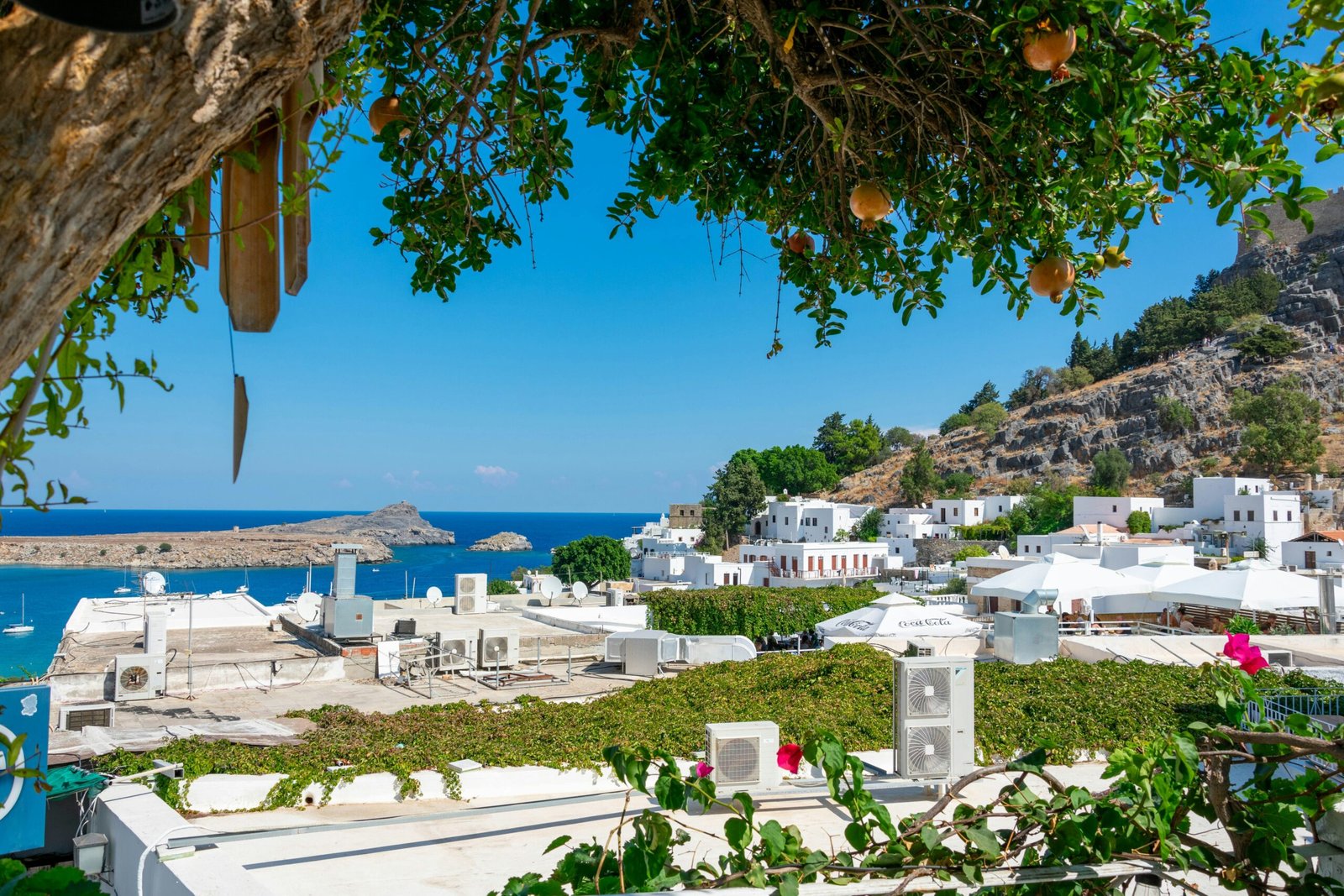
Rhodes in February continues from January: the warmest accessible Greek island in winter (13-17°C), the medieval old town without cruise ship crowds, and the south coast of the island — the area around Lindos and Pefkos — producing the most sheltered and most consistently sunny conditions in the Greek winter. February in Lindos specifically has a quality of whitewashed village emptiness that July, when the streets fill to capacity, completely obscures. The Acropolis of Lindos above the village, overlooking two bays simultaneously, is in February accessible by simply walking up rather than queuing.
Fresh almonds from the Cretan and Peloponnese orchards appear at market stalls in late February as the blossom falls and the earliest varieties begin to produce. They are still soft and slightly milky inside — completely different from the dried, roasted almonds available year-round. At a market in Rethymno or Chania in late February, a bag of fresh almonds costs almost nothing and tastes specifically of the season and the place. Amygdalota — almond cakes made from freshly ground Cretan almonds, flavoured with rosewater, shaped into small ovals, and dusted with icing sugar — appear at Cretan patisseries specifically in February and March as the harvest comes in.
February marks the beginning of Lenten preparation in the Orthodox calendar. Clean Monday (Kathari Deftera) — the first day of Lent — falls in late February or early March, and the traditional Lenten foods begin appearing in the weeks before. Taramosalata (fish roe spread, made from salted cured cod roe blended with olive oil, lemon, and bread), lagana (a specific flatbread eaten only on Clean Monday), and halva (sesame-based sweets permitted during Lent) appear at bakeries and traditional shops from mid-February. These are not simply foods but markers of the liturgical year, and encountering them in the context of a retreat adds a specifically Greek cultural dimension to the food experience.
Horta — wild greens gathered from the hillsides and fields — is at its February peak in Crete and the Peloponnese. The varieties available in February include wild mustard greens, chicory, amaranth, and the specifically Cretan stamnagkathi (a bitter chicory variety considered among the most nutritious of the wild greens). Blanched and dressed with olive oil and lemon, they appear at every traditional restaurant meal in the region and at every retreat kitchen that sources locally.
February citrus from the Argolid and the Cretan groves is finishing its season: the last of the navel oranges, the blood oranges at their peak concentration of flavour in February specifically, and the lemons at their most intensely aromatic. The Cretan lemon grown in the coastal groves above the Libyan Sea is a specific variety worth seeking at the Chania or Heraklion markets.
Patras Carnival is the largest in Greece and one of the largest in Europe. Running for the three weeks before Clean Monday, it culminates in the Grand Parade on the last Sunday before Lent — a procession of enormous floats, costumed groups, and the particular irreverence of a city that takes its Carnival seriously. The Patras Carnival has a tradition of political satire, elaborate costumes, and genuinely popular participation that the more internationally known Rio Carnival is often compared to in scale terms. For retreat guests based in the Peloponnese, Patras is 90 minutes from Nafplio and the Grand Parade weekend is worth organising a day trip around.
Clean Monday — the first day of Lent in the Orthodox calendar — falls in late February or early March (date varies annually). It is a national public holiday in Greece, celebrated outdoors: Greeks fly kites (kite-flying on Clean Monday is a tradition going back centuries), eat the specific Lenten mezze (taramosalata, lagana, olives, seafood), and gather in parks and hillsides across the country. In the villages of Crete and the Peloponnese, Clean Monday has a specific character: communal tables outside, the village gathered together, and the food and the kite-flying as markers of a seasonal transition that the Orthodox calendar makes specifically of this day.
Not a festival but an event worth timing around. The peak of the almond blossom in Crete’s Amari Valley falls between roughly February 5th and 20th, varying by year depending on winter temperatures. A retreat in western or central Crete during this window with a blossom valley excursion built into the programme is doing February Greece correctly.
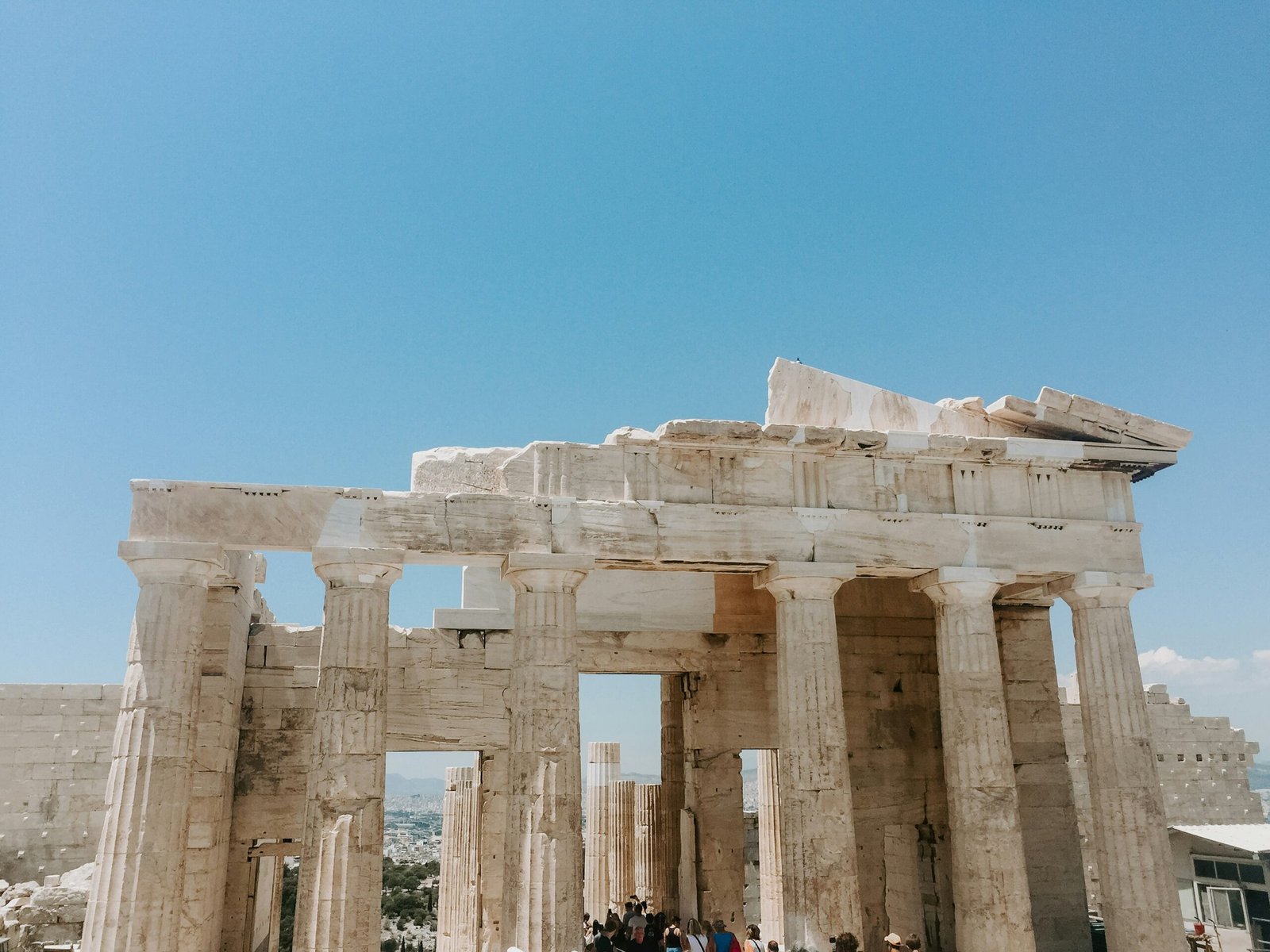
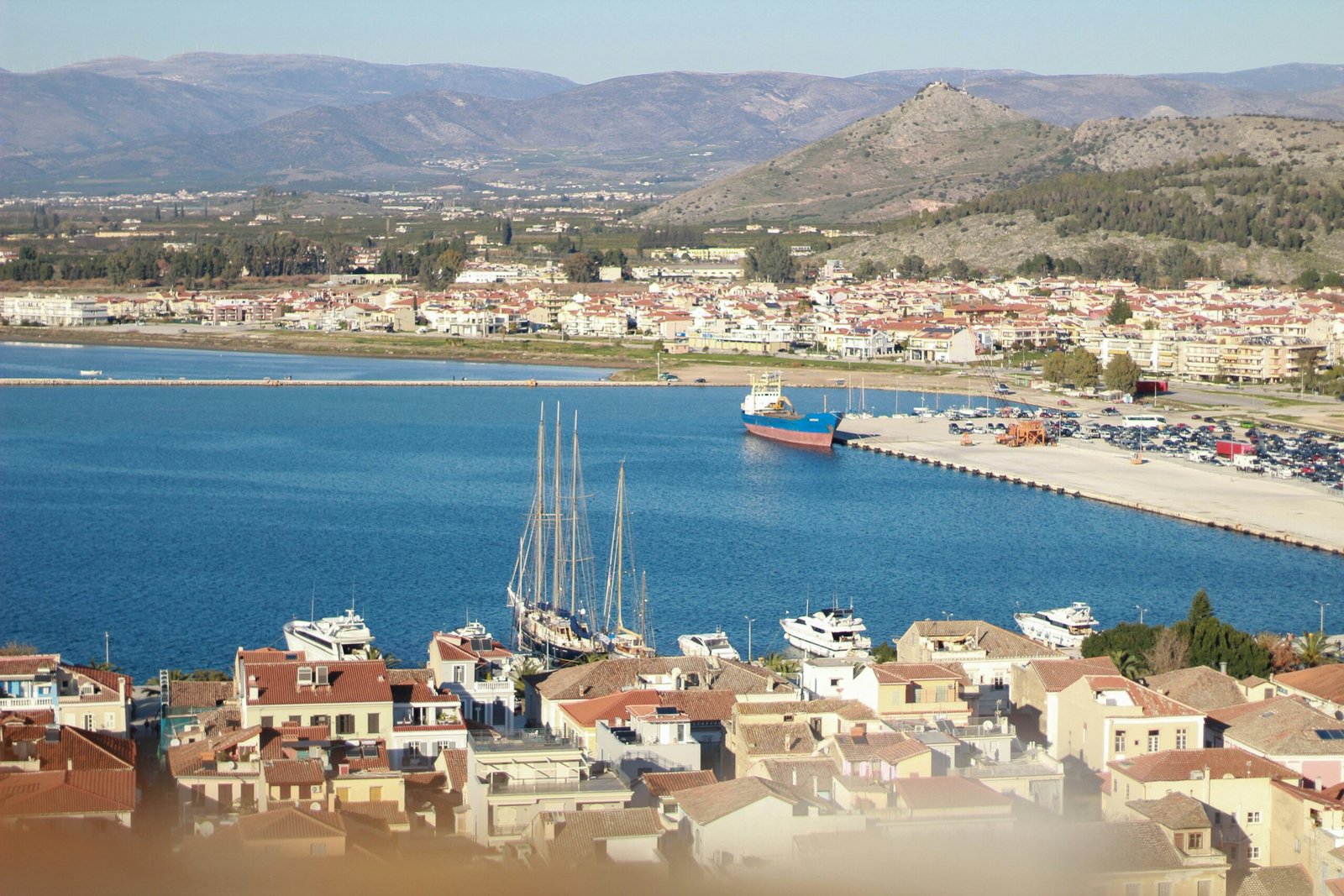
February programming sits between January’s deep winter mode and the more outdoor-oriented spring approach that arrives with March. The first half of February is essentially January continued: indoor practice prioritised, the hammam central to the afternoon, and the evening sessions restorative and early. The second half shifts noticeably, not because the weather has changed dramatically but because the almond blossom changes the landscape and the mood simultaneously.
The blossom excursion — a half-day drive to the Amari Valley or the Apokoronas orchards during peak week, with a picnic lunch among the flowering trees — is consistently the February programming moment that retreat participants describe as the highlight of the week. Something about seasonal specificity, about being in the right place at the right time to witness a landscape transformation that lasts three weeks and then is gone, produces the kind of attention and presence that the yoga mat is also trying to create.
Clean Monday, if it falls during a retreat week, is the February programming event with the most specifically Greek character: the communal kite-flying on the hillside above the retreat, the Lenten mezze spread on the communal table outside, and the quality of collective outdoor celebration that the Orthodox liturgical calendar produces with unusual consistency.
Is February a good month for a yoga retreat in Greece? Yes, particularly for those who value seasonal specificity, low prices, and small retreat groups. The almond blossom in Crete and the Peloponnese is February-specific and worth timing around. The Carnival in Patras is one of the great Greek popular celebrations. And the retreat infrastructure in the year-round destinations is at its most available and most affordable.
Is the almond blossom worth planning a retreat around? Yes, if you can align the dates. The blossom lasts roughly three weeks in February and is one of those seasonal landscape events that is genuinely extraordinary and genuinely temporary. A retreat in Crete’s western or central region with a blossom valley excursion built into the programme produces a specifically seasonal experience that no other month can replicate.
How does February compare to March for a Greece retreat? February has the almond blossom and Carnival at their peak, with the same winter pricing and small groups. March is warmer, the wildflower season is beginning across the mountains, and the Cycladic islands start opening again. February is better for those who want the deep winter quiet and the blossom specifically; March for those who want warming conditions and the beginning of spring. See our yoga retreats in Greece in March guide for what the following month offers.
Which Greek island is best for a February retreat? Crete for the almond blossom, the year-round retreat infrastructure, and the warmest conditions on the mainland winter circuit. Rhodes for the warmest island temperatures and the medieval city without crowds. Corfu for those who want the Ionian green and the Venetian architecture in winter quiet, with the caveat that Corfu in February is occasionally rainy and suits indoor-oriented programming.
Your email address will not be published. Required fields are marked *