
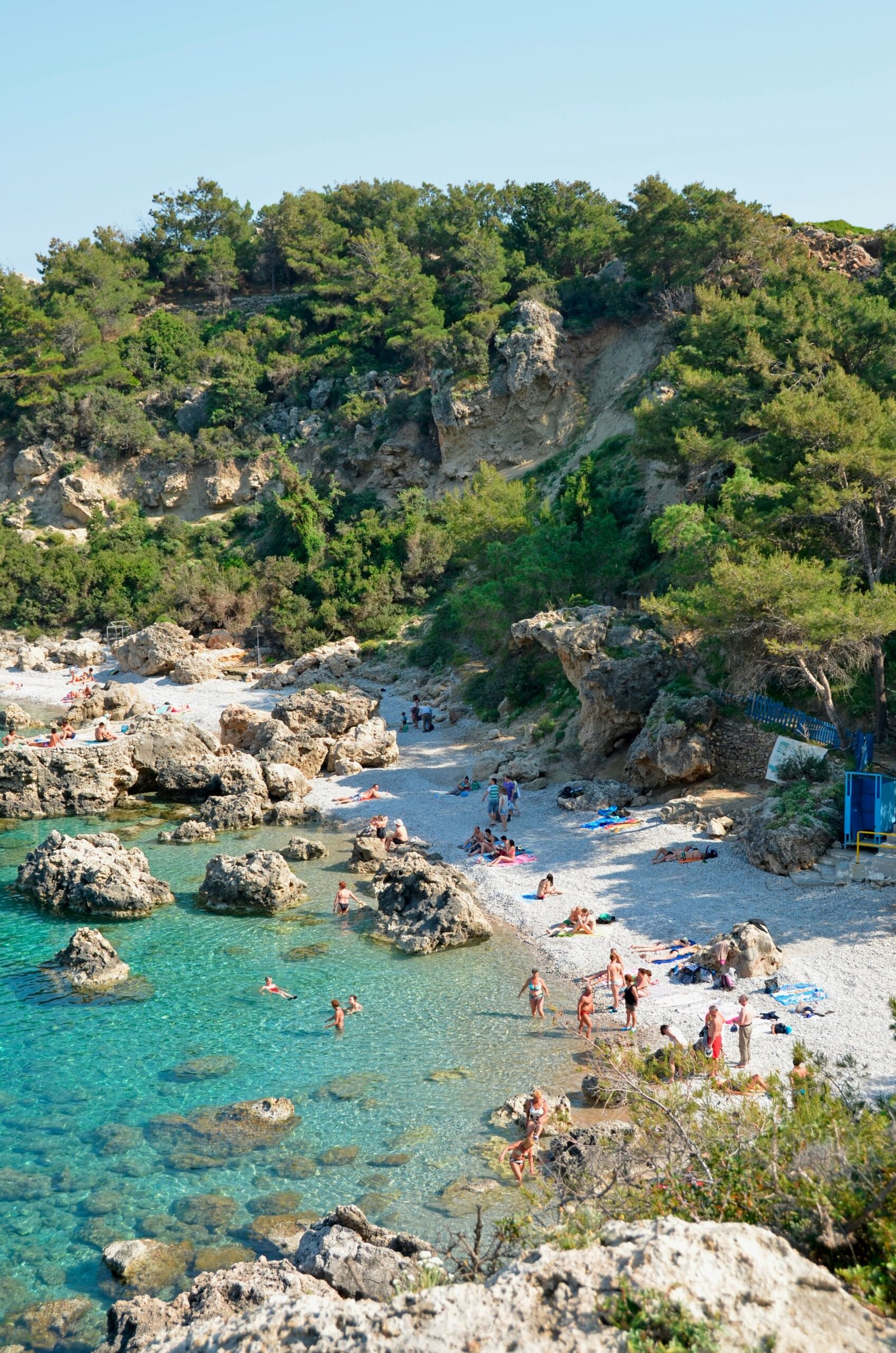
October is when Greece settles into its best version of itself. The summer energy is spent, the harvest is moving from the vineyards to the olive groves, and the country has a specifically autumnal quality — golden light, cooler evenings, and a pace that suits a retreat week better than any summer month.
The sea is still warm from summer. The landscape is turning. And the tourist infrastructure that was at capacity in August is now operating with the space and attention that retreat practice specifically requires.


October is consistently one of the two best months for a yoga retreat in Greece, alongside May. The conditions are excellent across most regions, the seasonal events are specifically autumnal, and the retreat centres are running their most focused programmes of the year. Our October yoga retreats in Greece page covers every destination and format.
October is the month Crete’s most important annual event begins. The olive harvest — the activity that has defined the island’s economy, culture, and landscape for at least four thousand years — starts in the warmest lowland groves in October, the Koroneiki olives picked by hand from nets spread under the ancient trees, and continues through November and into December in the cooler mountain areas.
The olive harvest in Crete is one of those agricultural events worth experiencing rather than simply understanding. Retreat centres in the Chania and Rethymno regions that incorporate a morning at an olive grove during the harvest — the nets spread under the trees, the mechanical rakes shaking the branches, and the olives collected and driven to the press — are offering an experience that is specifically of this island and this moment in the agricultural year. The oil pressed from the first October harvest has a green, peppery intensity that the same oil stored for six months loses progressively.
October Crete also has the sea still warm enough for swimming on the south coast (22-23°C), the archaeological sites in their clearest autumn light, and the island operating without the summer density. For the full Crete picture, our yoga retreats in Crete guide covers the island in detail.
The Peloponnese in October is the archaeological landscape at its most rewarding. The sites that were crowded and sun-bleached in July and August — Mycenae, Epidaurus, Olympia, the Byzantine city of Mystras — are in October accessible in the golden autumn light that makes the landscape specifically beautiful and the ruins specifically legible.
Mystras — the UNESCO World Heritage Byzantine city on the slopes of the Taygetos above Sparta, inhabited from the thirteenth through the nineteenth centuries and now an extraordinary ghost town of Byzantine churches, palaces, and monastic complexes — is in October at its most atmospheric. The frescoes in the churches of Agios Demetrios and the Pantanassa monastery, painted in the fourteenth and fifteenth centuries in a style that influenced the Italian Renaissance, are in October accessible without the July queue at the ticket office and in the specific October light that the east-facing slope of the Taygetos produces in the morning.
Olympia in the western Peloponnese — the site of the ancient Olympic Games from 776 BCE through 393 CE, with the Temple of Zeus and the stadium still intact in the olive grove that surrounds them — is in October a place of genuine stillness and scale. Standing in the ancient stadium in October, the olive trees visible above the stone starting blocks, and understanding that athletes gathered here from across the Greek world for over a thousand years to compete and to honour the gods, produces the kind of temporal and physical perspective that the yoga practice is also trying to generate.
For the full Peloponnese picture, our yoga retreats in the Peloponnese guide covers the region.
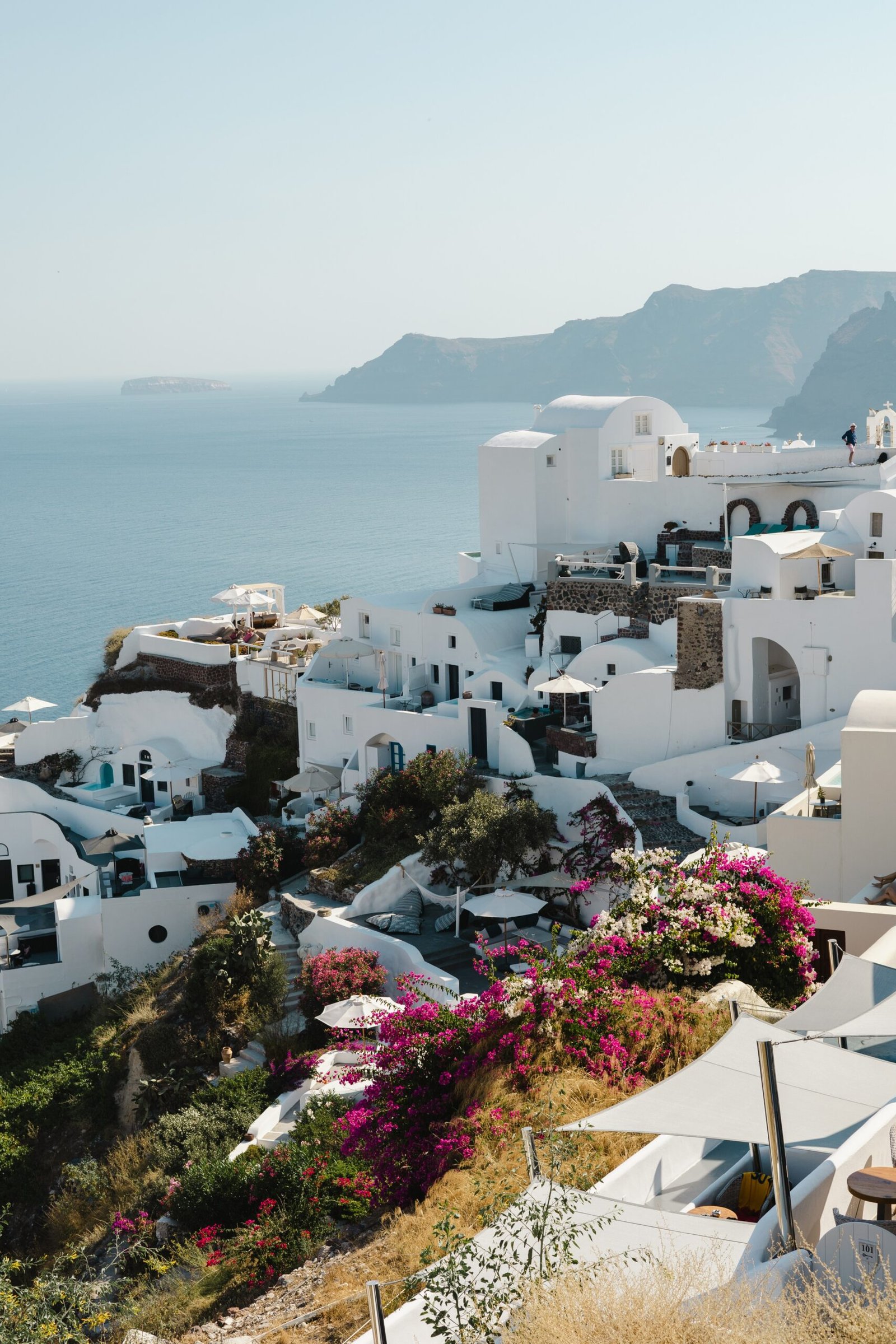
Naxos in October is the most complete Cycladic island experience available in autumn. The largest of the Cyclades is the last to close its retreat centres for winter — most Naxian operations run through October and some into November — and the island in October has the specific combination of the summer infrastructure still present and the summer crowds entirely gone.
The marble quarries and ancient marble kouros figures of the Naxian interior — the unfinished colossal statues abandoned in the quarries millennia ago, lying in the landscape exactly where they were left — are in October accessible on foot from the mountain villages without the July heat that makes the same walk demanding. The inland route from Halki to Apiranthos through the oldest inhabited villages of the island, past Byzantine churches and Venetian towers and the terraced farmland of the Naxian interior, is the October walk that produces the island’s deepest character.
The Naxian food culture in October is at its autumn best: the new-season Graviera cheese from the first autumn milk batches, the October wild mushrooms from the mountain forests, and the local wine from the small producers of the Tragaia valley appearing at the island’s tavernas specifically in this season.
Athens in October is the city entering its cultural season after the summer dispersal. The Athens Epidaurus Festival has finished, but the theatres, concert halls, and cultural institutions that close or reduce programming in August are fully operational in October. The Onassis Cultural Centre, the Megaron Athens Concert Hall, and the smaller performance venues of Gazi and Kerameikos are running autumn programmes from October through May.
The archaeological sites of Athens — the Acropolis, the Ancient Agora, the Kerameikos cemetery, the Temple of Hephaestus — are in October accessible in the golden morning light that the high summer sun obscures. The Acropolis at 8am in October, with the city below in the autumn haze and the light on the Parthenon columns at the angle that the architects specifically designed for this time of year, is the version of the site that the summer tourist experience is approximating and rarely achieving.
The first pressing of the October olive harvest produces oil of extraordinary quality — bright green, intensely peppery, with a freshness that stored olive oil loses within weeks of pressing. Available at farm gates and the weekly markets of Crete and the Peloponnese before it enters the distribution chain, the new-season oil drizzled over fresh bread with coarse salt is the October food experience that communicates more about Greek agricultural culture than any explanation can. Research on the polyphenol content of Greek extra virgin olive oil has documented the specific health benefits associated with the oleocanthal and oleuropein compounds found at highest concentration in the fresh-pressed oil — compounds that decrease significantly during storage and that make early-harvest oil nutritionally distinct from what is available commercially.
October wild mushrooms from the forests of the Peloponnese, the Pelion, and the northern mainland — porcini (boletus), chanterelles (kantareli), and the specifically Greek caesar’s mushroom (amanita caesarea, called manitari in Greek) — appear at the autumn markets and at the restaurants that source locally. At a taverna in a Peloponnese mountain village in October that takes its mushroom sourcing seriously, a plate of sautéed autumn mushrooms with olive oil and garlic is the seasonal eating that the spring and summer months cannot produce.
October chestnuts from the forests of Arcadia and the Pelion arrive at markets across Greece from mid-month. Roasted over charcoal at street stalls in Athens and Thessaloniki, or boiled and eaten at the farmhouse tables of the mountain villages, they are the October food that signals autumn has properly arrived. The sweet chestnut forests of the Arcadian highlands produce chestnuts that Greek food culture has used since antiquity — the Byzantine cookbooks describe preparations almost identical to those served today.
October pomegranates (rodia) are at their peak in Greece — the large, ruby-seeded varieties from Crete and the Peloponnese cracked open at market stalls and eaten in sections, or pressed for juice at the better juice bars of Athens and Heraklion. The pomegranate has a specific cultural significance in Greece that goes beyond nutrition: breaking a pomegranate on the threshold of a new home or on New Year’s Day is a tradition connecting the fruit to prosperity and abundance that dates back to antiquity. The October pomegranate at a Cretan retreat kitchen, split open and eaten with the morning yogurt, is both specifically nutritious and specifically Greek.
Throughout October and into November across Crete, the Peloponnese, and the Ionian islands. The harvest is not a scheduled event but an ongoing agricultural process — the nets spread under the trees, the presses running day and night in the village cooperatives, and the smell of fresh oil in the evening air of the olive-producing villages. Retreat centres in these regions that incorporate a harvest morning into their October week are giving participants an experience that requires this season and this landscape specifically.
October 28th is one of Greece’s most important national holidays — Oxi Day (No Day), commemorating the Greek refusal of the Italian ultimatum of 1940 and the beginning of Greek resistance in the Second World War. Military parades take place in Athens, Thessaloniki, and regional capitals. In villages across the country, school children march through the village streets in national costume, and the specific combination of pride and solemnity that the day produces in Greek communities — particularly in Crete, where the resistance was particularly fierce — is worth experiencing from a retreat base.
The Thessaloniki International Film Festival runs in November, but October is when the advance screenings and the cultural animation of the city begin. Thessaloniki in October is the most culturally energetic city in Greece outside Athens — the Byzantine monuments, the Aristotelous Square seafront, the Kapani and Modiano markets, and the food culture of a city that combines Greek, Jewish, Ottoman, and Balkan influences make it the most historically layered urban experience in the country. A day in Thessaloniki from a Halkidiki or northern Greece retreat base in October is worth the logistics.
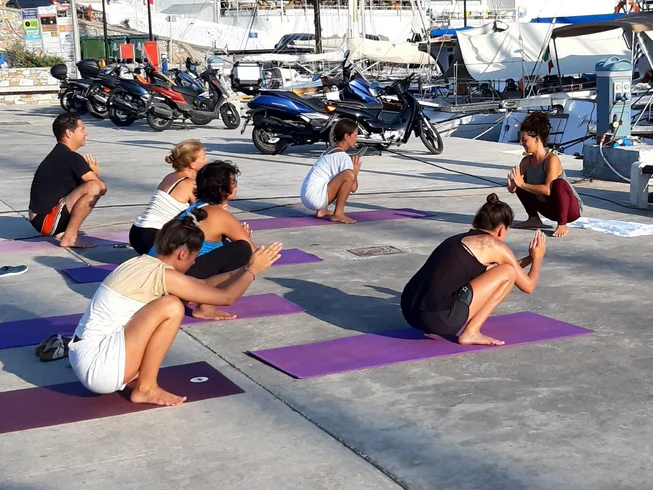
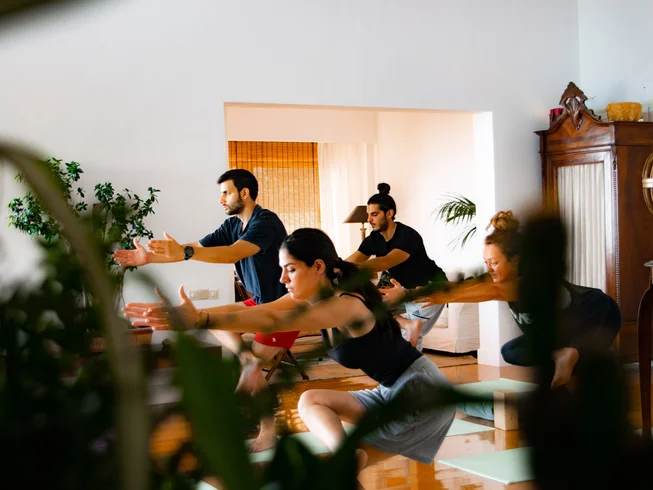
October retreat programming has the settled, autumnal quality that the spring and summer months cannot replicate. Morning practice at 8am — slightly later than summer as the days shorten — in the October light that is lower and warmer in tone than the overhead summer sun. Afternoon excursions that are specifically seasonal: the olive harvest morning in Crete, the Mystras Byzantine city walk in the Peloponnese, the Naxian interior route through the marble villages.
Evening practice in October benefits from the temperature drop that the shorter days produce. The body arrives at the 6pm Yin session having spent the day in warmth and now settling into the cool air of the evening — the physical context for restorative practice that the climate provides without effort.
The October retreat group tends to be the most intentional of the autumn. Those who chose October — rather than defaulting to summer availability — have generally made a deliberate choice. The retreat centres that serve this audience run their most carefully programmed weeks of the year in October, and the quality of what is produced reflects the clarity of what participants came for.
Your email address will not be published. Required fields are marked *