
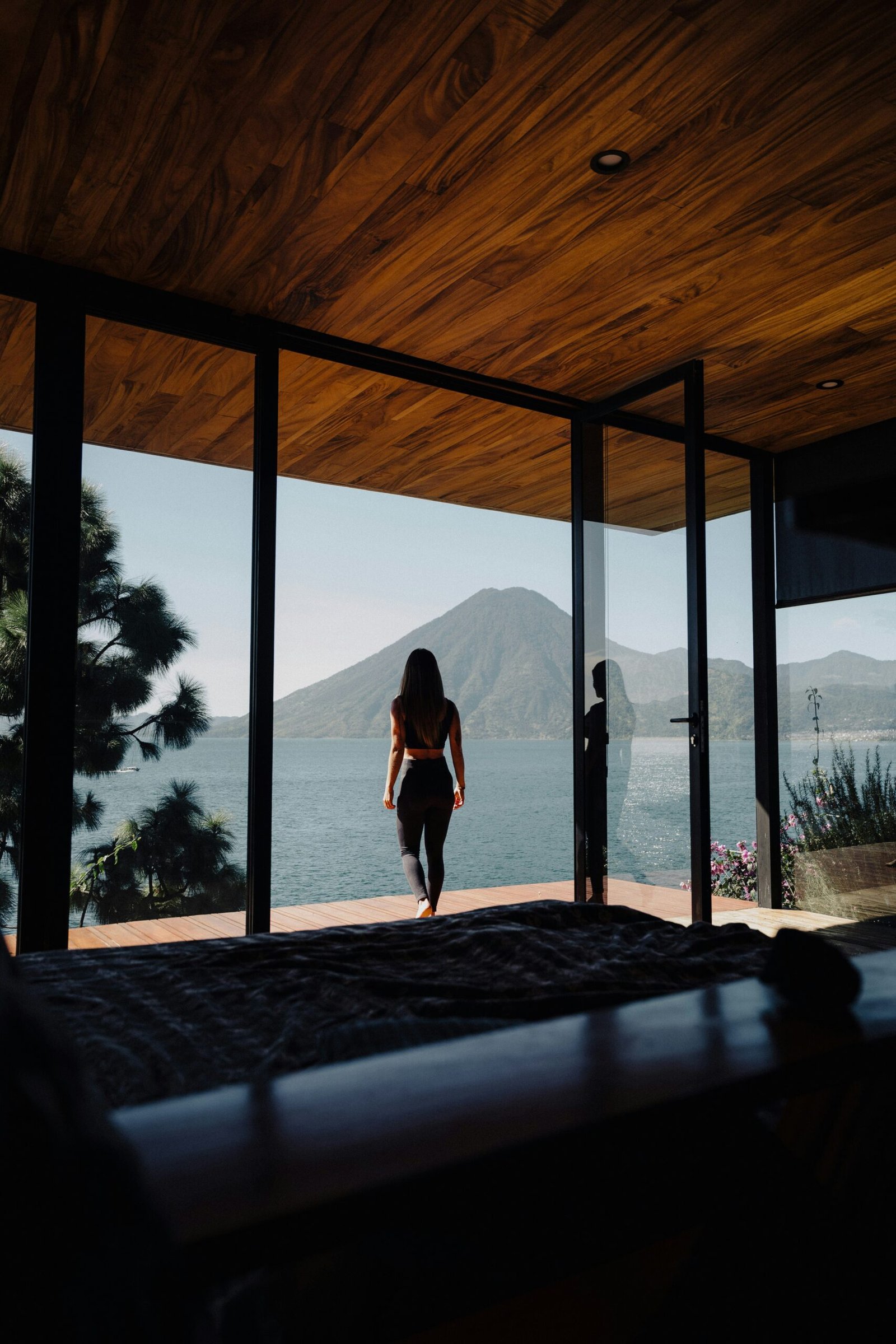
January is the month when wellness travel makes the most immediate sense. The body is depleted from December, the nervous system is overstimulated, and the cultural pressure to perform a new year is at its annual peak. A wellness retreat in January is not a resolution — it is a recovery. The difference matters.


The South Tyrolean wellness tradition is built around thermal contrast — the outdoor pool at -5°C, the hay bath at 40°C, the sauna ending in a cold plunge. January is when this format works best: the snow guaranteed, the temperature differential at its maximum, and the spa facilities at full winter operation. It is one of the few wellness destinations that is specifically better in winter than in any other season.
Our wellness retreats in the Dolomites guide covers the full range of properties and treatments. For the broader Italian picture, our wellness retreats in Italy in January covers Tuscany, Sicily, and Umbria alongside the Dolomites.
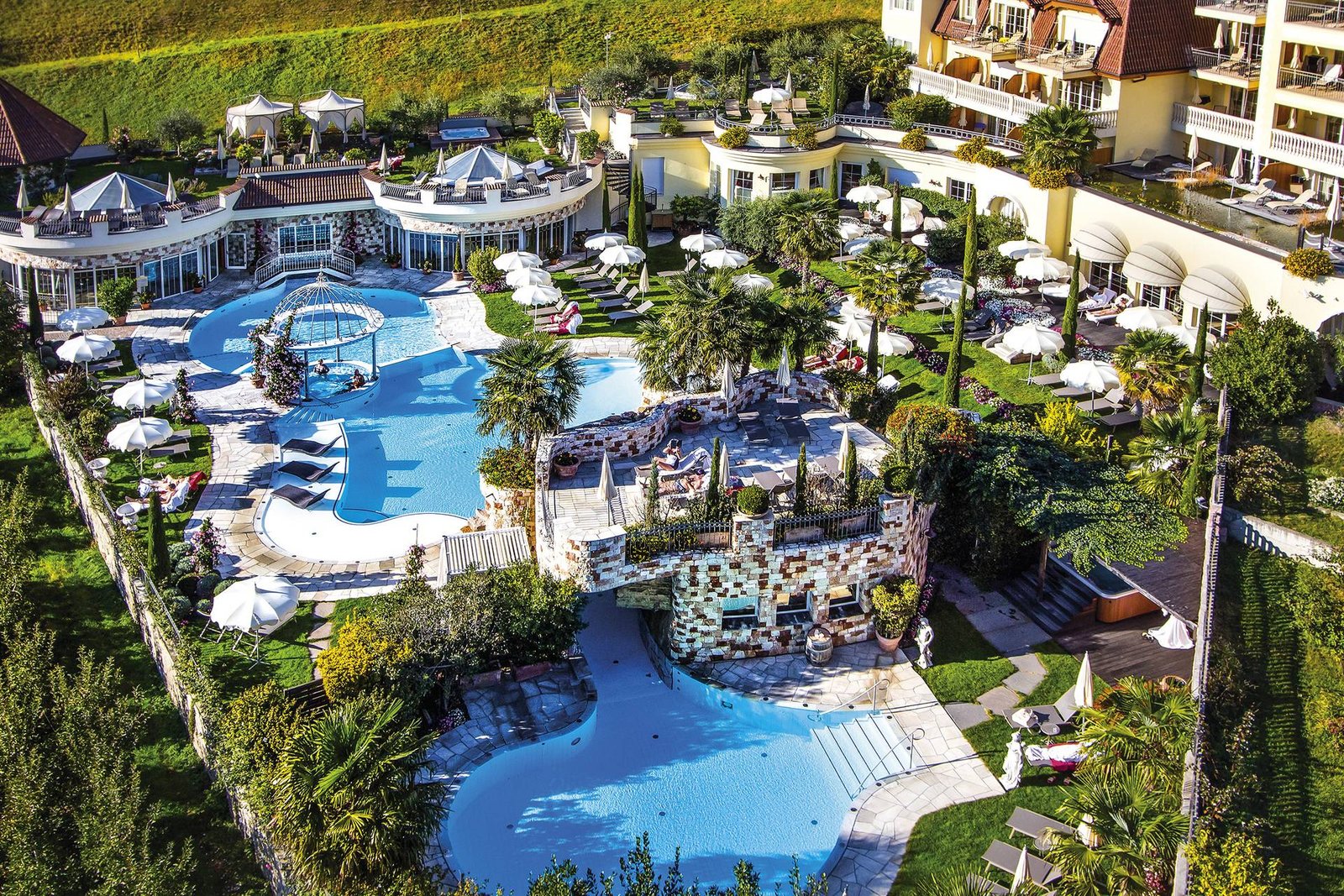
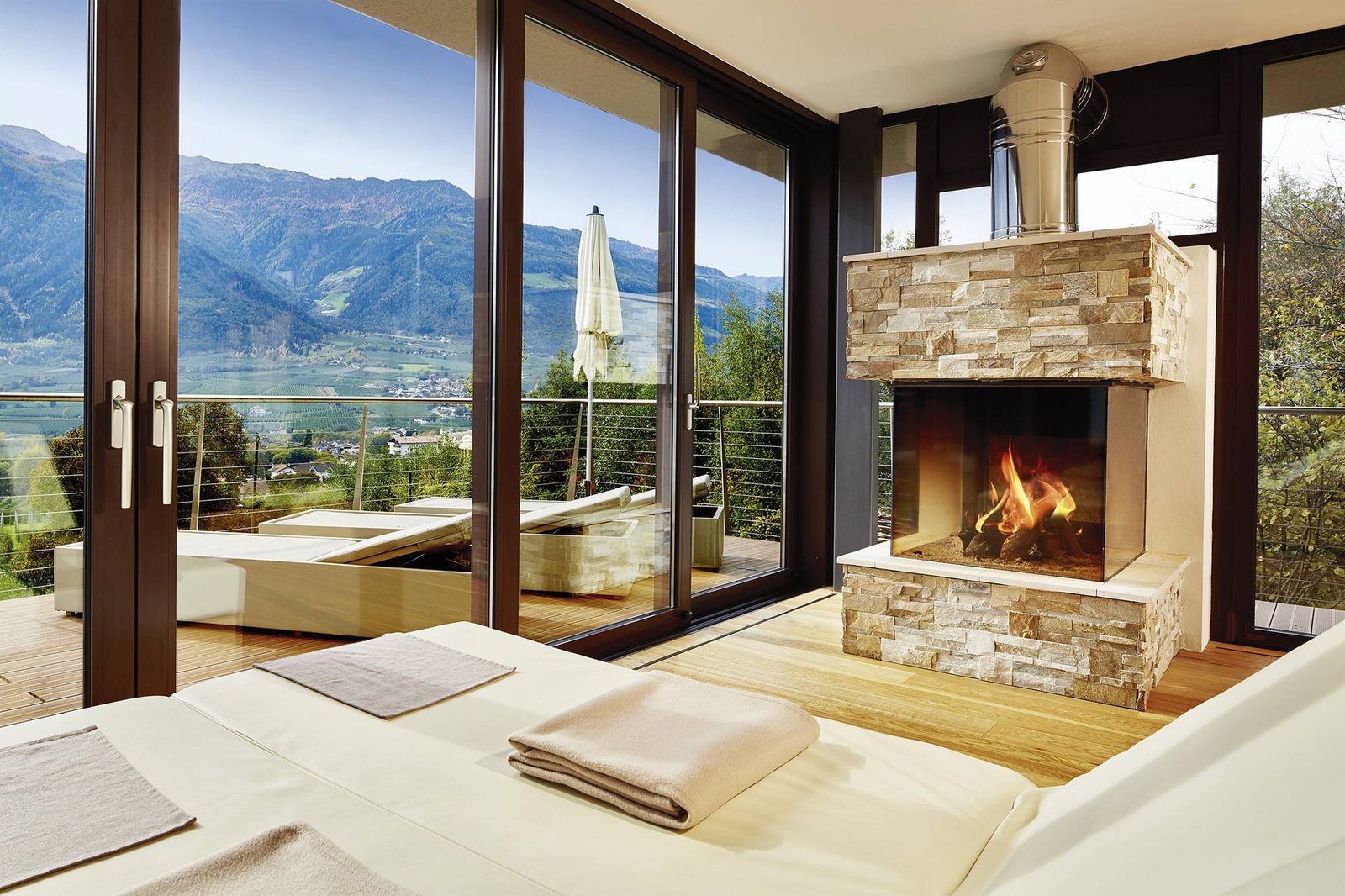
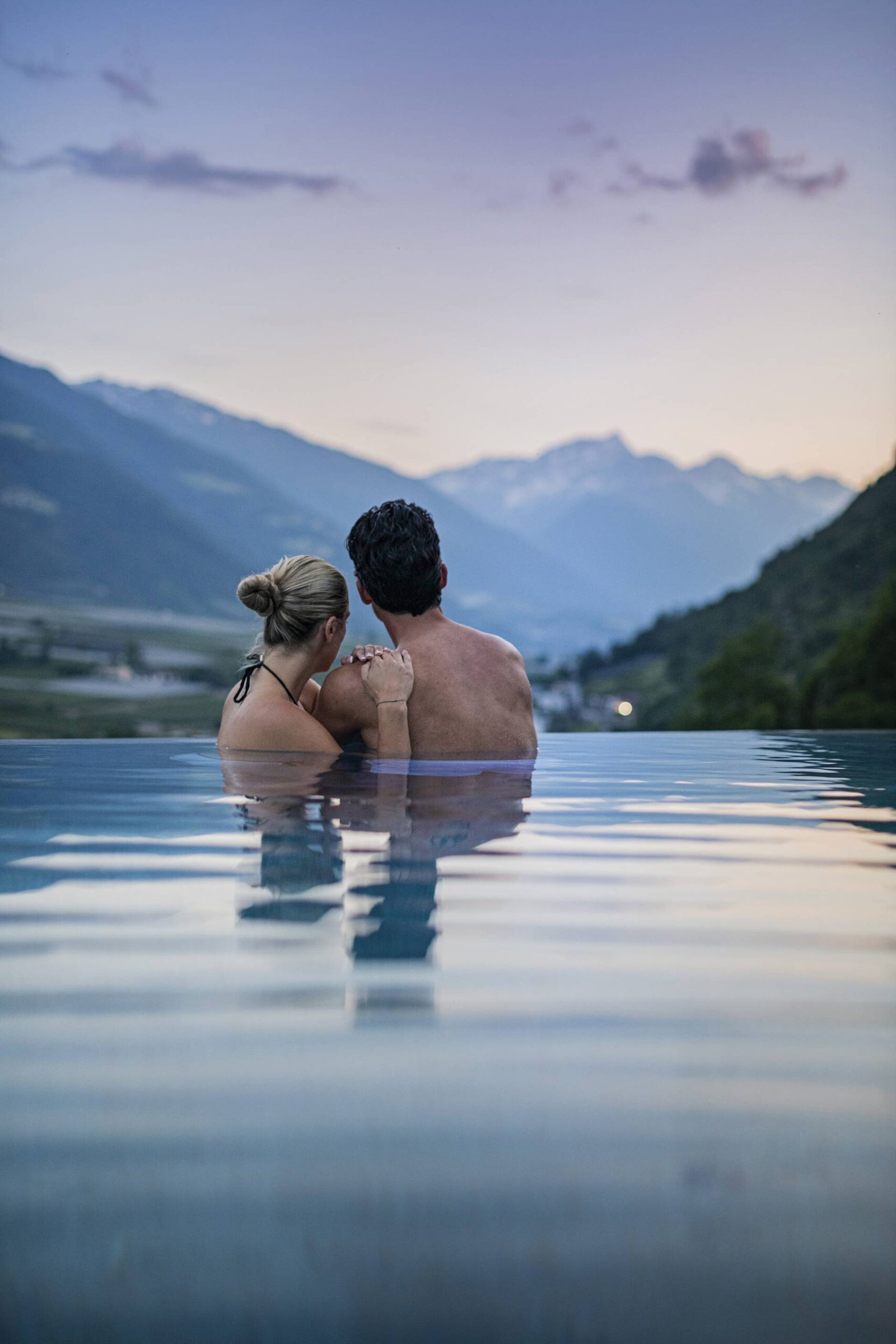
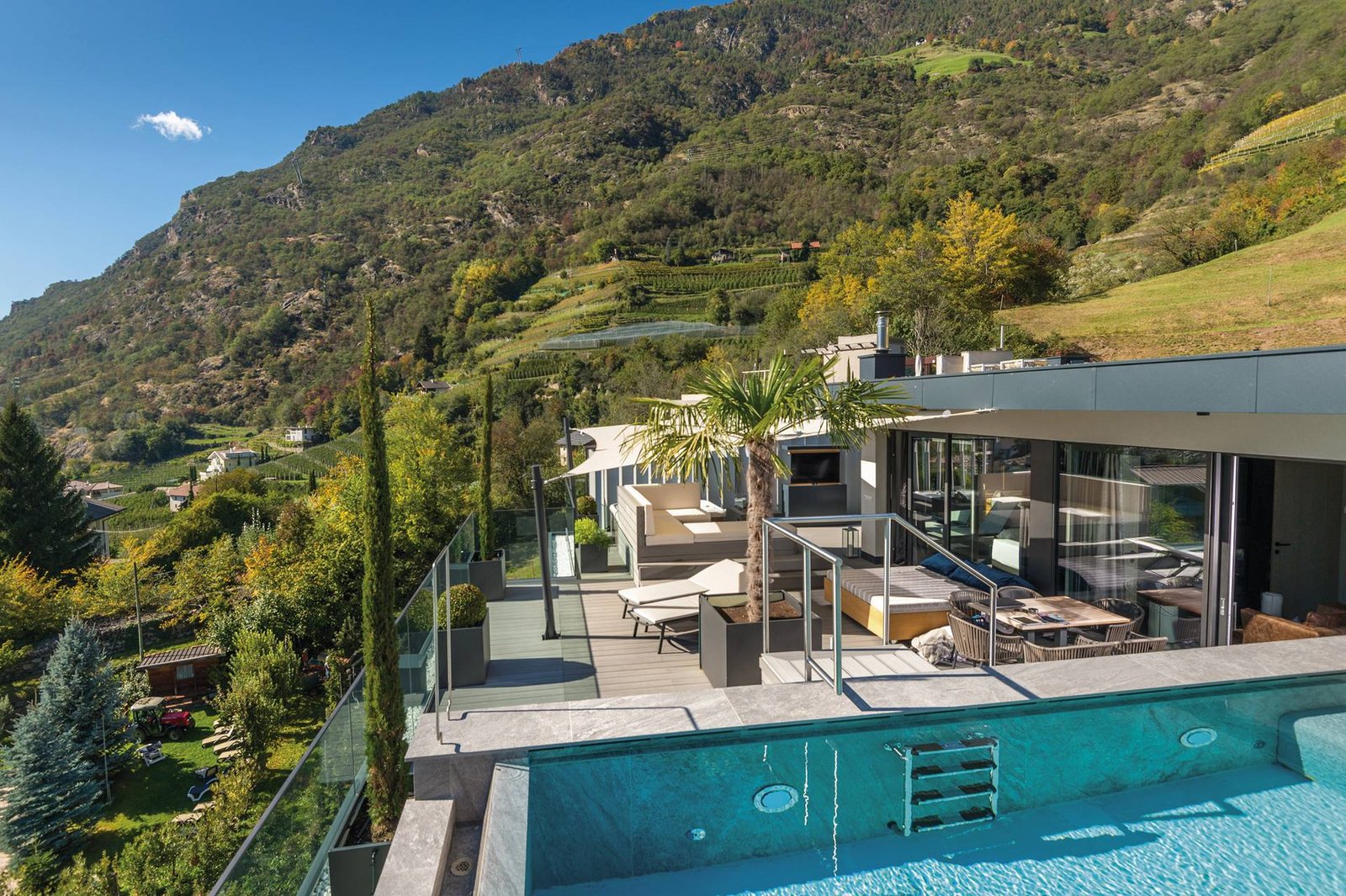
The Dolomites are the most developed alpine wellness environment in Europe and January is their peak month. The contrast bathing circuits — moving between outdoor thermal pools, Finnish saunas, bio saunas, salt steam rooms, and cold plunges — are most physiologically effective in January because the ambient temperature differential is at its maximum. The hay bath (Heubad), using dried alpine herbs from the summer meadows and generating therapeutic heat through fermentation, is specific to South Tyrol and available only at properties that maintain their own herb supply. Book it at the same time as the retreat — availability fills weeks in advance.
The ski season in January is in full operation, meaning the mountain infrastructure is complete: cable cars to the high plateaus, mountain refuges serving lunch at 2,000 metres, snowshoe trails through the larch forests. The combination of a morning spa circuit and an afternoon snowshoe walk through the Val di Funes — the valley below the Odle group, with the dolomite towers visible above the snow-covered meadows — is the January Dolomites day that the wellness hotels know how to provide and that the summer cannot replicate.
The food in South Tyrol in January is worth taking seriously as part of the wellness programme. The speck and the canederli of the Tyrolean tradition, the local Lagrein and Gewürztraminer wines from the Adige valley, and the hot spiced apple juice at every mountain refuge are expressions of a food culture that has been feeding people well in cold conditions for a very long time.
The geothermal springs of southern Tuscany are available year-round but January is the month that most rewards the visit. The outdoor cascades at Saturnia flow at 37°C regardless of air temperature. In January, when the air is 8-12°C and the surrounding Maremma fields are bare, the contrast between the warm sulphurous water and the cold air produces the most dramatic steam of the year. The free natural pools are accessible without the summer crowds. Arriving at Saturnia before dawn in January, with no other visitors and the steam dense enough to obscure the far side of the pool, is the thermal experience at its most elemental.
Bagno Vignoni in the Val d’Orcia — the medieval village built around a central piazza that is uniquely a pool of thermal water — is in January surrounded by the spare winter landscape of the Crete Senesi. The Terme di Petriolo, near Montalcino, are less known but equally specific: sulphurous springs emerging at 43°C into a natural river gorge, with the ruins of the medieval Sienese thermal baths visible on the bank above. In January the gorge is empty.
The volcanic island of Ischia, 45 minutes by ferry from Naples, has the most developed thermal infrastructure in Italy. The volcanic seabed produces mineral-rich spring water feeding the island’s thermal parks. January on Ischia has a quality the summer entirely obscures: the beach tourists gone, the thermal parks running small groups, and the island in its own character. The Negombo thermal park in Sant’Angelo — set in a botanical garden above the sea, with 12 pools at different temperatures — is in January the most beautiful thermal facility in Italy and among the least crowded.
The Ischian fango therapy — volcanic mud matured in thermal water before application — is in January available with the focused attention that summer demand does not permit. A morning fango treatment followed by the thermal circuit and lunch of the island’s Forastera wine and rabbit stewed in the Ischian tradition is the January Ischia day in its most complete form.
Japan’s onsen tradition is in January at its most specific. The volcanic spring waters of Hakone (90 minutes from Tokyo), Beppu in Kyushu, and Nozawa Onsen in the Nagano Alps produce in January what the tradition is built around: the contrast between cold winter air and mineral-rich water at 40-42°C, snow on the surrounding landscape, and deep muscular and nervous system relaxation that follows.
The ryokan integrates the onsen bath with the kaiseki dinner using winter seasonal ingredients — yuzu citrus, root vegetables slow-braised, mountain vegetables preserved from the autumn harvest — the tatami sleeping room, and the specific ritual of bathing that the Japanese tradition has developed into something more structured and more intentional than the casual European spa visit. The rotenburo — outdoor hot spring bathing in open air — in January snowfall requires the season specifically to produce its full effect.
Hakone is worth knowing about as a January destination. Mount Fuji visible on clear mornings above the lake, the Hakone Open Air Museum accessible by the mountain railway, and the quality of a Japanese hot spring resort town operating in winter for domestic visitors rather than international tourists: this is the January Japan that travel marketing rarely shows, and is precisely better for it.
Morocco in January is cool enough that the hammam — the traditional communal bathhouse — is at its most immediately comprehensible to visitors from colder climates. The hammam circuit in its traditional form: the hot room at around 45°C, the black soap (beldi) applied before the kessa exfoliation glove removes the dead skin layer, the cold rinse, the rest on heated marble. A wellness practice that predates the European spa tradition by centuries.
The neighbourhood hammams of Marrakech in January operate for the local population as much as for visitors, which changes the character of the experience significantly. The argan oil massage that follows — using cold-pressed oil from the Souss valley argan trees, available from certified women’s cooperatives — is a specifically Moroccan wellness treatment worth seeking out.
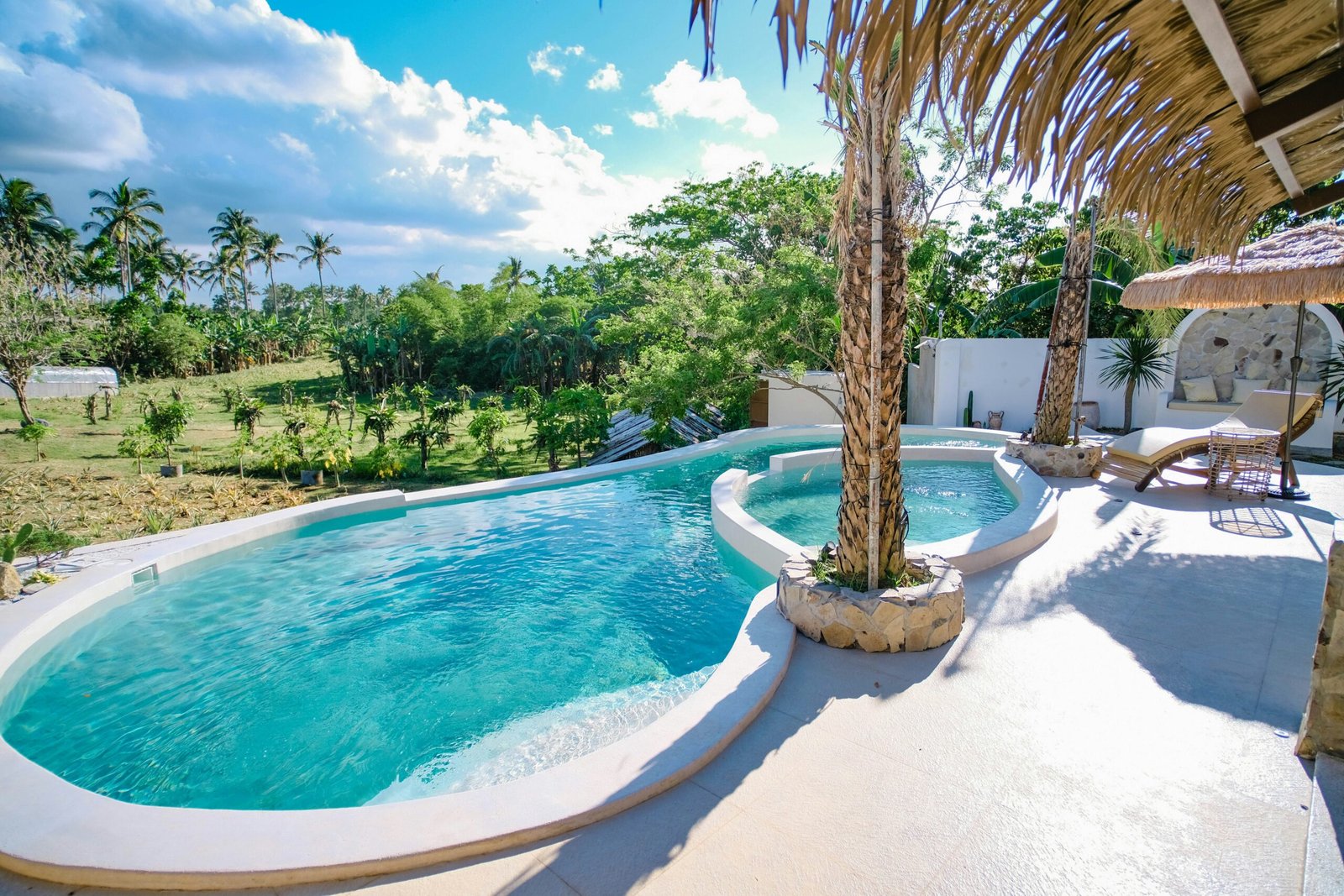
The physiological case for thermal contrast therapy — the alternating exposure to heat and cold that is the foundation of the Dolomite spa circuit, the Japanese onsen, the Scandinavian sauna, and the Moroccan hammam — is better documented than most wellness marketing suggests. Research published in Mayo Clinic Proceedings found regular sauna use associated with significantly reduced cardiovascular mortality, with the effect increasing with frequency. The mechanism is understood: repeated thermal stress produces adaptations in the cardiovascular system — improved endothelial function, reduced arterial stiffness, lower resting blood pressure — that parallel the effects of moderate aerobic exercise.
The cold exposure component has its own literature. Studies on cold water immersion document activation of the sympathetic nervous system followed by a parasympathetic rebound — a sequence that, with repetition, trains the autonomic nervous system toward greater resilience and more rapid recovery from stress. The cold plunge after the sauna is the body’s stress response system being deliberately exercised and then released, in controlled conditions.
January is when these treatments are most effective not despite the external cold but because of it. The ambient temperature in a Dolomite valley in January maximises the thermal differential that contrast bathing depends on. The same sauna at 85°C in a 5°C January environment produces a more complete cardiovascular and neurological response than the same sauna in a 25°C July environment. This is not marketing — it is basic thermophysiology, and it is the reason the alpine wellness tradition developed in cold climates.
The post-December body is not in bad shape — it is in a specific shape that requires specific responses. A month of disrupted sleep, richer food, more alcohol, less movement, and the low-grade emotional intensity of the holiday season leaves the liver working harder than usual, the gut microbiome somewhat compromised, and the nervous system running at a lower baseline than it does in October or May. None of this is dramatic, but all of it responds quickly to the right conditions.
Those conditions are not complicated. Consistent sleep — the same bedtime and wake time daily, which a retreat enforces automatically. Warm, easily digestible food in regular quantities. Reduction of alcohol and caffeine. Daily movement that restores circulation without demanding performance from a system still in recovery. And heat, applied externally through the thermal and spa treatments that January destinations are built around.
Within three days of these conditions, most people notice a shift that feels disproportionate to what they have actually done. This is not magic — it is the body’s baseline self-repair capacity reasserting itself once the obstacles are removed. The January wellness retreat works not by adding anything exotic but by removing the things that were preventing the system from doing what it already knows how to do.
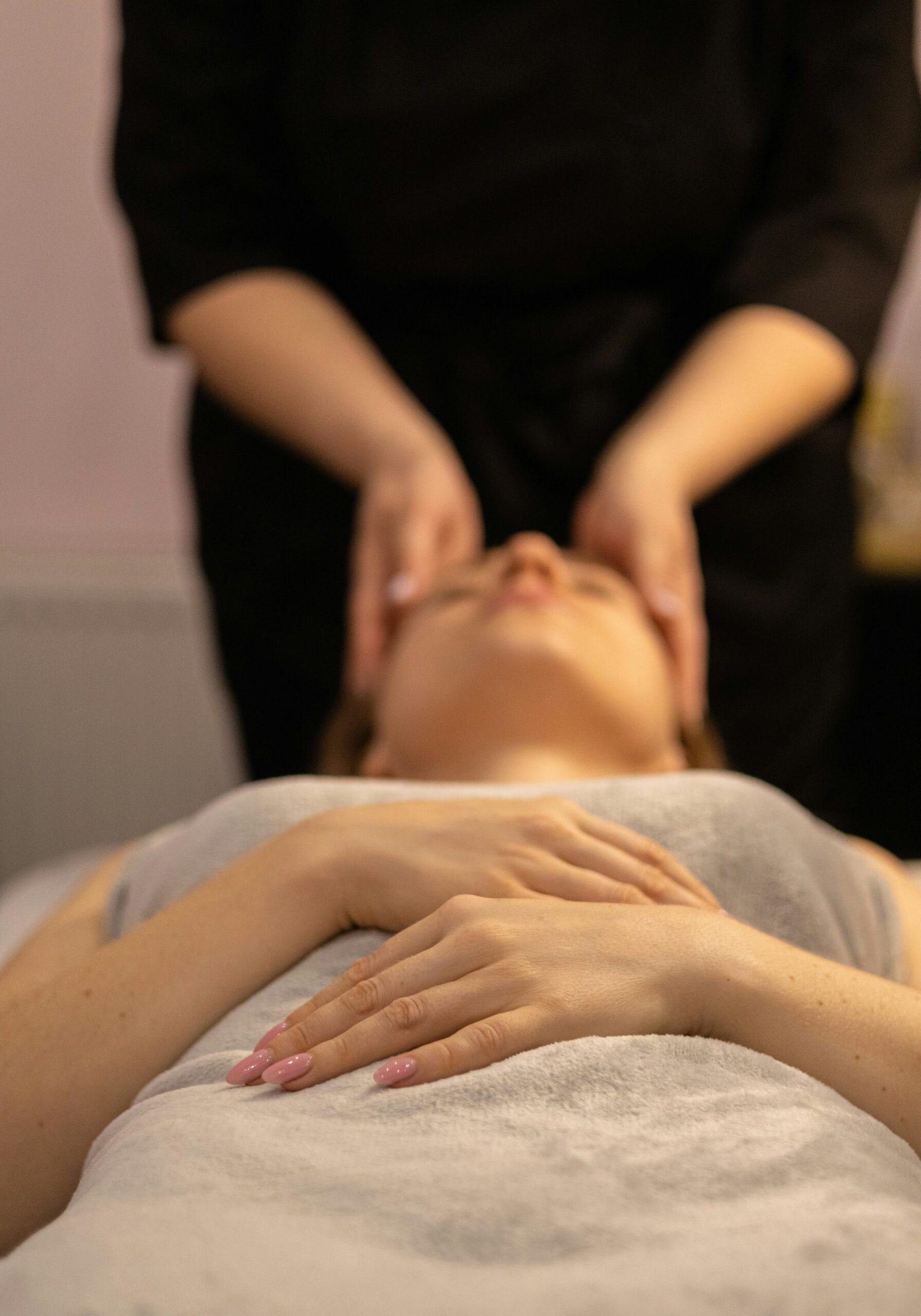
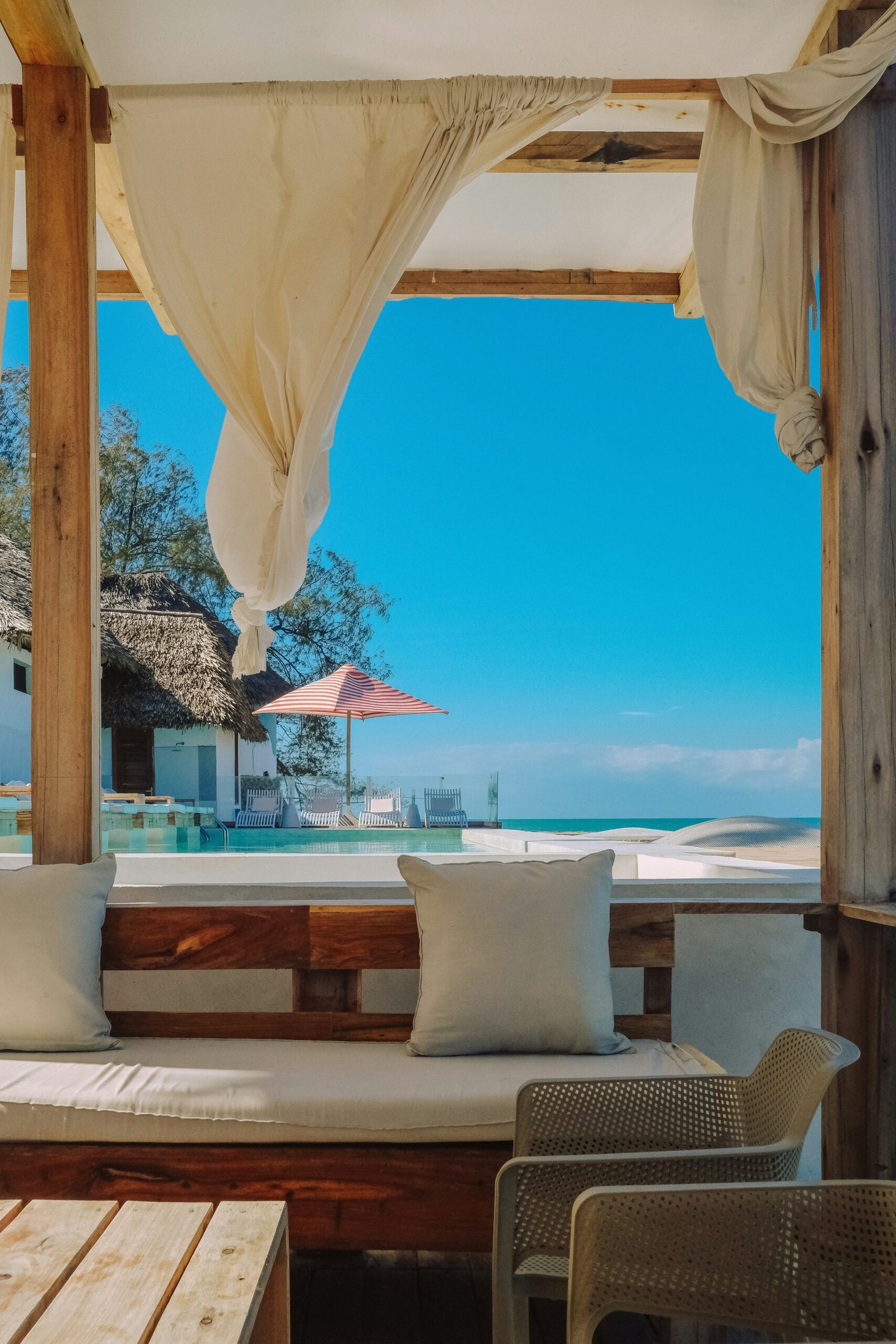
The January wellness table is built around warmth, digestibility, and the specific nutrients that the post-December body is most likely to be short of. Magnesium — depleted by alcohol and stress — appears in dark leafy greens, nuts, and legumes. B vitamins, depleted by alcohol metabolism, are found in whole grains, eggs, and fermented foods. The warm, slow-cooked dishes of the January kitchen — broths, bean soups, root vegetable stews — are easier to digest than raw or cold preparations, and the January digestive system handles them more efficiently.
Hydration in January is consistently underestimated because cold weather suppresses the thirst signal. The thermal circuit and sauna produce significant fluid loss that is less obvious than summer sweat but equally real. Warm herbal teas provide both hydration and the micronutrients the winter demands in a form the body absorbs efficiently. A thermos kept within reach through the retreat day is the simplest and most effective tool January offers.
Your email address will not be published. Required fields are marked *