The Dolomites, Italy
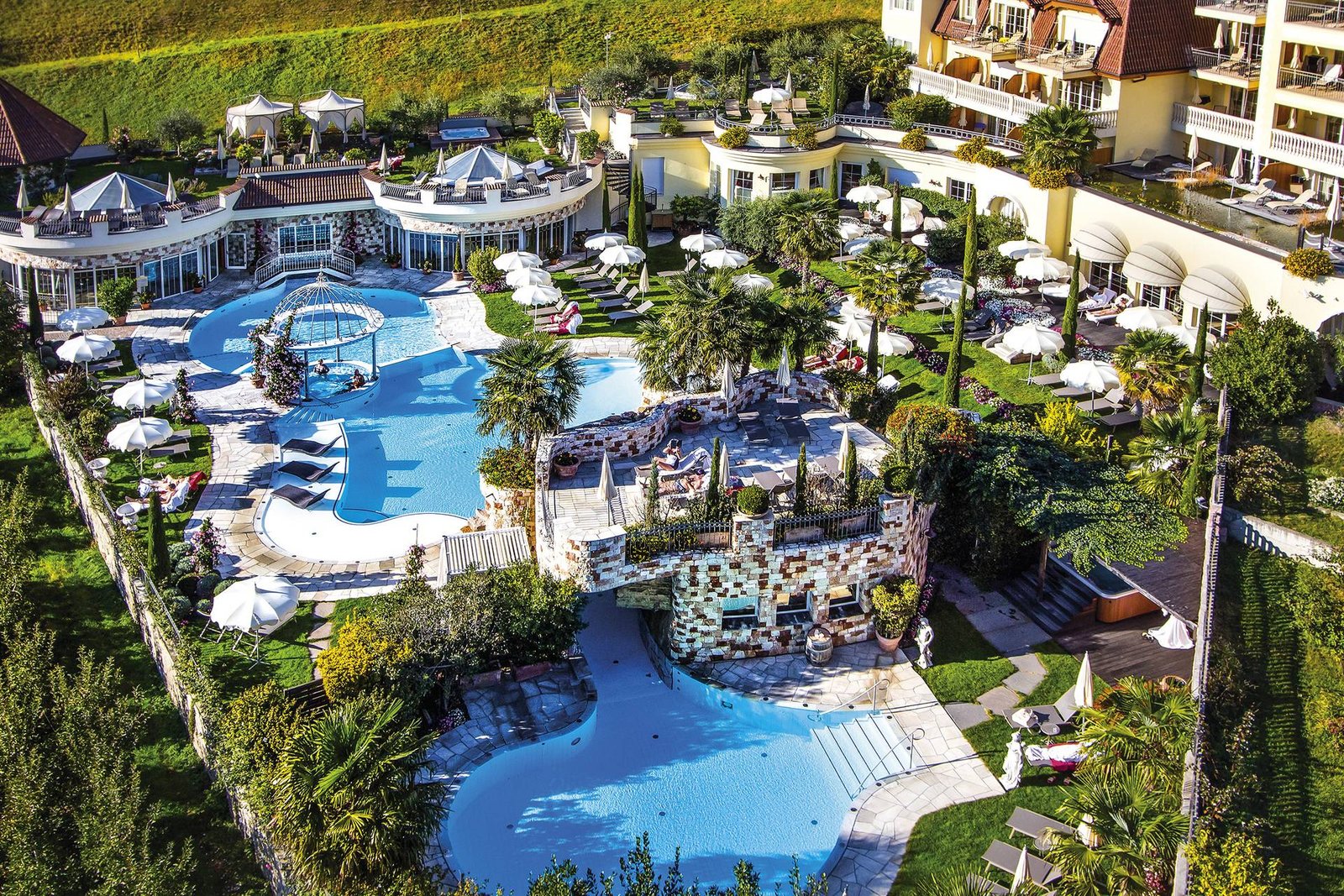
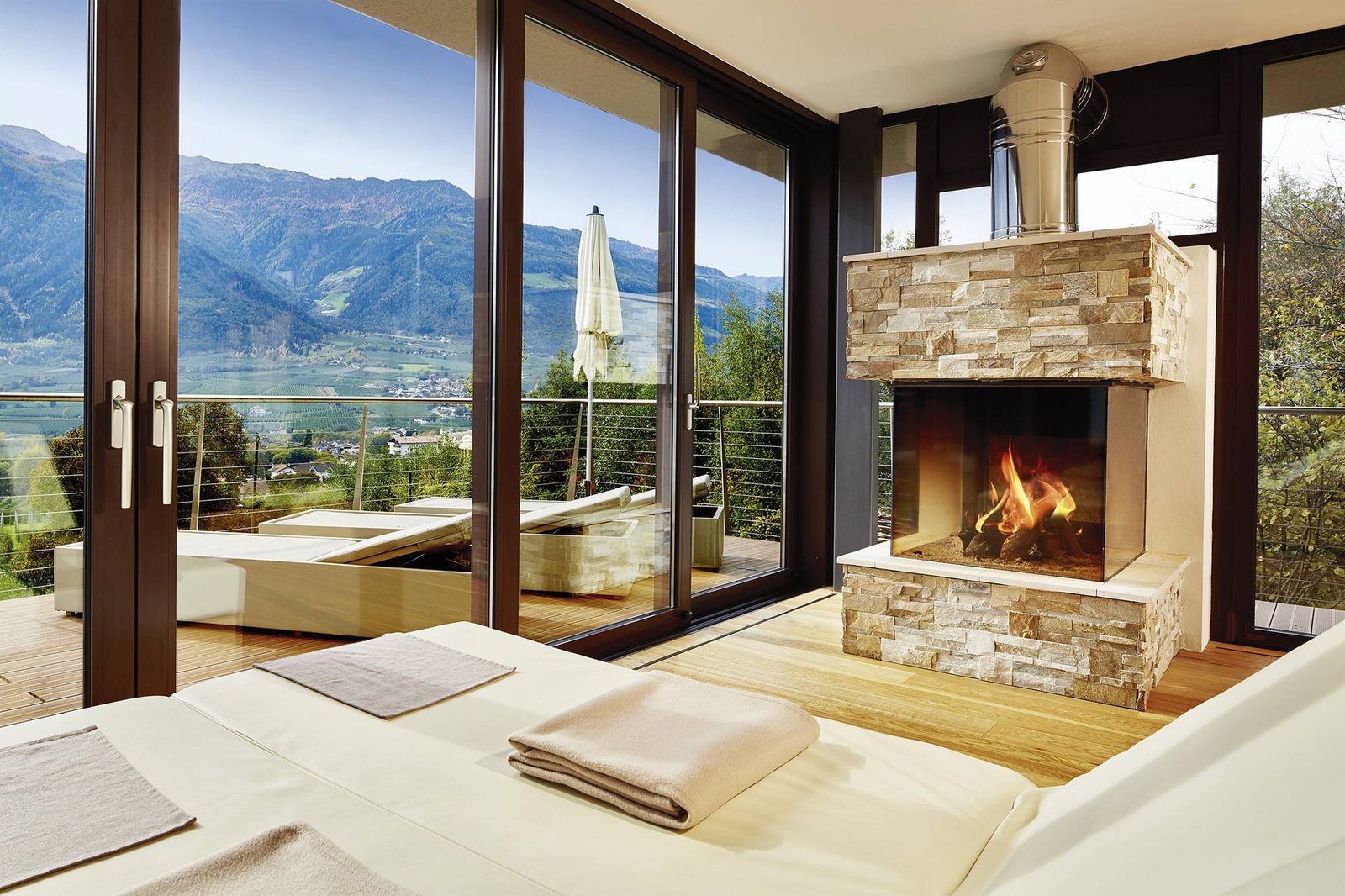
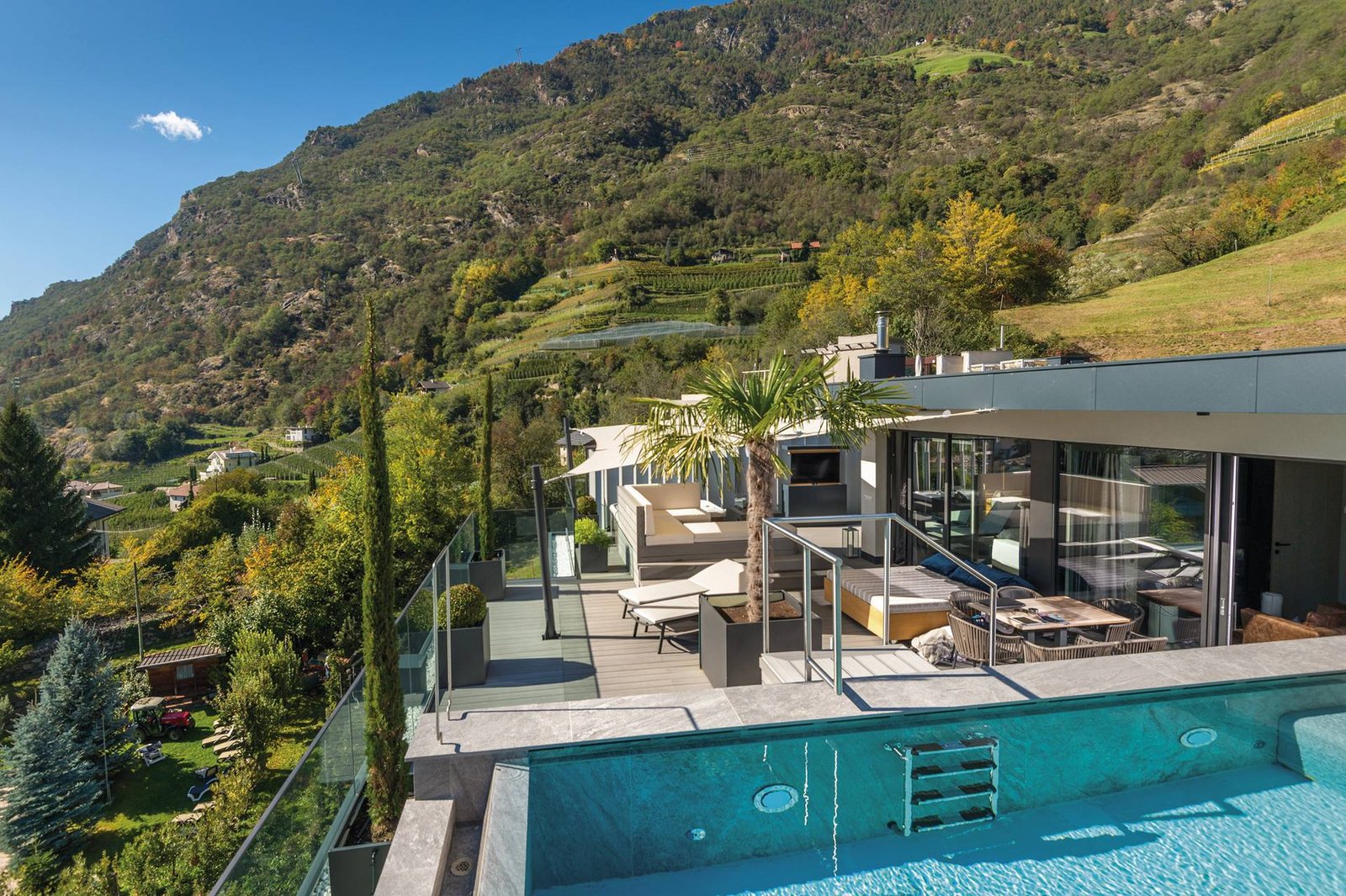
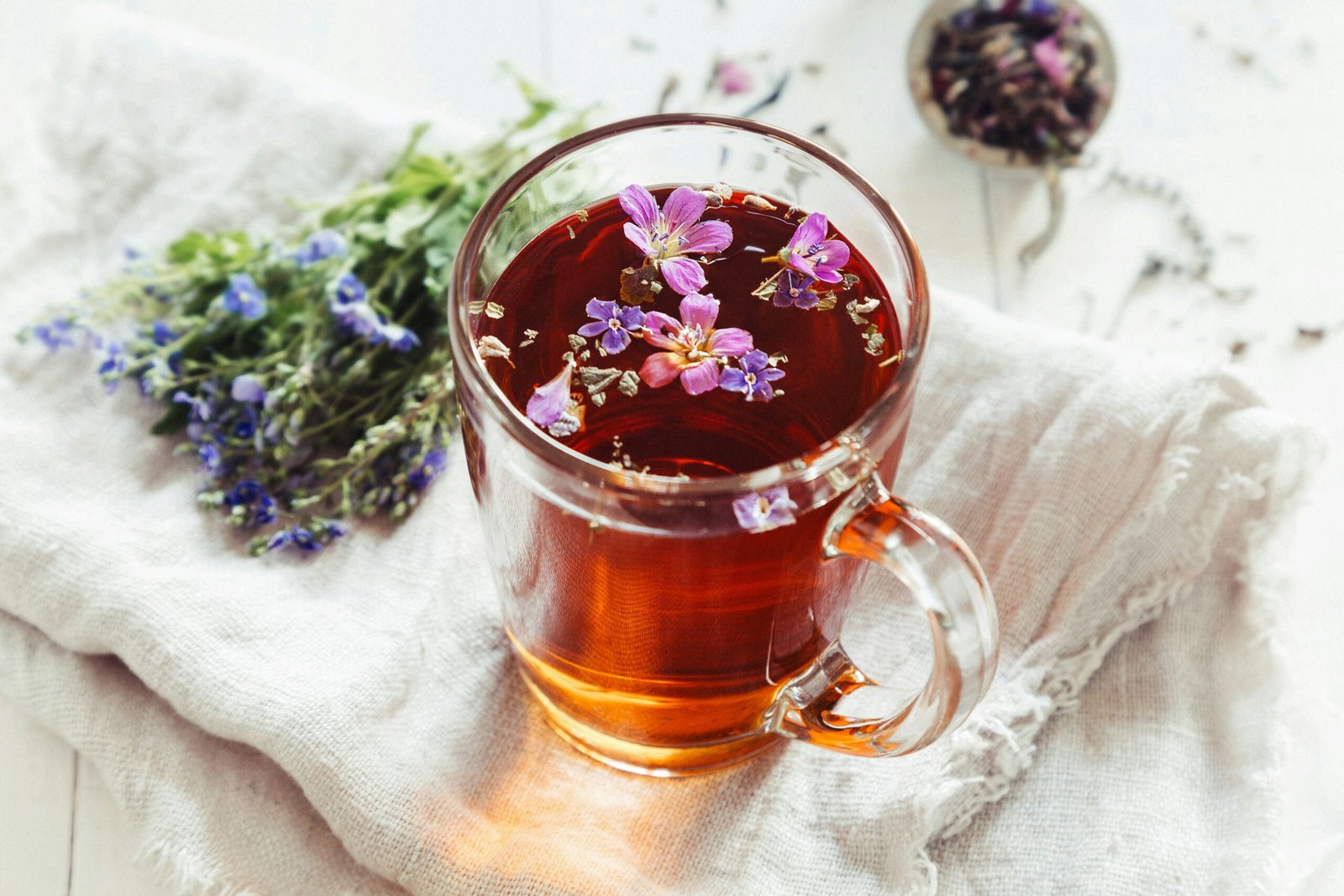
May in the Dolomites is the botanical season opening. The alpine meadows that will be harvested in July for the hay bath treatments are in May producing their first flowering species — arnica on the meadow edges, gentian on the rocky slopes, yarrow along the path margins — and the guided botanical walks that the wellness hotels incorporate into their May programme connect the spa treatments directly to the landscape that makes them possible. Understanding that the hay bath uses these specific plants, collected from these specific meadows, and that the walk to identify them in May precedes the treatment that uses their dried forms in December, is the kind of seasonal awareness that the wellness retreat format is uniquely positioned to provide.
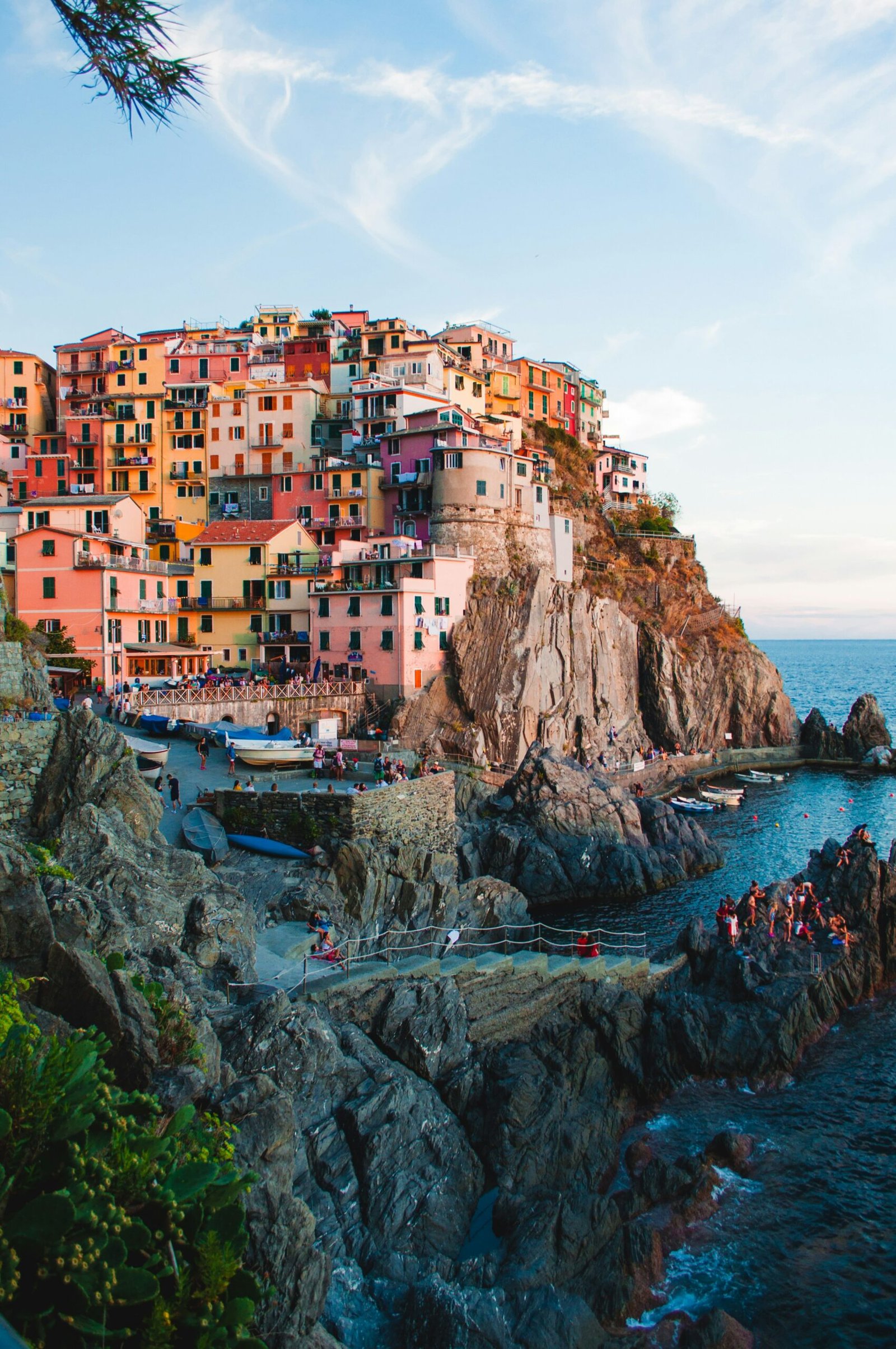
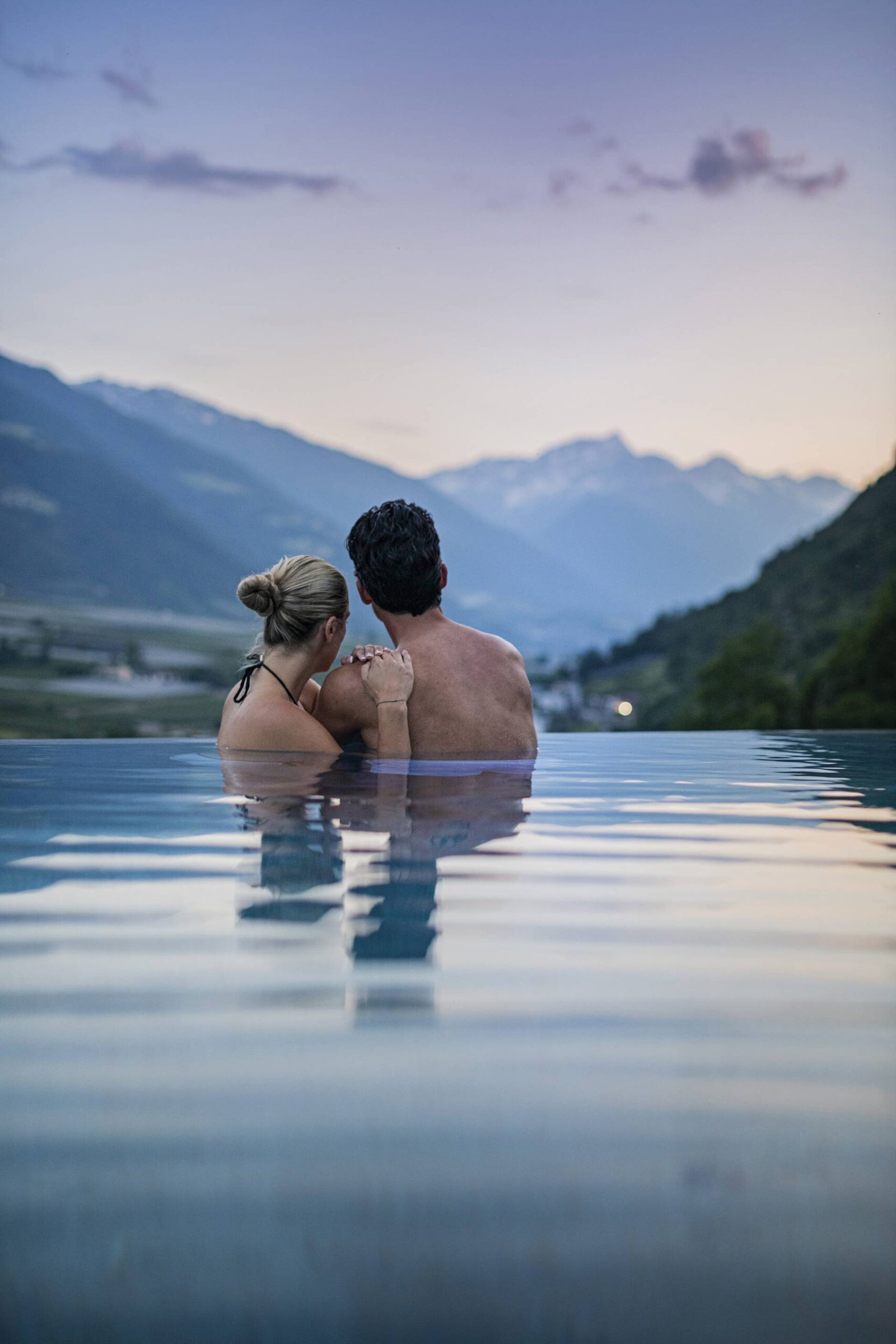
The high trails of the Dolomites open progressively through May depending on snow conditions. The Alpe di Siusi circuit, the Tre Cime di Lavaredo approach, and the Seceda ridge above Ortisei are typically accessible by mid-month. Morning yoga at 2,000 metres — the air noticeably thinner, the temperature 8-10°C cooler than the valley below, and the panorama extending to the Marmolada glacier — produces a quality of outdoor practice that the spa cannot replicate and that May specifically makes available for the first time since October. Our wellness retreats in the Dolomites guide covers the full range of properties and programmes.
Sri Lanka: Before the Monsoon
May is the last good month on Sri Lanka’s southwest coast before the monsoon arrives, typically in late May or early June. The retreat centres of Galle, Mirissa, Tangalle, and Hiriketiya are in May running their final high-season programmes — the sea at 27-28°C, the skies clear, and the wellness infrastructure at full operation. Book early in the month rather than late, and check current-year monsoon forecast dates before booking.
The Sri Lankan spa tradition is worth understanding as a distinct system rather than a generic Asian spa experience. Ayurvedic treatments adapted to the specific Sri Lankan botanical pharmacopoeia — the cinnamon of the southwest coast, the king coconut oil that differs from standard coconut oil in its fatty acid profile, the herbal steam baths using the medicinal plants of the wet zone forest — are available at the traditional centres that have been practising these treatments for generations rather than the beach resort spas that offer the same names with different sourcing.
Hiriketiya specifically has become one of the most concentrated wellness communities in Asia over the past decade. The small bay on the south coast has a consistent beach break, a cluster of retreat centres, and a community of teachers and practitioners that the dry season concentrates. A May retreat here catches the community at its most active, with the awareness that the monsoon is coming adding a specific quality of intentionality to the final weeks.
Greece: Aegean Islands Opening
The Cycladic islands are in May at their spring best — fully open after the winter closure, the sea reaching 19-20°C on the more sheltered bays, and the tourist infrastructure operational without the August compression. The Naxian food culture in May deserves specific attention: the Graviera cheese cooperatives in the mountain villages producing their spring milk batches, the Naxian potatoes appearing at the Naxos Town market, and the fresh fava from the island’s own production available at farm-gate prices that the tourist season will later obscure.
The Samaria Gorge on Crete opens in early May — the 16-kilometre walk through the White Mountains — and the retreat centres on the south coast incorporate it as a full-day excursion that the programme builds the following day’s rest around. Walking 16 kilometres through a gorge with vertical walls and the Libyan Sea visible at the end is a different kind of wellness experience from the spa, and one that May specifically makes available for the first time since the previous October.
Portugal: Atlantic Coast at Its Best
Portugal in May is doing everything right simultaneously. The Algarve has hit 22-24°C. The Atlantic west coast is producing its spring surf — the groundswells consistent and the air warm enough that the post-session recovery is pleasurable. The Alentejo plains are still green from the winter rains before the summer drought turns them gold.
The Termas de Monchique in the Algarve highlands — sulphurous waters emerging at 32°C from the Serra de Monchique, used since the Roman period — are in May accessible without the summer density and with the spring wildflowers of the Monchique serra specifically good on the walks between the thermal pool and the surrounding hills. The thalassotherapy centres of the Algarve coast are in May beginning their spring season, with the Atlantic seawater at its spring mineral concentration and the facilities running at introductory rather than peak-season pricing.
The surf-and-wellness retreat format that the Atlantic west coast has developed — particularly around Ericeira, Sagres, and the Costa Vicentina — is in May at its spring best: the swell consistent, the air warm enough for the post-session yoga on the terrace, and the community of teachers and surfers who base themselves on this coast through the spring at its most active.
Thailand: Northern Season
While the Gulf coast enters its off-season in May, northern Thailand remains in its best season through May and into June. Chiang Mai in May has temperatures of 28-32°C in the day and 20-22°C at night — warm but not prohibitive — and the wellness infrastructure of the ancient city is at full spring operation.
The traditional medicine tradition of northern Thailand is specifically worth engaging with in Chiang Mai. The Lanna herbal tradition — distinct from the central Thai tradition in its specific use of highland herbs and its integration with Burmese and Yunnan Chinese medical systems — is taught and practised at the traditional schools and clinics of the old city. The Old Medicine Hospital and the Chiang Mai Traditional Massage School are two of the most respected traditional training institutions in the country and are in May operating their full teaching programmes.
The Doi Inthanon National Park — Thailand’s highest mountain at 2,565 metres, with cloud forest, waterfall trails, and temperatures 15-18°C cooler than the city below — is in May at its spring flowering peak. Retreat centres in Chiang Mai that incorporate a Doi Inthanon day excursion are using the geographical diversity of northern Thailand correctly.