
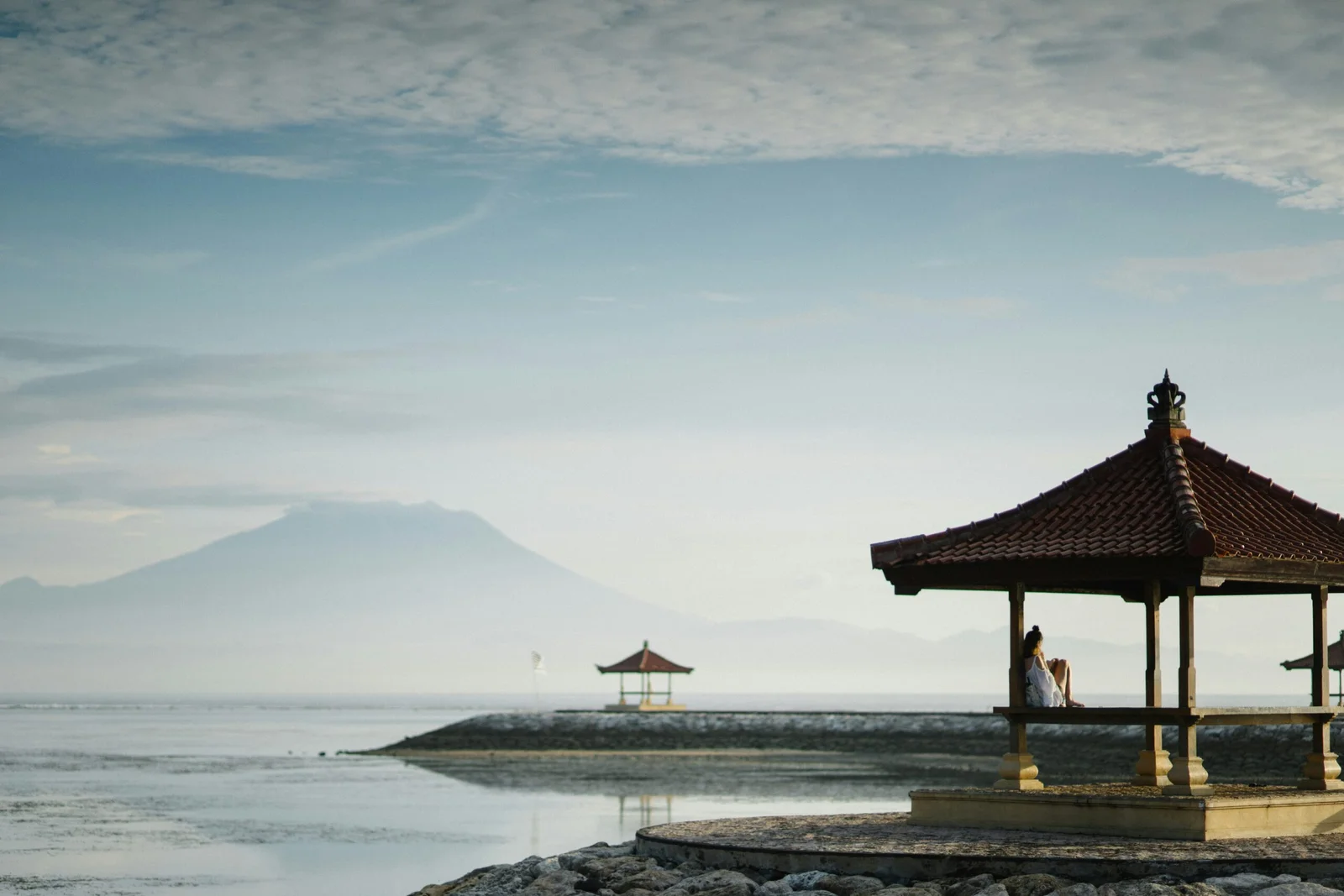
August in Bali is the European summer peak — the school holidays driving the highest tourist volumes of the year into the island’s accommodation, the retreat centres at full capacity, and the dry conditions continuing without interruption. The Mola mola diving at Nusa Penida is still at its reliable season. If Galungan falls in August, the penjor-lined roads add the cultural spectacle to the peak season conditions.
A yoga retreat in Bali in August is the high season at its most intense — requiring the most advance planning and offering the most programme variety in return.


August is the month the European school holidays bring the largest single surge of visitors to Bali — the French, Dutch, German, and Scandinavian families and retreat participants arriving in the fortnight between the national holiday peaks of their respective countries. The Ubud retreat centres manage this by running their programmes at maximum capacity with the most elaborate treatment of the logistical challenges that high demand produces. For the retreat guest who plans well in advance, August is the month the Bali yoga calendar is at its most complete. For those who arrive without reservations, August is the month that humbles them.
Browse our full yoga retreats in Bali guide for the complete picture of what the island offers year-round. For the global context of August retreat travel, our yoga retreats in August guide covers every destination worth considering this month.
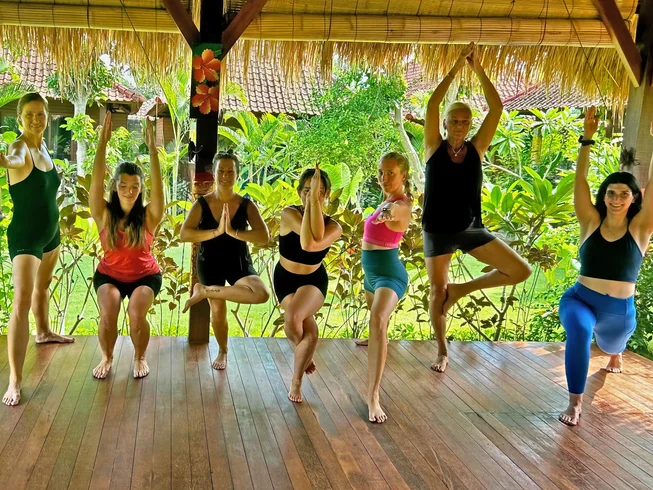
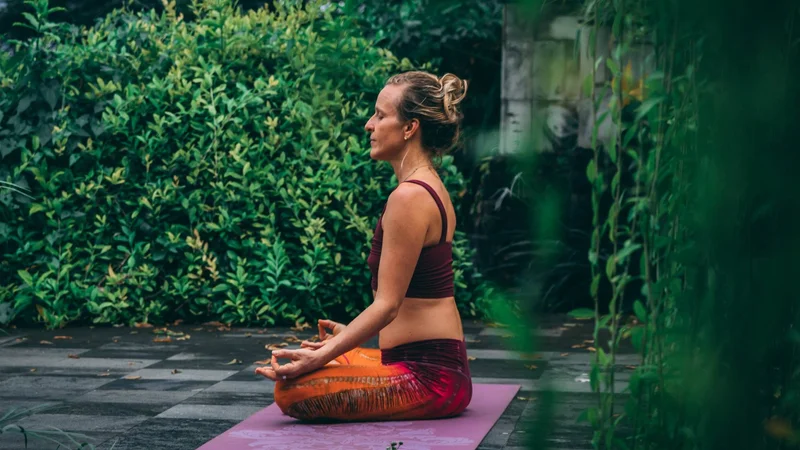
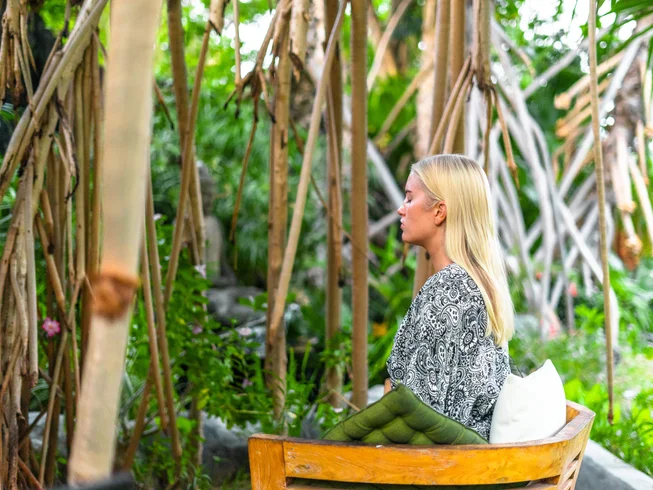

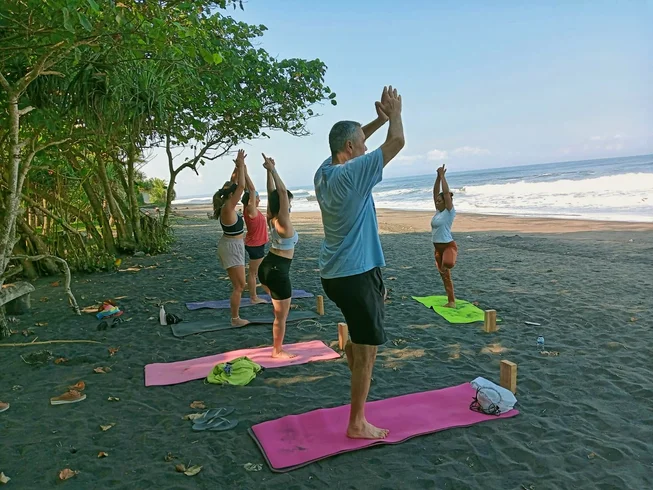
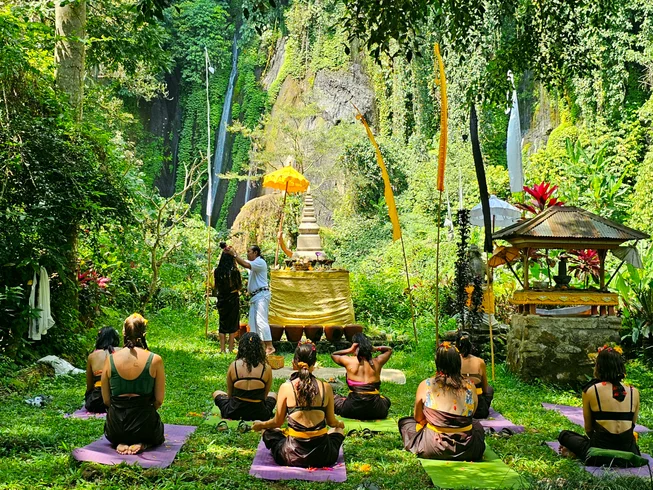
The village communities immediately adjacent to Ubud — Penestanan (the artists’ quarter west of Ubud, accessible by the steep stone path above the river), Nyuh Kuning (the traditional village south of the Monkey Forest Road), and Peliatan (the dance and gamelan village east of central Ubud) — are in August the most intelligent retreat bases for those who want the Ubud yoga community without the central Ubud accommodation pricing and tourist density. The retreat centres in these villages use the proximity to central Ubud (a 20-minute walk or 5-minute bicycle ride) while providing the village atmosphere and the lower pricing that the main street cannot offer.
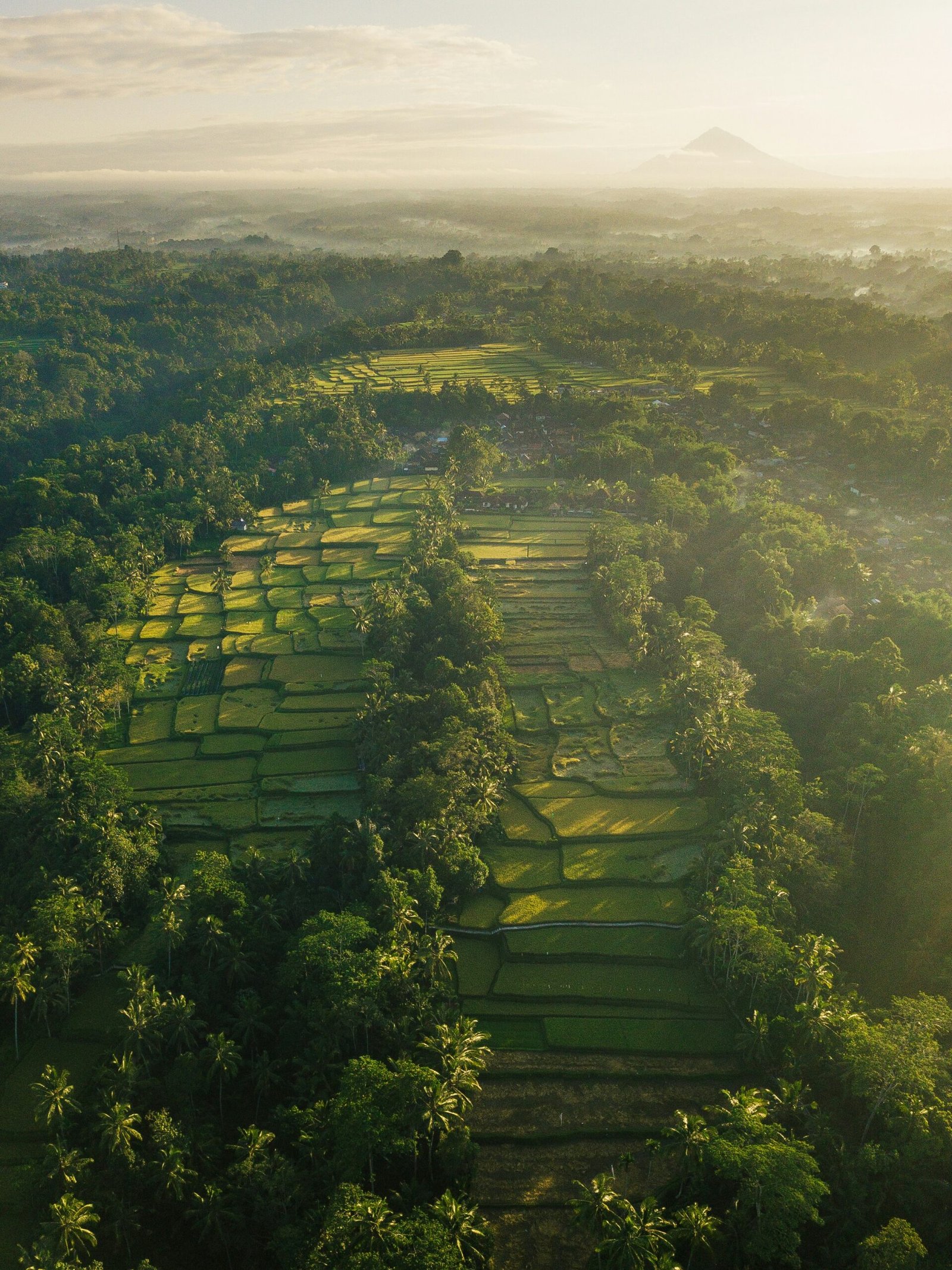
The Penestanan rice paddies in August — the working fields that the path from the main road crosses before descending to the Campuhan river — are in August at the dry season growth stage, the irrigation channels running at measured flow, and the path through the paddies producing the most direct contact with the Balinese agricultural landscape available within 10 minutes of the Ubud café strip.
Sidemen in August is the most effective escape from the peak density of the south and central Bali destinations. While Ubud manages its maximum annual visitor volume and Canggu has every available villa occupied, Sidemen receives a fraction of the same volume and maintains the rice valley character that made it specifically appealing in January. The Gunung Agung views above the valley are in August at the dry season clarity — the volcano visible without the wet season cloud that covers its upper slopes from November through March.
The weaving workshops of Sidemen in August — the endek ikat cloth production visible in the open family pavilions — are in August at their production peak for the Balinese ceremonial cloth that the temple season demand generates. The August Sidemen visit for the weaving culture is more educationally accessible than January because the August temple season creates more demand and therefore more active production visible from the road.
Balangan and Bingin beaches — the limestone cliff-accessed beaches on the Bukit Peninsula between Uluwatu and Jimbaran — are in August specifically good for the intermediate surfer and the retreat guest who wants the cliff-and-beach landscape without the Uluwatu crowd. The Balangan left-hand reef break is in August producing the dry season swell in the 3-5 foot range that makes it the most consistently appropriate intermediate break on the peninsula. The path down the cliff to Bingin beach — the 100 steps carved into the limestone, the warung huts at the bottom, and the world-class Bingin left-hander visible from the beach — is in August producing the concentrated surf culture community that specifically gravitates to the remote-access beaches.
Klungkung — the former royal capital of the most powerful kingdom in Bali’s pre-colonial history, now a market town 40 minutes east of Ubud — is in August at the dry season accessibility of its two major cultural sites: the Kerta Gosa (the Hall of Justice, with the 18th-century ceiling paintings depicting the punishments awaiting the unrighteous in the afterlife — the most elaborate kama imagery in Balinese art) and the Bale Kambang (the floating pavilion in the palace pool). The Klungkung palace complex in August is accessible without the school group management that the peak season produces at the Ubud cultural sites because it is significantly less on the international tourist circuit.
The Goa Lawah (Bat Cave Temple) at the coast south of Klungkung — the sea temple built around the limestone cave whose interior is home to thousands of Malayan cave bats (Cynopterus titthaecheilus) — is in August at the evening emergence activity that makes the bat colony spectacle most dramatic: the bats emerging from the cave in the tens of thousands at dusk, the spiraling column rising above the temple courtyard visible for several kilometres. The Pura Goa Lawah is one of the Sad Kahyangan (six directional temples of Bali) and is in August at its evening ceremony activity for the temple community.
Hari Kemerdekaan — Indonesian Independence Day, August 17th, commemorating the 1945 declaration of independence from Dutch colonial rule — is observed in Bali with the flag-raising ceremonies at government offices, the community sports competitions (the traditional panjat pinang greased pole climbing and the tarik tambang tug-of-war) at the village level, and the patriotic energy of the national holiday. The retreat guest in Bali on August 17th encountering the village celebration — the red and white bunting, the Indonesian flag at every gate, and the community gathered at the village hall — is engaging with the specifically Indonesian (as opposed to Balinese) dimension of the island’s culture.
If Galungan falls in August, the festival coincides with the peak season — the penjor-lined roads of Ubud in the European summer light and the Balinese ceremony alongside the international visitor maximum producing the most photographically dense of all the Galungan occurrences. Check the current Pawukon calendar.
The Uluwatu Kecak performance runs daily in August — the 6pm performance on the clifftop above the Indian Ocean is at its most attended in August, with the sunset timing at the Uluwatu cliff producing the most dramatic sky backdrop of the Bali Kecak season. The August Uluwatu Kecak requires booking the entrance by midday to secure a position in the outer seating area.
Pelecing kangkung — the Lombok and east Bali speciality of blanched water spinach (kangkung, Ipomoea aquatica) dressed with the sambal tomat (tomato-based chilli sauce) and the grated coconut — is in August at the Balinese-Lombok fusion warungs of Canggu and east Bali at its dry season best. The kangkung in August is at the dry season growth stage that produces the most tender shoots, and the sambal tomat from the August tomato harvest of the Kintamani highlands produces the most specific version of this dish available.
Es dawet — the traditional Javanese-Balinese cold drink of pandan jelly (the bright green droplets made from rice flour and pandan leaf juice), coconut milk, and palm sugar syrup poured over shaved ice — is in August the dry season heat remedy most available at the Balinese market stalls and the traditional sweet shops. The pandan leaf at its August flavour intensity, the palm sugar at its August concentration, and the coconut milk from the August coastal plantation trees produce the es dawet in its most specifically seasonal form.
The salak from the Sibetan orchards continues through August in the dry season form — the fruit slightly sweeter and slightly less astringent than the wet season January version, the snake-skin shell more readily available in the August market supply. The belimbing (starfruit, Averrhoa carambola) from the Balinese garden trees is in August at its dry season production — the five-pointed cross-section visible at every market stall, the fruit used in the rujak (spicy fruit salad) and the sauces of the east Java kitchen tradition.
The Goa Lawah bat emergence at dusk — arriving at the Pura Goa Lawah sea temple by 5:30pm, watching the bat colony emerge from the cave in the tens of thousands as the sun drops toward the Lombok Strait, the spiraling column of bats visible against the August evening sky — is the August east Bali cultural and wildlife experience that the western tourist circuit rarely incorporates. The temple ceremony that the resident priest conducts at the cave entrance as the bats emerge adds the specifically Balinese spiritual dimension to what is simultaneously a natural spectacle.
The Ayung River rafting (see July guide) continues in August at the dry season water level — the rapids consistent, the gorge accessible, and the half-day excursion from Ubud managing the peak season demand by running multiple departure groups through the morning. Book the early morning departure (7am) for the smallest groups and the most specific canyon experience.
The August 17th village celebration — the panjat pinang (greased pole climbing, where the community teams compete to retrieve the prizes attached at the top of the palm oil-greased bamboo pole) and the tarik tambang (tug-of-war between village teams) at the village hall or the main field — is the August Bali community event that requires no planning beyond walking to the nearest village hall on the morning of August 17th. The event is one of those specifically Indonesian domestic celebrations that the retreat context makes genuinely accessible rather than performative.
August continues the July conditions almost without variation — the southeast trade winds maintaining the dry, clear, and pleasantly breezy weather that makes the Balinese dry season so specifically comfortable. Temperatures in south Bali hold at 25 to 30°C, and Ubud stays at 21 to 27°C. The evenings in Ubud in August are the coolest of the year, sometimes dropping to 18°C. There is no rain.
The Bukit Peninsula breaks — Uluwatu, Bingin, Balangan — are receiving the dry season swell at its most consistent, and the offshore trade winds create the clean wave conditions that the surf community specifically comes to Bali for. The Nusa Penida Mola mola season continues at full production. The USS Liberty wreck at Tulamben is at its maximum annual visibility. The sea transfers to the outer islands are at their calmest and most reliable of the year.
Your email address will not be published. Required fields are marked *