
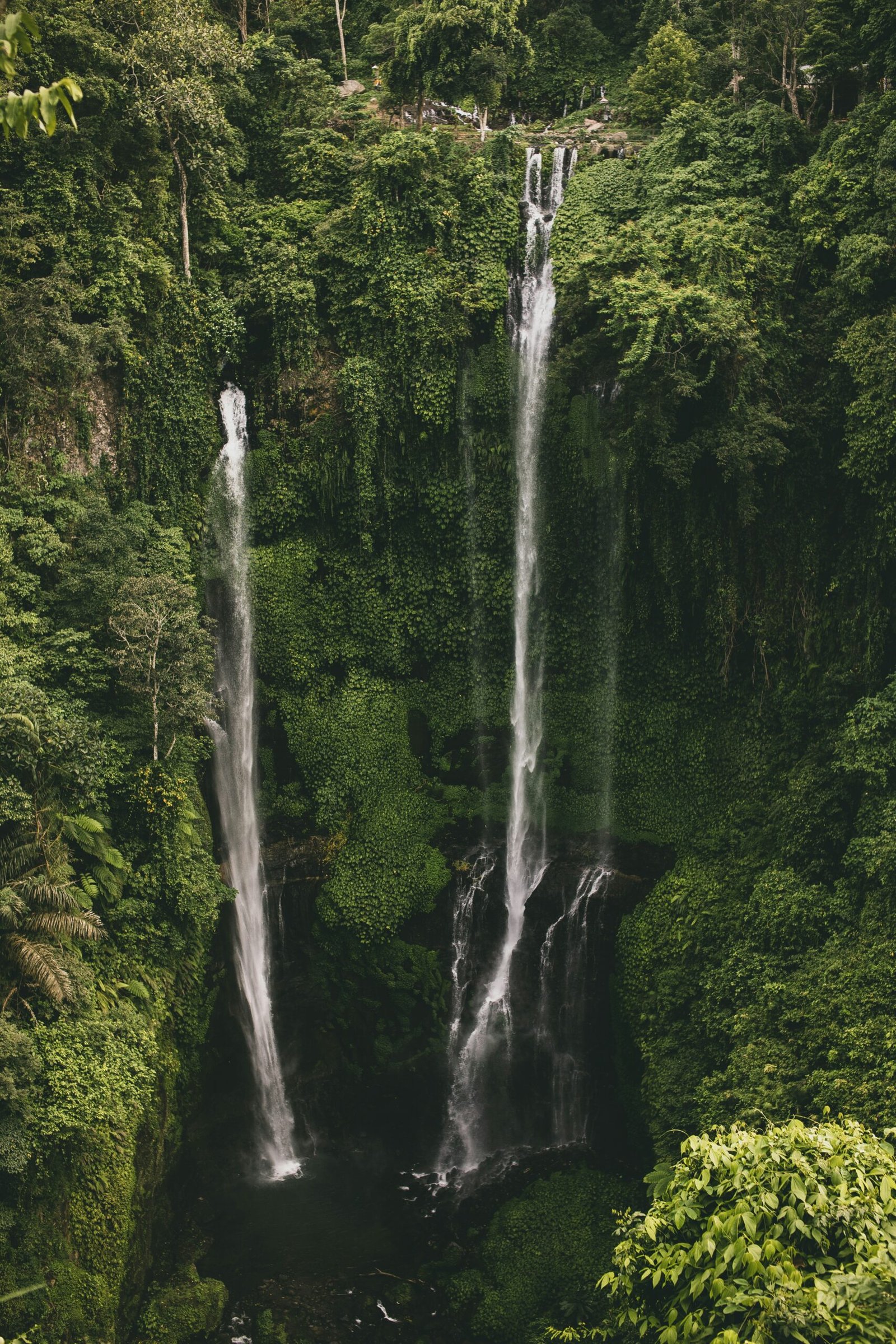
December in Bali divides into two distinct experiences. Early December (December 1-20) shares November’s relative quiet and pre-peak pricing — the wet season establishing, the retreat centres available, and the island before the Christmas rush.
Christmas week (December 21-January 1) is the second peak of the Bali year — prices comparable to July, the retreat centres at capacity, and the international end-of-year community arriving for the New Year solstice programmes. Both versions of December are worth knowing before booking.


December is the month Bali manages its two competing characters simultaneously — the wet season deepening as the January rains approach, and the Christmas-New Year international community arriving for the island’s most festive period.
The retreat programmes that specifically address the year’s end — the winter solstice practice on December 21st, the year-end reflection retreats, and the New Year sunrise meditation on January 1st — draw the most internationally intentional retreat community of the year. The wet season provides the rain that makes the December landscape vivid before it becomes the January green that defines the island’s most beautiful season.
Browse our full yoga retreats in Bali guide for the complete picture of what the island offers year-round. For the global context of December retreat travel, our yoga retreats in December guide covers every destination worth considering this month.
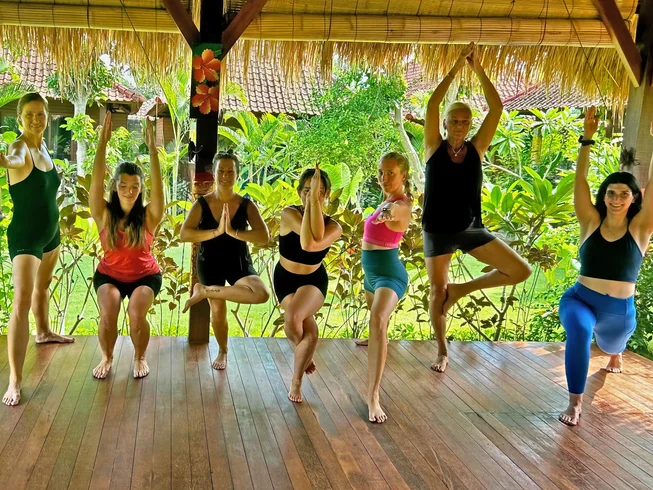
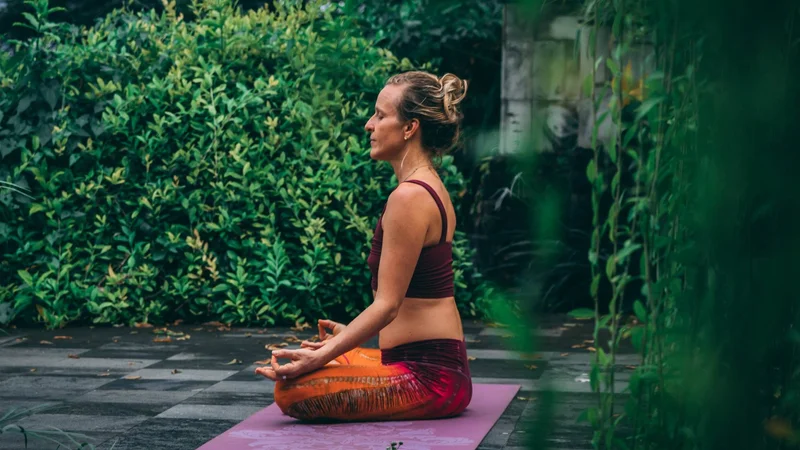
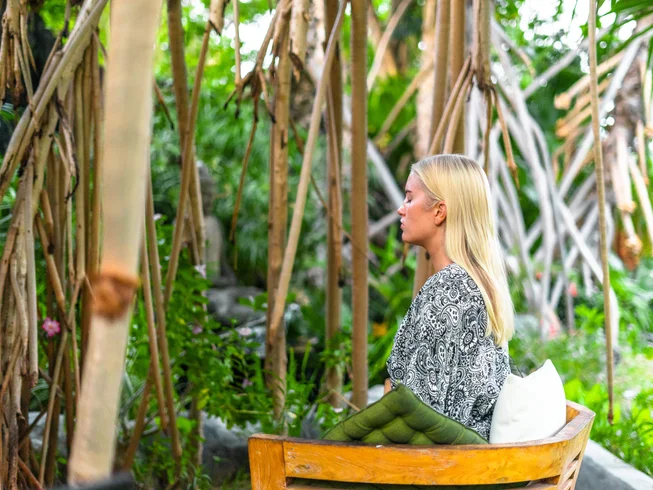
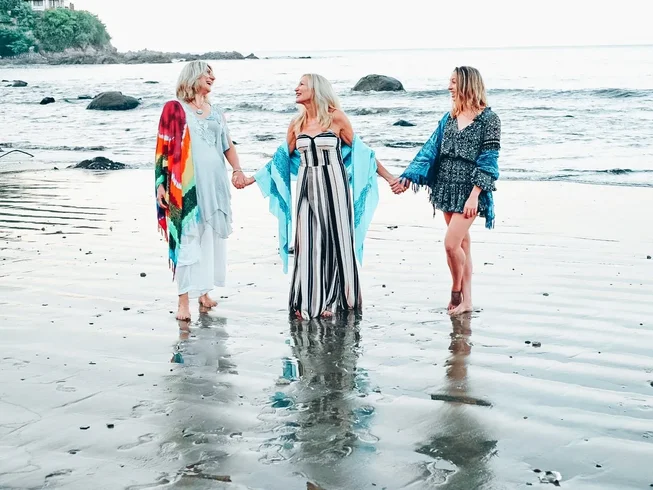
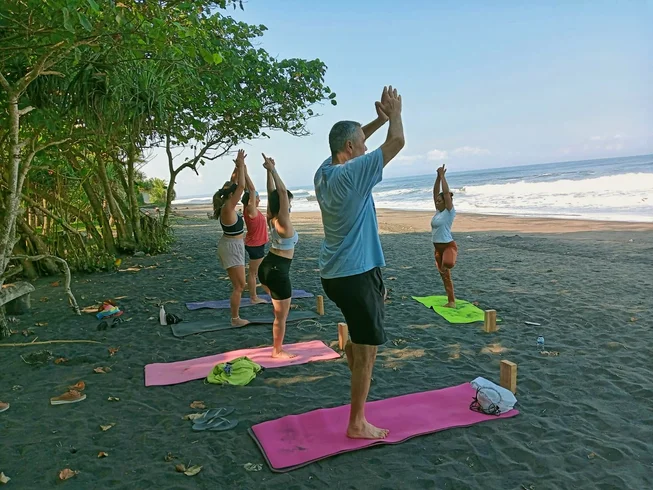
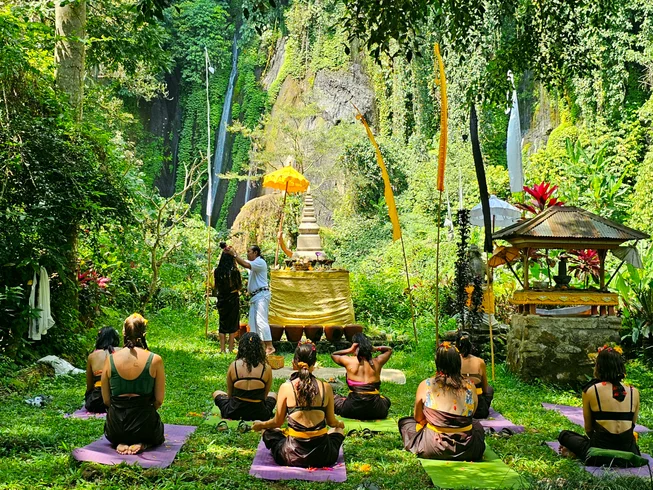
Ubud in the last week of December is the most internationally concentrated yoga and wellness community of the Bali year — the practitioners who specifically chose Bali for the year’s turning arriving alongside the long-term Ubud community, the retreat centres running their most ambitious year-end programmes, and the solstice and New Year cultural events producing the most deliberate end-of-year practice context available in Southeast Asia.
The winter solstice practice on December 21st at the Ubud retreat centres — the dawn practice before sunrise, the collective intention-setting, and the specific awareness of the astronomical threshold — is specifically Ubud in December. The combination of the Balinese spiritual context (the ceremonies, the offerings, the temple sounds audible at dawn from the valley below) and the international retreat community gathered for the year’s turning produces a December 21st in Ubud that no other destination replicates.
The early December Ubud (December 1-20) is at the most quiet and most affordable of the post-November shoulder — the retreat centres with availability, the teachers focused, and the Christmas-New Year participants not yet arrived. The retreat that uses early December to avoid both the high season prices and the holiday energy gets the Ubud community at its most locally rooted.
Canggu in the last week of December is at the beach culture version of the year-end retreat — the Echo Beach countdown events, the beach club New Year parties, and the surf community gathering for the year’s final sessions at Batu Bolong producing the most socially animated of the Bali December experiences. For retreat guests who want the New Year energy in its most festive coastal form, Canggu provides the combination of morning yoga practice, afternoon surf, and the New Year countdown on the beach.
The December Canggu surf is in the wet season transition — the southwest swell returning as the trade winds shift, the beach break at Batu Bolong producing the variable but occasionally excellent conditions that the transition season generates. The surf in December is less consistent than July but more powerful on the good days.
Seminyak in December is at its second pricing peak of the year — the luxury villas and the five-star beach hotel suites at December-January rates that approach the July maximum. For retreat guests who specifically want the luxury wellness format for the year-end period, December Seminyak provides the most developed spa and pool infrastructure of the island alongside the beach strip restaurants and the year-end programming of the major wellness hotels.
The Oberoi Bali and the W Bali Seminyak — the most established of the Seminyak luxury properties — are in December running their New Year’s Eve gala and New Year’s Day programme that the retreat guest who is embedded in the hotel retreat format can access alongside the regular programme.
Padangbai — the port town on the east Bali coast, the departure point for the ferries to Lombok and the fast boats to the Gili Islands — is in December at the contrast version of the Canggu and Seminyak year-end: a working Balinese port town with the diving and snorkelling culture of the Blue Lagoon and the Bias Tugel beaches, the ferry traffic providing the rhythm rather than the beach club schedule. The retreat centres in the hills above Padangbai, and the small dive-focused guesthouses of the waterfront, are in December running programmes that the year-end community has not yet discovered in volume.
The Blue Lagoon Bay at Padangbai — the small cove with the white sand and the coral reef accessible by snorkel from the beach — is in December at the transition season sea conditions: occasional swell from the wet season weather, but the reef accessible on the calm mornings with the specific marine life (the blue-ribbon eel, the ornate ghost pipefish, and the leaf scorpionfish that the Blue Lagoon micro-habitats support) at their December activity level.

The winter solstice — the shortest day of the year in the northern hemisphere — is observed by the international retreat community in Ubud and Canggu with the dawn practices, the solstice circle ceremonies, and the year-end intention-setting that the astronomical threshold enables. In the tropics, the day length variation is minimal — December 21st in Bali has approximately the same sunrise and sunset time as June 21st — but the solstice significance as a threshold is culturally and practically real for the international retreat community. The Yoga Barn’s solstice programme and the independent studio events on December 21st in Ubud are the most specifically organised of the December cultural programme.
The Balinese Hindu community does not celebrate Christmas as a religious occasion but acknowledges the festive energy of the December international visitors — the larger temple complexes (Besakih, Tanah Lot, Uluwatu) have their Balinese-format ceremonies on their own calendars regardless of the Christian holiday. For retreat guests in Bali at Christmas, the December temple ceremony at the nearest Odalan-active temple provides the Balinese cultural context that is simultaneously present and specifically its own tradition.
December 31st in Bali produces the most elaborate fireworks display in Southeast Asia — the Seminyak and Canggu beach clubs running their countdown events, the Ubud retreat communities gathering for the midnight meditation and the New Year intention practice, and the beach at Kuta producing the public countdown that the Balinese and international community share simultaneously. The retreat that programmes the New Year midnight moment deliberately — the practice session building toward midnight, the shared intention, and the January 1st dawn practice — is using December in Bali at its most intentional.
Pura Tanah Lot — the sea temple on the rocky offshore formation at the Tabanan coast, the most photographically iconic of the Balinese temples — has its Odalan at specific points in the Pawukon calendar. When the Tanah Lot Odalan falls in December, the ceremony at the sea temple with the sunset behind the rock and the December wet season cloud formations above produces the most dramatically atmospheric of all the Tanah Lot ceremonial evenings available.
The year-end retreat kitchen in December Bali is at the most internationally creative of any month — the retreat centres running their Christmas Eve and New Year’s Eve special dinners with the combination of the Balinese ceremonial food tradition and the international creative kitchen that the retreat community produces. The nasi tumpeng (the conical yellow rice mound of the Indonesian celebration tradition, with the accompaniments arranged around the base) is the most specifically Indonesian of the Christmas Eve special table options at the Balinese retreat centres.
Bubur ketan hitam — the Balinese black glutinous rice porridge, cooked with the pandan leaf and the palm sugar until thick, then served with the coconut milk poured over — is in December the most specifically Balinese of the sweet breakfast or dessert preparations. The black rice (actually deep purple from the anthocyanin pigment in the bran) at the post-harvest stage of November-December is at its freshest from the highland harvest that the October planting cycle has produced.
The New Year’s Day Balinese morning at the retreat centre has the specific tradition of the buah (fresh fruit) and the jaja (rice cakes) at the family shrines — the first offerings of the new year visible at the household gate shrines and the village temple entrance throughout the Ubud area. The retreat kitchen that acknowledges the Balinese New Year morning with the fresh tropical fruit and the local jaja from the market is connecting the retreat’s year-end intention to the Balinese cultural practice that surrounds it.

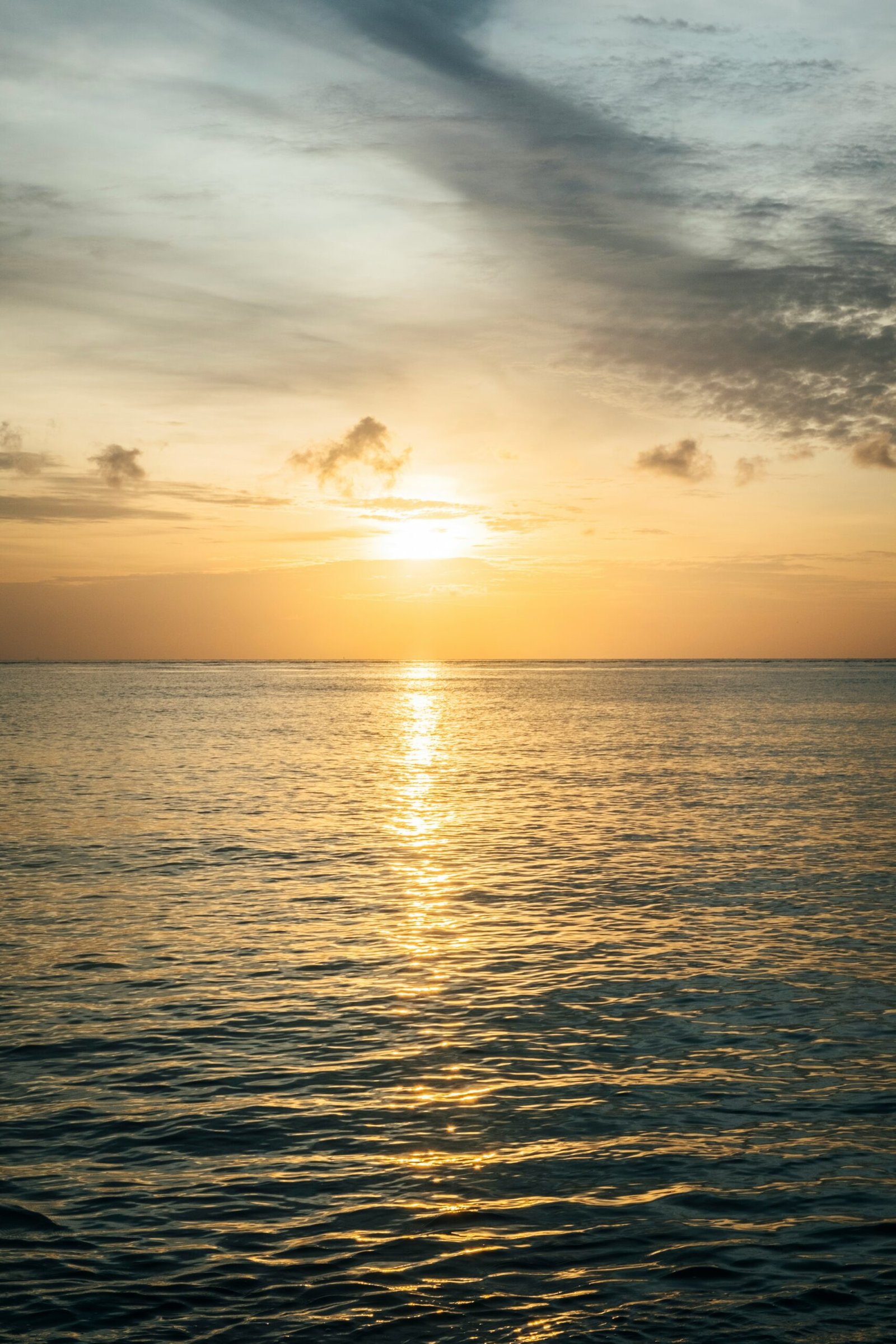
The December 21st dawn practice — the 5am session at the retreat shala as the sky begins to lighten over the Ubud valley, the collective intention-setting for the year ahead, and the awareness of the winter solstice as the astronomical threshold — is the most specifically December retreat activity available in Bali. The combination of the Balinese spiritual environment (the dawn temple sounds, the offering smoke visible from the village shrines) and the international community’s year-end intention produces the December 21st moment that the retreat specifically enables.
The New Year sunrise meditation — January 1st at dawn on the Seminyak or Canggu beach, or the Jimbaran beach that the hotel retreat programmes use — is the most specifically December-turning-January of the Bali retreat activities. The January 1st sunrise in Bali occurs at approximately 6:10am, and the beach meditation assembled before first light and sitting through the sunrise produces the year’s beginning in its most directly experienced form.
The Tanah Lot sunset in December — the most iconic Balinese temple viewed against the Indian Ocean at dusk, the December wet season cloud formations producing the most dramatically coloured of the Tanah Lot sunset skies — is in early December specifically accessible without the July crowd management that the site requires. The early December visit (December 1-20) to Tanah Lot at the 5pm-6:30pm sunset window has the post-shoulder-season tourist volume that makes the cliff-edge viewpoint accessible without the July standing-room conditions.
December divides as clearly as the retreat market does. The first three weeks have the wet season establishing — afternoon rain arriving daily, particularly in south Bali and the centre of the island, with mornings that are often still clear. Temperatures in south Bali are 27 to 31°C and Ubud runs at 23 to 28°C. The east coast — Padangbai, Candidasa, Amed — is drier than the south, and morning boat trips to the outer islands are generally feasible in the calmer morning windows.
By Christmas week, the wet season is firmly in place. The rain is more frequent and the humidity is back at the full wet season level, though it rarely falls all day as January’s heaviest rains do — December rain typically arrives in the afternoon and clears by evening.
The surf on the southwest-facing Bukit Peninsula breaks is strengthening again as the southwest swell returns with the seasonal wind shift, and conditions at Uluwatu and Padang Padang improve through the second half of the month.
Your email address will not be published. Required fields are marked *