
March is the transition month in the wellness calendar. The deep winter treatments — the contrast bathing, the warming protocols, the inward-focused rest — begin to give way to something more active.
The body has recovered from December and is ready to participate rather than simply receive. A wellness retreat in March catches this shift at exactly the right moment.


March in the Dolomites is the transition month — the ski season still running, the spa programme still at full winter capacity, but the days lengthening noticeably and the first hints of the spring hiking season visible in the lower valley paths that the snow has begun to clear. For those who want the full alpine winter wellness experience without the Christmas period prices and crowds, March is the last good window.
Our wellness retreats in the Dolomites guide covers the full range of properties. For the broader Italian picture in March, our wellness retreats in Italy in March covers Tuscany, Campania, Puglia, and Umbria alongside the Dolomites. Browse the full wellness retreat collection for every destination.
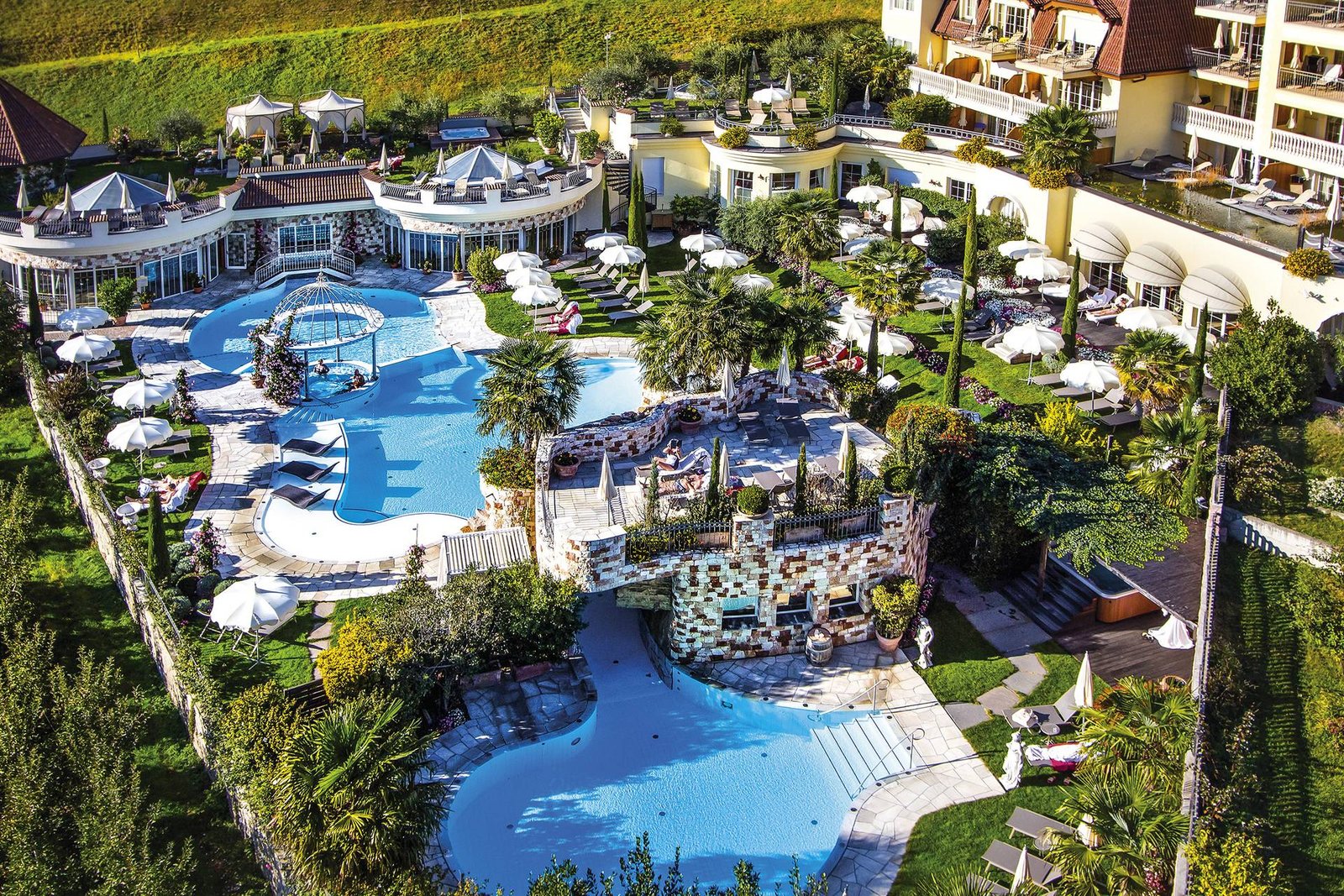

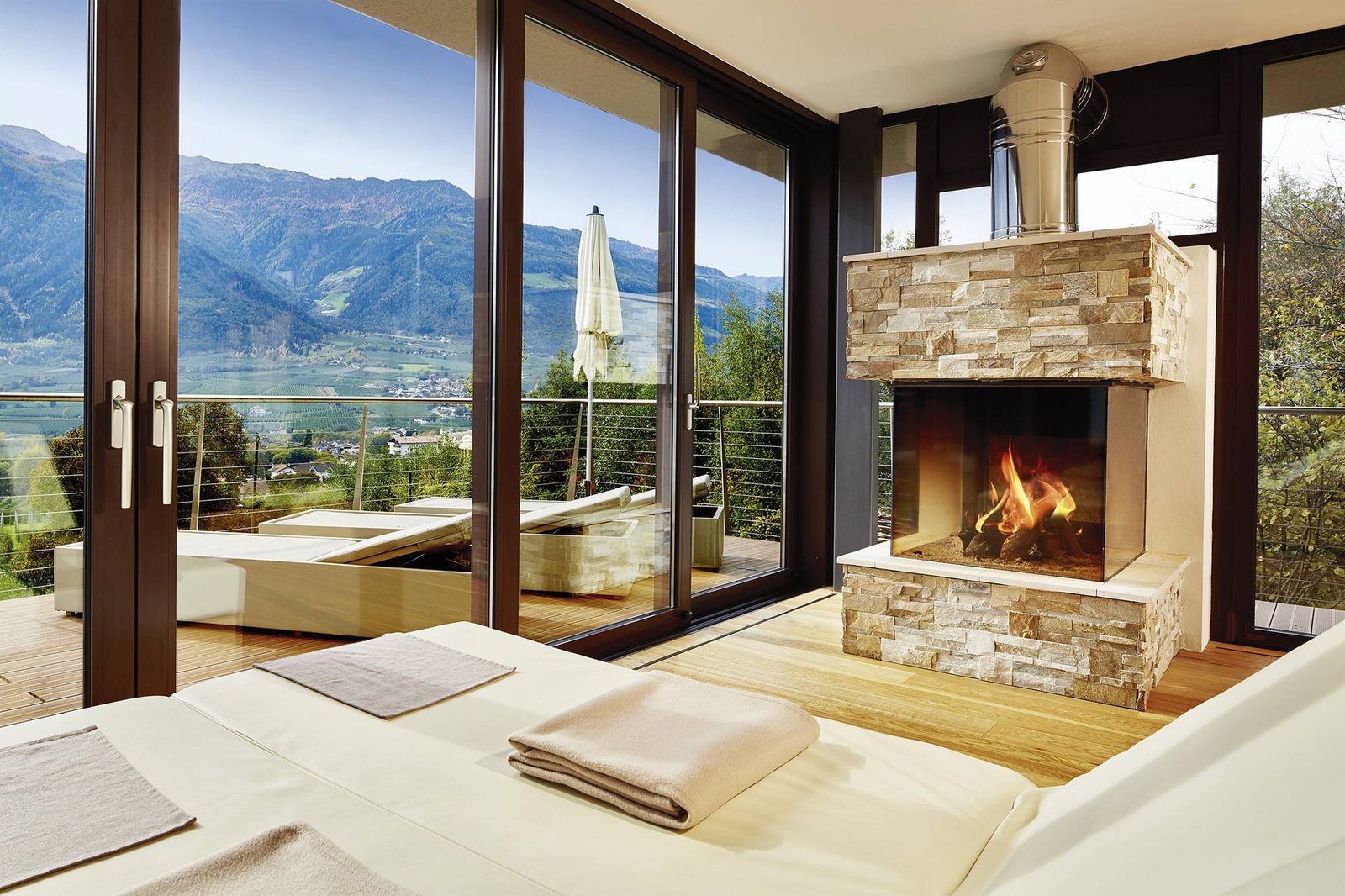

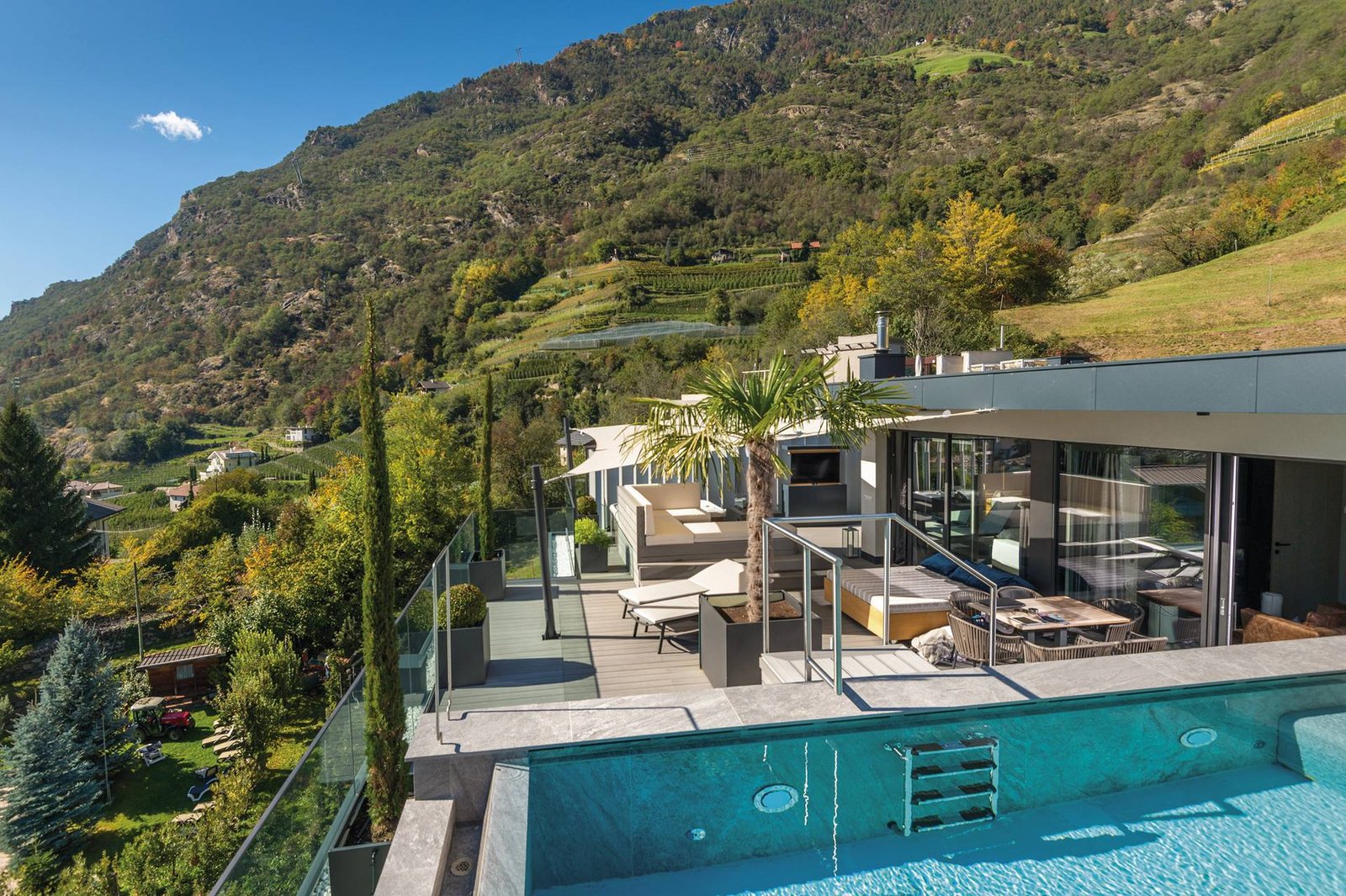
March in the Dolomites is the last month of the full winter spa season and the first month that the outdoor programme begins to extend beyond snowshoeing. The lower valley paths are clearing, the first botanical walks identifying the emerging alpine herbs are possible in sheltered spots, and the contrast between the snow still deep on the high peaks and the spring beginning in the valleys produces a landscape quality specific to this month.
The thermal and sauna programme remains at full winter capacity through March — the outdoor pools still producing their most dramatic steam, the hay bath still using the dried herbs from the previous summer’s harvest, and the Aufguss ceremony still running multiple daily sessions. The ski infrastructure is in operation through late March depending on snow conditions. A wellness week in March that combines the morning spa circuit with afternoon skiing or snowshoeing, and adds an evening guided walk as the lower paths clear toward the end of the month, is using the Dolomites at a genuinely transitional moment.
Tuscany in March is doing two things simultaneously that the other months cannot combine. The thermal springs at Saturnia and Bagno Vignoni are still accessible without the summer crowds, but the landscape around them is beginning to green: the Val d’Orcia in March has the first wildflowers on the cypress-lined roads, the wheat fields beginning to colour, and the quality of light that painters have always preferred — lower than summer, warmer in tone, and specifically beautiful in the early morning on the Crete Senesi hills.
The agriturismo culture of Tuscany is in March starting to reopen after winter, and the farmhouse retreat centres that source from their own gardens have the first spring produce — wild asparagus from the hillside, the last of the winter black truffle before the season closes, and the new-season olive oil that has been settling in the bottles since November. A thermal soak at Saturnia at dawn followed by a morning at a Chianti agriturismo and an afternoon at the Montalcino wineries is a specifically March Tuscan wellness day that neither winter nor summer quite replicates.
March is the last comfortable month across most of India before the heat arrives, and the Ayurvedic retreat infrastructure responds accordingly — programmes running at full capacity in the knowledge that April will bring the heat that makes outdoor practice and the more intensive treatment protocols genuinely difficult. Kerala in March has the southwest coast at its best: the backwaters calm, the Ayurvedic centres in the traditional towns of the central highlands and the beach resort towns of Kovalam and Varkala running their spring programmes.
The Kerala Ayurvedic tradition in March is worth understanding as a genuine medical system rather than a spa treatment. Panchakarma — the five-action cleansing protocol that forms the core of traditional Ayurvedic treatment — involves specific dietary preparation, herbal oil treatments applied systematically over multiple days, and therapeutic procedures that address constitutional imbalances through a carefully sequenced programme. A genuine Panchakarma programme requires a minimum of 7-14 days and is administered under the supervision of an Ayurvedic physician. The March timing is specifically good: the heat that accelerates the cleansing reactions has not yet arrived, and the post-monsoon landscape of Kerala is at its cleanest and most specific.
Rishikesh in March has the Ganges at its pre-monsoon clarity, the ashrams and yoga schools in full spring operation, and the International Yoga Festival in the first week of March — the most concentrated gathering of teachers and practitioners in the world — generating energy that the surrounding wellness retreats can participate in or deliberately step back from depending on what the week requires.
March in Bali sits at the end of the wet season — the rains are becoming less frequent, the landscape is intensely green, and the tourist pressure that peaks in July and August is at one of its lowest points of the year. The wellness retreat centres of Ubud are in March at their spring programming: the rice terraces bright green from the rains, the retreat groups small and more locally-rooted than the July international crowd, and the prices significantly below peak season.
The Balinese spa tradition in March draws on ingredients that the wet season produces in abundance: fresh turmeric from the gardens, the coconut oil that Balinese massage has always used, the frangipani and jasmine that flower through the rainy season, and the specific aromatic herbs of the Jamu tradition (the Indonesian herbal medicine system) that are most available and most fresh in the months when the island has been well-watered. The traditional Balinese massage — using long strokes and palm pressure rather than the thumb-pressure of Thai massage — is at its most fragrant in March when the fresh flower offering that accompanies the treatment uses the blooms that the wet season produces most generously.
The Balinese ceremony calendar in March is active — the Nyepi (Day of Silence) typically falls in March, the one day of the year when the entire island shuts down completely, no lights, no movement, no noise. For retreat guests present on Nyepi, the experience is unlike anything else in wellness travel: 24 hours of enforced collective stillness, the most radical version of the digital detox that any retreat can offer.
Morocco in March is in its best retreat window of the year. The post-winter temperatures (18-24°C in Marrakech, warmer in the south) are ideal for outdoor morning practice and afternoon excursions. The Atlas foothills are in March producing the wildflower display that the summer visitors never see — the Ourika Valley south of Marrakech with the almond and cherry orchards in late blossom, the hillsides above Imlil with the first spring wildflowers on the mountain slopes.
The hammam culture in March has the specific quality of the season: warm enough that the transition from the hot room to the cool air outside is no longer the January shock, cool enough that the heat of the traditional hammam still feels genuinely therapeutic rather than simply warm. The traditional hammam circuit in Marrakech — beldi soap, kessa exfoliation, ghassoul clay mask, argan oil massage — is in March accessible without the summer density and at prices that reflect the shoulder season rather than the peak.
The Moroccan wellness calendar in March includes the first preparations for the rose harvest — the Dades and M’Goun valleys east of Ouarzazate, where the Damask rose is harvested for rosewater and rose oil, begin the pre-harvest preparations in March, and the retreat programmes that use the rose-producing region as a base are in March combining the wellness circuit with a landscape that is specifically of this month.
The concept of the spring detox has accumulated so much wellness marketing that the underlying physiology is worth restating clearly. The liver — the primary detoxification organ — operates continuously and does not accumulate toxins in the dramatic way that the cleansing retreat industry sometimes implies. What does change seasonally is the liver’s metabolic load and its access to the substrate it needs to function efficiently.
Through winter, the liver has been managing a higher fat intake (the seasonal diet naturally shifts toward heavier foods), lower antioxidant intake (fewer fresh vegetables and fruits available), and potentially higher alcohol and sugar consumption. The cumulative effect is not toxicity in a clinical sense but a reduction in metabolic efficiency that is measurable in energy levels, skin quality, and the general sense of heaviness that late winter produces.
What the spring detox actually addresses is this accumulated metabolic inefficiency. Research on the hepatoprotective properties of specific plant compounds has documented the mechanisms by which bitter plants — artichoke, dandelion, milk thistle — support liver function by stimulating bile production and protecting hepatocytes from oxidative stress. These are not dramatic interventions but consistent ones, and a March wellness retreat that incorporates these plants in their fresh spring form — the wild dandelion greens from the hillside, the first artichokes from the coastal gardens — is doing something nutritionally specific rather than generically seasonal.
The kidneys benefit similarly from the shift to lighter, more hydrating foods that spring naturally produces: the cucumbers and fresh herbs of the March kitchen, the reduction of the heavy salt-preserved foods of winter, and the increase in fresh water intake that warmer temperatures prompt. A week of deliberately lighter eating in a structured retreat environment, combined with the movement and rest that the programme provides, produces results that feel disproportionate to the apparent simplicity of the intervention.
The wellness retreat movement programme in March is specifically different from January’s restorative emphasis and July’s heat-management challenge. The body in March is rested enough to participate actively but not yet at the summer’s full capacity, making it the ideal moment for the kind of progressive activation that produces the most durable physical results.
The outdoor movement that was impossible or uncomfortable in January becomes in March the specific advantage of the month. Morning yoga on the terrace of a Tuscan agriturismo, a guided wildflower walk in the Moroccan Atlas foothills, a sunrise hike to the viewpoint above the Dolomite valley as the lower paths clear of snow: these are activities that the programme builds around rather than schedules despite the season. The body in March moves better than it did in January and is more available for depth than it will be in July — it is, in a sense, the most cooperative moment of the year for a wellness programme that includes both active and passive elements.
Research on exercise and immune function has documented the specifically immunomodulatory effects of moderate-intensity movement — a finding that is particularly relevant in March, when the transition between winter and spring immunity is a real physiological event. The post-winter immune system benefits from the progressive activation that March movement provides, and the wellness retreat that builds this into its programme is addressing a seasonal need rather than simply adding an exercise component.

March eating follows the body’s actual seasonal transition rather than the calendar’s. In the warmer Mediterranean destinations, the first spring ingredients are already available by mid-month: wild asparagus from the hillsides of Tuscany and the Peloponnese, the fresh broad beans that the Italian and Greek traditions eat raw with young pecorino cheese, the first artichokes from the coastal gardens. In the cooler northern destinations — the Dolomites, Iceland, Japan in March — the winter kitchen continues, but lighter preparations become appropriate as the month progresses.
The bitter spring greens that March produces are specifically worth incorporating for their liver-supportive properties. Radicchio, wild chicory, dandelion greens, and the specifically Cretan stamnagkathi (a bitter chicory variety foraged from the hillsides) all contain the choleretic compounds that stimulate bile production and support the liver’s spring recalibration. Blanched with olive oil and lemon in the traditional Greek and Italian preparation, they are genuinely good food that happens to be genuinely good medicine.
Fermented foods deserve specific mention in March. The gut microbiome, still recovering from the winter’s dietary excess, benefits from the introduction of diverse live cultures — the miso that the Japanese spring kitchen uses generously, the yogurt and kefir of the Mediterranean and Caucasian traditions, the naturally fermented vegetables that Korean and central European food cultures have always used as spring digestives. A retreat kitchen that incorporates fermented foods deliberately in March is addressing a seasonal nutritional need with ingredients that taste good and cost nothing remarkable.
Your email address will not be published. Required fields are marked *