Die Welt
Bali ist der einzige Ort auf der Welt, dessen gesamte Kultur auf der Idee basiert, dass das Spirituelle und das Alltägliche eins sind. Jede Opfergabe am Tempeltor, jede Zeremonie im Banjar-Komplex, jeder Gamelan-Ton bei der abendlichen Probe ist eine Form der spirituellen Praxis.
Die hier versammelten Rückzugsorte sind Teil dieser Kultur, nicht nur neben ihr. Sie nutzen sie als Voraussetzung für die Arbeit, nicht als Kulisse.
Bali ist außerhalb Indiens das am besten entwickelte Yoga-Retreat-Ziel weltweit – und das seit dreißig Jahren. Die Infrastruktur ist hier fest verankert: Der Unterricht ist anspruchsvoll, die Unterkünfte sind speziell auf das Retreat-Format zugeschnitten, und der kulturelle Kontext bietet eine Unterstützung, die eigens dafür errichtete Wellness-Resorts in anderen Ländern mit enormem Aufwand zu simulieren versuchen. Allen hier vorgestellten Retreats ist gemeinsam, dass Bali bereits einen Großteil der Arbeit leistet. Das Programm hilft Ihnen, sich ganz auf Ihre innere Ruhe zu konzentrieren.
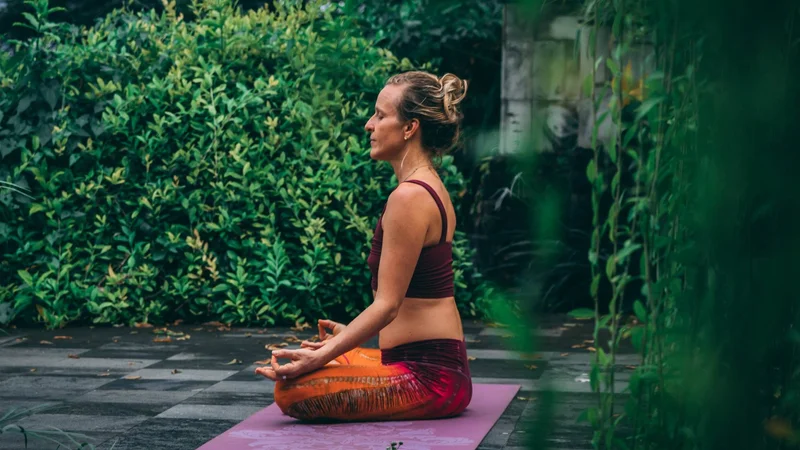
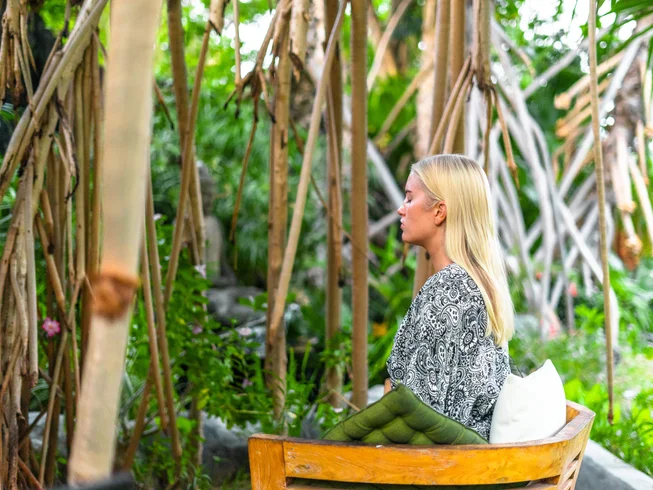

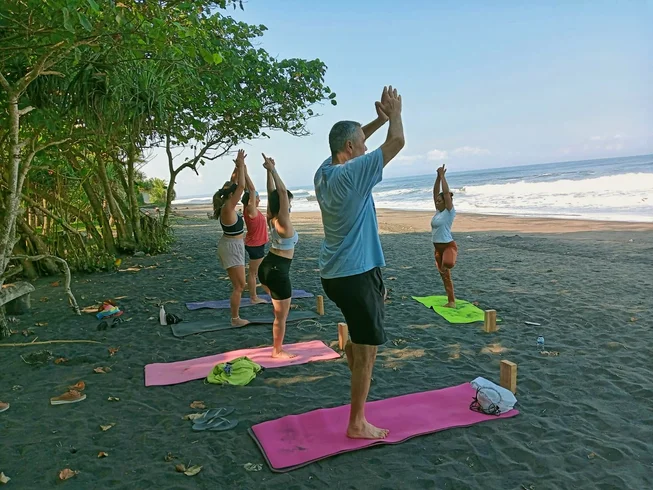
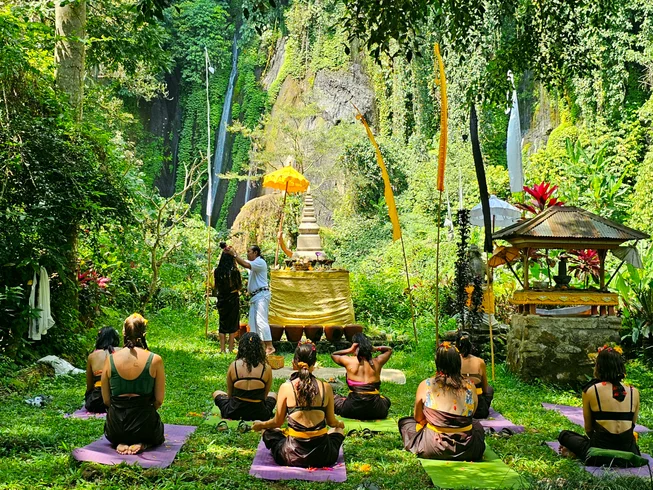
Bali ist der einzige Ort auf der Welt, dessen gesamte Kultur auf der Idee basiert, dass Spiritualität und Alltag untrennbar miteinander verbunden sind. Jede Opfergabe am Tempeltor, jede Zeremonie im Banjar-Komplex, jeder Gamelan-Ton bei der abendlichen Probe ist eine Form der spirituellen Praxis. Die hier gesammelten Retreats sind Teil dieser Kultur, nicht nur neben ihr. Sie nutzen sie als Grundlage für ihre Arbeit, nicht als Kulisse.
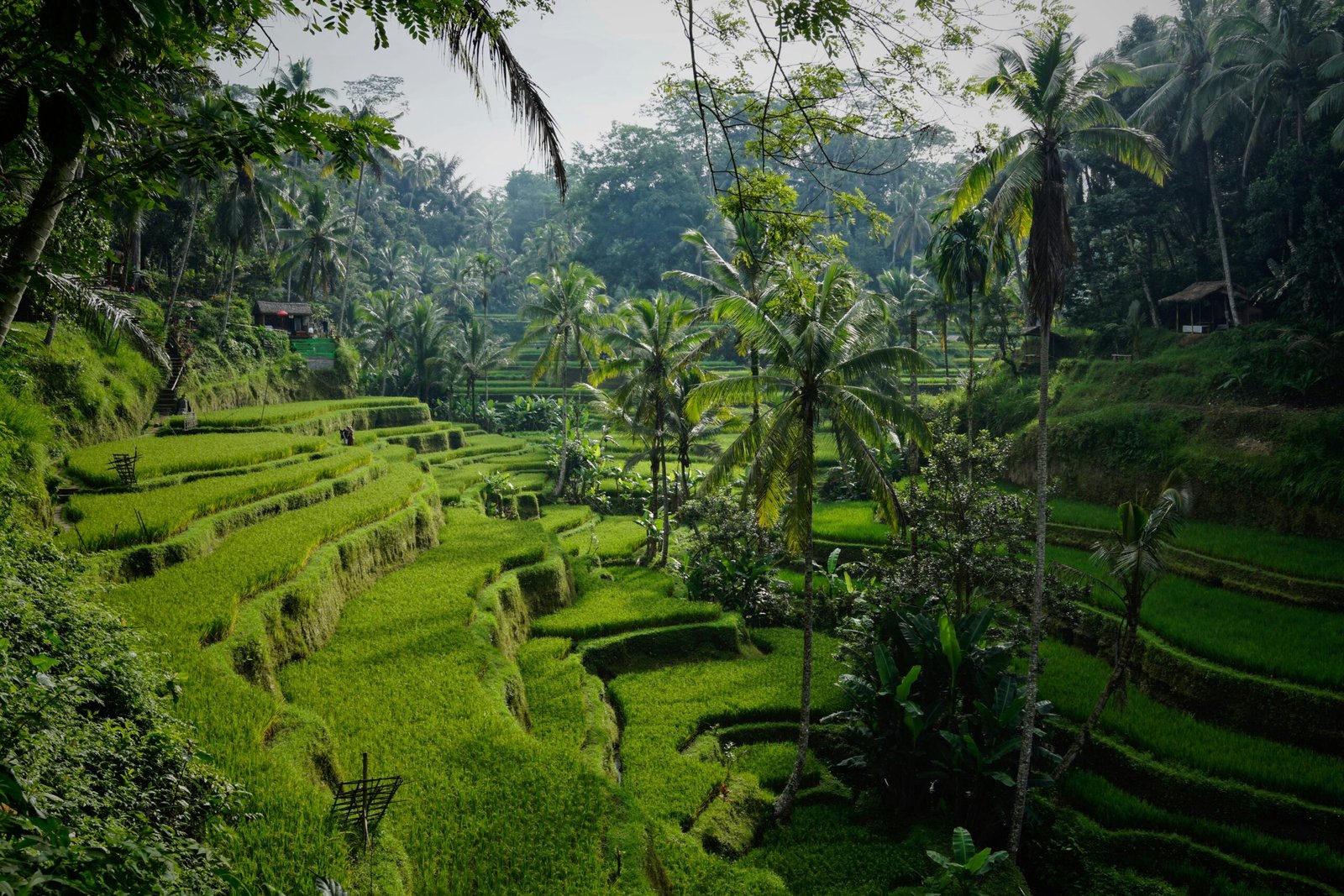
Ubud — die Kulturhauptstadt von Bali, im zentralen Hochlandplateau bei 300 Meter, Umgeben von Reisterrassen, Flussschluchten und der größten Dichte an Yogalehrern, Heilern und spirituellen Praktizierenden der Insel, ist es der international bekannteste der balinesischen Retreat-Standorte und derjenige, der am direktesten das liefert, was das Konzept des Yoga-Retreats verspricht.
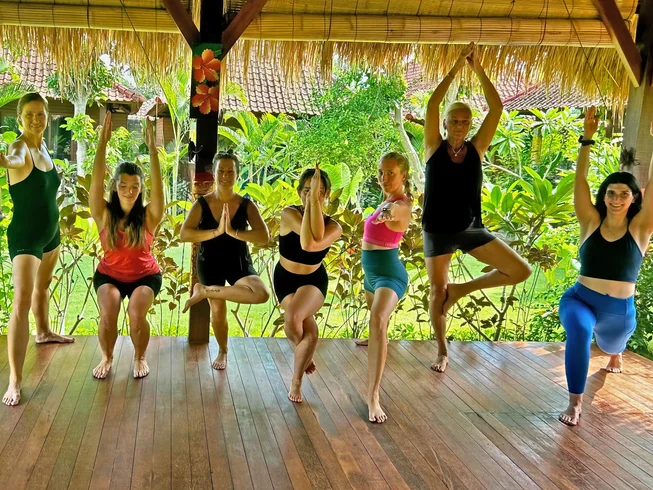
Die Retreatzentren von Ubud reichen von dem international bekannten (der Yoga Barn mit ihren zahlreichen täglichen Kursen und ihrer ansässigen Lehrergemeinschaft) bis hin zu den intimen, familiengeführten Shalas in den Reisterrassendörfern. Penestanan, Sayan, Und Tegalalang. Das morgendliche Training in der offenen Shala mit Blick auf die Reisterrassen, der Nachmittagsspaziergang zum Campuhan-Grat, Die abendliche Zeremonie im nächstgelegenen Banjar-Tempel ist der Ubud-Retreat-Tag in seiner spezifischsten balinesischen Form.
Ubud ist auch das Heilzentrum der Insel – traditionelle balinesische Medizin (Die balinesischen Heiler, die Kräuter-Jamu-Tradition, die Massage- und Energiearbeit der lokalen Praktizierenden) sind hier am besten zugänglich, und das Retreat, das neben dem Yoga-Programm auch eine balinesische Beratung oder eine traditionelle balinesische Heilsitzung anbietet, nutzt Ubud richtig.
Canggu — das ehemalige Reisanbaugebiet an der Südwestküste, das sich zur internationalsten aller balinesischen Retreat-Gemeinden entwickelt hat — ist speziell für Praktizierende gedacht, die Yoga mit Surfen, Café-Kultur und der sozialen Energie der internationalen Langzeit-Gemeinschaft verbinden möchten.
Der Echo Beach und Berawa Die Surfspots bieten die beständigsten Surfbedingungen Balis für fortgeschrittene Surfer, und die Retreat-Zentren von Canggu sind speziell auf das Yoga-und-Surfen-Format ausgerichtet.
Das Retreat in Canggu ist bewusst weniger kontemplativ als in Ubud – die Ästhetik der Reisfelder ist zwar noch zwischen den Villen und Cafés erkennbar, doch die Atmosphäre ist eher gesellig und dynamisch als introvertiert. Es ist der beste Ausgangspunkt für Retreats auf Bali für alle, die morgens ihre spirituelle Praxis vertiefen und nachmittags die Gemeinschaft genießen möchten.
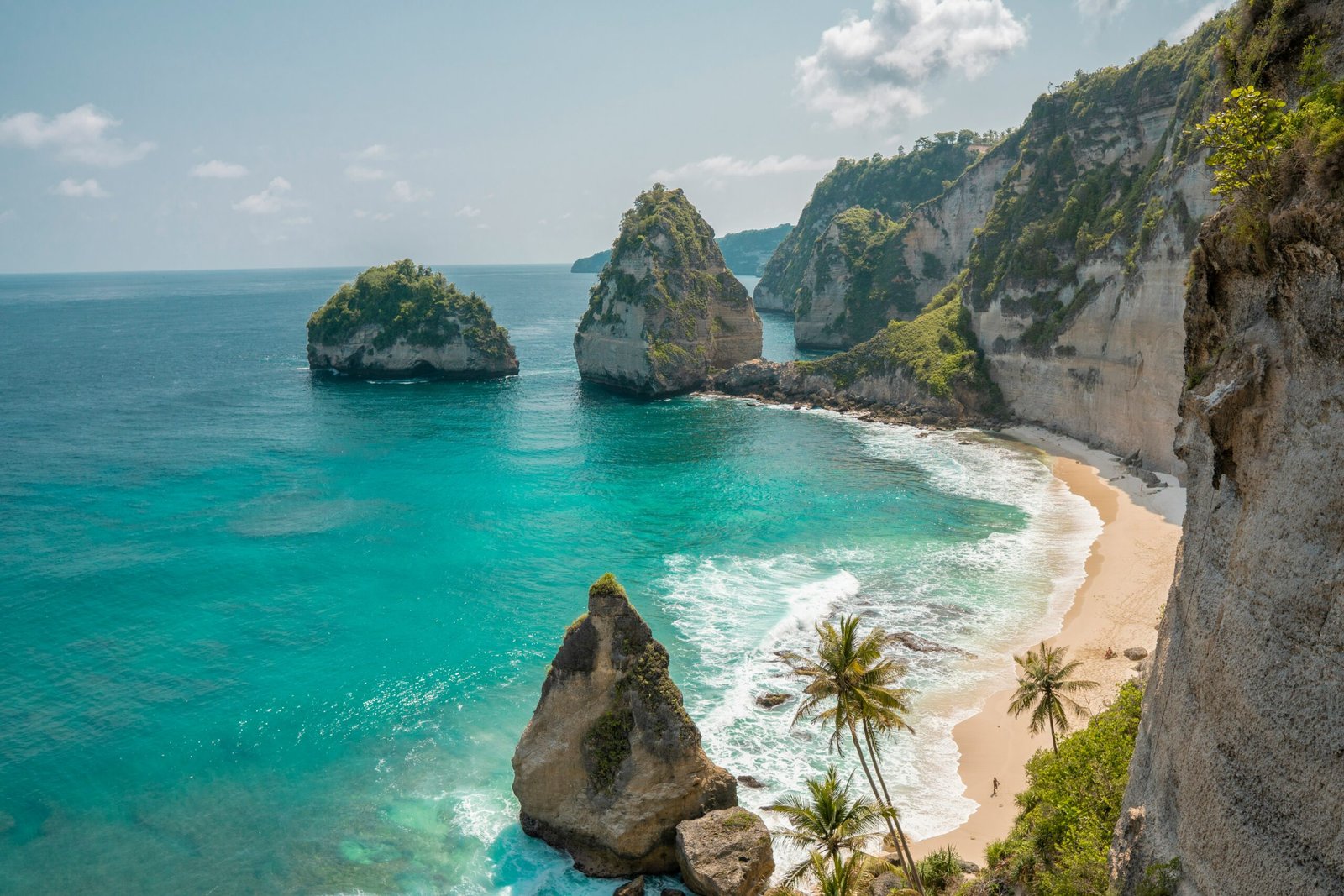
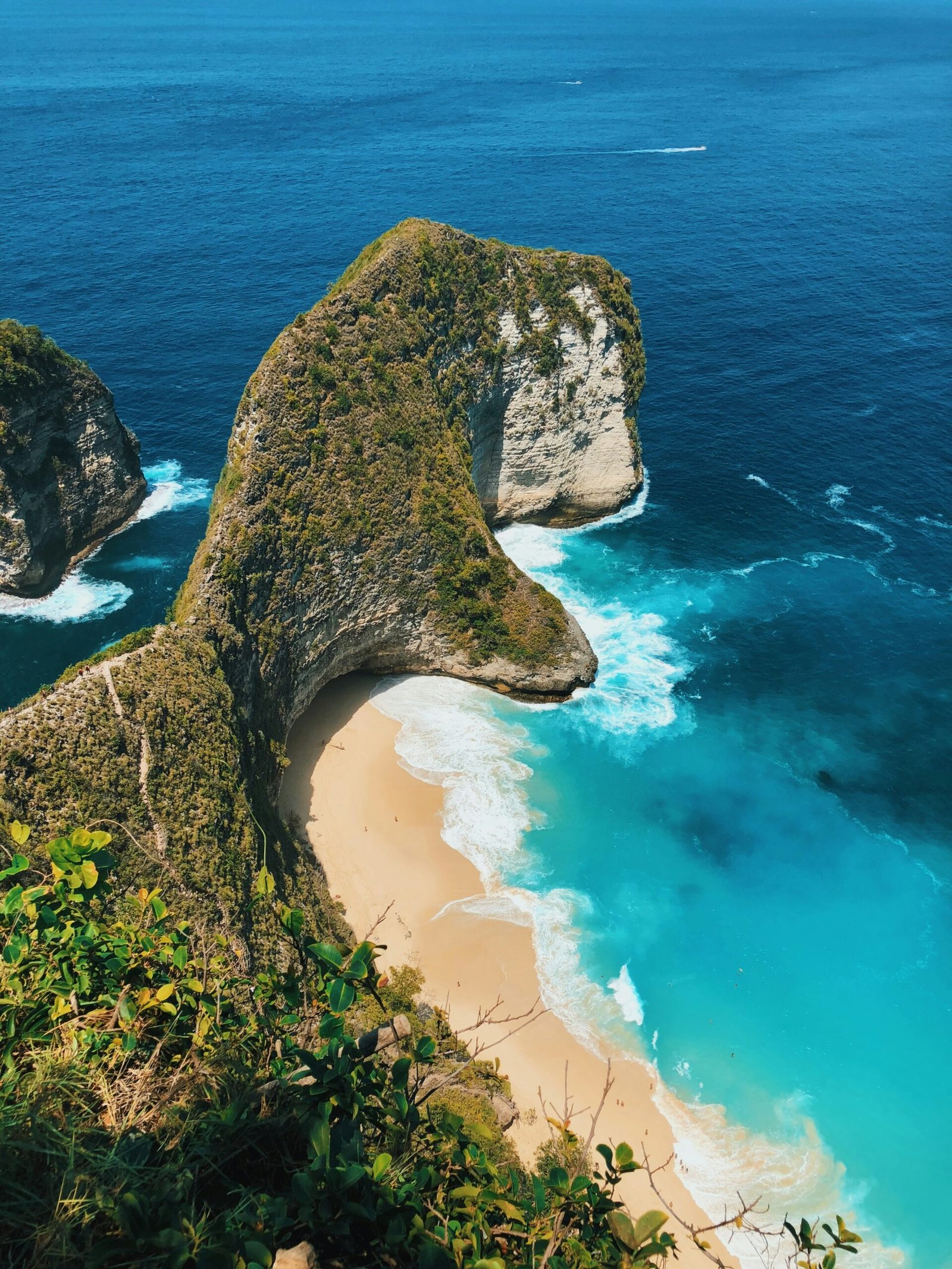
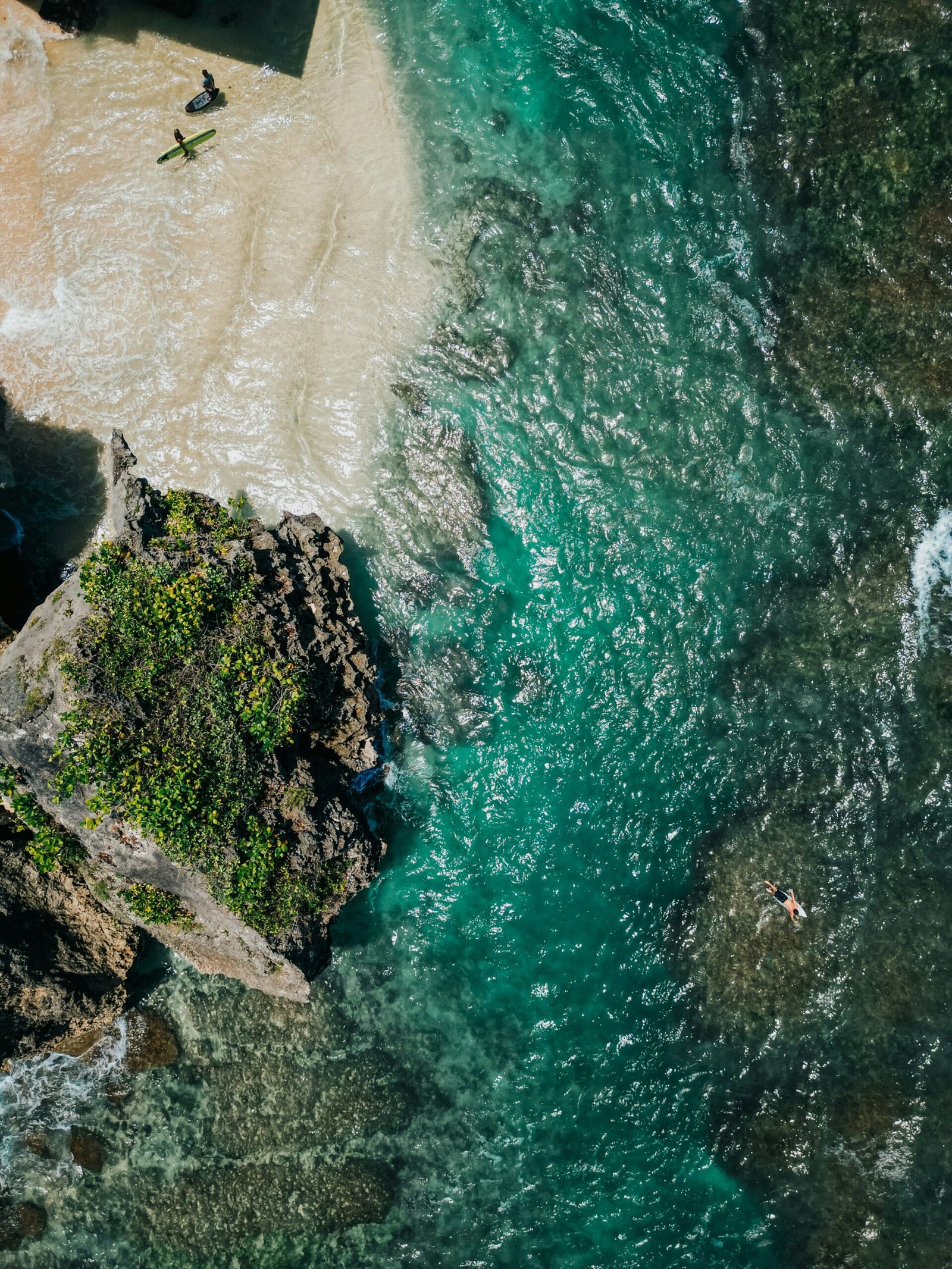
Uluwatu — der auf einer Klippe gelegene Tempel an der Südspitze des Bukit-Halbinsel, Mit den spektakulärsten Küstenpanoramen Balis und den kraftvollsten Surfspots der Insel unterhalb der Kalksteinklippen ist die Bukit-Halbinsel der ideale Rückzugsort für alle, die Bali in seiner ursprünglichsten Form erleben möchten. Die Halbinsel ist der trockenste Teil Balis – die Landschaft ist karger als das üppige zentrale Hochland, und die Kalksteinklippen über dem Indischen Ozean schaffen die wohl dramatischste Küstenlandschaft der Insel.
Die Retreatzentren von Bukit nutzen die Lage auf den Klippen bewusst – das morgendliche Yoga über dem Meer, das nachmittags am Strand. Padang Padang oder Bingin unten am Strand und am Abend dort Uluwatu-Tempel für die Kecak-Feuertanz Bei Sonnenuntergang ist der Tag im Bukit Retreat von seiner visuell außergewöhnlichsten Seite.
Seminyak und die angrenzenden Kerobokan Das Gebiet – die am besten entwickelte der balinesischen Ferienregionen mit luxuriöser Villeninfrastruktur, internationaler Gastronomie und den am besten zugänglichen Stränden an der Südwestküste – ist der praktischste und bequemste Ausgangspunkt für Erstbesucher Balis.
Der direkte Flughafentransfer dauert 20 Minuten, die Unterkunftsqualität ist die höchste der Insel und die Infrastruktur des Yogastudios (das Desa Seni Resort, das Taksu Spa teachers) ist speziell auf den internationalen Retreat-Markt ausgerichtet.
Amed — die Küste mit ihren Fischerdörfern im Nordosten Balis, die für ihre spektakulär klaren Tauch- und Schnorchelreviere bekannt ist (die Wrack der USS Liberty bei Tulamben (30 Minuten nördlich, das am einfachsten zugängliche Wracktauchgebiet Indonesiens) und Mount Agung Mit Blick auf den Vulkan auf der anderen Seite der Bucht ist dies der abgelegenste der erreichbaren Rückzugsorte auf Bali und gleichzeitig der friedlichste.
Die Retreatzentren von Amed und der Ostküste Balis nutzen die schwarzen Sandstrände, die frühmorgendliche Aktivität der Fischerboote und das Fehlen internationaler touristischer Infrastruktur, um die kontemplativsten Retreat-Formate Balis anzubieten. Die morgendliche Praxis mit Mount Agung Das erste Licht, das über die Lombokstraße fällt, erhellt den Osten Balis und bietet ein unvergleichliches Bild eines Rückzugsortes, das kein anderer Ort auf Bali bietet.
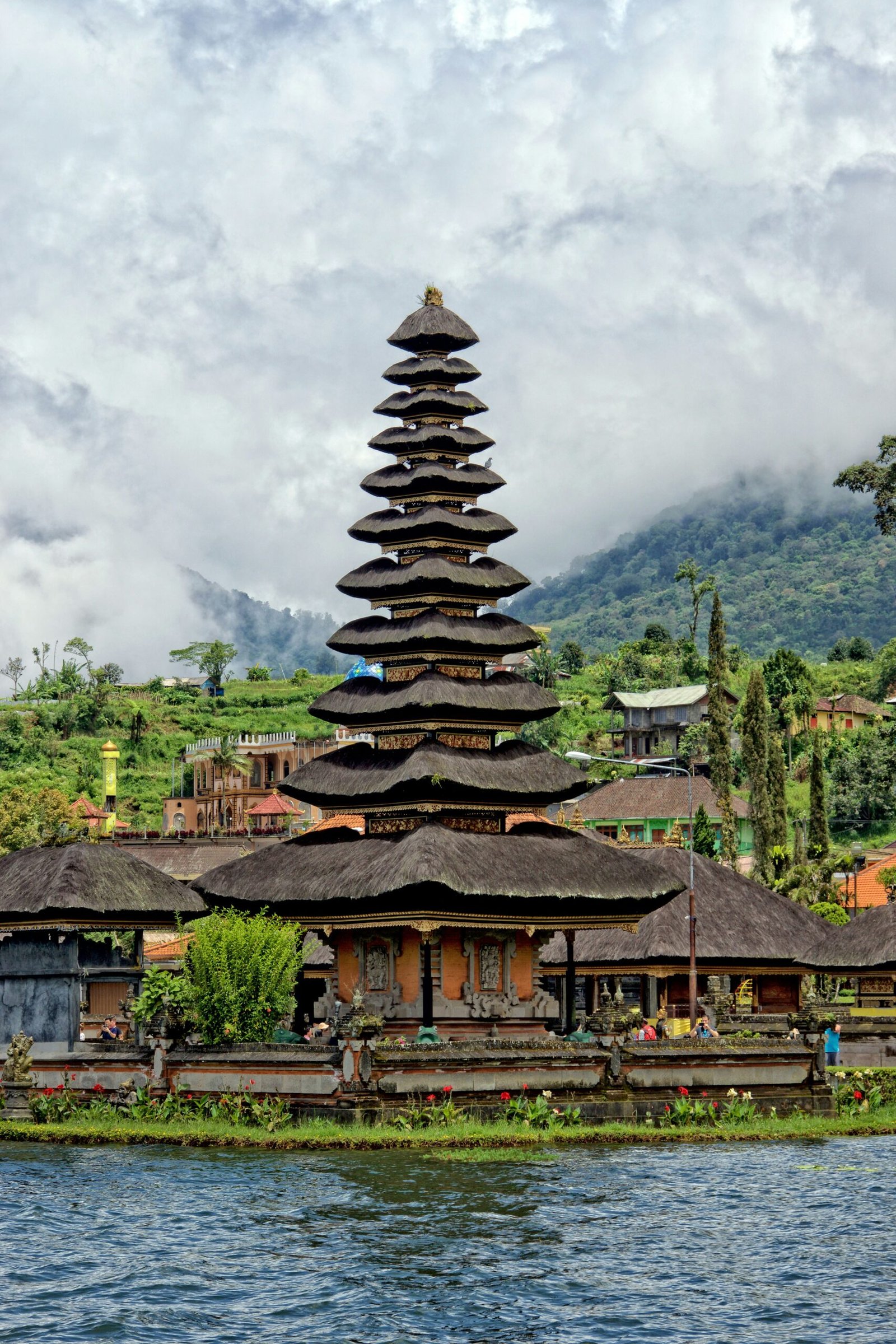
Bali ist ein ganzjähriges Reiseziel – die Frage ist nicht, ob man hinfahren soll, sondern welche Version der Insel man erleben möchte.
Die Trockenzeit (April-Oktober) ist das international beliebteste Zeitfenster – klarer Himmel, geringere Luftfeuchtigkeit und optimale Bedingungen für das Training im Freien. April in Bali Es ist der Beginn der Trockenzeit – die Reisterrassen erstrahlen nach den letzten Regenfällen in sattem Grün, die Tage sind klar und die Erholungszentren sind vor der Hauptsaison wieder voll verfügbar. Mai-Retreats Der ideale Zeitpunkt ist dann, wenn die Trockenzeit voll im Gange ist, bevor im Juli und August der internationale Zustrom einsetzt. Juni in Bali ist der letzte relativ ruhige Monat vor der Hochsaison.
Hauptsaison (Juli-August) bringt die höchste internationale Dichte, aber auch den aktivsten Kulturkalender mit sich – die Galungan und Kuningan Feste verwandeln jeden Tempel und jede Straße mit Bambus. Penjor Angebote. Juli-Retreats haben die festlichste Atmosphäre des Jahres. August in Bali ist der geschäftigste Monat – buchen Sie 4-6 Monate im Voraus.
Nebensaison (September-Oktober) ist der bevorzugte Zeitraum für erfahrene Praktizierende – die Trockenzeit dauert an, die Zahl der internationalen Teilnehmer nimmt ab und die Retreatzentren bieten ihre fokussiertesten Programme nach dem Höhepunkt an. September in Bali ist der am meisten unterschätzte Monat. Oktober-Retreats Verfolge den Galungan-Zyklus, falls er in diesen Zeitraum fällt.
Die Regenzeit (November-März) Bali zeigt sich von seiner introspektivsten Seite – der Nachmittagsregen, das üppige Grün in seiner vollen Intensität und die Insel, die eher für ihre eigene Gemeinschaft als für den internationalen Erholungsmarkt funktioniert. November in Bali ist der Übergangsmonat. Dezember-Retreats haben die Weihnachts- und Neujahrsgemeinschaft. Januar in Bali ist der günstigste Monat und derjenige mit der aktivsten Übungsgemeinschaft. Februar-Retreats Fang den Nyepi (der balinesische Tag der Stille), wenn er in den Februar fällt – der eine Tag im Jahr, an dem die gesamte Insel komplett stillsteht, kein Licht, kein Verkehr, kein Geräusch. März in Bali ist der letzte Monat der Regenzeit, bevor im April die Trockenzeit wieder beginnt.
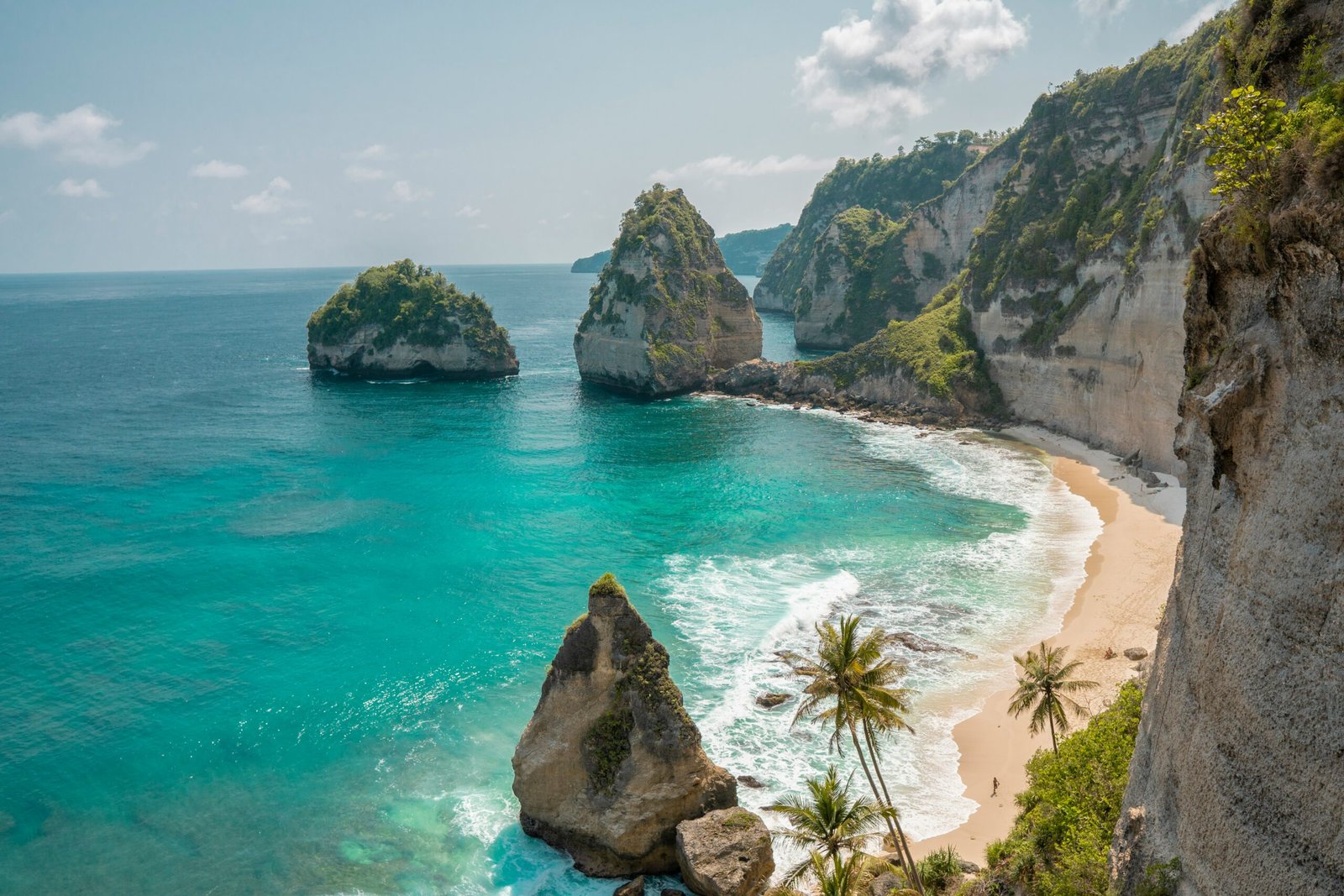
Mit dem Flugzeug — Internationaler Flughafen Denpasar (DPS) Der Flughafen Denpasar ist der einzige internationale Flughafen Balis und empfängt Direktflüge von Singapur, Kuala Lumpur, Sydney, Melbourne, Tokio, Hongkong, und über Verbindungen zu wichtigen europäischen Verkehrsknotenpunkten. Garuda Indonesia, Singapore Airlines, AirAsia, Und Roller sind die am häufigsten genutzten Fluggesellschaften für Verbindungen nach Südostasien. Europäische Reisende fliegen in der Regel über Singapur (Changi), Kuala Lumpur (KLIA) oder Doha (Hamad).
Vom Flughafen Der Flughafen liegt im Süden der Insel, 30 Minuten von Seminyak und Kerobokan, 1,5 Stunden von Ubud, 45 Minuten von der Bukit-Halbinsel und 2,5–3 Stunden von Amed entfernt. Die meisten Retreat-Zentren organisieren Flughafentransfers – buchen Sie diese im Voraus, da es am Flughafen Denpasar viele unlizenzierte Taxis gibt und die Orientierung daher schwierig sein kann. Blue Bird Taxis und die vorbestellten Greifen Vom Ankunftsbereich aus ist der Fahrdienst die zuverlässigste Option.
Fortbewegung auf Bali — die praktischste Lösung für den Retreat-Gast, der mehrere Gebiete erkundet, ist eine Fahrer mit Auto (ca. 40–50 € pro Tag), erhältlich in jedem Hotel oder Retreat-Zentrum. Motorradverleih ist bei Langzeitgästen üblich, wird aber für diejenigen, die mit den indonesischen Verkehrsverhältnissen nicht vertraut sind, nicht empfohlen.
Programmformate — Die Retreat-Programme auf Bali decken das gesamte Spektrum ab, von einwöchigen Einsteigerkursen bis hin zu 200- und 300-Stunden-Programmen. Yoga Alliance Lehrerausbildung. Die Region Ubud weist außerhalb Indiens die weltweit höchste Dichte an Lehrerausbildungsprogrammen auf. Yoga Barn und die Strahlend lebendig Beide Studios bieten ganzjährig international zertifizierte Programme an. Die kürzeren Retreat-Formate (5-7 Tage) sind am weitesten verbreitet und kombinieren zweimal tägliches Training mit einem kulturellen Programm.
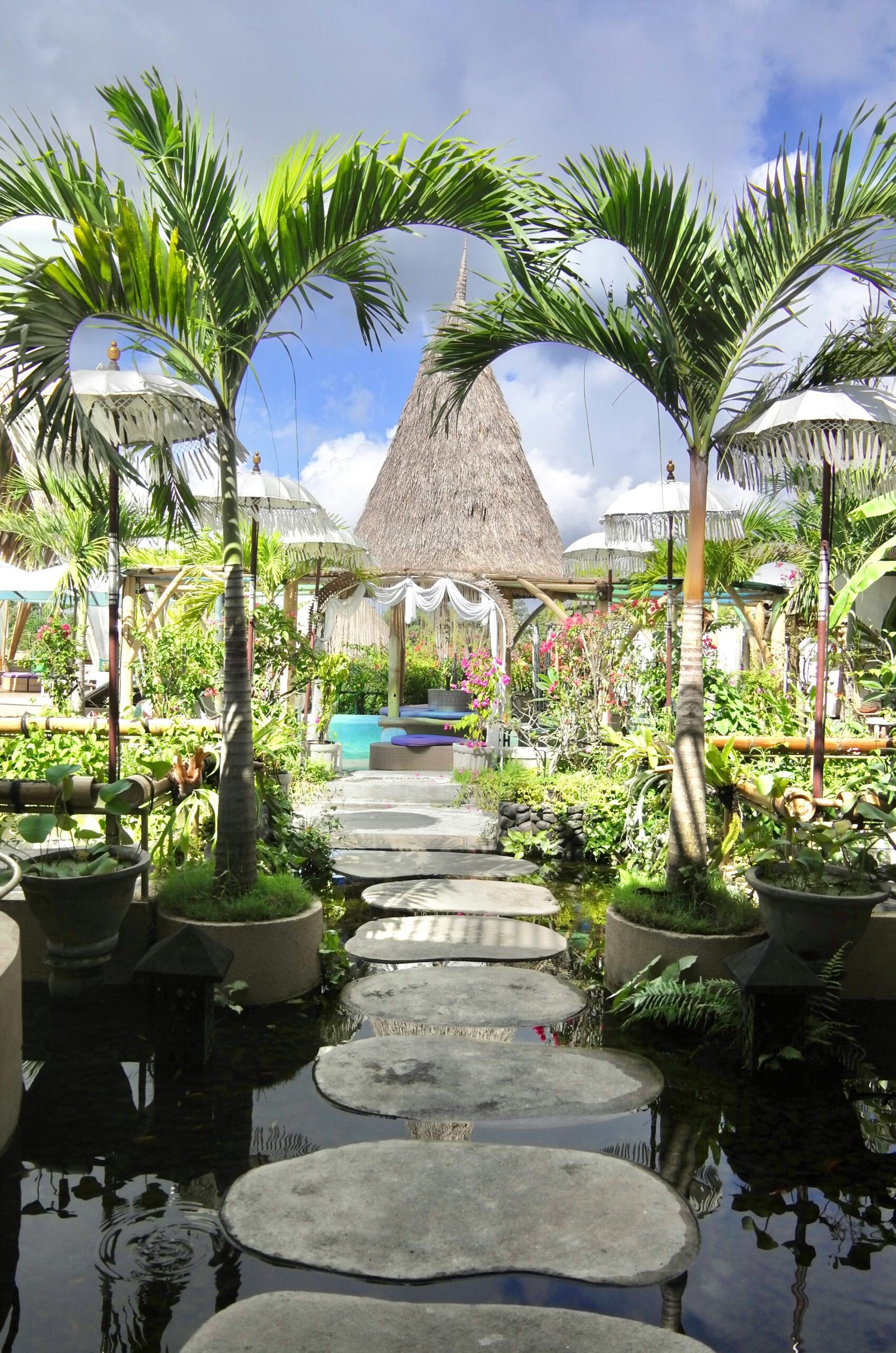
Unterkunft - Die Villa Das Format (die private Poolvilla mit balinesischem Garten, Freiluftbad und Blick auf die Reisterrassen oder den Dschungel) ist die spezifischste balinesische der angebotenen Unterkünfte und vermittelt am direktesten die visuellen und atmosphärischen Bedingungen, die Bali zum meistfotografierten Reiseziel der Welt machen. Öko-Lodge Das Format – Bambusarchitektur in der Reisterrassenlandschaft – wurde speziell in der Region Ubud entwickelt und bietet die umweltverträglichsten Retreat-Erlebnisse.
Die balinesische Kulturdimension — Die ernsthaftesten Retreats auf Bali integrieren die kulturelle Praxis als Teil des Programms: die Tempelbesuch mit den weißen und gelben Angeboten, die Balinesischer Kochkurs unter Verwendung der Gewürzpaste (der Basisgenp) das ist die Grundlage der balinesischen Küche, und die Beratung durch einen traditionellen Heiler (Die Balian oder die pemangku Priester). Dies sind keine touristischen Attraktionen – sie bieten den direktesten Zugang zu der kulturellen Tradition, die Bali von allen anderen Yoga-Retreat-Destinationen unterscheidet.
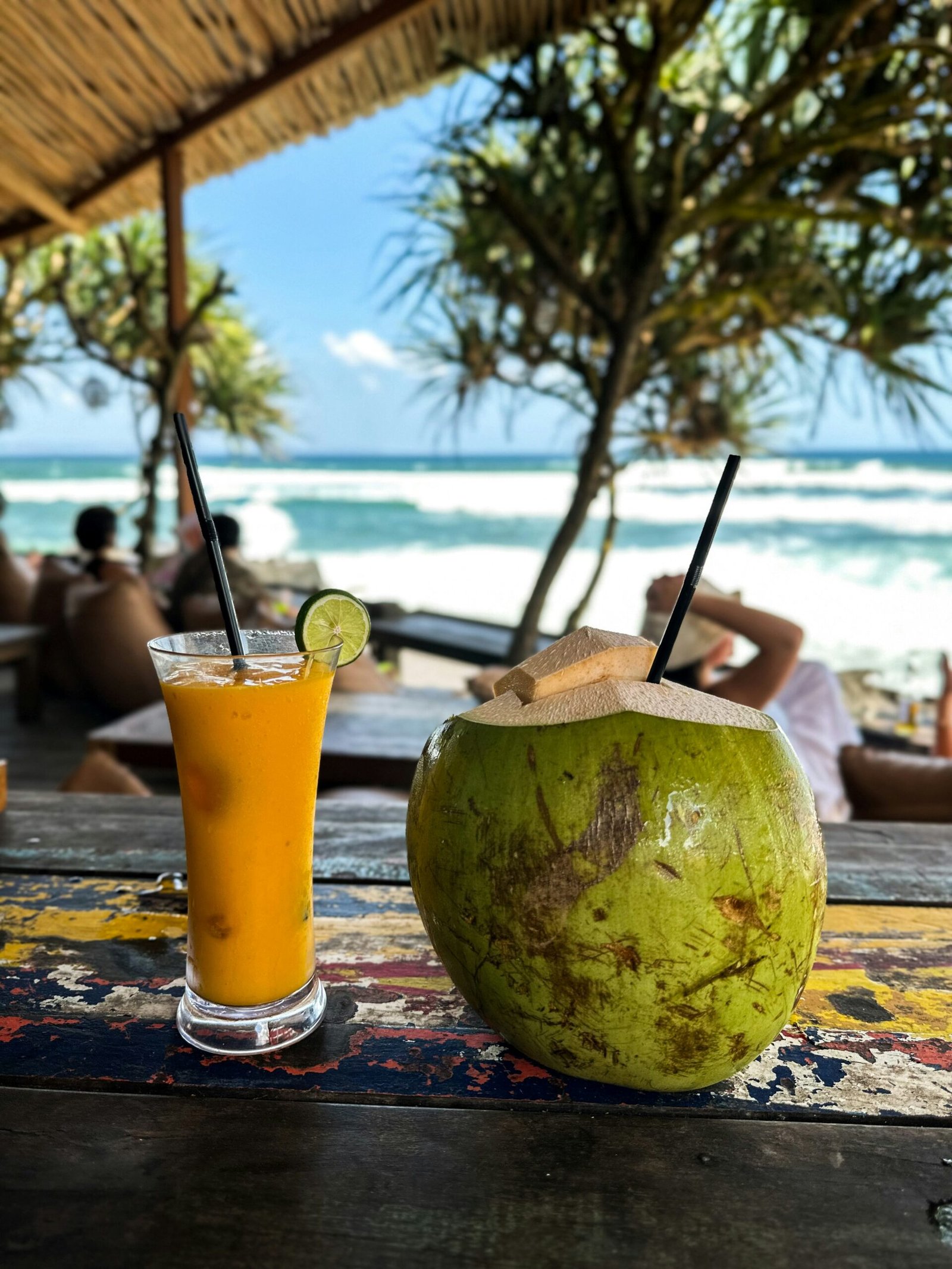
Essen — Die Küche der balinesischen Retreats reicht von der traditionellen balinesischen Küche (der Nasi Campur, Die Anwalt, Die sate lilit) zur international entwickelten pflanzenbasierten Küche, die die Ubuder Gesundheitsszene seit dreißig Jahren verfeinert. Ubud-Markt Die regionalen Produkte – das Gemüse aus der Region, die Kokosnussprodukte, die tropischen Früchte in ihrer vollen Reife – liefern der Küche des Retreats Zutaten, die kein importiertes Wellness-Lebensmittel auch nur annähernd erreichen kann.