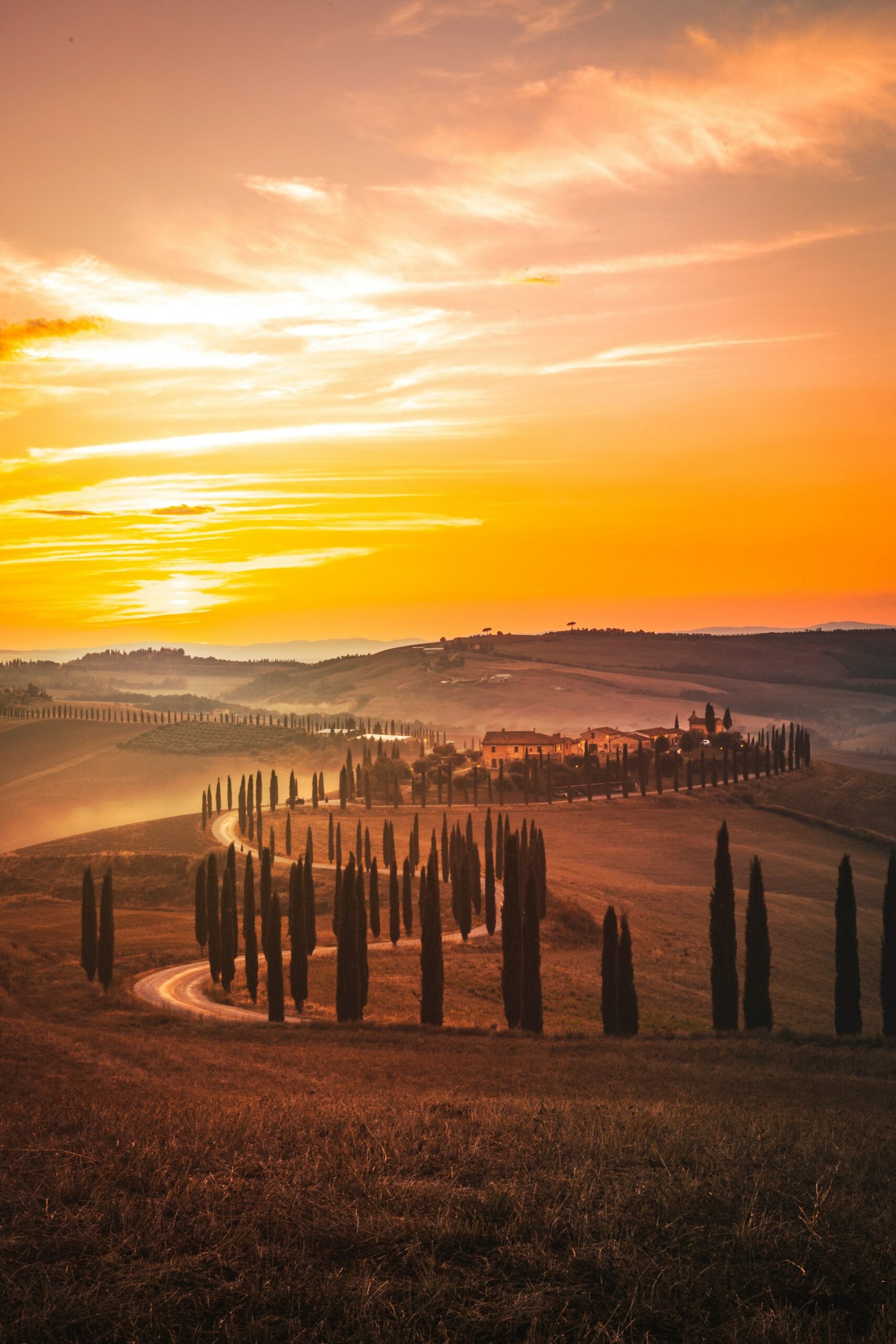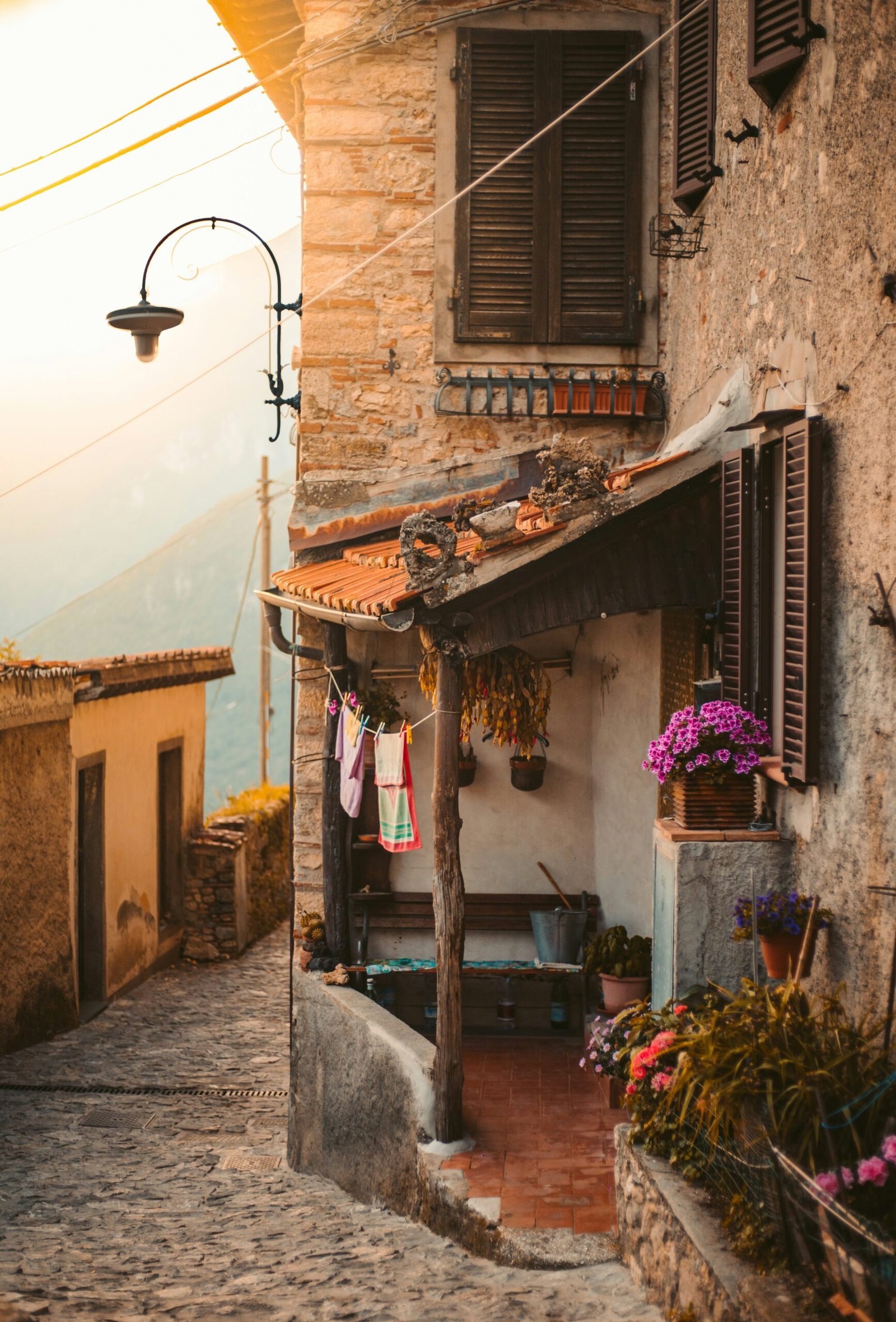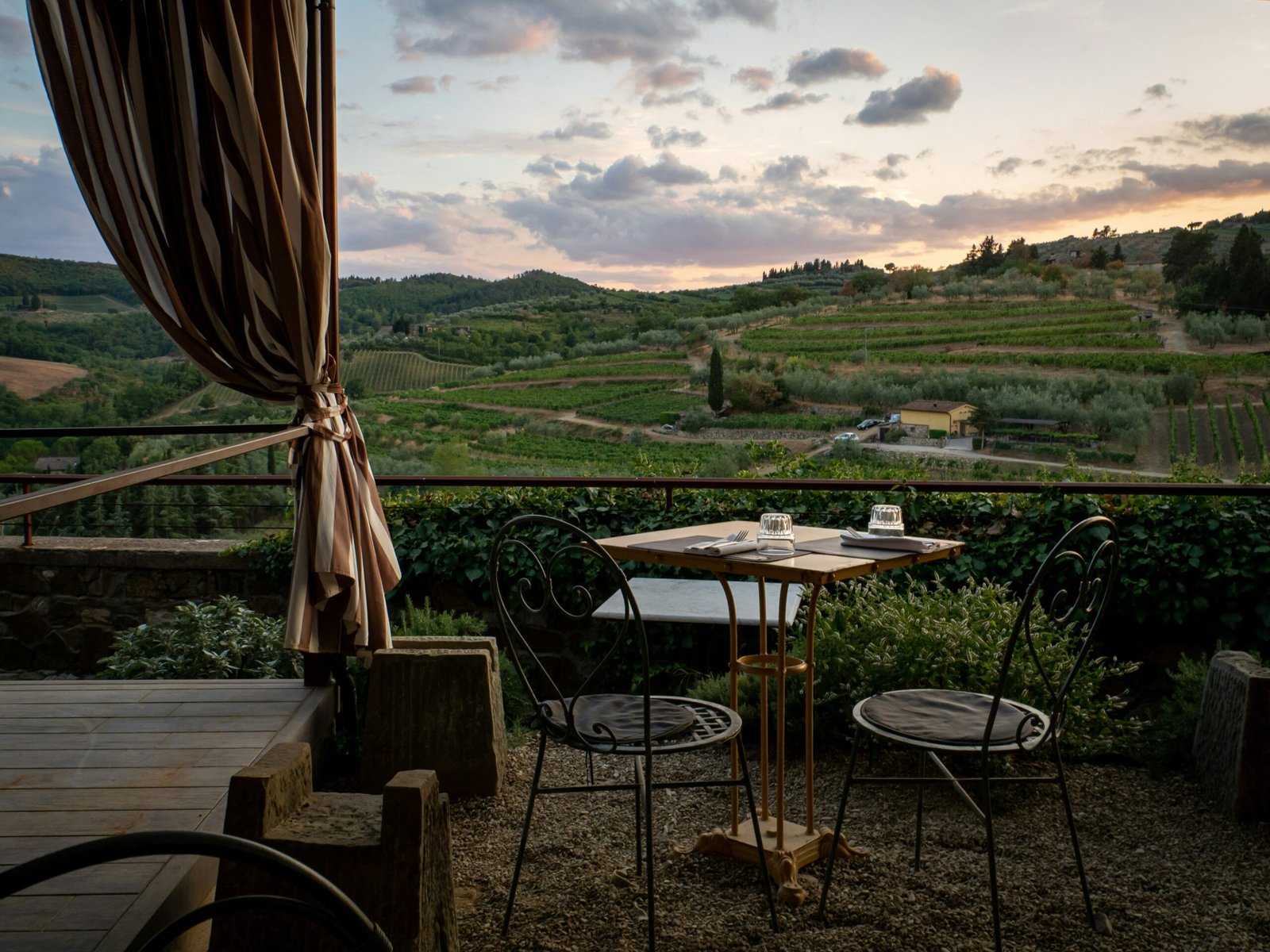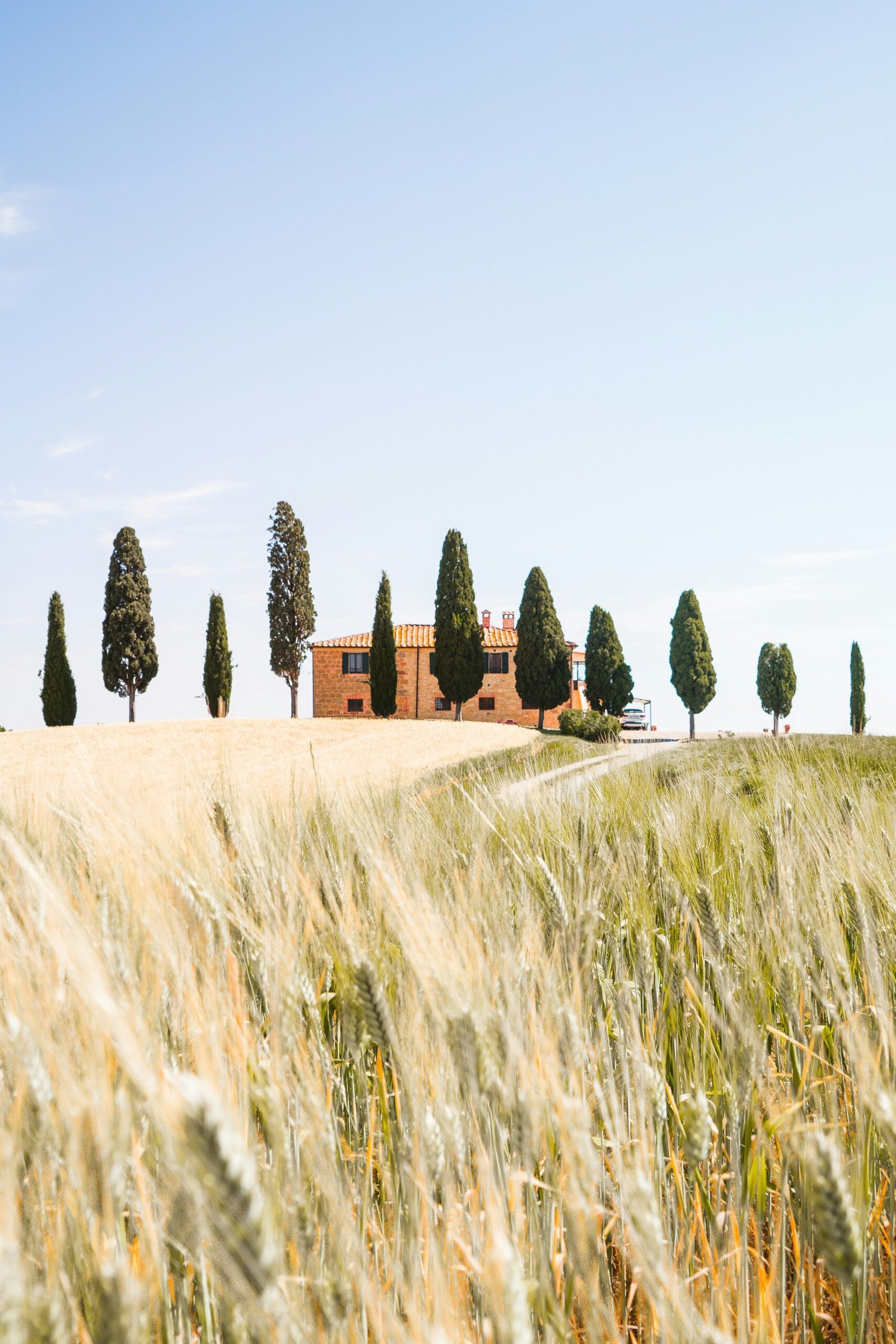


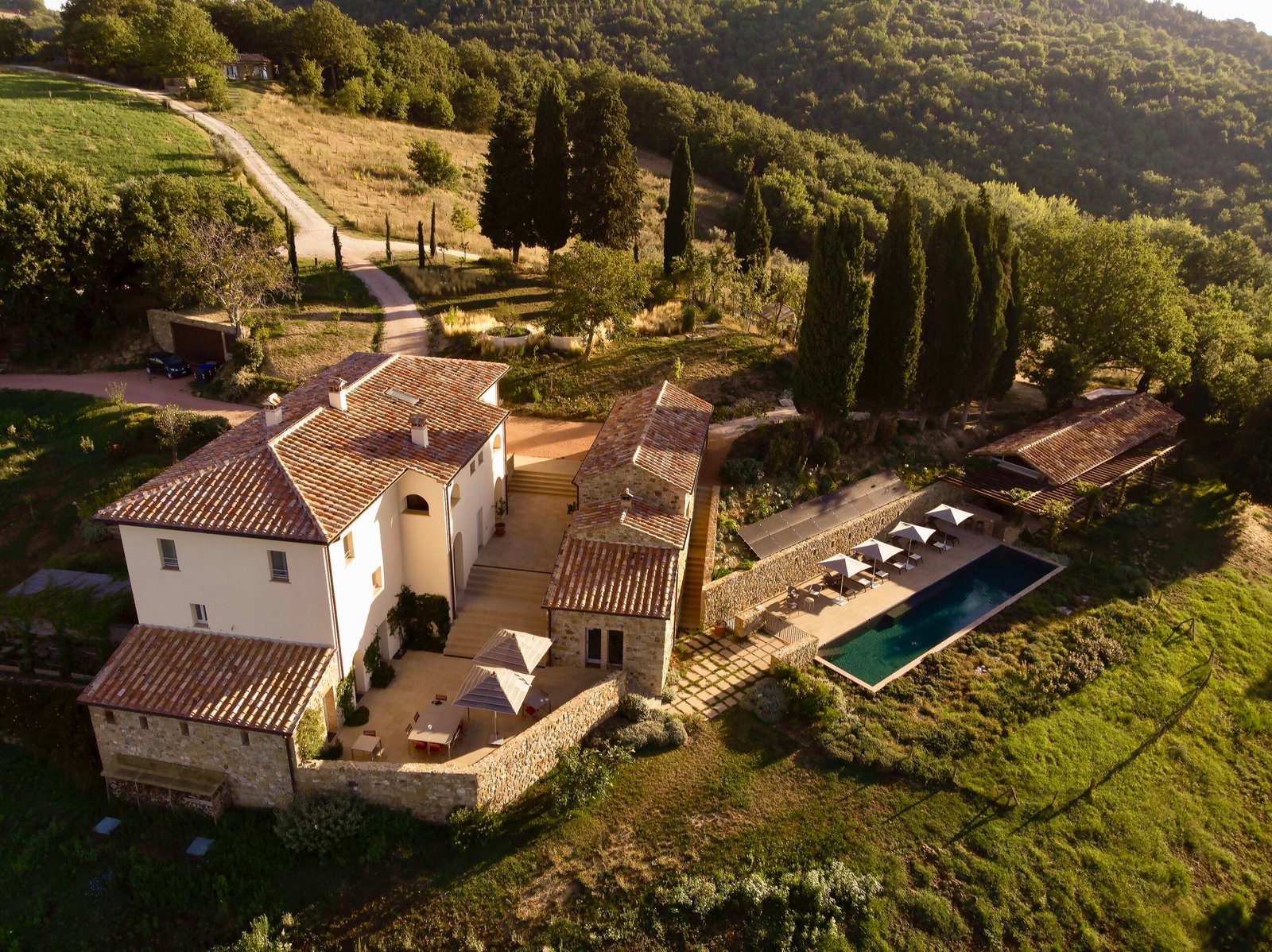
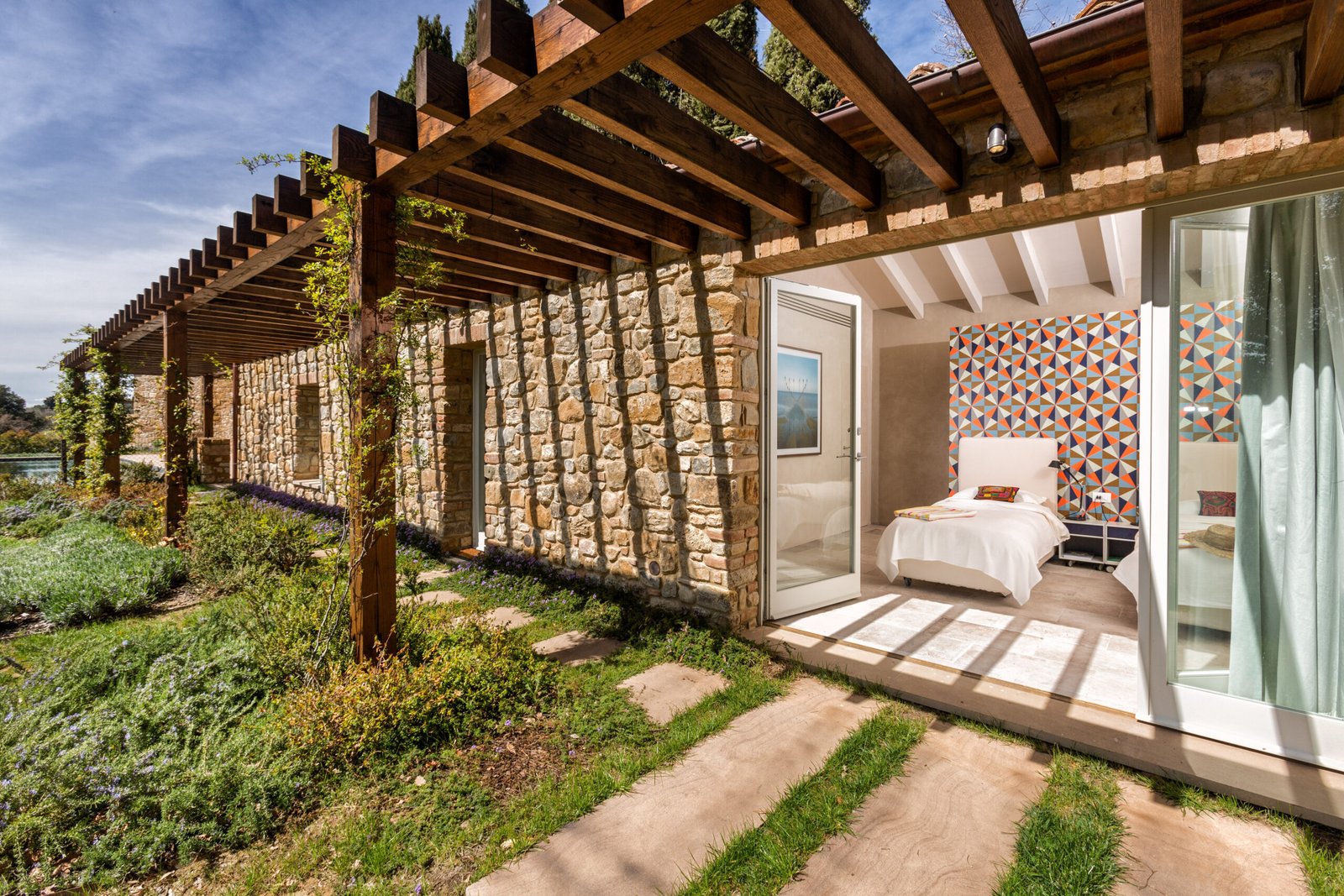
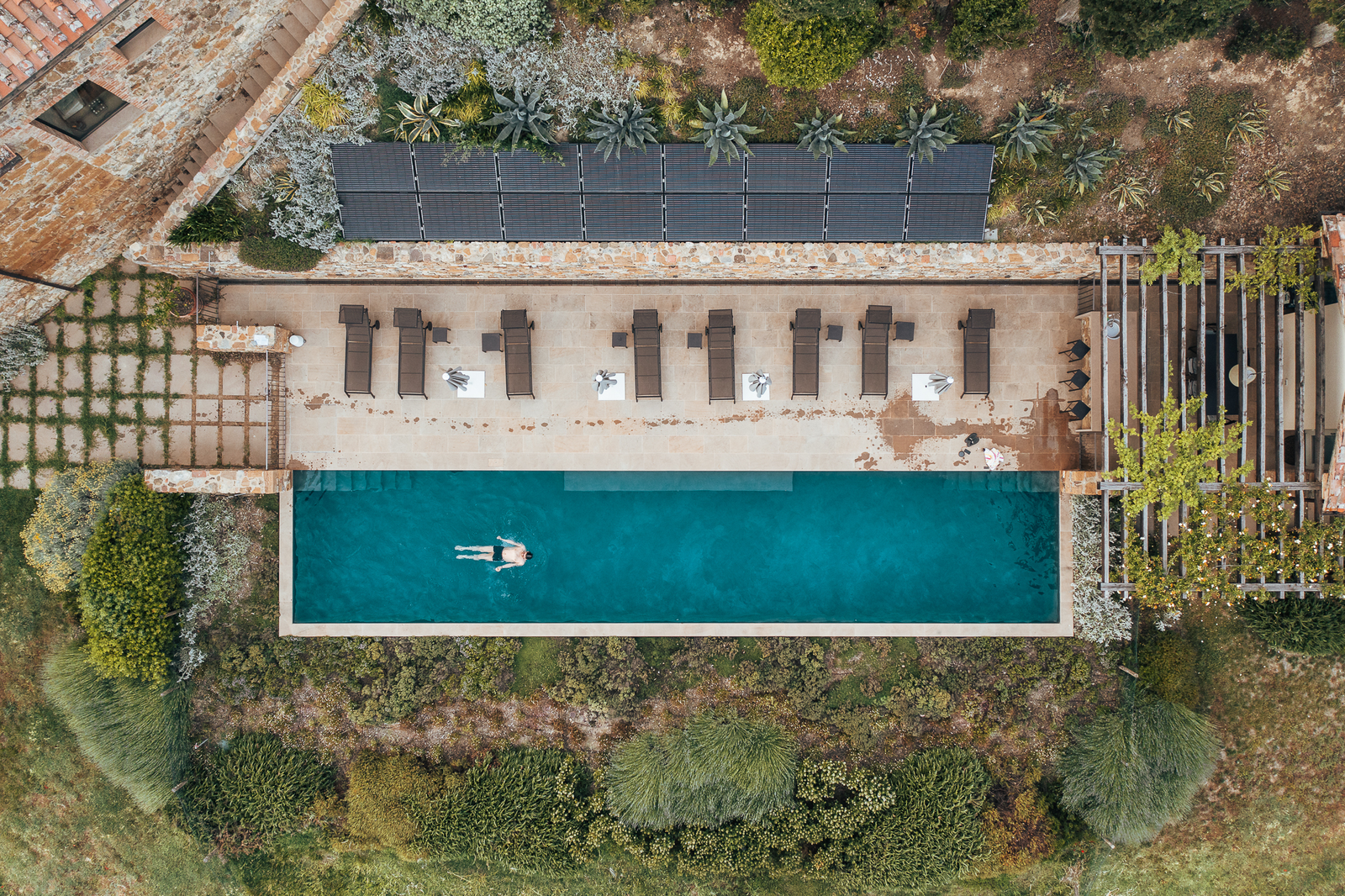
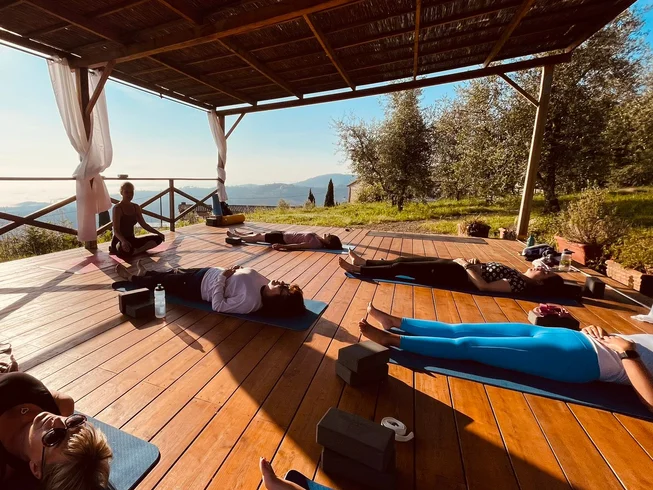
Tuscany in April delivers on every promise the region makes in its promotional photography. The Val d’Orcia, the Crete Senesi, and the Chianti hills are at their most lush, the fields not yet bleached by summer heat, the roads between vineyards lined with poppies and wild fennel. Wisteria climbs the stone facades of farmhouses and agriturismo buildings in a way that lasts barely three weeks — mid-April is the peak — and a retreat positioned in this window has a visual backdrop that does part of the teaching for it. Morning practice before the mist lifts from the valley, afternoon walks through countryside that remains genuinely cool, evenings with the first fireflies arriving at dusk: this is the Tuscan retreat at its most complete. The broader world of yoga retreats in Italy spans many seasons and regions, but April in Tuscany is the version most retreatants remember longest.
Lake Garda in April is a different thing from the crowded summer version that most visitors know. The lake is Italy’s largest, and its southern shores benefit from a microclimate that keeps frosts rare and allows olive trees and citrus to grow at latitudes that should not permit them. In April the lakeside towns — Sirmione, Malcesine, Gargnano on the western shore — are navigable without effort, the ferries run on full schedule, and the combination of mountain backdrop, lake light, and spring vegetation creates a setting for practice that has few rivals in northern Italy. Several retreat centres on the western Brescian shore integrate sailing or paddleboarding into their April programs alongside morning yoga, using the lake itself as an extension of the practice space. For anyone drawn to this corner of the country, the dedicated listing of yoga retreats at Lake Garda shows what’s available specifically in this area through the spring season.
Umbria in April is where those who have discovered the region return year after year. The “green heart of Italy” lives up to its designation most fully in this month: the oak and holm oak forests are in new leaf, the hillsides are carpeted in wildflowers, and the towns of Spello, Montefalco, Bevagna, and Todi are preparing for their spring festivals without yet having fully launched them. Spello’s Infiorata — an elaborate carpet of flower petals covering the streets of the town — is created for Corpus Christi in June, but in April the town is already organised around it, and the sense of a community in purposeful preparation gives the place an energy that pure tourist destinations cannot manufacture. Yoga retreats in Umbria in April tend toward the contemplative and the nature-immersive, with programs that use the forests around Assisi and the Sibillini foothills as actively as the shala itself.
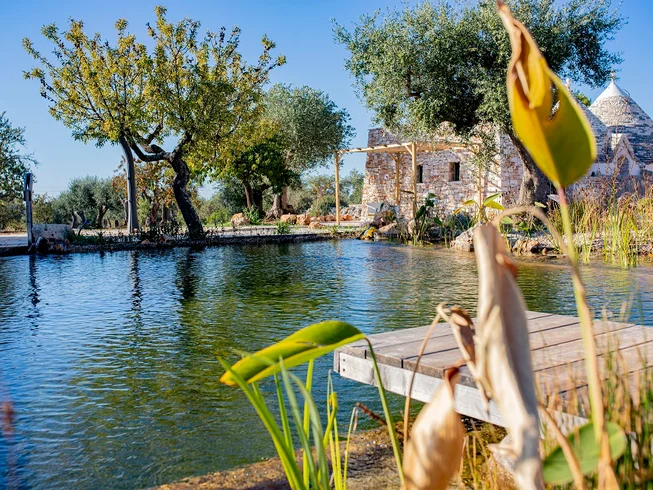
Puglia in April occupies a register that its summer self has already abandoned. The Valle d’Itria is warm but not hot, the trulli settlements of Alberobello and the masserie around Ostuni are in full operation without the high-season pricing that July brings, and the Gargano promontory — the spur of the Italian boot, jutting into the Adriatic — is in the middle of one of the most dramatic wildflower displays in southern Europe. The Foresta Umbra at the heart of the Gargano is a relic beech and oak forest that in April has a quality of filtered green light, cool and diffuse, that makes it feel unlike anything else in the Italian south. Retreat programmes positioned near the Gargano regularly use it for guided morning walks between sessions, and the contrast between the ancient forest interior and the Adriatic coastline visible from the promontory’s edge creates a landscape dynamic that is uniquely April’s.
Liguria, which rarely appears on retreat radar, is worth serious consideration in April. The clifftop terraced gardens of the Riviera di Levante — particularly the stretch between Sestri Levante and Lerici — are in flower in April in ways that the tourist-season version of Liguria, crowded and expensive, makes it impossible to appreciate. Several small retreat operations along this coast run spring programs specifically because April is when the basil is being planted in the garden terraces, the first fishing boats of the season are working the water below, and the hiking paths of the Alta Via dei Monti Liguri above the coast offer views that combine sea, mountain, and terraced cultivation in a single panorama. The scale is intimate, the cooking is extraordinary — pesto, farinata, trofie, and the fish that arrives daily — and the sense of being genuinely inside a working landscape rather than observing it from a distance is difficult to find anywhere else on the peninsula in this season.