
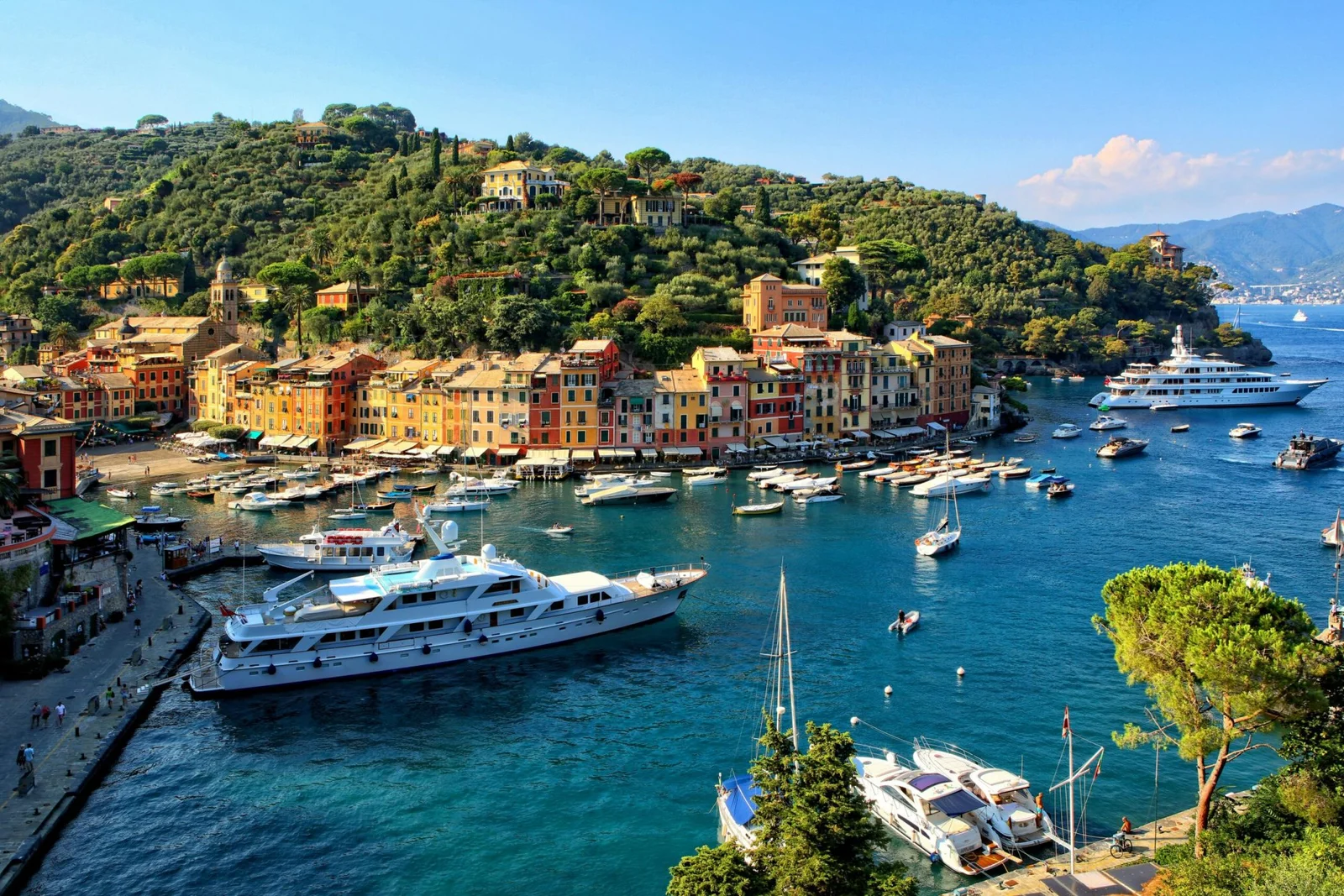
July makes no compromises. The heat is real, the crowds are real, and the prices are real — and so is the particular quality of Italian summer that makes people accept all three without complaint. The sea is at its warmest, the nights are barely cool, the festivals run every weekend in every village, and the landscape has completed its transformation from spring green to the gold and ochre palette that most people, when they close their eyes and picture Italy, find waiting for them.
Yoga retreats in Italy in July operate inside this intensity rather than around it. The month rewards practitioners who are willing to restructure their day around the heat, and punishes those who aren’t. The difference between a July retreat that is transcendent and one that is merely uncomfortable comes down almost entirely to how honestly the programme has been designed for the actual conditions.


The case for July begins with the pre-dawn hour. Sunrise in central Italy in early July falls around five-forty and moves only slightly through the month, which means that a retreat program beginning at five-fifteen catches the last few minutes of darkness and the full ceremony of the Italian summer dawn: the gradual brightening over the hills, the chorus of birds that begins twenty minutes before the light arrives, the moment when the temperature is at its coolest and the air carries the night’s accumulated dew in a fragrance that the midday heat will eliminate within two hours. This is the finest hour of the July day without qualification, and retreat programs that use it fully — beginning practice in darkness, finishing as the sun clears the horizon, taking breakfast in the first real warmth — are structured in a way that no other month requires or allows.
The heat itself, which feels like the central challenge of July, is also the month’s most significant teaching. The Bikram and hot yoga traditions are built on the insight that ambient warmth accelerates the opening of connective tissue, reduces the muscular bracing that cooler temperatures maintain, and creates conditions in which the practitioner’s effort and the body’s response become impossible to separate. In July across southern and central Italy, that warmth is available naturally from the first session, without a heated room: the temperature in a stone-floored shala in Puglia at six in the morning in July may be 28 degrees, which is precisely the range in which serious physical work produces its most sustained results. Teachers who understand this design their July sequences to take advantage of it — longer holds, deeper work in the hips and hamstrings, extended savasana in which the warmth is not endured but absorbed.
The evenings are July’s other great gift. The sun sets after nine in the north and just before nine in the south, and in the hour or two before it does, the quality of light across the Italian landscape is unlike anything the rest of the year produces: warm, directional, saturating the colours of stone and terracotta and dry grass in a way that has occupied painters since the Renaissance. Evening practice on a terrace or in an open garden in this light, followed by dinner outdoors as the sky darkens, then the warm night air holding the warmth until well past midnight — this is Italian summer at its most complete, and it is available only in July and, to a slightly lesser degree, in August.
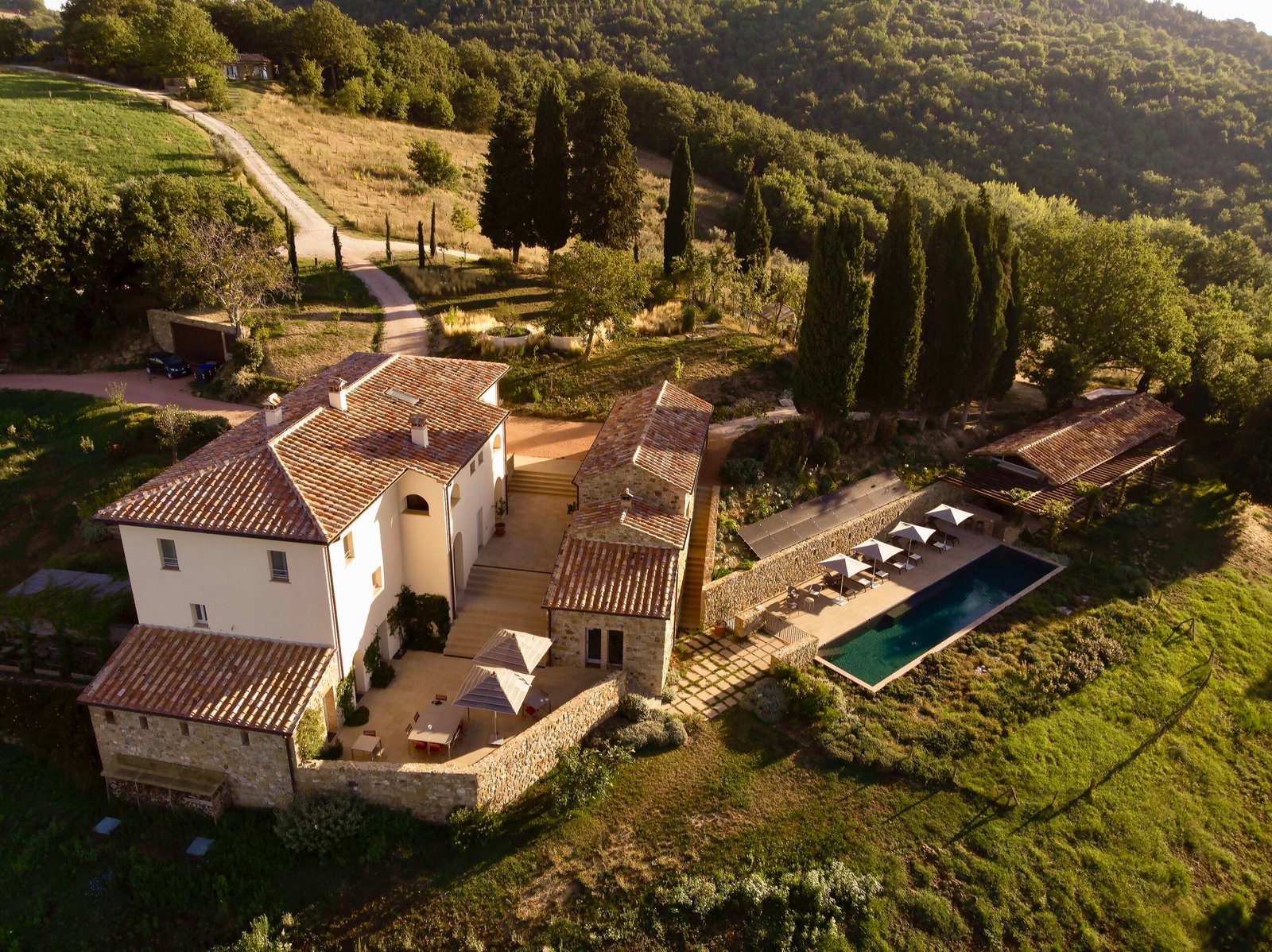
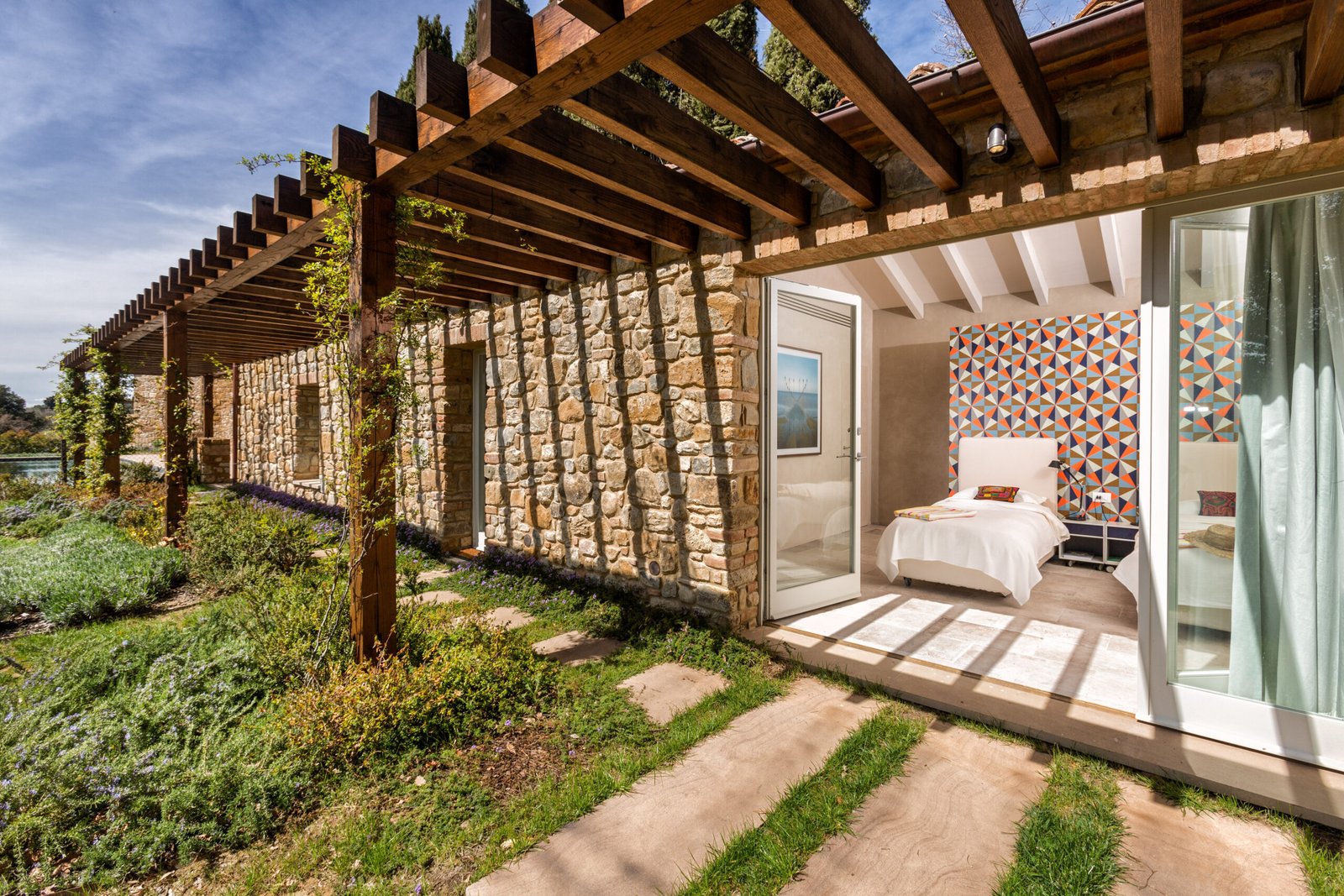
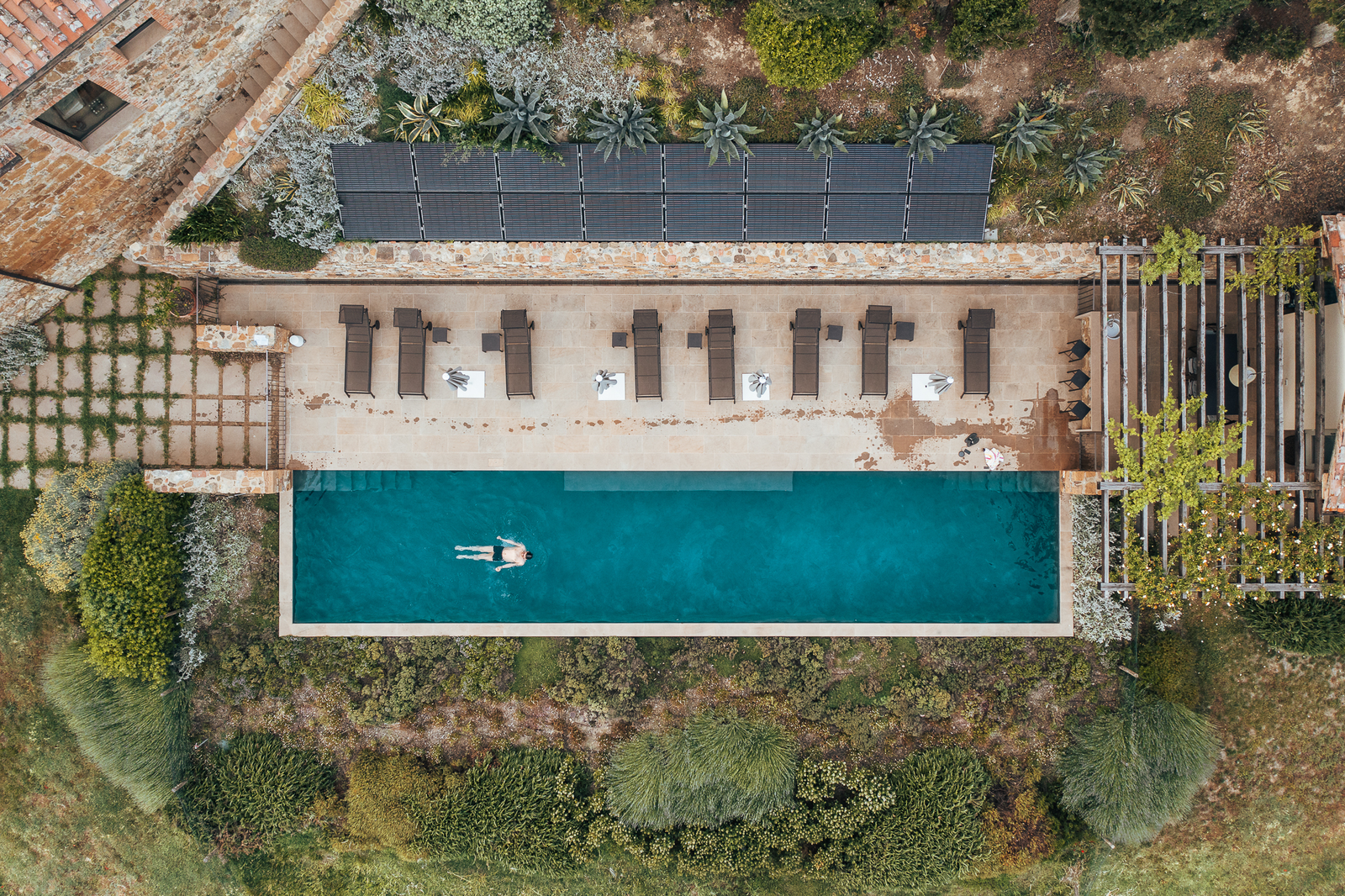
Sardinia’s interior is the answer that most people overlook when they think of July in Italy. The Barbagia highlands in the centre of the island, around Nuoro and the Gennargentu massif, sit at between 600 and 1000 metres and are regularly 8 to 10 degrees cooler than the coast. The landscape is granite, oak forest, and open plateau — rugged and largely uninhabited, with a quality of silence that the coast has entirely abandoned to August. Several retreat operators have established themselves in the Barbagia specifically because July’s heat makes the interior not merely viable but preferable: the altitude moderates the temperature without eliminating the warmth, and the combination of serious morning practice, afternoon walking in oak forest, and evening meals built around Sardinian mountain food — roast meats, pecorino aged in a cave, wild herb liqueurs — creates an experience that is as far from the Costa Smeralda as it is possible to get while remaining on the same island.
Sicily in July divides cleanly between the coast, which is busy and hot, and the interior and mountain zones, which are neither. The Madonie mountains in the north of the island rise to nearly 2000 metres and are forested, cool, and almost entirely without tourists in July — the Sicilians who can afford to take summer holidays are heading to the beach, not the highlands. Retreat centres in the Madonie, around Castelbuono and Petralia Sottana, use the mountain air and the dramatic views south over the scorched Sicilian plain as elements of their programmes in ways that the coastal properties cannot. The food in the mountains draws on a culinary tradition quite different from coastal Sicily: wild mushrooms from the beech forests, freshwater trout, local honey, the sheep cheeses of the interior — none of which appear on the tourist trail. For those who specifically want the coastal experience in July, the southeastern corner around Ragusa and Marzamemi is the quietest stretch of accessible Sicilian coastline in the peak season. The full range of Sicilian retreat options is gathered at yoga retreats in Sicily.
Umbria in July is quieter than Tuscany because it has never attracted the same volume of summer tourism, and that difference matters in a month when crowd density is the primary variable affecting retreat quality. The hill towns of Spoleto, Todi, and Orvieto maintain their character through July in a way that San Gimignano and Montepulciano struggle to. The Valnerina, the valley of the Nera river running through the eastern Apennines, is green and watered through July when the rest of central Italy has dried to pale gold — the river keeps the valley floor cool, and the combination of rushing water, beech forest on the slopes above, and medieval villages clinging to the rock creates a setting for retreat that is genuinely unusual in a month when most of Italy is baking. The concentration of what’s available in this region in summer is visible at yoga retreats in Umbria.
The Dolomites in July are at the height of the alpine summer season and represent the most complete alternative to the heat of the lowlands. The high paths above 2000 metres are fully open from early July, the mountain huts are operating, and the combination of dramatic rock architecture, wildflower meadows, and cool, clean air creates conditions for yoga and hiking that draw practitioners who specifically plan their Italian retreat calendar around the altitude. Several South Tyrol centres run July programs that integrate breathwork at altitude — the thinner air makes pranayama practice more immediately perceptible in its effects, and the physical demands of mountain terrain add a dimension to retreat life that flatland centres cannot replicate. The one logistical consideration is that July is also when the Dolomites are most visited, and the most famous viewpoints — Tre Cime di Lavaredo, the Alpe di Siusi meadows — are significantly more crowded than in September. Retreat centres positioned slightly off the main circuits manage this better than those in the most popular valleys.
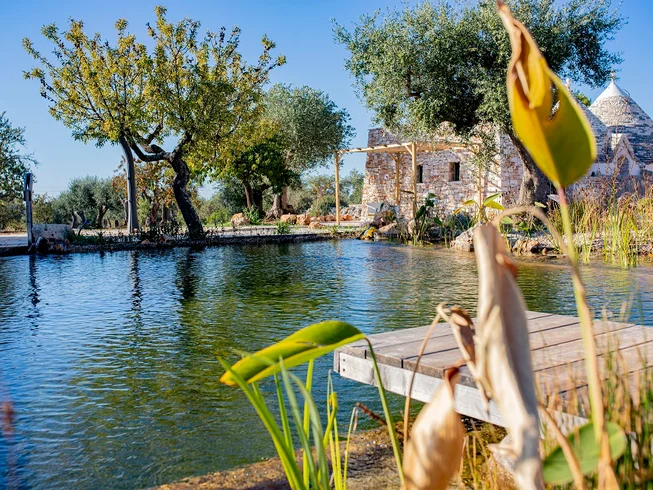
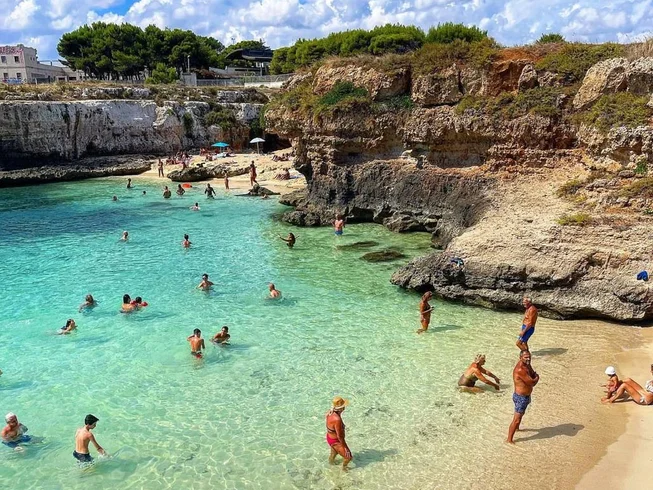
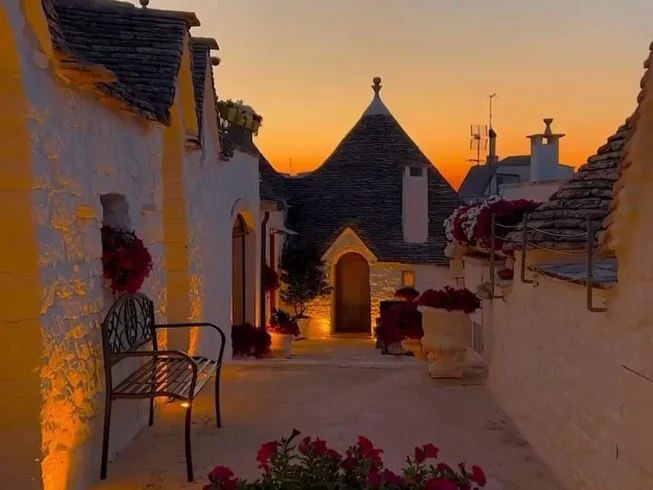
Puglia in July is the authentic summer Italy experience for those who want heat, sea, and the particular culture of the Italian south without the inflated prices of the Amalfi Coast. The Valle d’Itria is hot — regularly 33 to 36 degrees in the afternoon — but the masserie that operate year-round have been designed around the climate: thick stone walls, internal courtyards shaded by centuries-old olive trees, pools in gardens that are effectively outdoor rooms. The Salento coast in the south of the region is popular but not overwhelmed in the way that the more famous Apulian beaches become, and several retreat centres in the Otranto and Santa Maria di Leuca area run programmes that work with the heat rather than pretending it isn’t there: pre-dawn asana, a long midday break for sea swimming and rest, then restorative practice in the early evening followed by dinner outdoors as the temperature finally drops below 30.
Nighttime becomes magical in July. Temperatures stay warm enough that you can comfortably be outside until late. Meditation under stars, evening walks through lavender fields, dinners on terraces lasting for hours. The long days (sunset after 9 PM in northern Italy) give you extended evenings.
July 2nd is the date of the first Palio di Siena of the year — the horse race run in the Campo, the extraordinary shell-shaped medieval piazza at the heart of the city, that has been contested between the city’s seventeen contrade since the seventeenth century. Nothing else in Italy quite prepares you for it: the track is packed earth laid over the stone piazza, the horses run bareback, and the race itself lasts approximately ninety seconds, but the preparation — the days of trials, the blessing of the horses in the contrada churches, the medieval pageantry of the flag-throwers — fills the week before it. A retreat based within reach of Siena in the first days of July, close enough to attend the eve of the race when the city is at maximum emotional intensity, offers an encounter with Italian communal identity that no museum or cultural tour can approximate. The Palio is not a tourist performance; it is a living rivalry between neighbourhoods that has real consequences for real people, and that quality of genuine stakes is precisely what makes it so powerful to witness even as an outsider.
Later in the month, on the third weekend of July, Venice holds the Festa del Redentore — the Feast of the Redeemer — which commemorates the end of the 1576 plague with a pontoon bridge across the Giudecca canal and, on the Saturday night, one of the finest fireworks displays in Europe, launched over the lagoon and reflected in the water below. The city fills for the weekend, but the tradition of watching the fireworks from boats on the lagoon means that the spectacle is distributed across the water rather than concentrated in any single viewpoint, and the atmosphere in the early hours of Sunday morning, when the fireworks have finished and the boats are drifting slowly home in the warm dark, has a quality that is specific to Venice and to this night. Retreat centres in the Euganean Hills or the Treviso countryside, within an hour of Venice, are well positioned for a day trip.
Umbria Jazz, which runs through the second and third weeks of July in Perugia, transforms the medieval city into a venue for one of Europe’s most respected jazz festivals — international headliners in the outdoor arena of the Giardini del Frontone, free stages throughout the city centre, and the particular atmosphere of a festival that has been embedded in a city’s summer for fifty years and is no longer a novelty but a fixture. A retreat in the Assisi or Spello area during Umbria Jazz week has easy access to the city by train, and the combination of serious daily practice with the cultural richness of one of the finest jazz festivals on the continent sits more naturally together than it might first appear.
July heat reorganises practice around the edges of the day, and that reorganisation — if accepted rather than resisted — produces a quality of practice that is different from any other month in the year. The pre-dawn session, which in winter feels like an act of discipline and in spring feels pleasantly cool, arrives in July as an obvious gift: the body is already warm from the night’s retained heat, the air is at its freshest, and the transition from sleep to movement happens with a ease that the cold months make impossible.
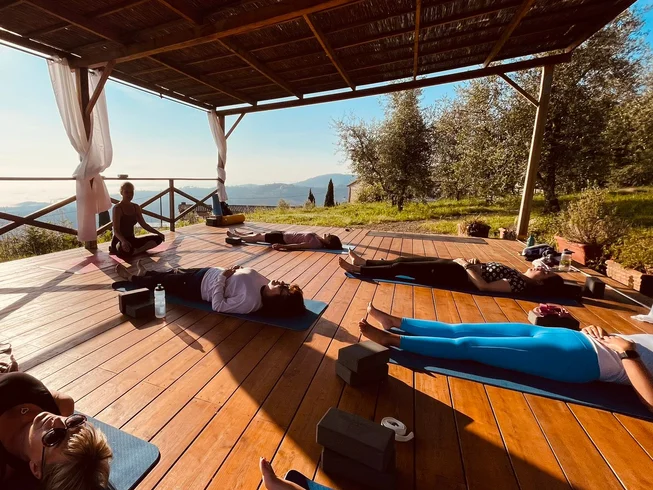
A practitioner who has never done an early summer practice in southern Italy — who has never unrolled a mat at five in the morning on a stone terrace and felt the accumulated warmth of the day before still radiating from the floor beneath them — has not experienced the full range of what asana practice and climate can produce together.
The evening session in July works by a different logic. The heat has built through the day and is only beginning to release after seven or eight; the body is tired in a specific way from the warmth and the necessarily reduced activity of the afternoon; and the quality of openness that sustained heat produces in connective tissue — real, physiological, not a metaphor — means that yin and restorative practices in the evening can go places that they cannot in any cooler month.
Forward folds arrive without preparation. Hip openers that demanded ten minutes of groundwork in March happen in two. The challenge in July evening practice is not persuading the body to open but maintaining the mental focus to use that openness intentionally rather than simply sinking into it passively.
By late July, from around the 17th onward, the Perseids meteor shower begins its build toward its August peak, and retreat centres that operate evening sessions outdoors in areas with low light pollution — the Barbagia, the Valnerina, the Dolomite valleys — begin to incorporate sky observation into their late-evening schedule. Lying in savasana under a sky in which meteors are visible every few minutes is not a manufactured experience; it is a consequence of geography, season, and timing that July and August in rural Italy provide without effort. The boundary between practice and the world becomes temporarily negotiable in these conditions, which is precisely what the best retreat experiences aim for and rarely achieve so simply.
The food in July is summer Italian cooking at its most abundant. Tomatoes are at their absolute peak across the entire country — the San Marzano of Campania, the Cuore di Bue of Piedmont, the sun-dried Sicilian tomatoes that concentrate weeks of heat into each piece — and a retreat kitchen that sources locally in July will serve them in some form at every meal, raw with sea salt, roasted with garlic and herbs, reduced into sauces that the winter months will recall from memory but not match in flavour. Watermelon, eaten after swimming in the late afternoon, is one of those seasonal pleasures that the Italian summer produces effortlessly and that no amount of refrigerated out-of-season substitution replicates. Figs begin in earnest from mid-July in the south — small, purple-black, warm from the tree, eaten with fresh ricotta and a thread of honey in a combination that requires no recipe because the ingredients themselves have already done the work. The aubergines that are one of southern Italian cooking’s great gifts are at their most yielding and least bitter in July heat; the zucchini flowers that began in June are still producing; the peppers are in full summer sweetness. This is the table that Italian summer builds toward from the first asparagus of March, and July is when it is most fully set.
The months that bracket July define it most usefully by what they don’t have. June, which precedes it, has all of July’s warmth in its better moments but without the full commitment — the evenings are still marginally cooler, the school holidays haven’t begun, and the sense of Italy in full summer mode has not yet arrived. Those who read about June yoga retreats in Italy will recognise the difference: June is summer beginning; July is summer arrived, with nowhere left to escalate to.
August, which follows, is July with the volume turned up further: higher temperatures in some regions, more visitors, higher prices, and the particular quality of collective deceleration that the Italian ferragosto produces in the week around August 15th, when the country largely closes. August yoga retreats in Italy have their own character and their advocates, but July sits just ahead of the moment when summer becomes its own kind of excess. For the full picture of the Italian retreat year and how July relates to both the cooler months and the post-summer season, the overview at yoga retreats in Italy puts it in perspective.
July requires the most advance planning of any month in the Italian retreat calendar. The best programmes in popular destinations — coastal Sardinia, Tuscany, the Amalfi area — are often fully booked by February or March, with returning participants occupying a significant portion of the available places before new bookings open. Three to four months’ lead time is the minimum for most programmes; for specific weeks in July that coincide with the Palio or Umbria Jazz, or for programmes at well-established centres with limited places, six months is more realistic. Flight prices to Italian airports in July are at their annual peak; booking as early as possible — ideally when the retreat place is confirmed — captures meaningfully lower fares than waiting until the month itself.
Air conditioning is worth confirming before booking. Many rural retreat centres in Tuscany and Umbria rely on thick stone walls and cross-ventilation rather than mechanical cooling, and while this works well during the day, July nights in the interior can stay above 25 degrees until two or three in the morning. Some practitioners sleep perfectly in these conditions; others find it genuinely sleep-disrupting. There is no correct answer, but the question is worth asking directly before committing rather than discovering on arrival.
Packing for July is the simplest exercise in the Italian retreat year. Lightweight linen and cotton are the right fabrics for everything; synthetic blends trap heat and are uncomfortable within an hour of any outdoor activity. Two or three sets of practice clothes — more than in other months because the heat means changing between sessions is not optional — and a single light layer for mountain locations or for the surprisingly cool air conditioning of Italian train carriages. Sunscreen from SPF 50 is the baseline; the UV intensity in July at Italian latitudes is serious, and a day of outdoor retreat activity without protection produces a burn that interferes with the rest of the week. A wide-brimmed hat, a reusable water bottle that you fill and refill constantly, and sandals that can cover reasonable distances are the functional core of what July requires. Everything else is surplus.
July requires the most advance planning of any month in the Italian retreat calendar. The best programmes in popular destinations — coastal Sardinia, Tuscany, the Amalfi area — are often fully booked by February or March, with returning participants occupying a significant portion of the available places before new bookings open. Three to four months’ lead time is the minimum for most programmes; for specific weeks in July that coincide with the Palio or Umbria Jazz, or for programmes at well-established centres with limited places, six months is more realistic. Flight prices to Italian airports in July are at their annual peak; booking as early as possible — ideally when the retreat place is confirmed — captures meaningfully lower fares than waiting until the month itself.
Air conditioning is worth confirming before booking. Many rural retreat centres in Tuscany and Umbria rely on thick stone walls and cross-ventilation rather than mechanical cooling, and while this works well during the day, July nights in the interior can stay above 25 degrees until two or three in the morning. Some practitioners sleep perfectly in these conditions; others find it genuinely sleep-disrupting. There is no correct answer, but the question is worth asking directly before committing rather than discovering on arrival.
Packing for July is the simplest exercise in the Italian retreat year. Lightweight linen and cotton are the right fabrics for everything; synthetic blends trap heat and are uncomfortable within an hour of any outdoor activity. Two or three sets of practice clothes — more than in other months because the heat means changing between sessions is not optional — and a single light layer for mountain locations or for the surprisingly cool air conditioning of Italian train carriages. Sunscreen from SPF 50 is the baseline; the UV intensity in July at Italian latitudes is serious, and a day of outdoor retreat activity without protection produces a burn that interferes with the rest of the week. A wide-brimmed hat, a reusable water bottle that you fill and refill constantly, and sandals that can cover reasonable distances are the functional core of what July requires. Everything else is surplus.
Your email address will not be published. Required fields are marked *