

The Amalfi Coast is one of the most visually dramatic retreat settings in Europe. Sheer limestone cliffs drop to turquoise water, terraced lemon groves cling to vertiginous slopes, and the towns of Positano, Ravello, and Praiano stack themselves improbably above the sea. It is also one of the most expensive and most touristed stretches of Italian coastline, which affects the retreat experience in ways worth understanding before you book. The wider Italy retreat scene offers options at lower price points and in quieter environments, but for a specific combination of coastal drama, sea-view outdoor practice, and Mediterranean food culture, the Amalfi Coast delivers something difficult to replicate elsewhere.


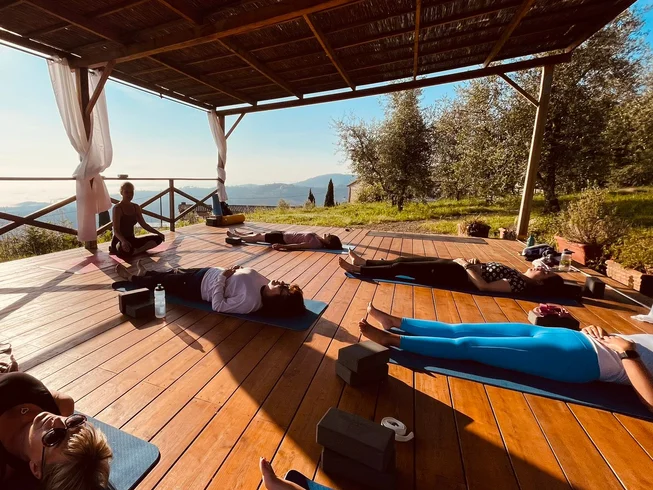
The primary draw is the outdoor practice setting. Most Amalfi Coast retreat venues have terraces, rooftop platforms, or cliffside decks facing the Tyrrhenian Sea, and morning yoga in these spaces has a particular quality — the scale of the view, the sound of water below, the smell of citrus from the terraces above — that indoor studios or landlocked rural venues don’t provide. Sunrise sessions are common and genuinely worth the early alarm.
The food culture reinforces the retreat intention without requiring special effort. The Amalfi Coast diet is Mediterranean in its most direct form: fresh seafood, local olive oil, buffalo mozzarella, pasta with Amalfi lemons, and vegetables grown on the terraced hillsides. Retreat menus built around these ingredients are nourishing in a way that feels like an extension of the landscape rather than a wellness programme overlay.
The coast’s main trade-off is the combination of high cost and tourist density. July and August in Positano or Amalfi town are genuinely crowded — narrow roads jammed with coaches, cliffside restaurants packed from noon, accommodation priced at its absolute peak. The retreat experience in these conditions is compromised in ways that the photography doesn’t prepare you for. The solution is either timing (spring and autumn are significantly better) or location within the coast (the hillside villages above the main road are quieter and cooler in every sense).
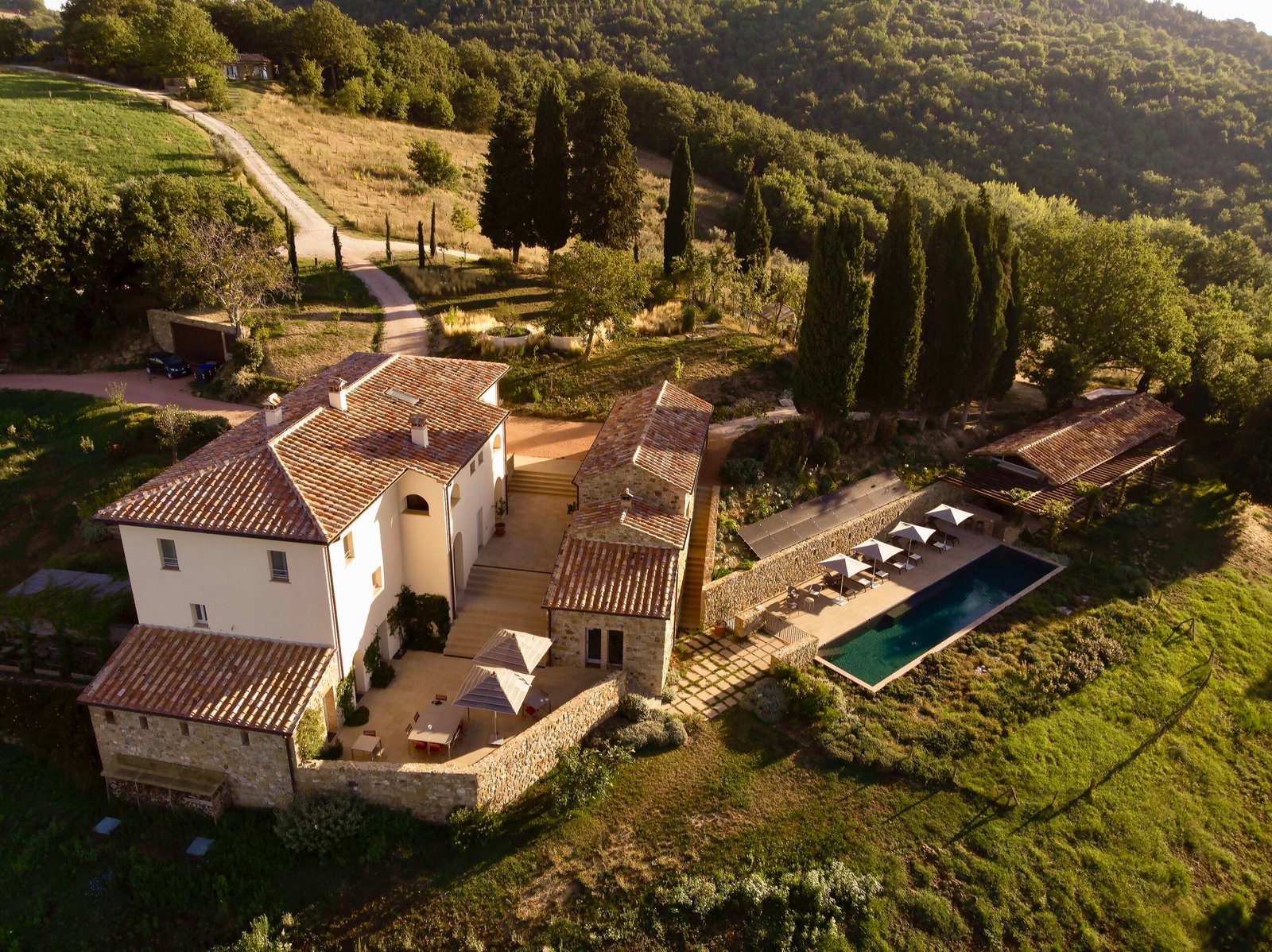
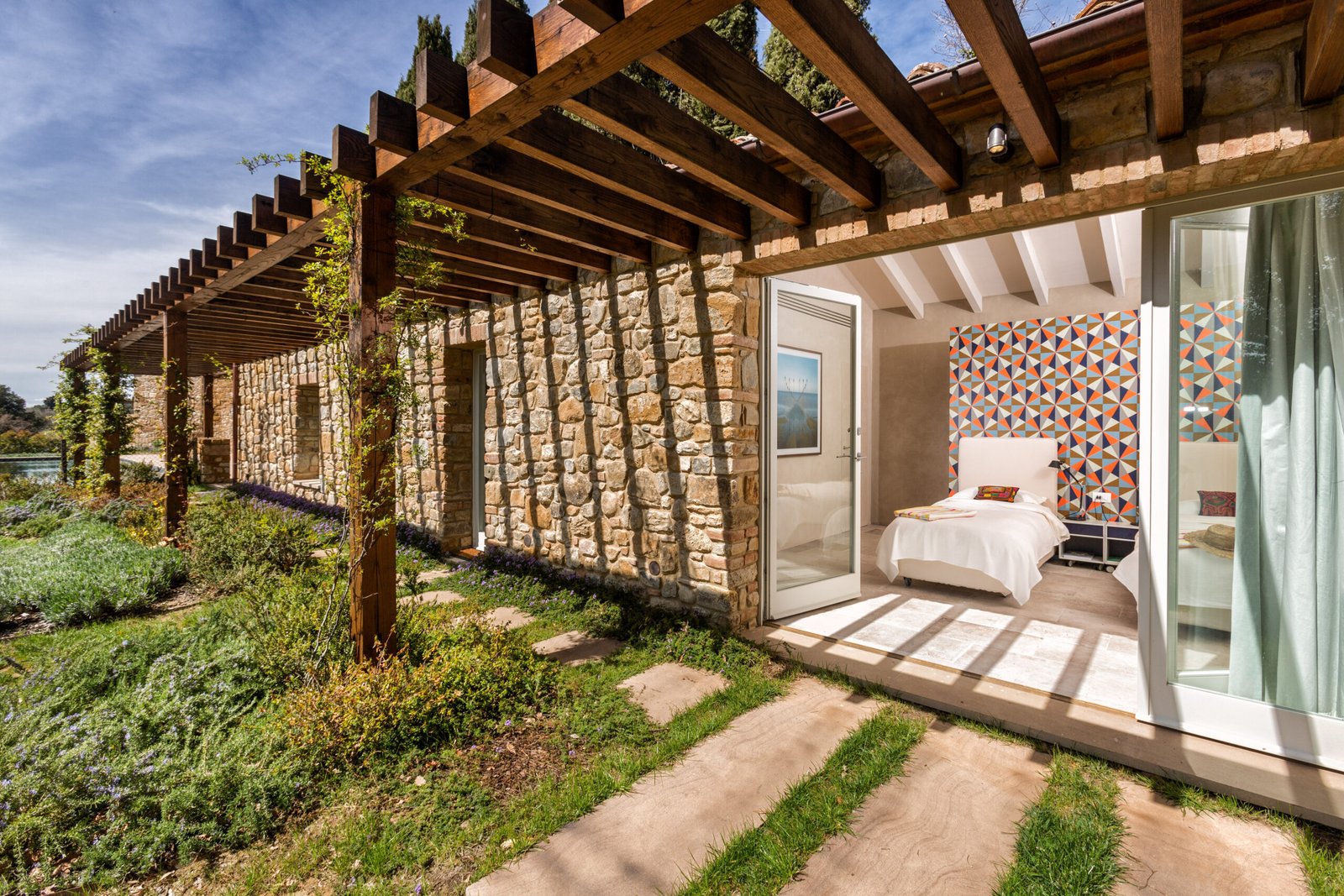
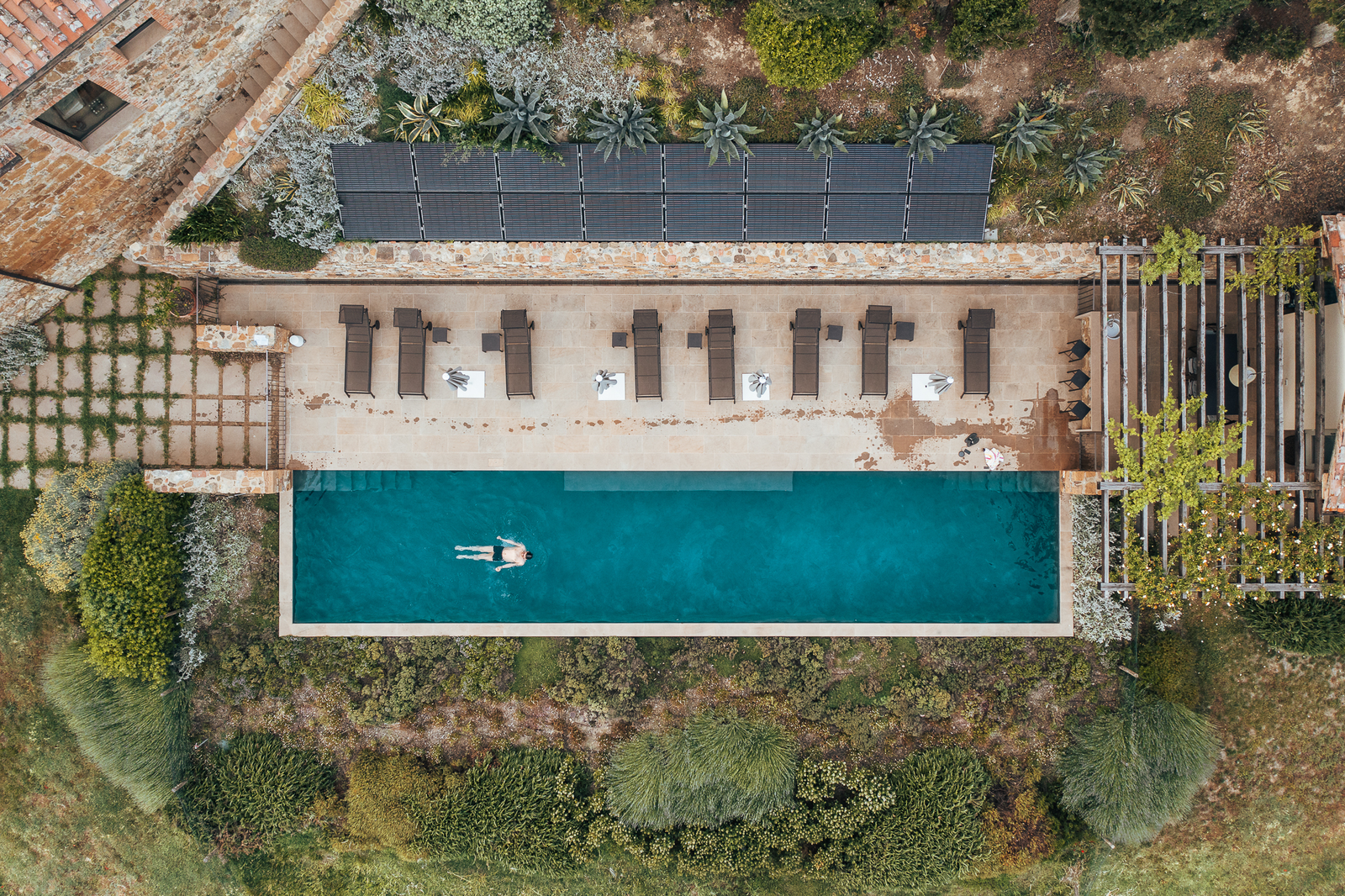
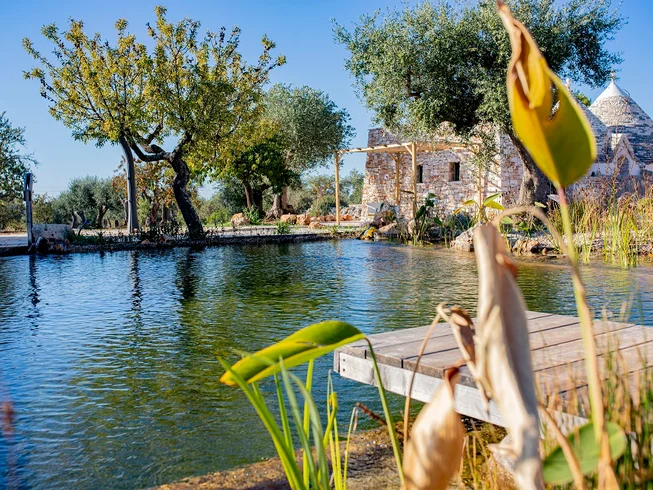
Perched 350 metres above the sea, Ravello sits above most of the coastal traffic and noise. The town has a particular quality of elevated calm — Villa Cimbrone and Villa Rufolo, both with panoramic gardens looking south along the coast, are two of the finest outdoor spaces in Italy. Retreats based in or around Ravello tend to attract participants who specifically want the Amalfi setting without the coastal chaos. Cooler temperatures than the seafront towns, even in summer.
Praiano, between Positano and Amalfi town, is the quietest of the main coastal villages and has a disproportionate concentration of retreat venues relative to its size. The tourist infrastructure is less developed than in Positano, which means fewer crowds and a more genuine local atmosphere. Agerola, further inland and higher up, is even quieter and significantly cooler in summer — several hiking-and-yoga programmes use it as a base specifically because of the Path of the Gods trail that runs from here down to Positano.
The most photographed and most visited town on the coast. Genuinely beautiful, but busy almost year-round and extremely expensive. Retreats based in Positano are the most luxurious on the coast and priced accordingly. Best suited to short formats (3 to 4 nights) or participants whose primary goal is the visual experience of the coast rather than immersive quiet. The town’s staircase topography means flat space for outdoor yoga is genuinely limited.
Amalfi itself is a historic and architecturally rich town but not a natural retreat base — it’s a transit hub and day-trip destination for the coast. The valleys behind it (Valle delle Ferriere, Valle dei Mulini) are much quieter and contain several smaller retreat venues that use the coast’s proximity for afternoon swimming while maintaining a more secluded setting for practice.

The Mood of the Land
Everything here feels carved from contrast:
vertical cliffs and horizontal calm, vibrant towns and silent coves.
Each village has a different pulse:
– Positano – lively, colourful, steeped in boutique charm.
– Ravello – elevated, musical, meditative.
– Amalfi – historic heart with Byzantine echoes.
– Praiano & Agerola – authentic, slower, ideal for retreats seeking real quiet.
The coast’s beauty can be overwhelming at first — until you learn to slow your gaze and let the rhythm of waves replace your thoughts.
The Amalfi Coast is the right choice if sea views, coastal access, and Mediterranean atmosphere are central to what you need from the retreat experience, and if you’re comfortable with a higher price point. It is not the right choice for silence, deep contemplation, or budget-conscious travel.
For a similar coastal experience at significantly lower cost, retreats in Sicily offer comparable Mediterranean food culture and sea access without the Amalfi infrastructure premiums. For the opposite quality — maximum quiet, no coast, lower prices — Tuscany or Umbria serve that purpose better. Lake Garda retreats offer a middle ground: fresh water rather than sea, a cooler northern climate, and considerably more accessible pricing than the Amalfi Coast at comparable quality of venue.

1. Walk the Path of the Gods (Sentiero degli Dei)
One of Italy’s most stunning hikes, connecting Agerola to Positano along cliffs high above the sea.
Early-morning yoga followed by this walk is a retreat highlight — each step framed by sky and lemon trees.
2. Visit Amalfi & Ravello
Amalfi’s cathedral mosaics glint with Byzantine gold, while Ravello — perched 350 m above — offers panoramic gardens at Villa Cimbrone and Villa Rufolo, both hosting summer music concerts.
3. Explore Hidden Villages
Smaller towns like Praiano, Cetara, and Minori still feel local. Expect fishermen mending nets, family trattorias, and empty pebble beaches perfect for meditation walks.
4. Boat Along the Coast
Hiring a small boat or joining a ferry ride gives a whole new perspective. Water meditations at sunrise — offered by some yoga retreats on the Amalfi Coast — are unforgettable.
5. Day Trips
Pompeii & Mount Vesuvius for history.
Capri Island for sea caves and a chic atmosphere.
Sorrento for markets and easy train connections.
Why It Works for Yoga & Wellness
– Natural rhythm: The alternation of sea breeze, sunlight, and terraced landscape encourages deep breathing and relaxation.
– Outdoor spaces: Many retreats host open-air yoga decks facing the horizon; evening sessions often end with orange-pink sunsets that make silence effortless.
– Holistic lifestyle: Locals live by seasonal eating, walking as daily transport, and genuine hospitality — exactly what wellness seekers look for.
– Cultural inspiration: Music festivals, artisan ceramics, and ancient churches remind visitors that creativity is part of health.
This blend of beauty, movement, and calm makes the Amalfi Coast one of Italy’s most rejuvenating regions.
When to Combine With Other Regions
If you have extra time, combine the coast with:
– Naples for food culture and museums.
– Cilento National Park (south) for quieter beaches and forest hikes.
– Rome (2 h by train) to balance sea energy with history and art.
Naples International Airport (NAP) is the main gateway, about 60 to 90 minutes from most coastal towns depending on traffic. High-speed trains connect Rome to Salerno in two hours and Naples in about the same time; from Salerno, ferries and buses reach the main Amalfi Coast towns. Ferries between Sorrento, Positano, Amalfi, and Salerno run from April to October and are often faster and more pleasant than the coastal road.
Driving on the SS163 coastal road requires patience. It is narrow, frequently congested in summer, and has very limited parking in the main towns. Most retreat venues either arrange transfers or provide detailed instructions for reaching them by ferry and then local transport. A hire car is more useful for the inland hillside villages (Ravello, Agerola) than for the seafront towns.
Your email address will not be published. Required fields are marked *