
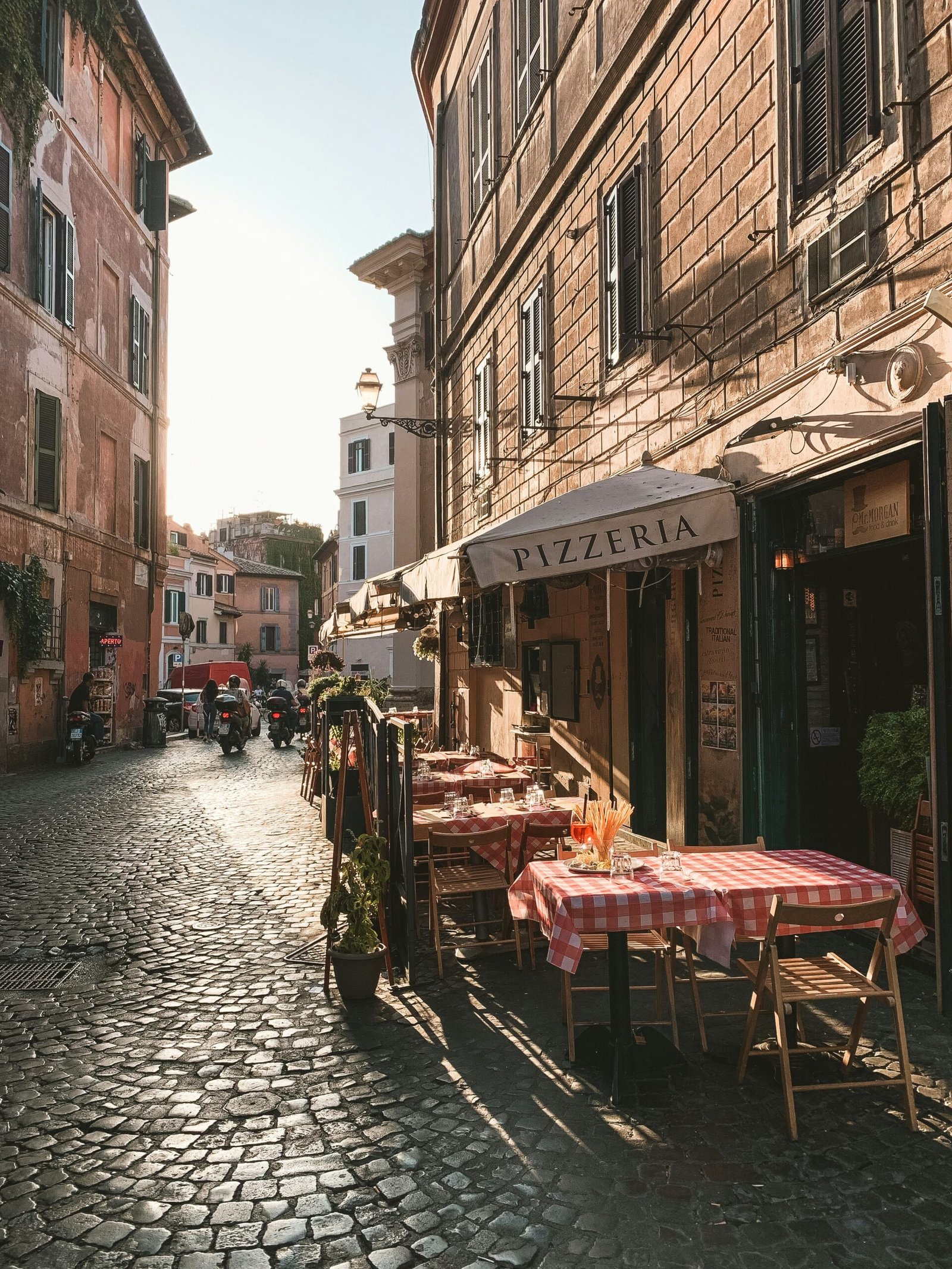
March is when Italy transitions. The thermal springs of Tuscany are still accessible without summer crowds but the landscape around them is beginning to green. The Dolomites are moving from the deep winter wellness season toward the spring hiking that April will bring. Sicily is warm enough for outdoor morning practice.
And Umbria, Campania, and Puglia are producing the first spring ingredients that winter retreats cannot offer. March is the last month of genuine winter quiet in the Italian wellness calendar — and the first month that feels like something is returning.


March is the transition month — winter not quite over, spring already visible. The thermal circuit stays fully operational. Prices are still well below the summer peak. And the seasonal ingredients — wild asparagus, artichokes, the first strawberries in the south — begin appearing at the retreat kitchens that source locally. Our wellness retreats in Italy guide covers the full range of programmes across the country.
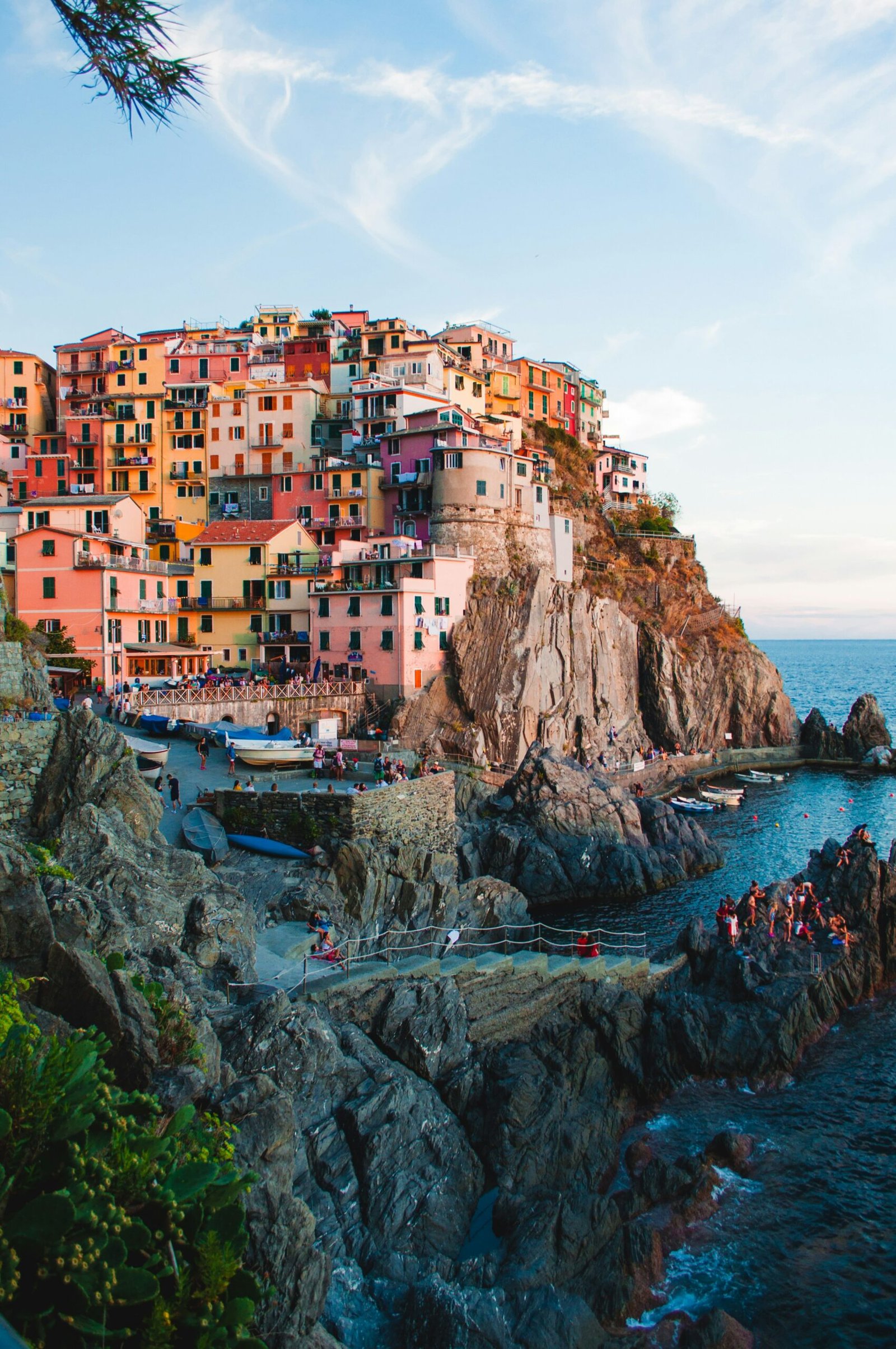
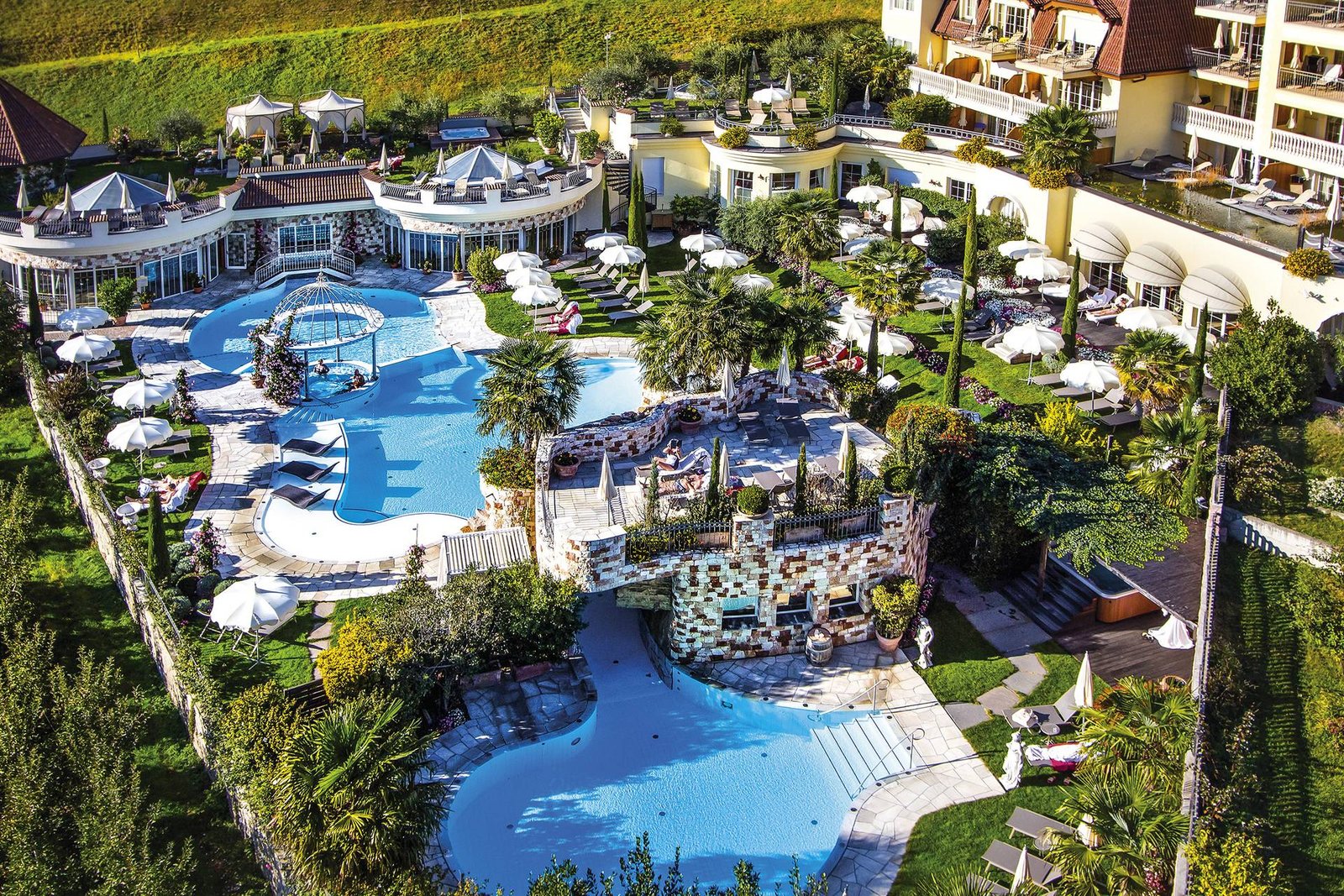

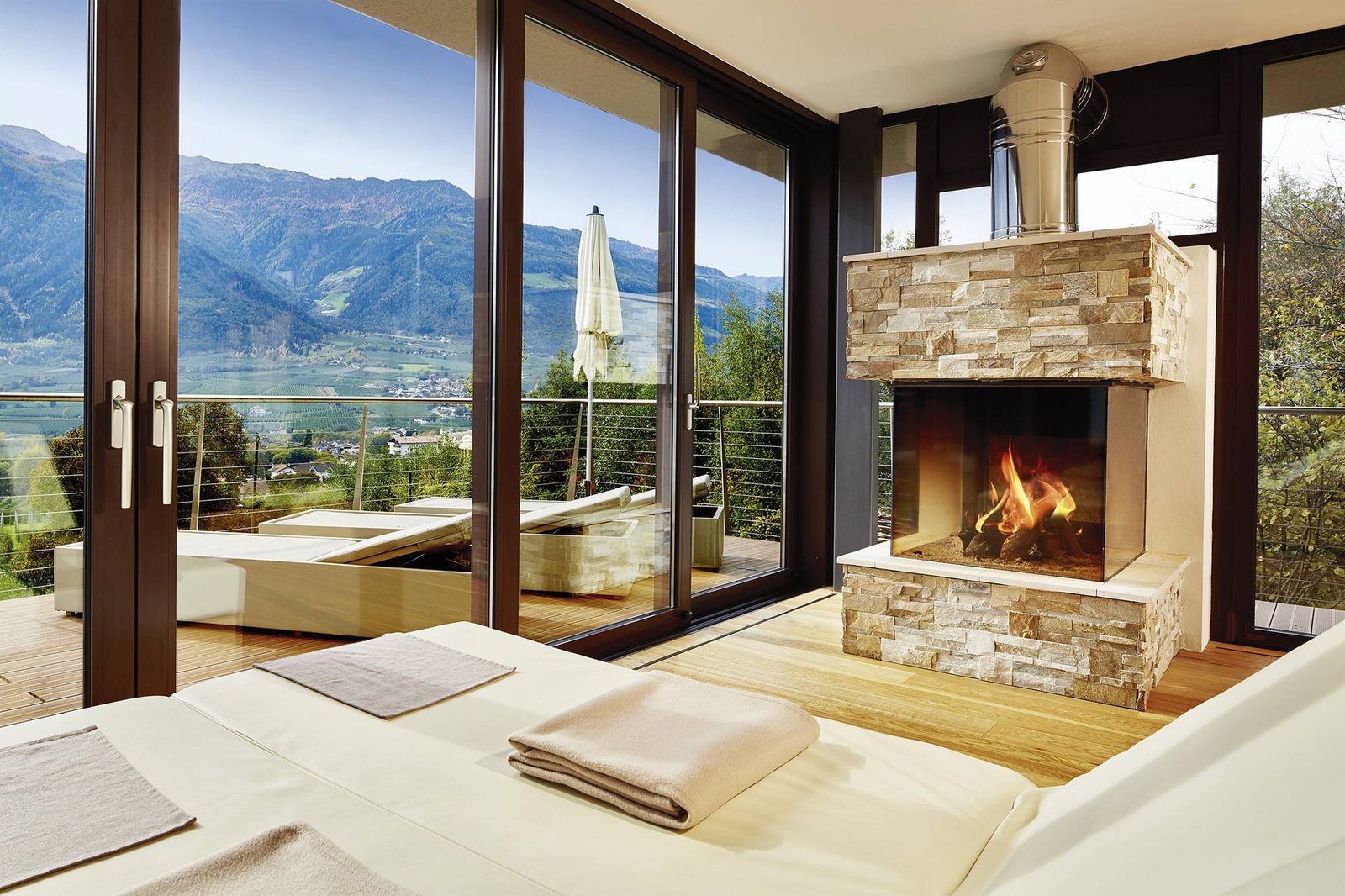

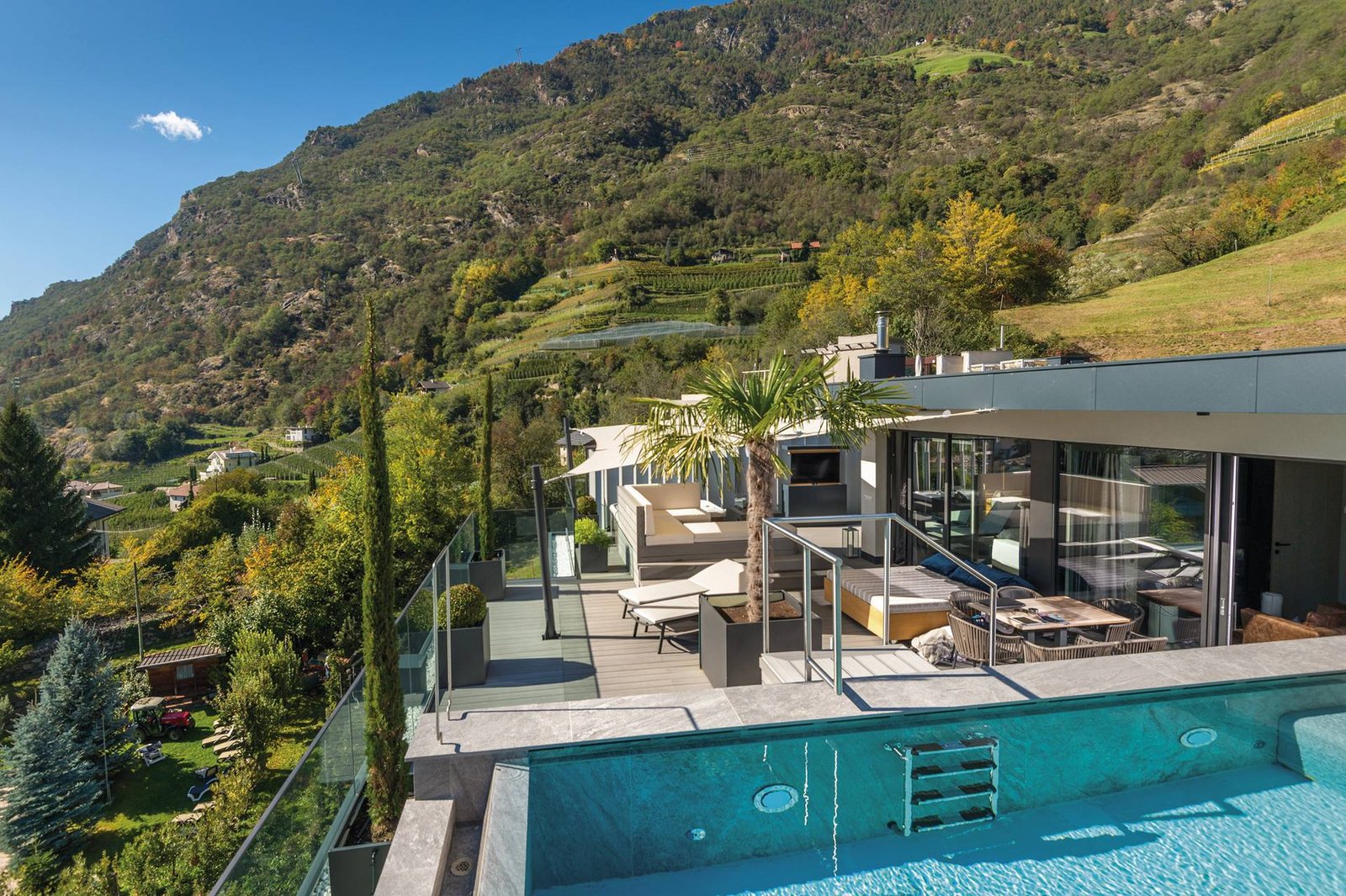
Tuscany in March is the thermal wellness destination at its most complete. The springs of Saturnia, Bagno Vignoni, and Petriolo are still operating without the summer crowds, but the landscape around them is transforming: the Val d’Orcia in March has the first wildflowers on the cypress-lined roads, the wheat fields beginning to green, and the light that Italian painters have always preferred — lower than summer, warmer in tone, and specifically beautiful in the early morning on the Crete Senesi hills.
Saturnia in March is the thermal experience at its most balanced: the air temperature has risen to 10-14°C, warm enough to walk comfortably between the pools and the changing facilities without full winter clothing, and the pools themselves at 37°C produce less dramatic steam than in January but a more comfortable overall experience. The landscape around the cascades is beginning to green in March, and the walk from the car park through the wildflower field to the pools is, for the first time since autumn, genuinely pleasant.
The agriturismo culture of Tuscany is at its spring best in March. The farmhouse retreat centres that source from their own gardens and surrounding farms have the first of the season’s spring produce — asparagus from the kitchen garden, wild herbs from the hillside, and the last of the winter black truffle before the season closes — at the table alongside the new-season olive oil that has been settling in the bottles since November.
The Amalfi Coast in March is the most dramatically beautiful coastal wellness destination in Italy at its most accessible. The lemon groves above Ravello and Positano are in full fruit, the temperatures are 14-18°C, the tourist infrastructure is operational but not overwhelmed, and the sea — still too cold for swimming at 14-15°C — is doing its visual work from the terraces above it.
The Terme di Stabia near Castellammare di Stabia, at the northern end of the Sorrento peninsula — sulphurous thermal waters used since antiquity, with the remains of the Roman imperial baths visible in the surrounding excavations — is in March the most historically layered thermal wellness experience in Italy. The combination of the thermal facility and the proximity to Pompeii and Herculaneum (accessible for a half-day excursion) produces a specifically Campanian wellness week that the summer crowds make difficult.
The Phlegraean Fields (Campi Flegrei) west of Naples — the active volcanic area whose geothermal activity produces the thermal waters at Pozzuoli and the extraordinary landscape of the Solfatara crater — are in March at their most explorable: the walking trails around the crater rim, the lakeside thermal facilities at Lago d’Averno, and the archaeological sites of the Roman port of Puteoli all accessible without the summer tourism density.
Umbria in March is the Italian wellness destination for those who want the food culture as central to the retreat as the treatments. The black truffle season is finishing its run, the first wild asparagus is appearing on the hillsides, and the spring artichokes from the Trasimeno lake area are at their peak. The weekly markets of Spoleto, Foligno, and Orvieto in March have the widest seasonal variety of any winter month.
The spa and thermal offer in Umbria is more modest than Tuscany or the Dolomites — the Terme di Fontecchio near Città di Castello and the smaller facilities near Spoleto — but the landscape and the food culture compensate. A wellness retreat in Umbria in March that combines morning treatments, afternoon truffle hunts in the last weeks of the season, and cooking workshops using the spring market ingredients is doing something that no other region in Italy can replicate in this specific month.
Puglia in March is the Italian wellness destination that most people have not considered and that rewards those who find it. The heel of Italy’s boot has temperatures of 15-18°C in March — among the warmest on the mainland — and the landscape of olive groves, trulli (the conical dry-stone dwellings unique to the Itria Valley), and the sea on both coasts is at its most underpopulated of any accessible season.
The masserie — the traditional fortified farmhouses of Puglia, many now converted into retreat centres — are in March running their spring programmes: the olive groves pruned and showing new growth, the orchards in early blossom, and the Apulian food culture (burrata, orecchiette, taralli, the local olive oils from the century-old Ogliarola and Coratina varieties) at its most accessible and most local. The sea is too cold for swimming but the coastal walks — the Gargano promontory in the north, the Salento coast in the south — are in March specifically good.
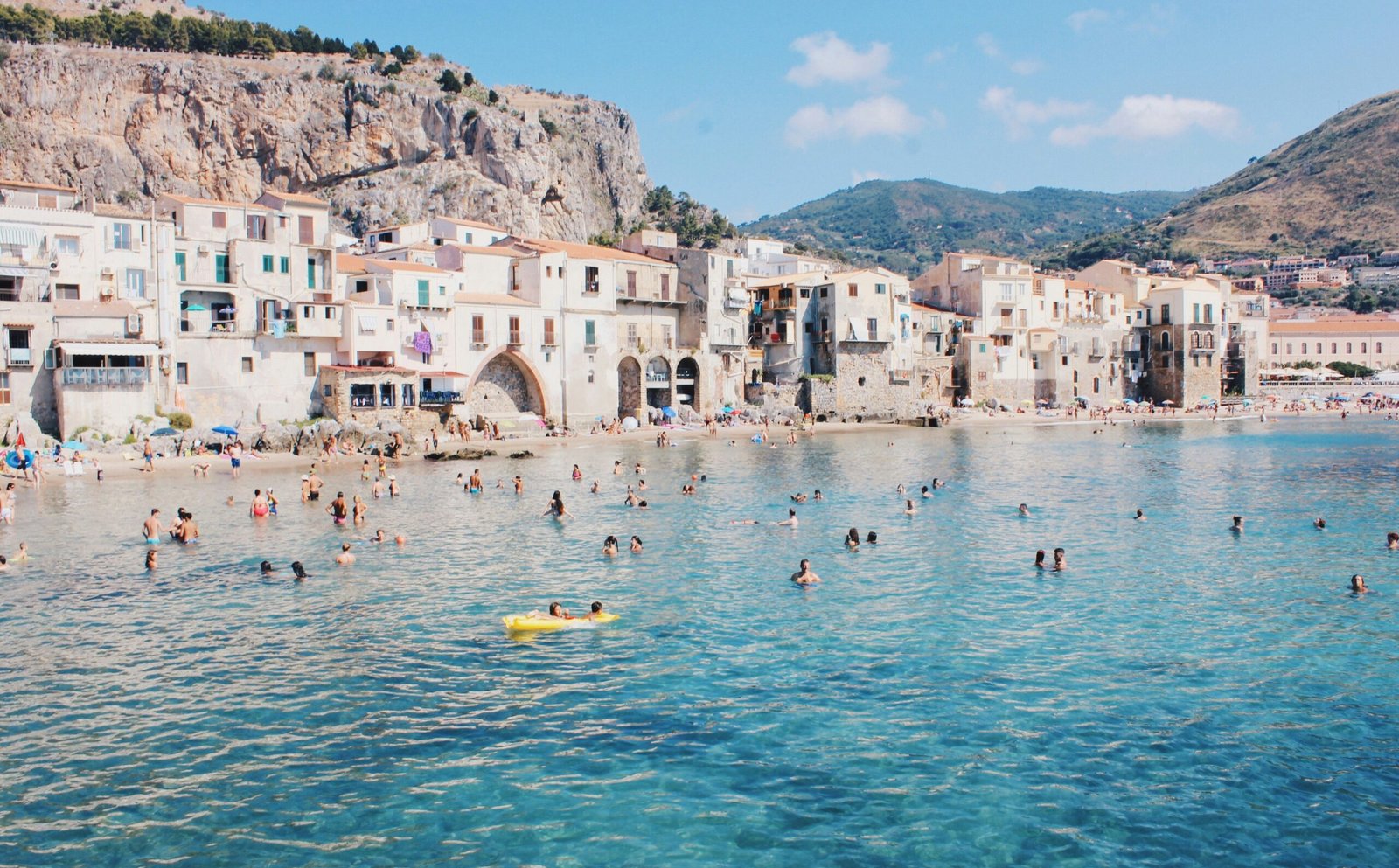
The thermal experience in March shifts from the stark winter contrast of January and February toward a more nuanced version: the air temperature has risen enough that the outdoor pools are comfortable to approach without full winter clothing, the surrounding landscapes are greening, and the overall sensory experience is one of transition rather than immersion in the cold. The sulphurous Tuscan springs in March produce a specific combination of warm water, spring air, and new vegetation that is different from both the winter and summer versions of the same pools.
March is the traditional Italian detox month. The concept of spring depurazione — the seasonal cleanse of the liver and digestive system using the bitter spring greens and herbs that appear in March — is embedded in Italian popular medicine and increasingly supported by the nutritional research on the specific compounds in spring plants. The carciofi (artichokes), the cicoria (wild chicory), the tarassaco (dandelion greens collected from the fields) and the first asparagi selvatici (wild asparagus from the hillsides) are the March liver-support ingredients that the Italian wellness tradition has always used and that the retreat kitchen incorporating them is doing something nutritionally specific rather than generically seasonal.
March is the first month that outdoor wellness practice becomes reliably possible across most of the Italian peninsula. Morning yoga on the terrace of a Tuscan agriturismo from mid-month, a massage in an outdoor pavilion at a Campanian masseria, a guided walk through the wildflower fields of the Val d’Orcia — all of these become available in March as the temperature crosses the threshold where outdoor activity is comfortable rather than a choice requiring dedication.
The fango treatments of the Euganean Hills continue in March with the spring season bringing a different quality to the experience: the thermal grounds and the surrounding botanical gardens that make Abano Terme and Montegrotto Terme specifically beautiful are beginning to flower in March, and the combination of the mud therapy, the thermal pools, and the spring gardens produces a wellness experience that is specifically of this season.
Wild asparagus (asparagi selvatici) is collected from the scrubland and olive groves of Tuscany, Umbria, Campania, and Puglia from March through May. Thin, intensely flavoured, and found by those who know where to look along the south-facing hillsides, wild asparagus is the March forage ingredient that retreat kitchens sourcing locally will incorporate directly. Scrambled with eggs in the traditional preparation, or simply blanched with the new-season olive oil and lemon, it is a specifically seasonal ingredient that the cultivated variety cannot replicate.
Carciofi romaneschi (the large, rounded Roman artichoke) and the Sardinian carciofo spinoso are both at their March peak — the most tender specimens of the year, before the summer heat hardens them. The Roman preparation (carciofi alla romana, braised with mint and garlic) and the Jewish preparation (carciofi alla giudea, deep-fried until crispy) are both specifically of the March season and worth seeking at the retreat kitchens and restaurants that take their seasonal sourcing seriously.
Fresh broad beans (fave fresche) appear at southern Italian markets from early March — still in the pod, eaten raw with young pecorino and a drizzle of olive oil in the traditional Puglian and Roman spring snack. The combination of raw fave and fresh pecorino, eaten standing at a market stall or sitting at a farm table in the March afternoon sun, is one of those specifically seasonal Italian food experiences that the same ingredients dried, frozen, or combined in any other way cannot replicate.
The last black truffle (tartufo nero di Norcia) of the season appears at Umbrian markets through March before the season closes at the end of the month. The March truffle is sometimes slightly less intense than the January peak, but the combination of the spring landscape, the green market stalls, and the last of the winter’s most prized ingredient produces a March market visit that is worth specifically timing a retreat week around.
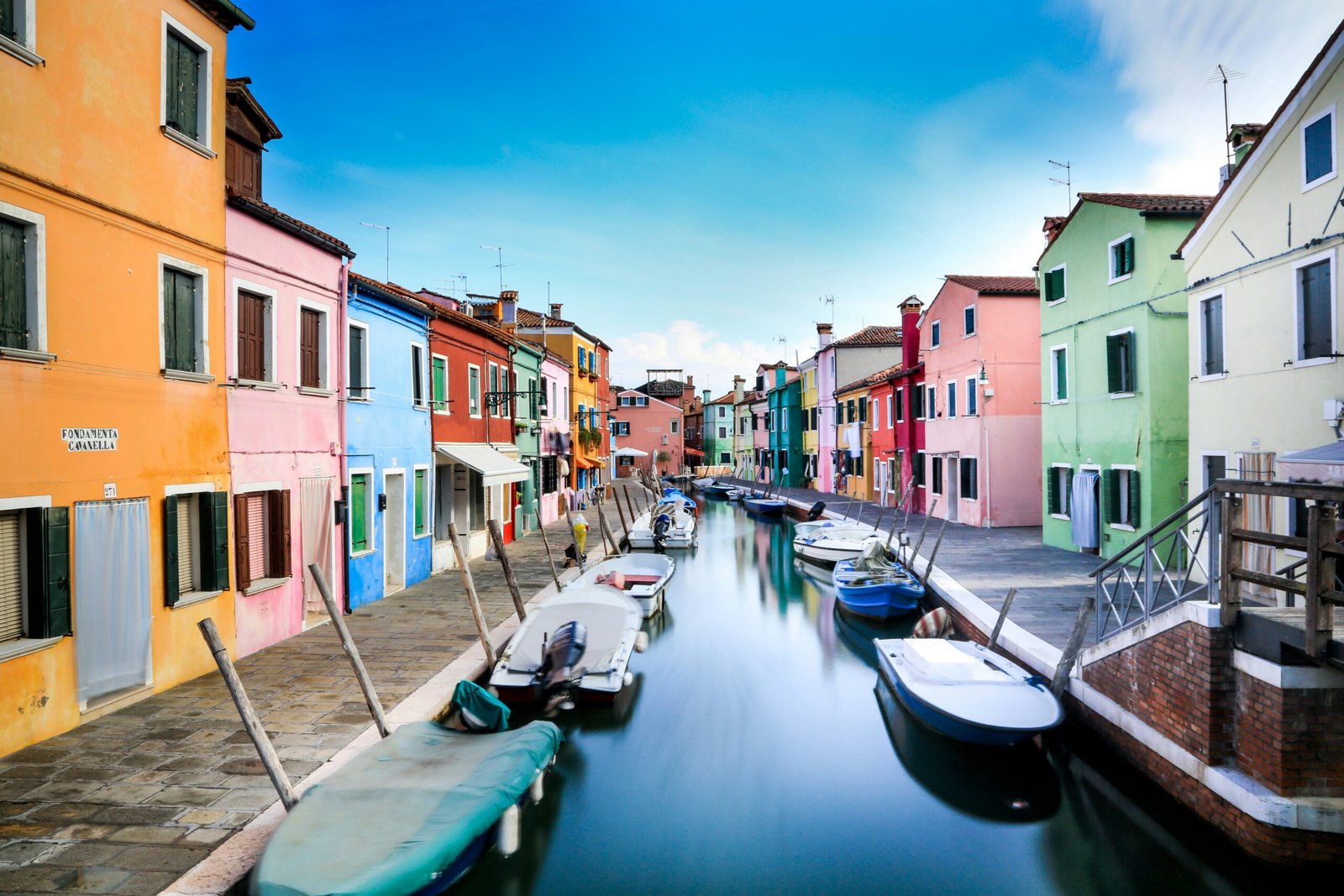
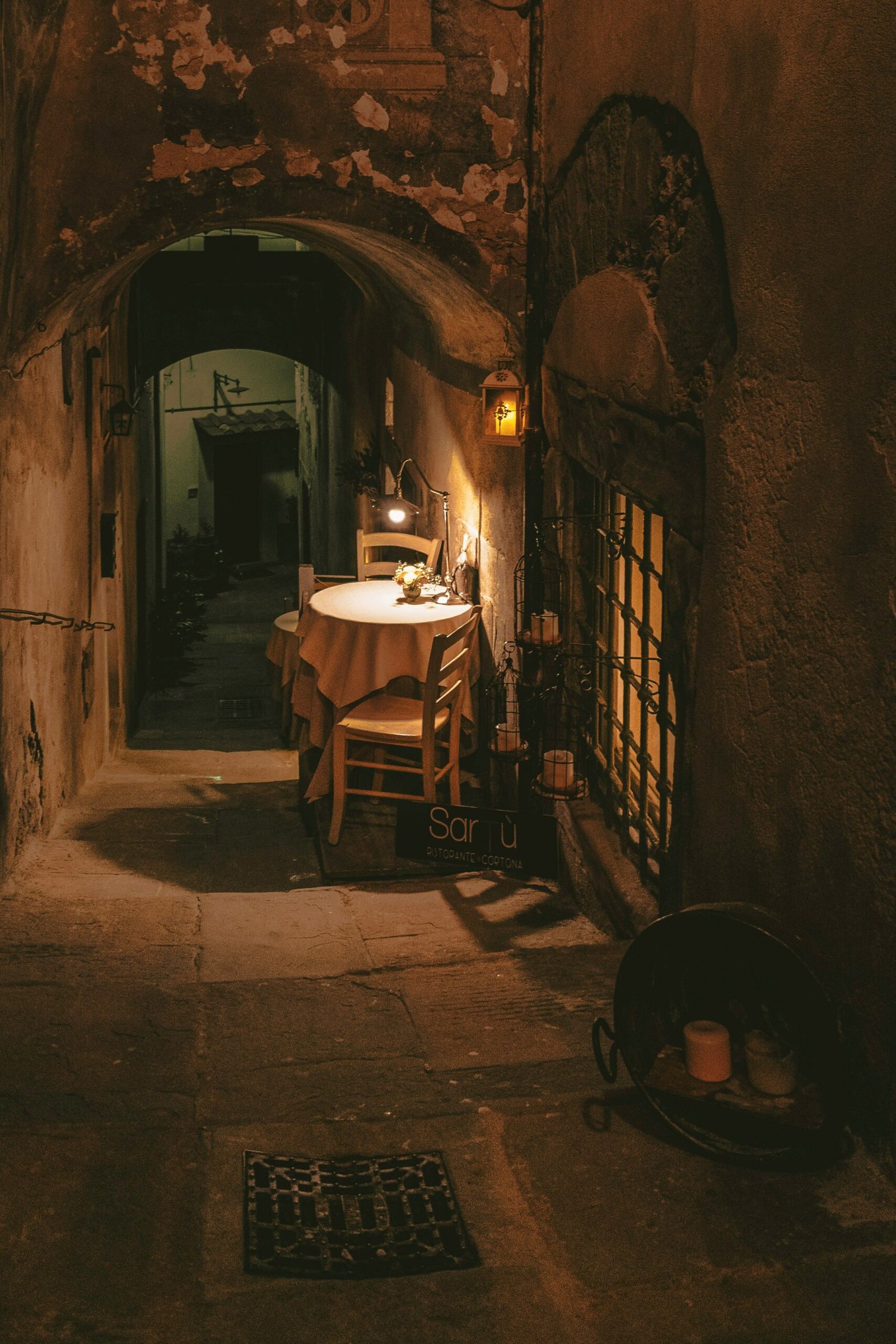
March 20-21 marks the spring equinox — the moment the days become longer than the nights, and the signal that the Italian wellness calendar uses to shift from winter to spring programming. Several retreat centres in Tuscany and Umbria mark the equinox with specific programming: a dawn practice at the first spring sunrise, a seasonal menu change that introduces the first spring ingredients, and the intention-setting rituals that the turning of the season makes specifically meaningful.
If Easter falls in late March or early April (check current-year dates), Holy Week begins in the last week of March. The processions in the hill towns of Campania — Sorrento, Positano, and the smaller Amalfi Coast villages — are among the most visually atmospheric in Italy: the white-robed confraternities, the candlelit processions through the narrow coastal town streets, and the specific combination of Christian ritual and Mediterranean landscape. For retreat guests based on the Amalfi Coast in Holy Week, the Good Friday procession is an experience that requires being in the right place at the right time.
Vinitaly — Italy’s largest wine fair, held in Verona in early April — generates significant activity in the Veneto wine world from March: the producers bottling their final selections, the new vintages being presented at preview tastings, and the general energy of the Italian wine industry in its spring preparation. For retreat guests interested in combining wellness with the wine culture of the Veneto and Trentino, a late March stay that overlaps with the pre-Vinitaly estate tastings in the Soave, Valpolicella, and Bardolino wine areas produces a specifically seasonal experience.
March programming is the transition from winter to spring mode, and the shift is significant across all regions. The hammam-centred, indoor-prioritised schedule of January and February gives way from mid-month to a programme that goes outdoors for the first time — and that transition is one of the physically and emotionally satisfying changes a wellness retreat can offer.
The spring detox takes centre stage in March in a way that January and February, with their comfort food emphasis, do not allow. The bitter spring greens, the artichokes, the wild asparagus — all of these are at their March peak and all of them are being used in the Italian wellness tradition specifically for their liver and digestive support properties. The retreat kitchen in March Tuscany or Umbria is doing nutritional work that the season provides automatically.
Outdoor treatments become available in March for the first time since October. The massage pavilion at the Campanian masseria, the outdoor yoga terrace at the Puglian farmhouse, and the guided wildflower walk in the Val d’Orcia are all possible in March in a way that January and February cannot offer across most of the Italian peninsula.
Your email address will not be published. Required fields are marked *