yoga retreats by the garda lake

Yoga retreats by the Garda lake

Lake Garda occupies an unusual position in Italy’s retreat landscape — geographically and atmospherically. Sitting between the Alps and the Po Valley, it has the clarity of mountain air and the warmth of a Mediterranean microclimate simultaneously. Olive groves and lemon terraces at the water’s edge, snow-capped peaks reflected in the lake behind them.

It’s an environment that feels inherently balancing, which is part of why wellness has deep roots here going back to Roman times. Among yoga retreats in Italy, Lake Garda offers something distinct: accessibility without sacrifice, and natural beauty that is varied rather than uniform.

AUTHOR

Om Away

DATE PUBLISHED

January 17, 2026

CATEGORY

Share This Article

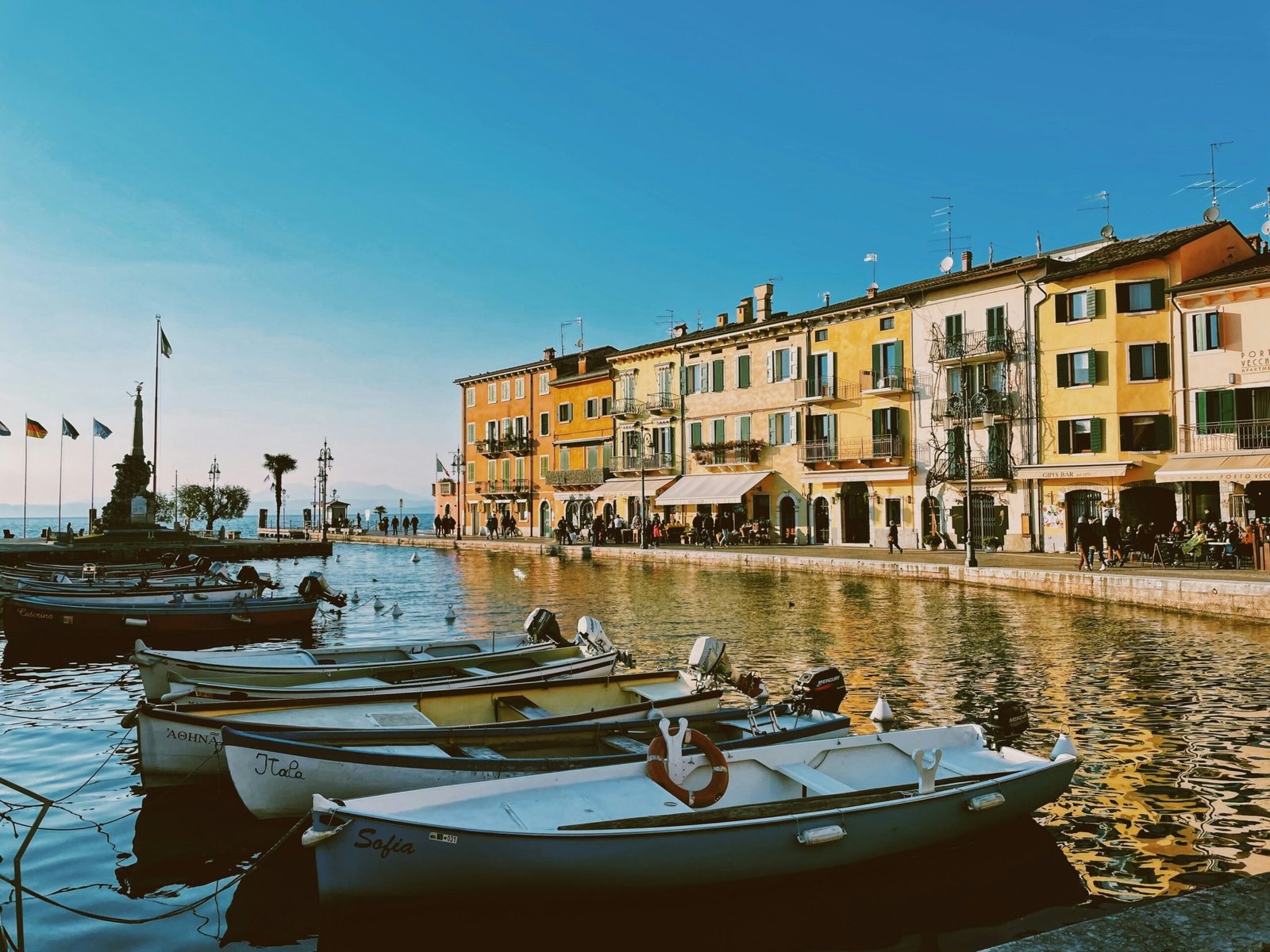
Calm Reflected in Water

Lake Garda is one of the most easily reached destinations in Italy — Verona airport is 30 minutes from the southern shore, Bergamo and Milan within 90 minutes. For Europeans looking for a retreat that doesn’t involve a long-haul journey or a complicated transfer, this matters.


The climate is another asset. The lake’s size and the surrounding Alps create a microclimate that is consistently warmer than the surrounding region. The western shore in particular, sheltered from cold northern winds, supports lemon trees and olive groves at a latitude where neither would ordinarily survive. This makes Lake Garda viable for outdoor practice for more of the year than most northern Italian destinations.


The wellness infrastructure is unusually developed. Sirmione, on the southern shore, has natural thermal springs that have been used therapeutically since antiquity. Roman soldiers recuperated here. Today, the Terme di Sirmione sits on the same sulfurous water, offering thermal pools at 34 to 37 degrees alongside more contemporary spa facilities. No other Italian lake has this particular combination of natural thermal resource and yoga retreat infrastructure.

under the tuscan sun_3

The Sanctuary for the Soul – the VIP Experience – Italy, Tuscany

the sweet earth retreat_4

The Sweet Earth Retreat – Italy, Tuscany

under the tuscan sun_1

Explore Tuscany: Retorno a Calma

7 Day Yoga, Relaxation, Wine Tasting and Olive Oil Tasting in the Heart of Tuscany, Italy

Bicycle

5 Day Private Couples Retreat The Art of Connection in Sardinia, Italy

7 Day Italian Cooking, Tour and Yoga Holiday in Puglia, Italy

When to Go

Spring, from April to June, is the strongest overall period. The lake is calm, temperatures sit between 18 and 26 degrees, the lemon trees and wisteria are in bloom, and the tourist season hasn’t yet reached its summer intensity. Morning practice on a terrace overlooking the water in May is one of those experiences that stays with people.

Autumn, from September to October, runs it close. The light becomes golden and softer, the grape and olive harvests are underway in the surrounding hills, and the lake retains enough warmth for swimming well into October. This is also when the lake towns return to something closer to their ordinary pace after the summer, which for many retreat purposes is an improvement.

Summer is busy and warm, with temperatures reaching 32 degrees and the lakeside towns filling significantly in late July and August. Coastal retreats remain comfortable with early morning and late afternoon practice, and the lake itself is reliably warm for swimming. If you’re going in summer, the western shore’s sheltered aspect and the northern shore’s consistent breeze both help.

Winter is the low season, with much of the outdoor infrastructure closing between November and March. The thermal spas remain open and are excellent in cold weather. For a restorative indoor retreat combining yoga and thermal bathing, a winter visit to Sirmione is genuinely underrated.

garda lake, perfect spot for luxury yoga retreats

Practical Tips

– Pack swimwear and layers — mornings can be cool even in summer.
– Avoid peak weekends (late July–mid-August) if you want quiet.
– Ferry rides are scenic and inexpensive — a good eco-alternative to driving.
– Book thermal treatments in advance; slots fill quickly.
– English is widely spoken in hotels and retreat centres.


Where to Go Around the Lake

Lake Garda’s geography divides naturally into three distinct characters, and the right area depends significantly on what you’re looking for.

The northern shore, centred on Riva del Garda and Torbole, sits between dramatic cliffs and is consistently windier than the rest of the lake. This wind — the Ora from the south in the afternoon, the Pelèr from the north in the morning — makes the north the preferred destination for windsurfing and active outdoor sports. Retreats here tend to combine yoga with more physically active elements: hiking the Monte Baldo trails, water sports on the lake, climbing. The landscape is more Alpine than Mediterranean, with a freshness and intensity that suits people looking for energy rather than languor.

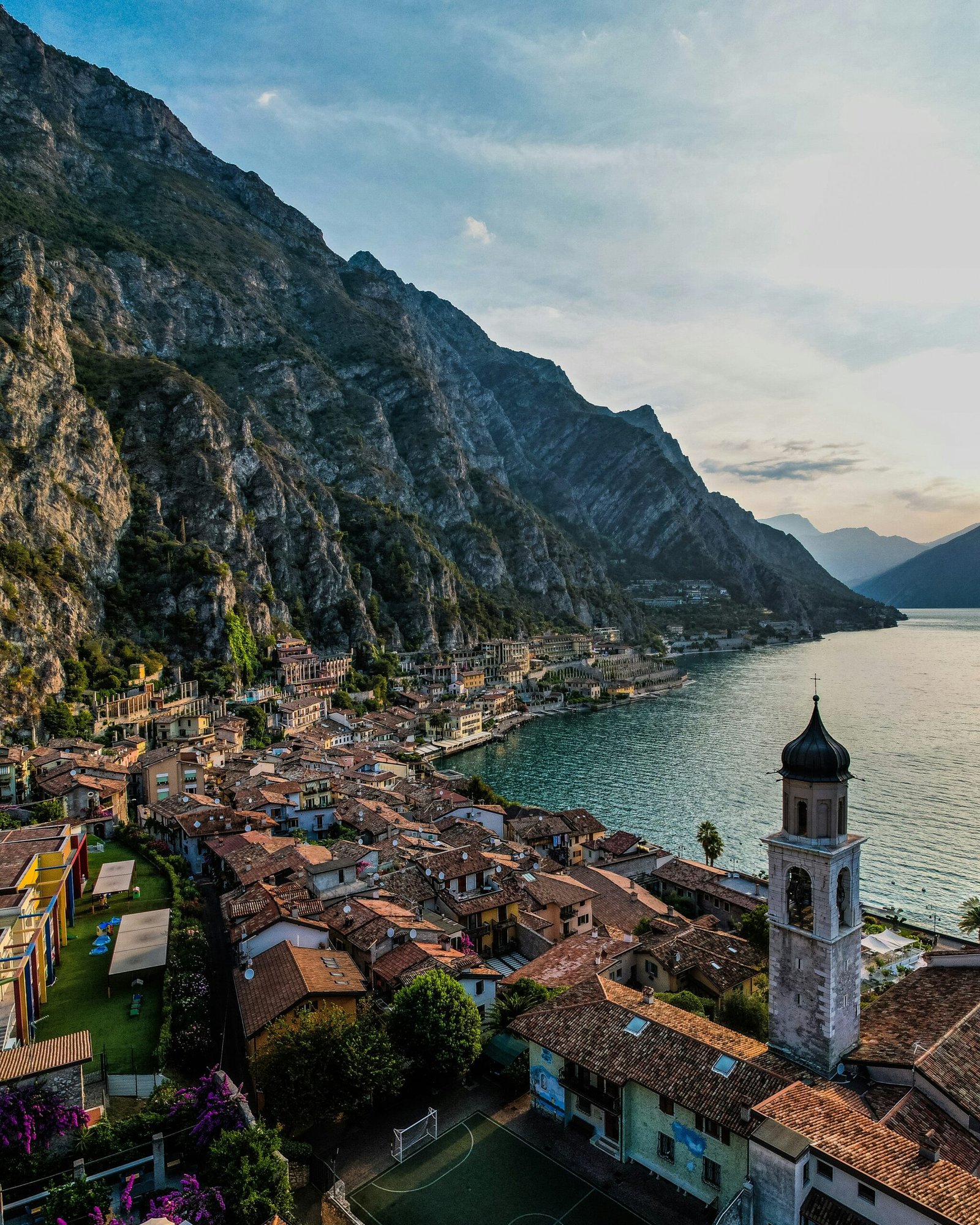
The western shore, running through Gargnano, Salò, and Gardone Riviera to Limone sul Garda, has the warmest microclimate on the lake and the most Mediterranean character. Lemon houses, olive groves, and a sheltered aspect that makes it genuinely mild well into autumn and mild again from early spring. This is the shore for people who want warmth, beauty, and the particular quality of light that comes off still water in the late afternoon. Retreats here tend to be quieter and more contemplative.

The southern shore, around Desenzano del Garda, Peschiera, and Sirmione, is flatter and less dramatic but the most accessible and the most spa-oriented. Sirmione’s thermal baths are the defining attraction — combining a yoga retreat on the southern shore with thermal spa sessions is one of the most coherent wellness experiences the lake offers. Prices here tend to be somewhat lower than the more scenically dramatic north and west.

views of the garda lake, italy
yoga retreats by the garda lake

What to See & Do

1. Sirmione
A historic peninsula town with Roman ruins, cobbled lanes, and the famous Terme di Sirmione thermal baths.
Ideal for spa-based retreats or weekend add-ons.
2. Riva del Garda
Set between cliffs and lake, perfect for active travelers.
Retreats here often combine yoga with windsurfing, climbing, or mindful hiking.
3. Malcesine & Torbole
Charming northern towns under Mount Baldo.
Cable cars lead to panoramic trails; summer evenings are breezy and cool.
4. Bardolino & Garda Town
Vibrant but not hectic — known for lakeside promenades and relaxed cafés.
Nearby vineyards offer tastings and cooking classes.
5. Desenzano & Peschiera
Southern shore hubs with train access, local markets, and good connections for day trips to Verona or Mantua.

Why It Works for Yoga & Wellness

– Balanced setting: Mountain air plus Mediterranean climate — energizing and relaxing at once.
– Accessibility: Easy to reach from major airports, ideal for short wellness breaks.
– Outdoor options: Safe trails, calm water, and clean air support active recovery.
– Spa heritage: One of Europe’s most established thermal regions.
– All-level retreats: From beginner yoga holidays to advanced teacher trainings.

Nearby Add-Ons

– Verona: 40 min away — art, opera, and day-trip potential.
– Valpolicella & Soave: Wine country tours.
– Dolomites: 2–3 h north for mountain contrast.
– Venice or Milan: Easy weekend extension via train.

Summary

Lake Garda is one of Italy’s most complete yoga and wellness destinations — peaceful yet connected, natural yet comfortable.
Here, well-being means swimming in clear water, eating well, walking after dinner, and sleeping deeply.
It’s the kind of balance that stays with you long after you leave the shore.

What to Expect From a Lake Garda Retreat

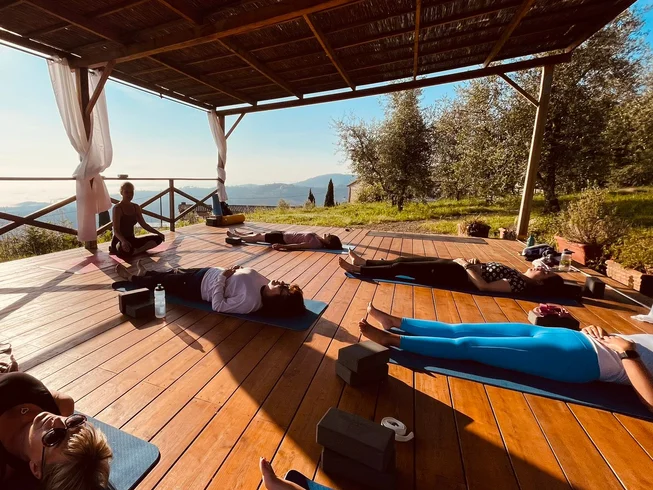
The most common structure at Lake Garda retreat centres combines twice-daily yoga practice with the particular outdoor assets of the location. Morning sessions, often on lake-view terraces or in gardens above the water, take advantage of the calm that characterises the lake before the afternoon winds arrive. Late afternoon practice, as the light changes and the temperature drops, tends to be the most atmospheric.


SUP yoga — practice on stand-up paddleboards on the lake’s calm morning surface — is a specific offering that Lake Garda does better than almost any other Italian retreat destination. The flat water in the early morning, particularly in the protected bays of the southern and western shores, creates conditions that are genuinely suitable for this practice from May through September.


The food culture around the lake draws on Garda’s position between Lombardy, Veneto, and Trentino. Local olive oil, certified DOP and among the best in Italy, features heavily. The lake’s own fish — sardines, trout, perch, pike — appear at retreat tables. Lugana white wine from the southern shore, Bardolino and Chiaretto from the eastern shore, and the wines of Valpolicella nearby round out a food culture that supports rather than undermines the reset that most people come looking for.

How Lake Garda Fits Into a Wider Italian Retreat Journey

Lake Garda works particularly well as part of a wider exploration of Italy’s retreat landscape, either as an entry point for people new to Italian retreats or as a contrast to experiences further south.


For those who have done yoga retreats in Tuscany and are looking for something with a different energy, Lake Garda’s Alpine-Mediterranean combination provides it. For those considering yoga retreats in Umbria, the comparison is between medieval inland silence and lakeside openness — genuinely different in character. Sicily and the Amalfi Coast offer the intensity of the south — volcanic energy, dramatic coastal scenery, heat — where Lake Garda offers a more temperate and balanced experience.


Practically, Lake Garda’s position in northern Italy makes it an easy extension of a visit to Verona, Venice, or Milan. Day trips are genuinely feasible: Verona is 30 to 40 minutes from the southern shore; Venice is 90 minutes. For people combining a retreat with a broader Italian journey, this accessibility is a genuine advantage.

FAQs: yoga retreats by the garda lake

When is the best time for a yoga retreat at Lake Garda? April to June and September to October are the strongest periods. Spring brings blooming lemon trees, calm water, and comfortable temperatures. Autumn brings the grape and olive harvests, softer light, and a quieter lake. Summer is warm and busy — viable for lakeside retreats with sensible scheduling. Winter is low season, but thermal spa retreats in Sirmione are excellent.

Which part of Lake Garda is best for a yoga retreat? The western shore suits people who want warmth, Mediterranean character, and quiet. The northern shore suits those who want active outdoor activities alongside practice. The southern shore, particularly Sirmione, suits people who want to combine yoga with thermal bathing and easy airport access.

Can I combine yoga with thermal bathing at Lake Garda? Yes — and this combination is one of Lake Garda’s specific advantages over other Italian lakes. The Terme di Sirmione on the southern shore has natural sulfurous thermal water at 34 to 37 degrees, with day passes available independently of any retreat programme. No other major Italian lake has comparable thermal infrastructure.

Is Lake Garda more affordable than other Italian retreat destinations? It sits in the mid-range for Italy. Less expensive than the Amalfi Coast, comparable to Tuscany, significantly more affordable than Lake Como. The southern shore tends to be the most economical; the northern shore the most expensive. May, June, and September offer the best value relative to experience quality.

What types of yoga are offered at Lake Garda? Hatha and vinyasa are most common. Yin and restorative yoga are widespread, particularly in spring and autumn. SUP yoga — practice on paddleboards on the lake’s calm morning water — is a specific offering that several centres provide from May through September. Ashtanga and power yoga are less common; the prevailing mood at Lake Garda retreats tends toward the contemplative rather than the athletic.

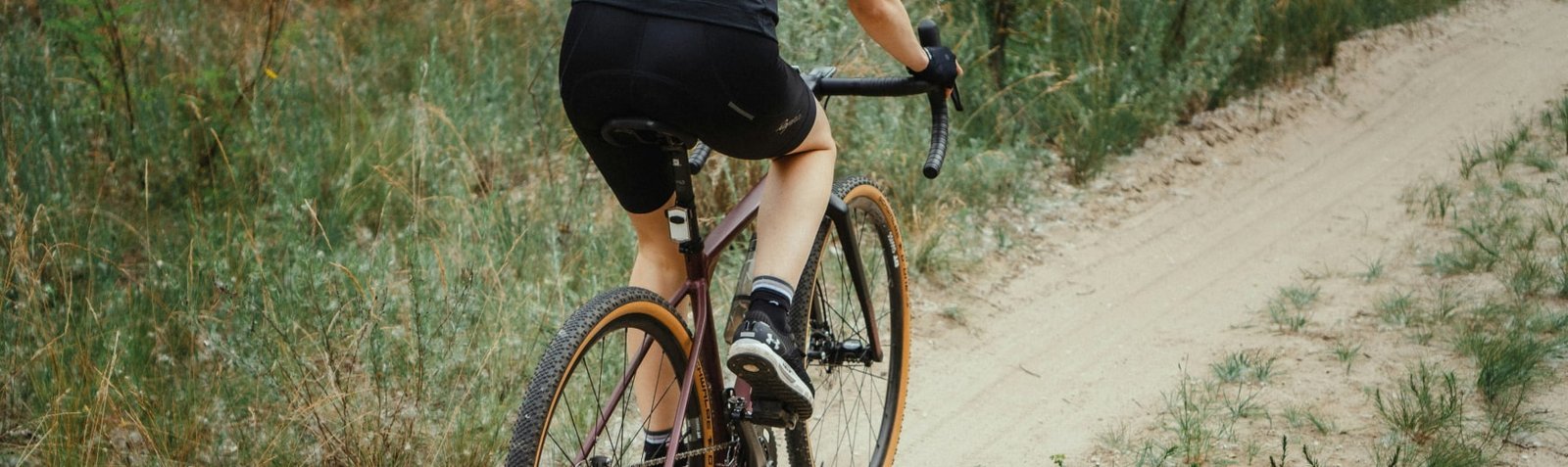
What can I combine with yoga at Lake Garda? The options are broad: thermal spa days in Sirmione, hiking Monte Baldo by cable car from Malcesine, cycling the lake’s 140 kilometres of bike paths, boat trips to Isola del Garda, wine tasting in Bardolino or Lugana, olive oil tasting with DOP-certified producers, and day trips to Verona, Venice, or the Valpolicella wine region. The lake’s accessibility and varied surroundings make it one of the most activity-rich retreat destinations in Italy.

Share Your Thoughts

Your email address will not be published. Required fields are marked *

Leave a Reply

Your email address will not be published. Required fields are marked *