yoga retreats in italy in august

Yoga retreats in Italy - August 2026

August in Italy is the month the country has been building toward since January. Every decision made through the spring and summer — where to spend the holiday, which beach, which mountain, which village — arrives at its conclusion in August, and the result is a country simultaneously at its most crowded and, in the right places, at its most eerily still. The cities empty. The coasts fill.

And somewhere in between, in the mountain valleys and on the minor islands and in the hilltowns that the summer tourists have not yet discovered, yoga retreats in Italy in August operate in a landscape that is extreme in every quality: the heat, the light, the silence of a city street at midday, the warmth of a sea that has been absorbing sun since May, the sky at midnight when the Perseids are peaking and the Milky Way is visible above the darkness of a Sardinian plateau.

AUTHOR

Om Away

DATE PUBLISHED

January 18, 2026

CATEGORY

Share This Article

Best Yoga and Wellness Retreats in Italy in August 2026

August is complicated in Italy. It’s the hottest month, the most crowded month, and the month when Italians themselves take their summer holidays. Cities partially empty as locals flee to the coast or mountains, but tourist areas absolutely heave with visitors. Prices peak. Everything requires advance booking.

And yet—if you choose carefully, August offers some unique advantages. The sea is at its warmest. The days are long and lush. If you find the right yoga retreat in the right location, you can have an extraordinary experience. The key is knowing what you’re getting into and planning accordingly.

under the tuscan sun_3

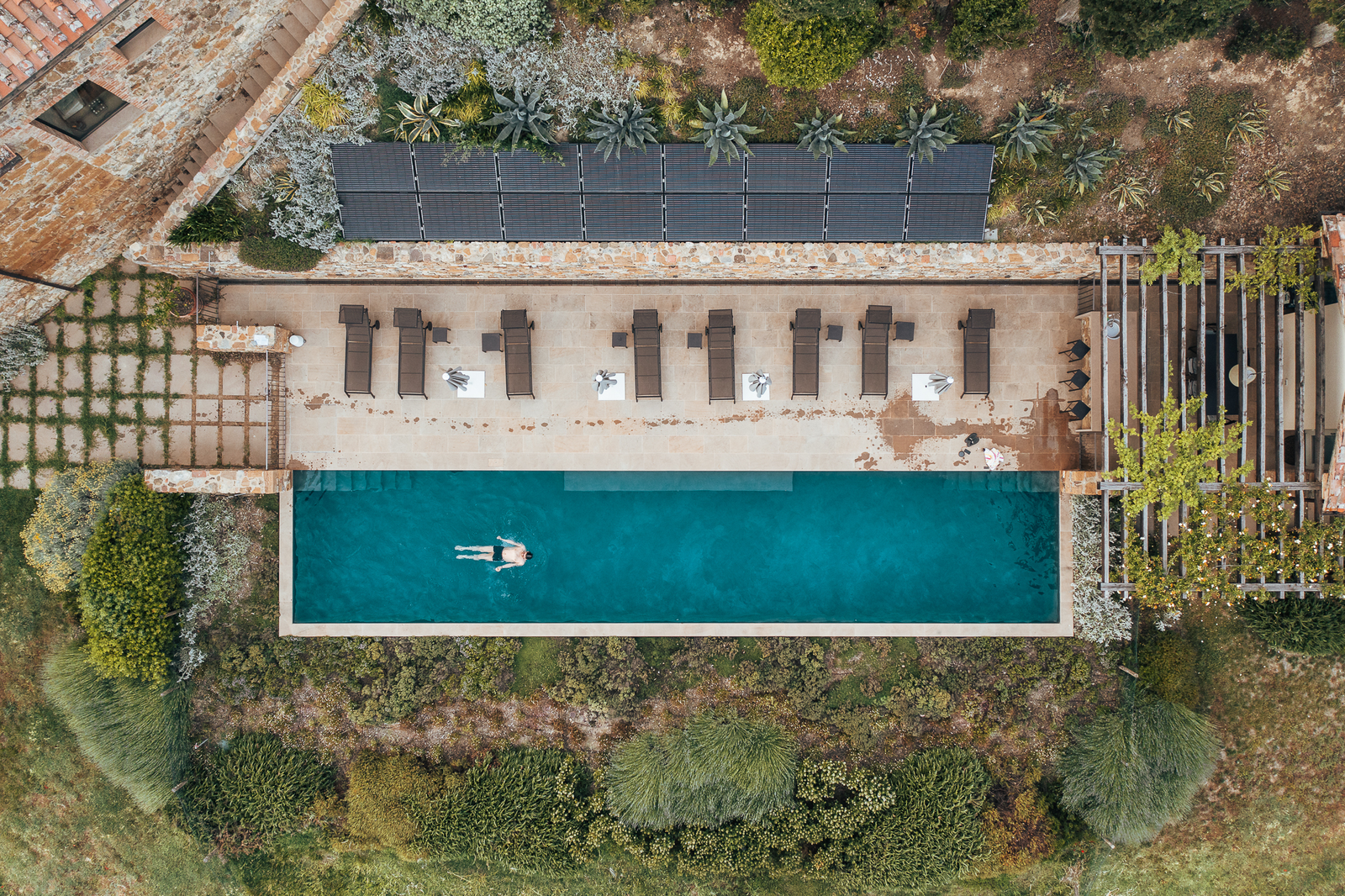
The Sanctuary for the Soul – the VIP Experience – Italy, Tuscany

the sweet earth retreat_4

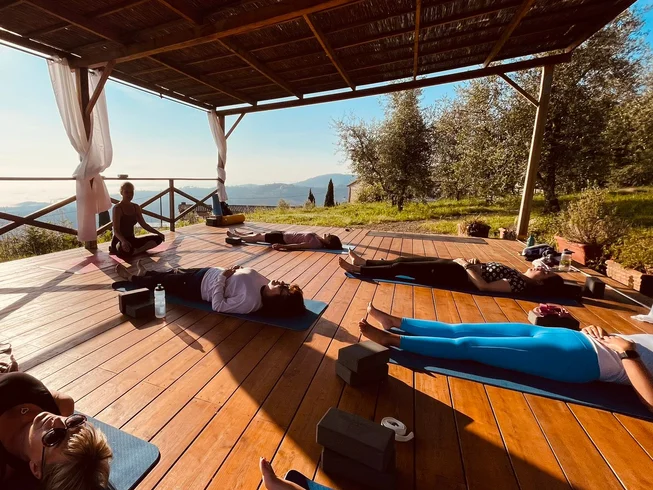
The Sweet Earth Retreat – Italy, Tuscany

under the tuscan sun_1

Explore Tuscany: Retorno a Calma

7 Day Yoga, Relaxation, Wine Tasting and Olive Oil Tasting in the Heart of Tuscany, Italy

Bicycle

5 Day Private Couples Retreat The Art of Connection in Sardinia, Italy

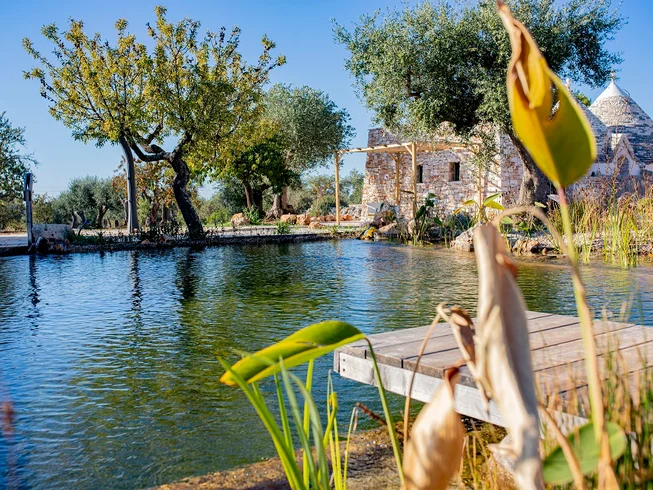
7 Day Italian Cooking, Tour and Yoga Holiday in Puglia, Italy

Why August works — for the right practitioner

The minor islands are August’s most specific offering and the one that most retreat calendars underuse. Pantelleria, the volcanic island between Sicily and Tunisia, is the closest thing Italy has to a landscape that belongs to another continent: black lava rock, natural hot springs, a lake in the crater of an extinct volcano, and the dammuso houses — traditional low stone dwellings with domed roofs designed to collect rainwater — that several retreat operators have converted into residential programmes. The island has no sandy beaches, very few tourists relative to its Sicilian neighbours, and a quality of isolation in August that the Costa Smeralda abandoned thirty years ago. The natural thermal baths at Gadir, where volcanic water bubbles up into rock pools a few metres from the sea, are one of the most concentrated sensory experiences available in Italy in any month, and in August, when the sea temperature around the island is at its maximum, the contrast between the 37-degree volcanic water and the sea is both more extreme and more manageable than at any other point in the year.


Stromboli, the northernmost of the Aeolian Islands, offers a different version of island isolation — the active volcano that erupts every twenty minutes, visible from the sea, and the small community that has chosen to live on its slopes. Retreat programmes here are necessarily small, constrained by the island’s limited accommodation and ferry connections, and the experience of practising in the shadow of continuous geological activity has a quality of elemental immediacy that more comfortable destinations cannot manufacture. The island glows at night. The retreats that operate here in August attract practitioners who understand that discomfort and intensity are not the same as difficulty, and that a week in proximity to something genuinely indifferent to human comfort is its own form of teaching.


Sicily’s eastern coast around Taormina and the Alcantara gorge offers August conditions that manage the heat through geography rather than altitude. The Alcantara river, running cold from the Nebrodi mountains through a narrow basalt gorge, provides a natural cooling element within a thirty-minute drive of the coast; the town of Taormina itself sits at 200 metres above the sea and benefits from breezes that the coastal resorts below do not receive. Retreat centres in this area position themselves to use both: the dramatic sea views and warm water of the coast, and the gorge and mountain terrain of the interior, as complementary elements in a weekly programme. The full range of Sicilian options available in August is gathered at yoga retreats in Sicily.


The Dolomites in August are crowded but vast. The most visited valleys — Val Gardena, Cortina d’Ampezzo, the Alpe di Siusi plateau — attract significant summer tourism, but the mountain geography distributes visitors in a way that a flat coastal resort cannot. A retreat centre in the quieter Cadore, the Comelico, or the high pastures of the Fanes-Sennes-Braies natural park sits within reach of the iconic Dolomite landscape while operating in a space that the main summer circuits do not reach. The altitude moderates temperatures to 20 to 25 degrees in the valleys and cooler above 2000 metres — genuinely comfortable for vigorous morning practice and high-altitude hiking — and the quality of August light on the Dolomite rock, which takes on the famous Enrosadira pink-to-violet colouration at sunrise and sunset, is one of the more extraordinary visual phenomena in European nature.


The Amalfi Coast in August is simultaneously the most overcrowded and, in the right properties, the most immersive retreat environment in Italy. The cliff-hanging villages, the terrace gardens of lemon and bougainvillea, and the evening light on the sea are at their most spectacular in August warmth, and retreat centres positioned above the road — accessible only by foot path or boat, which functions as an automatic filter on casual visitors — maintain a quality of separation from the main tourist circuit that the month’s density makes even more valuable. The dedicated options along this stretch of coastline are at yoga retreats on the Amalfi Coast, where the August weeks at the best properties tend to book first of any in the year.
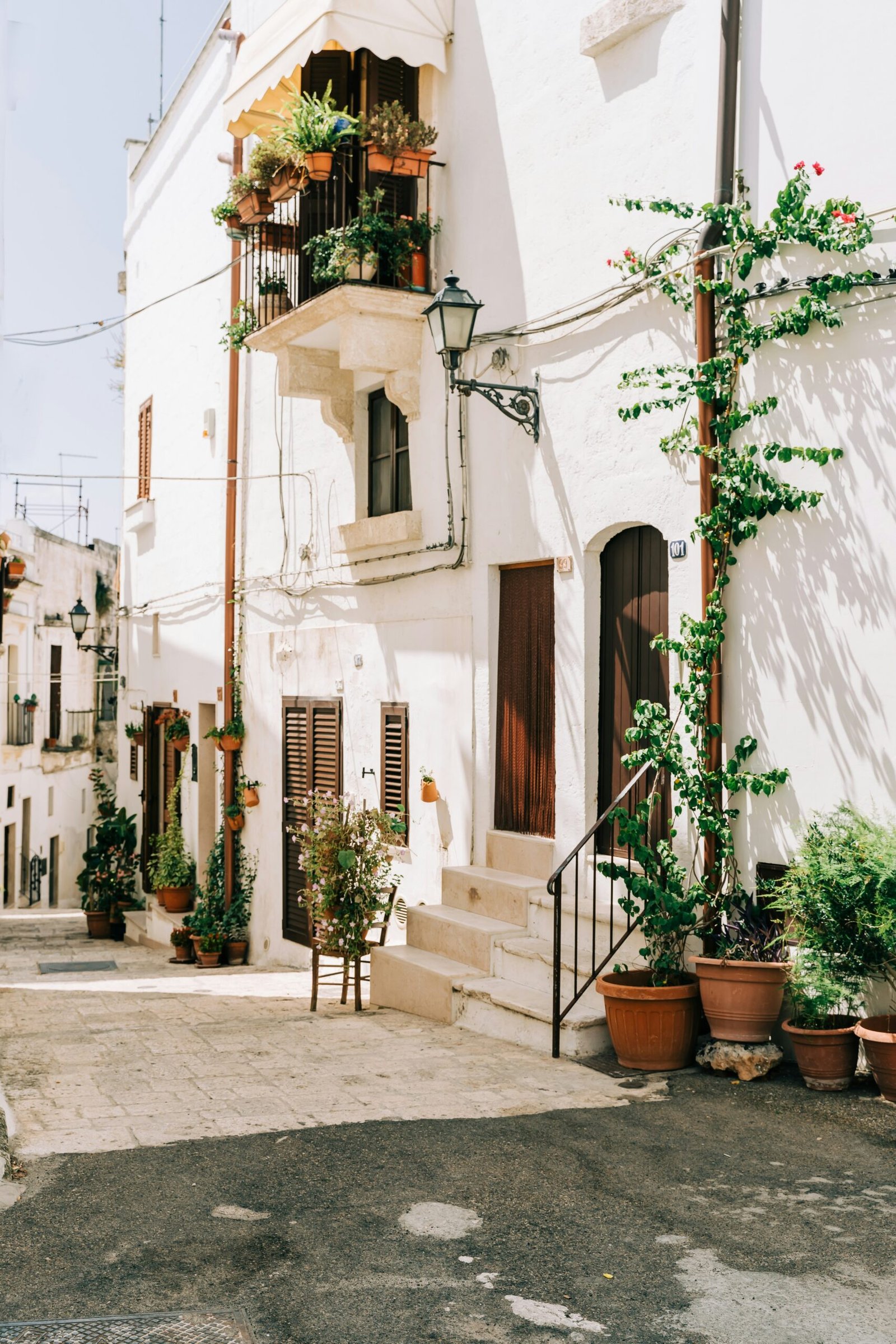
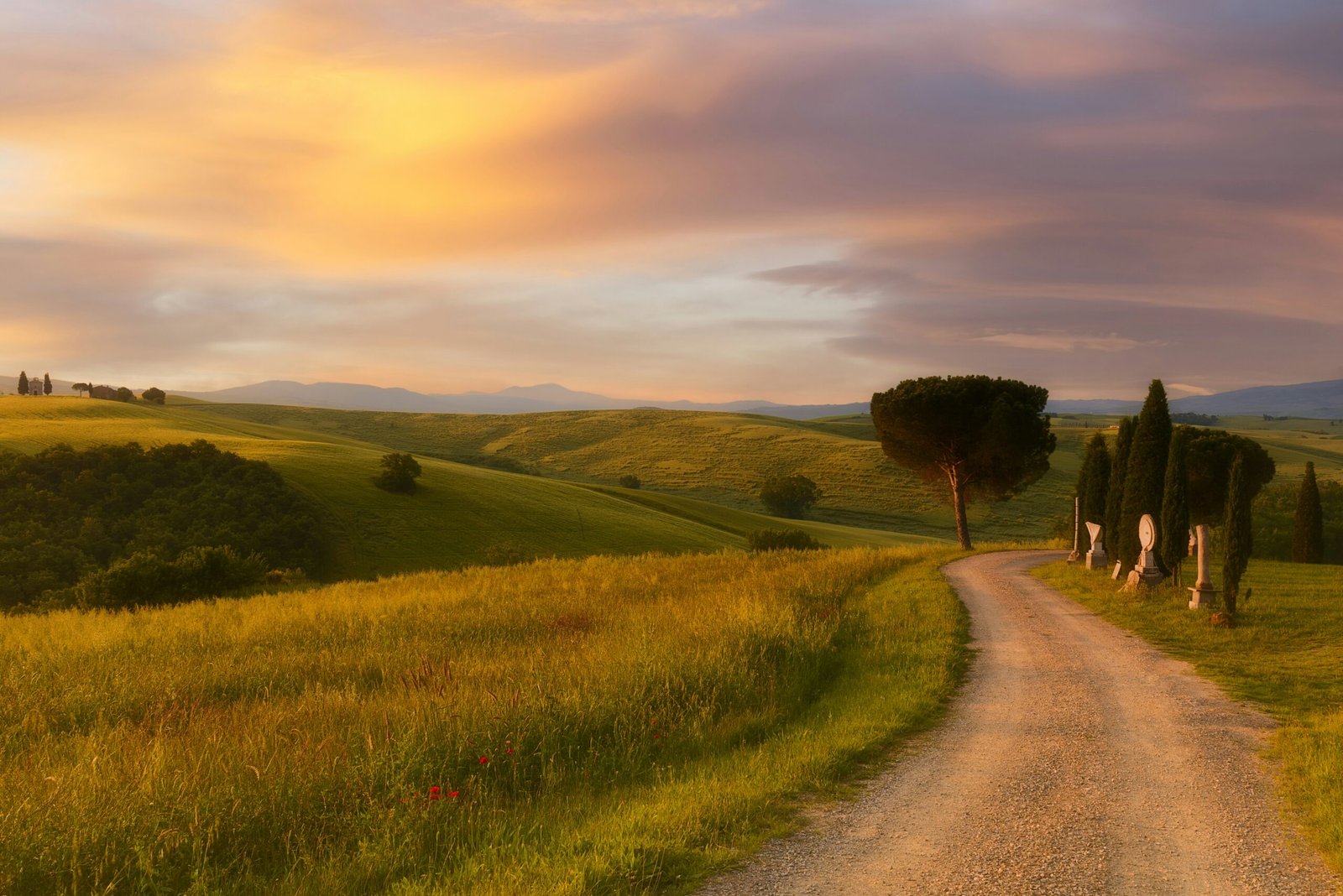
 
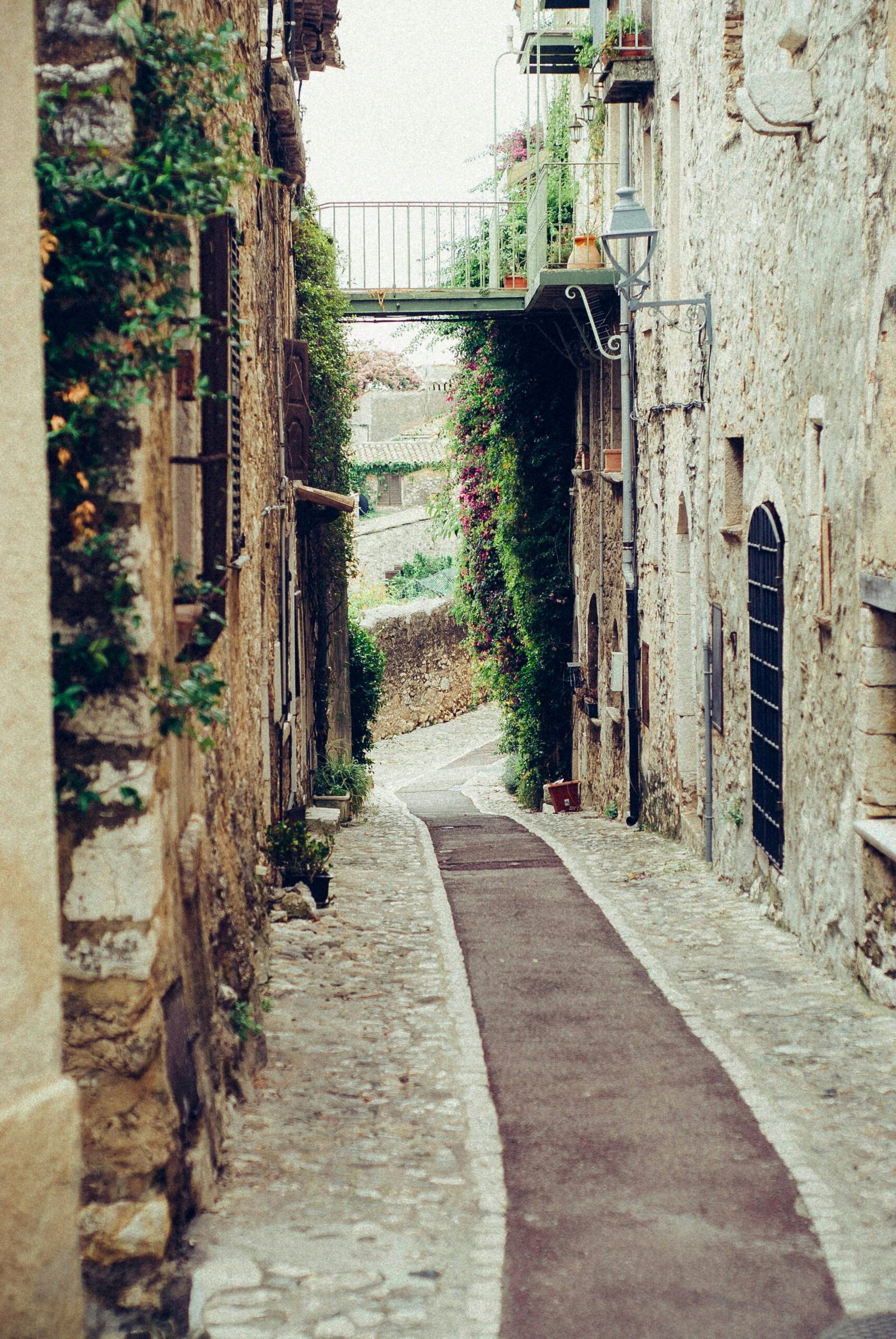
views of a town in august in italy

Ferragosto and the particular stillness of mid-August

August 15th — Ferragosto — is the axis around which Italian summer revolves. It is technically the Feast of the Assumption of Mary, but its roots reach back to the Feriae Augusti decreed by Augustus Caesar in 18 BC, a period of rest and celebration at the peak of the agricultural year. The modern Italian version compresses an entire culture’s relationship with rest and pleasure into a single week: from roughly August 10th to the 20th, the country operates on a different set of rules. The cities — Rome, Milan, Bologna, Turin — become genuinely quiet, with residents and workers dispersed to coast and mountain. Restaurants in urban centres close. Businesses shut. The urban streets, normally in constant motion, echo with a quality of absence that is almost meditative.


For retreat participants, this Ferragosto stillness creates an unexpected opportunity. A retreat based in or near a medium-sized Italian city — Siena, Perugia, Lucca, Lecce — during the week of Ferragosto encounters a version of those places that ordinary tourism never sees: the local population in holiday mode, the restaurants that remain open doing so for regulars rather than visitors, the evening passeggiata in the piazza conducted with a particular leisureliness because no one has work tomorrow, or the day after. The retreat itself exists within this collective exhalation, and the alignment between the Italian cultural imperative to stop and the retreat’s own structure of scheduled rest is closer in the Ferragosto week than at any other point in the year.


The logistics cut the other way. On Ferragosto itself, transport is reduced, shops are closed, and anything requiring commercial infrastructure — a last-minute pharmacy, a hardware item for the centre, an airport transfer at an unusual hour — becomes significantly harder to arrange. Retreat centres that have been operating for years know this and plan for it; first-timers arriving in August for the first time should confirm with the centre that the Ferragosto logistics have been thought through, particularly for arrival and departure days that fall in the August 13 to 17 window.

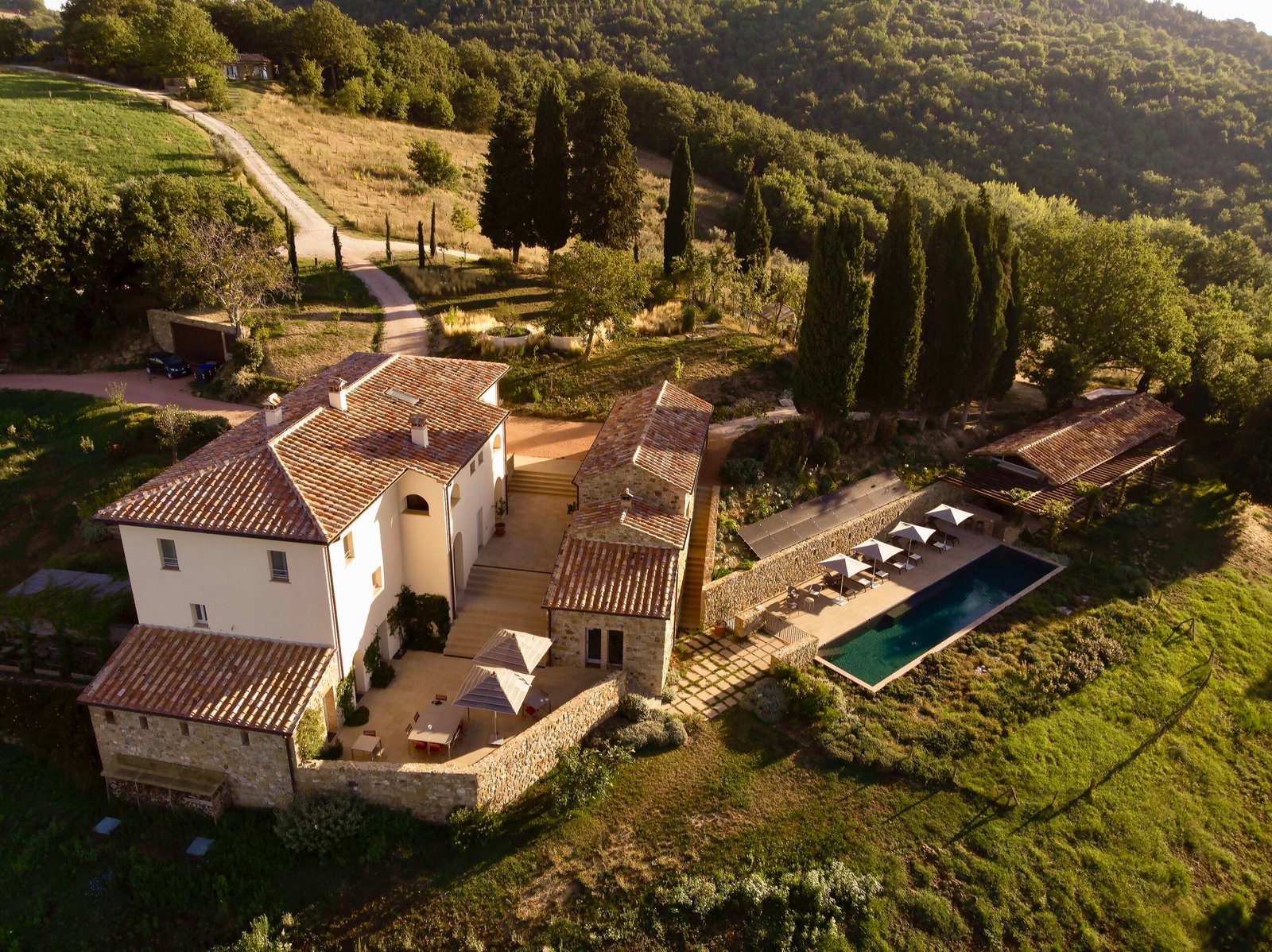
tuscany, italy, in august
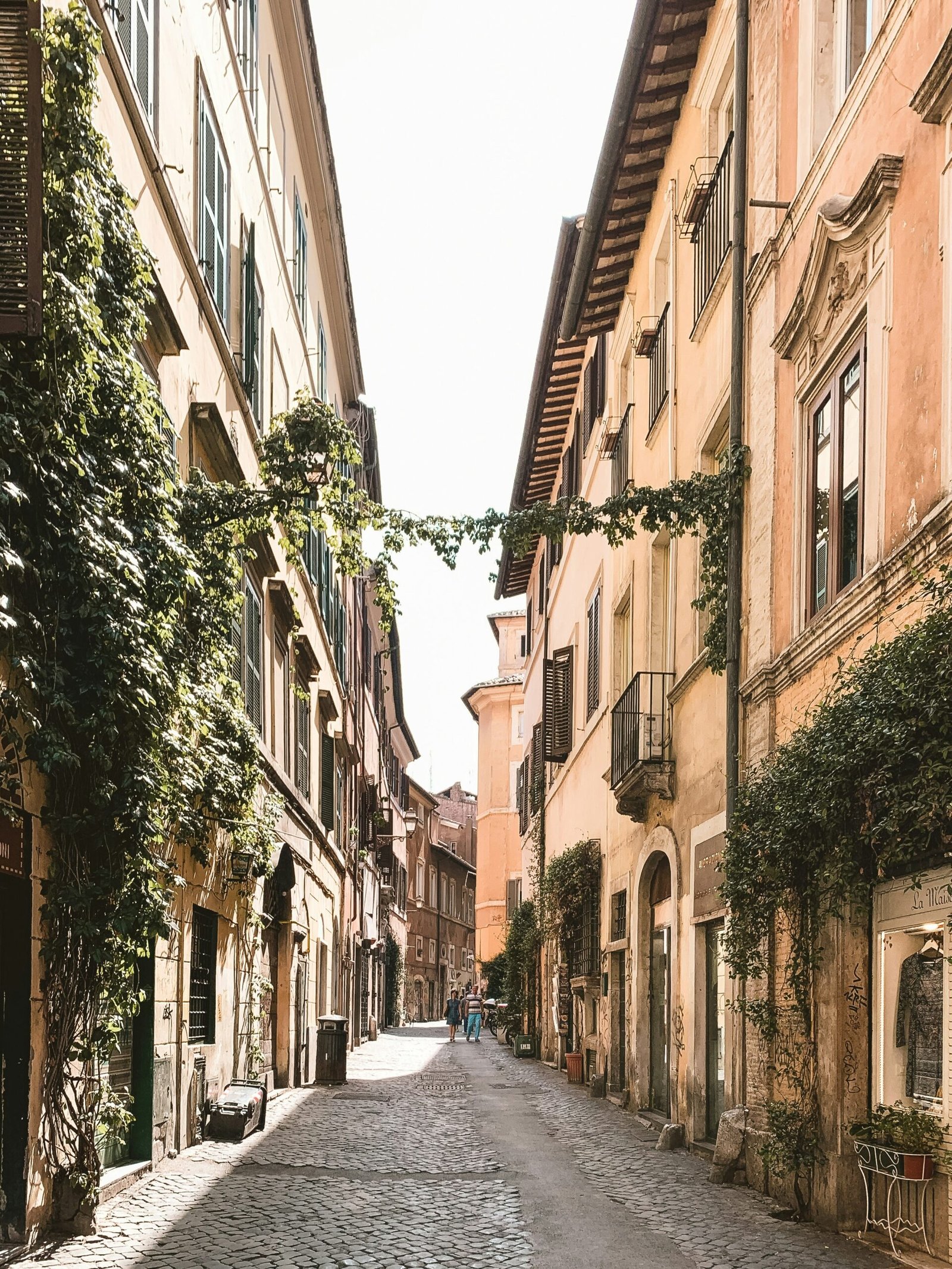
august in italy, a view of a village

The Perseids and night practice

The Perseid meteor shower peaks between August 10th and 13th, and in areas of Italy with low light pollution — the Barbagia highlands in Sardinia, the Valnerina in Umbria, the Pollino plateau in Calabria, the high Dolomite valleys — the display is among the most spectacular available anywhere in Europe without specialist equipment. Up to a hundred meteors per hour at the peak, moving across a sky that, away from coastal light pollution, retains the full depth of the Milky Way in August darkness.


Retreat programmes that plan for this — that structure the evening of August 12th around outdoor practice followed by sky observation — are offering something that no other month provides and no indoor space can replicate. Lying in extended savasana on a terrace or meadow while the sky moves overhead, meteors appearing and disappearing in the peripheral vision without pattern or warning, is an experience of impermanence and scale that the yogic tradition addresses directly and that August in the right location delivers literally. Several centres in Sardinia and Umbria have developed specific Perseid programmes over recent years, treating the meteor peak as the culminating event of their August calendar rather than an accidental coincidence with their scheduling.

What the season does to practice

August heat is a degree beyond July’s, and that degree matters. Where July’s warmth accelerates opening and makes dynamic practice in the pre-dawn hour feel natural, August adds a layer of sustained thermal load that changes the relationship between effort and recovery. The body heats faster, sweats more profusely, and reaches its tolerance ceiling sooner — which in a well-run retreat is not a problem but a design parameter. The morning session in August at a serious centre begins at five-thirty or earlier, before the day’s heat has built, and is structured to complete its dynamic work within ninety minutes while the air is still cool. What follows is not laziness but intelligent sequencing: the midday rest that Italian culture has practiced for centuries is, in August, physiologically correct.


The evening session in August can go later than in any other month because the warmth that lingers after sundown remains comfortable for outdoor practice well past nine. The particular quality of an August evening — the air cooling slowly from the day’s accumulated heat, the crickets at maximum volume, the sky transitioning from deep blue to black over the course of a slow restorative sequence — is one of the genuine gifts of the month. Yin practice in August heat produces results in connective tissue release that the cooler months cannot match; the combination of elevated ambient temperature and long holds creates conditions for depth in the hips, hamstrings, and thoracic spine that practitioners who first experience it in August sometimes chase unsuccessfully through the rest of the year.


The food in August signals the first movements toward autumn in the south even as summer is reaching its climax in the north. In Puglia and Sicily, the earliest table grapes appear in the second week of the month — not yet the full sweetness of September, but recognisably the thing itself. The figs that began in July are now at the height of their production; a properly ripe August fig from a tree in southern Italy — split open to reveal the deep red interior, eaten in the shade at midday — is among the most straightforwardly pleasurable foods the Italian calendar produces. Capers from Pantelleria, pickled in salt rather than brine, are at their best in August; the fresh almonds that fall from the trees in Sicily in the second half of the month, still milky and soft before they dry to the hard nut of commerce, are eaten as a seasonal delicacy that no food system outside this geographic and temporal window provides. The aubergines, peppers, and tomatoes of high summer are all still in abundance, and the first hints of what is coming — the cooler-weather food of September and October, the mushrooms beginning at altitude in the Dolomites — arrive as a counterpoint that the August table holds in suspension.

August vs. the rest of the year

July, which precedes August, has all of the same fundamental conditions — the heat, the long evenings, the warm sea — but without the particular quality that the Ferragosto pause brings to mid-August, and without the Perseid peak that makes the second week of August unlike any other in the Italian calendar. Those who read about July yoga retreats in Italy will find the two months closer in character than any other adjacent pair in the year; the choice between them often comes down to Ferragosto logistics, the Perseid window, and whether the second Palio di Siena on the 16th is a draw or an irrelevance.


September, which follows, represents one of the sharpest transitions in the Italian retreat calendar — from the peak heat and maximum crowds of August to the golden, post-harvest, post-school-holiday conditions that many experienced retreat-goers consider the finest month in Italy. The full case for September will be made in its own article; what matters here is that August sits just before that shift, and that for practitioners with the flexibility to choose either month, the decision is genuinely meaningful rather than cosmetic. August offers things September cannot — the warm sea, the Perseids, the Ferragosto quiet, the minor island retreats at operational peak — and September offers things August cannot: lower prices, fewer visitors, the harvest, and the first cool mornings. For the complete Italian retreat picture, the overview at yoga retreats in Italy puts both months in the context of the full year.

Practical information

August requires the most advance planning of the entire Italian retreat year, matching or exceeding July. For coastal Sardinia, the Amalfi Coast, the minor islands, and the Dolomite valleys, four to six months is the minimum realistic lead time for established programmes; the best weeks in August — particularly those bracketing Ferragosto and the Perseid peak — are often fully committed by January or February of the same year. Prices are at their annual maximum across all categories: retreat fees, flights, car hire, and any ancillary accommodation before or after the programme are all priced at peak rates with limited negotiation available.


Ferragosto logistics require specific attention. Any arrival or departure falling between August 12th and 18th should be confirmed with the retreat centre regarding transport arrangements: train and bus services run on holiday schedules, some ferry routes reduce frequency, and the road traffic on August 15th itself and the days immediately preceding it is the heaviest of the year on the routes connecting inland cities to the coast and islands. Building a buffer of an extra day on either side of the Ferragosto window — arriving on the 11th rather than the 13th, departing on the 19th rather than the 16th — eliminates the most significant logistical risks at a relatively small cost in time.


Packing for August is even more minimal than July. The temperature range between the coolest pre-dawn hour and the midday peak may span fifteen degrees, but the cool end of that range in August rarely drops below 22 even in the mountains, which means that the light layer needed for early morning practice is genuinely light — a long-sleeve linen shirt rather than a fleece. Multiple sets of practice clothes are necessary because they will be soaked through at every session and may not dry fully before the next in higher-humidity coastal locations. A swimsuit — or two — is not optional. Insect repellent earns its place in August, particularly in the evenings near water and vegetation. Sunscreen from SPF 50 applied before going outside, and again at midday, is the non-negotiable minimum for any outdoor activity in August in southern Italy; the UV index regularly hits 9 or 10 in Sicily and Puglia, which is in the extreme category by any international standard.


FAQ: yoga retreats in italy in august

1. Is August genuinely too hot for yoga in Italy, or is that overstated?

It depends entirely on where and when within the day. In the south and on the islands, midday temperatures of 36 to 40 degrees make vigorous practice between eleven and six impossible for most people — not inadvisable, genuinely impossible without risk. But the pre-dawn hour, the post-sunset evening, and the mountain locations above 800 metres are all viable for serious practice throughout August. The month rewards retreat programmes that have genuinely restructured their schedule around the heat, and penalises those that have simply moved the same timetable two hours earlier without rethinking what happens in between. Ask the centre specifically how they manage the midday period before booking.

2. What exactly is Ferragosto, and how does it affect a retreat week?

Ferragosto on August 15th is a national public holiday with roots in the ancient Roman agricultural calendar. In practical terms, it triggers a collective Italian pause that runs from roughly August 10th to 20th, during which the cities empty, many businesses close, and the transport system operates on holiday schedules. For a retreat participant, the effects are mostly positive — quieter cities if you pass through them, a slower national pace that aligns with retreat rhythms — but the logistics require attention. Confirm arrival and departure arrangements with the centre if either falls in the August 12 to 18 window, and build extra time into any journey that involves connecting transport.

3. When exactly do the Perseids peak, and which Italian regions are best for viewing them?

The Perseid peak falls between August 10th and 13th, with the maximum rate of meteors — up to a hundred per hour under ideal conditions — typically on the night of August 11th to 12th. The regions with the lowest light pollution, and therefore the best viewing, are the Barbagia highlands in central Sardinia, the Valnerina and Sibillini mountains in Umbria, the Pollino plateau on the Calabria-Basilicata border, and the high valleys of the Dolomites above 1500 metres. A new moon in the days around the peak, which occurs roughly every few years, dramatically improves visibility; check the lunar calendar for your specific year when planning.

4. Are the minor Italian islands accessible for retreat programmes in August?

Yes, and August is when their retreat programmes are most fully operational — but accessibility requires planning. Pantelleria is reached by ferry from Trapani or by direct flights from several Italian airports; book the ferry well in advance as August sailings fill fast. The Aeolian Islands, including Stromboli and Salina, are served by ferry and hydrofoil from Milazzo in Sicily and Reggio Calabria, with increased summer frequency. Ponza and Ventotene in the Tyrrhenian are reached from Anzio, Formia, or Naples. All minor island retreats have limited capacity by definition, and August programmes typically book out earliest. Contact the centre directly in January or February for the following August.

5. How does August practice differ from September, which is often recommended as the better alternative?

The differences are real and worth understanding rather than dismissing. August offers the warmest sea of the year, the Perseid meteor peak, the Ferragosto cultural experience, and the minor island programmes at their operational height — none of which September provides. September offers lower prices, fewer visitors, the harvest season beginning across the agricultural regions, the first cool mornings that make outdoor practice comfortable at any hour, and the post-school-holiday quiet that returns the Italian countryside to something closer to its off-season character. Neither month is objectively better; they suit different practitioners and different retreat intentions. August is for those who want summer at its most complete; September is for those who want the afterglow without the intensity.

6. How far in advance should I book an August retreat in Italy?

For established centres in coastal Sardinia, the Amalfi Coast, the Aeolian and Pontine islands, and the Dolomite resort areas: six months minimum, and for the Ferragosto and Perseid weeks in particular, January or February of the same year is realistic. For centres in less competitive destinations — inland Umbria, the Pollino, the Madonie mountains in Sicily — four months may still find availability. Flights and car hire follow the same pattern: the earlier, the significantly cheaper. August is the month where the gap between early and late booking is largest across all travel categories.

Share Your Thoughts

Your email address will not be published. Required fields are marked *

Leave a Reply

Your email address will not be published. Required fields are marked *