yoga retreats in italy in june

Yoga retreats in Italy - June 2026

June is the month Italy commits to summer. The lavender fields of the Chianti and the Val d’Orcia reach full bloom. The Dolomite meadows are still green before the July sun begins to dry them. The days stretch past nine o’clock in the evening, and by the solstice on the 21st, sunrise in central Italy arrives before five-thirty — which means that for practitioners willing to wake with the light, the morning practice window is longer than at any other point in the year. Yoga retreats in Italy in June operate inside this peculiar generosity of time and light, with a climate that is warm but, in most regions and for most of the month, not yet the test of endurance that July and August can become.

AUTHOR

Om Away

DATE PUBLISHED

January 18, 2026

CATEGORY

Share This Article

Why June works

The single most distinctive feature of June as a retreat month is the light. The days are at their longest, and the quality of that light — the pale gold of early morning, the hard white of midday, the extraordinary slow descent through amber and rose that begins around seven in the evening and takes two hours to complete — creates a daily rhythm that is difficult to replicate at any other time of year. Retreat programs that are designed around this light rather than merely occurring within it tend to be among the most memorable in the Italian calendar: the five-thirty sunrise session on a hilltop terrace, the long meditative walk in the evening warmth, the dinner that extends outdoors until the sky is finally dark at ten.

The climate in June divides more clearly by region than in any other summer month. In the north — the Italian Lakes, the Dolomites, the Veneto foothills — June temperatures hover between 22 and 27 degrees and are reliably comfortable for outdoor practice throughout the day. The afternoons are warm without being oppressive, the evenings are perfect, and the risk of an occasional thunderstorm, which the mountains funnel with more frequency in June than in July, adds a dramatic quality to the landscape that practitioners who associate retreat with predictable comfort may find unexpectedly welcome. In central Italy, Tuscany and Umbria are registering 25 to 30 degrees by mid-month, which changes the daily schedule — morning practice before eight, afternoon rest, evening session — but does not eliminate outdoor work. In the south and on the islands, June is already properly hot, with Puglia and Sicily touching 32 to 35 degrees in the second half of the month, and retreat programs here have adapted their schedules to the climate rather than pretending it doesn’t exist.

June is technically high season, and pricing reflects it, but the visitor density in most retreat destinations is still meaningfully lower than in July and August. The school summer holidays have not yet begun across most of Europe, which means that the Italian countryside, the hilltowns of Umbria, the quieter Sardinian coves, and the mountain resort towns of the Dolomites are busy but not overwhelmed. The calculus changes sharply after the last week of June, when Italian schools close and the country reorganises around the summer diaspora. A retreat ending before June 25th is operating in a different Italy from one starting after it.
under the tuscan sun_3

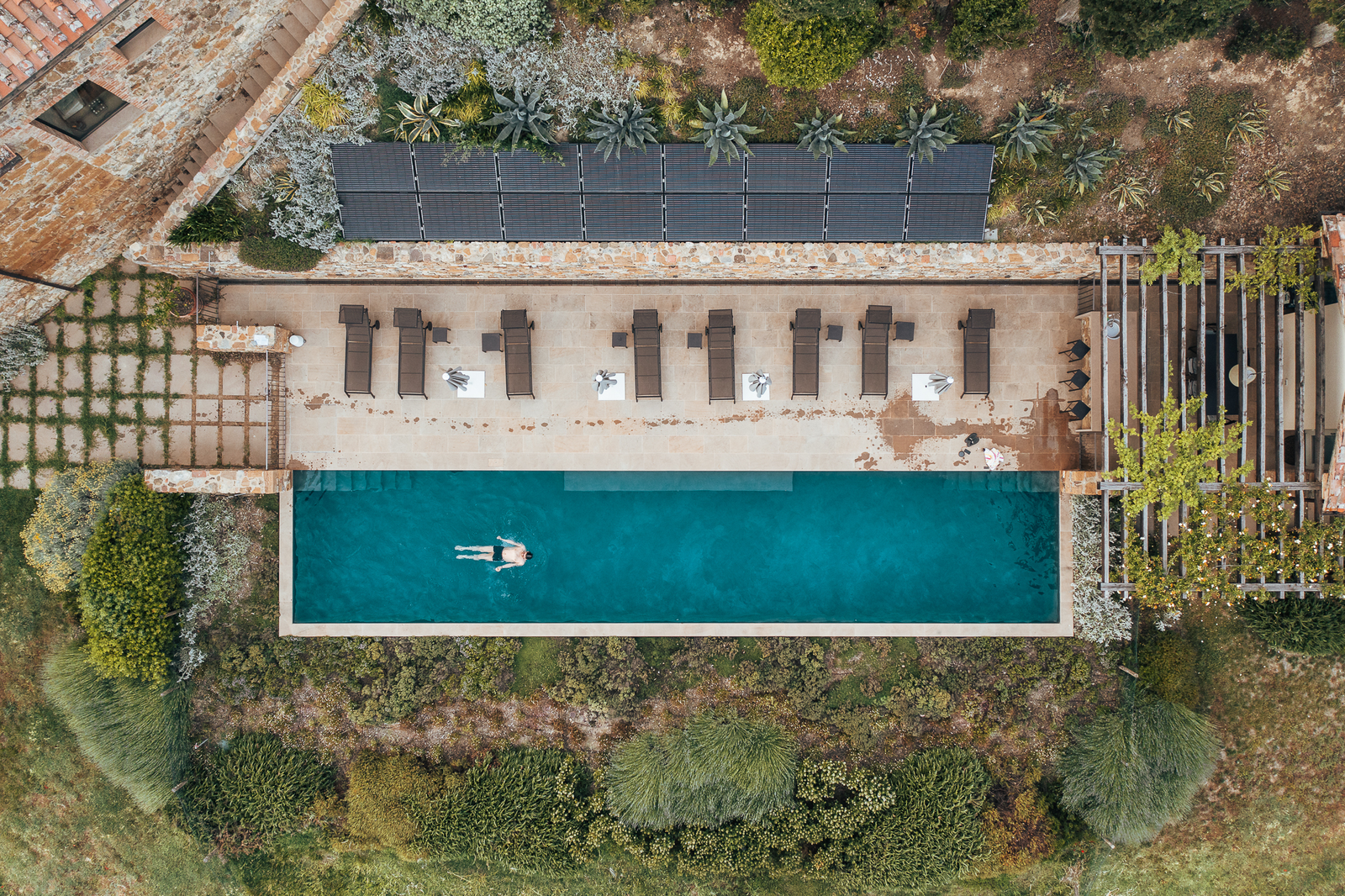
The Sanctuary for the Soul – the VIP Experience – Italy, Tuscany

the sweet earth retreat_4

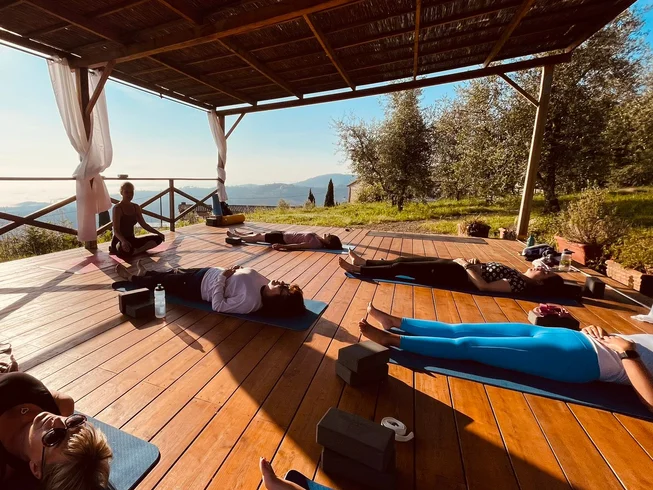
The Sweet Earth Retreat – Italy, Tuscany

under the tuscan sun_1

Explore Tuscany: Retorno a Calma

7 Day Yoga, Relaxation, Wine Tasting and Olive Oil Tasting in the Heart of Tuscany, Italy

Bicycle

5 Day Private Couples Retreat The Art of Connection in Sardinia, Italy

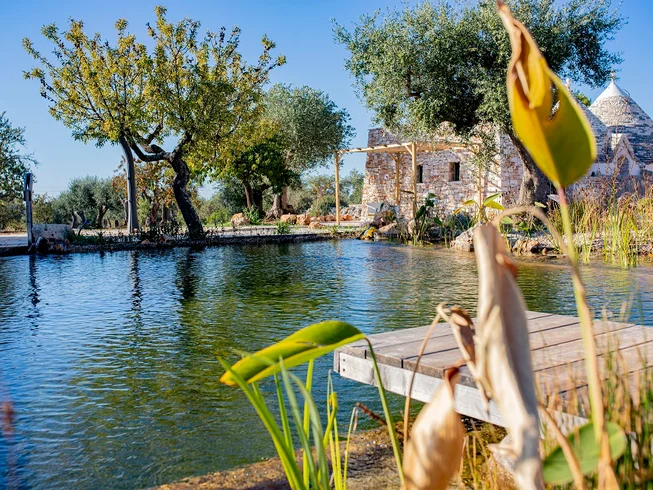
7 Day Italian Cooking, Tour and Yoga Holiday in Puglia, Italy

Where to go in June

The Italian Lakes are in their finest condition in June. Lake Garda, Lake Como, and Lake Maggiore are all warm enough for swimming by the first week of the month — the southern basin of Garda, the shallowest and warmest, reaches 23 to 24 degrees — and the combination of mountain backdrop, lake light, and lush vegetation that has been building since April is at its visual peak before the summer crowds compress the lakeside towns and the road traffic becomes the dominant feature. Retreat centres on the western shore of Lake Garda, around Gargnano and Tignale, and on the upper reaches of Lake Como around Menaggio and Gravedona, offer morning practice with lake views in a setting that the next two months will make significantly harder to access in any peace. The full range of options in this area is laid out at yoga retreats at Lake Garda, where June programs typically book earliest.


Tuscany in June is the lavender month. The fields around Siena, in the Chianti between Greve and Castellina, and in the Val d’Orcia between Pienza and San Quirico d’Orcia reach their peak bloom between the first and third weeks of June, and the combination of purple lavender, pale limestone, cypress stands, and Romanesque parish churches in the background is — there is no other word for it — extraordinary. The scent in the early morning, when the dew has not yet dried and the air is cool enough that the essential oils linger rather than volatilising immediately, is part of what a retreat in this corner of Tuscany in this month offers that no other season can. The broader world of yoga retreats in Tuscany spans the full calendar, but June lavender season is the specific window that most practitioners who know the region want to be there for.


Umbria in June has its own singular event. The Infiorata di Spello — the carpet of flower petals laid across the streets of the town for the feast of Corpus Christi, which falls in the second or third week of June depending on the liturgical calendar — is one of the most labour-intensive and visually arresting public celebrations in Italy. The townspeople work through the night before the feast, arranging fresh-cut petals, herbs, and seeds into elaborate pictorial compositions that cover the steep lanes of the medieval town from one end to the other. By morning, Spello has become something that exists for perhaps six hours before the procession walks across it and the petals are swept away. A retreat based anywhere in the Assisi-Spello-Foligno triangle in the week of the Infiorata has access to this event without making it the reason for the trip — it arrives as one component of a week that already has its own practice rhythm, and the encounter with that quality of communal devotion and aesthetic effort tends to register differently, and more deeply, than a dedicated excursion would.


The Dolomites in June offer the alpine version of the summer retreat at its most balanced. The snow has retreated from the lower paths, the mountain huts reopen for the hiking season, and the meadows between the rock faces are carpeted in wildflowers that the shorter growing season at altitude concentrates into a burst lasting only a few weeks. Several retreat centres in South Tyrol and the Trentino run June programs that integrate high-altitude hiking with yoga and breathwork, using the mountain air — measurably lower in particulate matter than lowland Italy in summer — as a context for pranayama practice that has a physiological dimension beyond the metaphorical. The combination of physically demanding terrain, clean air, and serious practice creates a daily fatigue that many participants describe as the most restorative they have experienced: the body worked hard enough that rest is genuinely restorative rather than merely scheduled.


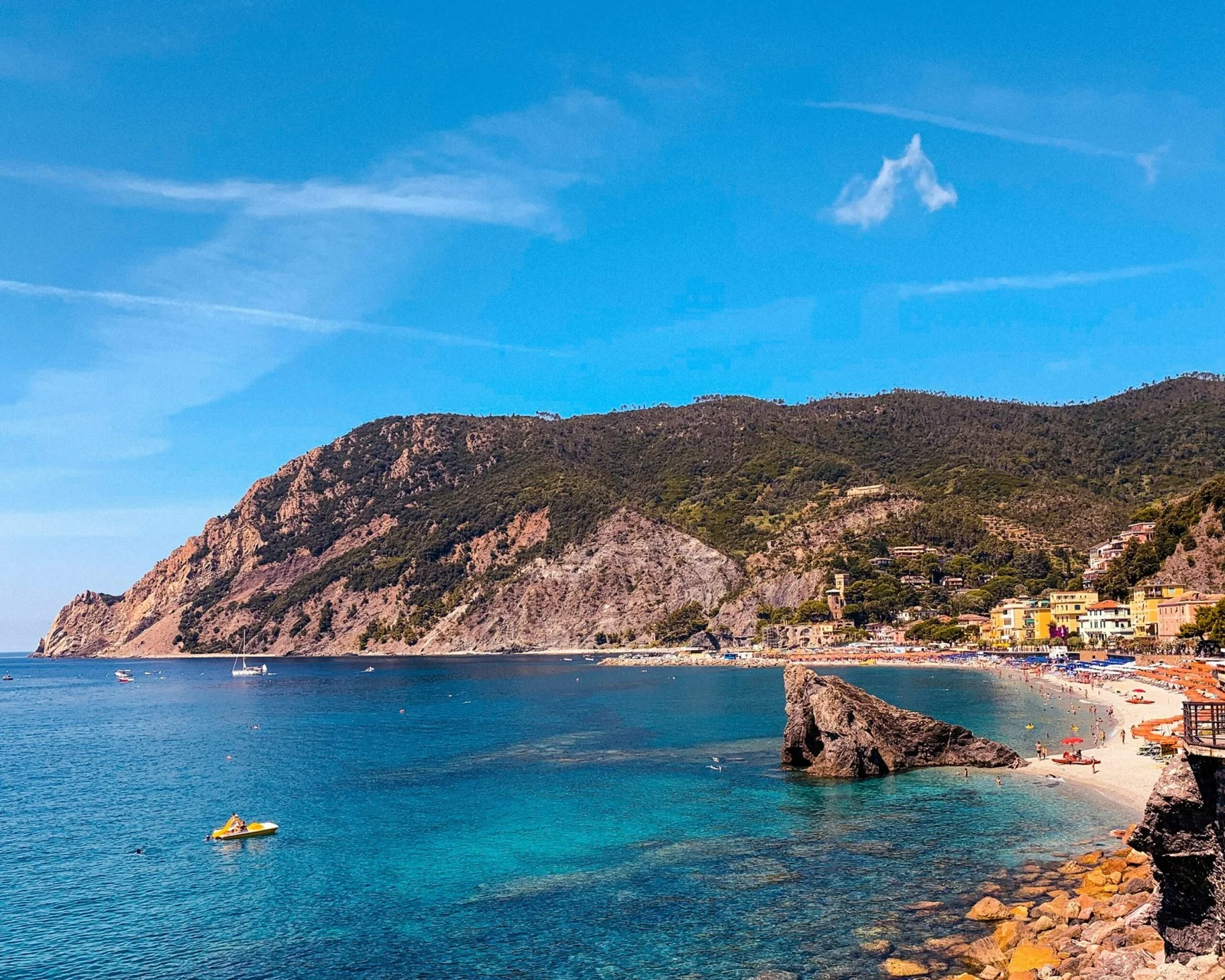
Liguria in June is at its warmest and most hospitable before the coastal infrastructure shifts into peak-season mode. The terraced clifftop villages between Cinque Terre and Portofino sit above a sea that is fully swimmable, and the coastal hiking paths — the Alta Via dei Monti Liguri above and the lower cliff paths between villages — are at their most comfortable in the morning hours before the heat builds. Several small retreat operations along this coast run programs timed specifically to June, using the combination of sea access, mountain terrain, and Ligurian food culture — pesto made with fresh basil at the height of its flavour, focaccia di Recco, the first of the season’s anchovies from Monterosso — in ways that capture something particular to this coast in this month.

yoga in italy in june

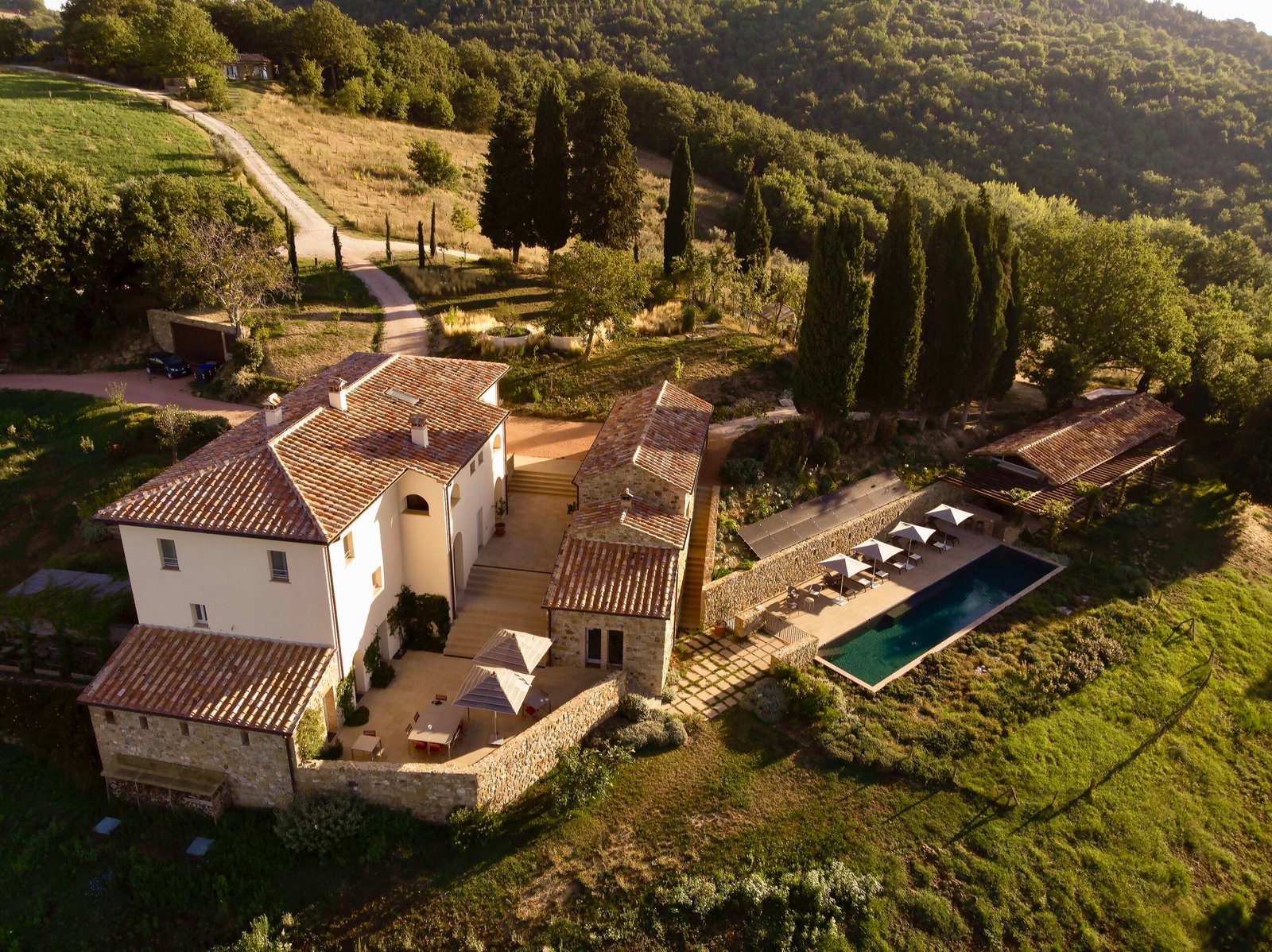
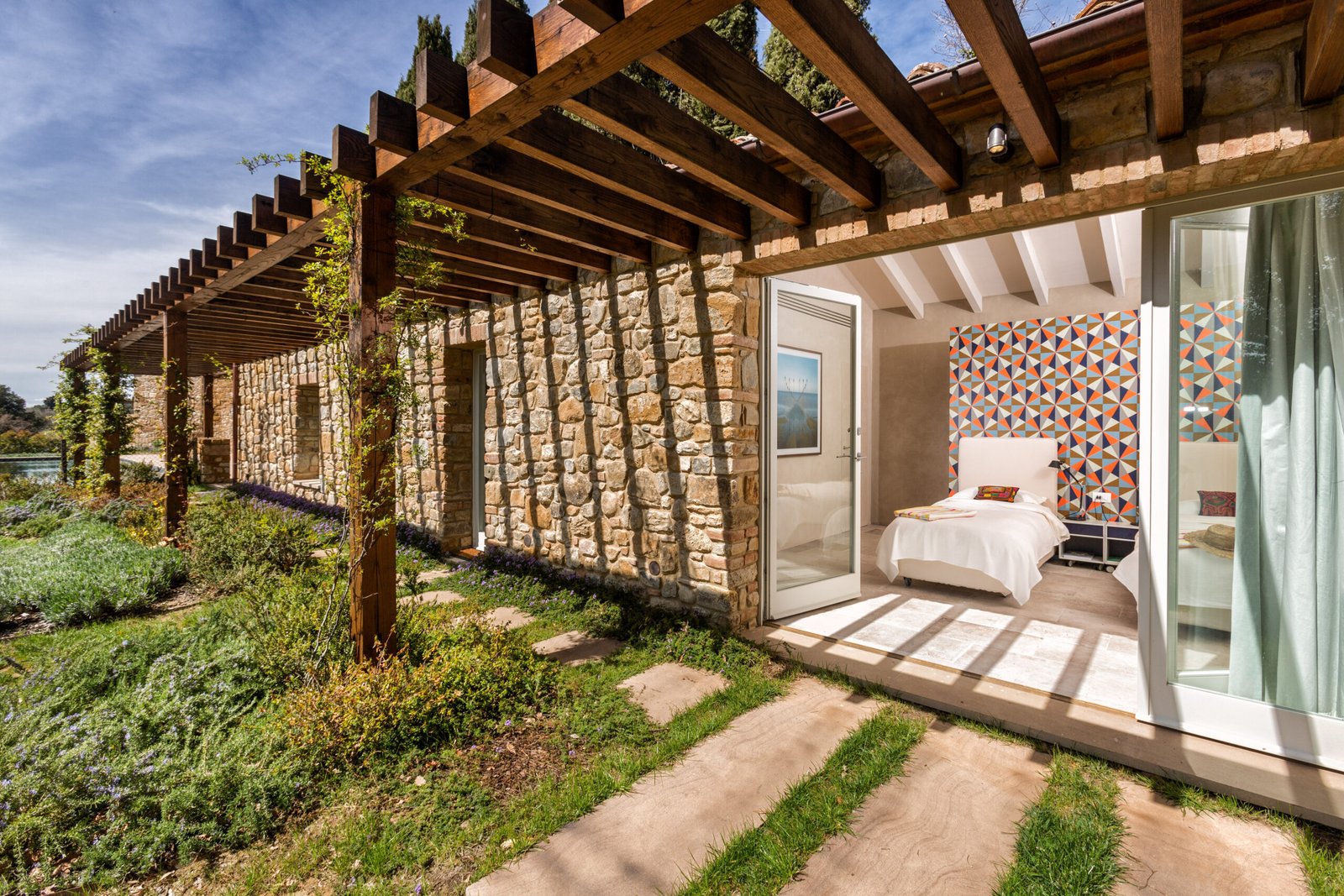
Outdoor spaces become essential in June. Retreats with shaded gardens, pools, or access to water are significantly more comfortable than those without. A simple shaded terrace or pergola covered with vines makes all the difference.

The solstice and the night of San Giovanni

The summer solstice on June 21st is the longest day of the year, and its significance in the yogic and Ayurvedic calendars — as the point at which solar energy reaches its maximum and the year begins its slow return toward darkness — makes it a natural anchor for retreat programs designed around seasonal awareness. Many Italian retreat centres mark the solstice with extended morning practices, 108 sun salutations, or evening ceremonies that use the extraordinary late light as a backdrop for collective meditation. These are not invented traditions; the solstice has been marked in this part of the world since before recorded history, and the Italian landscape — the hilltop towns, the open plains, the coastlines oriented to the western horizon — is built in ways that make the solstice sunset a genuinely civic experience rather than a private one.


Two days later, on the night of June 23rd to 24th, Italy observes the Notte di San Giovanni — the vigil of the feast of Saint John the Baptist, which overlays a much older midsummer ritual involving fire, water, and the gathering of medicinal herbs before dawn. In rural communities across Tuscany, Umbria, Campania, and Sardinia, bonfires are still lit on hilltops on this night, and the tradition of gathering seven herbs at midnight — erbe della notte di San Giovanni — for their supposed medicinal and protective properties persists in forms that range from the fully secular to the genuinely devotional. A retreat that incorporates a hilltop fire vigil on the night of San Giovanni, or simply an evening walk to gather aromatic herbs in the dark with a knowledgeable local guide, is connecting its participants to a strand of Italian rural culture that the tourist calendar rarely surfaces and that June alone provides.

yoga in june in italy
dinner table in italy in summer, outdoors

What the season does to practice

Heat changes practice. Not in the catastrophic way that July and August heat can when afternoon temperatures in the south regularly exceed 35 degrees, but in the more subtle way that June warmth — sustained, pervasive, soaking into stone floors and terrace tiles by mid-morning — alters what the body is willing to do and how quickly. The connective tissue that March required patience to open and April began to release is in June already warm before the first sun salutation; forward folds arrive without negotiation, hip openers that demanded ten minutes of preparation in winter happen in two. Teachers working in Italy in June often describe their students as the most physically receptive of the year, and there is a physiological basis for this: core body temperature elevated by ambient warmth reduces the viscosity of synovial fluid, making joints more mobile and the range available in practice genuinely broader.


The schedule that June imposes — and it does impose it, not merely suggest it — places the primary practice window before eight in the morning and the secondary one after six in the evening. This is not a concession to weakness but an alignment with the biology of heat: the body performs better at the edges of the day, the mind is sharper before the afternoon fatigue that sustained warmth produces, and the quality of attention available at six in the morning on a Tuscan hillside in June, when the light is already full but the air is still cool and the birds are at maximum volume, is difficult to manufacture at any other hour. Retreat programs that understand this build it into their architecture rather than offering a standard schedule that happens to include an air-conditioned room.


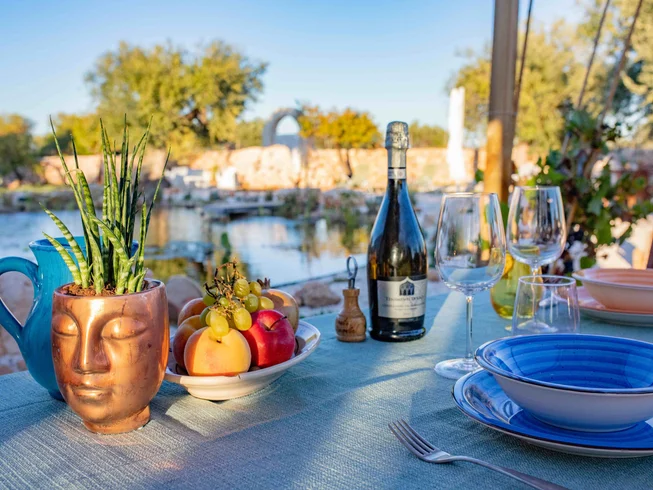
The food in June crosses definitively into summer. Courgette flowers — fiori di zucca — stuffed with ricotta and anchovies or simply battered and fried, appear on tables across central Italy from the first week of the month and last until August. The first peaches arrive from Campania and Emilia, still with some of the resistance of an early fruit that needs another week but already carrying the essential flavour. Apricots from the Vesuvius slopes and the Marche hillsides are at their peak in the second and third weeks of June, small and intensely sweet, eaten as they are or cooked into the mostarde and jams that will accompany aged cheeses through the winter. Tomatoes in the south, particularly in Puglia and Campania, are coming into their full summer form: the Piennolo cherry tomatoes from the volcanic soils around Vesuvius, grown on a pergola system that stresses the plants into concentrating their sugars, are among the most flavourful in Italy and available fresh only in this narrow seasonal window. A retreat kitchen working with June produce has access to a table that is simultaneously the most colourful, the most varied, and the most specifically Italian of the year.

June vs. the rest of the year

June sits between two months that frame its particular quality by contrast. May, which precedes it, has all of June’s directional energy but without the full warmth — the evenings are cooler, the sea is slightly less inviting, and the lavender is still building toward the bloom that June delivers. Those who want May’s gentler conditions and more affordable pricing will find the full case at May yoga retreats in Italy; the months are similar enough in character that the choice between them often comes down to heat tolerance and budget rather than any fundamental difference in what Italy offers.


July, which follows, brings the full weight of the Italian summer: higher temperatures, school holidays across Europe creating a visitor surge, and the beach towns and coastal roads reaching their peak congestion. July yoga retreats in Italy have their own strong case — the heat suits certain practices and certain practitioners, and the festive energy of Italian summer has a genuine appeal — but the June experience is quieter, more temperate, and available at rates that July no longer offers. June is the last month in the calendar at which the combination of summer conditions and relative accessibility still holds. The complete picture of how the Italian retreat calendar distributes its qualities across the year is visible in the overview at yoga retreats in Italy.

Practical information

June requires advance booking of six to nine months for the most sought-after properties, particularly on the Italian Lakes, in the Chianti, and along the Ligurian coast. The rule that applies from May onward holds here with greater force: the best retreat centres receive returning guests who book the following June before they leave, and by November the most popular weeks — particularly those bracketing the solstice — are substantially filled. For centres in less competitive destinations, Umbria, the Dolomites, inland Sardinia, three to four months may still find availability, but the floor is rising each year as June becomes increasingly understood as one of the most desirable retreat months in Italy.


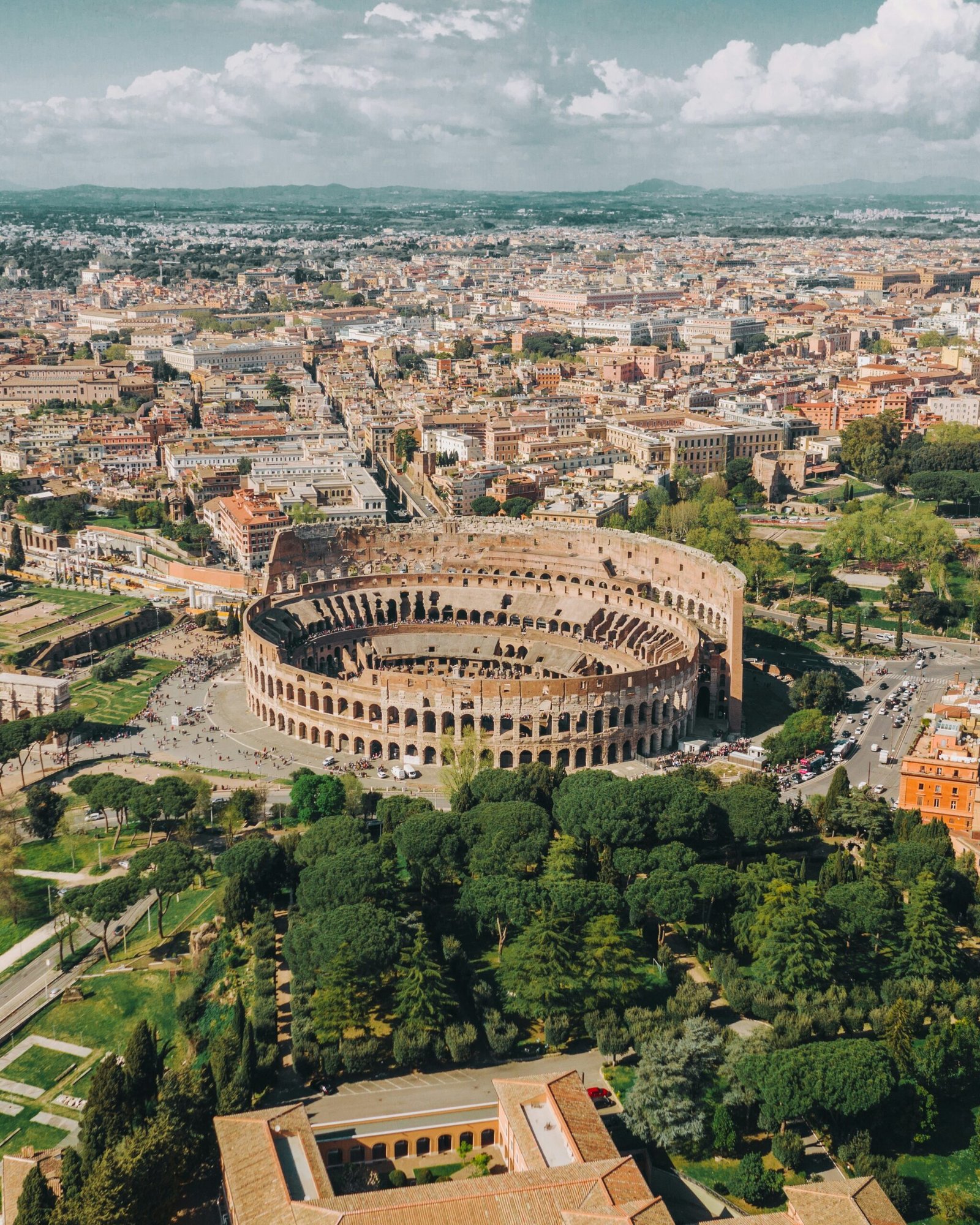
The Festa della Repubblica on June 2nd, Italy’s national day, creates a long weekend that animates the country in a way that is worth either planning around or leaning into. In Rome, the military parade down the Via dei Fori Imperiali is one of the most impressive civic spectacles in Europe; in smaller towns, the local celebrations are more intimate and arguably more characterful. Retreats that begin on or after June 3rd avoid any logistical complication from the public holiday; those starting on June 1st should expect that some services, shops, and cultural institutions will be operating on a reduced schedule on the 2nd.


Packing for June is the simplest packing exercise in the Italian retreat calendar. Lightweight fabrics in natural fibres — linen and cotton rather than synthetic blends — are the correct choice for both practice and daily wear. A single mid-layer for mountain locations or for evenings in stone buildings that cool quickly after dark is all the warmth the month requires in the north and centre; in the south, even this is rarely needed except at altitude. Sunscreen from SPF 50 is not overcaution in June — the UV at Italian latitudes combined with the length of outdoor exposure that a retreat day involves adds up to a meaningful cumulative dose. A swimsuit is non-negotiable anywhere near water. Trail shoes remain useful for programmes incorporating hillside walks. Bring nothing that requires ironing, and pack less than you think you need: June in Italy invites a simplicity of wardrobe that the month’s warmth, long light, and outdoor focus make entirely natural.

FAQs: yoga retreats in italy - june

1. How hot is Italy in June, and how does that affect outdoor practice?

Temperatures vary significantly by region. The Italian Lakes and Dolomites stay between 22 and 27 degrees — comfortable for outdoor practice throughout the morning and again from late afternoon. Tuscany and Umbria reach 27 to 30 degrees by mid-month, which makes morning practice before eight and evening sessions after six the natural structure. Puglia and Sicily can hit 32 to 35 degrees in the second half of June; retreat centres here work with a sunrise session starting at six and a restorative or yin session in the late evening. Wherever you are, the quality of the early June morning — cool, bright, fragrant — is one of the genuine gifts of the month, and programmes that take advantage of it are the ones worth seeking.

2. What is the Infiorata di Spello, and is it worth timing a retreat around?

The Infiorata is one of the most extraordinary communal art events in Italy. On the feast of Corpus Christi — which falls in the second or third week of June depending on the year — the townspeople of Spello cover the lanes of the medieval centre with elaborate compositions made entirely from fresh flower petals, herbs, and seeds. The carpets are made overnight and walked over by a procession by morning; by the afternoon they are swept away. The combination of the creation process — which happens in the late evening and through the night — with the brief existence of the finished work and the collective effort it represents makes it a genuinely affecting thing to witness. A retreat in the Assisi-Spello area in the right week encounters it as part of the landscape rather than as a day trip, which changes how it registers. Check the liturgical calendar for the specific date each year.

3. Is early June meaningfully different from late June for a retreat?

Yes, and the difference is worth understanding before booking. Early June — roughly the first three weeks — sits before the Italian school holidays begin, which means visitor numbers are high but not yet at their July peak, and prices are firm but not at their maximum. Late June, from around the 25th onward, sees Italian schools close and the domestic summer migration begin, which pushes coastal road traffic, beach access, and restaurant queues noticeably higher. For a retreat in a rural or mountain setting this matters less; for anything on the Ligurian coast, the Amalfi Coast, or the popular Sardinian beaches, the difference between early and late June is significant enough to build into the booking decision.

4. Which regions are best in June for practitioners who want heat-compatible practice?

The Italian Lakes and the Dolomites offer the most comfortable June climate for sustained practice, with temperatures that allow outdoor sessions across most of the day without modification. For those who actively want the heat as part of the experience — who find warm conditions supportive rather than challenging — Puglia and Sicily are the answer: the heat there in June is dry and direct, and the early morning practice window before six-thirty, when the air is still cool, is among the finest in the Italian retreat calendar. Tuscany and Umbria sit between these extremes, offering mornings and evenings that are ideal and afternoons that require shade and rest rather than active work.

5. Are there solstice retreat programs specifically designed around June 21st?

Yes — a growing number of Italian retreat centres design their June programs explicitly around the solstice, with the longest day as a structural and thematic anchor. Common elements include a pre-dawn practice beginning before the five-thirty sunrise, 108 sun salutations at dawn, an extended evening session concluding at sunset around nine, and — in centres with more ceremonial programming — a fire element on the evening of June 23rd for the Notte di San Giovanni. These programs are worth searching for specifically if the solar calendar is meaningful to your practice; they tend to attract participants with serious commitment to the practice rather than those primarily looking for a warm-weather holiday, and the group dynamic reflects that.

6. How far in advance should I book a June retreat in Italy?

Six to nine months is the reliable window for established centres in the Italian Lakes, Chianti, Ligurian coast, and Amalfi area. The solstice week in particular — roughly June 18 to 25 — tends to fill fastest, as it is the most specifically June experience that any retreat program can offer. For Umbria, the Dolomites, and inland Sicilian or Sardinian destinations, four to six months may still find good availability. Contact centres directly in October or November for the following June if you have a specific property in mind; waiting until January is fine for most destinations but leaves the most sought-after weeks at risk.

Share Your Thoughts

Your email address will not be published. Required fields are marked *

Leave a Reply

Your email address will not be published. Required fields are marked *