

Sicily is one of those places that makes yoga feel unnecessary to explain. The landscape does the work before you’ve unrolled your mat. Mount Etna on the horizon, the Mediterranean below, lemon groves and Greek temples between them — it’s an environment that recalibrates the nervous system almost by default. Italy offers remarkable settings for retreat, and among yoga retreats in Italy, Sicily occupies a category of its own: elemental, ancient, and genuinely restorative in ways that more polished destinations aren’t.


The practical case is strong. Sicily has more sunshine than almost anywhere in Italy, with mild winters that make outdoor practice viable year-round on the southern and eastern coasts. Prices are significantly lower than Tuscany or the Amalfi Coast — comparable quality of experience for considerably less outlay. The food is extraordinary: volcanic soil produces ingredients with a depth of flavour that retreat kitchens can draw on without effort.
But the more compelling case is sensory. Sicily has a quality of elemental intensity — fire, water, earth, and the particular quality of light that bounces off limestone and sea — that creates an environment with genuine physiological impact. Research on natural environments consistently finds that varied, wild landscapes produce stronger parasympathetic activation than managed or domesticated ones. Sicily is wild in exactly the right ways.
There’s also the cultural dimension. Sicilian hospitality is genuine rather than performed. The warmth of the people, the unhurried pace of village life, the central importance of food as a social event — these aren’t attractions alongside the retreat programme. They’re part of what makes being in Sicily feel different from being in a wellness resort that happens to be in a warm country.
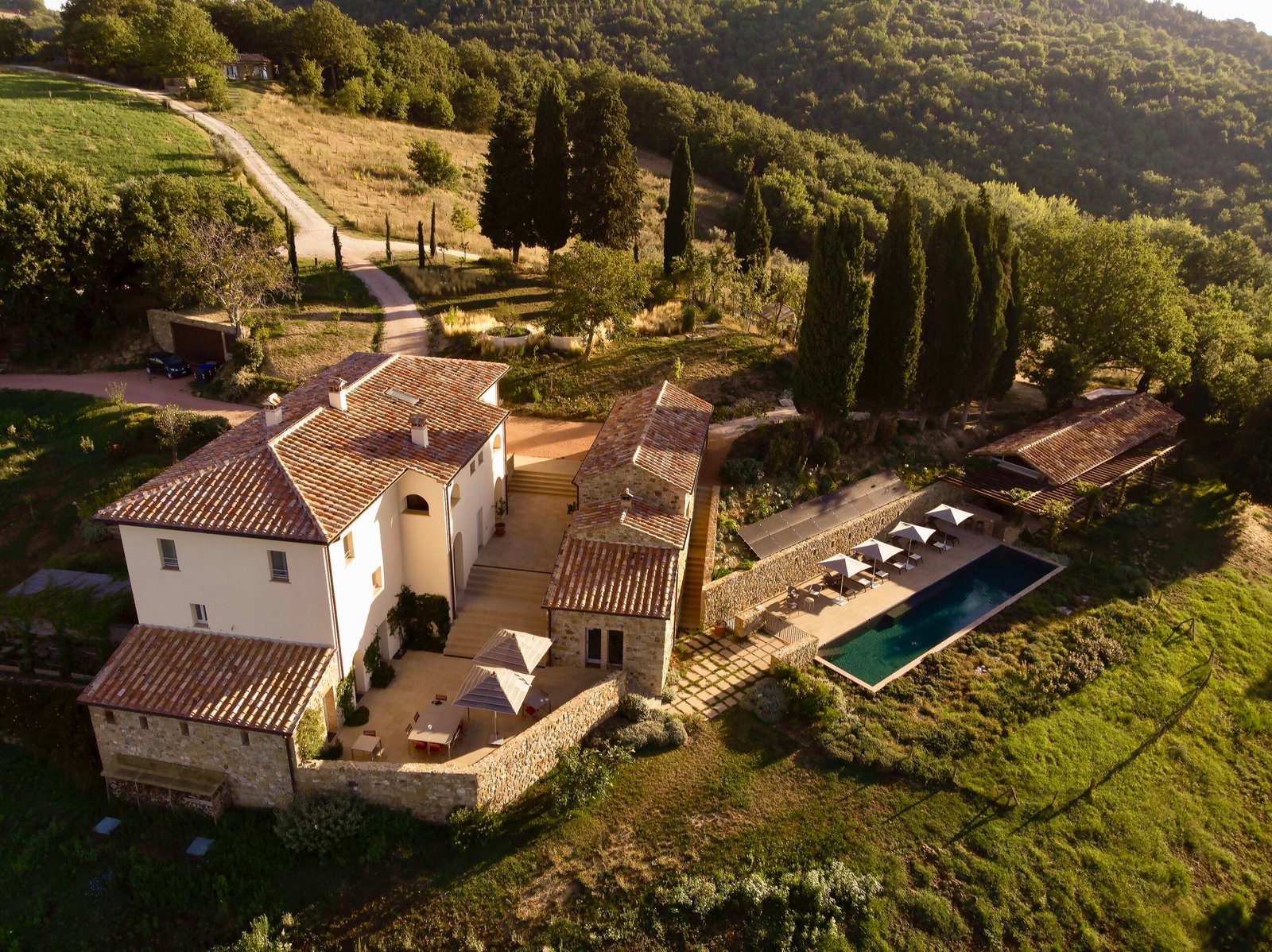
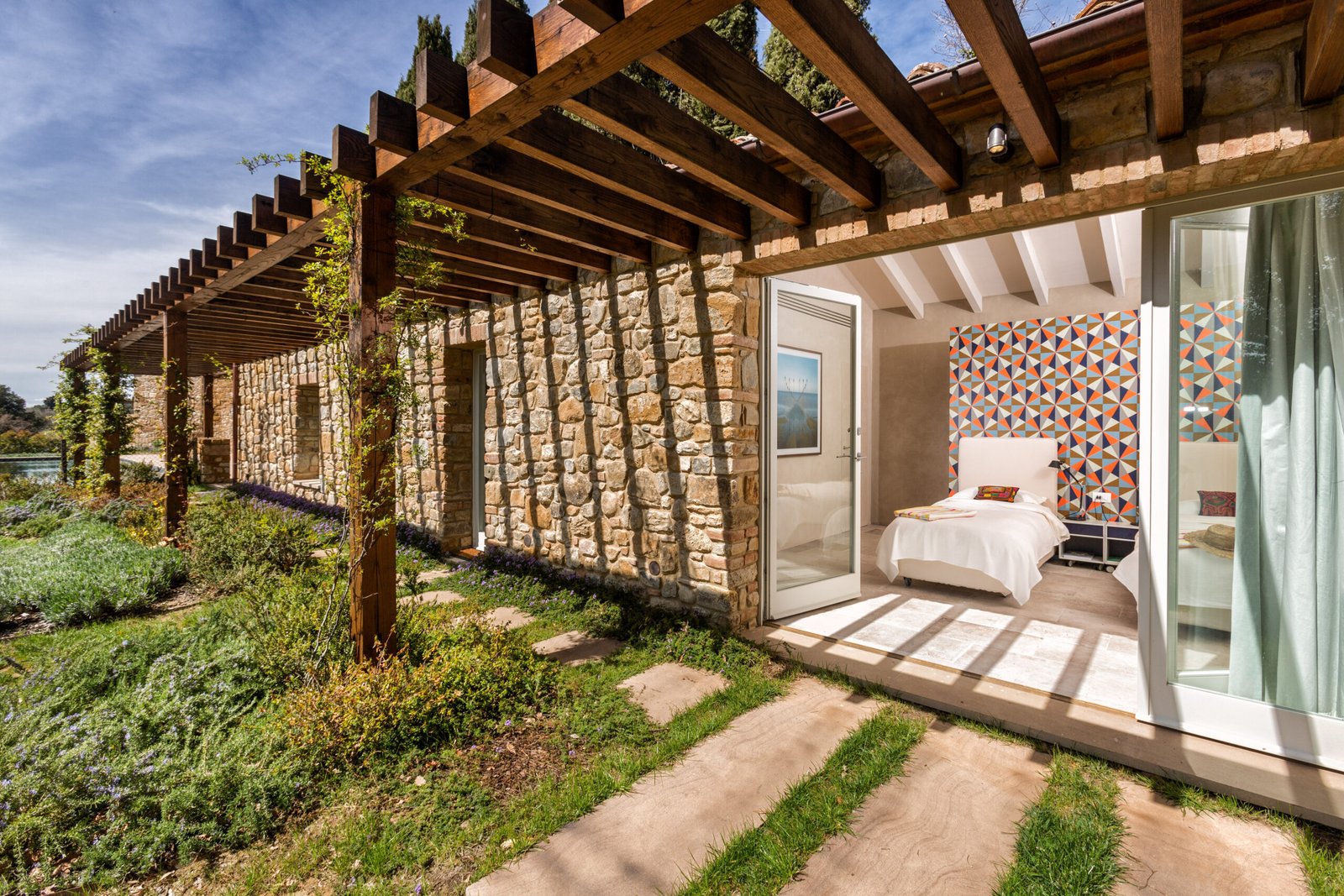
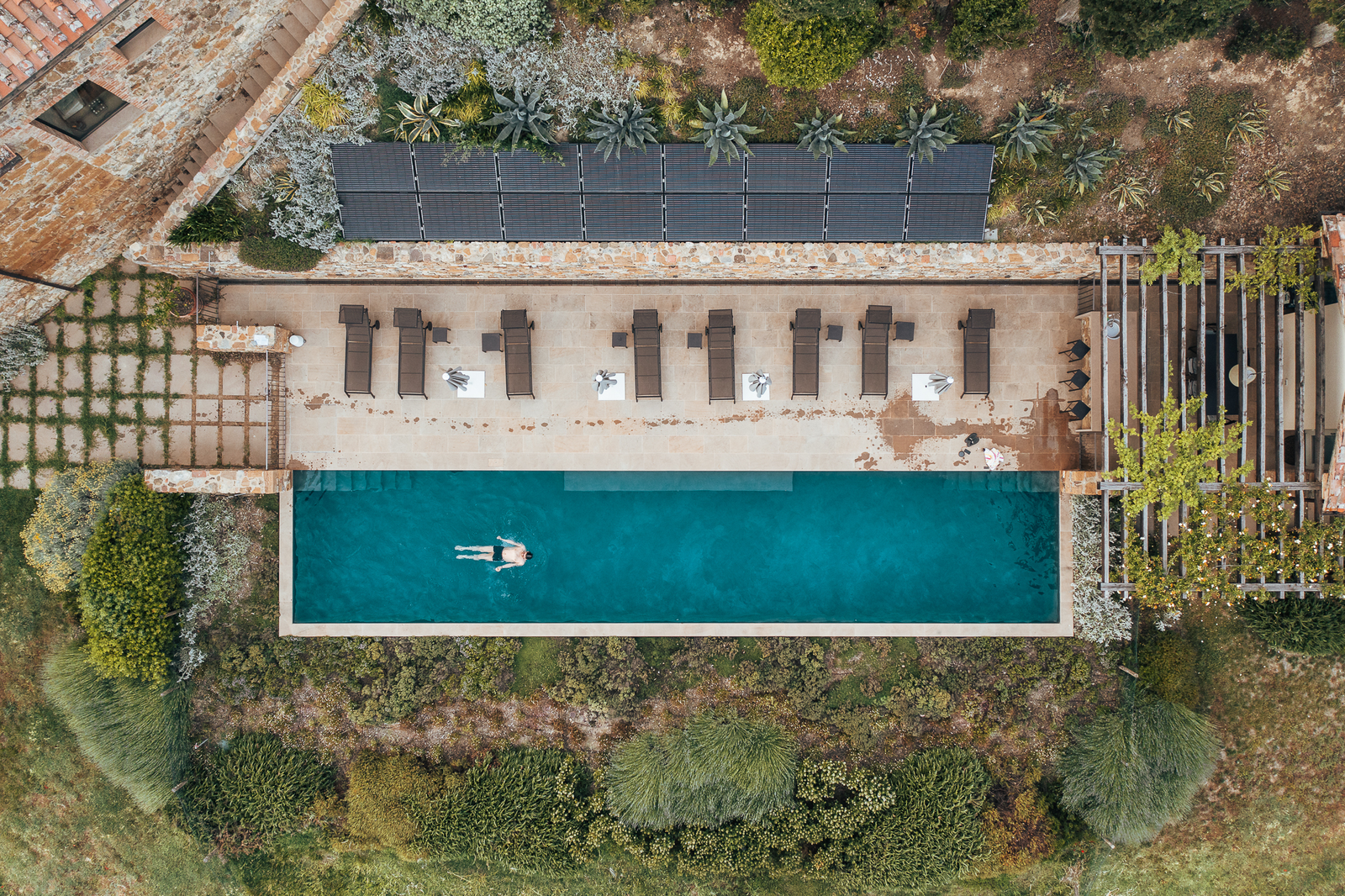
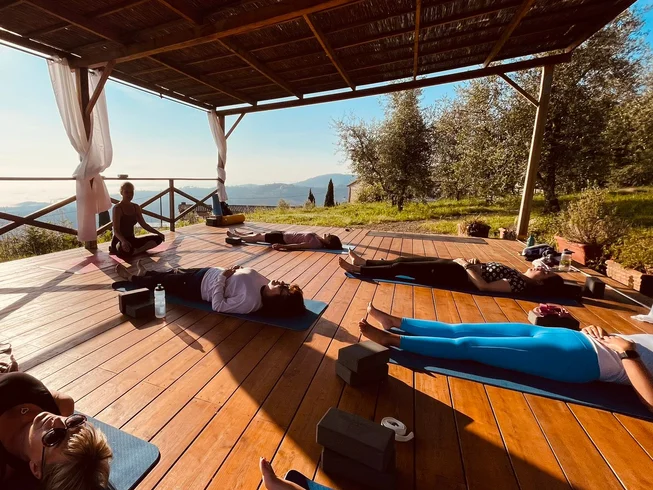
Sicily’s geography is varied enough that the right location depends heavily on what you’re looking for.
Eastern Sicily, centred on the slopes of Mount Etna and the coast around Taormina and Catania, is the most dramatic. Retreats here have volcanic landscape as their backdrop — lava trails, thermal springs, vineyards on black soil, and the particular intensity of practicing yoga on a terrace with Etna visible on the skyline. Syracuse and Ortigia Island add Greek ruins and baroque architecture to the mix, making this corner of the island unusually rich for post-retreat exploration.
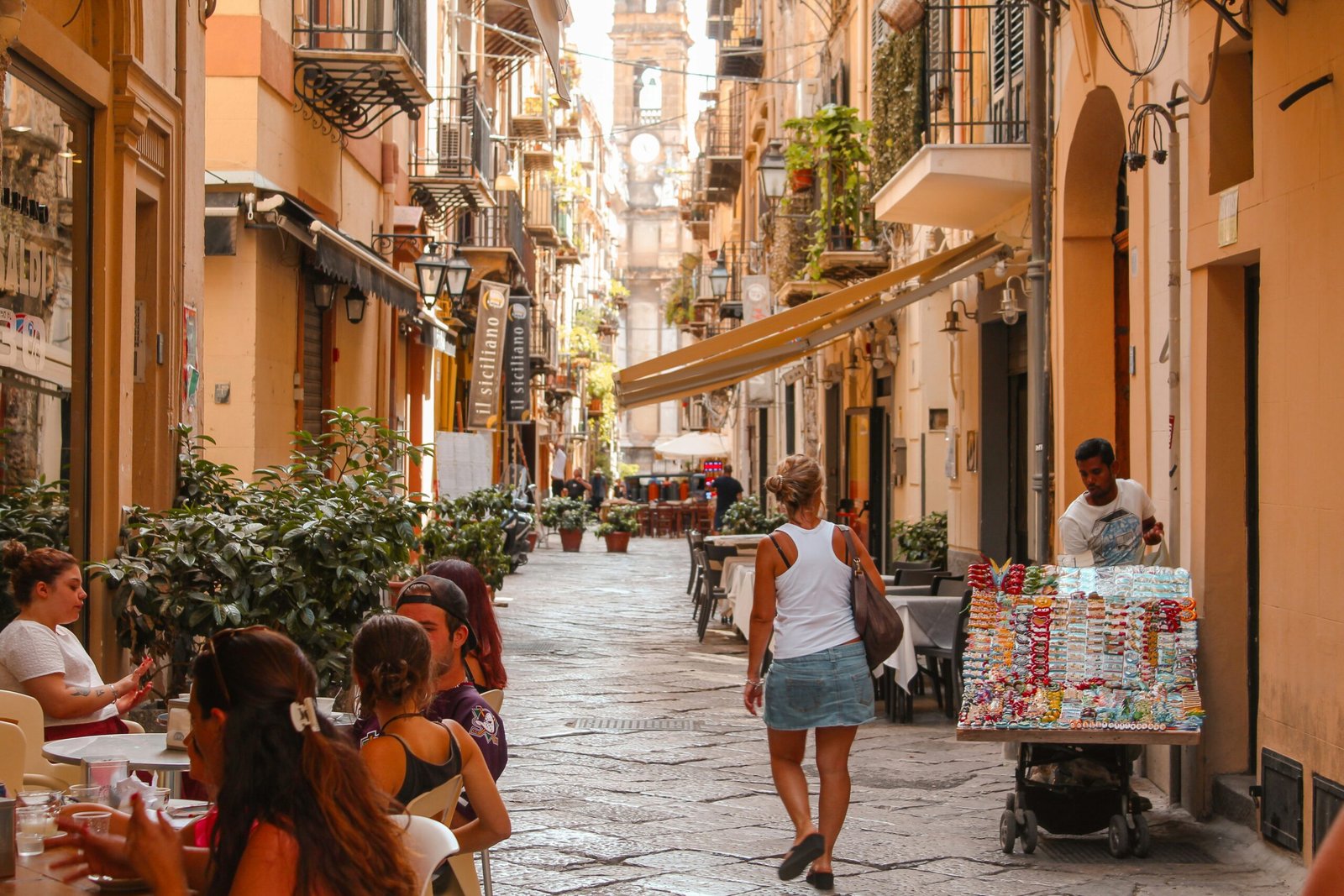
The baroque south — Noto, Modica, Ragusa, is quieter and more contemplative. UNESCO-listed towns in honey-coloured stone, narrow lanes, and a pace of life that already resembles what a retreat tries to create. Retreats in this area tend to combine yoga with cooking, photography, or creative writing, using the towns themselves as part of the experience.
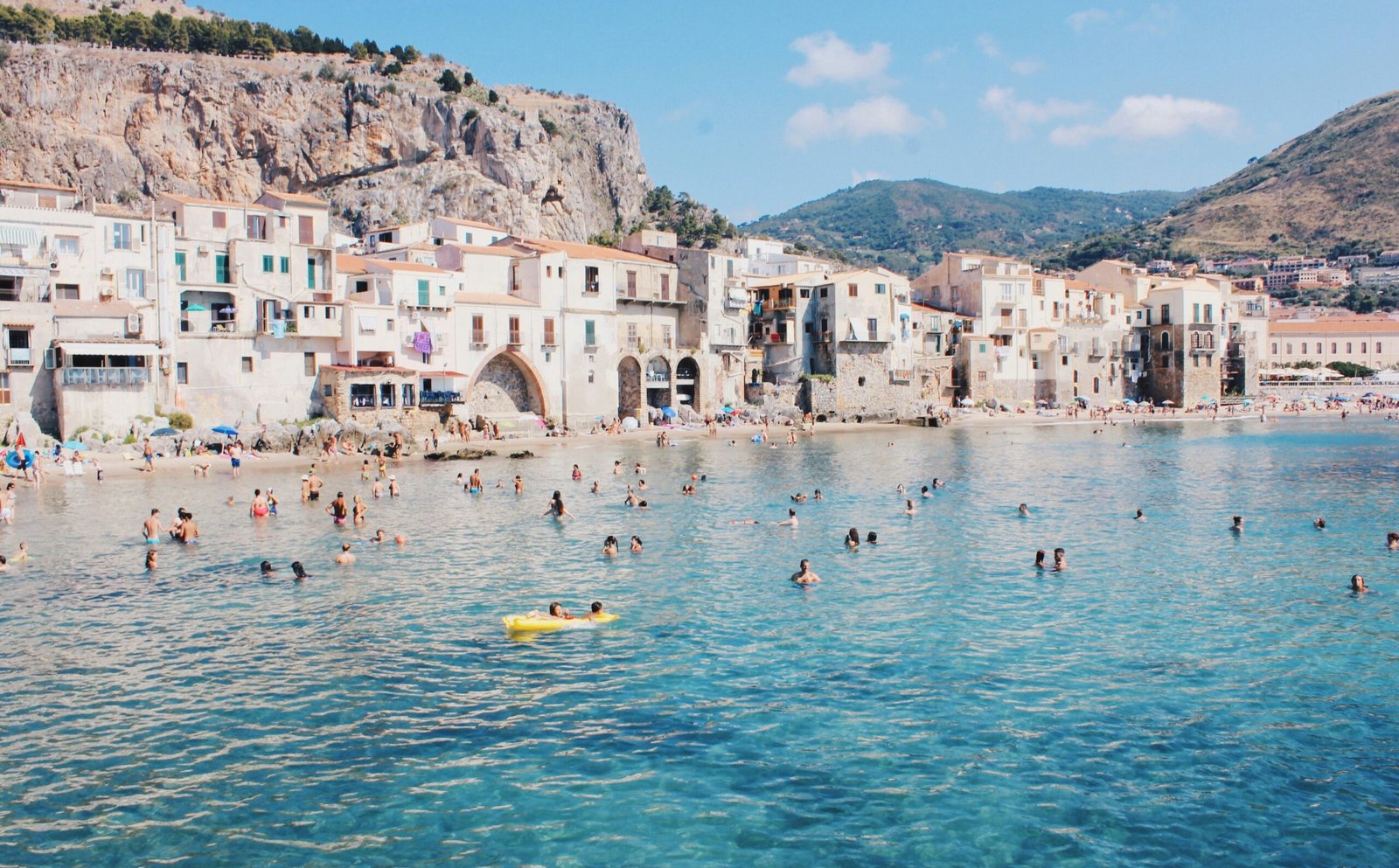
Western Sicily is less visited and more soulful. Cefalù offers medieval charm alongside good beaches. Trapani has salt pans, windmills, and a straightforward beauty that doesn’t feel curated. Erice, perched above the clouds on a mountain top, has a quality of atmosphere that is genuinely unlike anywhere else in Italy.
The islands extend the options further. The Aeolian Islands, a volcanic archipelago north of the mainland, are excellent for boat-based retreat weeks in the warmer months.
Pantelleria, remote and wild, closer to Tunisia than to mainland Italy, offers hot springs, black volcanic rock, and a silence that is almost total in the off-season.
Sicily’s climate makes it a viable retreat destination for most of the year, which is one of its significant advantages over northern Italian regions.
Spring, from April to June, is the strongest overall period. Temperatures sit between 18 and 25 degrees, wildflowers cover the hillsides, the sea is clearing after winter, and the island hasn’t yet filled with summer visitors. The light has a particular quality in May that photographers and artists have noted for centuries.
Autumn, from September to October, is arguably as good and considerably less crowded. The heat has dropped to a comfortable level, the olive and grape harvests are underway, and the sea remains warm enough to swim in October. The quality of the afternoon light in this season is something that stays with people.
Summer works for coastal retreats provided the programme is structured sensibly — morning practice before nine, afternoons quiet or in the water, evening sessions when the heat drops. Inland and on the higher slopes of Etna, July and August temperatures can reach 38 degrees, which rules out outdoor midday practice entirely.
Winter on the southern and eastern coasts is mild enough for outdoor yoga on most days — daytime temperatures of 14 to 18 degrees in December and January — and the island in this season has a quality of quiet that suits reflective or meditation-focused programmes particularly well.
The structure varies by retreat, but a typical day in Sicily works with the climate and landscape rather than against them. Morning practice begins early, often at sunrise, to take advantage of the light and temperature before the day heats up. Breakfast draws on local ingredients — ricotta, citrus, almonds, fresh fruit — that are genuinely different from what most participants eat at home.
Midday is slow. The Sicilian siesta isn’t an affectation — it’s a physiologically sensible response to heat and digestion, and good retreat programmes honour it with unstructured afternoon time. This is when participants swim, journal, visit a market, or simply rest.
Late afternoon practice, when the light turns amber and the temperature drops, tends to be the most atmospheric session of the day. Evening meals are communal and unhurried, typically built around local produce and the kind of simple cooking that lets good ingredients speak for themselves.
The food at most Sicilian retreat centres is worth discussing specifically. Sicilian cuisine draws on Mediterranean and Middle Eastern influences in a combination that is both nutritious and deeply pleasurable: caponata, pasta con le sarde, insalata di arance, fresh fish, pistachios from Bronte, lemons from the slopes of Etna. Retreats that source locally eat extraordinarily well.
1. Mount Etna and Eastern Sicily
Europe’s most active volcano shapes both landscape and mood.
Hike lava trails at sunrise, visit wineries on Etna’s slopes, or practise yoga on terraces overlooking Taormina Bay.
Nearby Syracuse and Ortigia Island mix Greek ruins with sea breeze and baroque architecture — ideal for post-retreat exploration.
2. The Baroque South
Cities like Noto, Modica, and Ragusa Ibla are UNESCO jewels — ornate yet calm, bathed in honey light.
Their narrow lanes and slow cafés make perfect ground for mindful wandering.
Retreats here often combine yoga with cooking, photography, or creative writing.
3. Western Sicily
Less developed, more soulful.
Cefalù balances beaches with medieval charm; Trapani offers salt pans and windmills; Erice sits above the clouds, wrapped in mist and myth.
A few eco-retreats here include sound healing and sea-salt therapies.
4. The Islands
Aeolian Islands: volcanic archipelago north of Sicily, ideal for boat-based yoga weeks.
Pantelleria: remote and wild, closer to Tunisia than Italy — hot springs, black rocks, and silence.
Why It Works for Yoga & Wellness
– Elemental Energy: Fire (Etna), Water (Mediterranean), Air (sea breeze), and Earth (volcanic soil) create a perfect four-element balance.
– Authenticity: Wellness here isn’t staged; it’s woven into daily life — fresh food, long walks, laughter.
– Diversity: Choose mountain serenity, island isolation, or coastal light depending on your mood.
– Culture of Connection: Sicilians are warm, expressive, and genuinely hospitable — ideal energy for community-based retreats.
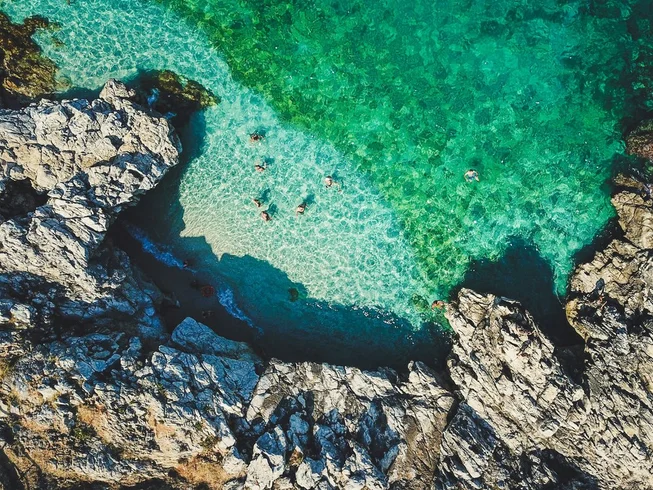
– Healing Landscape: From sulfurous hot springs to crystal bays, nature itself feels therapeutic.
When to Combine With Other Regions
– Pair Sicily + Amalfi Coast for two complementary energies: sea stillness and volcanic vitality.
– Combine Sicily + Umbria if you want both inner quiet and sensory richness.
– Add Malta or Pantelleria for island hopping after your retreat.
Final Reflection
Sicily doesn’t whisper serenity — it radiates it.
You come here expecting beauty and leave with something deeper: a renewed pulse that matches the island’s own.
Between Etna’s fire, the sea’s breath, and the easy generosity of its people, you rediscover what vitality feels like when it’s unforced.
That’s the quiet gift of yoga and wellness retreats in Sicily — they don’t teach balance; they let you remember it, in every element that surrounds you.
Sicily works well as a standalone destination and equally well as part of a wider exploration of Italy’s retreat landscape. The island’s elemental, volcanic energy is genuinely different from what the rest of the country offers.
For contrast and complementarity, yoga retreats in Tuscany offer rolling hills and Renaissance culture alongside the practice — a softer, more cultivated landscape that suits people looking for something gentler. Yoga retreats in Umbria go deeper into silence and medieval quiet. The Amalfi Coast provides dramatic coastal scenery of a different character — more vertical, more theatrical than Sicily’s horizontal expanses. Lake Garda offers an Alpine dimension that works particularly well for summer retreats when the south is at its hottest.
Each of these regions has its own character and serves different needs. Sicily tends to attract people who want something raw and genuine rather than polished, who are drawn to depth of landscape and culture over luxury of facilities, and who find that the island’s particular energy — ancient, warm, unhurried — matches something they’ve been looking for.
Getting to Sicily is straightforward from most European cities. Palermo and Catania both have international airports with direct connections to London, Paris, Amsterdam, Frankfurt, and most major hubs. Budget airlines serve both airports, keeping flight costs manageable even from northern Europe.
Within the island, a hire car gives the most flexibility, particularly for retreats in rural or inland areas. Roads are scenic but often narrow, and navigation in historic town centres requires patience. Many retreat centres offer transfers from the nearest airport, which is worth asking about when booking.
English is understood in most tourist areas, though basic Italian phrases are appreciated and go a long way in smaller villages. The currency is euros, and while cards are increasingly accepted, cash is useful in markets and smaller establishments.
Dress modestly when visiting churches and villages — Sicily remains socially conservative outside the main tourist areas. At retreats themselves, the dress code is whatever the practice requires.
When is the best time for a yoga retreat in Sicily? April to June and September to October are the strongest overall periods. Spring brings wildflowers and clear water; autumn brings harvest season and gentler light. Winter is viable on the southern coast for outdoor practice. July and August are hot — good for coastal retreats with early morning sessions, difficult in the interior.
Where in Sicily is best for a yoga retreat? Eastern Sicily suits people who want volcanic landscape and cultural richness around Taormina and Syracuse. The baroque south is best for quiet and contemplative programmes. Western Sicily offers less-visited, more authentic settings. The Aeolian Islands and Pantelleria suit people who want genuine remoteness and silence.
Is Sicily affordable for a yoga retreat compared to other Italian regions? Yes, significantly. Sicily is one of the most affordable regions in Italy for retreat experiences. A week-long boutique retreat that would cost €1,800 to €2,500 in Tuscany or on the Amalfi Coast is typically available in Sicily for €1,200 to €1,800, with comparable or higher quality of food and landscape.
Can I practice yoga outdoors in Sicily in winter? Yes, on the southern and eastern coasts. December to February temperatures on the coast regularly reach 14 to 18 degrees during the day, and sheltered terraces with sun exposure are warm enough for morning practice. Inland and at altitude it’s colder. Ask any retreat you’re considering whether they offer outdoor winter sessions.
What types of yoga are offered in Sicily? Hatha and vinyasa are most common. Yin and restorative yoga are widespread, particularly in autumn and winter. Some retreats near Etna emphasise grounding and earth-element practices that use the volcanic landscape deliberately. Most retreat programmes are accessible to all levels.
What can I combine with yoga practice in Sicily? The options are unusually rich: thermal baths near Etna or at Sciacca, Greek temple visits at Agrigento and Segesta, hiking on Etna or in the Zingaro nature reserve, boat trips to the Aeolian or Egadi islands, cooking classes focused on Sicilian cuisine, and wine tasting on the volcanic slopes of Etna. The island’s food culture — plant-forward, seasonally driven, and extraordinarily flavourful — is itself a significant part of the experience.
Your email address will not be published. Required fields are marked *