
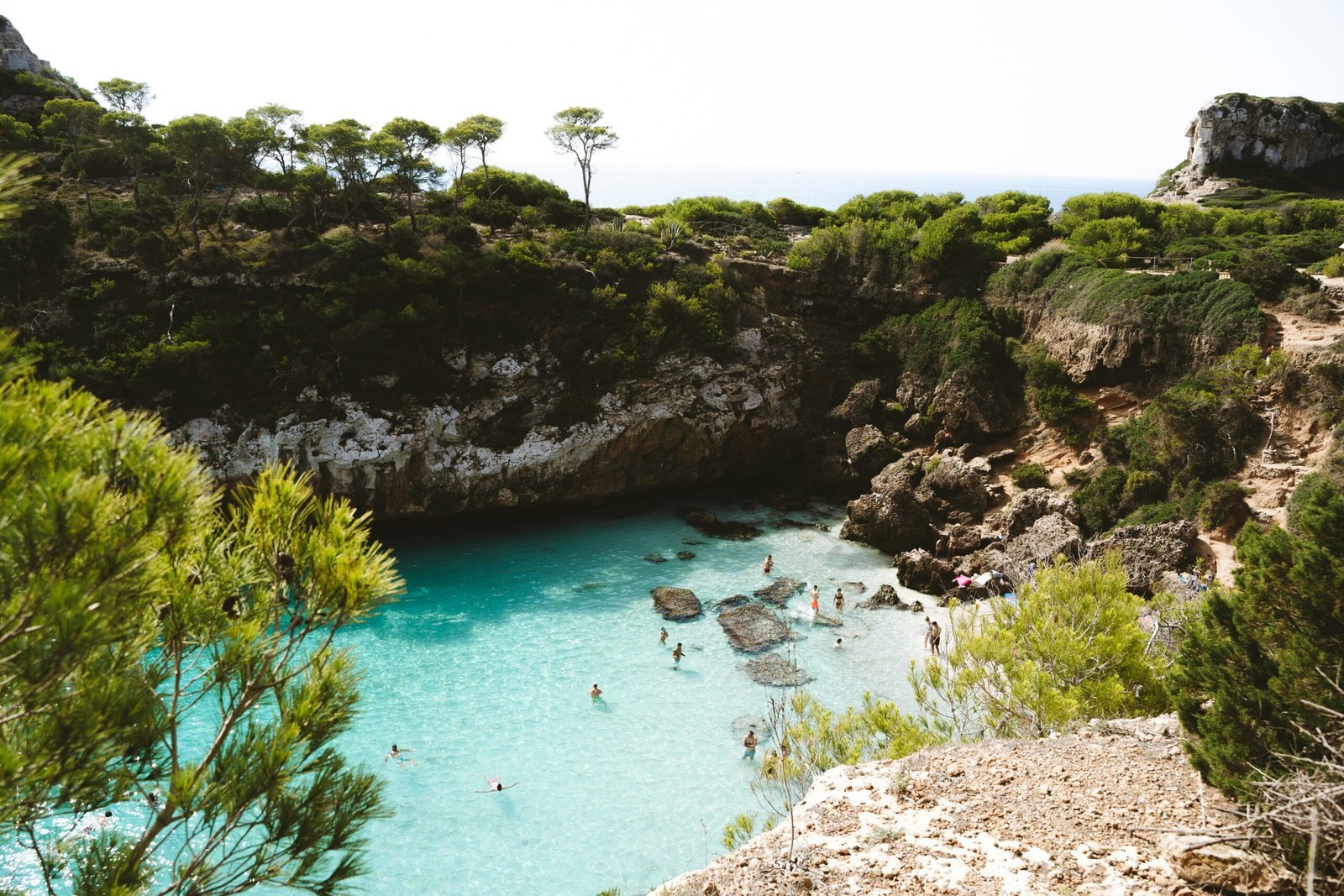
Mallorca has a more developed yoga retreat scene than its reputation as a beach holiday destination would suggest. The island is compact — you can drive end to end in under two hours — but it contains genuinely varied environments: a UNESCO-listed mountain range on the western edge, a quieter and less developed northeast coast, fertile central plains dotted with old fincas, and a southern coastline that ranges from busy resort towns to secluded coves.
Flights from most European cities arrive at Palma in under three hours, and the island’s year-round mild climate means programmes run across all seasons — not just summer. This guide covers what each area offers for retreat travel, what a typical week looks like, when to go, and the practical details worth knowing before booking.


The practical case is strong. Palma Airport (PMI) is one of the busiest in Spain, with direct connections from virtually every major European city — including year-round routes from the UK, Germany, and Scandinavia that most Mediterranean island destinations don’t have in winter. That accessibility removes one of the main friction points in retreat travel: the multi-leg journey.
The island’s geography does the rest. The Serra de Tramuntana along the western coast creates a landscape of dramatic limestone mountains, ancient terraces, and olive groves that looks nothing like the resort Mallorca most visitors know. The northeast is quieter still — pine forests, small fishing villages, and coves that are genuinely secluded outside July and August. The central Pla de Mallorca, often overlooked, has traditional farmhouses surrounded by almond, carob, and fig trees that make some of the island’s most grounded retreat environments.
What the island does well across all these areas is combine accessibility with genuine natural quality. You’re not trading comfort for wilderness or wilderness for comfort — both are available, often within a short drive of each other.
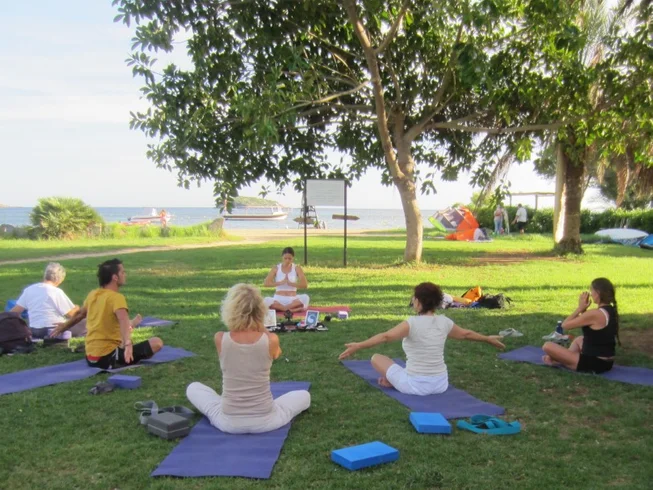
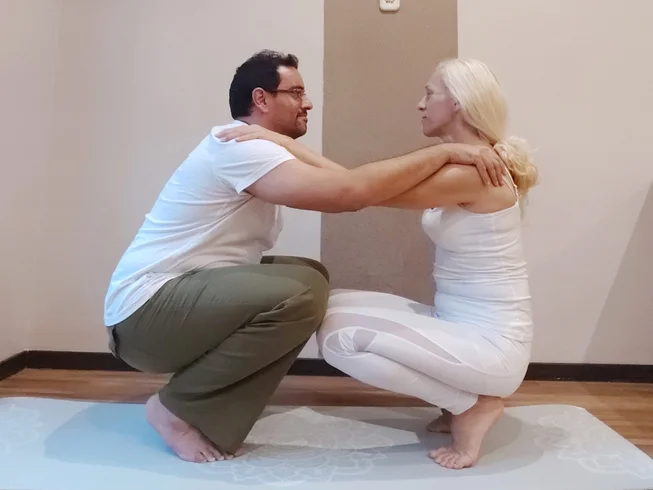
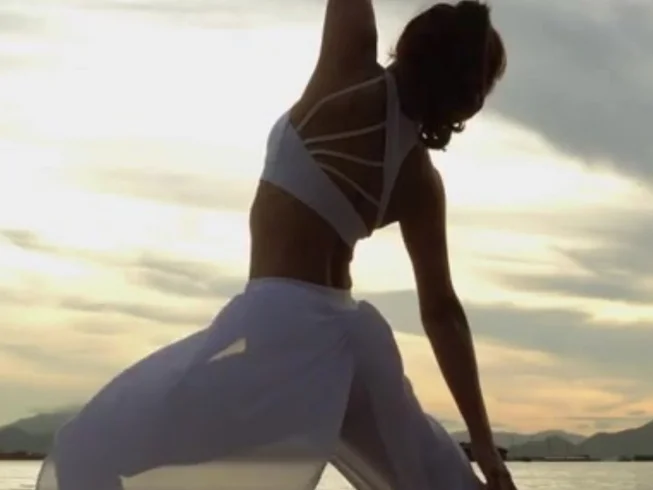
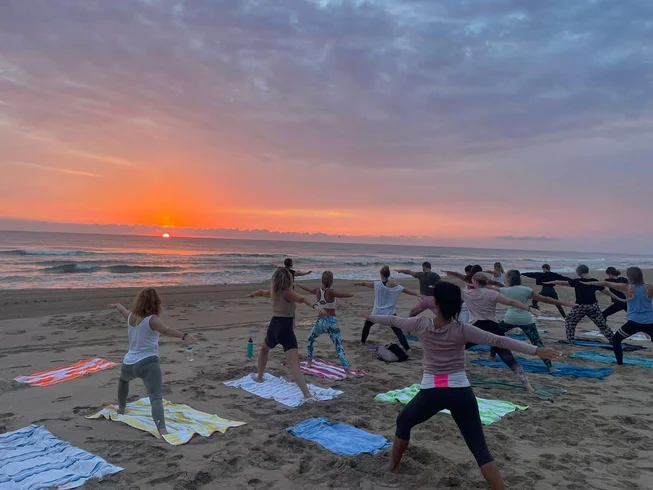
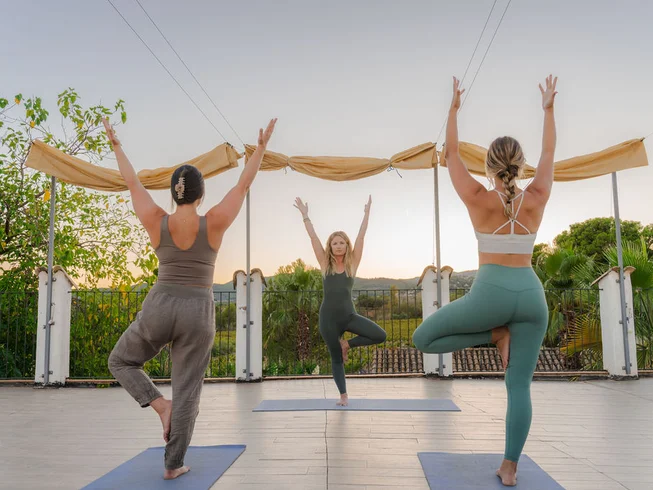
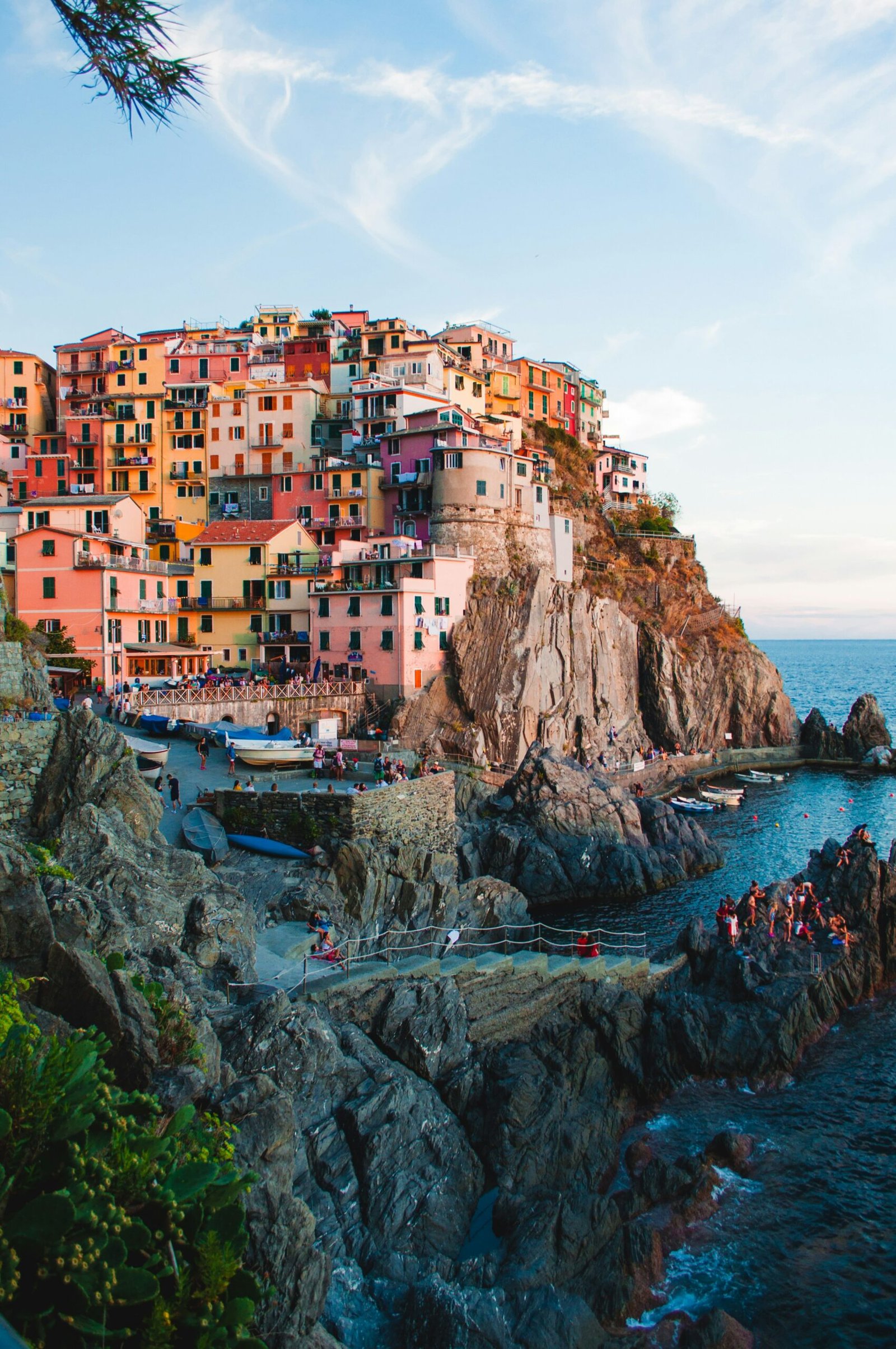
Mallorca, the shining heart of the Balearic Islands, has quietly evolved into one of Spain’s leading destinations for wellness and yoga retreats.
Its reputation once centred on beaches and nightlife; now the island attracts travellers seeking calm, clean food, and connection.
Surrounded by turquoise water and shaped by mountains that fall into the sea, Mallorca offers the perfect backdrop for reflection — a place where nature itself invites balance.

Mallorca rewards specificity. The Serra de Tramuntana, the northeast coast, and the central plains are different enough in character that the wrong choice for what you need will affect the whole week. Match the area to the format: mountains for active hiking-and-yoga, northeast for quiet and contemplative programmes, central plains for eco and grounded immersion, south for short stays with city access.
Browse Om Away’s curated yoga retreats in Spain, including programmes across Mallorca — all reviewed for quality of teaching, venue character, and programme structure.
The Tramuntana is the dominant feature of Mallorca’s landscape — a spine of limestone peaks running 90 kilometres along the island’s western edge, designated a UNESCO World Heritage Cultural Landscape in 2011. Villages like Deià, Valldemossa, Sóller, and Fornalutx sit among ancient stone terraces and olive groves that have been cultivated for centuries. The views from the upper slopes — mountains dropping straight to the Mediterranean — are among the most dramatic in the western Mediterranean.
Retreats in the Tramuntana typically combine yoga with hiking. The GR221 long-distance route (the Dry Stone Route) passes through the range and connects many of the mountain villages, offering trails from easy valley walks to serious mountain ascents. Morning yoga on a finca terrace, afternoon hike through the mountains, restorative practice at dusk — this is the format the area is most suited to, and most retreat programmes reflect it.
Accommodation is in converted stone fincas and boutique rural hotels — character-rich, often with pools overlooking the sea, and more expensive than the central plains or northeast coast. Group sizes tend to be small. Best for: active retreats combining yoga and hiking, couples, people who want natural drama and cultural depth alongside their practice.
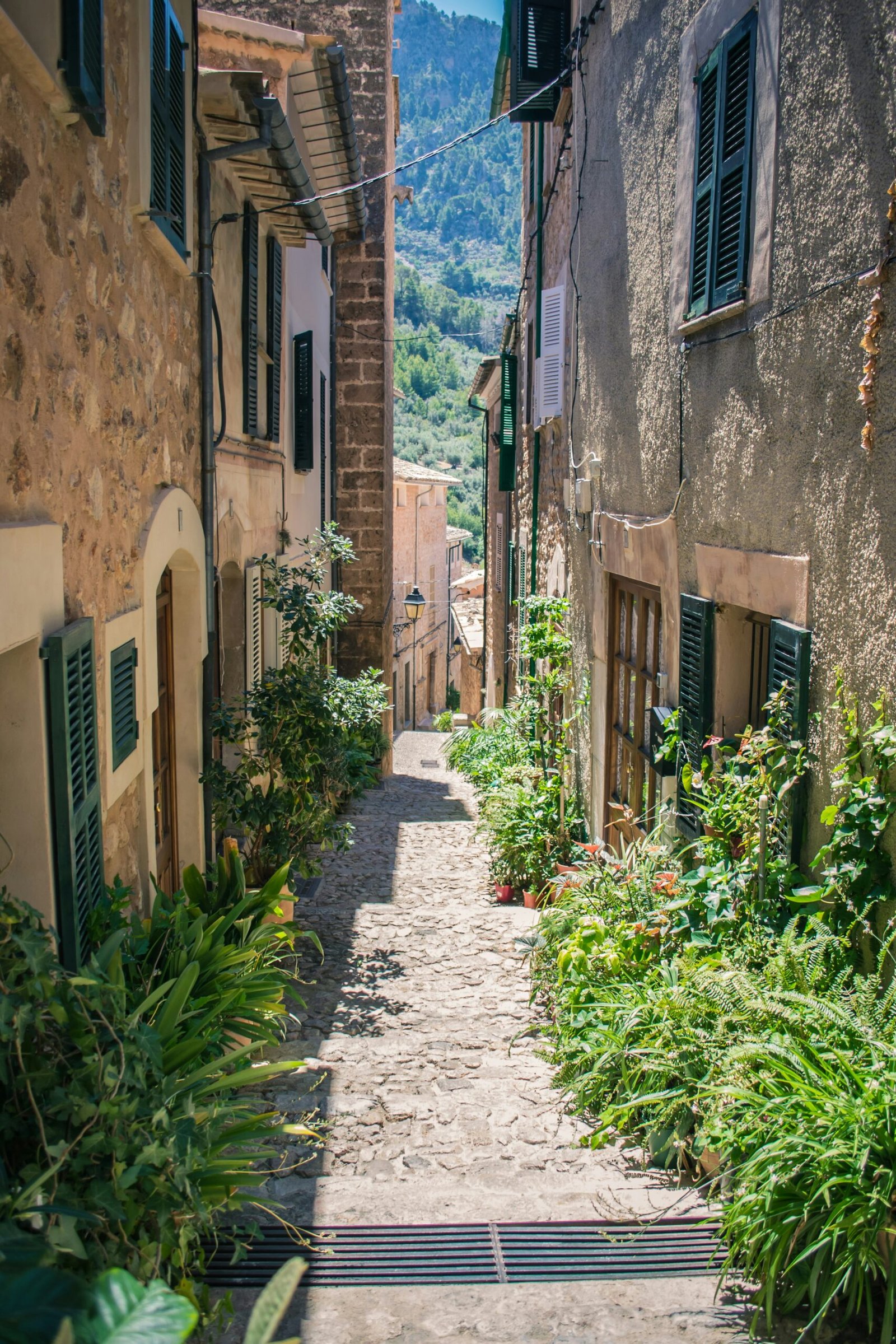

The northeast corner of Mallorca is the least developed part of the island. The Cap de Formentor peninsula — a narrow blade of limestone pushing into the sea — has been protected from development and has a wild, exposed quality. The areas around Artà and Cala Rajada have pine forests, sandy coves, and a pace that feels different from the more visited west and south.
Retreats here often incorporate Ayurveda, detox programmes, and sunrise practices by the water. The environment suits more contemplative formats — smaller groups, quieter daily rhythm, less emphasis on activity and more on stillness. The town of Artà has a well-preserved historic centre with a hilltop sanctuary that several retreat programmes incorporate into their weekly schedule.
Best for: restorative retreats, Ayurveda programmes, people who want Mallorca without the crowds, and anyone whose priority is quiet coastal access over mountain scenery.
The flat interior of the island — almond groves, windmills, stone walls, traditional villages — is the most overlooked retreat area in Mallorca and one of the most authentic. Old farmhouses converted into rural hotels and eco-lodges provide the setting; the format here is typically slower and more grounded than the mountain or coastal retreats.
Retreats in the Pla often integrate local agricultural life into the programme — olive oil production, almond harvesting in season (February is spectacular when the trees are in blossom), visits to local markets in Sineu or Inca. This connection to the land’s working rhythm is a distinctive feature that distinguishes these programmes from more conventional retreat formats. Prices are generally lower than the Tramuntana venues.
Best for: eco-focused retreats, people who want genuine rural immersion, first-time retreat travellers looking for a grounded rather than dramatic setting, and those on a tighter budget.
The south is the most tourist-saturated part of Mallorca, but it also has the longest beaches, the warmest waters (sheltered from northern winds), and the best access to Palma — worth a day before or after a retreat. A small number of boutique retreat venues operate in the countryside between Palma and the Es Trenc natural beach area, offering a format that suits shorter stays and people who want urban access alongside the practice.
Best for: weekend retreats, people combining a programme with time in Palma, and those for whom flight arrival convenience and proximity to the city matter.
The daily structure varies by area and format, but most well-run Mallorca retreats share a similar rhythm. Morning practice starts early — 7:30 to 8am — to catch the best light and the coolest part of the day, particularly important in summer. In the Tramuntana this is often on an outdoor terrace overlooking the mountains or the sea; on the northeast coast, facing the water at sunrise.
Breakfast is a proper meal — local fruit, yoghurt, homemade bread, honey and almonds from the island. The late morning is programmed: a workshop, an optional hike, a coastal walk, or free time at the pool or beach. Lunch is the main meal of the day in traditional Mallorcan rhythm, which most retreats reflect.
Afternoons are unstructured or lightly programmed — this is where the island integration happens. A drive to a hidden cove, a visit to a village market, time reading under a carob tree. The evening practice is typically restorative or Yin — quieter and longer-held than the morning session. Dinner is communal, plant-forward, and usually early by mainland Spanish standards (7:30 to 8:30pm). The island’s excellent olive oil, almonds, and seasonal vegetables feature heavily.
Many Mallorca retreats weave cultural elements into the week — a visit to the Tramuntana villages, an evening concert in a stone church, a cooking session using local produce. These additions work because they fit naturally rather than feeling like organised tourism.
Your email address will not be published. Required fields are marked *