
March is when Spain properly wakes up. Temperatures climb across the south, the wildflowers appear in Andalusia and the Balearics, and Semana Santa — Holy Week — turns Sevilla into one of the most visually intense cultural events in Europe. The retreat centres that were running at winter capacity start filling up. March is the last month before Easter prices arrive, and it is worth using.


March is the beginning of Spain’s best travel season. Andalusia at 18-22°C. Mallorca coming alive after its winter closure. Galicia green and empty. The Pyrenees still snowy enough for hiking but accessible enough for mixed programmes. Prices are still reasonable, availability is still good, and the country is moving with a spring energy that January and February lack. Our full Spain yoga retreats guide covers every region.
March in Sevilla is the city at its most beautiful before it gets busy. The orange trees are in blossom — the smell of azahar (orange blossom) that defines Sevilla in spring fills the air from the first warm weeks of March. The Semana Santa processions, if Easter falls in late March, turn the city into an extraordinary cultural event: the pasos (floats carrying religious sculptures) carried through the narrow streets by hundreds of barefoot penitents, the brass bands, the crowds pressed against the walls, and the incense and candle wax smell that stays in the memory long after.
The Sierra Norte de Sevilla — the rolling hills and cork oak forest north of the city — is an entirely different retreat environment from the urban intensity below. Villages like Aracena (with its extraordinary underground cave system), Cazalla de la Sierra, and the Sierra de Aracena natural park produce a quiet, forested landscape that is specifically good for walking retreats in March when the wildflowers are out and the temperature is perfect for being outside all day.
Mallorca in March is the island before the summer. The almond blossom that peaked in February is finishing, the first spring wildflowers are on the Tramuntana mountains, and the retreat infrastructure is coming back online after the winter closure of many properties. Temperatures of 14-18°C — warm enough for outdoor practice with a layer, cool enough to walk the Serra de Tramuntana trails without overheating.
The Serra de Tramuntana — the UNESCO World Heritage mountain range running along Mallorca’s northwest coast — is at its most accessible for hiking in March and April. The trails between the villages of Sóller, Deià, and Valldemossa pass through terraced olive groves, lemon orchards, and stone-walled paths that date back centuries. Retreat programmes in the Tramuntana in March combine yoga with these walks specifically because the season makes them possible in a way that July’s heat does not.
The north and east of the island — the areas around Pollença, Alcúdia, and the Llevant Natural Park — are quieter than the southwest even in summer and in March are essentially empty of visitors. Retreat centres here in March run their smallest and most focused groups of the year.
For the full Mallorca picture, our yoga retreats in Mallorca guide covers the island across all seasons.
Galicia in March is counterintuitive and worth it. The northwest corner of Spain is cool (10-15°C), frequently rainy, and genuinely green — the greenest landscape on the Iberian Peninsula, produced by Atlantic rainfall that the south never receives. Santiago de Compostela in March is a medieval city almost without tourists, the Rías Baixas (the ría inlets of the south Galician coast) are producing their first good seafood of the year, and the Camino de Santiago paths are beginning to see their early-season walkers.
Retreat programmes in Galicia in March combine yoga with the Camino walking culture — not the full pilgrimage but day sections of the various Camino routes that converge on Santiago, through forests and coastal paths and medieval villages. The combination of yoga practice and walking meditation on ancient paths suits the season and the landscape specifically. For those who find the Algarve or Andalusia too predictable as retreat destinations, Galicia in March is the alternative worth considering.
The Spanish Pyrenees in March offer something no other region in Spain can: snow and spring simultaneously. The high passes are still closed, the ski resorts are at their last weeks of operation, and the lower valleys — the Hecho and Ansó valleys in Aragón, the Rioja Alta foothills, the Valle de Tena — have the wildflowers of early spring against a backdrop of snow-covered peaks.
Retreat programmes in the Pyrenees in March combine yoga with snowshoeing or light hiking on the lower trails, with the contrast between the cold mountain air and the heated practice space producing the kind of physical and sensory experience that warm-weather retreats cannot replicate. The food culture of the Aragonese Pyrenees — ternasco (milk-fed lamb roasted in a wood oven), migas aragonesas (fried breadcrumbs with grapes and chorizo), the local garnacha wines — is specifically of this landscape and this season.
White asparagus from Navarra is the March vegetable in Spain and it is taken seriously. The Navarran white asparagus — grown under soil to keep it from photosynthesising and developing chlorophyll — is harvested from March through June and is considered among the finest in the world. At a restaurant in Pamplona or along the Ebro valley in March, a plate of white asparagus with mayonnaise or vinaigrette is served as a first course with the gravity that the ingredient deserves. Tinned Navarran asparagus is available year-round, but the fresh version in March is a different ingredient.
Torrijas are the Spanish Lent and Easter pastry — thick slices of bread soaked in milk or wine, dipped in egg, fried in olive oil, and dusted with cinnamon sugar or soaked in honey. They appear in every bakery and many cafés from the beginning of Lent (which starts in late February or early March depending on the year) through Easter Sunday. Simple, rich, and specifically of this season — eating a good torrija at a traditional café in Sevilla or Madrid during Semana Santa week is one of those seasonal food pleasures worth seeking.
Percebes (goose barnacles) from the Galician coast are harvested year-round but are at their March freshness after the winter storms. The barnacle harvesters (percebeiros) who collect them from the most exposed Atlantic rocks around Cape Finisterre and the Costa da Morte take genuine physical risks in winter storms to bring them in — which partly explains the price. Boiled in seawater and eaten hot at a restaurant in Cambados or Vigo in March, they taste of the cold Atlantic they came from.
Calçots — the large spring onions grown in Catalonia, specifically in the Valls area of Tarragona — are at their peak in February and March. Grilled directly over fire until charred outside, then peeled to reveal the sweet interior, and eaten dipped in romesco sauce with your hands in a bib: this is the calçotada, the traditional Catalan spring feast. It requires being in Catalonia in March, finding a restaurant that takes it seriously, and accepting that you will get sauce on your shirt. Worth it.
Holy Week falls in March or April depending on the year (check current dates). The Sevilla processions are the most famous — the pasos of the Macarena and the Esperanza de Triana brotherhoods in particular, moving through the streets in the small hours of Thursday and Friday nights, are genuinely extraordinary to watch. But Málaga, Granada, Córdoba, and Cartagena all hold significant Semana Santa processions that are less crowded and in some ways more accessible than Sevilla. The week before Semana Santa is quieter and cheaper; the week itself requires booking months in advance.
Las Fallas is Valencia’s spring festival and one of the most spectacular in Spain. Enormous papier-mâché sculptures (ninots), built over the preceding year, are erected in squares and streets throughout the city from March 15th and burned on the night of March 19th (La Cremà) in a controlled fire that is somehow both alarming and exhilarating. The festival also involves daily firecracker displays (mascletà) at 2pm in the Plaça de l’Ajuntament, music, and the general animation of a city celebrating something it does very well.
Late February and March in the Valle del Jerte, when the cherry orchards of the valley flower simultaneously. Usually peaks in the second and third weeks of March. The Festival del Cerezo en Flor celebrates the blossom with markets and cultural events in the valley villages.
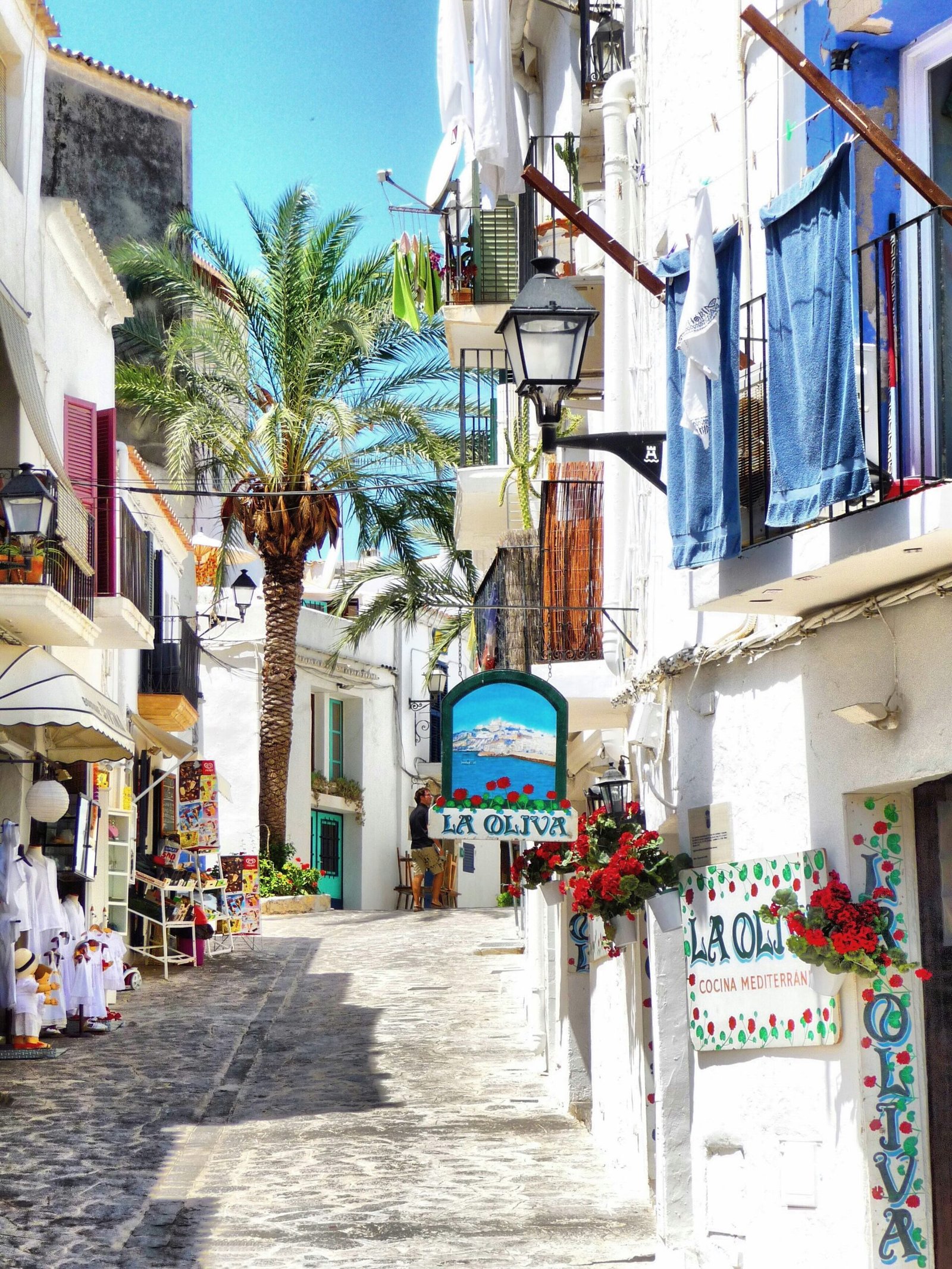
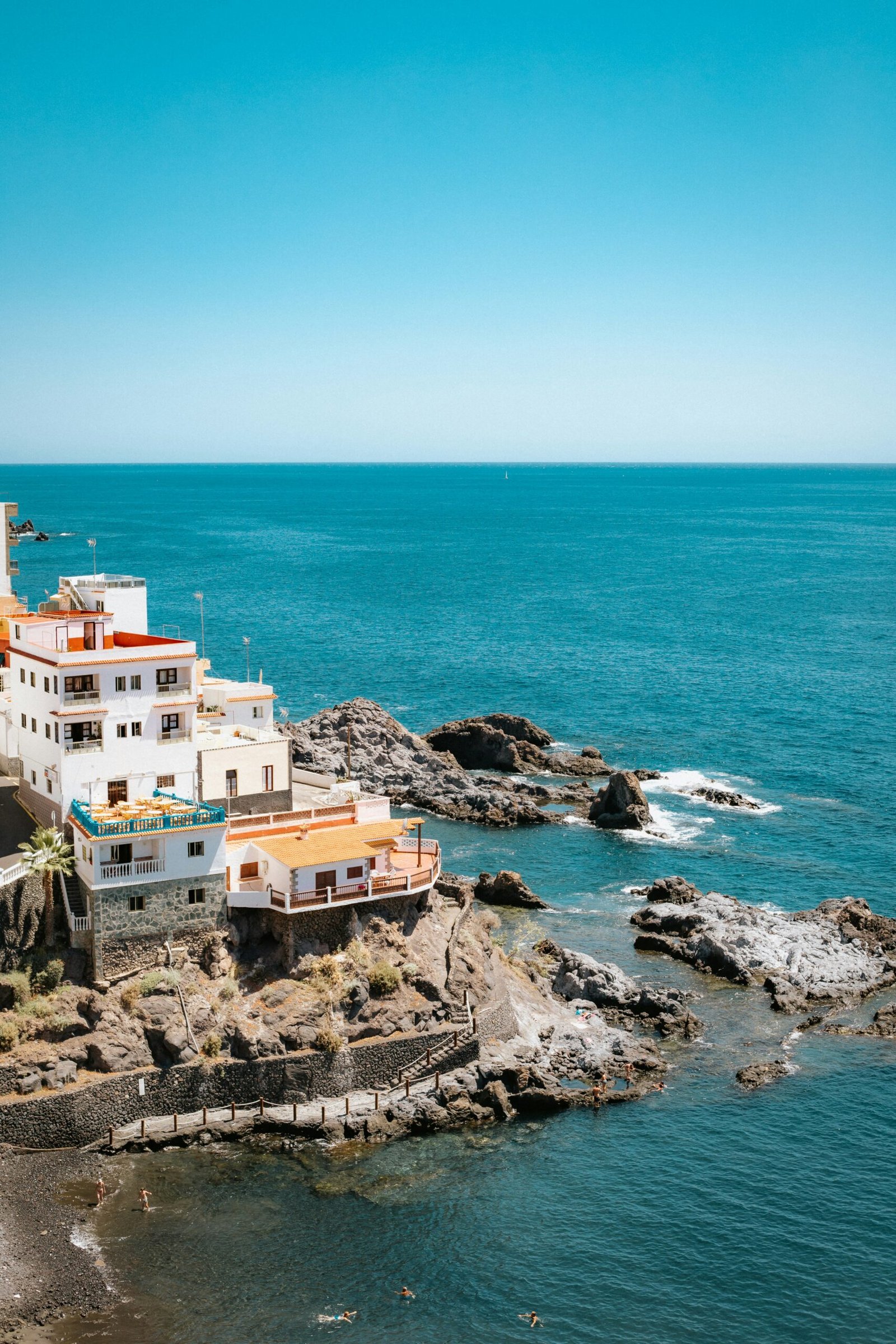
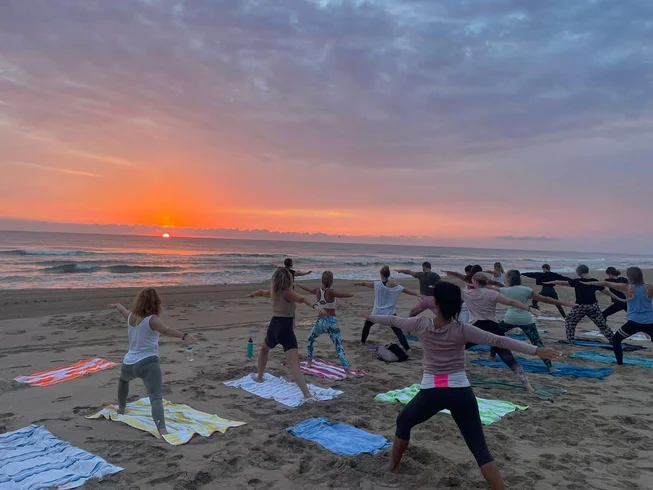
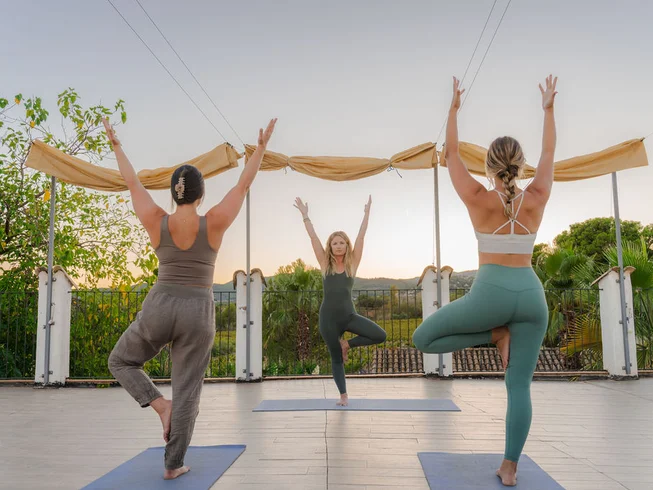
March retreat programming is the transition from winter to spring mode, and the shift varies significantly by region. In Andalusia, the outdoor schedule is fully restored from mid-month: morning practice on a terrace in the orange blossom air, afternoon walks through the Sierra Norte wildflowers, evening Yin as the temperature drops. In Mallorca, the programme is opening up after winter — the first outdoor sessions on Tramuntana terraces, the first hiking excursions on the mountain trails.
In Galicia and the Pyrenees, the programming is more mixed: indoor sessions in heated studios, outdoor sessions when the weather allows, and a physical programme built around the specific activities that the landscape offers in March — Camino walking in Galicia, snowshoeing in the Pyrenees. These are the most physically active retreat formats available in Spain in March and they suit participants who want movement and landscape as much as yoga.
Semana Santa transforms the retreat week entirely for those in Andalusia during Holy Week. The best retreat centres in the Sevilla and Andalusia area build one Semana Santa evening into their March programme — the procession watching is done on foot, slowly, in the narrow streets, with the physical experience of the crowd pressing close and the brass bands at extreme proximity producing something that is genuinely affecting regardless of religious belief.
Is March a good month for a yoga retreat in Spain? Yes — one of the better shoulder season months. Prices are still reasonable, the weather is improving across the south and the islands, and the seasonal events (Semana Santa, Las Fallas, cherry blossom) are worth timing around. The main caveat is Easter week, which if it falls in March requires booking well in advance.
Is Semana Santa in Sevilla worth going specifically for? Yes, if you go knowing what it is. It is not a tourist event — it is a religious procession that has been happening for centuries, taken completely seriously by the city, and overwhelming in its sensory intensity. A yoga retreat in the Sevilla area with one Semana Santa evening built in produces an experience that is specifically of this place and this time.
Is Mallorca worth going to in March before the season opens? Yes. March Mallorca has the best hiking conditions of the year, far lower prices than May through October, and the island in its local character before the summer changes it. The retreat centres that operate year-round in the Tramuntana are running their most focused programmes in March.
What comes after March if I want to extend into April? April brings warmer temperatures, the full spring season across the country, and the beginning of the Balearic beach season. See our yoga retreats in Spain in April guide for what changes.
Your email address will not be published. Required fields are marked *