
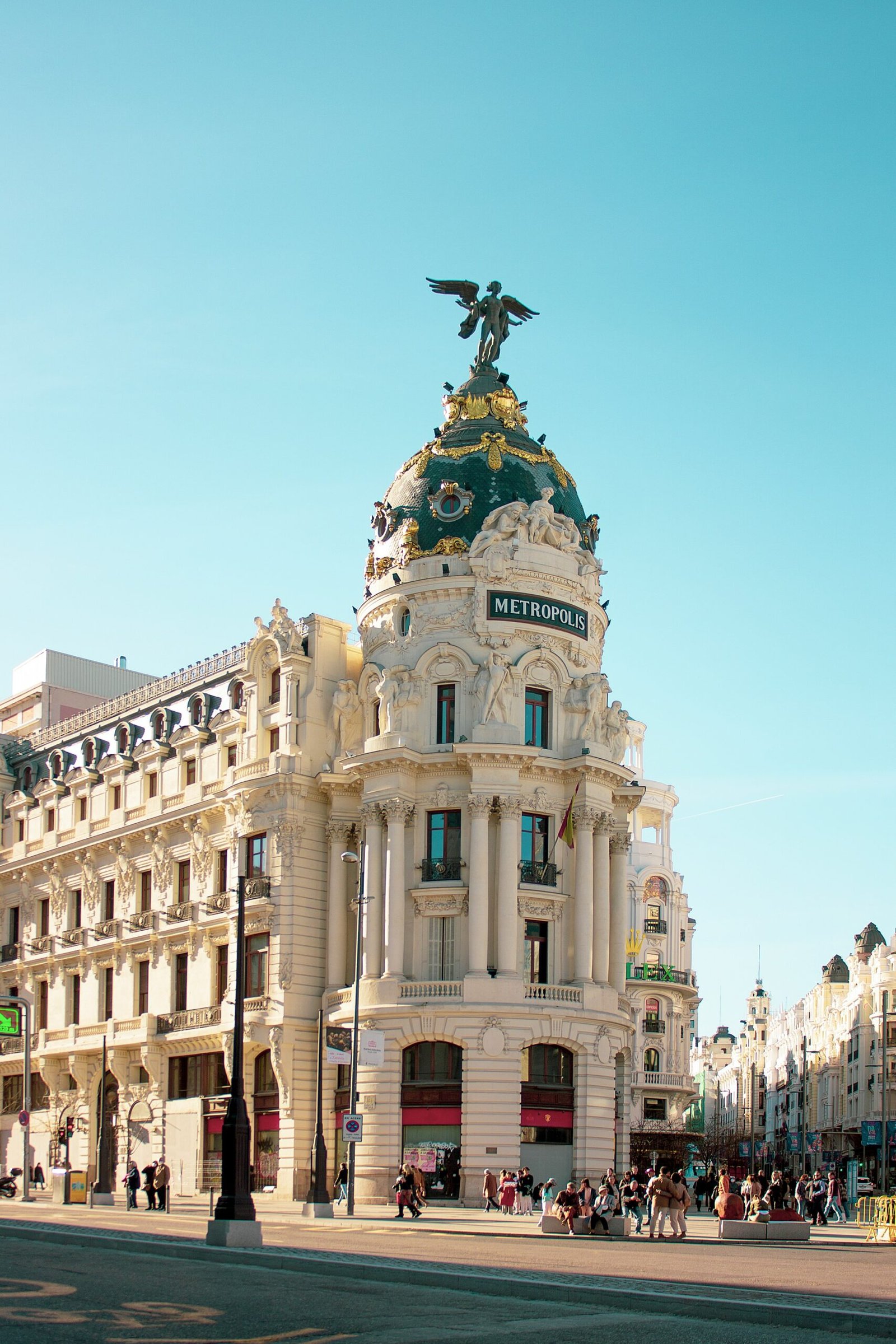
Madrid is at the centre of the Iberian peninsula, which means it’s also at the centre of a surprisingly varied retreat landscape. Within 60 to 90 minutes of the city — by car or regional train — the high plateau gives way to granite mountain ranges, forested valleys, and stone villages that operate at a completely different pace from the capital. For people based in Madrid or flying into Barajas for a retreat week, this makes the surrounding region one of the most logistically convenient in Spain.
This guide covers the main areas around Madrid that host yoga retreat programmes, what each environment offers, what a typical retreat week looks like here, and the practical details worth knowing before booking.


The key advantage is altitude. Madrid itself sits at 667 metres above sea level — already higher than most European capitals — and the mountain ranges to the north and west rise to between 1,500 and 2,500 metres. This has two practical consequences for retreat travel: temperatures are 5 to 10°C cooler than the city even in peak summer, which makes July and August viable for outdoor practice in a way they aren’t in most of inland Spain; and the landscape changes dramatically within a short drive, from the flat plateau of the Meseta to pine forests, granite peaks, and glacial lakes.
The transport infrastructure is genuinely good. The Cercanías commuter rail network runs from Madrid Chamartín and Atocha stations into the Sierra de Guadarrama, reaching Cercedilla in about 50 minutes and the Cotos mountain pass in around 90. For the Lozoya Valley and more remote areas, a car is more practical, but the journey times are short. Most retreat venues in this region offer pick-up from Madrid stations for participants who arrive by train.
Madrid Barajas Airport (MAD) is one of the best-connected in Europe, with direct long-haul routes that give the region genuine international accessibility — a meaningful advantage for a retreat destination that is otherwise primarily known to Spanish and European visitors.
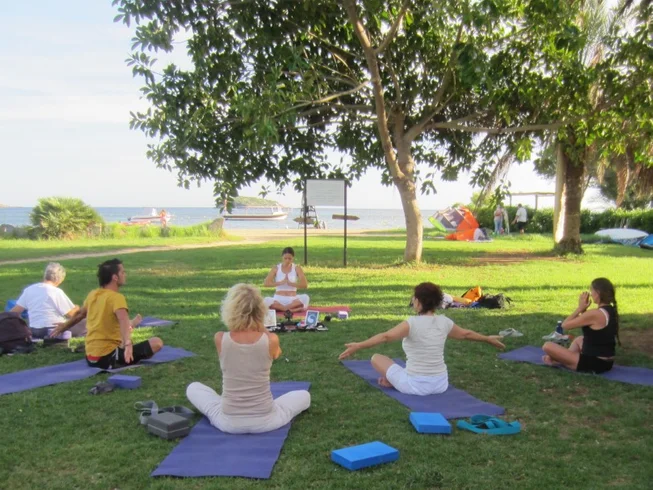
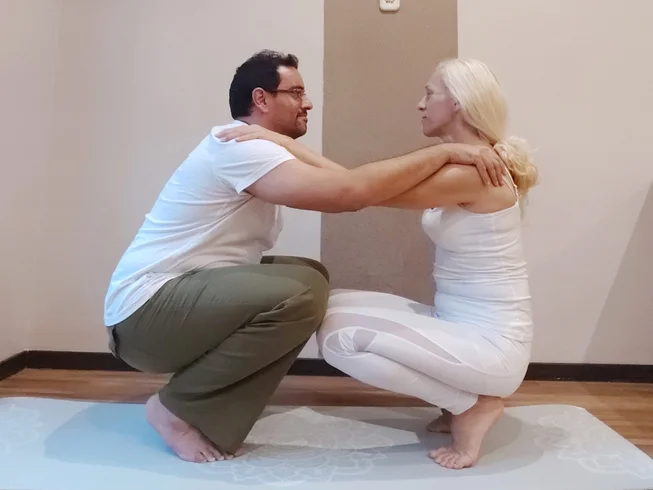

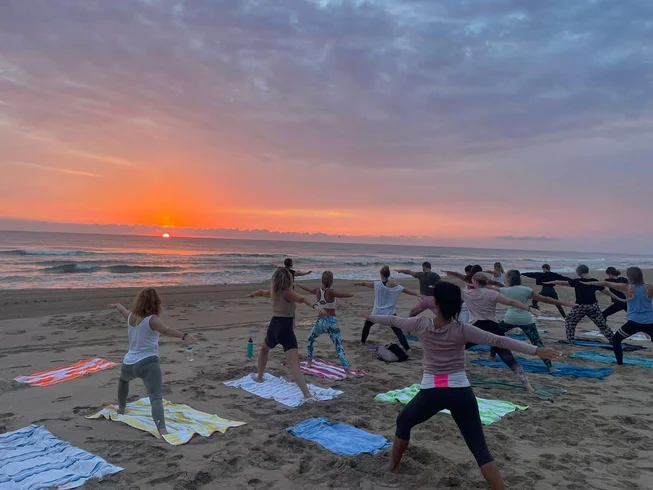
The Guadarrama is the closest and most-used retreat area near Madrid, and its 2013 designation as a National Park has protected the landscape from development. The range runs roughly east to west along the boundary between Madrid and Castilla y León, with peaks reaching 2,430 metres at Peñalara. Below the treeline, pine and oak forests cover granite slopes crossed by hiking trails.
Retreat venues in the Guadarrama range from small rural houses in villages like Cercedilla, Navacerrada, and Manzanares el Real to more established wellness centres with their own facilities. The format typically combines yoga with mountain hiking — morning practice, afternoon trail, restorative session at dusk. The altitude keeps temperatures manageable even in summer, and the snow-covered peaks in winter create a distinctive setting for more contemplative programmes.
Best for: hiking-and-yoga combinations, weekend escapes from Madrid, summer retreats when the city is too hot, and anyone who wants mountain access without a long journey.
The Lozoya Valley runs east of the Guadarrama range through some of the quietest countryside in the Madrid region. The Lozoya River feeds a series of reservoirs that supply much of Madrid’s water, which has limited development and kept the valley largely unspoiled. Villages like Rascafría, Alameda del Valle, and Buitrago del Lozoya have Romanesque churches, stone bridges, and a pace that reflects centuries of agricultural life rather than tourism.
Retreat venues here tend to be smaller and more intimate than in the more accessible Guadarrama — converted farmhouses and rural hotels with gardens that face the surrounding mountains. The setting suits contemplative formats: meditation retreats, silent programmes, and slower-paced yoga weeks where the absence of distractions is the point. The Monasterio de El Paular in Rascafría — a 14th-century Carthusian monastery still inhabited by monks — is 10 minutes from several retreat venues and sometimes incorporated into the programme.
Best for: meditation and silent retreats, people seeking genuine quiet away from tourist infrastructure, and longer immersive programmes where the setting itself is part of the experience.
The Gredos is larger, wilder, and more remote than the Guadarrama — Spain’s second-highest granite massif after the Sierra Nevada, with peaks reaching 2,592 metres and a landscape of glacial cirques, crystal-clear rivers, and stone villages that see few visitors outside of Spanish hikers. It requires a car (about two hours from Madrid) but rewards the journey with a degree of natural drama that the closer ranges can’t match.
A small number of yoga retreat venues operate in the Gredos, typically in the Tiétar Valley on the southern slopes (warmer, more sheltered) or in the higher villages around Hoyos del Espino and El Barco de Ávila. The formats lean toward yoga-and-hiking immersions and traditional ashram-style programmes. This is a good choice for people who want something genuinely remote and physically demanding alongside the practice.
Best for: serious hikers, longer retreats (5–7 days minimum to justify the journey), people who want Spanish mountains without other tourists, and anyone drawn to more traditional ashram formats.
Less dramatic than the mountain ranges to the north and west, the rolling plateau of La Alcarria east of Madrid — the landscape Camilo José Cela described in his 1946 travel classic — has a slower, more meditative quality. Lavender fields (the area around Brihuega is one of the largest lavender-growing regions in Spain), honey production, and small Castilian villages define the character. It’s not wilderness, but it’s genuinely unhurried in a way that suits restorative and wellness-focused retreat formats.
Best for: restorative yoga, shorter weekend formats, people who want countryside calm without mountain logistics, and summer retreats where the altitude of the northern ranges isn’t needed.

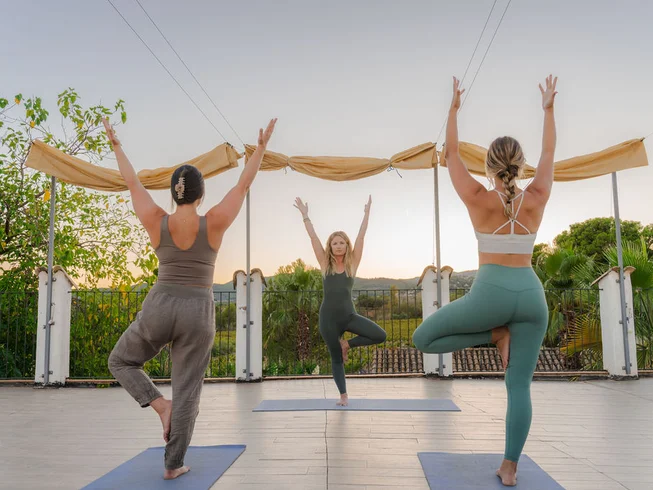
The daily structure at most venues near Madrid reflects the mountain environment. Morning practice starts early — before the day heats up in summer, or to catch the mountain light at other times of year. Sessions are typically held outdoors when weather permits: on terraces, in stone-walled gardens, or on grass overlooking the surrounding peaks. The clarity of the air at altitude and the absence of urban noise create conditions for outdoor practice that are genuinely different from what most city-based practitioners are used to.
Breakfast is the main social moment of the morning — leisurely, communal, and usually featuring local produce. The Guadarrama and Lozoya area have excellent local food: mountain cheeses, cured meats from nearby Segovia and Ávila, honey, and seasonal vegetables from village gardens. Well-run retreats in this area source locally and the food quality shows it.
Afternoons are for the mountains — hiking, river swimming in summer, or simply walking the surrounding trails at whatever pace suits the day. The evening practice is restorative or meditative, typically held indoors as temperatures drop. Evenings in the mountains end early; darkness and cool air arrive quickly, and most retreat participants are ready for sleep well before midnight.
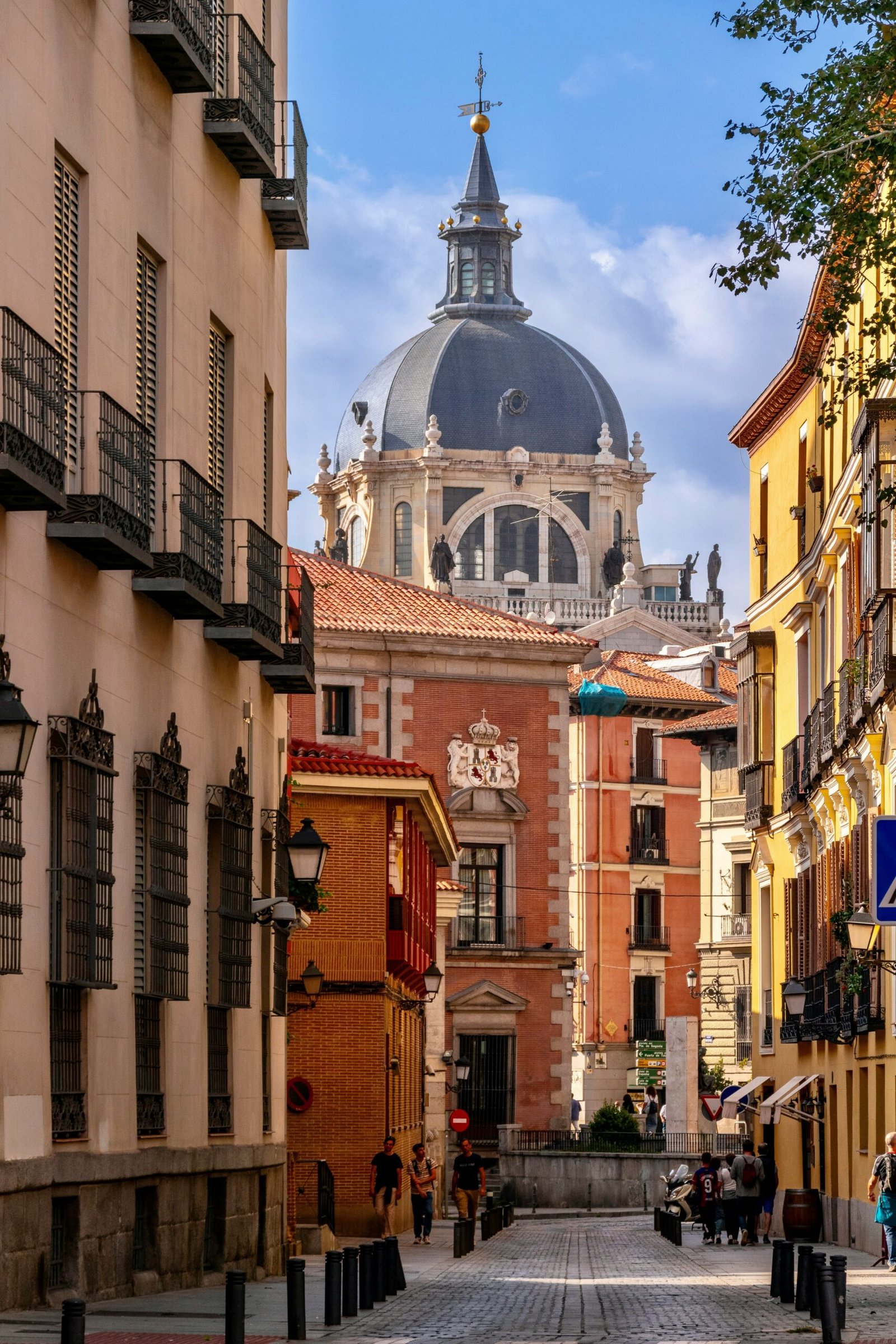
The proximity to Madrid — which most participants can reach in under two hours — is both an advantage and a consideration. It’s easy to combine a retreat here with a day or two in the city. Some programmes explicitly build this in: arrive in Madrid, spend a day at the Prado or in the Retiro park, then transfer to the mountains the following morning.

Most international visitors looking for a yoga retreat in Spain default to the coasts — Andalusia, the Balearics, the Canaries. The mountain areas around Madrid rarely appear in that conversation, which means the retreat venues here operate with less competition for bookings, more availability at short notice, and a participant group that has generally done its research rather than following the obvious choices.
For anyone already in or flying into Madrid, the combination of accessibility and genuine natural quality is hard to beat. You can be in the mountains — properly in the mountains, with clean air, pine forest, and silence — within 90 minutes of landing.
Browse Om Away’s curated yoga retreats in Spain, including programmes in the Madrid region — all reviewed for quality of teaching, venue character, and programme structure.
Your email address will not be published. Required fields are marked *