Espagne
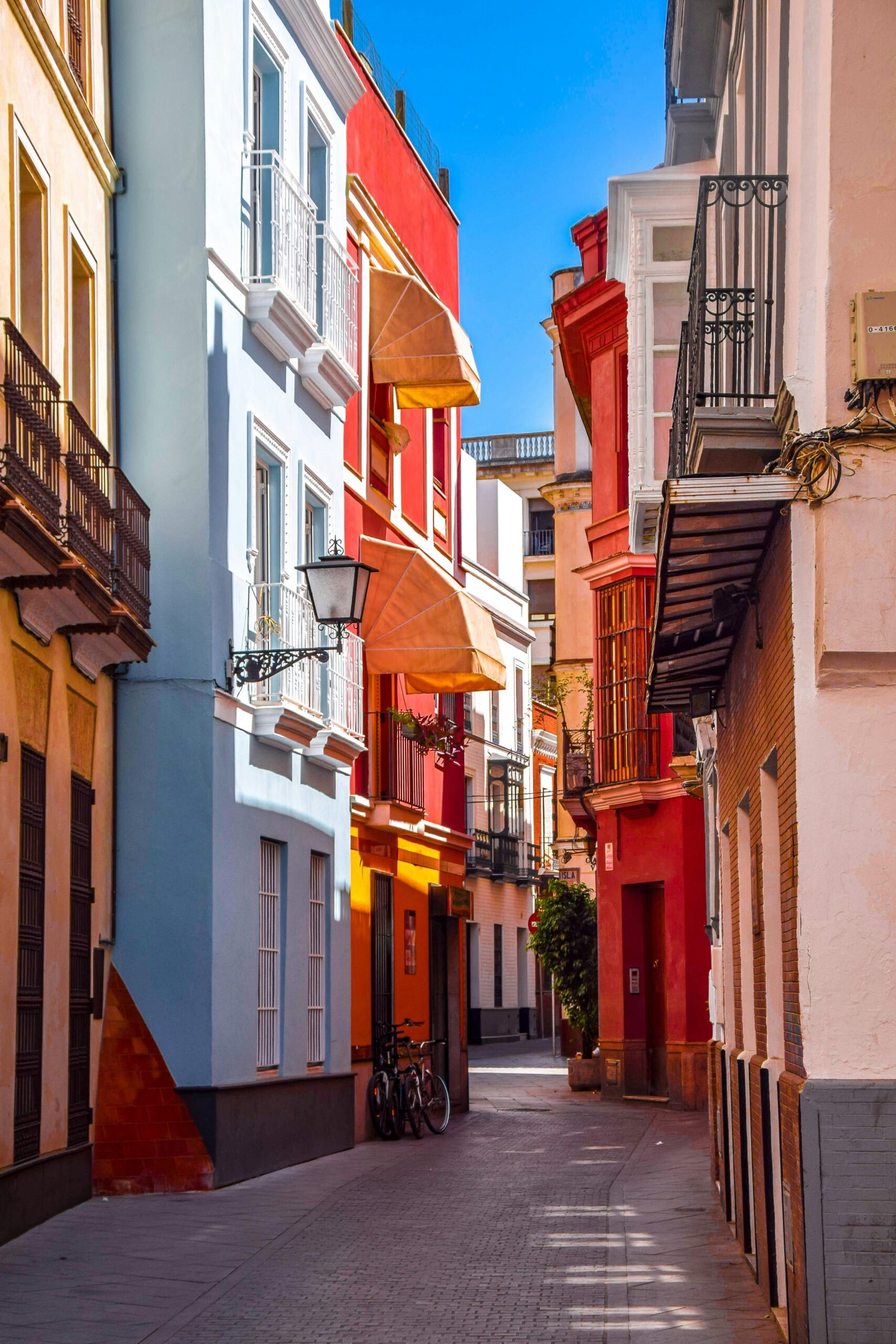
L'Espagne se forge lentement une réputation. La première impression est sensorielle : la chaleur, les couleurs, le bruit du marché, le parfum des fleurs d'oranger dans une cour sévillane.
Mais le pays recèle une dimension contemplative que les apparences dissimulent. L'immobilité de la danseuse de flamenco entre les timbres. La fraîcheur intérieure du patio andalou derrière les carreaux peints. Le silence du pèlerin sur le chemin de montagne. L'Espagne sait être pleinement présente. Une retraite ici puise dans ce savoir.
Découvrez des retraites qui allient pratiques authentiques et paysages exceptionnels. Chaque programme de cette sélection a été choisi pour sa qualité et sa capacité à favoriser un repos véritable.
DATE
PRIX
Emplacement
Nuits

La Grèce est la destination de retraite européenne la plus directement façonnée par son paysage : les îles, la lumière et la mer créent des conditions propices à la pratique que les retraites champêtres de France ou d’Italie approchent sans jamais les égaler. Ce qui unit les retraites présentées ici, c’est la conviction qu’en Grèce, le paysage lui-même est le premier guide. Le rôle de l’enseignant est de vous aider à porter attention à ce que le pays accomplit déjà.
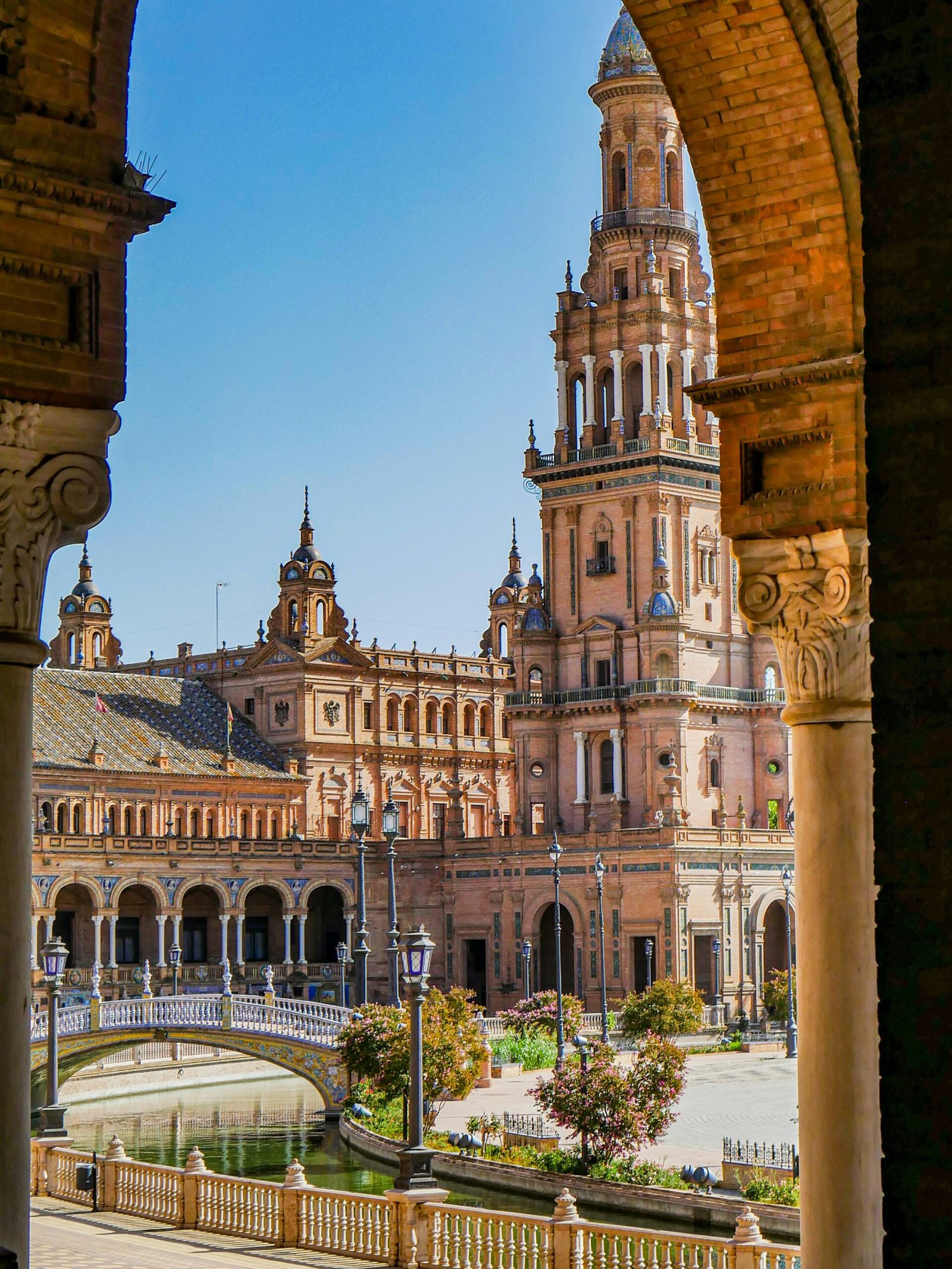
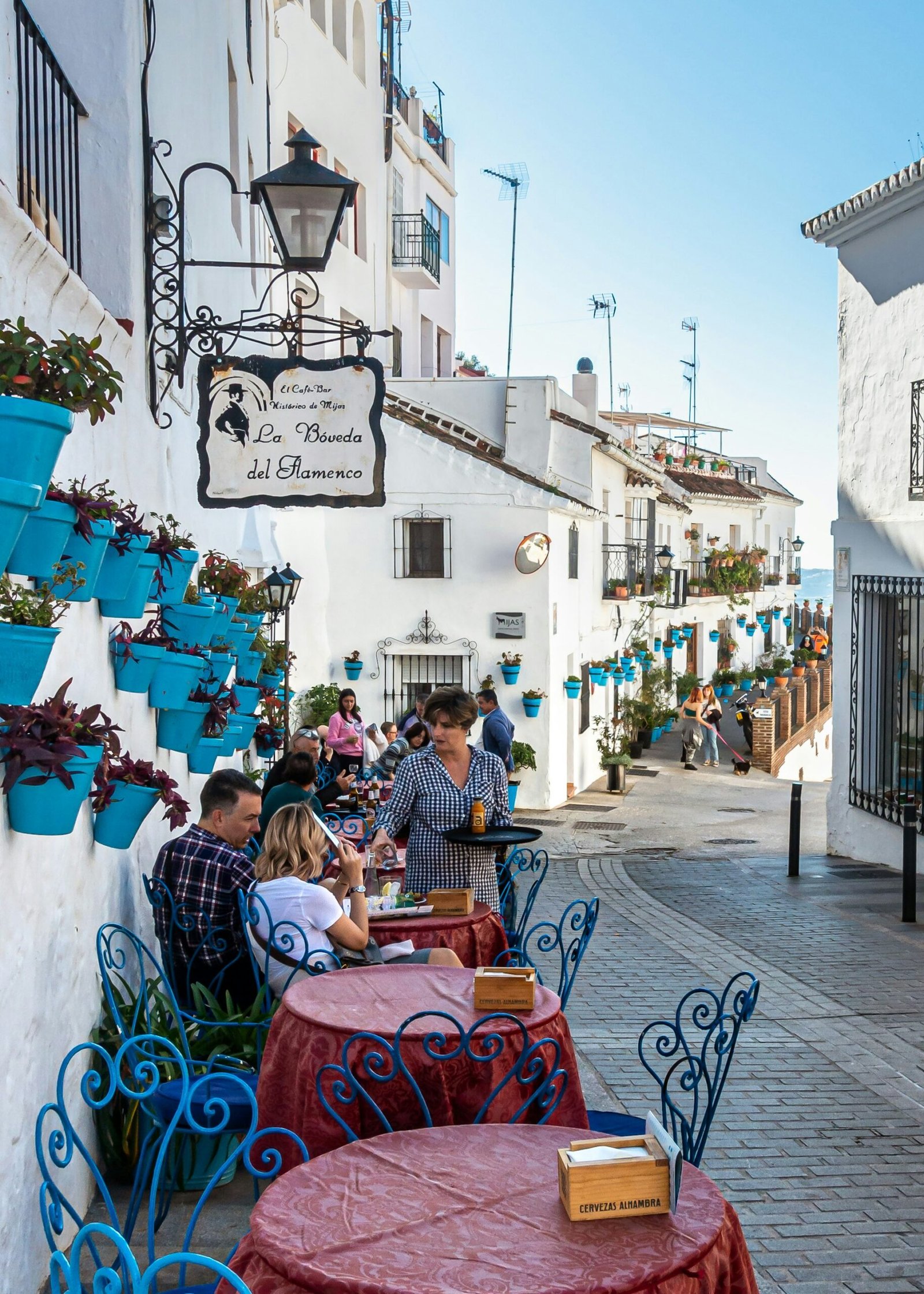
Andalousie — la région sud avec ses villages blancs (pueblos blancos) de la Sierra de Grazalema, l'architecture mauresque de Grenade, Cordoue, et Séville, et le plus aride des paysages intérieurs espagnols — est la destination de retraite espagnole la plus spécifique sur le plan culturel. Alhambra, le Mezquita, et le Alcázar Elles produisent les paysages du patrimoine islamique européen les plus concentrés, et la synthèse spécifiquement andalouse des traditions culturelles mauresques, chrétiennes et gitanes crée un contexte de retraite unique en Europe.
Les retraites de yoga en Andalousie utilisent généralement le cortijo rural (la ferme andalouse traditionnelle) ou la maison troglodyte aménagée. Grenade Le programme de retraite andalou, qui se déroule dans l'arrière-pays, comprend une pratique matinale dans la cour blanchie à la chaux, une excursion l'après-midi au site mauresque le plus proche et un spectacle de flamenco en soirée au tablao du village.
→ Voir notre offre complète retraites de yoga en Andalousie guide.

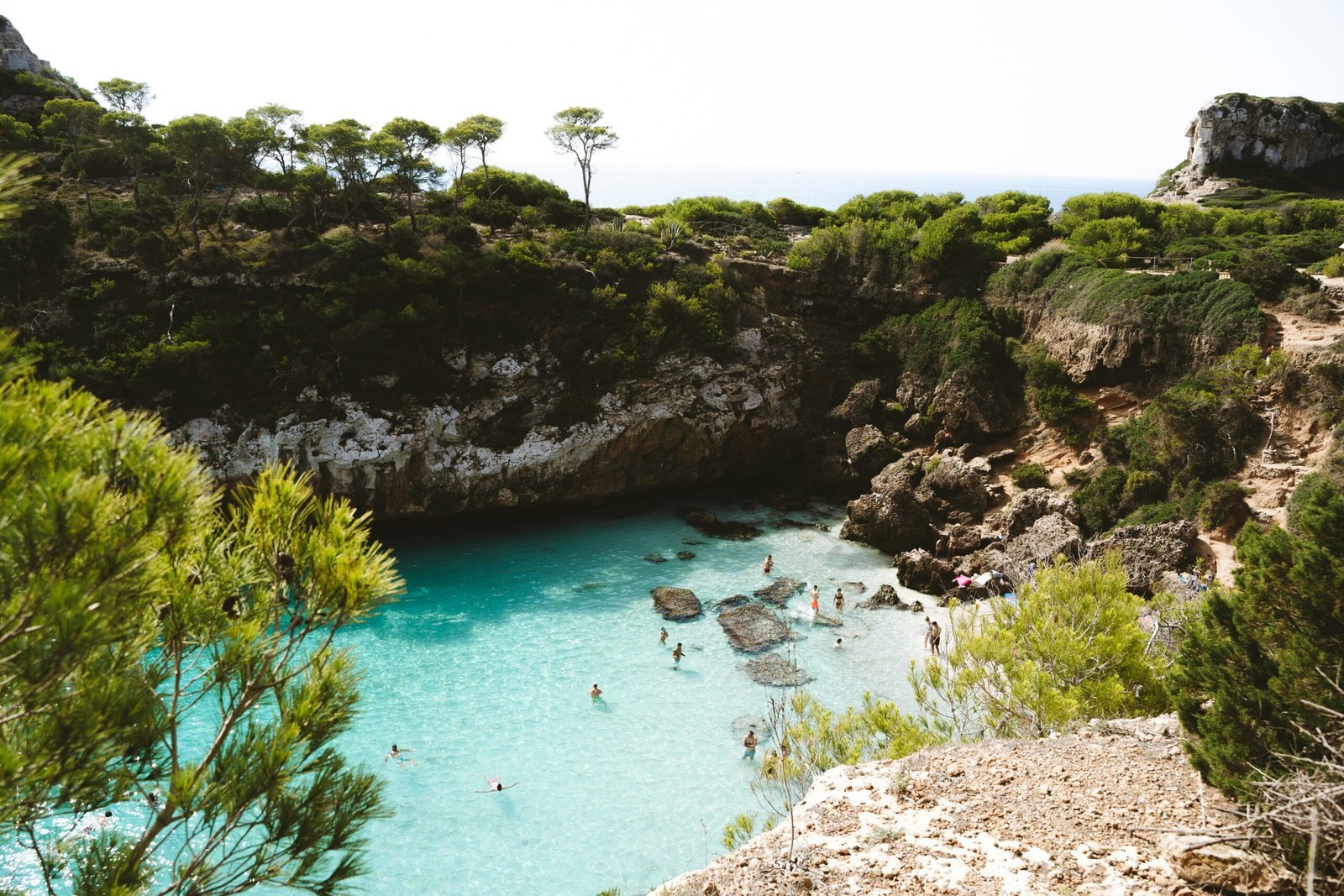
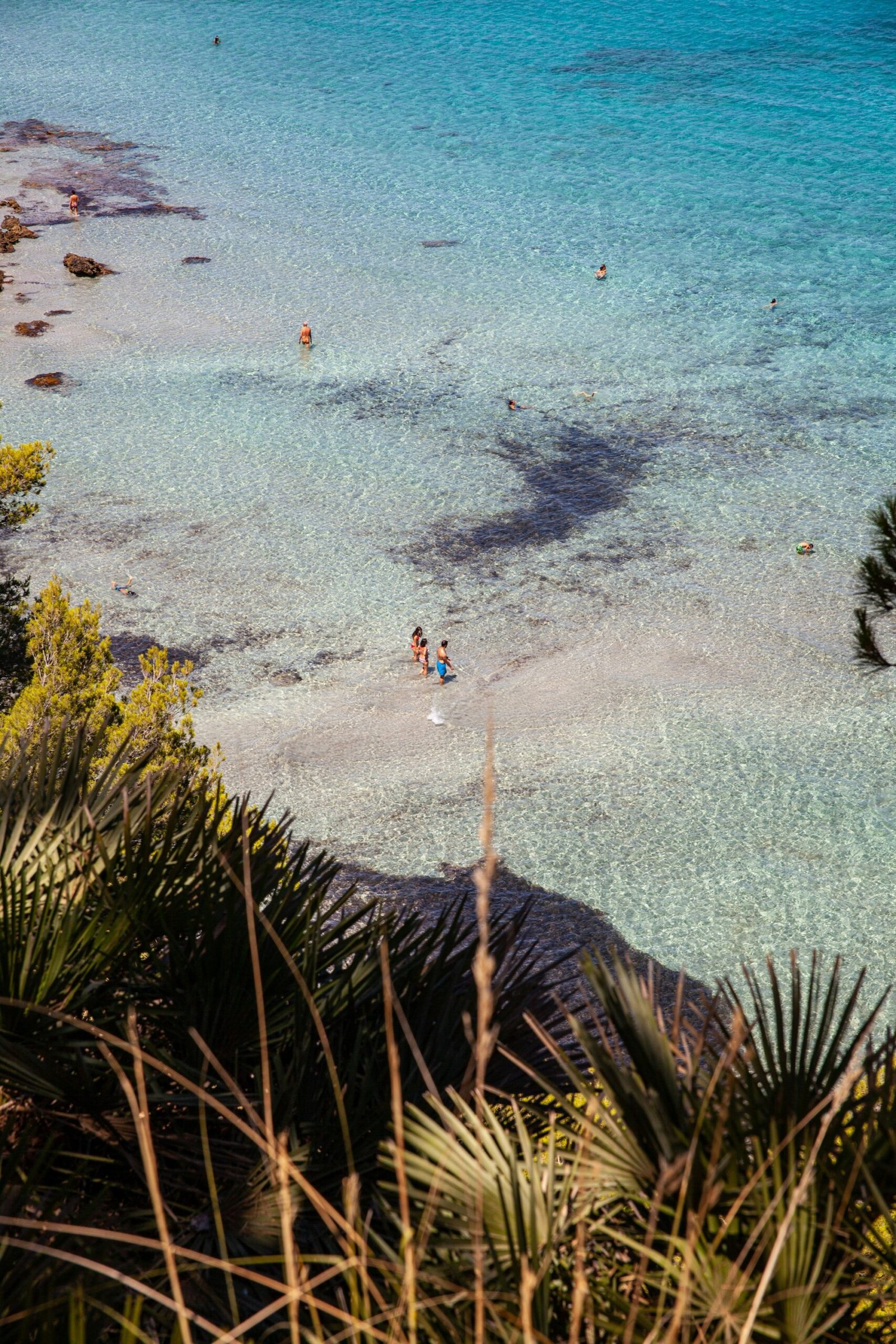
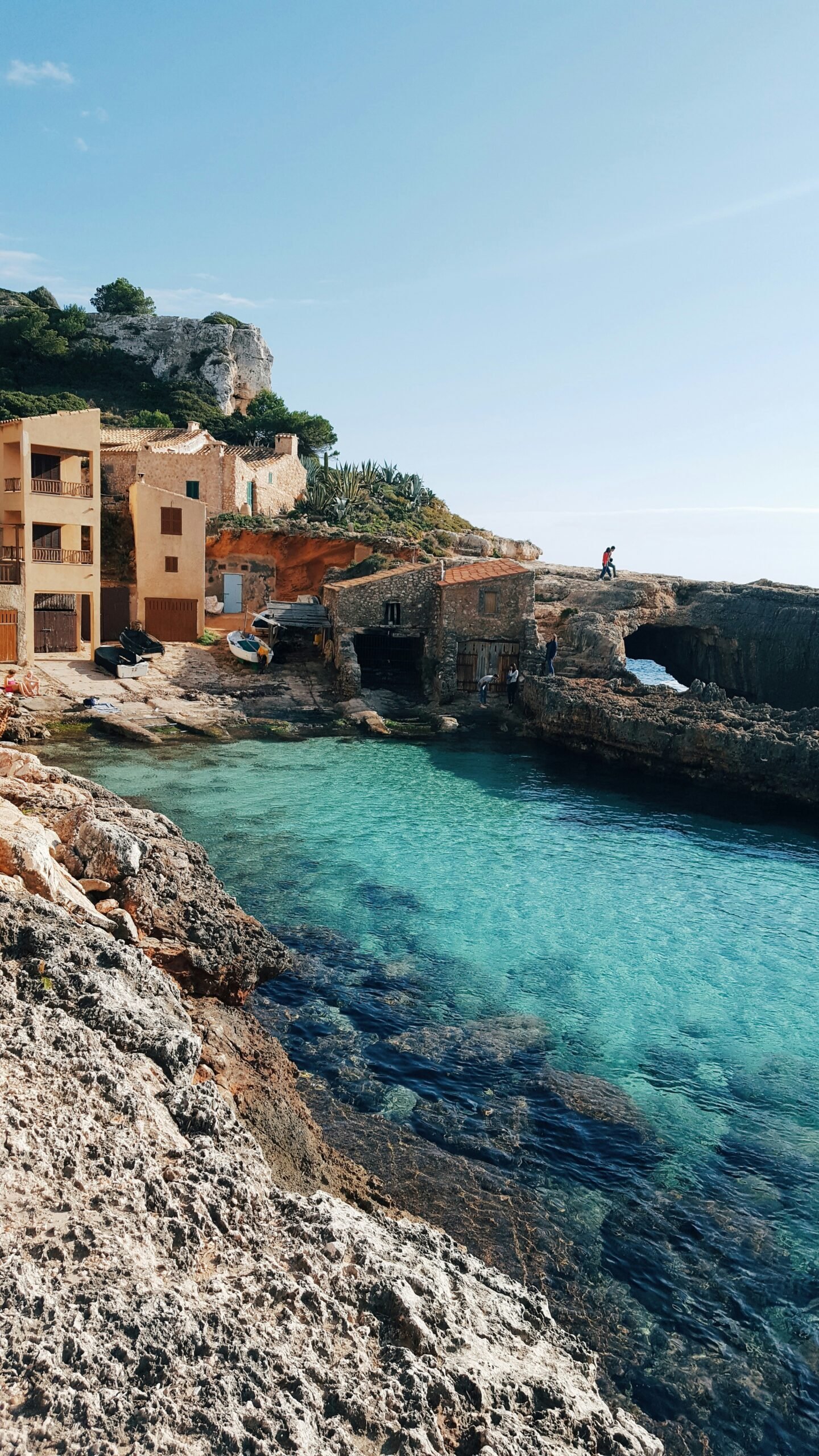
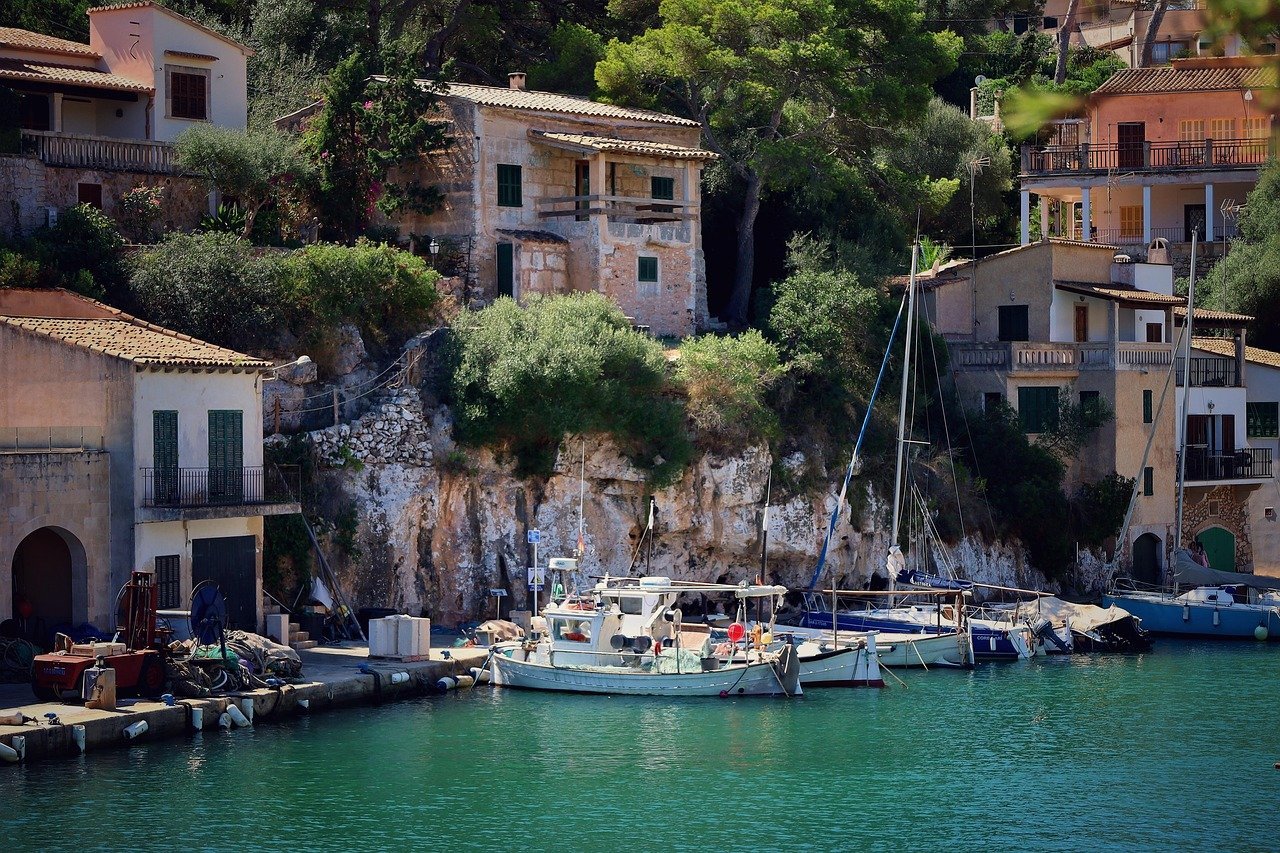
Majorque — la plus grande des îles Baléares — est la destination insulaire espagnole la plus prisée : vols directs depuis toute l’Europe, une infrastructure hôtelière et de fincas bien développée, et des paysages allant du spectaculaire Montagnes de Tramuntana (la chaîne de montagnes classée au patrimoine mondial de l'UNESCO sur la côte nord-ouest) aux baies abritées de la côte est.
Les retraites de yoga à Majorque utilisent généralement des bâtiments aménagés. finca Au pied de la Tramuntana — la ferme en pierre surplombant les amandiers et les oliviers, avec la Méditerranée visible entre les montagnes par temps clair.
→ Voir notre offre complète Retraites de yoga à Majorque guide.
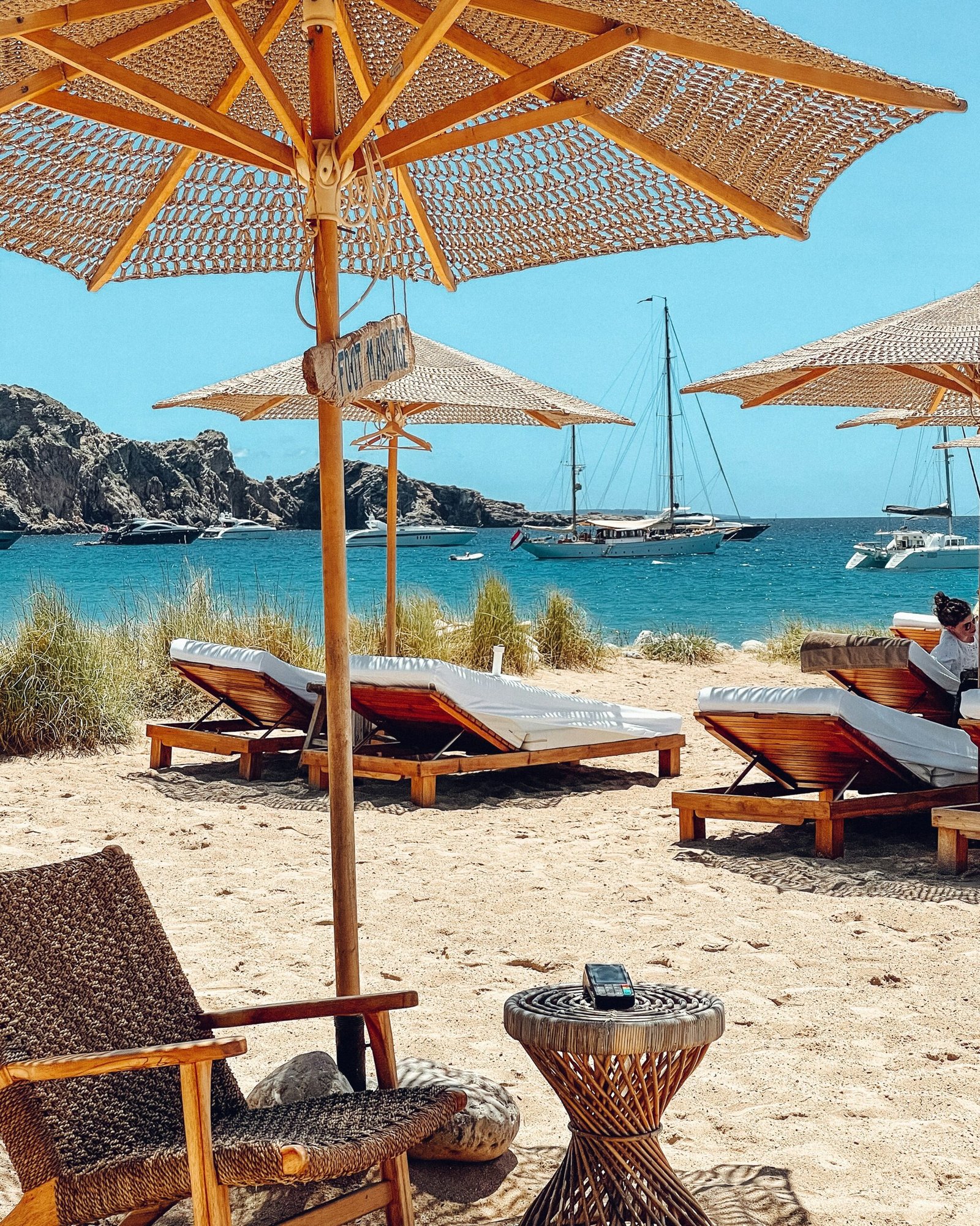
Ibiza Elle possède une culture du yoga et du bien-être qui s'est développée depuis la communauté hippie des années 1960, antérieure à la scène des clubs.
L'île nord (le Sainte Jeanne et Sainte Gertrude Cette région possède une communauté de bien-être particulièrement dynamique, préservée malgré le tourisme de boîtes de nuit international. Ses centres de retraite figurent parmi les plus connectés à l'international en Europe : les intervenants viennent de Bali, d'Inde et de Californie, en plus de la communauté locale d'Ibiza.
→ Voir notre offre complète Retraites de yoga à Ibiza guide.
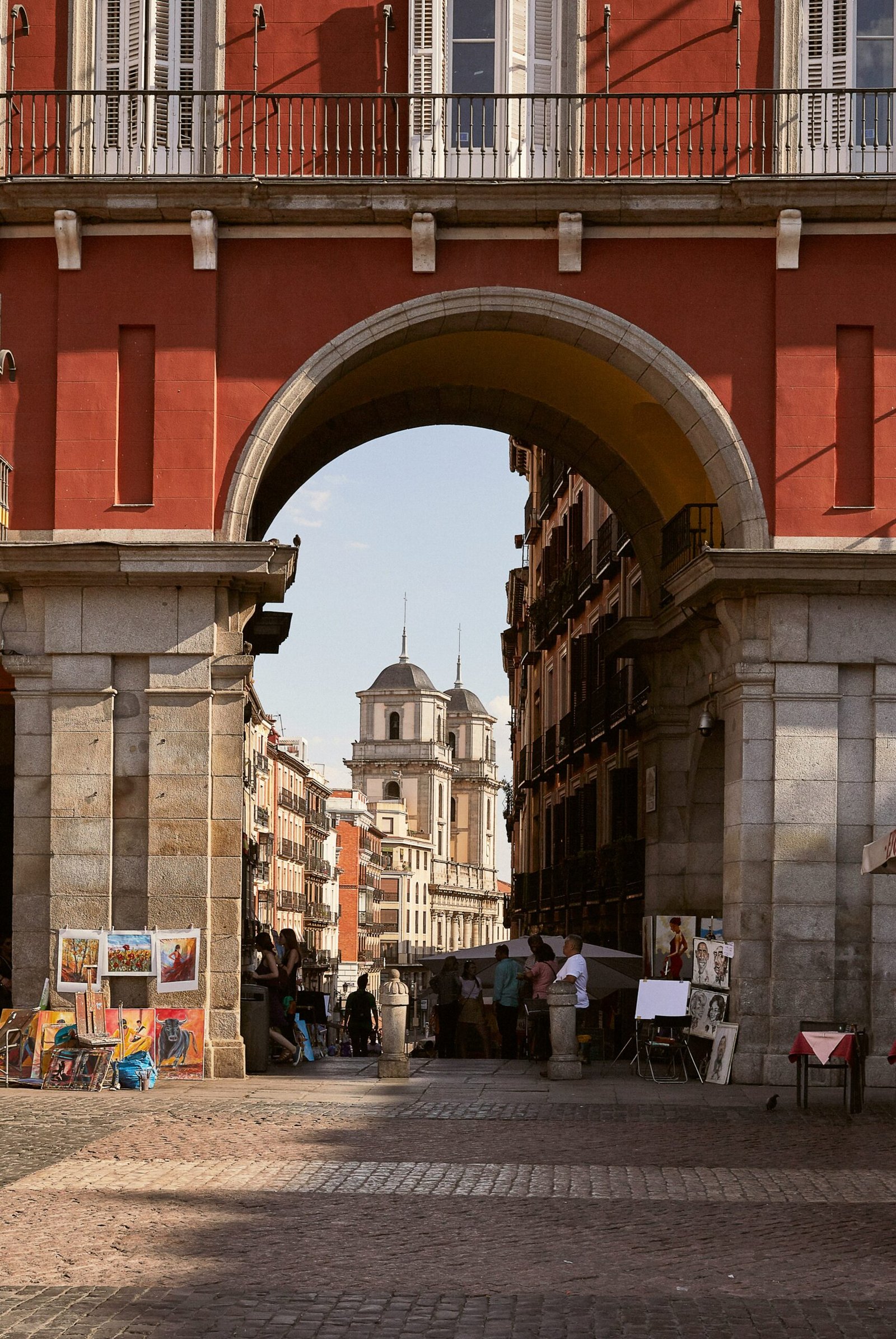
La Sierra de Guadarrama et le Sierra de Gredos — les chaînes de montagnes accessibles depuis Madrid en 1 à 2 heures — constituent les bases de retraite rurales espagnoles les plus accessibles en termes de praticité.
Les villages des hauts plateaux 1 000 à 1 800 mètres, les paysages de granit, et le Estrémadure Les dehesa produisent les paysages de retraite espagnols les plus spécifiquement castillans.
→ Voir notre offre complète Retraites de yoga près de Madrid guide.
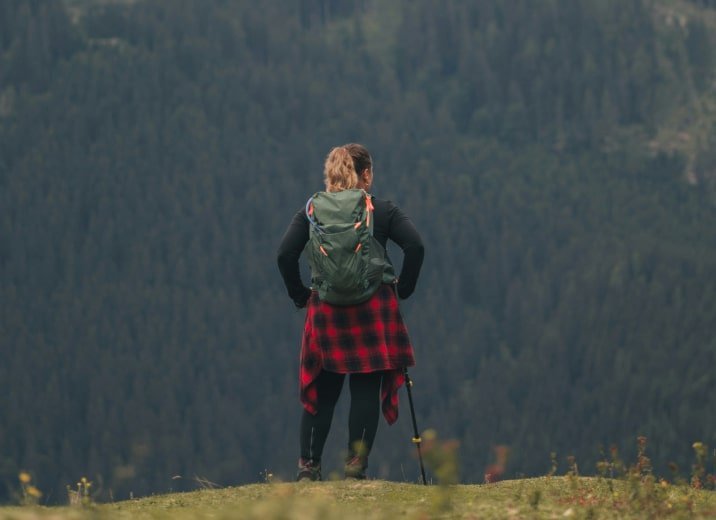
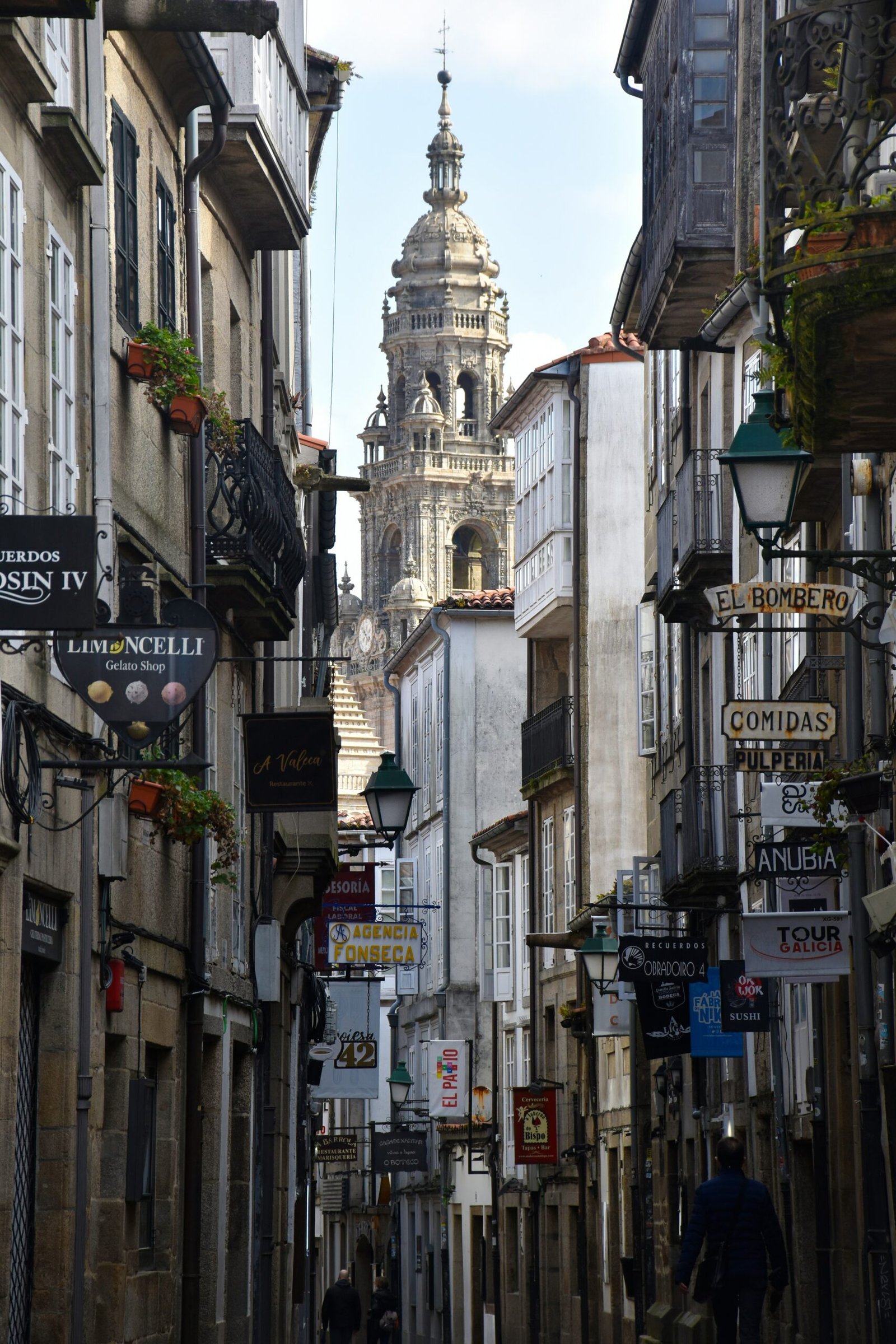
La Chemin de Saint-Jacques-de-Compostelle C'est l'expérience de plein air espagnole la plus contemplative qui soit. La retraite de yoga qui utilise le Chemin de Compostelle comme cadre — la marche sur des portions du chemin comme pratique quotidienne en plein air, le yoga du soir comme moment de récupération et de réflexion — offre la combinaison marche-pratique la plus intentionnelle.
La Pays Basque Elle est, à part entière, la plus extraordinaire des régions touristiques espagnoles sur le plan gastronomique, et sa côte atlantique, idéale pour le surf, offre une combinaison surf-yoga que la côte méditerranéenne ne peut égaler.
La saison touristique en Espagne varie considérablement selon les régions, plus encore que dans la plupart des destinations européennes.
Printemps (mars-mai) C'est la meilleure période pour visiter l'Andalousie. Les fleurs sauvages recouvrent la Sierra de Grazalema, les processions de la Semaine sainte animent Séville et Grenade, et les températures sont idéales pour s'entraîner en extérieur avant les fortes chaleurs de l'été. Mars en Espagne elle permet de profiter des célébrations de Pâques et des premières journées chaudes. Avril en Andalousie C'est la saison des fleurs d'oranger dans tout le sud. Retraites de mai en Espagne Ce sont les dernières éclaircies avant l'arrivée de l'été.
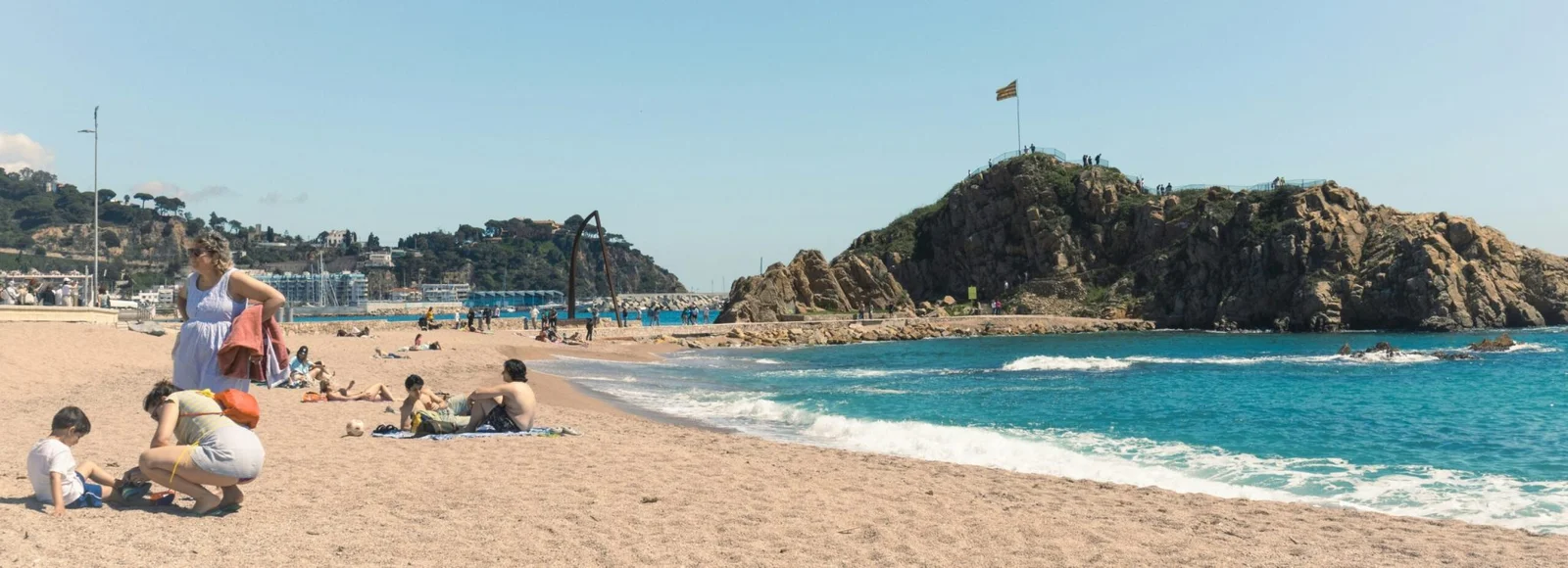
Début de l'été (juin) C'est la période idéale pour visiter Majorque et Ibiza : la Méditerranée y est à son apogée avant que l'afflux de vols charters de juillet-août ne transforme les îles. La côte basque, paradis des surfeurs, est également au meilleur de sa forme en ce début de saison. Juin en Espagne est le mois le plus sous-estimé du calendrier des retraites.
Juillet et août L'été bat son plein sur la côte méditerranéenne et les îles. À l'intérieur des terres andalouses, les températures atteignent 38 à 42 °C ; les activités sportives en extérieur se déroulent donc tôt le matin. Le Pays basque, les Pyrénées et la côte galicienne sont à leur apogée estivale. Retraites de juillet en Espagne convient aux destinations montagneuses et atlantiques. Août en Espagne C'est les grandes vacances — le pays à son apogée.
Automne (septembre-octobre) C'est systématiquement la meilleure période pour l'ensemble des événements. Les îles méditerranéennes sont chaudes sans l'affluence estivale, l'Andalousie retrouve des températures agréables et le pays fonctionne pour ses habitants plutôt que pour les touristes. Septembre en Espagne C'est le mois des vendanges dans la Rioja et le Douro. retraites d'octobre avoir la culture du vin de Vendimia et la lumière dorée de l'après-midi.
Hiver (novembre-février) — Les îles Canaries sont en pleine saison sèche, l'Andalousie est douce et abordable, et les centres de retraite sont à leur apogée en termes d'intimité. Novembre en Espagne est le mois le plus calme et le plus concentré. Retraites en Espagne en décembre ont les marchés de Noël des villes du nord. Janvier en Espagne C'est la période la plus creuse — prix les plus bas, praticiens les plus sérieux. février en Andalousie Le carnaval arrive à Cadix et annonce les premiers signes du printemps.
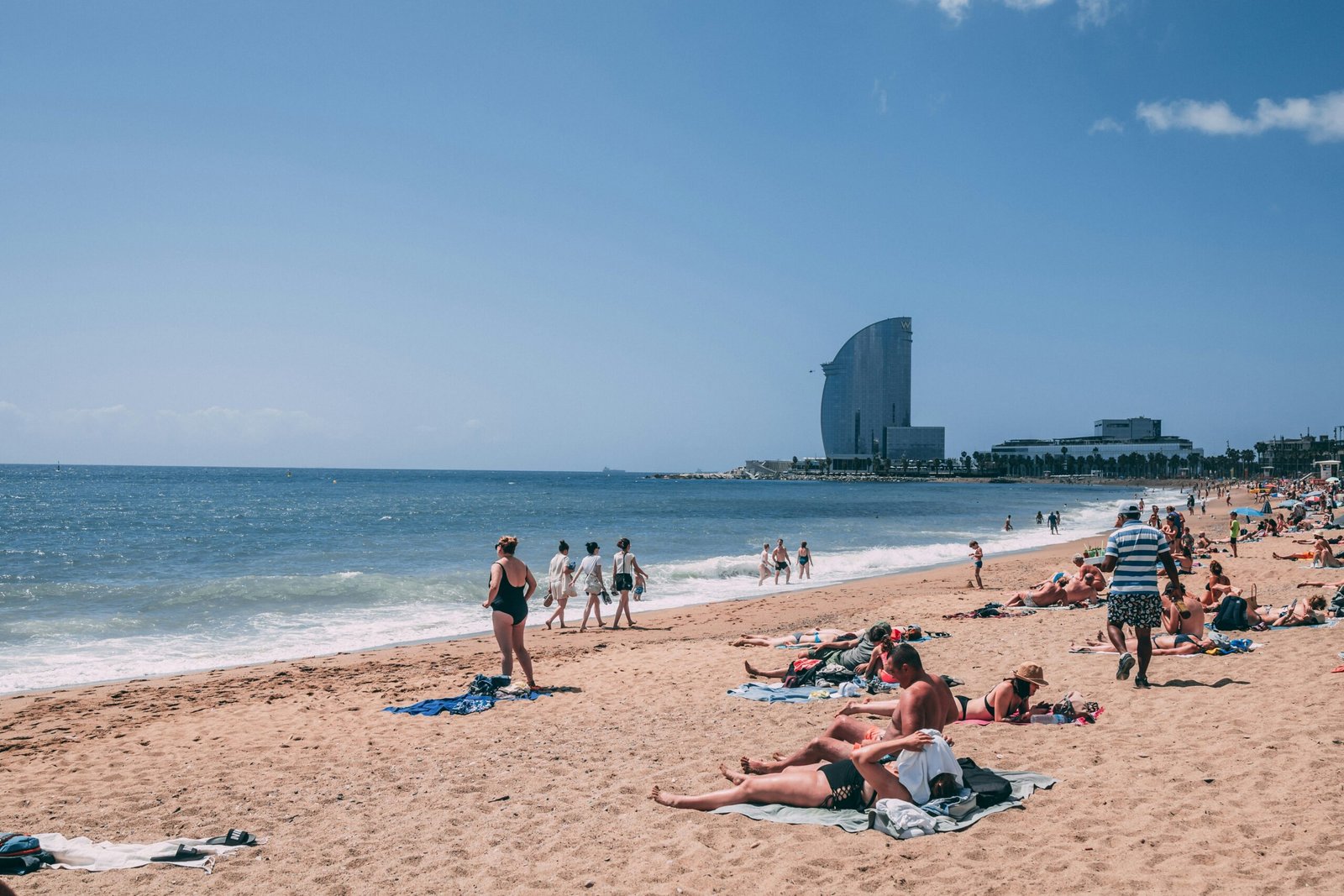
Par avion — Madrid Barajas (MAD) est la principale plaque tournante des liaisons transatlantiques. Barcelone El Prat (BCN) est le deuxième hub majeur. Les aéroports des stations balnéaires de Málaga (AGP) pour l'Andalousie, Palma de Majorque (PMI), Ibiza (IBZ), Alicante (ALC), et Séville (SVQ) Tous bénéficient de vols directs vers l'Europe. Bilbao (BIO) dessert le Pays basque.
En train — L'Espagne train à grande vitesse AVE Ce réseau relie Madrid à Séville (2 h 30), Barcelone (2 h 30), Valence (1 h 30) et Malaga (2 h 30). Il constitue le moyen le plus rapide et le plus confortable de se déplacer entre les principales villes.
Par la route Le réseau autoroutier espagnol est vaste et majoritairement gratuit. La location d'une voiture est la solution la plus pratique pour séjourner dans les gîtes ruraux d'Andalousie, de la Sierra de Gredos et de l'intérieur de Majorque.
Formats de programme — Les retraites espagnoles vont de la formule d'immersion culturelle (une pratique quotidienne, excursions l'après-midi, accent mis sur la table et le paysage) au programme intensif deux fois par jour. surf et yoga Ce format a été spécifiquement développé en Espagne — la côte atlantique du surf possède le circuit de retraites surf-yoga le plus développé d'Europe.
Hébergement - le cortijo (ferme andalouse), la finca (domaine rural des Baléares), et le masía Les maisons rurales catalanes sont parmi les formes d'hébergement de retraite les plus caractéristiques d'Espagne. Elles partagent toutes d'épais murs de pierre, une cour ou une terrasse centrale, et les terres agricoles qui font de l'architecture rurale espagnole la forme d'hébergement de retraite la plus naturellement adaptée.
Nourriture - le le gaspacho, le salmorejo, l'escalivada, et le paella aux légumes La cuisine espagnole est naturellement végétalienne. Les cuisines végétales des retraites en Espagne figurent parmi les plus variées et privilégient les produits locaux en Europe.