
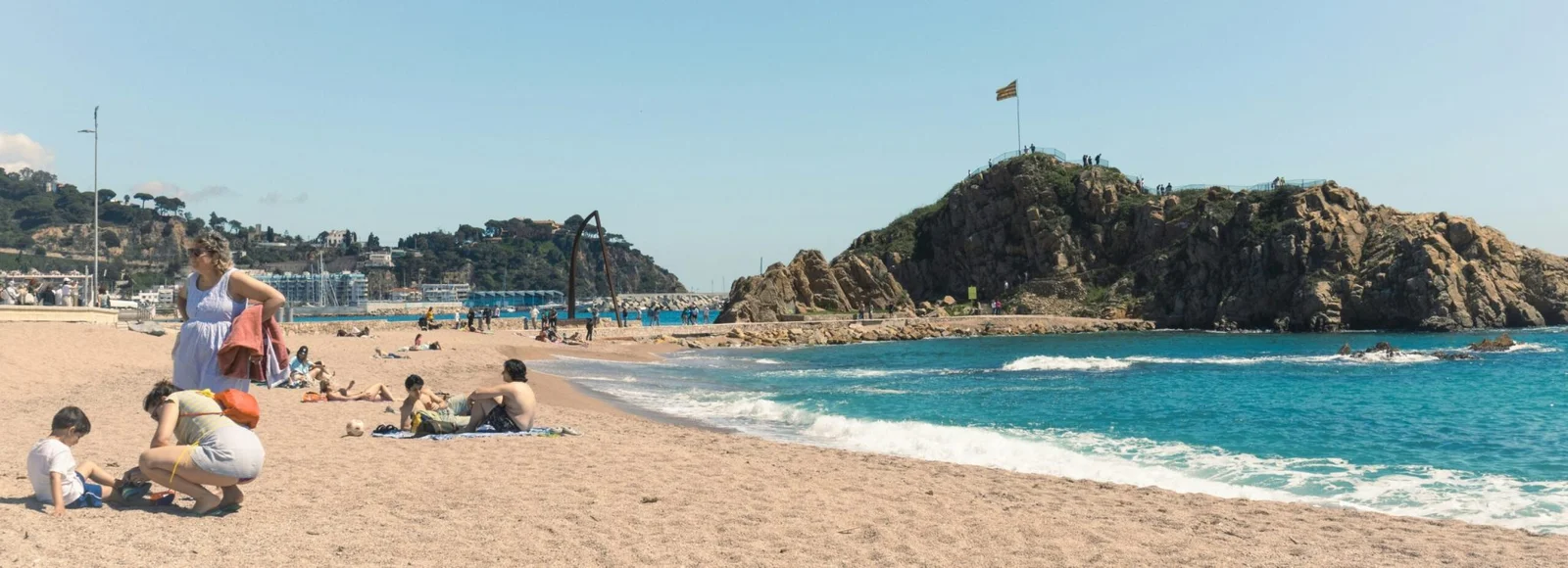
August in Spain is peak everything — peak heat, peak crowds, peak prices. The Balearics are booked solid. The Costa del Sol is at capacity. Madrid empties as its residents flee to the coast.
But the northern mountains are at their most accessible, the Canary Islands are cooled by trade winds, and the Pyrenees are doing their best hiking of the year. August works if you plan it. It fails if you default to the obvious choices.


August requires a decision before you book. The popular retreat destinations on the Mediterranean coast and the Balearics are at maximum density and maximum price. The northern coast, the mountains, and the Canary Islands offer a summer that is warm, manageable, and not overwhelmed. Our full Spain yoga retreats guide covers every region.
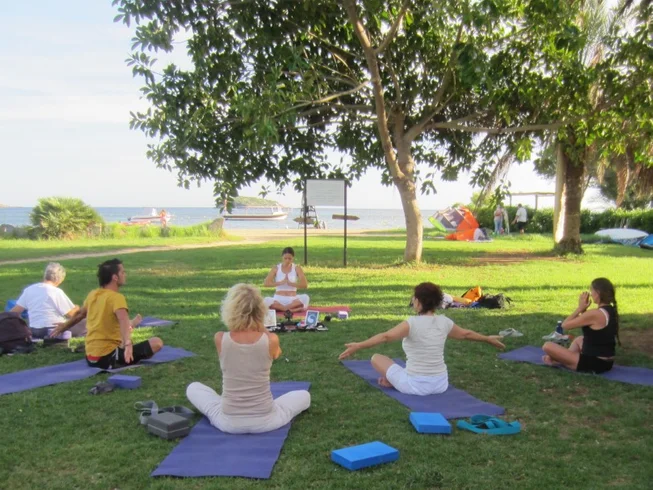
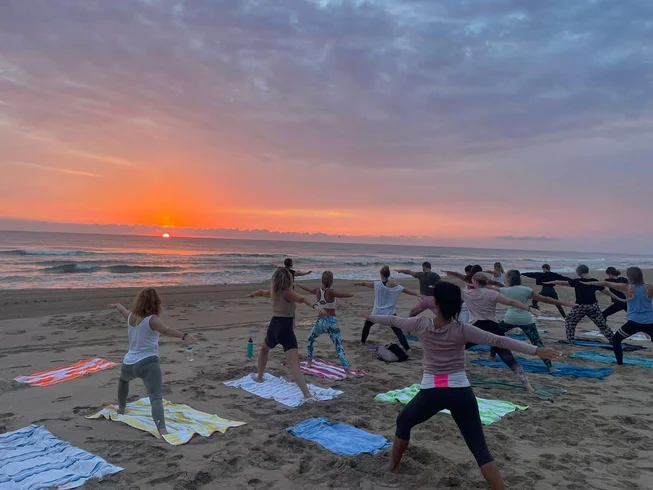
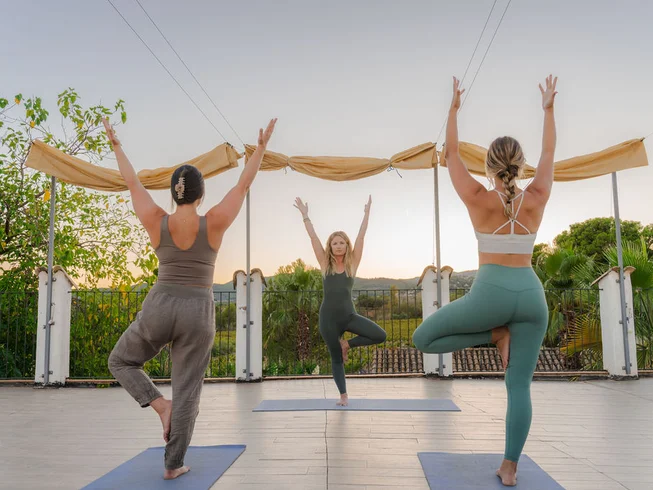
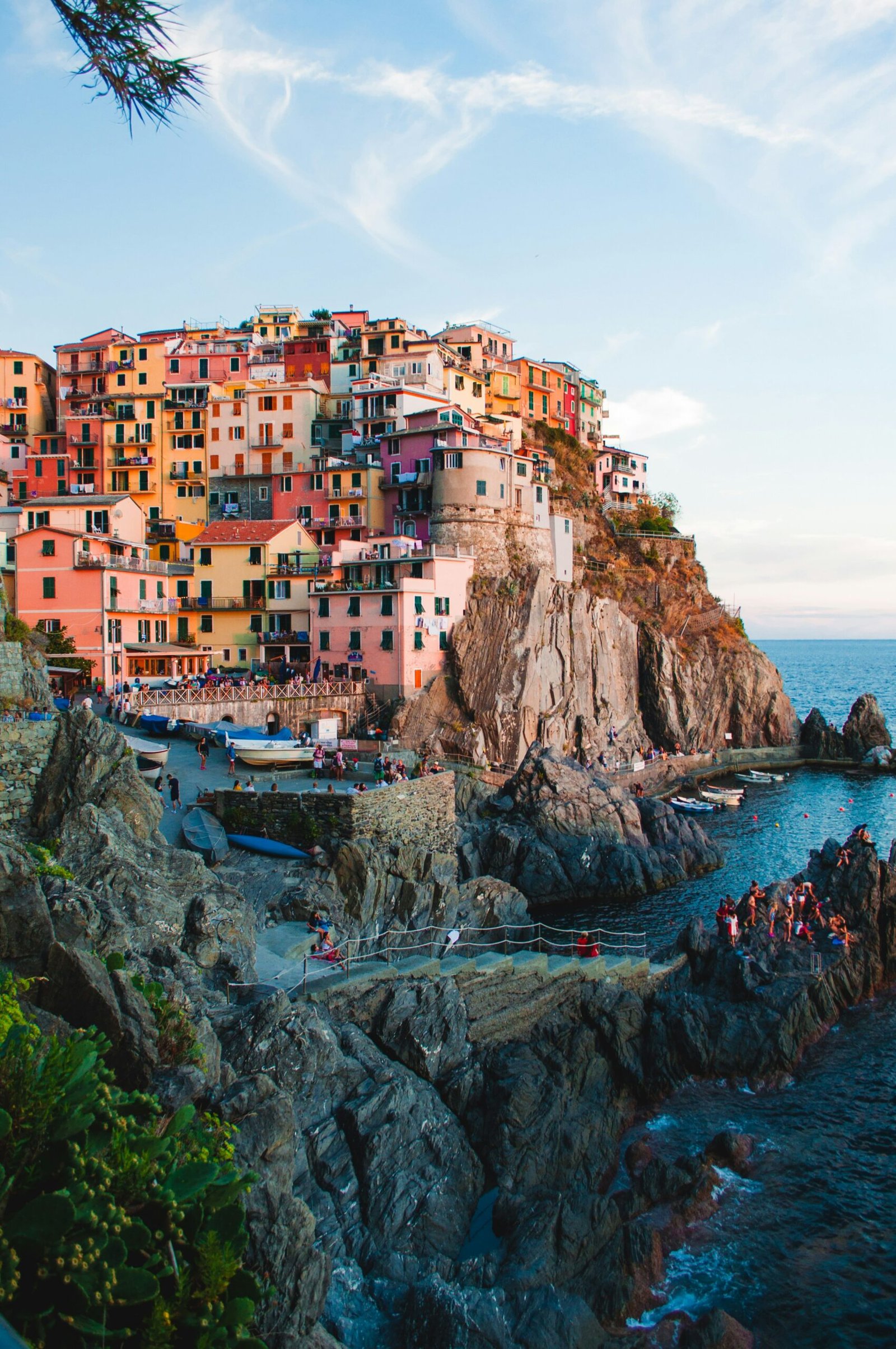
Ibiza in August is two islands simultaneously. The south — Sant Antoni, Playa d’en Bossa, the club strip — is at its peak summer intensity: 50,000 people at a single night’s event, queues for beach clubs, the specific compression of a small island absorbing an enormous number of visitors in a short period. The north — Sant Joan, Sant Carles, the rural interior around Santa Gertrudis — is a different place. The same island, the same landscape of fincas and fig trees and dry stone walls, but with a pace and a social atmosphere that is specifically for those who came to find something quieter.
Retreat programmes in the north of Ibiza in August are running in this quieter version of the island. Morning practice on a finca terrace, afternoon at the secluded beaches of the north and east coast (Cala Nova, Aguas Blancas, Es Figueral) before the day-trippers arrive, evening Yin as the sun drops behind the pine forest. The retreat guest in the northern finca in August hears the distant thump of the south as background noise rather than invitation. For the full Ibiza retreat picture, our yoga retreats in Ibiza guide covers the island across all seasons.
The Cantabrian coast in August is where mainland Spanish families come to escape the southern heat. Santander, Castro Urdiales, Laredo, and the fishing villages between them have an August character that is specifically northern Spanish — the beach culture is more modest in scale than the Mediterranean, the sea is cooler (20-21°C), and the combination of coastal walking and the Picos de Europa visible inland makes it a more varied retreat environment than the Mediterranean coast offers in August.
Santander in August has a specific cultural energy: the Festival Internacional de Santander runs through August with classical music, jazz, and theatre in the Palacio de Festivales. The beach at El Sardinero, the Magdalena Palace on the headland, and the old fishing quarter of Puertochico provide a coastal city backdrop that retreat programmes in the area use for cultural excursions.
The Picos de Europa — fully accessible in August, the mountain refuges operational, the high trails at their most used — provide the mountain dimension. A retreat based on the Cantabrian coast with day excursions into the Picos produces the altitude-coast contrast that Asturias also offers and that makes the north specifically rewarding in August.
Formentera in August is crowded by Formentera standards, which means a few thousand people on beaches that in November are empty. By Spanish summer standards, it is still relatively manageable — the island’s limited ferry capacity from Ibiza acts as a natural cap on visitor numbers, and the beaches of Ses Illetes and Migjorn are large enough to absorb the August influx without losing their essential character.
The sea at Formentera in August reaches 27-28°C — the warmest of any Spanish destination — and the clarity of the water (the Posidonia oceanica seagrass meadows that cover the seafloor between Formentera and Ibiza are a UNESCO protected area and produce the turquoise colour visible from satellite images) makes it the most visually extraordinary swimming experience available in Spain.
Retreat programmes on Formentera in August are intentionally small — the island’s limited accommodation stock means groups rarely exceed 10-12 people — and the pace reflects the island’s character: slow, sea-focused, and specifically oriented toward the kind of rest that only an island with no cars in the centre and a population of 12,000 can produce in August.
The western Aragonese Pyrenees — the Hecho and Ansó valleys specifically — are the least visited of the Spanish Pyrenean valleys and the most intact in terms of traditional architecture and rural character. The villages of Hecho and Ansó have stone houses with distinctive regional rooflines, Cheso dialect (a linguistic relic of medieval Aragonese), and valley landscapes that the Benasque area, more accessible and more famous, can no longer offer. In August the valleys have good weather (22-26°C days, cool nights at altitude) and the hiking trails of the Parque Natural de los Valles Occidentales are fully open.
Retreat programmes in the Hecho and Ansó valleys in August are among the most remote available in Spain — genuinely off the tourist circuit, with retreat centres that are locally run and that use the valley food culture (the lamb of the Pyrenean pastures, the local cheeses, the mushrooms collected from the forest floor) as seriously as the yoga practice.
August gazpacho is made with tomatoes at their absolute ripeness — the deep red, genuinely flavoured tomatoes of Almería and Extremadura that the Spanish summer produces at peak. Porra antequerana is the Antequera version — thicker than gazpacho, made with stale bread to give it body, finished with ham and hard-boiled egg, and served at a temperature just above freezing. At a bar in Antequera or Málaga in August, eating porra at lunch while the street outside is at 38°C, is one of those specifically Spanish summer combinations that makes the heat feel almost reasonable.
August is Galician pulpo festival season. The village festivals (romerías) of Galicia reach their August peak, and the pulpo a la gallega — octopus boiled in copper cauldrons, served on wooden boards with olive oil and paprika — is the central dish of almost every one. The O Carballiño Octopus Festival (first Sunday of August, considered the most important pulpo festival in Galicia) draws 30,000 people to eat octopus in a village of 14,000. It is worth the drive from Santiago de Compostela.
The Calanda peach continues through August — late August produces the largest and most intensely flavoured fruit of the season. Eaten cold from the refrigerator, sliced into a glass of red wine in the Aragonese tradition (melocotón con vino), it is one of those specifically regional summer pleasures that requires being in Aragón to do correctly.
Ensaladilla rusa — the Spanish potato salad with tuna, olives, and mayonnaise, chilled and served as a tapa — is the August bar food across Spain. At its best made fresh that morning at a traditional bar (not from a catering tin), with good tuna, proper homemade mayonnaise, and enough salt to make it actually flavourful. It appears at every Spanish bar in every month but in August, eaten cold on a hot day with a cold beer, it is specifically right.
The tomato-throwing festival in the small Valencia town of Buñol — 40,000 people throwing 150,000 kilograms of tomatoes at each other for one hour. Absurd, extremely messy, and specifically worth doing once. The festival is capped at 20,000 participants (the rest watch from the sidelines) and tickets sell out months in advance. For retreat guests based in Valencia in late August, La Tomatina is the kind of specifically Spanish event that requires no cultural context to appreciate.
The Gràcia neighbourhood festival in Barcelona — one week in mid-August when the streets of the Gràcia barrio are decorated by local residents competing for the best decoration, with outdoor concerts, dancing, and the communal energy of a neighbourhood celebrating in its own streets. Less overwhelming than La Tomatina and more specifically Catalan in character.
The most important pulpo festival in Galicia and one of the most attended food festivals in Spain. The village of O Carballiño, 40 kilometres from Ourense, hosts 30,000 visitors for one Sunday in August. The octopus is cooked in enormous copper cauldrons over wood fires and served on wooden boards to standing diners. Free entry, remarkably cheap food, specifically worth making the drive.
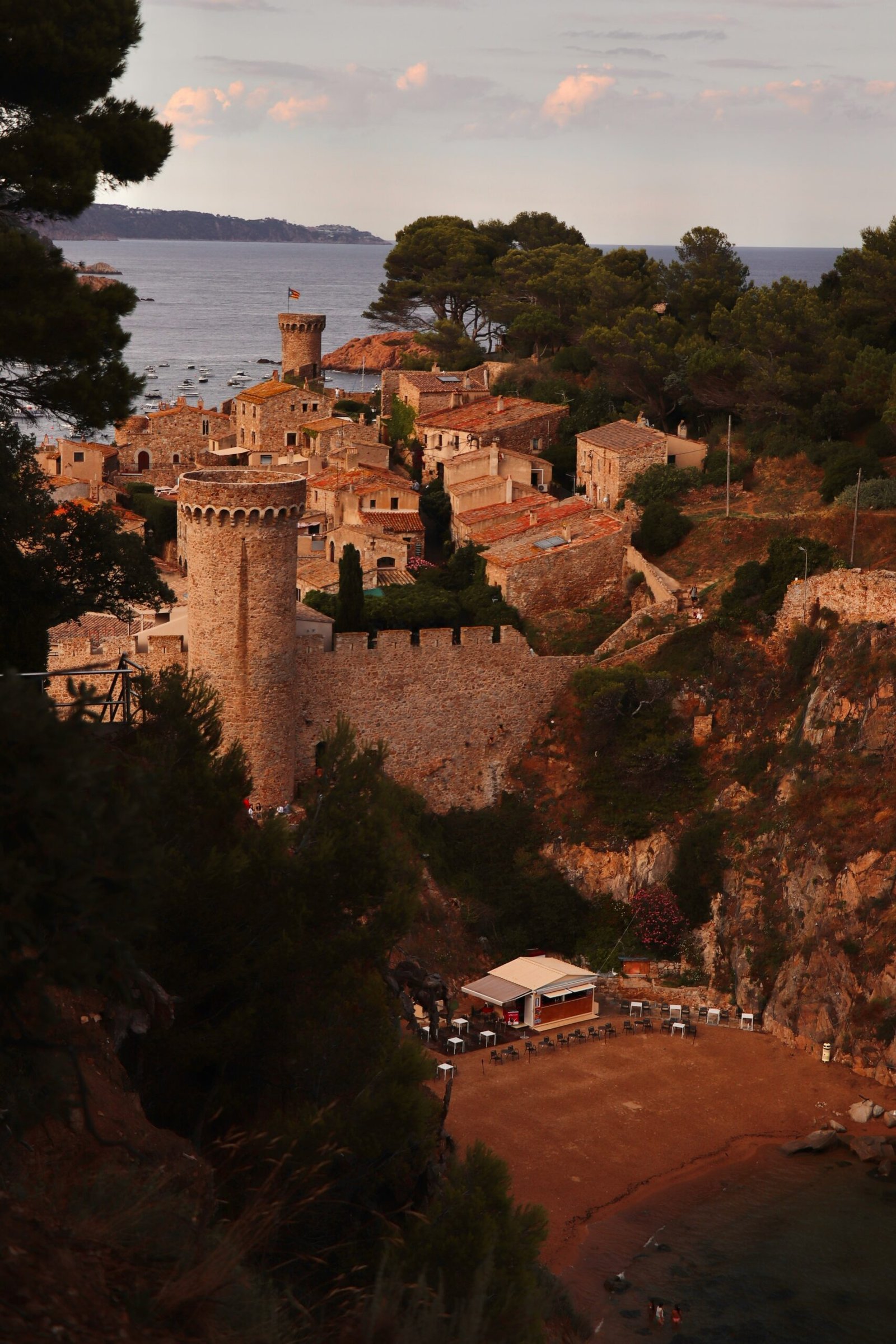
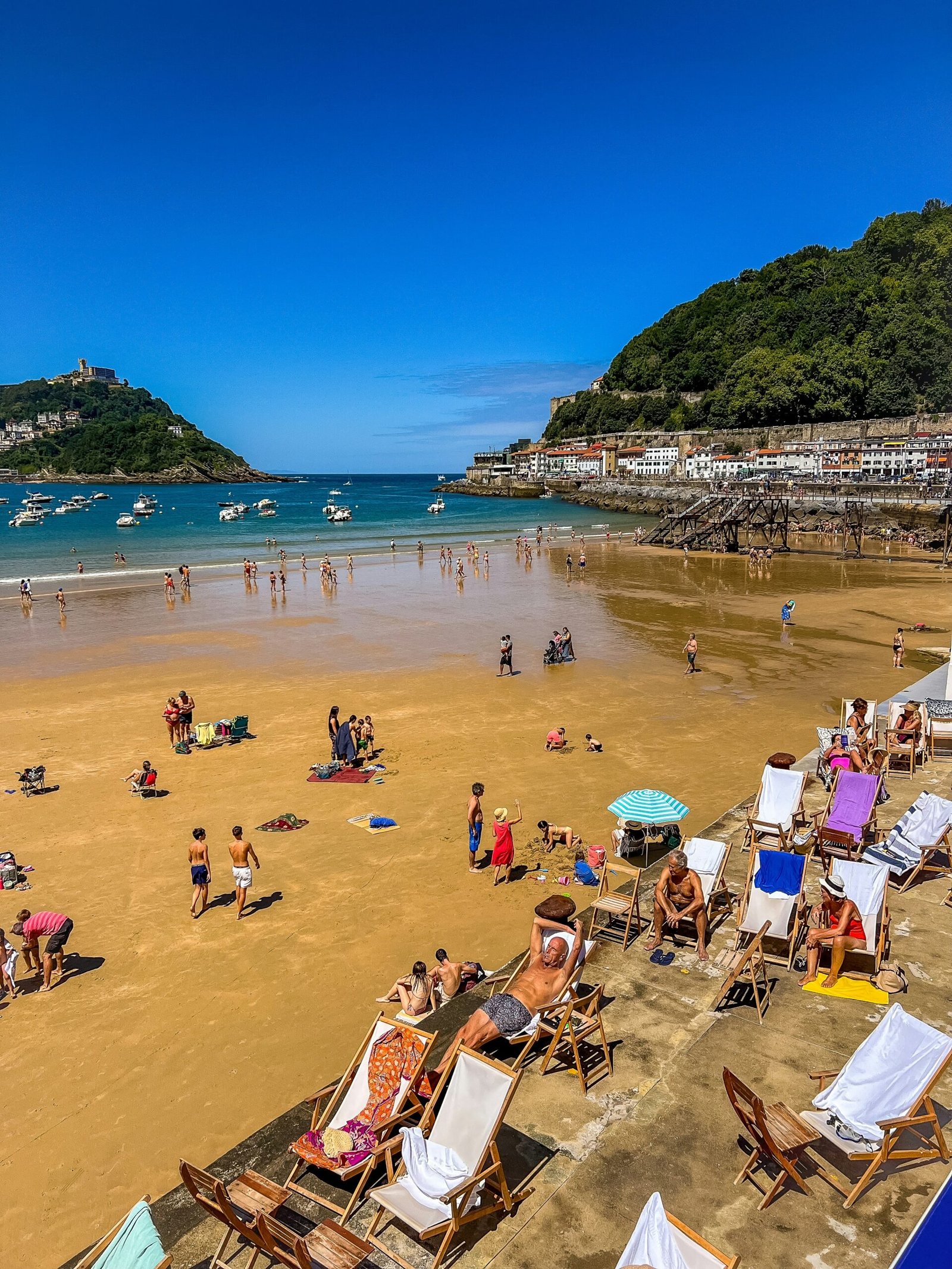
August retreat programming is honest about what the month requires or it is not good programming. In northern Spain and the Pyrenees, the outdoor schedule runs freely — morning practice at 7am in the Picos or the Ansó valley is cool and comfortable, afternoon hikes are possible at any hour, and the August evenings that extend to 10pm give the retreat day a specific spaciousness.
In Ibiza, the programming works best when it acknowledges the island’s August duality. Morning practice at the northern finca before the day heats up, afternoon at the secluded beaches before the ferries bring the day-trippers, evening Yin as the temperature drops — this rhythm uses the island rather than fighting its August character.
In Formentera, the pace is the programming. The ferry, the bicycle, the sea, the hammock, the evening meal at a restaurant terrace facing the sunset: these are not activities separate from the retreat but the retreat itself operating at the speed the island imposes. August Formentera retreat programmes that try to fill every hour with structured sessions are missing the point of the location.
Is August the worst month for a yoga retreat in Spain? For the interior and the popular Mediterranean resorts, yes — too hot, too crowded, too expensive. For the northern coast, the Pyrenees, the western Canary Islands, and the quieter parts of the Balearics, August is fine. The answer is destination choice, not month avoidance.
Is Formentera worth the expense in August? Yes, if the sea and the pace are the point. Formentera in August has the warmest, clearest water in Spain and a physical pace that the rest of the country does not produce in summer. It is expensive — the ferry, the accommodation, the restaurants — but for a retreat specifically about sea and stillness, the cost is proportionate to what it delivers.
Are the Hecho and Ansó valleys accessible without a car? Not really. The valleys are served by a limited bus service from Jaca, but the retreat centres here are in the valley hamlets and independent transport is the practical solution. Most retreat programmes in the area include transfers from Zaragoza or Pamplona airports. Worth asking specifically when booking.
What comes next if I want to extend into September? September is when Spain exhales — crowds thin, prices drop, and the country returns to its own rhythm. See our yoga retreats in Spain in September guide for what changes.
Your email address will not be published. Required fields are marked *