
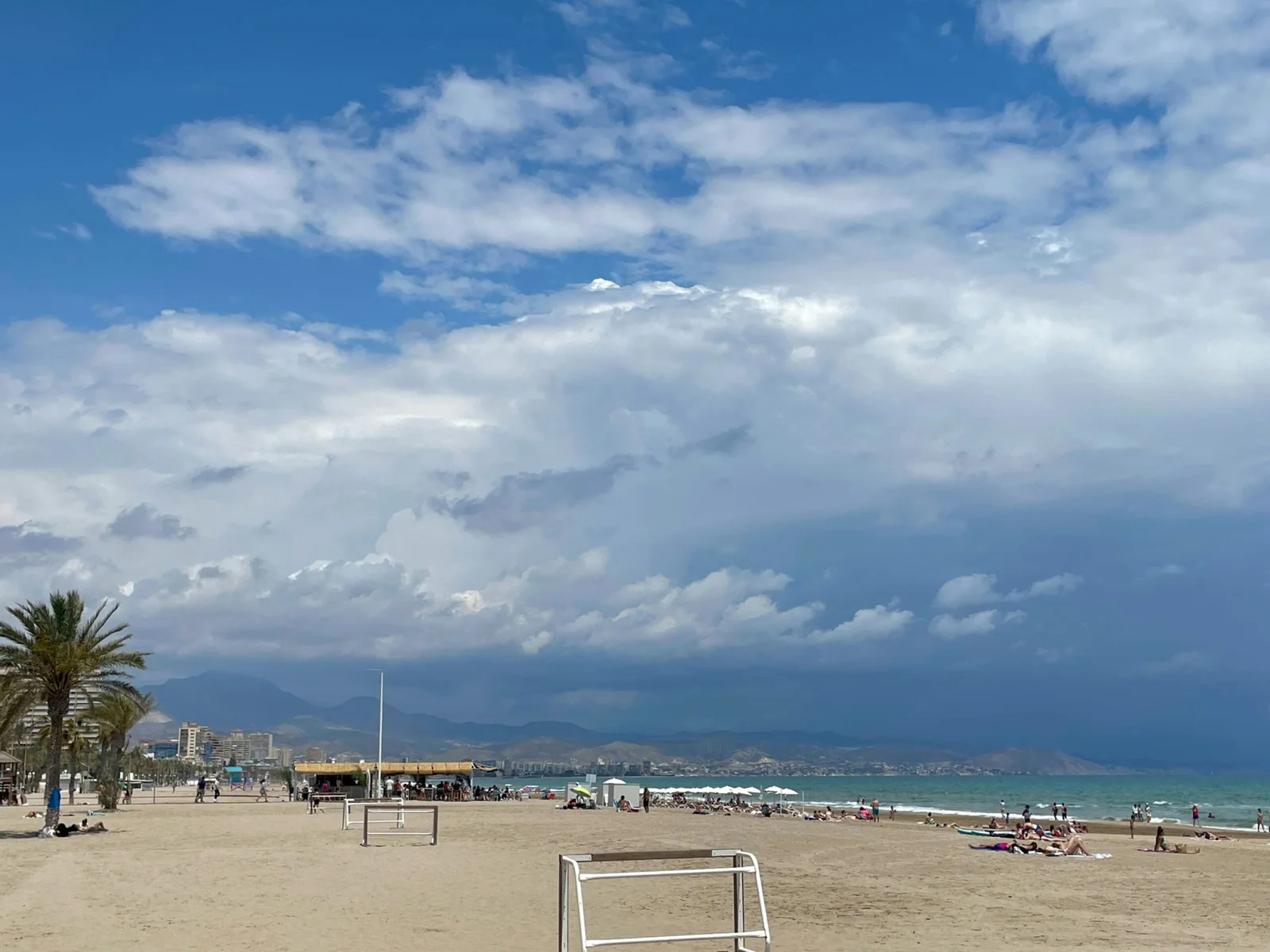
January in Spain is a tale of two countries. The mainland is cold — Madrid at 5°C, Bilbao grey and wet, Barcelona cool and quiet.
But the Canary Islands are sitting at 22°C in the Atlantic, Andalusia is mild and almost empty, and the retreat infrastructure that was at capacity in October is now available, affordable, and running smaller and more intimate groups. January rewards those who know where to go.


The Canary Islands are the January answer for anyone who needs warmth alongside practice. Seven volcanic islands in the Atlantic, closer to Morocco than to Madrid, producing a subtropical climate that makes January feel like a mild April on the mainland.
But Andalusia also delivers in January — mild enough for outdoor practice, empty of the summer crowds, and with a quality of quiet that the olive and orange harvest season provides. Our full Spain yoga retreats guide covers every region for those still deciding.
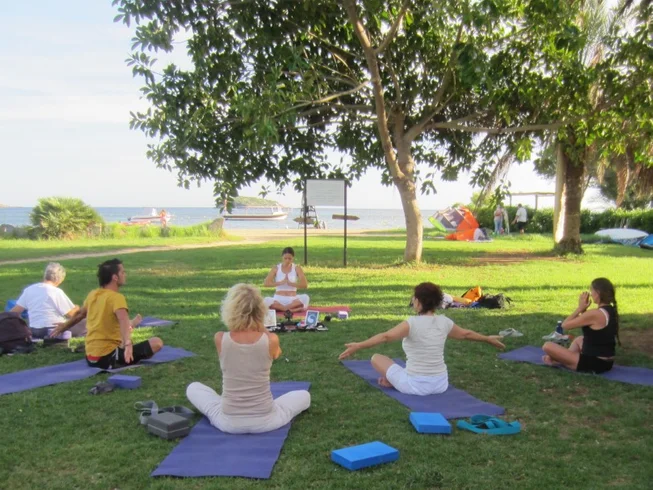
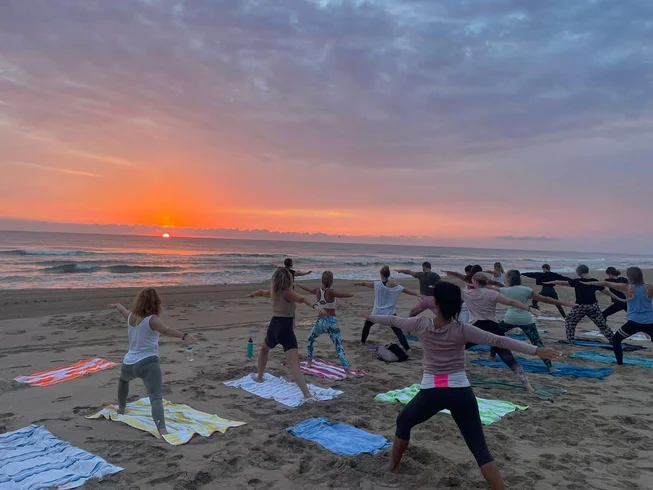
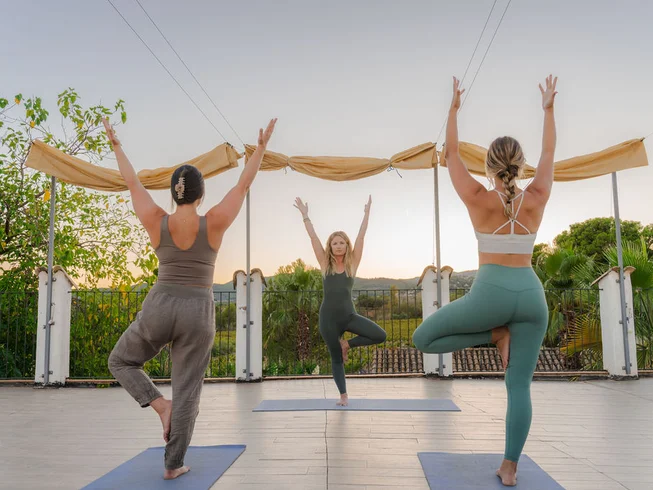
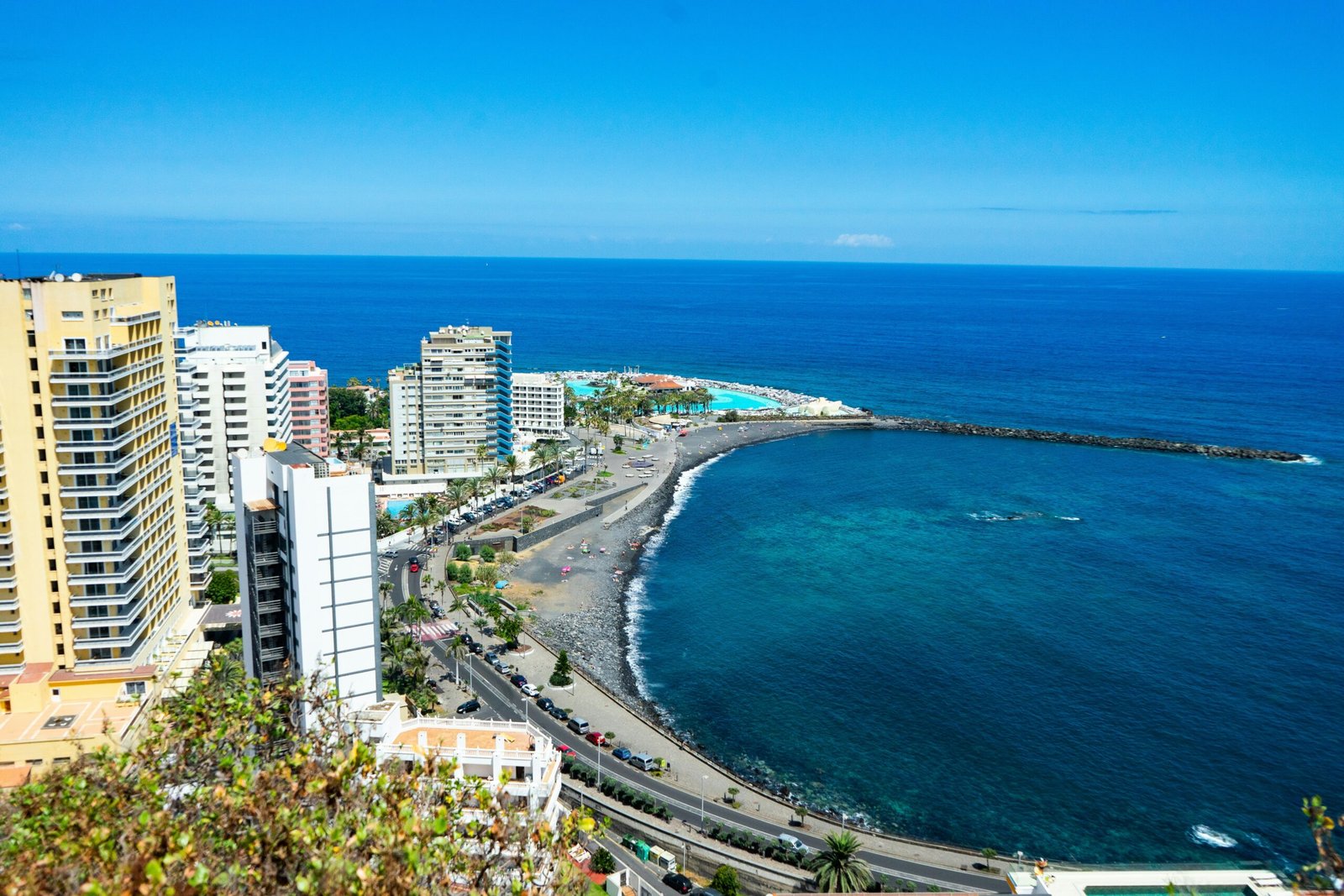
The Canary Islands in January are the most reliable warm-weather retreat destination in Europe. Tenerife, Gran Canaria, Lanzarote, and Fuerteventura all sit at 20-23°C in January — warm enough for outdoor practice at any hour, with the particular quality of Atlantic subtropical light that the Mediterranean islands cannot replicate in winter.
Tenerife has the most developed retreat infrastructure of the islands: the Teide National Park backdrop (the volcanic peak rises to 3,715 metres and is often snow-capped in January, creating a visual contrast with the coastal warmth below), the wild south coast around Los Gigantes with its dramatic cliffs, and the more developed north coast retreat scene around Puerto de la Cruz. January on Tenerife is specifically good for retreats that combine yoga with hiking — the Anaga Rural Park in the northeast, a UNESCO biosphere reserve of ancient laurel forest, produces hiking trails that feel genuinely remote within an hour of the airport.
Lanzarote is the most visually distinctive of the islands — black volcanic lava fields, white cubic architecture designed by the artist César Manrique, and a landscape that has no European equivalent. The Timanfaya National Park (where geothermal heat is close enough to the surface to cook food) and the coastline of caves and natural pools around Jameos del Agua make Lanzarote the most artistically and geologically interesting island for retreat guests who want landscape as part of the experience. Retreat programmes here in January tend to be small and intentional — the island does not encourage the resort-scale yoga tourism that Tenerife’s south coast sometimes produces. Our yoga retreats in Andalusia guide covers the mainland southern option in detail.
Fuerteventura is the wind island — the constant trade winds that make it one of Europe’s top kitesurfing and windsurfing destinations also make outdoor practice more challenging than the other islands, but the beaches (some of the finest white sand in the Atlantic) and the flat, austere Saharan landscape make it specifically beautiful in January light.
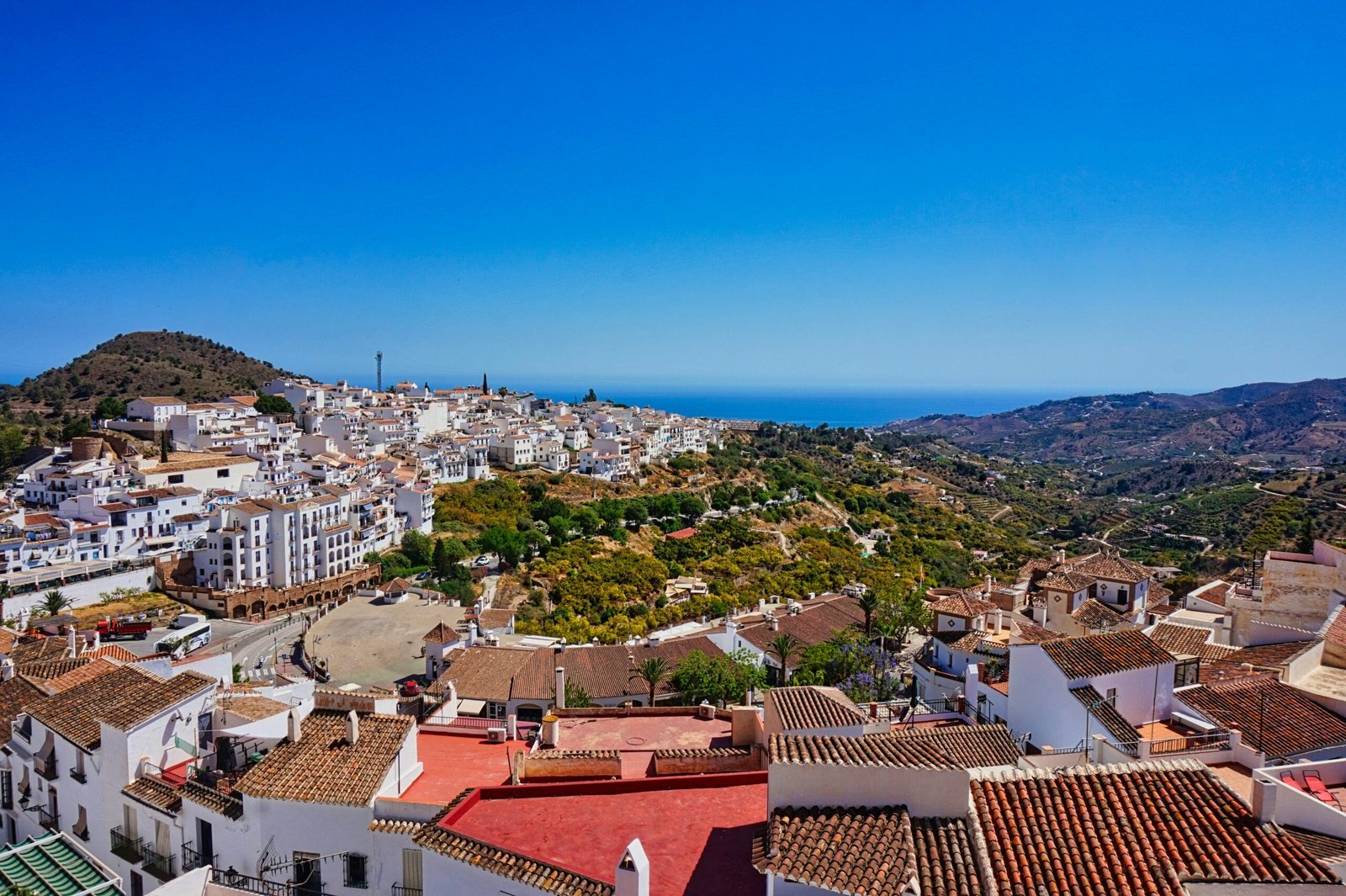
Andalusia in January is the mainland’s most compelling retreat option. Temperatures of 14-18°C in the coastal lowlands, mild enough for outdoor morning practice with a warm layer. The interior — Granada, Ronda, the Alpujarras — is colder and sometimes snowy at altitude, which adds a drama that summer cannot produce. And the region in January is almost entirely without tourists — the Alhambra without queues, the Sevilla cathedral walkable at any hour, the white villages of the Sierra Nevada with only their own residents.
The Alpujarras — the villages on the southern slopes of the Sierra Nevada between Granada and the coast — are the most specific January Andalusia retreat destination. The whitewashed villages of Bubión, Capileira, and Trevélez sit at 1,200-1,500 metres, often with snow visible on the peaks above and orange groves in the valley below simultaneously. Retreat centres here in January run small groups, wood fires, and the particular intimacy of a mountain community in winter.
The Costa de la Luz — the Atlantic coast of Andalusia between Tarifa and the Portuguese border — is in January warm, empty, and wild. The same wind that makes Tarifa one of Europe’s great kitesurfing destinations keeps the coast cool even in summer, and in January it produces a raw Atlantic quality that is completely different from the Mediterranean coast of the Costa del Sol.
The Basque Country in January is grey, rainy, and one of the most culturally rich environments in Spain — which makes it a genuinely unusual retreat destination for those who prioritise depth over sunshine. San Sebastián (Donostia) in January has its food culture operating without the summer distraction of international visitors: the pintxos bars of the Parte Vieja serving the local population that actually built this food scene, the txakoli wine poured at the counters of bars that have been serving it for decades, and the Michelin-starred restaurant culture of the Basque country in its natural habitat.
Retreat programmes in the Basque Country in January are indoor-prioritised and culturally oriented — less outdoor practice, more cooking workshops, museum visits, and the slow food culture that makes the region one of the world’s great culinary destinations. For those who want a retreat that is as much cultural immersion as physical practice, January in the Basque Country is the most compelling option in Spain.
Madrid in January is cold (3-8°C), clear, and specifically beautiful in its winter quality. The museums — Prado, Reina Sofía, Thyssen — are at their most accessible without summer queues. The Sierra de Guadarrama an hour north of the city is snow-covered and excellent for snowshoeing and winter mountain walks that combine with yoga programming in a way that the summer version of the same landscape cannot offer.
Retreat programmes near Madrid in January tend to be weekend and short-format — the city’s professional and urban demographic prefers shorter retreats that fit around work schedules. For a full week, the Canary Islands or Andalusia are stronger choices; for a long weekend with cultural depth, the Madrid area in January is worth knowing about.
January is Spain’s citrus peak. The Valencia and Murcia regions produce naranjas (oranges), mandarinas (tangerines), and pomelos (grapefruits) in enormous quantities from November through March, and January is the month of maximum sweetness and availability. Fresh-squeezed orange juice from a Valencia orange in January has a flavour that the commercial version sold year-round cannot approximate. The blood oranges (naranjas sanguinas) that appear specifically in January and February, deep red inside, are one of Spain’s most specific seasonal pleasures.
Cocido madrileño is the January dish of the Spanish interior — a slow-cooked chickpea and meat stew traditionally served in three courses: first the broth, then the chickpeas and vegetables, then the meats. It requires a cold day to appreciate fully, which January provides. In Madrid, the traditional restaurants that serve cocido do so specifically from October through March — it is genuinely a winter dish, and eating it in Madrid in January at a restaurant that has been making it for generations is one of those specifically Spanish culinary experiences worth seeking.
Roscón de Reyes — the Kings’ Cake — is the January pastry and it is specifically of the first week of the month. Eaten on January 6th (Epiphany, the day the Three Kings arrive) and through the following week, it is a ring-shaped brioche flavoured with orange blossom water and decorated with candied fruit, with a small figurine and a dried bean hidden inside. Spain takes its Reyes celebrations as seriously as Christmas — more seriously in many families — and the Roscón is the centrepiece of the January 6th tradition.
Papas arrugadas — the Canary Islands’ most characteristic dish — are small potatoes boiled in heavily salted water until the skin wrinkles and a salt crust forms. Served with mojo rojo (a red pepper and garlic sauce) or mojo verde (coriander-based), they appear at every Canary Islands meal and are specifically of the islands — the local potato varieties used are different from mainland Spanish potatoes and produce a creaminess that the dish requires. Eating papas arrugadas at a local restaurant in Lanzarote in January, with the volcanic landscape visible through the window, is one of those food experiences that is inseparable from its geography.
The Three Kings procession on the evening of January 5th is the most important children’s celebration in Spain — the equivalent of Christmas Eve elsewhere. In every Spanish city and town, the Three Kings arrive by float or horseback through the main streets, throwing sweets to the crowd. The processions in Sevilla, Madrid, and Barcelona are the most elaborate. January 5th and 6th are public holidays across Spain.
The Tamborrada is the feast day of San Sebastián (Donostia) — 24 hours of continuous drum-beating through the city streets, beginning at midnight on January 19th and ending at midnight on January 20th. The sound of several thousand drummers in the narrow streets of the Parte Vieja is one of the more extraordinary urban experiences Spain offers in any month. A retreat based in the Basque Country that coincides with the Tamborrada has the festival as a free cultural centrepiece of the week.
The Basque Country’s Mundaka — a left-hand rivermouth break considered one of the finest waves in Europe — is at its most powerful in January when the Bay of Biscay storm systems are at full winter intensity. Even for non-surfers, watching Mundaka on a good January swell from the clifftop is one of those specifically Basque Country experiences worth the drive from San Sebastián.
January retreat programming in Spain divides cleanly by geography. In the Canary Islands, the full outdoor schedule runs without modification — morning practice on a terrace above the Atlantic at 7:30am in 22°C air is not a winter retreat in any meaningful sense. The programming is as outdoor-oriented as May on the mainland.
On the Andalusia coast, the programming adapts to the season: 8am practice rather than 7am, allowing for the slightly later winter sunrise and the warming of the air before going outdoors. The hammam takes a more central role in January Andalusia than in summer — the transition from a cool morning to a heated steam room is a specifically winter pleasure. Afternoon excursions to the white villages, the Alhambra without queues, or the coastal walking trails of the Costa de la Luz fill the programme naturally.
In the Alpujarras, the programming is most inward-facing: indoor practice in a wood-heated studio, afternoon walks through the snow-edged villages, evening Yin by candlelight with the mountain silence outside. The groups in January Alpujarras retreats are the smallest of the year and the most self-selected — those who came specifically for the mountain winter rather than defaulting to a warmer option.
Is Spain a good destination for a yoga retreat in January? Yes, with a clear destination strategy. The Canary Islands are excellent — warm, sunny, and fully operational. Andalusia is good for those who don’t need beach weather. The mainland north is cold and requires indoor-prioritised programming. Choose your destination based on what you need from the week, not the country as a whole.
Which Spanish islands are best for a January yoga retreat? Tenerife for the most developed retreat infrastructure and the Teide National Park backdrop. Lanzarote for the most visually distinctive volcanic landscape. Fuerteventura for the best beaches and wind sports. All three are at 20-23°C in January and offer outdoor practice year-round.
Is Andalusia too cold for outdoor yoga in January? Not in the daytime. The coastal areas of Málaga, Cádiz, and Almería reach 16-18°C in the January afternoon — comfortable for outdoor practice in the sun. Early morning sessions require a warm layer. The interior (Granada, Ronda) is colder and sometimes frosty — outdoor practice is weather-dependent there.
What comes next if I want to extend into February? February brings almond blossom across Andalusia and the Canary Islands, and the first carnival celebrations of the year. See our yoga retreats in Spain in February guide for what the following month offers.
Your email address will not be published. Required fields are marked *