
February has two things going for it in Spain: almond blossom and Carnival. The almond trees flower across the Canary Islands and Andalusia in the first three weeks of the month — white blossom on bare branches, specific to this window.
And Carnival in Cádiz and Tenerife is one of the most genuinely festive events in the Spanish calendar. Prices are still low. Retreat centres still have space. Go in February knowing what you are going for.


February is the transition month — winter not quite over but spring already visible in the almond orchards. The Canary Islands are still warm (20-22°C), Andalusia is getting noticeably milder, and the Balearics are starting to come alive after their winter quiet. The retreat infrastructure is at its most available and most affordable before the Easter rush arrives. Our full Spain yoga retreats guide covers every option.

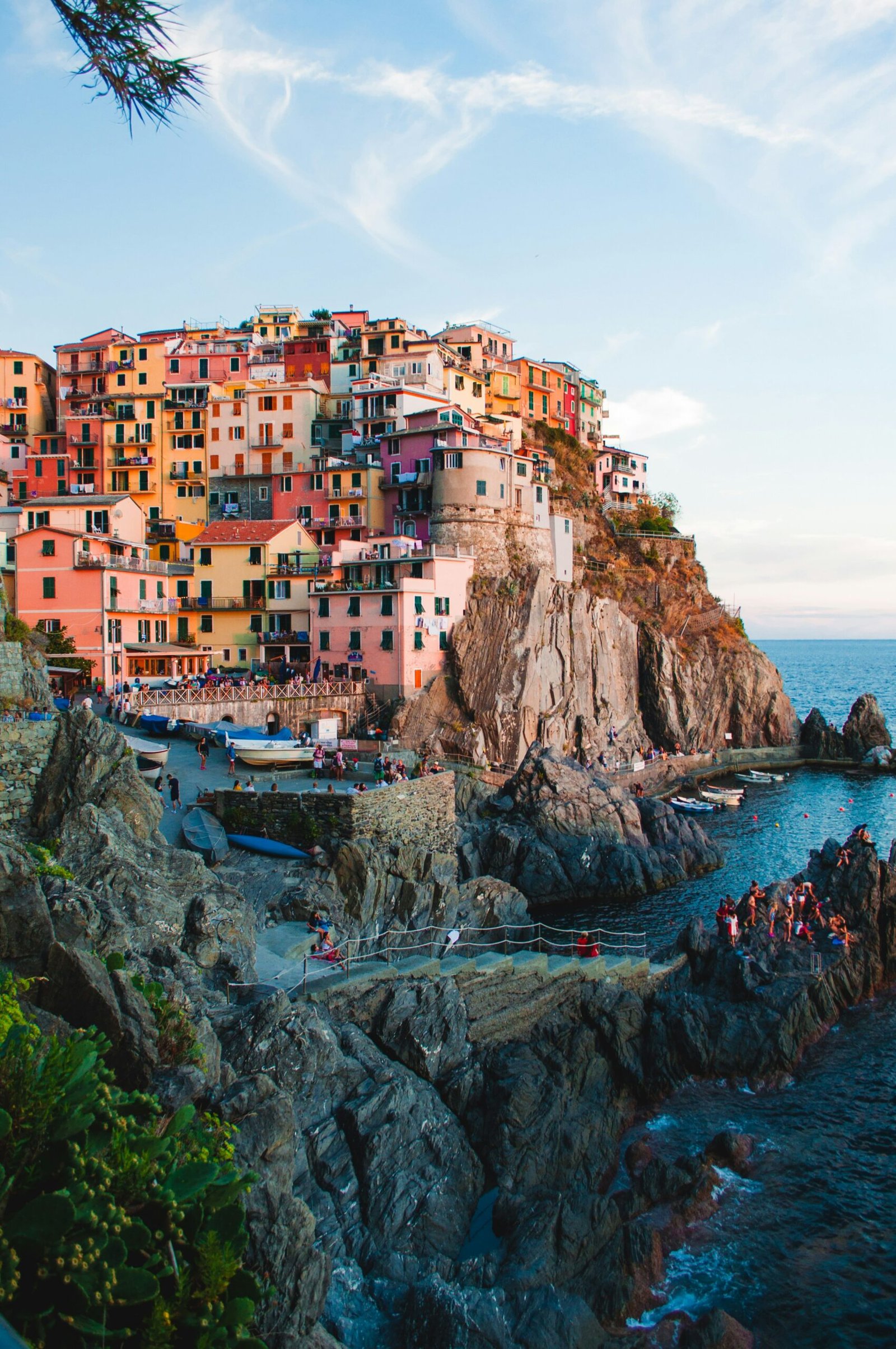
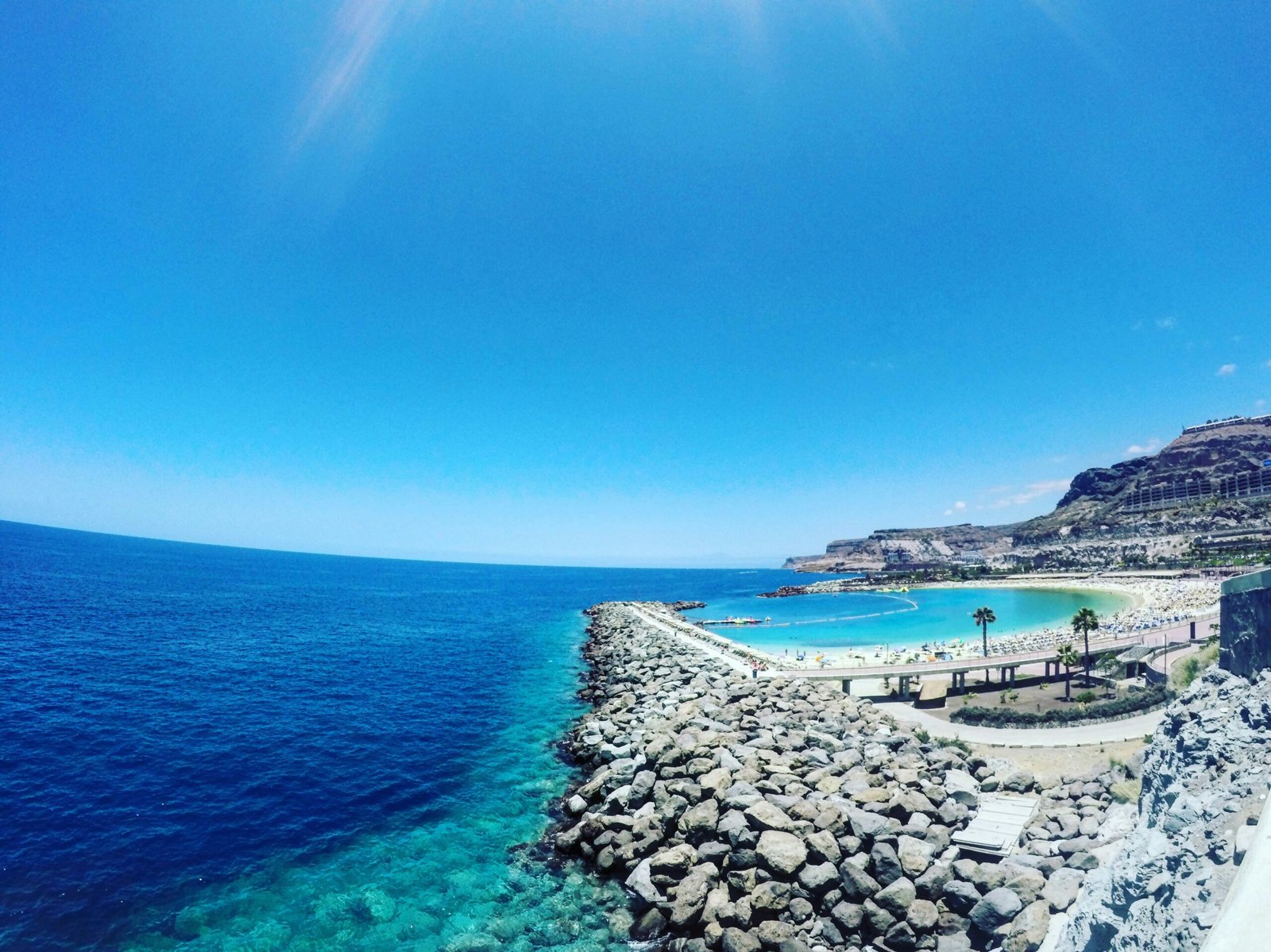
The almond blossom on Gran Canaria peaks in February, specifically in the interior valleys around Tejeda and Valleseco. The road from Las Palmas into the central massif passes through almond orchards that are white with blossom against the volcanic rock — a combination specific to this island and this month. The Gran Canaria interior in February is genuinely cool (14-18°C at altitude) while the coast stays at 20-22°C, which creates a retreat week that can combine morning practice at the beach with afternoon hikes through the blossom valleys.
Tenerife in February has the additional dimension of Carnival. The Santa Cruz de Tenerife Carnival is one of the largest in the world — commonly compared to Rio de Janeiro for scale and intensity, lasting two weeks and culminating in the Burial of the Sardine on Ash Wednesday. For retreat guests based in the south or west of the island, a day trip to Santa Cruz during Carnival week adds a cultural dimension to the retreat that no scheduled session can replicate.
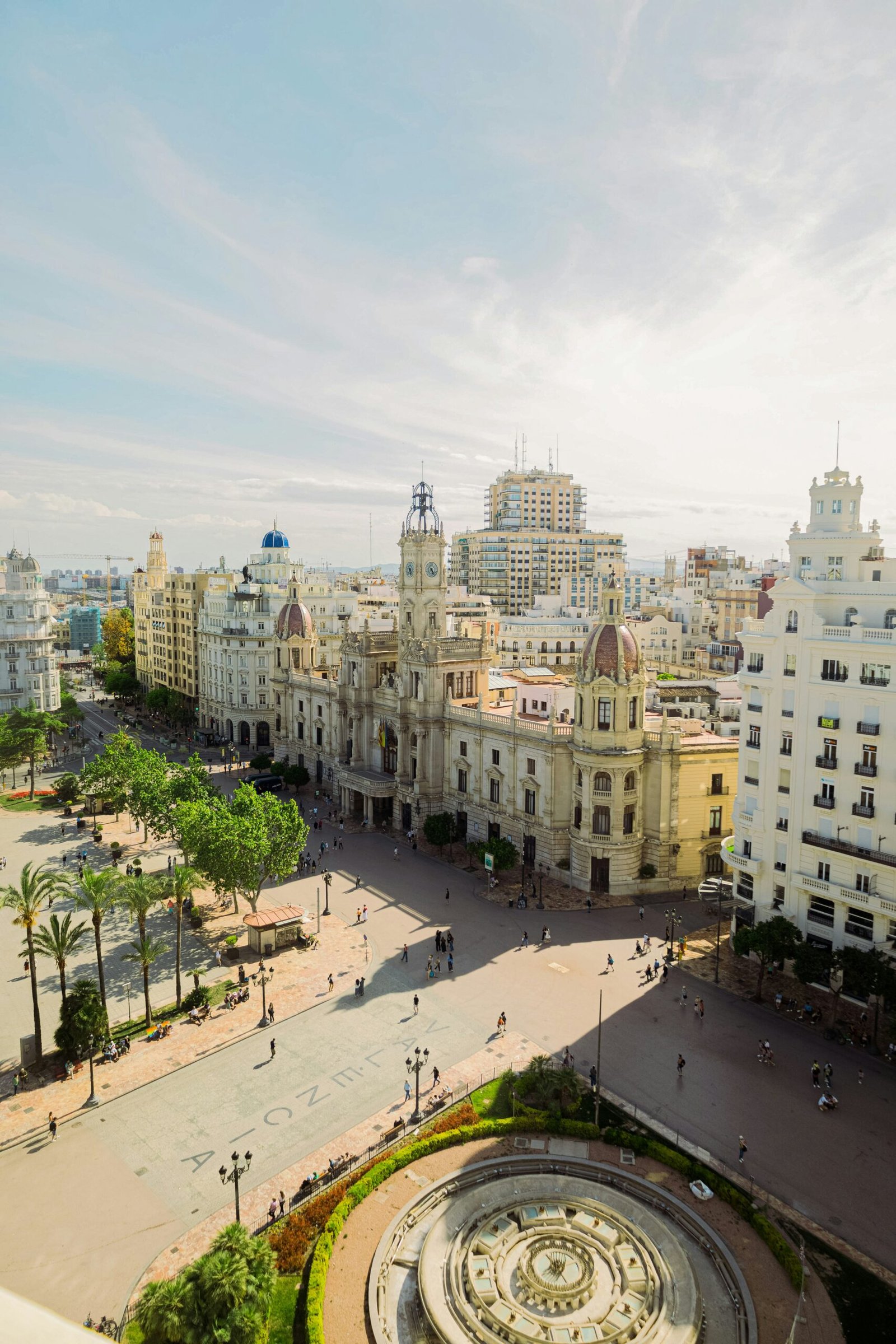
Valencia in February is one of Spain’s most underrated retreat windows. The city and its surrounding coast sit at 14-18°C — cool enough for focused morning practice, warm enough for outdoor sessions by 10am. The rice fields of the Albufera natural park south of the city, the orange groves of the Valencia plain heavy with fruit, and the old city with its Gothic market and ceramic museum provide a cultural backdrop that the Canary Islands cannot offer.
The Costa Blanca north of Alicante — Altea, Jávea, Dénia — has a small but quality retreat scene that operates specifically in winter because the summer crowds that fill these towns in August are entirely absent in February. Retreat centres here in February run programmes with views of the Mediterranean that cost three times as much in July. The almond trees on the hillsides above Jávea and Dénia flower in February against terraced orange groves and the blue sea below.
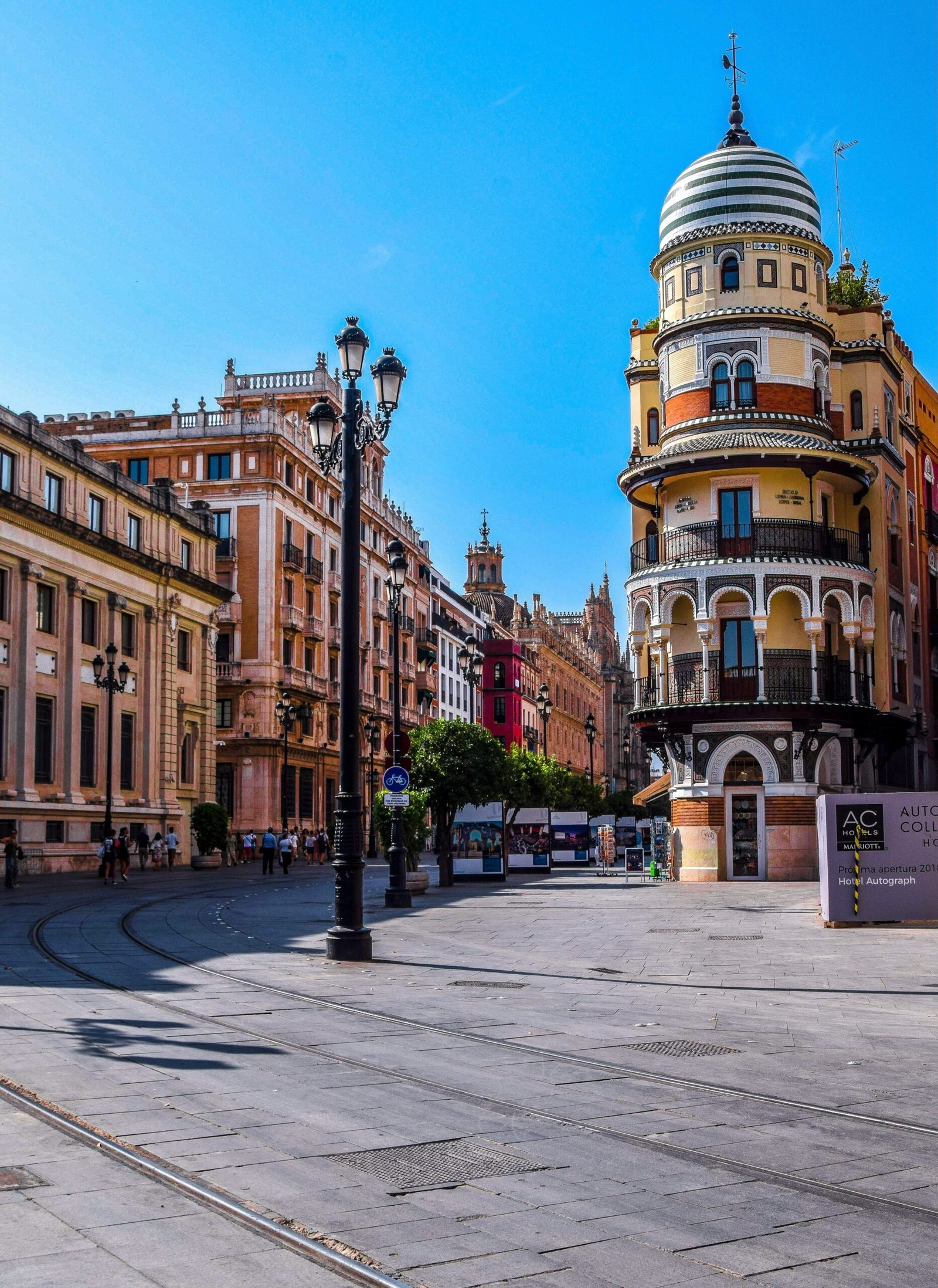
Cádiz in February is specifically worth knowing about. The ancient Atlantic port city — founded by the Phoenicians over 3,000 years ago, sitting on a narrow peninsula with the sea visible from almost every street — holds what is widely considered the best Carnival in Spain. Cádiz Carnival is not the sequins-and-samba version that Tenerife produces: it is a festival built around satirical music (the chirigotas and comparsas — singing groups who spend the year writing politically pointed lyrics to popular tunes), street performance, and the particular wit of a city that has always understood irony. It runs for two weeks and is free, public, and genuinely extraordinary.
Beyond Carnival, the Sherry Triangle (Jerez, El Puerto de Santa María, Sanlúcar de Barrameda) is within an hour of Cádiz and offers something no other Spanish region has: the bodegas where sherry has been produced for centuries, the fino fino emerging from the solera system, and the horse culture of Jerez with the Royal Andalusian School of Equestrian Art. Retreat programmes based in the Cádiz area in February that incorporate a bodega visit and a Carnival evening are doing February Spain correctly.
Extremadura in February is the most Spanish-feeling destination in this list and the one most visitors to Spain never reach. The broad central plateau between Cáceres and Mérida is experiencing its almond and cherry blossom in February — the Valle del Jerte specifically, two hours north of Cáceres, produces a cherry blossom festival (Festival del Cerezo en Flor) that draws visitors from across Spain and almost nobody from outside it.
The landscape of Extremadura in February is worth the detour: the dehesa (the traditional oak pasture system used for raising Ibérico pigs) winter-bare but with the first green growth pushing through, the medieval cities of Cáceres and Mérida almost entirely without tourists, and the food culture — Ibérico ham from pigs that finished their montanera feeding in December, migas extremeñas (fried breadcrumbs with pork fat and paprika), and the local Ribera del Guadiana wines — at its most concentrated and honest. Retreat infrastructure here is limited but growing, and the handful of rural finca-based programmes operating in February offer something genuinely different. Our yoga retreats in Andalusia guide covers the broader southern Spain context.
Fresh almonds appear at market stalls in the Canary Islands and Andalusia in late February as the blossom falls and the earliest varieties begin to produce. They are still soft and slightly milky inside — completely different from the dried, roasted almonds available year-round. Turrón, the almond confection that Spain produces in dozens of varieties from the hard Alicante version to the soft Jijona paste, is produced from the previous year’s harvest and available year-round, but buying it at a traditional confectionery in Alicante or Valencia in February, at the source, tastes different from the airport version.
February is the peak month for Ibérico ham. The pigs that fed on acorns (bellota) in the montanera season (October-December) were slaughtered in January, and the ham is beginning the curing process that will last 24-48 months. But the paleta ibérica (the front leg, which cures faster) from the previous year’s slaughter is ready in February. At a restaurant in Extremadura or the Sierra de Huelva that slices its own ham, the paleta ibérica in February is the best version of Spain’s most distinctive product available at any point in the year.
Artichokes from Tudela in Navarra are at their February peak. The Tudela artichoke is considered the finest in Spain — smaller than the Breton varieties, more densely flavoured, and prepared in Navarra with a simplicity that respects the ingredient: boiled and dressed with olive oil and salt, or braised in white wine with garlic. They appear on restaurant menus in the Basque Country and Navarra specifically in February and March, and the restaurants that serve them know they are serving something seasonal and specific.
Horchata from Valencia, made from tiger nuts (chufas) grown in the Huerta Valenciana, is available year-round but is at its most authentic in February when the local production cycle makes fresh horchata available at the traditional horchaterías of Valencia. Served cold with fartons (the long sugared pastries made specifically to accompany it), it is one of those regional food experiences that requires being in Valencia to do correctly.
Carnival falls in February in most years (the exact date depends on Easter, which shifts annually). The two standout celebrations:
Cádiz Carnival — two weeks of satirical music, street performance, and the particular irreverence of a city that has been doing this since the seventeenth century. Free, public, and genuinely worth planning a retreat around.
Tenerife Carnival — the largest in Spain and one of the largest in the world, with elaborate costumes, the election of the Carnival Queen, and the Burial of the Sardine on Ash Wednesday. More spectacular in visual scale than Cádiz, less specifically witty.
Both are worth experiencing. Choose based on whether you prefer cultural depth (Cádiz) or visual spectacle (Tenerife).
Late February or early March, dates vary. The cherry orchards of the Valle del Jerte — 1.2 million cherry trees covering the valley slopes — flower simultaneously for approximately two weeks in late February and early March. The festival celebrates the blossom with cultural events, food markets, and guided walks through the orchards. It is specifically and entirely local in character.
The international tourism trade fair in Madrid, not directly relevant to retreat guests, but it signals the beginning of Spain’s tourism planning season and often produces promotional offers from retreat centres across the country in the weeks surrounding it.
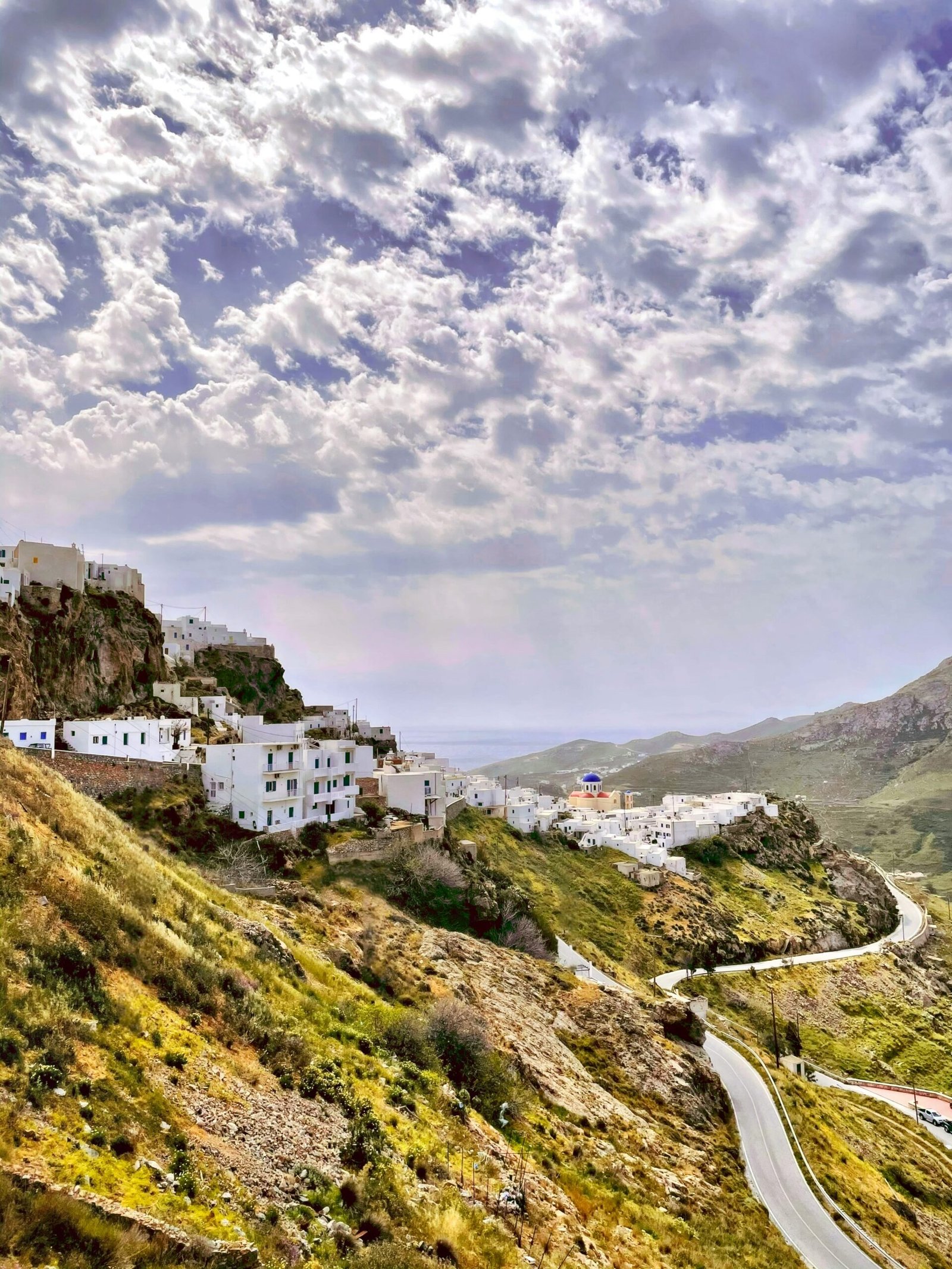
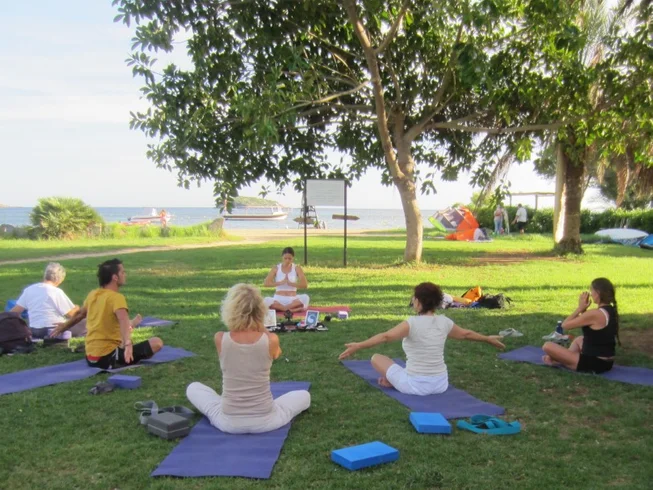
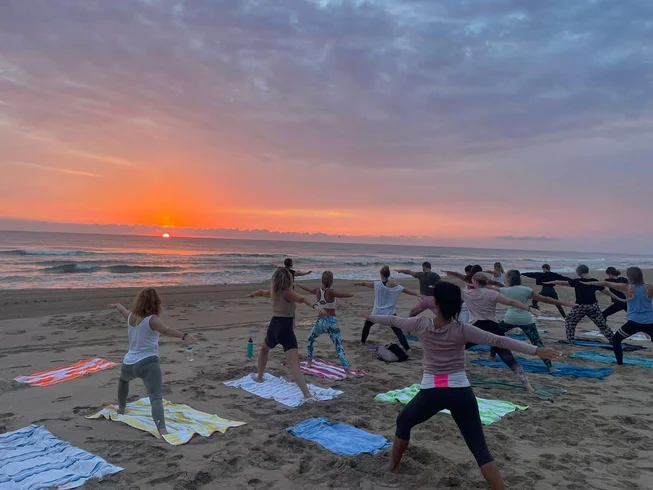
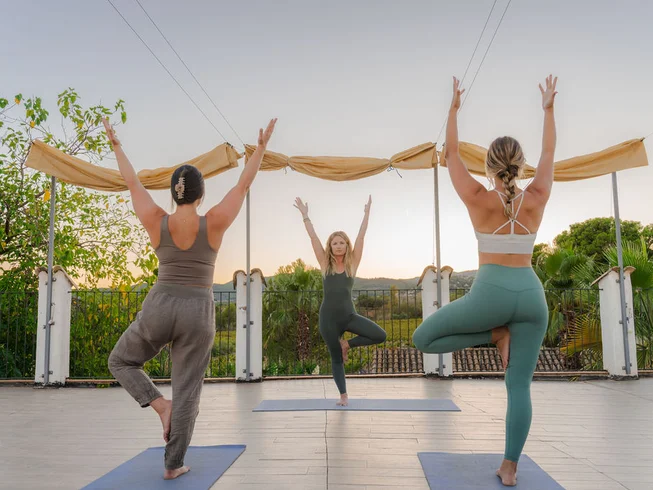
February programming in Spain works best when it acknowledges the season rather than pretending it is summer. In the Canary Islands, the outdoor schedule runs without modification — the blossom excursion into the Gran Canaria interior replaces one afternoon session with something more memorable. In Andalusia and Valencia, the morning practice is indoors or on a heated terrace, the warmest part of the day is for outdoor walks and excursions, and the evening session is the restorative close that a cool February evening specifically suits.
The Carnival dimension changes the retreat week completely for those whose programme coincides with it. The best retreat centres in Cádiz and Tenerife incorporate one Carnival evening into the week’s schedule — not as a distraction from practice but as a genuine cultural experience that the retreat setting makes more absorbing than attending as a standard tourist. Arriving at the Cádiz Carnival with five days of yoga practice already in the body, the nervous system settled rather than activated, produces a quality of attention that makes the chirigota performances land differently.
The blossom excursion — whether almond orchards in the Canaries, almond and orange above the Costa Blanca, or cherry blossom in the Valle del Jerte — is the February programming event with no equivalent in any other month. Retreat centres that build it in as a core activity rather than an optional extra are making the right decision.
Is February a good month for a yoga retreat in Spain? Yes, particularly for those who want low prices, small groups, and seasonal events that are specifically of this month. The almond blossom and Carnival are both February-specific. The Canary Islands are warm and available. Andalusia and Valencia are mild and empty of summer crowds. The retreat infrastructure is at its most accessible.
Is Cádiz Carnival worth building a retreat around? Yes, if cultural immersion is part of what you want from the week. Cádiz Carnival is not a spectacle for tourists — it is a city celebrating something it has been doing for centuries with genuine wit and musical tradition. A retreat based in the Cádiz area with one Carnival evening built into the programme produces a specifically Spanish experience that no other month can offer.
How does February compare to March for a yoga retreat in Spain? February has Carnival and almond blossom at peak. March has warmer temperatures, the cherry blossom in full swing, and the beginning of the spring season across the country. Both are good shoulder-season months. February is cheaper and more culturally specific; March is warmer and more reliably outdoor-friendly. See our yoga retreats in Spain in March guide for what changes.
Are the Canary Islands better in January or February? Similar conditions, different events. January has Reyes (January 6th) and the quietest retreat availability of the year. February has almond blossom on Gran Canaria and Tenerife Carnival. Both months are at 20-22°C. Choose based on which event matters to you.
Your email address will not be published. Required fields are marked *