
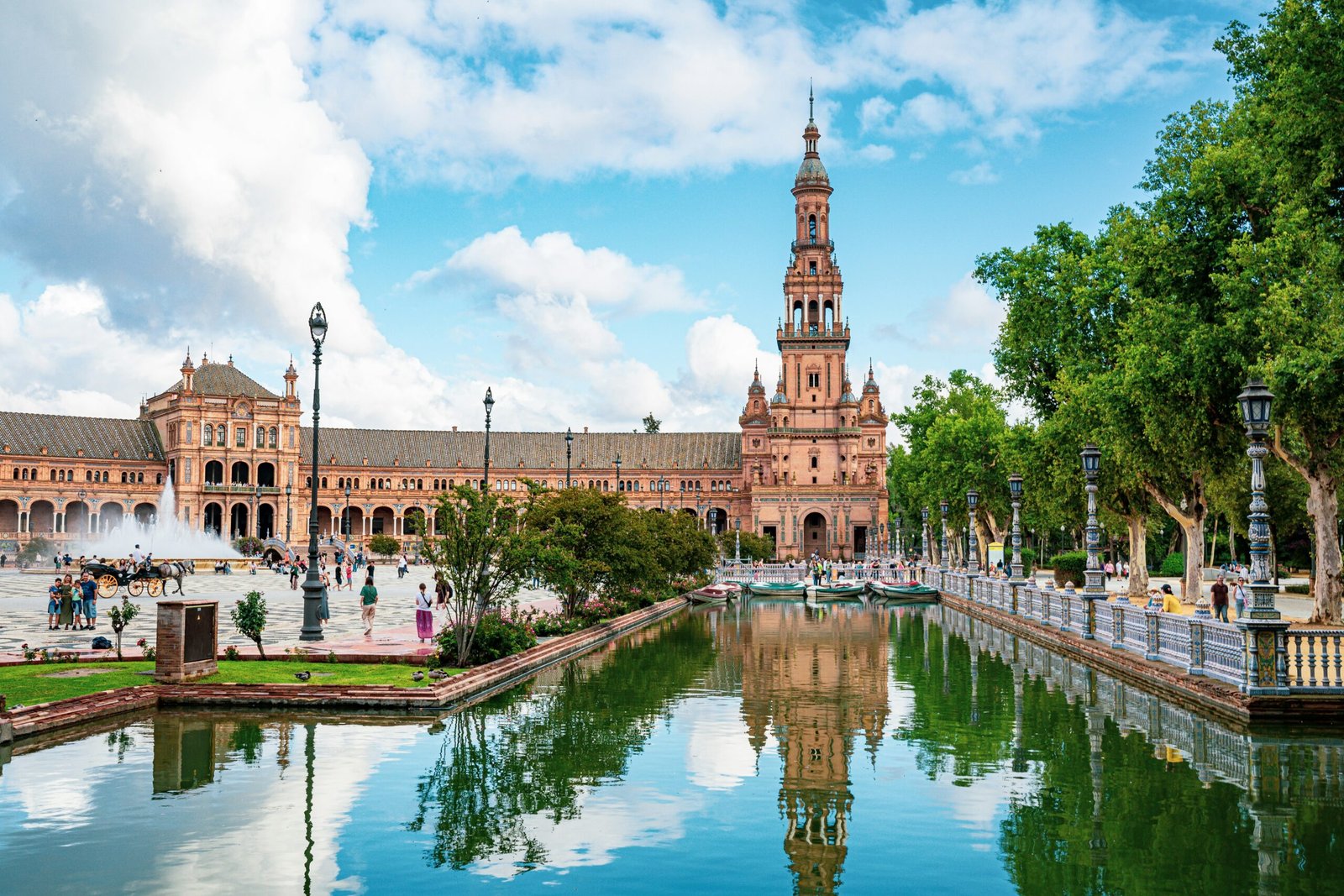
May is the last good-value month before summer prices arrive. The days are long, the south is warm without being hot, the Basque Country has its best hiking weather of the year, and the Balearics are fully open and not yet at capacity. The retreat infrastructure is running at its most varied and energetic. Go now, before July turns everything into something more expensive and more crowded.


May has the best conditions of the spring season with prices not yet at summer peak. Andalusia at 24-28°C. The Basque coast at 18-22°C. The Balearics warm enough for swimming. The Ronda and Alpujarras hiking trails at their most accessible. Our complete Spain yoga retreats guide covers every region.
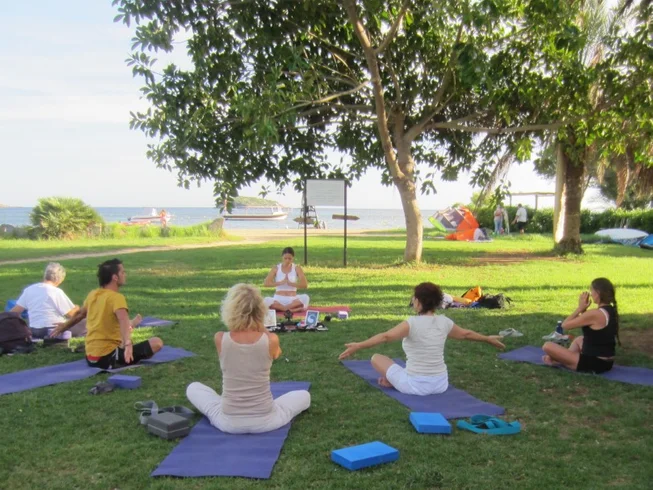
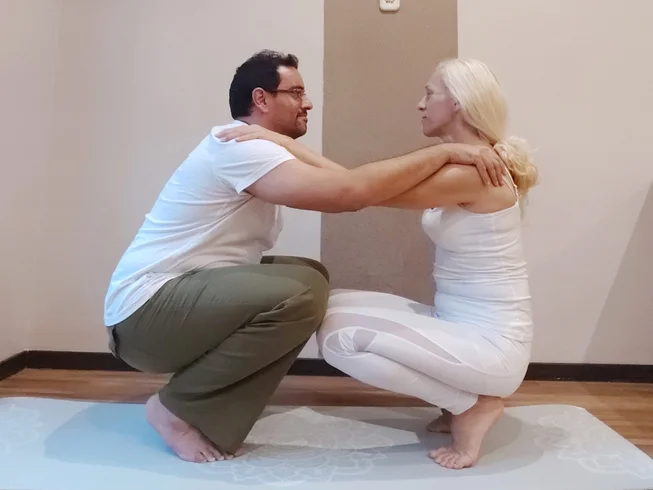
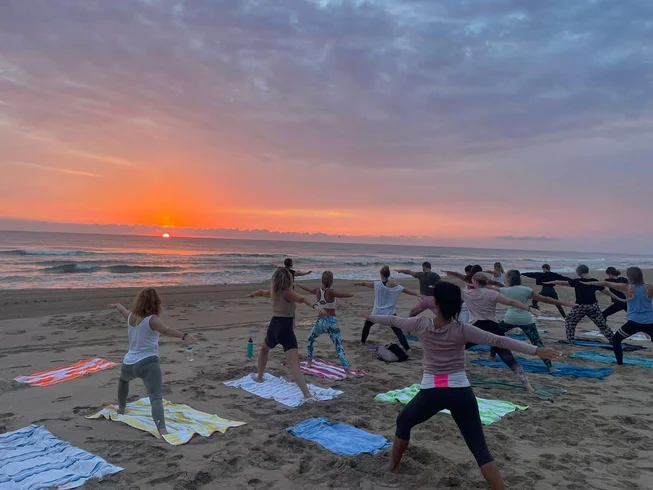
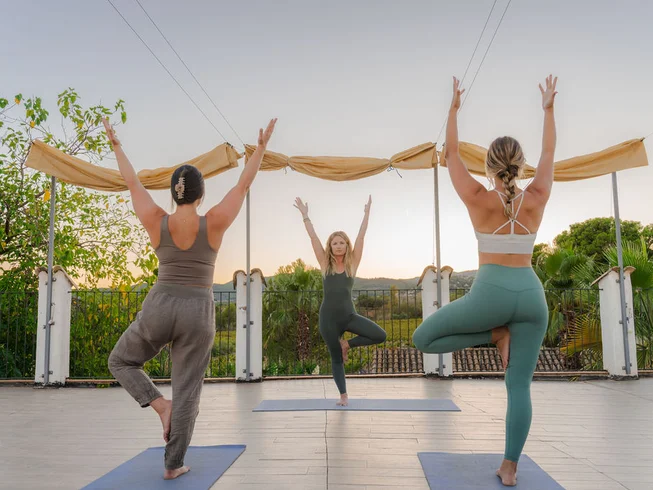
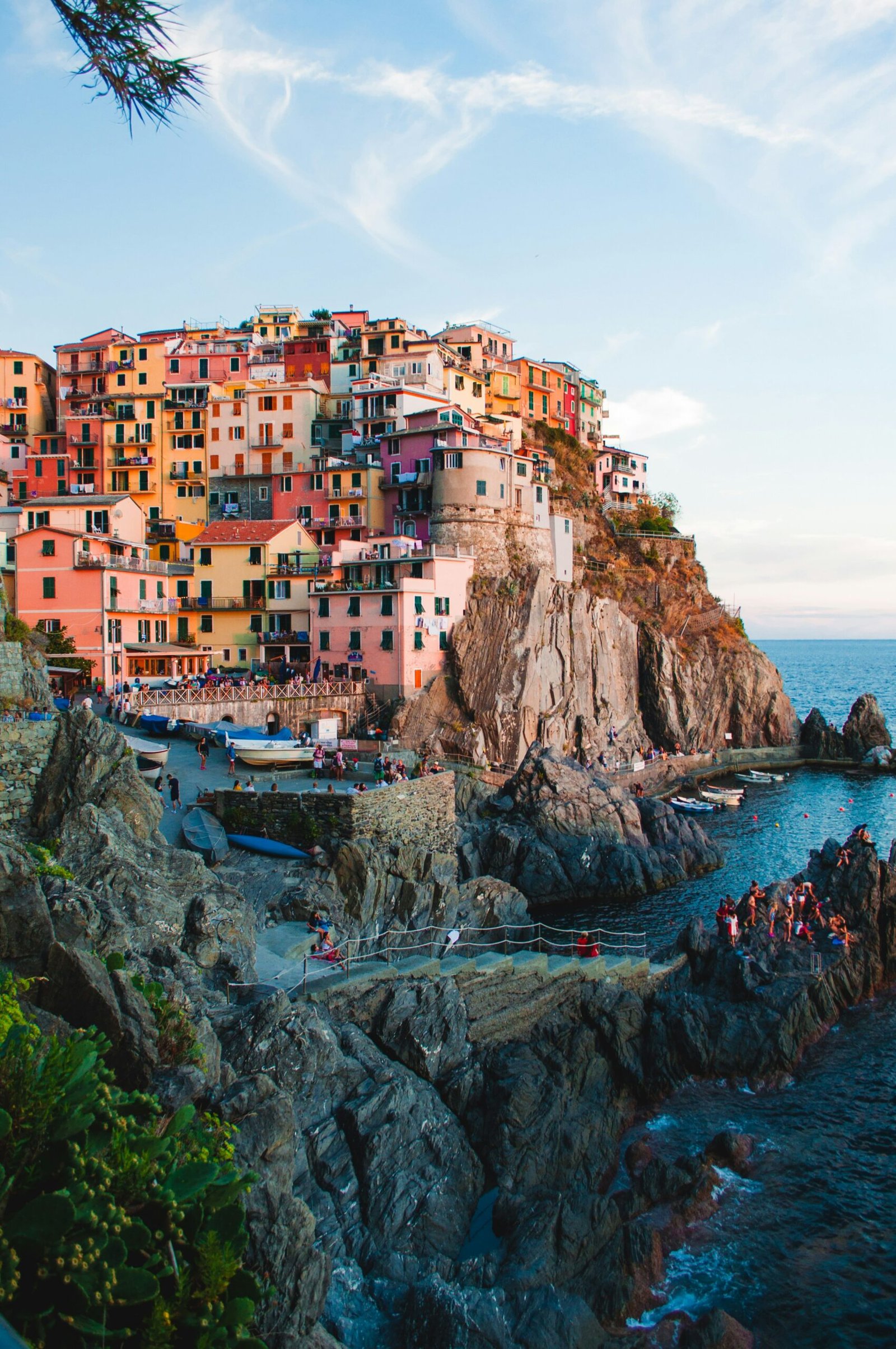
Ibiza in May is the transition month — the wellness and yoga crowd that makes the island interesting in April is still present, the first summer visitors are arriving, and the island is animated without being overwhelmed. The sea reaches 20°C in May, genuinely swimmable without a wetsuit for sustained periods. The beaches of the north and east — Cala Nova, Cala Mastella, Cala Llenya — are accessible without the August competition for a spot.
Formentera in May is one of the better arguments for visiting Spain in spring rather than summer. The small island 30 minutes by ferry from Ibiza has one of the most extraordinary beaches in the Mediterranean — Ses Illetes, a strip of white sand and turquoise water that looks Caribbean and is European — and in May it has it without the July crowds that make it difficult to appreciate. Retreat programmes that incorporate a Formentera day from an Ibiza base are making the most of the proximity.
The Basque Country in May is the region at its most attractive for retreat travel. The rain that makes January and February grey has largely stopped, the hills behind San Sebastián and Bilbao are intensely green, and the temperature of 18-22°C is ideal for the outdoor practice and coastal walking that the landscape specifically suits.
San Sebastián in May has its food culture operating without the summer distraction — the pintxos bars of the Parte Vieja at their best, the Bretxa market full of spring vegetables and Cantabrian seafood, and the La Concha beach walkable in comfort without the August density. Retreat programmes based in or near San Sebastián in May incorporate pintxos bar crawls and Bretxa market visits as programming elements, which is the right approach to a city where food is genuinely central to the culture.
The Camino del Norte — the coastal pilgrimage route along the Cantabrian coast — is at its most beautiful in May: green cliffs above grey-blue sea, the route passing through fishing villages from San Sebastián to Santiago de Compostela. Retreat programmes that incorporate day sections of the Camino del Norte combine yoga with walking meditation on a path that people have been walking for a thousand years.
For the full surf and yoga picture on the northern coast, our surf yoga retreats in Spain guide covers the Basque and Cantabrian coast in detail.
Ronda in May is the Andalusian mountain town at its most accessible. The gorge of El Tajo — 120 metres deep, splitting the town in two, with the eighteenth-century Puente Nuevo bridge crossing it — is one of the most dramatic natural features attached to any Spanish town, and in May the surrounding countryside of cork oak and wildflowers makes the walks into the Serranía de Ronda some of the best in southern Spain.
The white villages of the Sierra de Grazalema and the Sierra de las Nieves — Zahara de la Sierra, Grazalema, Setenil de las Bodegas, Olvera — are at their spring best in May. These are villages that live in the rock and around it, with houses built into cliff faces and cave dwellings still inhabited, and in May they have the wildflowers and the temperature that make them specifically enjoyable to walk through and between.
Retreat programmes in the Ronda area in May combine yoga with guided walks through the white villages and the natural parks, with the afternoon free time given to the specific pleasure of sitting in a village square in the May warmth with a glass of local wine and no particular agenda.
The Pyrenees in May are fully accessible for the first time of the year. The high passes that were snow-blocked from November through April open in May, the Ordesa National Park — one of the most spectacular mountain landscapes in Spain, a canyon of vertical limestone walls rising 1,000 metres above the Arazas river — becomes accessible, and the wildflowers on the lower slopes are at their most varied and abundant.
The combination of daily yoga practice and high-mountain hiking in the Ordesa area in May is one of the more complete physical retreat experiences available in Spain. The altitude (the Ordesa valley floor is at 1,300 metres, the surrounding peaks at 3,000+), the wildflower meadows, and the scale of the landscape produce conditions for both practice and walking that the coastal retreat scene cannot replicate.
Wild asparagus (espárragos trigueros) is the May forage ingredient across southern Spain — thin, intensely flavoured, and collected from the scrubland and olive groves of Andalusia and Extremadura from March through May. At their best simply grilled on a plancha with olive oil and sea salt, or scrambled with eggs in the traditional revuelto de espárragos trigueros. The wild version is completely different from cultivated asparagus — more bitter, more complex, and specifically of the landscape it grows in.
Strawberries from Huelva are at their peak in May. The Huelva strawberry — grown in the coastal fields between the Doñana National Park and the Atlantic — is the reference strawberry in Spain, with a sweetness and flavour that the commercial varieties grown for shelf life cannot match. They appear at markets across the country from March, but May is the peak of quality and availability. Eaten with cream, with wine, or simply out of hand, they are one of those seasonal arguments for being in Spain at a specific time of year.
The bonito del norte (Atlantic albacore tuna) migration arrives in the Bay of Biscay in May and runs through September. The first bonito of the season, caught by the small-boat fishermen of the Basque and Cantabrian coast, is a specific event in the coastal food calendar — the restaurants of San Sebastián and Santander put it on the menu the day it arrives and the quality of the first May catch is considered the best of the year. Grilled, with piperade or marmitako (the traditional Basque fisherman’s stew with potato and pepper), it is one of the most specifically seasonal dishes that northern Spain produces.
May gazpacho is the version made with tomatoes genuinely at spring ripeness rather than the greenhouse versions of March and April. The combination of mature tomatoes, cucumber, pepper, garlic, olive oil, and vinegar, properly blended cold and eaten with a drizzle of good oil on top, is the Andalusian response to the first genuinely warm days of the year.
The Jerez Horse Fair — held in May, dates vary — is the second most important feria in Andalusia after Sevilla’s April event. The horse culture of Jerez, the sherry bodegas opening their doors for the week, and the flamenco dancing in the casetas combine with the specific setting of Jerez (the sherry capital of the world) to produce an event that is less internationally known than the Sevilla Feria and more genuinely accessible because of it.
May is the beginning of the main Camino de Santiago season. The routes — Francés, del Norte, Primitivo, Inglés — see their first significant numbers of walkers in May, and the pilgrim culture that makes the Camino specifically interesting begins to be present. Retreat programmes in Galicia and the Basque Country that incorporate Camino sections in May are working with the season rather than against it.
One of Europe’s better indie music festivals, held at the Parc del Fòrum in Barcelona over three days in late May or early June. International and Spanish artists across multiple stages. For retreat guests combining a Costa Brava or Barcelona-area programme with a festival day, Primavera Sound is the May cultural event worth knowing about.
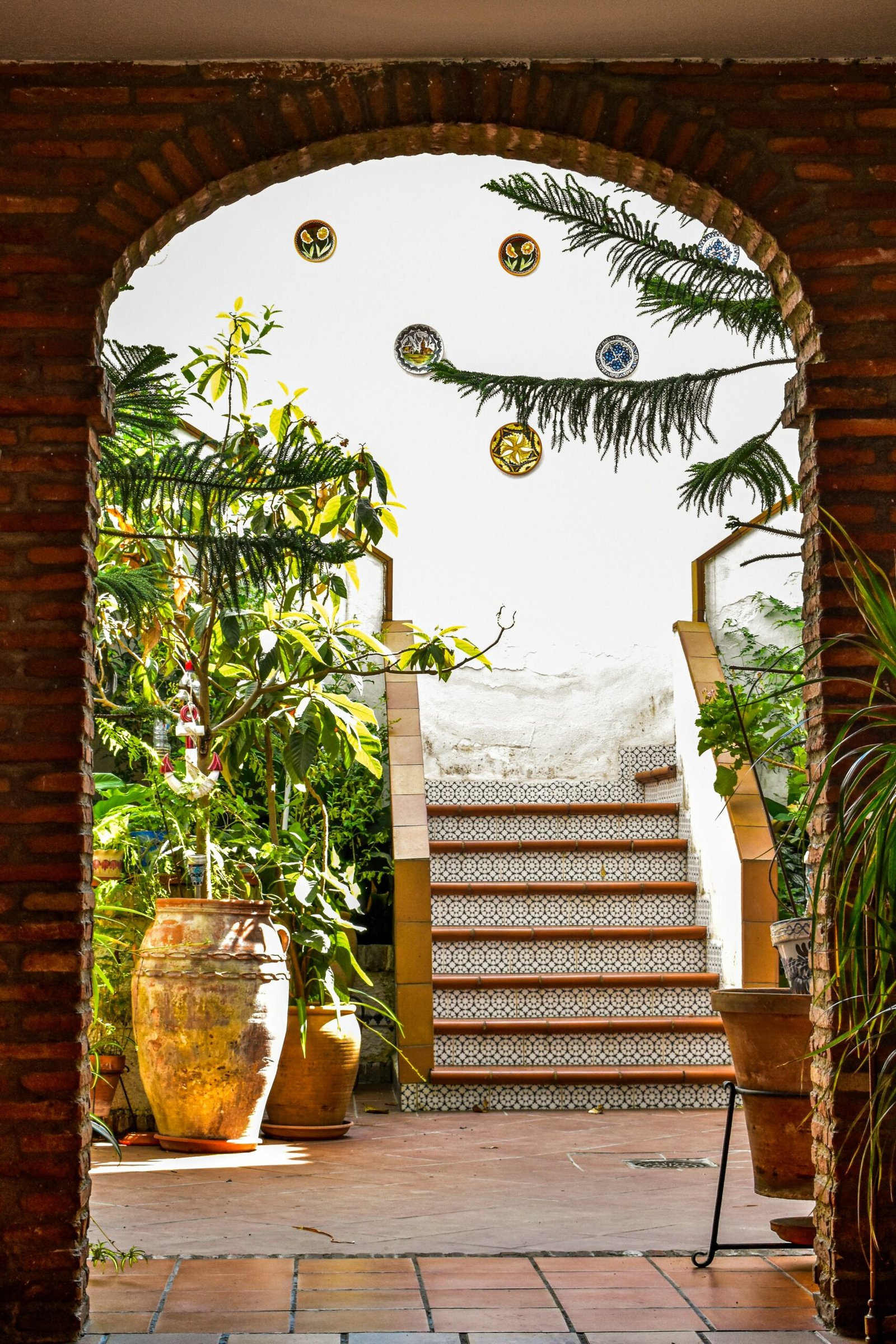

May programming is the most outdoor-oriented of the spring season. Morning practice on open terraces at 7:30am is standard everywhere from the first week of the month. The afternoon hikes and excursions that defined the spring programme are at their most ambitious in May — the Ordesa canyon walks, the white village circuits around Ronda, the Camino del Norte day sections from San Sebastián.
The food dimension of May retreat programming in the Basque Country deserves specific mention. A pintxos bar evening in San Sebastián’s Parte Vieja — moving between bars, eating one or two small pieces at each counter, drinking txakoli poured from height to aerate it — is a specifically Basque food education that no cooking class can replicate and that May makes specifically enjoyable because the temperature is right for walking between bars without overheating.
In the Pyrenees, the May programming is the most physically demanding of the year: full-day mountain walks with yoga practice at dawn and at dusk, the altitude clearing the head in ways that sea-level practice cannot achieve, and the scale of the Ordesa landscape producing a quality of physical and visual experience that participants consistently describe as the most memorable of any retreat they have done.
Is May or June better for a yoga retreat in Spain? May has better prices and the spring freshness — the wildflowers, the first bonito, the Basque hiking at its best. June is warmer, the sea is more swimmable across the north, and the festival season begins. Both are good. May is the better choice for those who prioritise value and landscape; June for those who want warmer sea and longer evenings.
Is the Basque Country worth going to in May specifically? Yes — it is the best month for the region. The rain has largely stopped, the hills are at maximum green, the bonito season is opening, and the pintxos culture is operating without the summer tourist density. A retreat in or near San Sebastián in May combines the best of the Basque food scene with the outdoor practice that the landscape specifically suits.
Is Formentera accessible in May for a retreat? Yes, and it is one of the better times to go. The ferry from Ibiza takes 30 minutes, the beaches are at their turquoise best, and the island has none of the July crowds that make it difficult to enjoy. May Formentera as a day excursion from an Ibiza retreat base is worth the logistics.
What comes next if I want to extend into June? June brings the festival season, warmer sea on the northern coast, and the last good surf conditions on the Atlantic before the summer flattens the swells. See our yoga retreats in Spain in June guide for what changes.
Your email address will not be published. Required fields are marked *