


Menorca
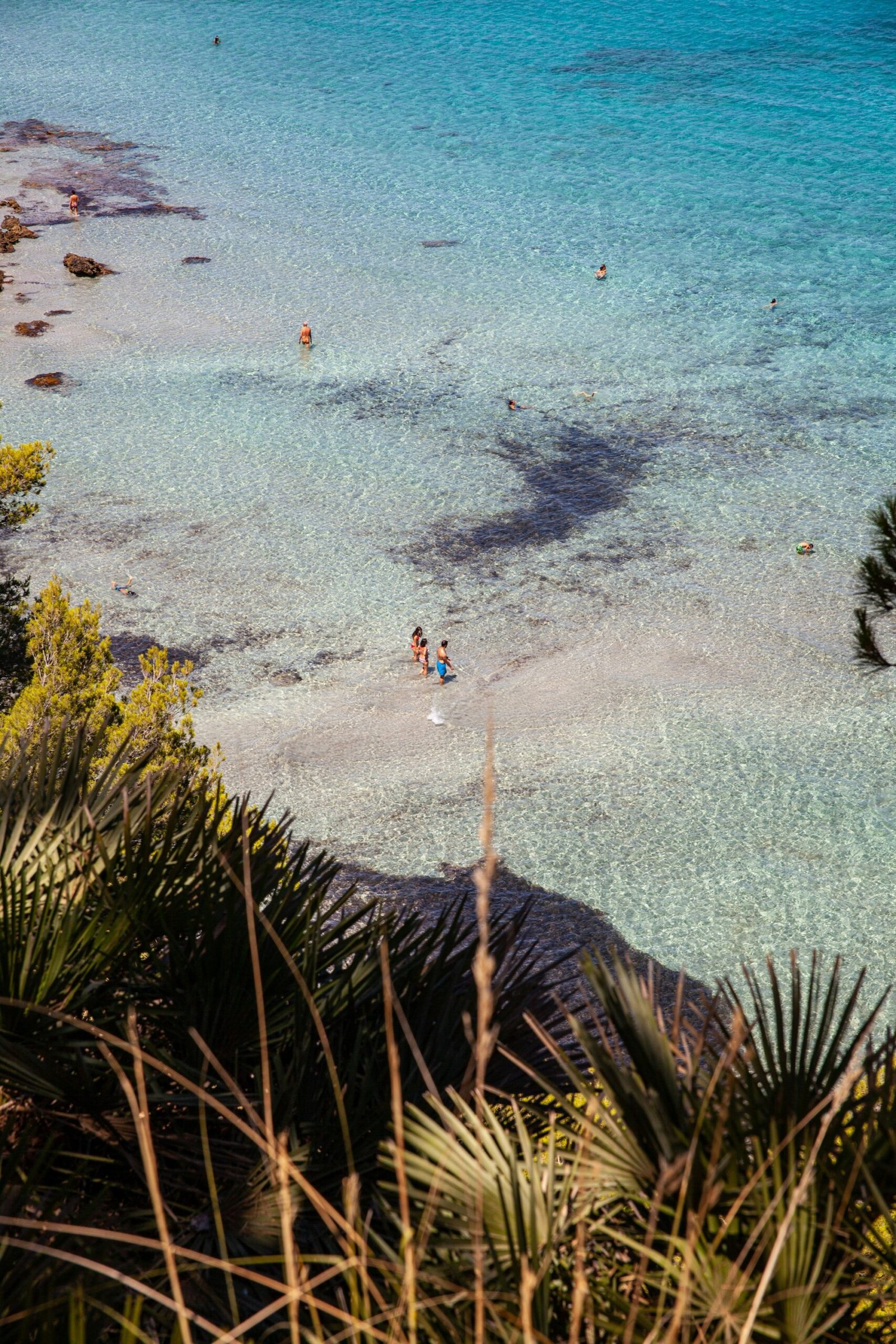
Menorca in June is the Balearics done correctly. While Ibiza’s club season is opening and Mallorca’s resorts are filling, Menorca stays at a different pace — quieter by design, protected by its UNESCO Biosphere Reserve status, and with a landscape of white sand calas (coves), prehistoric talayotic monuments, and stone-walled countryside that functions as a genuine retreat environment rather than a backdrop for parties.
The sea at Menorca in June reaches 22-23°C — warm enough for extended swimming without a wetsuit. The north coast, exposed to the Tramuntana wind, has dramatic cliffs and rougher conditions. The south coast has the calmer, clearer water of the protected calas — Cala Macarella, Cala Turqueta, Cala en Turqueta — that are accessible on foot or by kayak and are in June still manageable without the August competition for space.
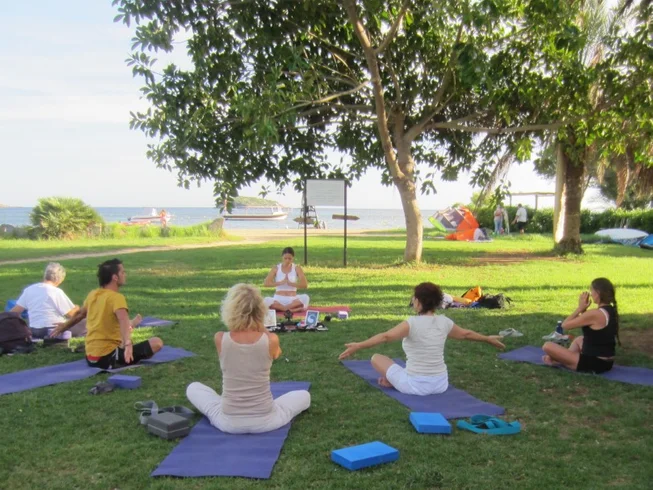
Retreat programmes in Menorca in June combine yoga with kayaking to the calas, cycling the Camí de Cavalls (the ancient coastal path that circles the entire island, 185 kilometres), and the specific pleasure of an island that the summer has animated but not overwhelmed.
Galicia: The Rías Altas
Galicia in June is the moment the northwest corner of Spain earns its reputation. The Atlantic coast north of Santiago — the Rías Altas from Ferrol to Ribadeo — is green, dramatic, and genuinely uncrowded by Spanish summer standards. The Cantabrian sea is cold (18-19°C) but swimmable on the most sheltered beaches. The coastal towns of Viveiro, Ortigueira, and Ribadeo have a specifically Galician quality — the architecture influenced by the rainy north Atlantic climate, the seafood (percebes, nécoras, zamburiñas) landed that morning, and the particular social energy of a region that knows it has been overlooked and does not mind.
The Camiño dos Faros (Lighthouse Way) — a six-day coastal walk along the most exposed section of the Galician coast between Malpica and Finisterre — is at its most beautiful in June when the clifftop wildflowers are out and the Atlantic light has its June quality. Retreat programmes that incorporate sections of this walk with daily yoga practice are offering a specifically Galician experience that the main Camino Francés cannot replicate.
The Sierra Nevada
The Sierra Nevada in June is the answer for those who want to be near Granada but above the Andalusian heat. The ski resort at Pradollano (2,100 metres) closes in April or May, and from June the mountain opens for hiking, mountain biking, and outdoor practice at altitude in conditions that are 15-20°C cooler than the Granada city below.
The combination of morning yoga at 2,000+ metres with afternoon walks to the high-altitude lakes (Laguna de las Yeguas, Laguna Larga) and evening descent to Granada for dinner in the Albaicín produces a retreat week that uses the vertical geography of the Sierra Nevada specifically. The view from the high trails — north to the Meseta, south to the Mediterranean coast and, on clear days, the Moroccan Rif mountains — is one of the more disorienting and compelling mountain panoramas in Europe.
The Costa Brava: Cap de Creus
The Cap de Creus — the rocky headland at the northeastern tip of Catalunya where the Pyrenees end in the Mediterranean — is in June at its most beautiful and most walkable. The natural park that protects the cape has trails between coves, lighthouse walks above the sea, and the village of Cadaqués (the whitewashed port where Dalí lived and where the light has a specific quality that artists have been trying to describe for a century) within reach of any retreat base in the area.
The sea at the Cap de Creus in June is 22-23°C — warm, clear, and with the limestone seabed visible at depth. The combination of morning yoga practice, afternoon sea kayaking between the coves of the cap, and a dinner of fresh fish at a Cadaqués restaurant makes a June retreat day in this area specifically complete.
For the eco retreat options in this part of Spain, our eco yoga retreats in Spain guide covers the northern coast programmes.


