
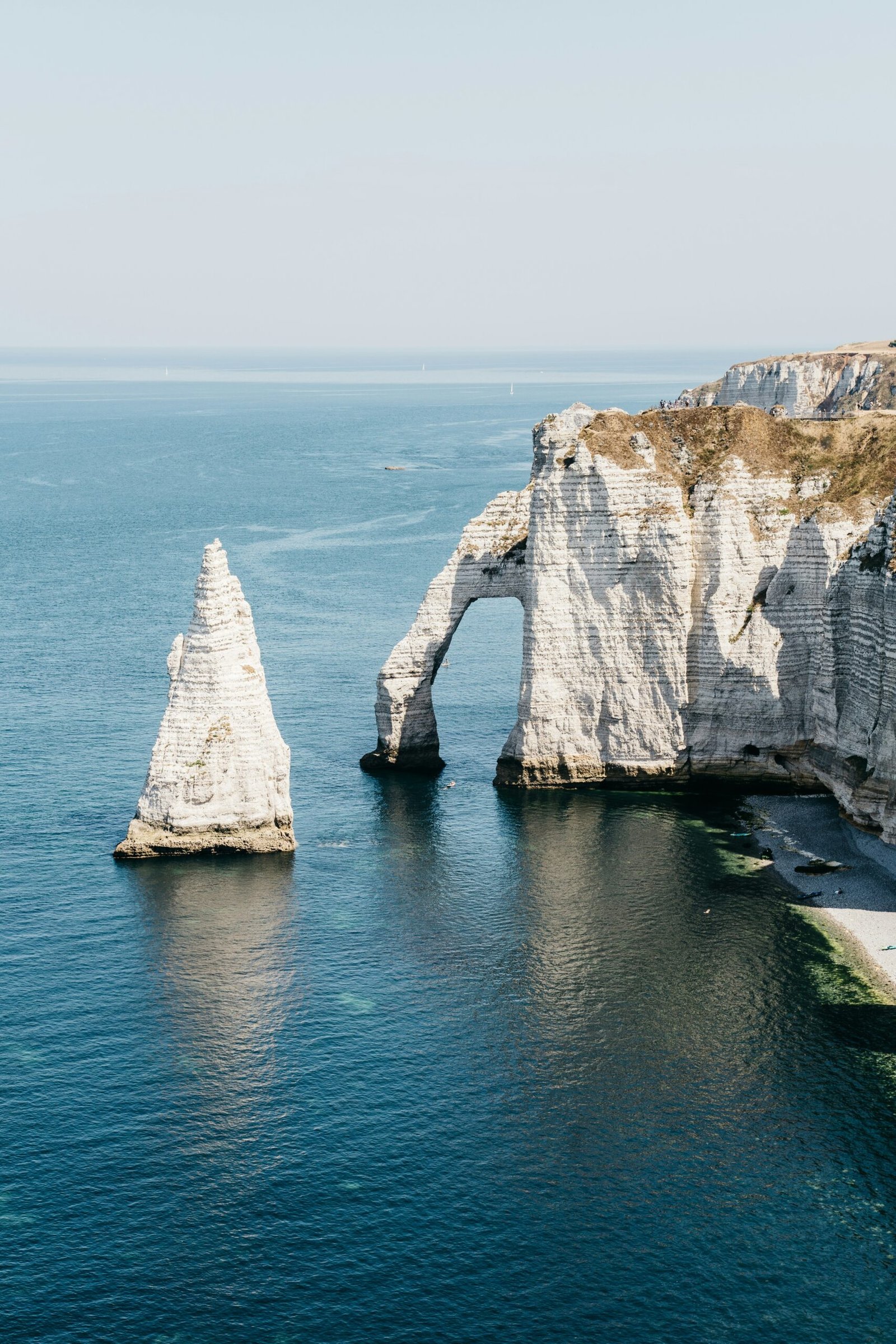
September in France is the month the country earns back its own character after the August intensity. The grande vacances ends on the first weekend of September — the motorways clearing almost overnight, the cities refilling with their inhabitants, and the retreat centres settling into their most focused programmes of the year. The vendange (the grape harvest) is beginning across all the wine regions simultaneously. The Mediterranean is at its warmest of the year.
And the September light — lower in angle than August but warmer in tone — is specifically what painters and photographers come to the south of France for. A yoga retreat in France in September is among the most rewarding retreat experiences in Europe.


September is when the French retreat calendar reaches its autumn peak. The August visitors have gone home, the schools have reopened, and the country is operating at the full adult working rhythm that produces the most specifically French atmosphere of the year — the markets for local consumption, the restaurants for the regular customers, and the landscape at the transition between summer and autumn that produces the harvest and the most dramatic colour of the French agricultural year. The Mediterranean sea retains the summer warmth through September; the wine harvest is the cultural event of the month; and the light has the specific September quality that the French impressionist tradition was built around.
Browse our full yoga retreats in France guide for the complete picture of what the country offers year-round. For the global context of September retreat travel, our yoga retreats in September guide covers every destination worth considering this month.



Burgundy in September is the vendange (grape harvest) — the most important agricultural event of the French wine calendar, when the Pinot Noir and Chardonnay grapes of the Côte d’Or are picked in the 2-3 week window that the year’s conditions determine. The harvest date varies annually from late August to mid-October depending on the vintage, but September is the most reliable window for the Côte de Nuits and Côte de Beaune appellations.
The vendange participation — working a morning or a day alongside the harvest teams in the vineyard rows of a small domaine, picking the bunches with the specific grape scissors and placing them in the harvest basket (the comportes) — is the September Burgundy retreat excursion at its most directly cultural. The small domaines of the Côte de Beaune welcome volunteers for the harvest week, and the September day in the vineyard — the early morning mist on the vines, the village church bells marking the hours, and the communal vendange lunch at the domaine — is the most specifically French of any activity available in September.
The Languedoc in September is managing the vendange (the region produces more wine than any other in France by volume) alongside the Mediterranean coast at its September warmth — the sea at 22-24°C on the Languedoc coastline, the tourist infrastructure emptied of August visitors, and the Montpellier-Marseille coastal stretch accessible without the summer density. The Étang de Thau — the coastal lagoon between Sète and Agde, where the oyster and mussel farms of the Thau basin are producing their September harvest — is in September at the specific intersection of the sea and the agricultural food culture that the retreat can use directly.
The Cathar country of the Corbières — the Cathar castle circuit through Quéribus, Peyrepertuse, Aguilar, and the hill village of Cucugnan — is in September accessible in the early morning without the summer walking traffic, the limestone ridges at their most dramatic in the September morning light.
Alsace in September is at the beginning of the vendange and the most photogenic period of the vine year — the vine foliage turning from green to gold and red, the harvest underway in the lower-altitude Riesling and Pinot Gris plots, and the village festivals (Fêtes des Vendanges) animating the wine route communities from Obernai to Eguisheim. The Colmar Fête des Vendanges in late September is the Alsace harvest festival at its most accessible and its most visually specific — the parade through the old town with the harvest decorations and the wine cooperative tastings at the village square.
The Côte Vermeille — the stretch of Catalan Mediterranean coast between Collioure and the Spanish border, where the Pyrenees descend directly into the sea and the fishing villages of Collioure, Port-Vendres, Banyuls-sur-Mer, and Cerbère produce the most dramatically sited of any French coastal landscape — is in September at its Mediterranean September warmth without the August density. The sea at 22-23°C, the Collioure harbour without the July painter-colony tourist volume, and the Banyuls wine (the fortified vin doux naturel of the Catalan tradition, produced from the terraced Grenache vines above the sea) at its September harvest make the Côte Vermeille the most undervisited of the September French Mediterranean destinations.
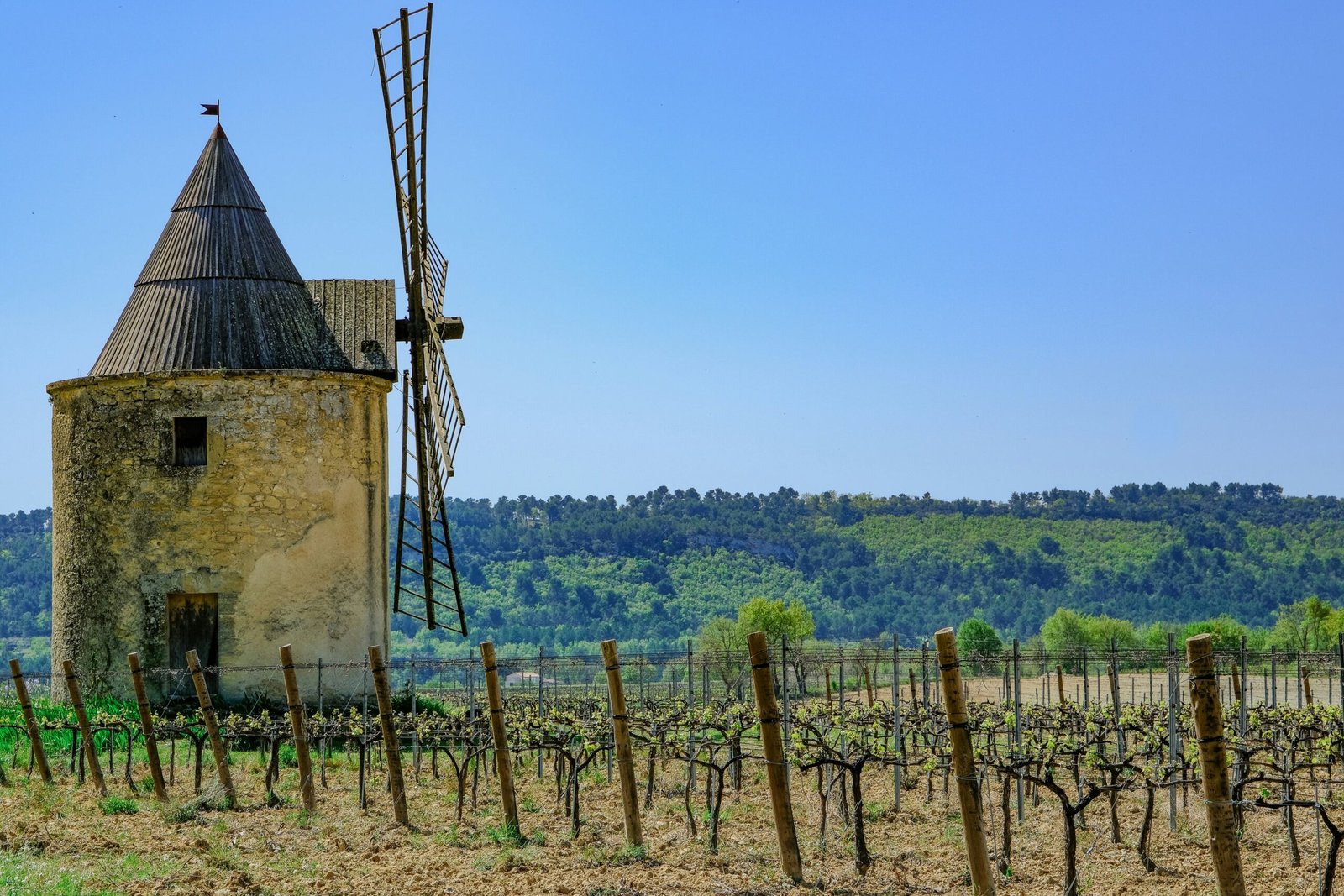
The harvest festivals across the French wine regions in September — the Dijon Fête de la Gastronomie, the Colmar Fête des Vendanges, the Pomerol and Saint-Émilion harvest festivals, and the dozens of village-level celebrations — are the September cultural events that most directly connect the retreat experience to the agricultural cycle. The village vendange fête is typically a Saturday market, a communal meal in the vineyard or the village hall, and the first tasting of the new vintage’s grape juice alongside the previous year’s finished wine.
The Journées Européennes du Patrimoine — the third weekend of September, when historic buildings, private estates, institutions, and archaeological sites that are closed to the public for the rest of the year open their doors — is the most culturally rich single weekend of the French calendar. The retreats at Versailles, the private Bordeaux châteaux, the working lighthouses of the Brittany coast, and the private hotel particuliers of the Paris Marais are all accessible on this weekend. For retreat guests anywhere in France on the third September weekend, the Journées du Patrimoine is the cultural event that requires only transport and awareness of what is available locally.
The table grapes of September — the chasselas de Moissac (the golden-green table grape from the Tarn-et-Garonne, with the AOP that makes it the most protected of the French grape varieties as a food rather than a wine ingredient), the muscat de Hambourg from the Languedoc, and the Italia from the Provence gardens — are in September at their annual peak. The September table grape at the market is specifically different from the year-round imported version: the chasselas in particular is so fragile that it cannot be transported without damage, and the market purchase is the only way to access it.
The cèpe de Bordeaux (Boletus edulis — the porcini mushroom) begins its autumn season in the Périgord forests, the Landes pine forests, and the Alsatian and Vosges oak woodlands from late September. The September cèpe is the first of the season — the initial flush after the first autumn rains, the most aromatic and the most prized of the year. The cèpes à la bordelaise (sautéed with garlic, parsley, and the duck fat that the Périgord kitchen uses for everything) is the September French mushroom dish at its most regional.
The September fig — the second crop of the year (the figues d’automne, larger and sweeter than the August first crop) appearing at the Provençal and Languedoc markets from mid-September — is the most specifically September of the French fruit calendar. The tarte aux figues with the frangipane base and the Provence honey from the garrigue bees is the September Provençal pastry that the summer restaurants begin serving from mid-September in the areas where the fig orchards are present.
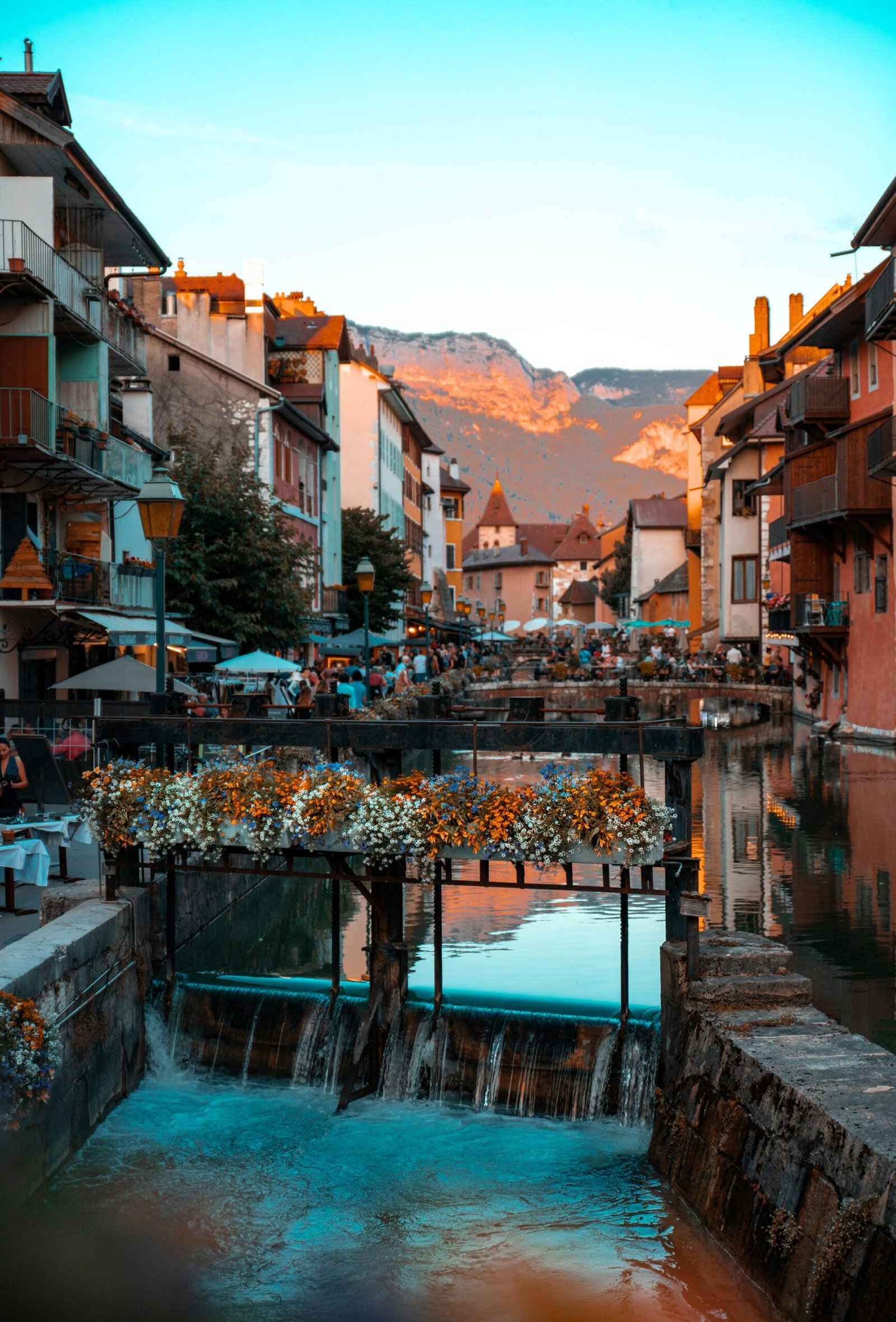
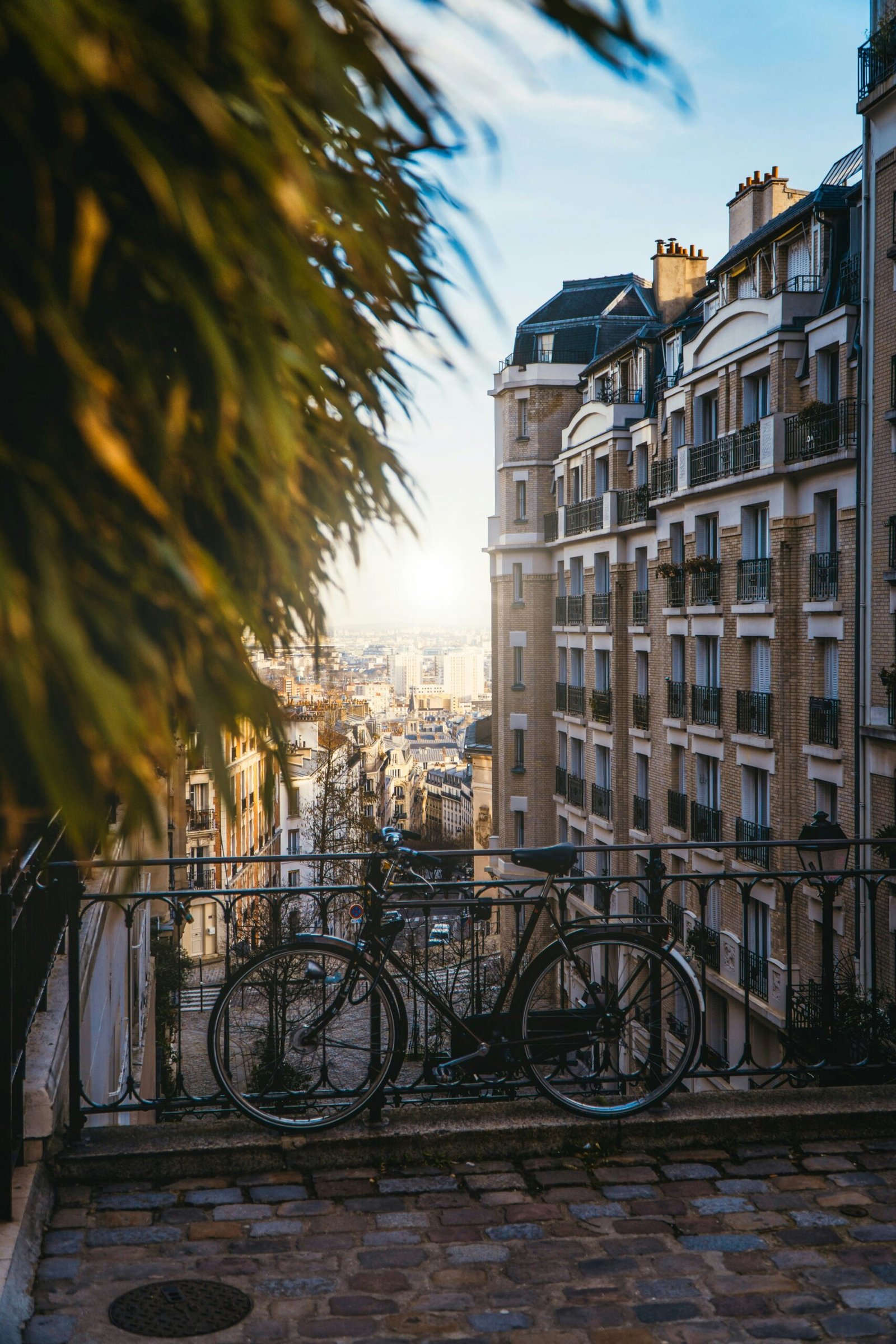
The harvest participation at a small Burgundy, Alsace, or Languedoc domaine — see the respective sections above — is the September France retreat activity that most directly connects the practice week to the agricultural tradition of the country. The morning in the vineyard, the communal harvest lunch, and the return to the retreat centre for the evening practice produces the most specifically French of any single retreat day activity available in September.
The Journées du Patrimoine on the third September weekend — visiting the private château, the working lighthouse, or the institution that opens its doors for this weekend only — is the September cultural activity requiring advance research (the open sites are published by the French Ministry of Culture in late August) and immediate booking (the most sought-after sites fill their entrance slots within hours of the publication).
The Collioure harbour at dawn in September — arriving before 7am to the quai below the Château Royal, the September Mediterranean light on the Catalan fishing boats and the Fauve-period buildings that Matisse and Derain painted from this exact position in 1905 — is the September Côte Vermeille retreat morning at its most specifically art historical. The afternoon in September Collioure, with the sea at 22°C and the old town at the post-summer quiet, provides the context that the Fauvism origins here specifically require.
Your email address will not be published. Required fields are marked *