
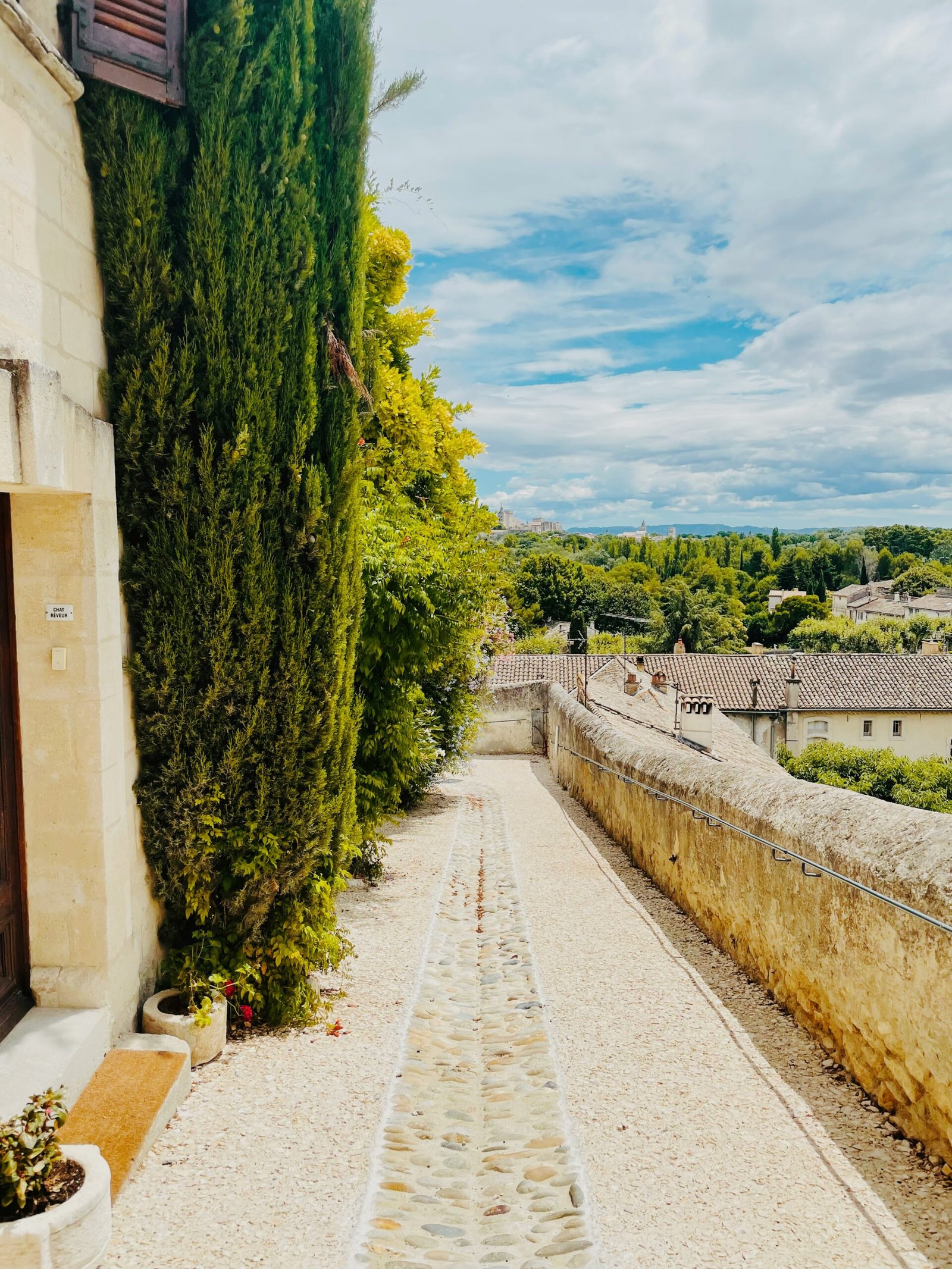
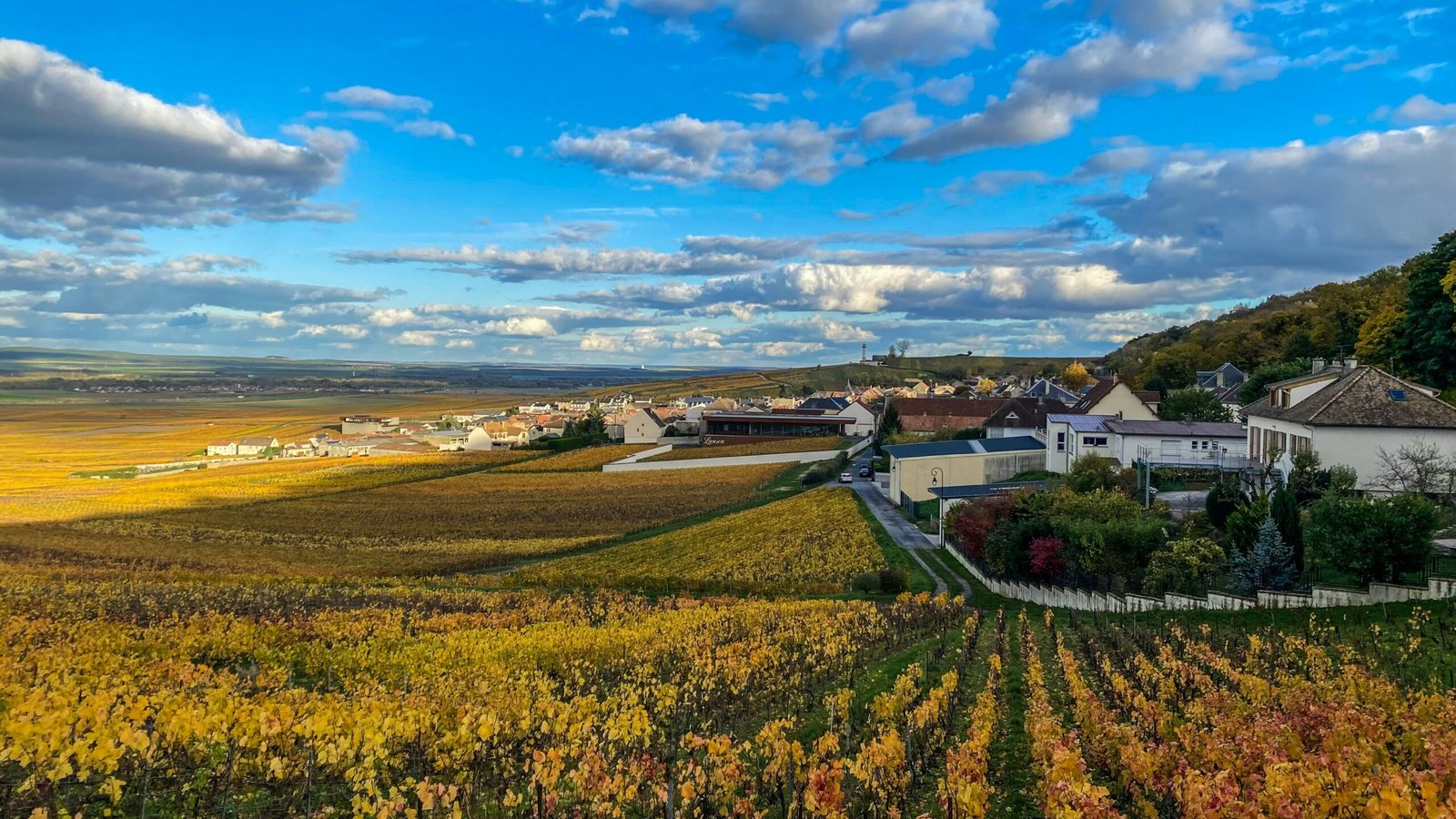
October in France is the month the landscape is most dramatic. The forests of the Alsace Vosges, the Ardèche, and the Dordogne are in full autumn colour. The truffle season opens in the Périgord with the first white and black specimens appearing at the October markets. The wine harvest is finishing or finished across the wine regions.
And the retreat infrastructure is at its autumn quiet — the summer visitors gone and the Christmas visitors not yet arrived. A yoga retreat in France in October is for those who specifically want the country in its most dramatic seasonal form.


October is the most dramatic month of the French landscape year — the combination of the vine colour in the wine regions, the chestnut and oak forests in the plateau landscapes, and the October light on the limestone rock of the Provençal and Dordogne countryside produces the most varied and most intensely coloured landscape available in western Europe. The cultural calendar has the Festival International Cervantino in October — no, wrong country. In France, October has the Nuit Blanche in Paris, the October literary season (the rentrée littéraire, when the French publishing industry releases the year’s most important books simultaneously), and the approach of the Beaujolais Nouveau season.
Browse our full yoga retreats in France guide for the complete picture of what the country offers year-round. For the global context of October retreat travel, our yoga retreats in October guide covers every destination worth considering this month.



The Dordogne in October is at the beginning of the black truffle season — the first Tuber melanosporum specimens appearing at the Sarlat and Périgueux markets from late October, the truffle hunters beginning their morning circuits with the trained dogs through the oak forests. The October truffle is the opening of the season (January is the peak), but the first specimens of the year have the specific aromatic intensity of the truffle at its freshest — before the season’s production reaches the market volume that January provides.
The Dordogne valley in October has the autumn colour of the mixed forest above the limestone cliffs — the oak, the chestnut, and the walnut at their October gold above the medieval castles and the river below. The walnut harvest of the Périgord — the most important walnut-producing region in France, with the Noix du Périgord AOP — is in October at its collection peak: the fallen walnuts gathered from the orchard floor in the October morning, the October walnut oil pressed at the moulin (the walnut oil mill) and available in its fresh form at the October markets.
Alsace in October is the vine at its autumn colour — the Riesling, Pinot Gris, and Gewürztraminer leaves in their gold and red above the half-timbered villages of the Route des Vins. The vendanges tardives (the late harvest) — the overripe Riesling and Gewürztraminer grapes left on the vine past the normal harvest date to develop the noble rot (Botrytis cinerea) that concentrates the sugars — are in October being monitored and harvested at the domaines that produce the most specifically Alsatian of the late-harvest wines. The October cave visits at the Riquewihr and Ribeauvillé domaines produce the most specifically wine-educational conversations of the year: the winemaker choosing between harvesting and waiting, the noble rot balance between concentration and too much fungal character, and the specific risk of the October weather that the late-harvest gamble requires.
The Obernai village festival (Fête du Vin or Fête des Vendanges) in October — the most accessible of the Alsatian vendange festivals, 30 minutes south of Strasbourg — produces the most specifically Alsatian of the autumn wine-culture events: the parade through the medieval town, the cooperatives’ open cave tastings, and the traditional Alsatian foods (the choucroute, the baeckeoffe, the munster cheese) at the village market stalls.
The Auvergne in October is at its most dramatic — the Puy de Sancy and the surrounding Massif du Sancy volcanic highlands in full autumn colour, the Lac Pavin (the crater lake in the Monts Dore, the most recently formed lake in France) surrounded by the beech forest at its October gold, and the thermal spa town of La Bourboule at the end of its thermal season running its October programmes for the last guests before the winter closure of some facilities.
The Cantal mountains to the south — the largest ancient volcano in Europe, with the Plomb du Cantal at 1,855 metres and the Puy Mary accessible by the summer road that closes in November — are in October at the last accessible window of the year for the summit walks and the high pastoral landscape. The October transhumance in reverse — the Salers cattle descending from the high-altitude summer pastures to the valley farms before the winter snow closes the routes — is the October Auvergne agricultural event at its most specifically visible.
The Loire Valley in October is at the transition between the summer château circuit and the quiet autumn that November produces. The vendanges of the Loire appellations — the Muscadet, Vouvray, Sancerre, and Pouilly-Fumé harvests — are in October typically finishing, and the October visit to the Loire wine estates catches the post-harvest cave in the most communicative moment of the year: the fermentation underway, the winemaker available, and the new vintage in its earliest form accessible for tasting.
The Loire châteaux in October are accessible without the summer school groups — the Chambord in October morning mist, the Chenonceau reflected in the autumn Cher, and the Villandry vegetable and ornamental gardens in their October seasonal planting (the most specifically October of the Loire gardens, with the autumn cabbages and kale replacing the summer flowers in the formal beds) are all specifically accessible in October.
The Nuit Blanche — the Paris all-night cultural event on the first Saturday of October, when the city’s museums, galleries, and public spaces open for free contemporary art installations from 7pm through 7am — is the most specifically contemporary of the French October cultural events. For retreat guests based in Paris, the Nuit Blanche produces the most unusual and most specifically Parisian of the annual evenings — the city navigated by bicycle or on foot through the night, the installations in the Seine riverside, the Marais courtyards, and the Belleville neighbourhood accessible without the gallery-opening formality.
The Beaujolais Nouveau — the November third Thursday tradition of releasing the new Beaujolais harvest wine — is in October in its preparation: the Gamay grapes harvested in September-October, the carbonic maceration producing the fruity, bright wine in the six weeks before the November release. The October visit to the Beaujolais wine region — the hills north of Lyon, with the granite-soils crus of Moulin-à-Vent, Fleurie, and Morgon that produce the serious Beaujolais distinct from the Nouveau — is the most educational period of the Beaujolais year.
The Toussaint school holidays (All Saints’ holiday, around November 1st) begin in late October and run for two weeks — the second major school holiday period of the year producing the same domestic tourism pressure on the mountain and coastal resort destinations that the Easter holidays produce in spring. The retreat guest booking late October in the most popular destinations should account for the Toussaint family tourism; the cultural and wine region destinations are less affected.
The cèpe season that began tentatively in September is in October at its full production — the cèpes de Bordeaux from the Landes pine forests and the Périgord oak woods appearing at the markets in their full October abundance. The cèpe omelette (the eggs folded around the sautéed cèpe slices with garlic and parsley) and the cèpes à la bordelaise with the duck fat are the October retreat kitchen dishes at their most seasonally specific.
The fresh walnut of the Périgord — harvested from the orchard floors of the Dordogne in October and available at the October markets in the wet, uncured form that the dried commercial walnut entirely differs from — is the October Dordogne food experience most worth seeking. The fresh walnut has a clean, slightly milky flavour that the drying process replaces with the familiar woody note; the noix fraîches eaten from the shell in the October market are a specifically seasonal product that no commercial channel makes available.
The autumn goat’s cheese of the Loire Valley and the Poitou-Charentes — the Sainte-Maure de Touraine, Selles-sur-Cher, and Crottin de Chavignol at their October affinage stage, the summer’s production having aged into the firmer, more intensely flavoured autumn form — are in October at the most complex stage of their development. The October Loire Valley market has the goat’s cheese at the specific point in its ageing where the fresh spring character has developed into the autumn depth without yet reaching the winter’s full hardness.
The October truffle hunt in the Périgord — the first specimens of the new season appearing in the oak forests, the hunter’s dog following the first October scent to the shallow soil hiding the tuber — is the October Dordogne excursion at its most specifically French agricultural. The October truffle is the opening of the season rather than the January peak, but the first encounter of the season — the dog’s nose to the soil, the careful excavation, and the first October specimen in the hand — is worth experiencing specifically for the season’s beginning.
The Puy Mary — the summit of the Cantal ancient volcano at 1,787 metres, accessible by the summer road that closes in November — is in October at the last accessible window of the year. The walk from the Col de Pas de Peyrol (the highest road pass in the Massif Central, at 1,589 metres) to the Puy Mary summit is a 30-minute ascent with the autumn Cantal landscape in every direction: the beech forests below in gold and red, the high pastoral plateau visible to the south, and the Plomb du Cantal visible to the north.
The post-vendange cave visit at a Loire wine domaine in October — arriving in the week after the harvest when the fermentation is underway, tasting the new juice alongside the previous year’s finished wine, and understanding from the winemaker what the October 2025 vintage may become — is the October Loire cultural activity most directly engaged with the wine cycle that the Loire Valley’s landscape is built around.
Your email address will not be published. Required fields are marked *