
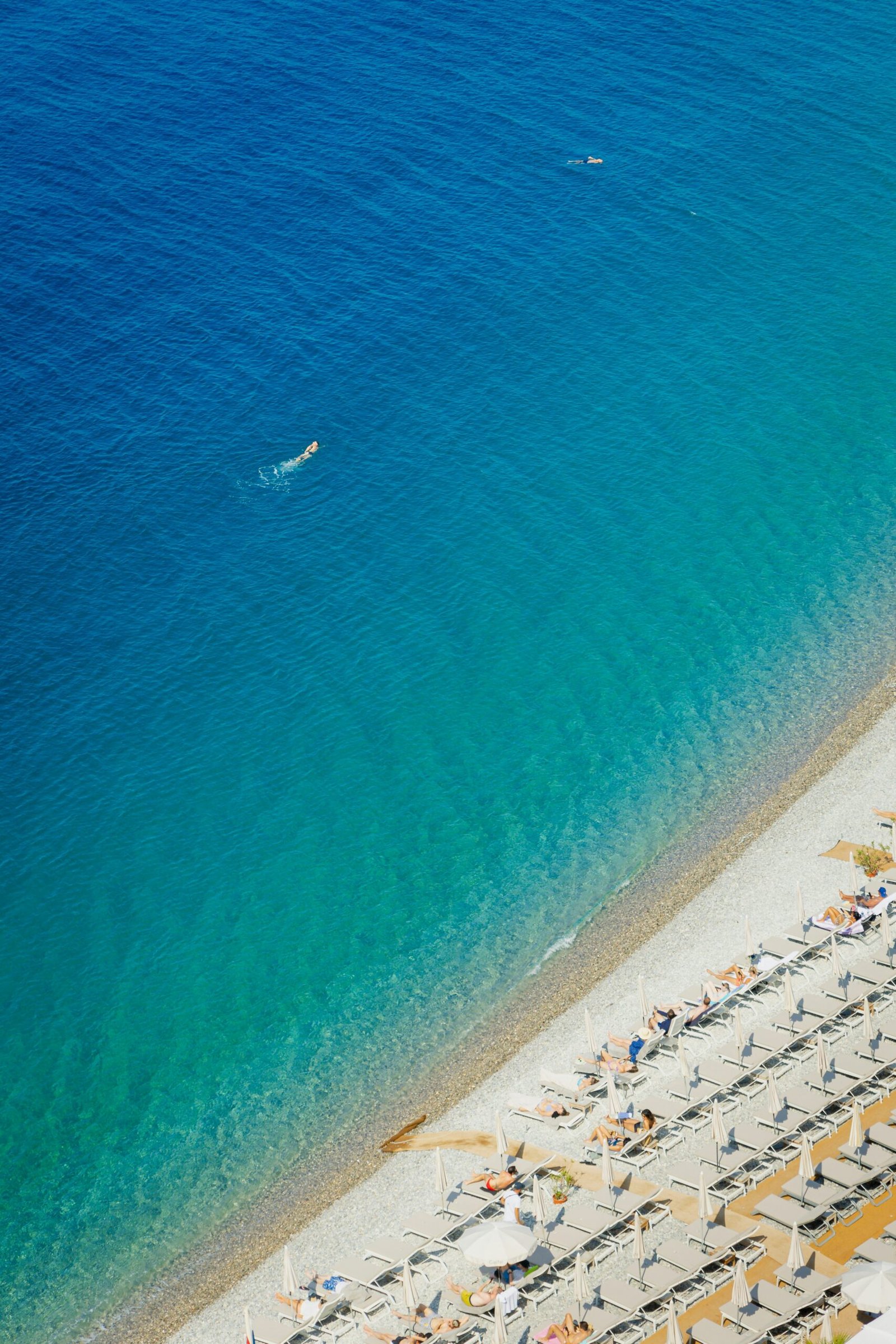
May in France is the month of public holidays and spring at its most abundant. The country has four national holidays compressed into four weeks — the most holiday-dense month of the French calendar — producing the ponts (the long weekends that the French tradition of bridging a Tuesday or Thursday holiday to the weekend creates) that animate the countryside and the cultural sites with a specific festive energy.
The lavender fields of Provence are in their pre-bloom preparation. The Atlantic coast is at its spring best. A yoga retreat in France in May requires navigating the holiday calendar but rewards those who do.


May is the most public-holiday-compressed month in the French calendar — May 1st (Fête du Travail), May 8th (Victory in Europe Day), Ascension (40 days after Easter, typically in May), and Pentecost (50 days after Easter, sometimes in May, sometimes in June) produce the four-holiday month that French workers celebrate with the bridges that turn each Thursday or Tuesday holiday into a four-day weekend. For retreat planning, this means that the best retreat centres fill quickly for the long weekends but are available at normal capacity between them.
Browse our full yoga retreats in France guide for the complete picture of what the country offers year-round. For the global context of May retreat travel, our yoga retreats in May guide covers every destination worth considering this month.



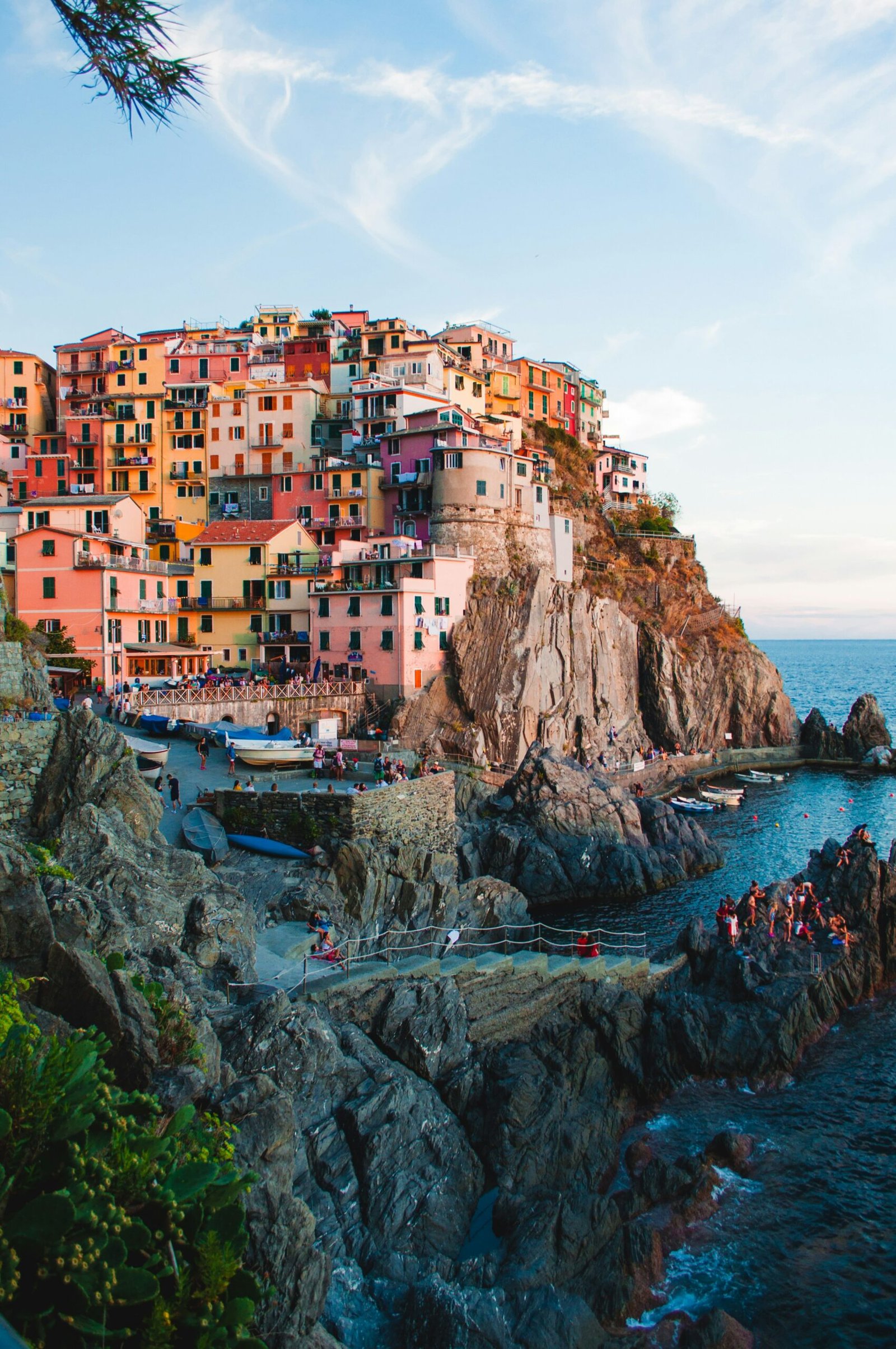
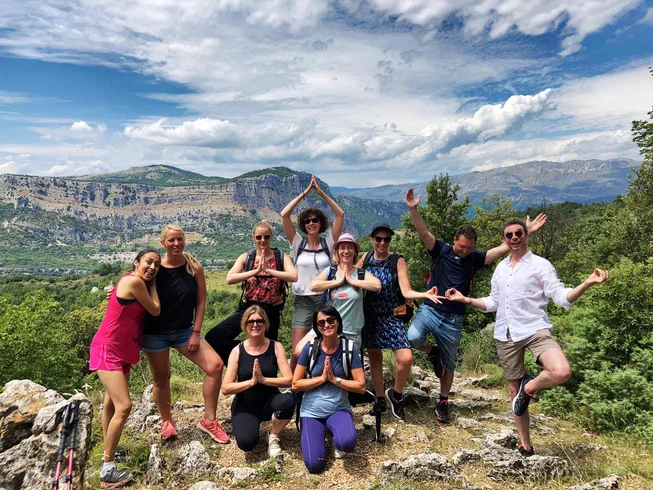

The Camargue — the wild delta of the Rhône in the Bouches-du-Rhône department, the largest river delta in western Europe — is in May at its spring best. The greater flamingo colonies at the Étang de Vaccarès and the surrounding étangs are in May at their nesting activity — the pink flocks visible from the observation platforms of the Pont de Gau bird sanctuary, the adults and juveniles at the most concentrated of the year before the summer dispersal. The white Camargue horses (the ancient semi-wild breed indigenous to the delta) are in May moving through the reed beds and the sansouïre (the salt-tolerant coastal grassland) with the spring foal population, and the black bulls of the Camargue gardian culture are at the spring transhumance.
The Saintes-Maries-de-la-Mer — the Camargue pilgrimage town with the gypsy pilgrimage of Les Saintes on May 24-25th — is in May at its most culturally concentrated: the Roma pilgrimage from across Europe to the shrine of Black Sara (the patron saint of the Roma people, whose statue is carried into the sea in the traditional May ceremony) producing one of the most specifically Mediterranean of all European cultural events.
Alsace in May is the wine region at its spring flowering — the Route des Vins through the villages of Riquewihr, Colmar, and Kaysersberg surrounded by the vine in its spring growth, the village squares with the geranium window boxes that the Alsatian householders maintain from May through October, and the vin de mai (the May wine) appearing at the cave cooperatives as the first of the new season’s early tastings. The Colmar city with its Petite Venise quarter (the canal district of the old town where the merchants loaded their barges for the Rhine) is in May accessible without the December Christmas market crowd that fills it to its winter maximum.
The Vosges mountains above the Alsatian plain are in May at their spring walking best — the ski season in the lower Vosges resorts now finished, the hiking trails accessible from the Col de la Schlucht and the Grand Ballon (the highest point of the Vosges at 1,424 metres) providing the altitude practice at the most comfortable temperature of the year.
The Pays de la Loire — the western Loire department, where the river meets the Atlantic influence and the Muscadet wine appellation produces the most specifically Atlantic of the French white wines — is in May at the spring agricultural production at its fullest. The Muscadet sur lie wines (the Muscadet aged on its lees in the underground cave until the May or June bottling) are in May at the final weeks of their élevage — the winemakers beginning the tastings that will determine the bottling date, and the cave visits most productive for the participant who wants to understand the specific fermentation technique that the Muscadet tradition has developed.
The Pays de Retz south of the Loire estuary — the marshland and bocage region between the Loire and the Vendée — is in May at its most accessible for the walking and cycling routes through the bocage hedgerow landscape that the 19th-century land consolidation systematically destroyed in most of France but that the Pays de Retz partially preserves.
Normandie in May is in the weeks before the June 6th D-Day anniversary — the most important commemorative event in the French calendar for international visitors — and the accessibility of the D-Day sites and the American Cemetery above Omaha Beach is at its May best before the anniversary crowds arrive. The Pointe du Hoc cliff assault position, the Utah Beach Museum, and the Mémorial de Caen are all in May accessible with the advance booking that the June anniversary week requires from the following month.
The Normandie countryside in May — the bocage landscape of the Calvados interior, the calvados distillery visits at the Pays d’Auge farms, and the camembert cheese production at the Vimoutiers and Livarot artisan producers — is in May at its spring production and its most accessible for the retreat guest who wants the agricultural and food culture alongside the D-Day heritage.
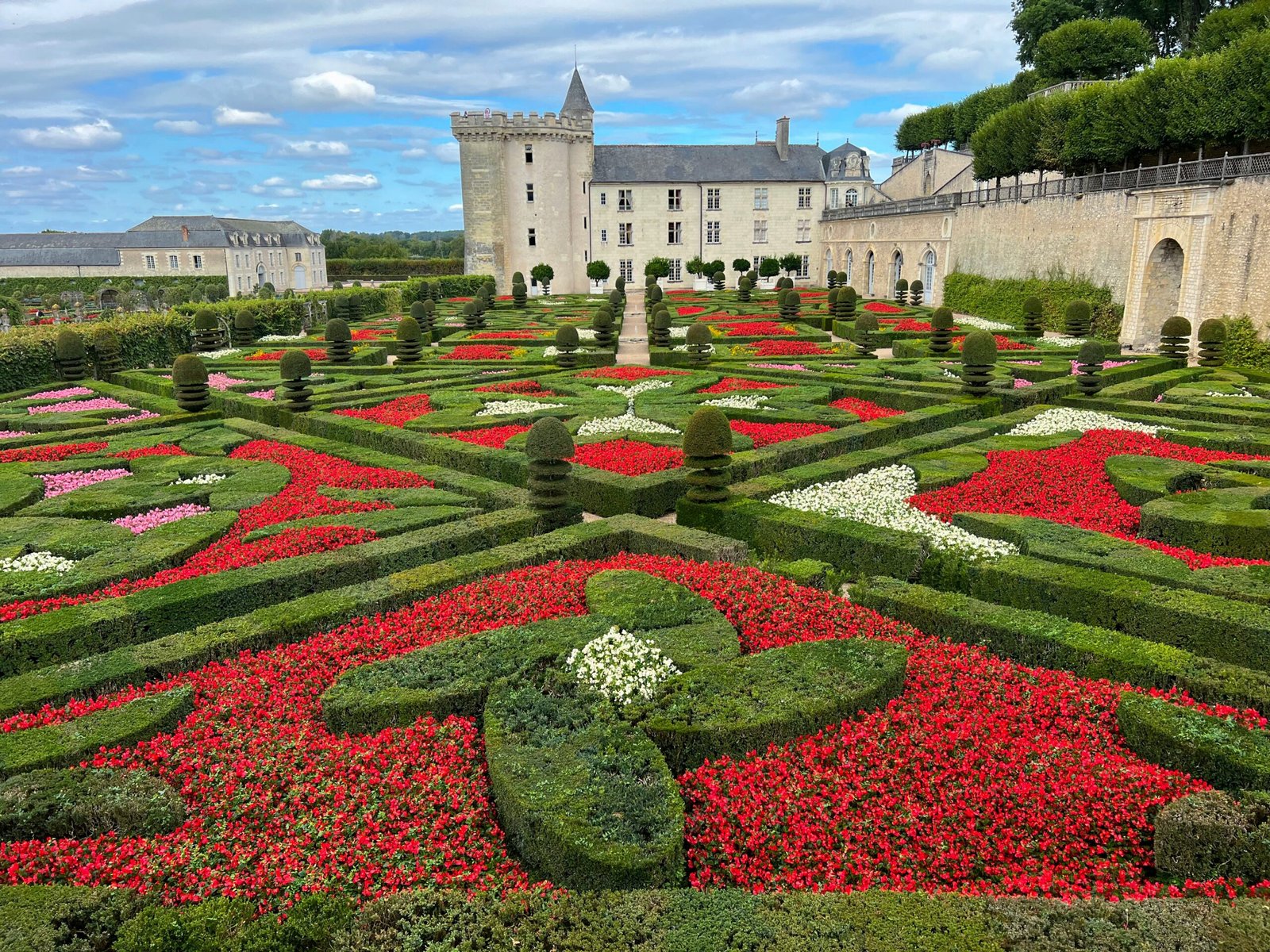
Regional Climate Advantages
– Southern Ideal Conditions – Mediterranean regions offering perfect warmth without summer intensity
– Alpine Spring Excellence – Mountain locations providing crisp air and beautiful landscapes
– Countryside Peaceful Beauty – Rural areas ensuring tranquil practice amidst nature’s peak
– Coastal Balanced Energy – Shorelines combining ocean vitality with comfortable temperatures
Comprehensive Practice Development
– Holistic Sequence Integration – Balancing strength, flexibility, and meditation elements
– Energy Sustainability Building – Developing practice endurance without depletion
– Outdoor Practice Mastery – Advanced skills for natural environment practice
– Personal Style Exploration – Finding authentic expression within traditional forms
May 1st — Labour Day — is the one French public holiday on which the sale of muguet (lily of the valley) is permitted by anyone without a florist’s licence, the tradition producing the street flower sellers on every Parisian corner and the lily of the valley at every French table on May 1st. The muguet is the most specifically French seasonal flower — available for one day a year as a street purchase, and the May 1st muguet is the most direct engagement with the French spring flower culture available.
The European Night of Museums — the one Saturday in May when museums across Europe open their doors for free from 7pm until midnight — is the most specifically cultural May event in France. The French participation includes the Louvre, Musée d’Orsay, Centre Pompidou, and hundreds of regional museums simultaneously. For retreat guests based in Paris or any major French city, the Night of Museums is the cultural evening that requires no advance planning beyond knowing the date.
The Roma pilgrimage to Saintes-Maries-de-la-Mer — described above in the Camargue section — is on May 24-25th, the feast day of Saints Sarah, Marie Jacobé, and Marie Salomé. The procession carrying the statue of Black Sara to the sea is the most specifically Mediterranean and most specifically Roma of any European cultural event.
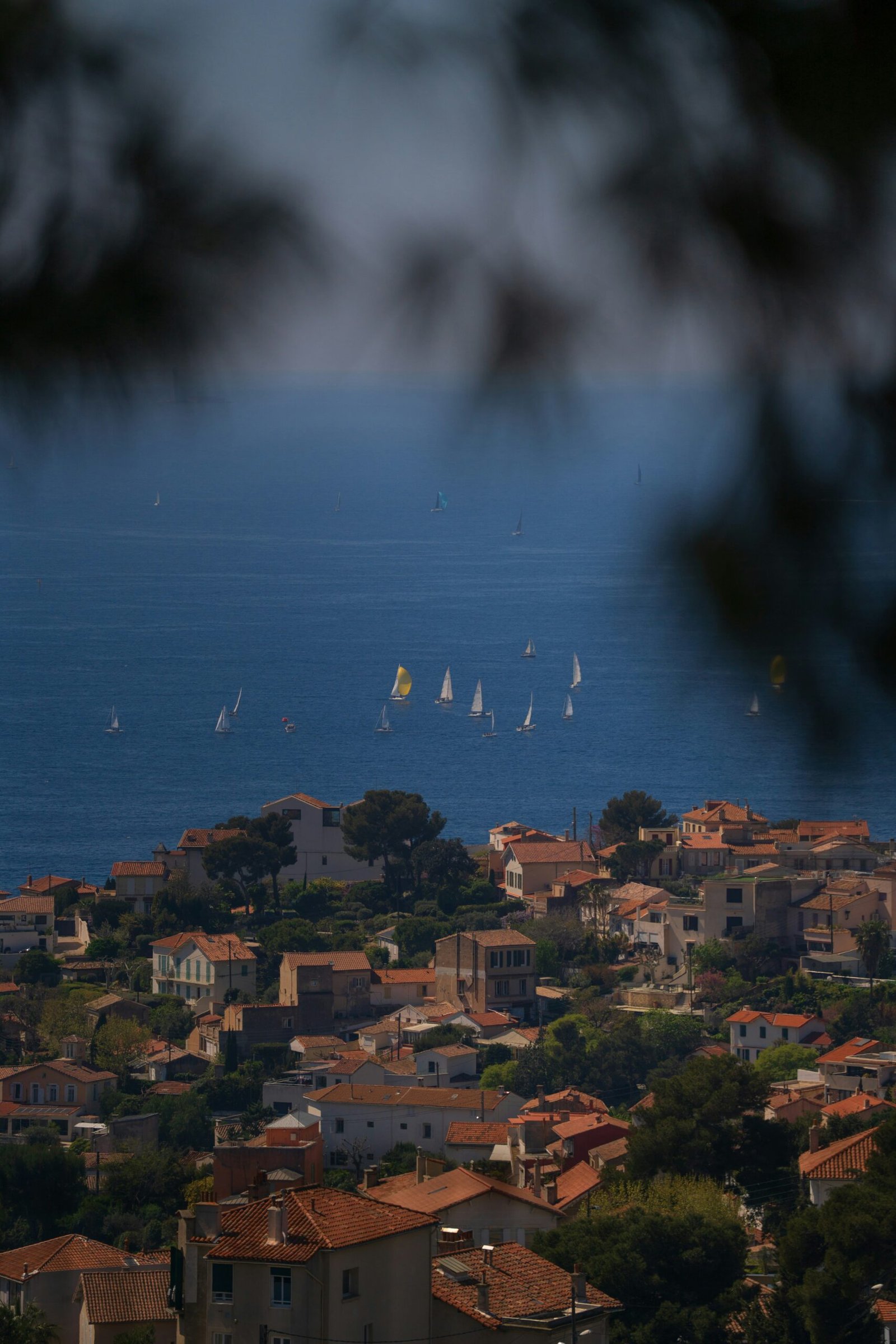
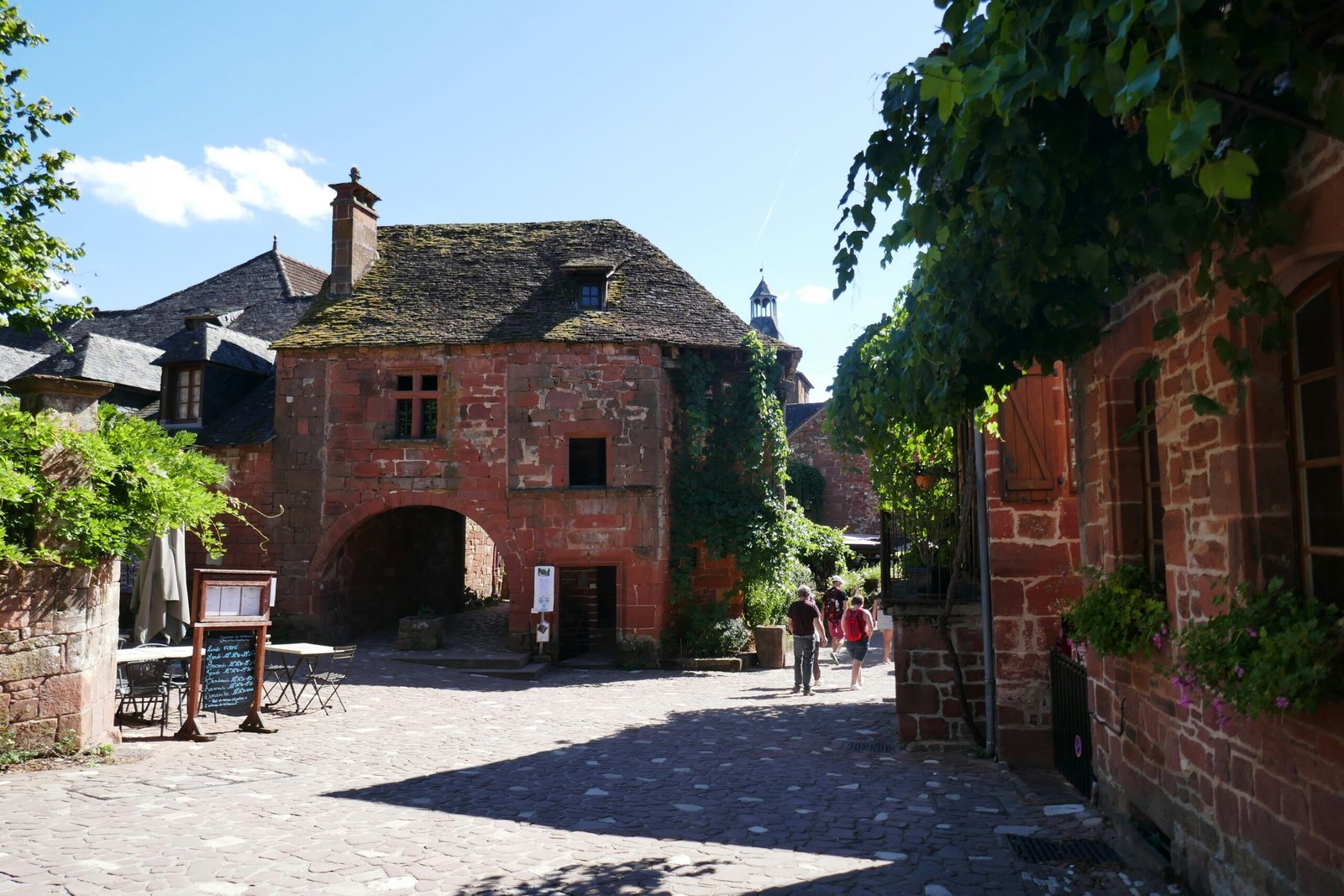
The lily of the valley as a table decoration and the May 1st muguet as a cultural moment are the most specifically French of the May seasonal customs — the flower purchased from the street sellers on the morning of May 1st and placed on the table of the retreat lunch.
The asparagus season in France peaks in May — the white asparagus of the Alsace and the Landes regions, the green asparagus of the Loire and the Provence, and the wild asparagus of the southern garrigue all simultaneously available at the May markets. The asperges blanches d’Alsace — the thick, ivory-white variety grown under the mounded earth that keeps the spear from developing chlorophyll — are in May at their season peak, served in the traditional Alsatian preparation with the sauce mousseline (the hollandaise with whipped cream folded in) or simply with the melted butter and fleur de sel.
The French strawberries — the gariguette (the elongated, intensely fragrant variety from the Lot-et-Garonne), the Mara des Bois (the wild strawberry hybrid with the most complex flavour), and the Charlotte (the compact, consistent variety from the Loire Valley) — are in May at their French season peak. The May strawberry from the French artisan grower is one of those ingredients that the international supermarket has so thoroughly replaced with a shelf-stable substitute that the encounter with the genuine article requires a specific seasonal trip to encounter it.
The dawn horseback ride through the Camargue — departing the gardian (Camargue cowboy) ranch before 6am, riding through the sansouïre as the sun rises over the étangs, and encountering the white horses, the flamingo flocks, and the black bulls in the morning light — is the May Camargue retreat activity at its most complete. The Camargue horse is ridden without stirrups in the traditional gardian style, and the dawn ride with the flamingos visible at the étang edge is specifically May in the Camargue.
The Route des Vins d’Alsace by bicycle — the 170-kilometre cycle path through the vine villages from Marlenheim in the north to Thann in the south — is in May at its spring cycling best: the vine in growth, the village squares with the May window boxes, and the cave cooperative visits producing the most interactive wine culture excursion available in France. The Alsace vine route by bicycle in May is the most specifically Alsatian retreat activity of the year.
The D-Day sites in late May — the American Cemetery above Omaha Beach, the Pointe du Hoc, and the Utah Beach landing area — are in May at their most contemplative accessibility before the June 6th anniversary week brings the commemorative crowds. The American Cemetery in May, with its 9,387 white marble crosses on the clifftop above the Atlantic, is visited without the ceremony management of June and is most specifically available for the extended individual engagement that the retreat context enables.
Your email address will not be published. Required fields are marked *