
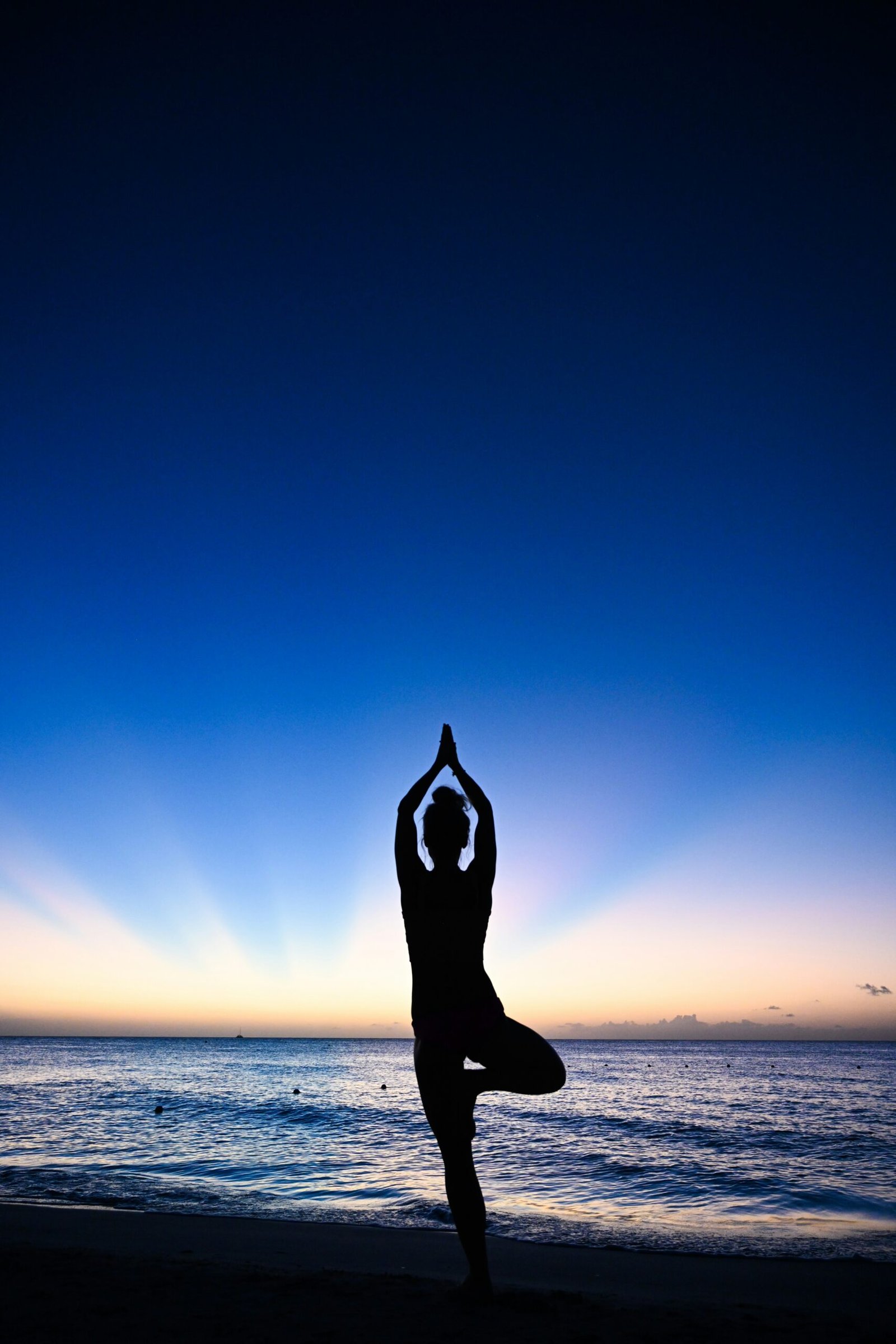
May is when the retreat calendar gets genuinely competitive. The sea is swimmable in southern Europe for the first time. The Cyclades are open and not yet overwhelmed. Sri Lanka has its best weather window. Morocco is warm without being hot. A yoga retreat in May has more good options than almost any other month — which means the choice matters more, not less.


May sits in the gap between the spring shoulder season and the summer peak — and that gap is worth understanding before you book. Prices haven’t reached their July levels yet. The popular destinations still have availability. The weather across the Mediterranean and Atlantic is close to perfect. Sri Lanka’s southwest coast is in its dry season, which closes in late May when the monsoon arrives. And Morocco, which bakes in summer, is in May still manageable and still worth the journey.
Our worldwide yoga retreat collection covers every destination and format — the options below are the ones worth considering specifically in May.
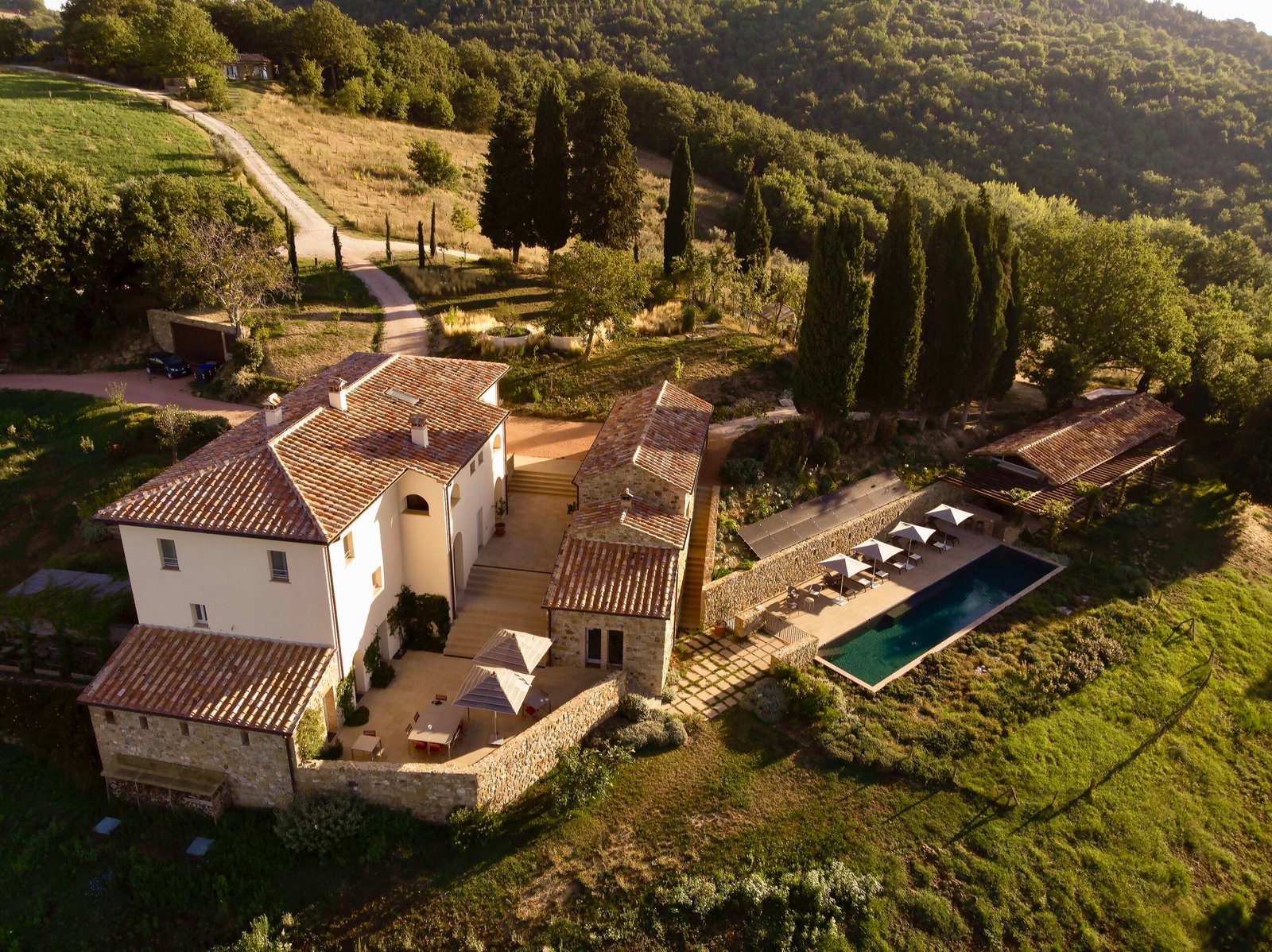
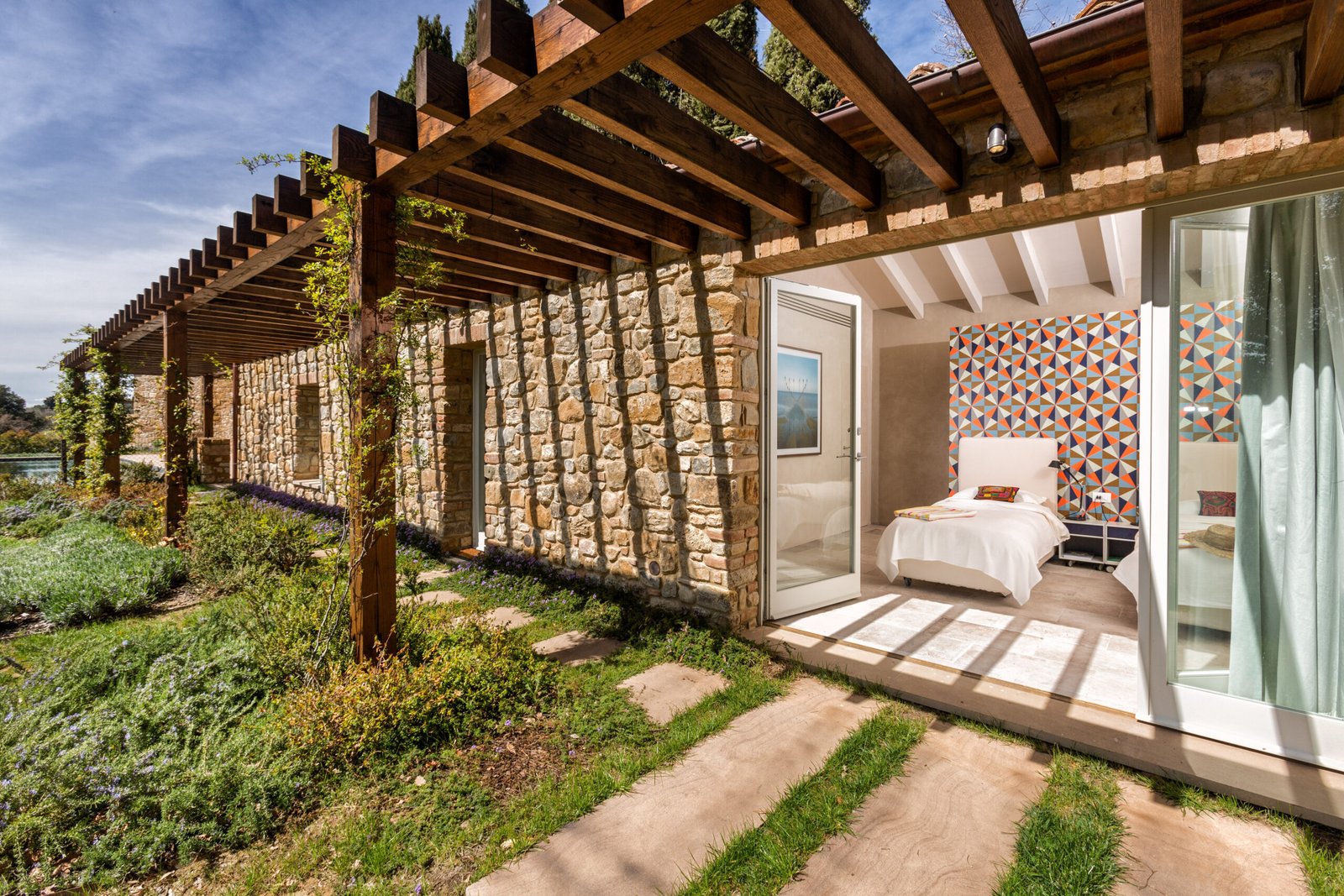
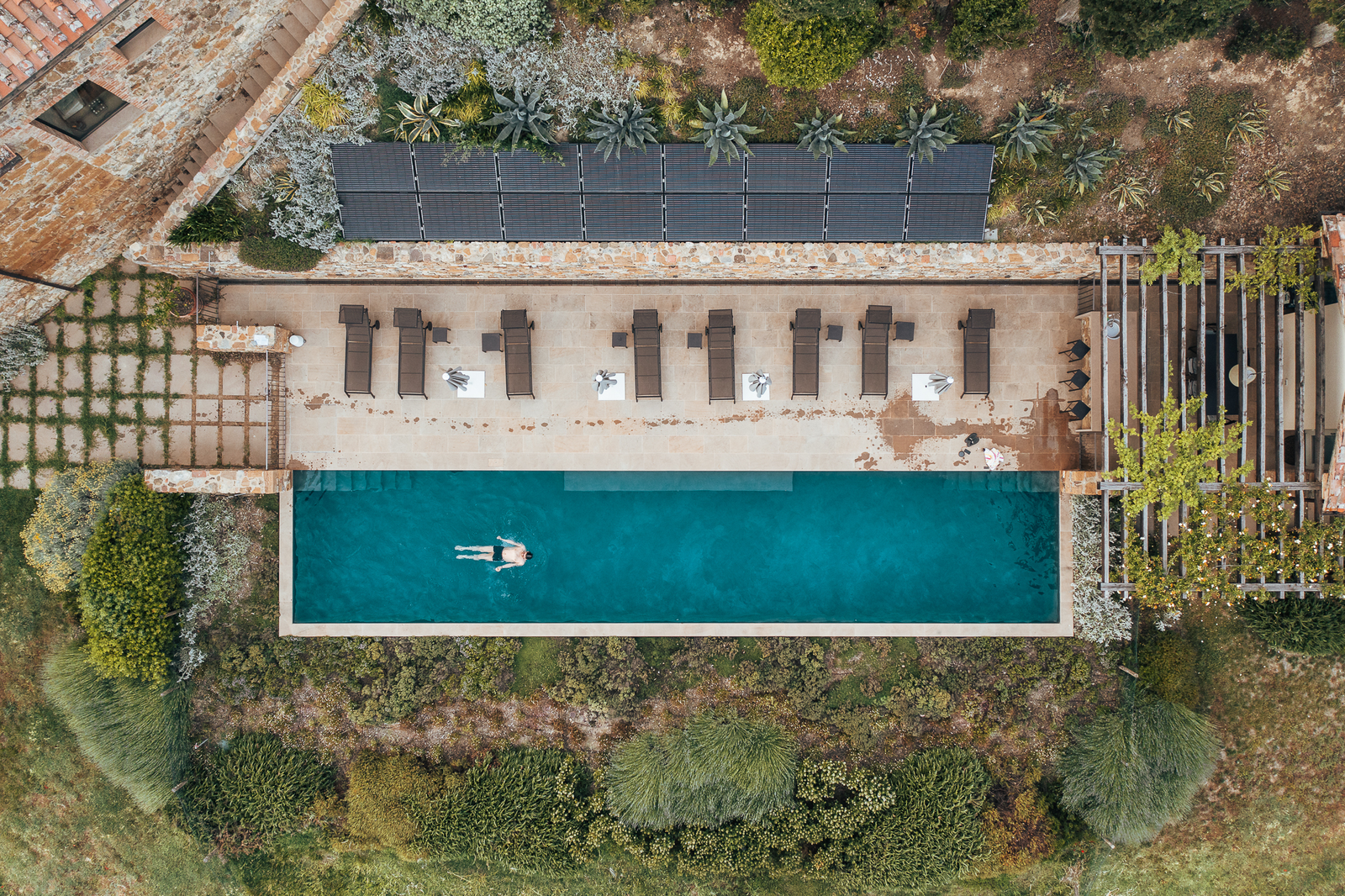
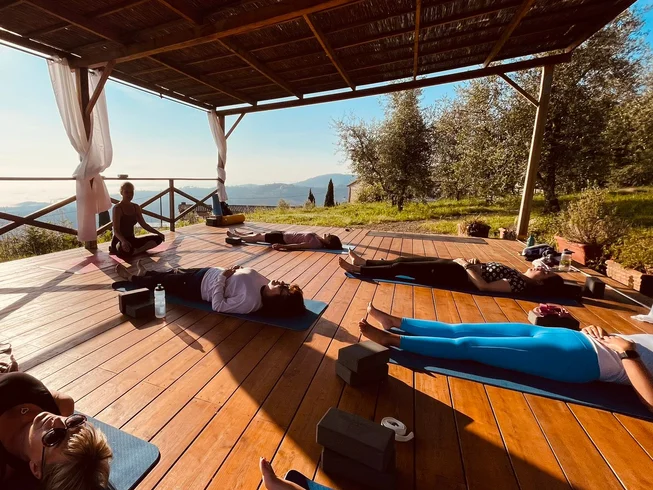
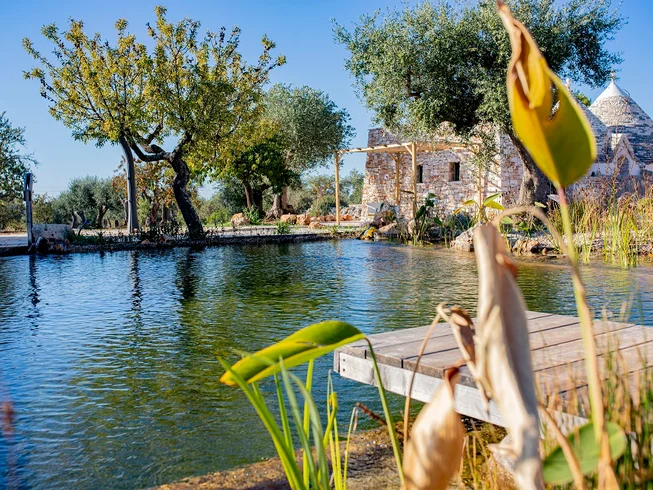
Portugal in May is doing everything right at once. The Algarve has hit 22-24°C. The sea on the sheltered south coast is crossing 18°C — cold but swimmable, and warmer every week. The surf on the Atlantic west coast is still running serious swells. And the country hasn’t yet entered the summer mode that July brings, where every coastal road is backed up and every decent accommodation is booked months out.
The Alentejo in May has a specific quality that the coast doesn’t — the plains between Évora and the Spanish border are covered in the last of the spring wildflowers before the summer drought turns them gold. The cork oak forests are at their most complete. The farmhouse retreat centres in this part of the country run some of their best-attended programmes in May, specifically because the people who choose the Alentejo in May tend to know what they’re looking for: quiet, space, and a pace that the Algarve beach scene doesn’t offer.
The Setúbal peninsula south of Lisbon — the Arrábida Natural Park, with its white limestone cliffs above turquoise water that looks more Croatian than Portuguese — is in May at the combination of warm enough for sea swimming and empty enough to actually enjoy it. The retreat centres around Sesimbra and Portinho da Arrábida use this coastline specifically, and May is the month before the Lisbon day-trippers discover it. For the full May Portugal picture, our yoga retreats in Portugal in May guide covers every region.
By May, the obvious Morocco retreat months — March and April — have passed. Which is exactly why May is worth considering. The crowds that fill the Marrakech riads in spring have thinned. The prices have adjusted accordingly. And the country in May has a warmth (25-30°C in Marrakech) that makes outdoor morning practice genuinely comfortable in a way that January and February, for all their authenticity, cannot.
The High Atlas in May is worth the journey specifically. The passes above 2,000 metres — the Tizi n’Tichka on the road to Ouarzazate, the Tizi n’Test to the southwest — have the last of the snow on the peaks above and the first of the summer wildflowers on the slopes below. The Berber villages of the Ourika Valley, 30 kilometres from Marrakech, are in May producing the spring herbs and the first walnut harvest that the valley’s agricultural calendar is built around. Retreat programmes that use the Atlas as an afternoon excursion from a Marrakech base are in May getting the mountain at its most accessible and its most varied.
Essaouira in May is specifically good: warm enough (22-24°C on the Atlantic coast) for outdoor practice without the jacket that January requires, and the Gnaoua and World Music Festival taking place in late May or early June — the dates vary annually — bringing international musicians to the medina for a festival that is specifically worth being present for. Our yoga retreats in Morocco in May guide covers the country’s options for the month.
May is the last good month on Sri Lanka’s southwest coast before the monsoon arrives. The window is real and worth using: the sea is 27-28°C, the skies are clear, and the retreat centres of Galle, Mirissa, Tangalle, and Hiriketiya are running at full capacity in the knowledge that June will slow them down significantly.
Hiriketiya specifically has become one of the most concentrated yoga and surf communities in Asia in the last five years — a small bay on the south coast with a consistent beach break, a cluster of retreat centres and guesthouses, and a community of teachers and practitioners that the November-to-May dry season has built up over time. In May it has the double quality of peak season conditions and the imminent monsoon creating a natural end point that concentrates the community’s energy. The retreat you attend in May Hiriketiya will have people who are making the most of the remaining good weather, which changes the social atmosphere in ways that are hard to manufacture in other conditions.
The Cultural Triangle of the interior — Kandy, Sigiriya, Dambulla — is accessible year-round and specifically good in May before the rains arrive in the hill country. The ancient city of Polonnaruwa, the cave temple frescoes of Dambulla, and the rock fortress of Sigiriya (the fifth-century palace built on a volcanic plug 200 metres above the surrounding jungle) are all worth incorporating into a retreat week that uses the coast as its base and the interior as its cultural excursion. Our yoga retreats in Sri Lanka in May guide covers what the island offers before the monsoon changes everything.
Iceland in May is not the obvious choice, and that is the point. The country is emerging from its winter darkness with the long days accelerating rapidly — by late May, Reykjavik has 20 hours of daylight and the midnight sun is approaching. The landscape, which the tourism industry has successfully packaged into a series of highlight reels, is in May doing something more specific and less Instagram-ready: the snow is melting from the interior highlands, the rivers are running at full flood, and the countryside has the messy, saturated quality of a genuine spring thaw rather than the clean photogenic presentation of summer.
Yoga retreat centres in Iceland — there are a handful, operating in converted farmhouses and coastal properties in the south and west of the country — use the May conditions deliberately. The thermal pools (the hot springs that dot the countryside, from the famous Blue Lagoon to the less-visited pools of the Reykjanes peninsula and the Westfjords) are in May at the combination of accessible and uncrowded that August, with its full tourist season, removes. The geothermal landscape — the geysers, the volcanic vents, the black sand beaches — is in May producing the specific quality of a country in constant geological motion that the retreat context makes more absorbing than the guided tour. Morning practice with 18 hours of daylight available, followed by an afternoon hot spring session and an evening walk on a beach where the sun is still well above the horizon at 10pm, is a specifically May Icelandic wellness experience.

May is the month when the body’s full spring potential becomes available, and the mat is the best place to find out what that means. The gradual reawakening of March, the confident expansion of April, and the consistent movement and nourishment of a spring well-lived have built something real — a physical readiness that feels different in kind, not just degree, from anything the colder months produce. Flexibility is genuine rather than coaxed, strength is available without effort, and the breath moves with an ease that winter practitioners remember, look forward to, and are always slightly surprised by when it finally returns.
This is the month to explore the edges of the practice with intelligence rather than aggression. Arm balances that required enormous concentration in February begin to feel playful. Backbends that needed careful warm-up through the cold months open more readily and more deeply. Inversions feel lighter, standing sequences feel more grounded, and the overall quality of practice has a fluency to it that only arrives when the body is genuinely well — rested, nourished, and seasonally aligned. A May retreat that gives space to explore this readiness, without immediately converting it into a new set of performance goals, tends to produce some of the most joyful and memorable practice of the year.
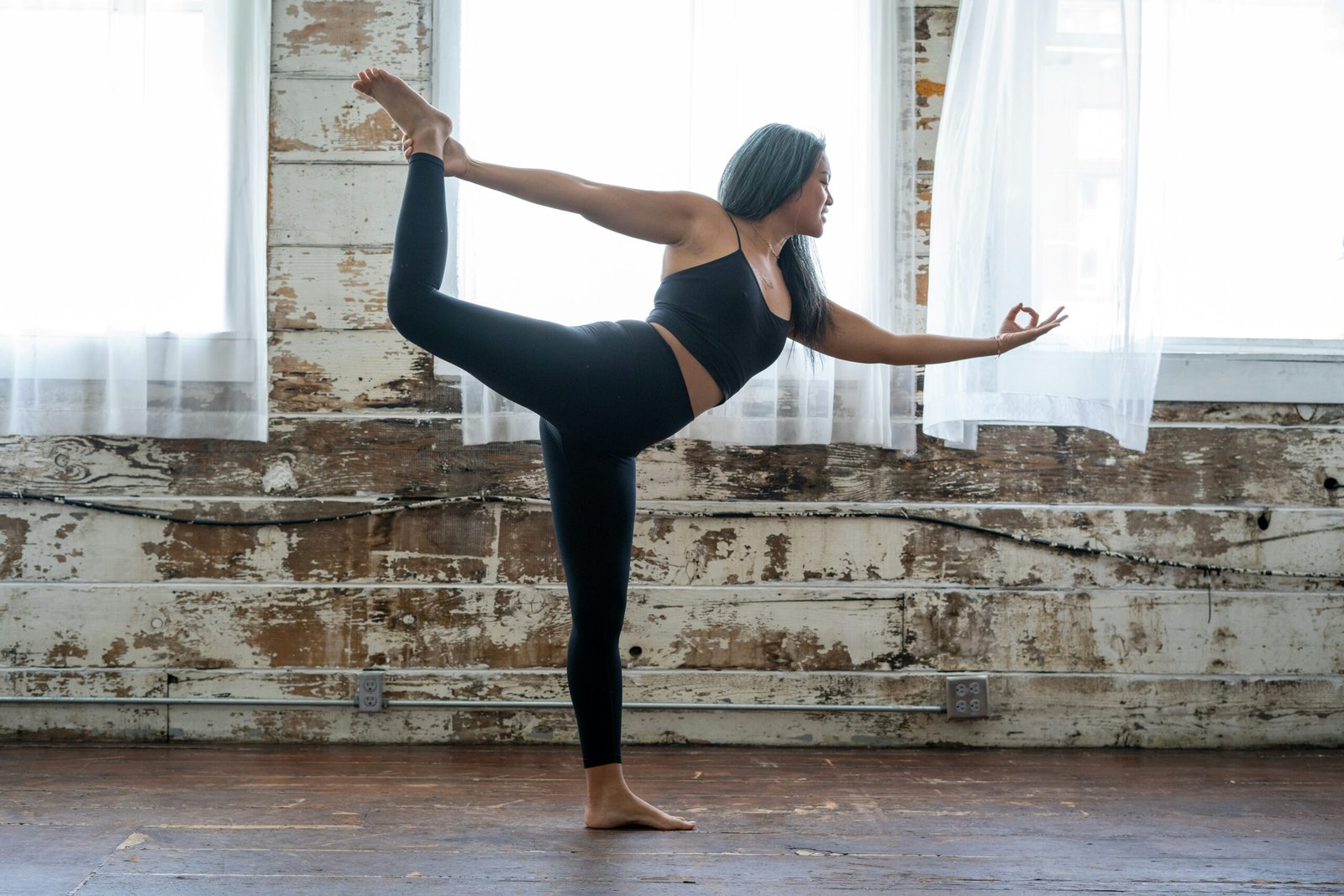
May presents a challenge that winter never does: the world outside is so genuinely compelling that staying present on the mat requires a different kind of effort. When the air smells of blossom and the light is doing something extraordinary and everything outside seems to be inviting you to participate, the instruction to close your eyes and turn inward can feel almost perverse. A good May retreat doesn’t fight this — it works with it, building outdoor practice, nature walks, and open-air meditation into the structure so that the beauty of the season becomes part of the practice rather than a competition with it.
The deeper challenge of May is subtler than simple distraction. Spring energy, at its peak, has a quality of restlessness — a constant forward pull toward the next thing, the next experience, the next possibility. On the mat, this can manifest as impatience with stillness, difficulty sustaining long holds, or a tendency to rush through sequences rather than inhabiting them. The practice of May is, in part, the practice of learning to be fully present in conditions that are actively trying to pull you forward. Meditation sits in May can be among the most revealing of the year precisely because of this resistance — what comes up when you sit still in the middle of a world that is very much in motion is worth knowing.

May is the month when eating seasonally stops being a principle and becomes an obvious pleasure. Markets fill with the first genuinely abundant fresh produce of the year — asparagus, peas, broad beans, radishes, new potatoes, fresh herbs in profusion — and the body, after months of root vegetables and slow-cooked grains, receives them with something that feels close to gratitude. A retreat kitchen in May that works with what the season is actually offering produces meals that are nourishing in the fullest sense: not just physically adequate, but genuinely vitalising in a way that out-of-season food, however well prepared, cannot be.
Ayurvedically, May sits in the transition between Kapha and Pitta seasons — the heaviness of spring is clearing, and the heat of summer has not yet arrived. This makes it an ideal window for lighter, fresher eating without the need for the cooling strategies that June and July will require. Meals can be raw or lightly cooked, abundant in fresh greens and bitter vegetables that continue the liver’s spring clearing work, and flavoured with fresh herbs rather than the heavy spices of winter. Portions can be generous — the body is active and needs fuel — but the food itself should feel alive rather than grounding, energising rather than sustaining. May eating, done well, feels less like following a protocol and more like the most natural thing in the world.
Your email address will not be published. Required fields are marked *