
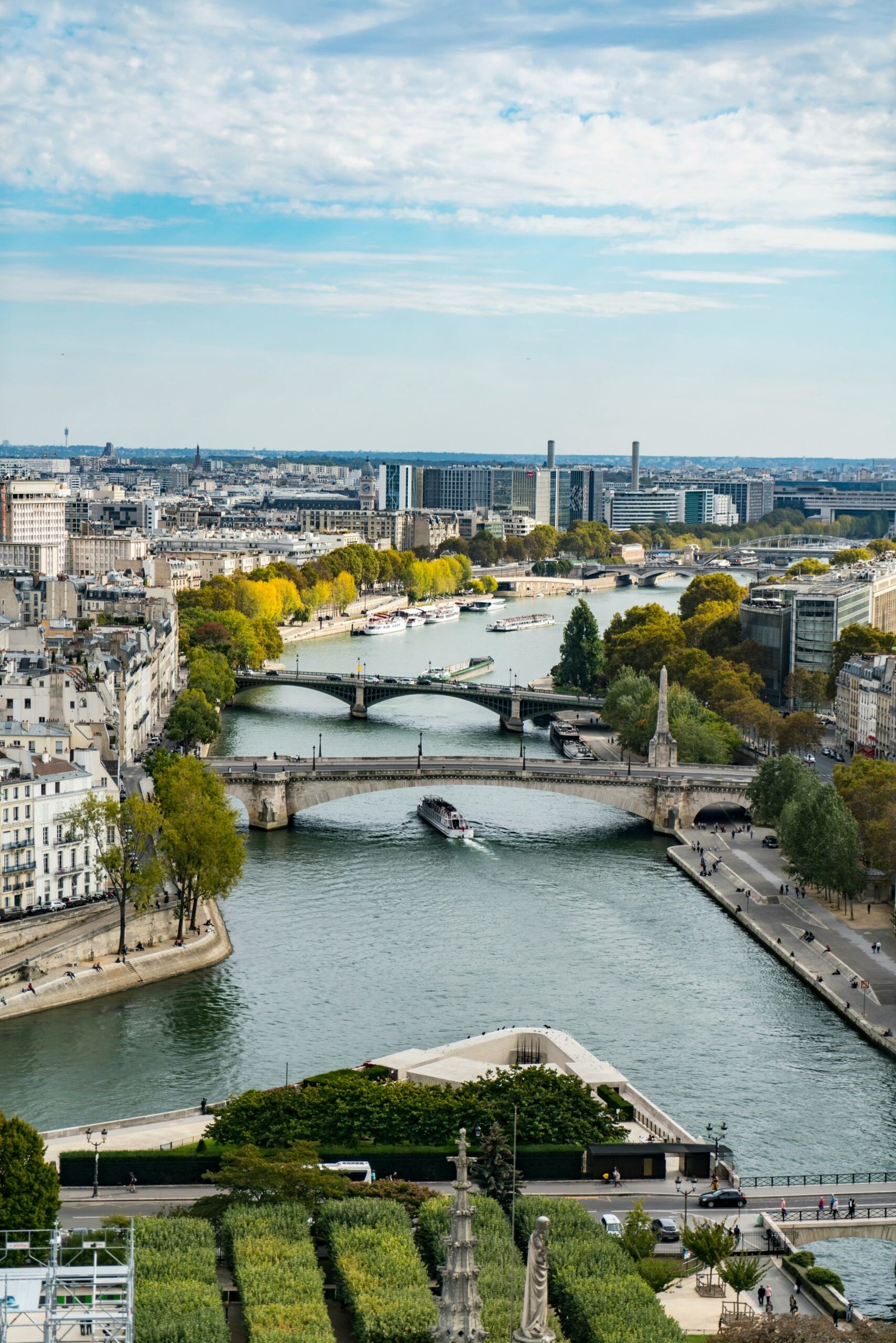
January in France is the quietest month of the year and the one that rewards deliberate retreat planning most directly. The tourist infrastructure has emptied after the Christmas period. The Alpine resorts are in full ski season.
The Provençal countryside is in its grey winter form — bare vines, olive groves, the garrigue stripped to its essential structure. A yoga retreat in France in January offers the country at its most stripped-back and most itself.


January is the month the French retreat calendar begins in earnest. The ski-and-yoga format in the Alps reaches its winter peak. Provence, the Dordogne, and the Loire Valley have the quality of landscapes that the summer tourist season entirely obscures — the villages operating for their own communities, the markets for the local population, and the retreat centres running their most focused programmes of the year. The cultural calendar in Paris has the January exhibitions opening and the January Soldes (the winter sales) providing the specific animation that the post-Christmas city produces.
Browse our full yoga retreats in France guide for the complete picture of what the country offers year-round. For the global context of January retreat travel, our yoga retreats in January guide covers every destination worth considering this month.


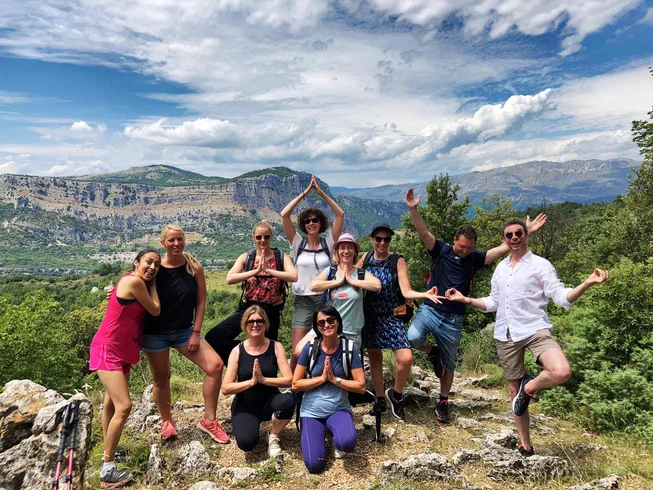

Chamonix-Mont-Blanc in January is the Alpine wellness destination at its winter peak — the ski season fully established, the Mont Blanc massif visible above the valley on clear days, and the retreat centres that combine morning yoga with afternoon skiing or snowshoeing running their most ambitious programmes of the year. The yoga-and-ski retreat format that Chamonix specifically enables — the morning Vinyasa or Yin session in the mountain lodge, the afternoon on the Grands Montets or Les Houches slopes, and the evening restorative session in the candlelit chalet — is the January Alps experience at its most complete.
The Chamonix valley in January has the quality of a ski resort town that is simultaneously one of the most internationally concentrated alpinist communities in the world. The coffee bars at the base of the Aiguille du Midi cable car, the mountaineering equipment shops of the central streets, and the via ferrata and ice climbing culture of the surrounding valley produce a January Chamonix atmosphere that is simultaneously festive with the ski season and serious with the mountain culture that defines the town year-round.
The thermal spa at Chamonix — the Thermes de Chamonix with the outdoor pool heated to 34°C and the Mont Blanc visible above — is the January retreat activity that most specifically uses the Alpine location. The combination of the outdoor thermal pool in sub-zero air and the mountain panorama above is the winter Alps wellness experience in its most directly available form.
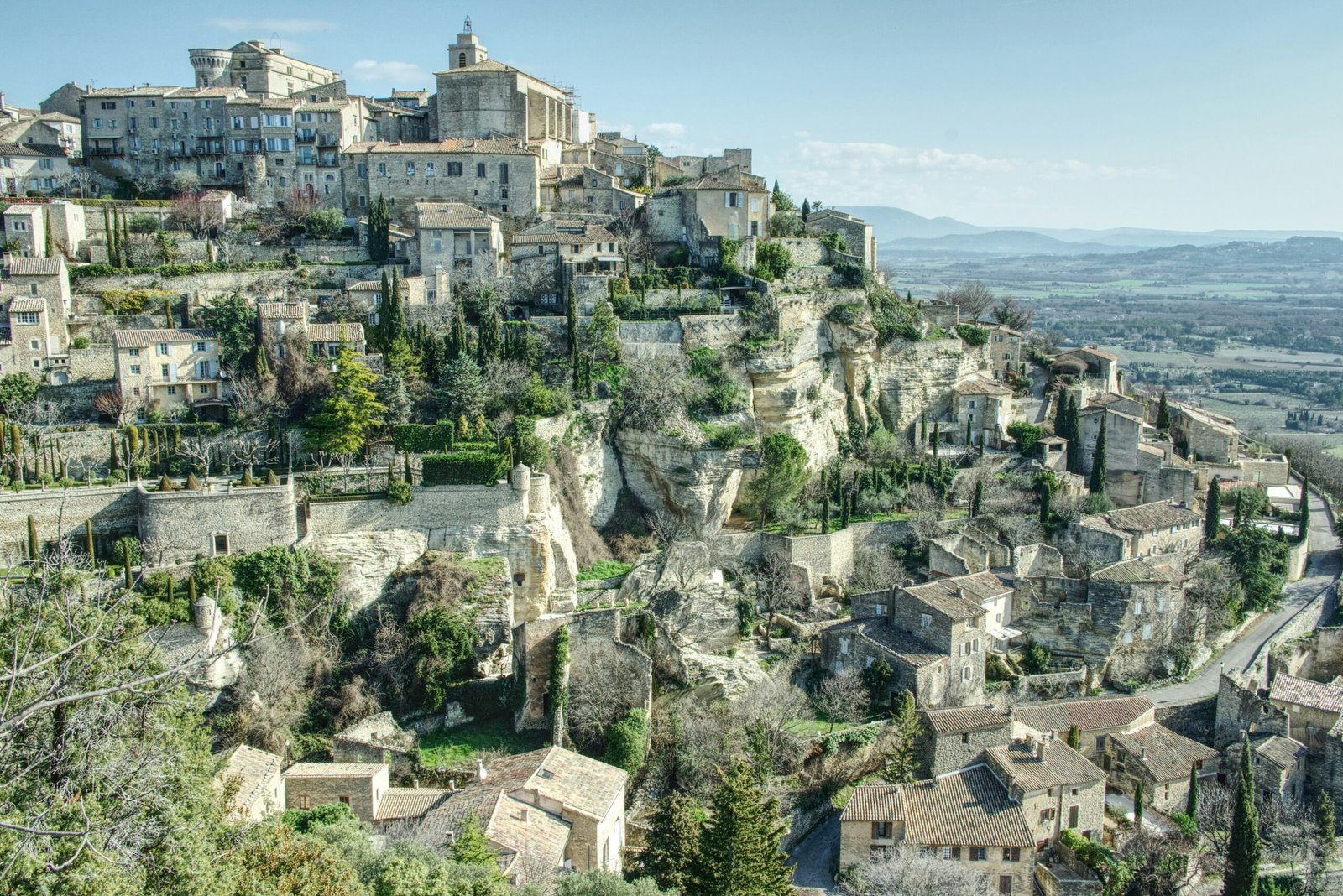
Provence in January has the quality that the summer entirely obscures. The Luberon villages — Gordes, Roussillon, Ménerbes, Bonnieux — are in January operating for their own Provençal communities without the July and August visitors who fill the streets from June through September. The red and ochre of the Roussillon cliffs, the limestone of the Luberon massif, and the olive groves stripped of their summer foliage are in January at their most specifically southern French — the landscape in its winter structure visible without the green of summer.
The Provençal retreat centres — typically converted mas (the traditional Provençal farmhouses with their stone walls and terracotta tiles) in the hills of the Luberon or the Alpilles — are in January running their most contemplative programmes of the year. The January practice in a Provençal mas, with the mistral wind occasionally audible outside and the stone interior at the constant temperature that the traditional architecture maintains, is the winter retreat experience that the summer Provençal programme entirely differs from.
The Camargue — the wetland delta of the Rhône, with its wild white horses, its black bulls, and the pink flamingo colonies that winter in the étangs (the shallow brackish lagoons) — is in January at its most specific wildlife moment: the flamingos at their winter concentration, the greater flamingo flocks visible from the Pont de Gau bird sanctuary without the summer heat haze, and the Camargue landscape in its January stillness.
The Dordogne — the river valley in the Périgord Noir region of southwestern France, with the Lascaux cave paintings, the bastide villages, and the truffle and foie gras culture of the most specifically French gastronomic tradition — is in January at its quietest and its most culturally accessible. The Périgord Noir truffle season runs from November through March, and January is at the peak: the black Périgord truffle (Tuber melanosporum) at its most aromatic and most available at the truffle markets of Sarlat, Périgueux, and Sainte-Alvère.
The Sarlat-la-Canéda medieval town — considered the best-preserved medieval city in France, with its golden limestone buildings and its Gothic and Renaissance architecture — is in January accessible without the summer tour groups that fill its narrow streets from July through August. The Saturday morning truffle market at the Sarlat central square in January, with the truffle hunters and the buyers negotiating the prices of the freshest specimens, is the most specifically Dordogne cultural moment available in any month.
Retreat centres in the Dordogne use the truffle season as the cultural anchor for the January programme — the morning truffle hunt with a local hunter and their dog, the afternoon cooking class using the morning’s find, and the evening yoga session in the farmhouse retreat space.
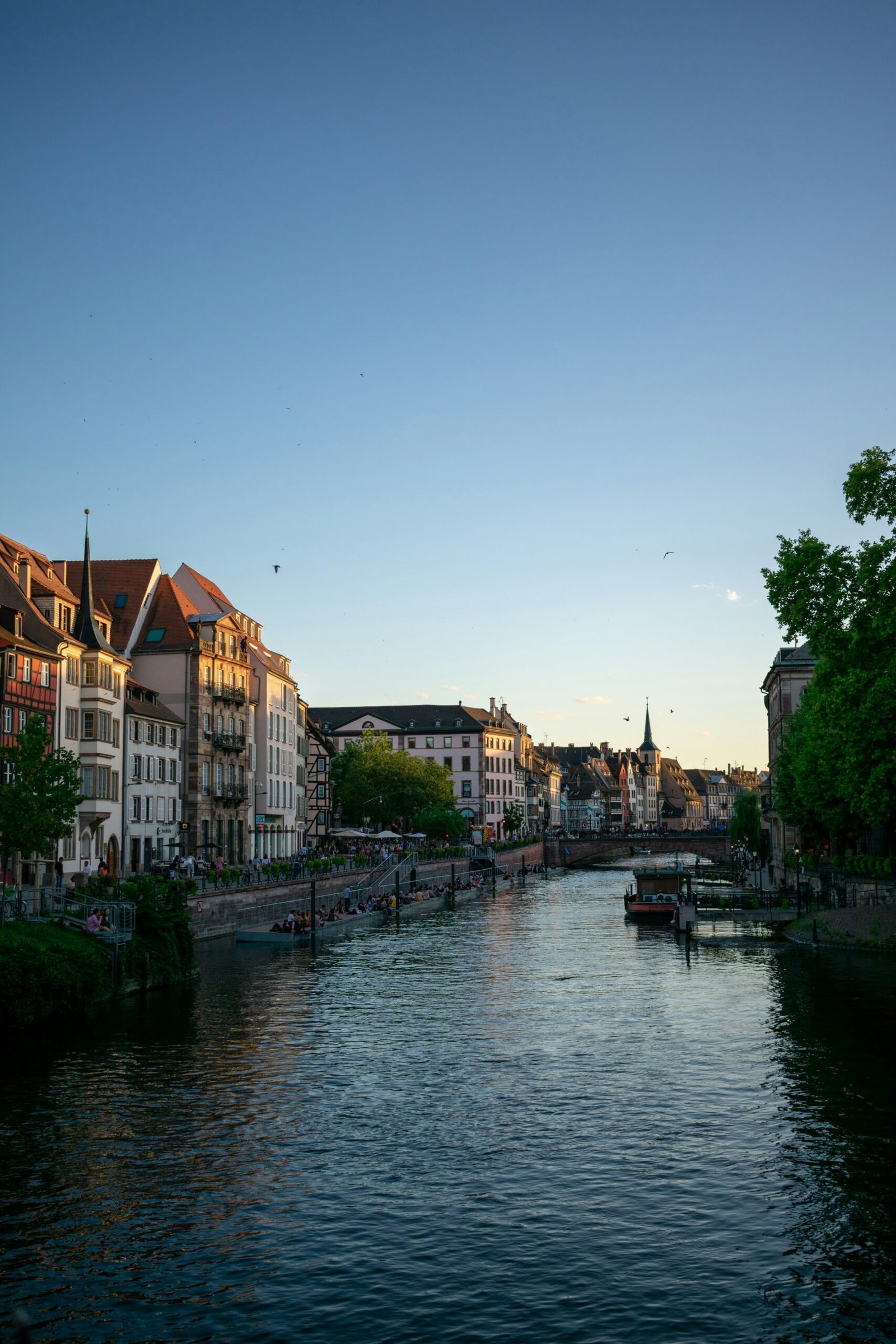
Alsace — the northeastern region between the Vosges mountains and the Rhine, with its half-timbered architecture, its Riesling and Gewürztraminer wines, and the most distinct regional culture in France — is in January past the Christmas market season (which ends December 24th) and in the specific quality of a wine region in its winter rest. The Route des Vins d’Alsace through the villages of Riquewihr, Ribeauvillé, and Eguisheim is in January navigable without the summer tourist traffic, the vineyard slopes bare and specifically beautiful in the January light on the Vosges foothills.
The Alsatian winstub culture — the traditional wine bar and restaurant format specific to Alsace, with the choucroute garnie, the baeckeoffe (the slow-cooked meat and potato pot), and the Riesling served in the tall flute glasses of the regional tradition — is in January at its most specifically appropriate. The cold outside and the warmth inside the winstub, the slow-cooked regional food, and the wine from the vineyard visible from the window produce the Alsatian January table that the retreat kitchen sourcing locally can incorporate as the cultural evening excursion.
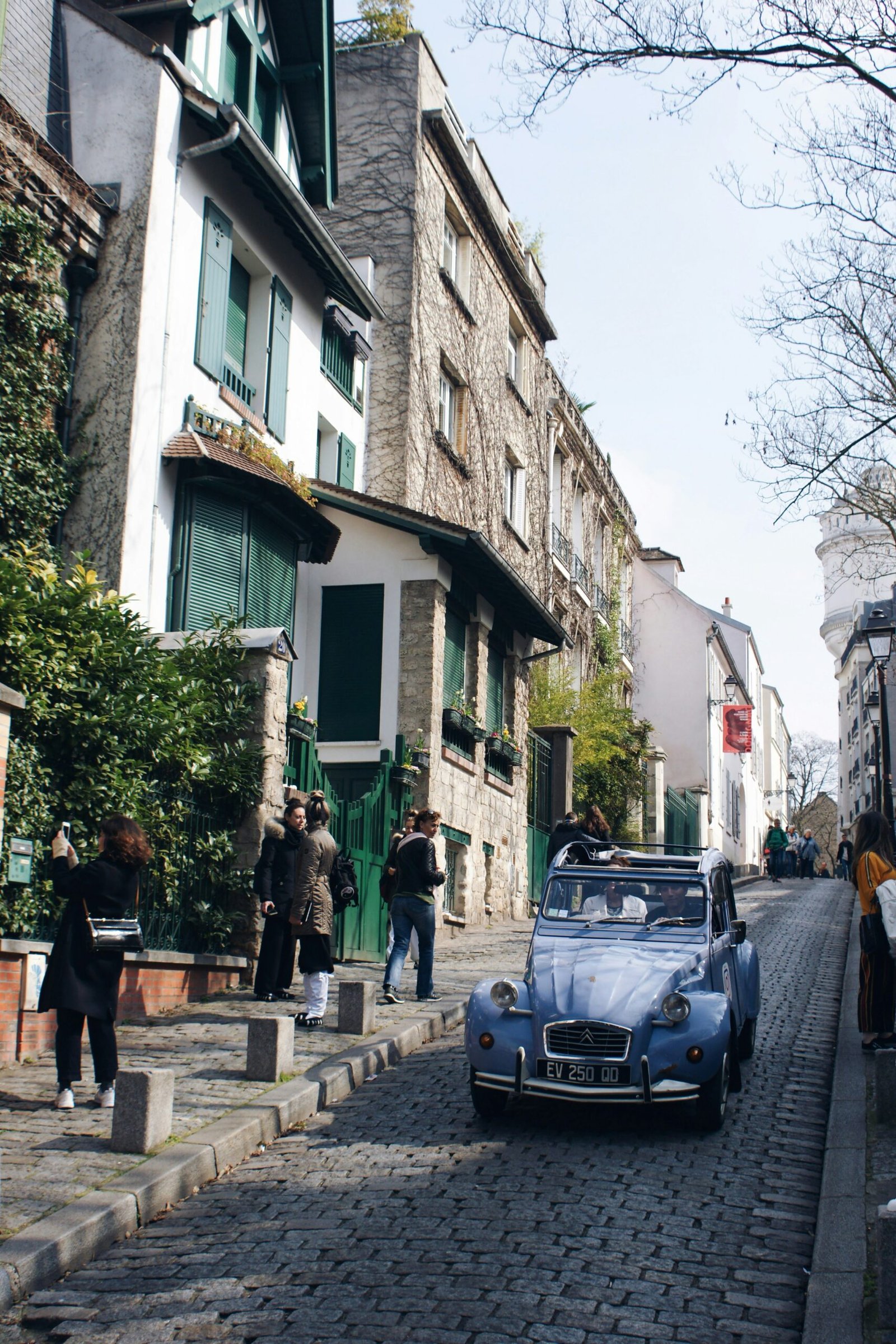
The winter sales (soldes) begin in the second week of January — the legally regulated period when French retailers are permitted to offer genuine discounts on stock. For retreat guests based in Paris or the larger French cities, the January sales produce a specific animation in the commercial streets that is distinctly French in its managed collective enthusiasm.
The Périgord Noir truffle season peaks in January — the black diamond of the French culinary calendar at its most aromatic and most abundant at the regional markets. The Sarlat truffle market on Saturday mornings and the Périgueux market are the most accessible points for the retreat guest who wants to engage with the truffle culture at its source.
Epiphany — January 6th — is marked in France by the galette des rois (the king cake, a frangipane-filled puff pastry with a ceramic fève hidden inside — the person who finds it becomes king or queen for the day). The galette is available at every French bakery from December 26th through January, and the tradition of sharing it is the most specifically French domestic January ritual. At a retreat kitchen in France in January that serves the galette des rois at breakfast, the tradition is accessible in its most direct form.
The black Périgord truffle in January is the most specifically French of the seasonal food experiences — the most intensely aromatic food ingredient produced in Europe, available at its annual maximum in January. Shaved over scrambled eggs, over pasta with butter, or over the risotto that the French tradition adapts from the Italian — the January truffle at a Dordogne retreat kitchen that sources from the local truffle hunters is the seasonal ingredient at its most culturally and gastronomically significant.
The raclette — the Alpine cheese tradition of melting the wheel of raclette cheese before the fire and scraping the molten layer onto potatoes, cornichons, and charcuterie — is in January at the Alpine retreat the most appropriate of the post-practice evening meals. The tradition is specifically Alpine-French (shared with Switzerland) and specifically winter — the heavy cheese and potato combination that the January mountain cold and the physical demand of skiing or snowshoeing specifically make appropriate rather than excessive.
The galette des rois — described above — is the January bakery speciality at its most culturally specific. The frangipane-filled puff pastry available at every French bakery from December 26th through January is the most specifically French of the January breakfast foods.
The truffle hunt with a local Périgord hunter and their trained dog — moving through the oak forest in the January morning, watching the dog follow the scent gradient to the truffle below the soil, and witnessing the careful excavation with the short-handled spade — is the January Dordogne retreat activity that requires both the season and the location. The January truffle at its most aromatic and the January oak forest in its bare winter structure combine to produce the most specific of the French gastronomy-and-nature retreat excursions.
The ski-and-yoga day at Chamonix in January — the morning Vinyasa or restorative session in the mountain lodge, the afternoon on the Grands Montets or the Brévent-Flégère ski area, and the evening thermal pool at the Thermes — is the January Alps retreat day in its most complete form. The Chamonix valley has the most challenging skiing in France alongside the most developed wellness infrastructure of any French Alpine resort.
The Pont de Gau bird sanctuary in the Camargue — the wetland reserve at the Arles end of the Camargue, with the raised walkways through the étangs and the flamingo flocks visible at 50-100 metres — is in January at the winter flamingo concentration that the summer heat disperses. The January flamingo flock at Pont de Gau, in the low-angled winter light of the Camargue morning, is the most photogenic and most specific of the French January wildlife experiences.
Is January a good month for a yoga retreat in France? Yes — the country is at its quietest and its most accessible for cultural and contemplative retreat travel. The Alpine destinations are in peak winter season. The countryside regions (Provence, Dordogne, Alsace) are at their least tourist-pressured and their most culturally specific. The truffle season in the Périgord is at its peak. And the prices across France in January are noticeably below the summer equivalent.
Is the ski-and-yoga format at Chamonix suitable for non-skiers? Yes — the non-skiing version replaces the afternoon ski session with snowshoeing, the Chamonix valley walking paths, or the extended spa circuit at the Thermes. The morning yoga and evening restorative sessions are the same regardless of the afternoon activity, and the mountain atmosphere — the village, the food, the altitude air — is available without skiing.
Is the Dordogne truffle season worth timing a retreat around? Yes, for those who prioritise food as central to the retreat experience. The Périgord black truffle is the most culturally and gastronomically significant of the French seasonal ingredients, and January is the peak month. The truffle hunt, the market, and the retreat kitchen using the ingredient produce an experience that requires both the season and the location simultaneously.
What comes after January for yoga retreats in France? February brings Carnival to Nice and the Mardi Gras period, the truffle season continuing in the Périgord, and the beginning of the ski season’s second half. See our yoga retreats in France in February for the full picture.
Your email address will not be published. Required fields are marked *