
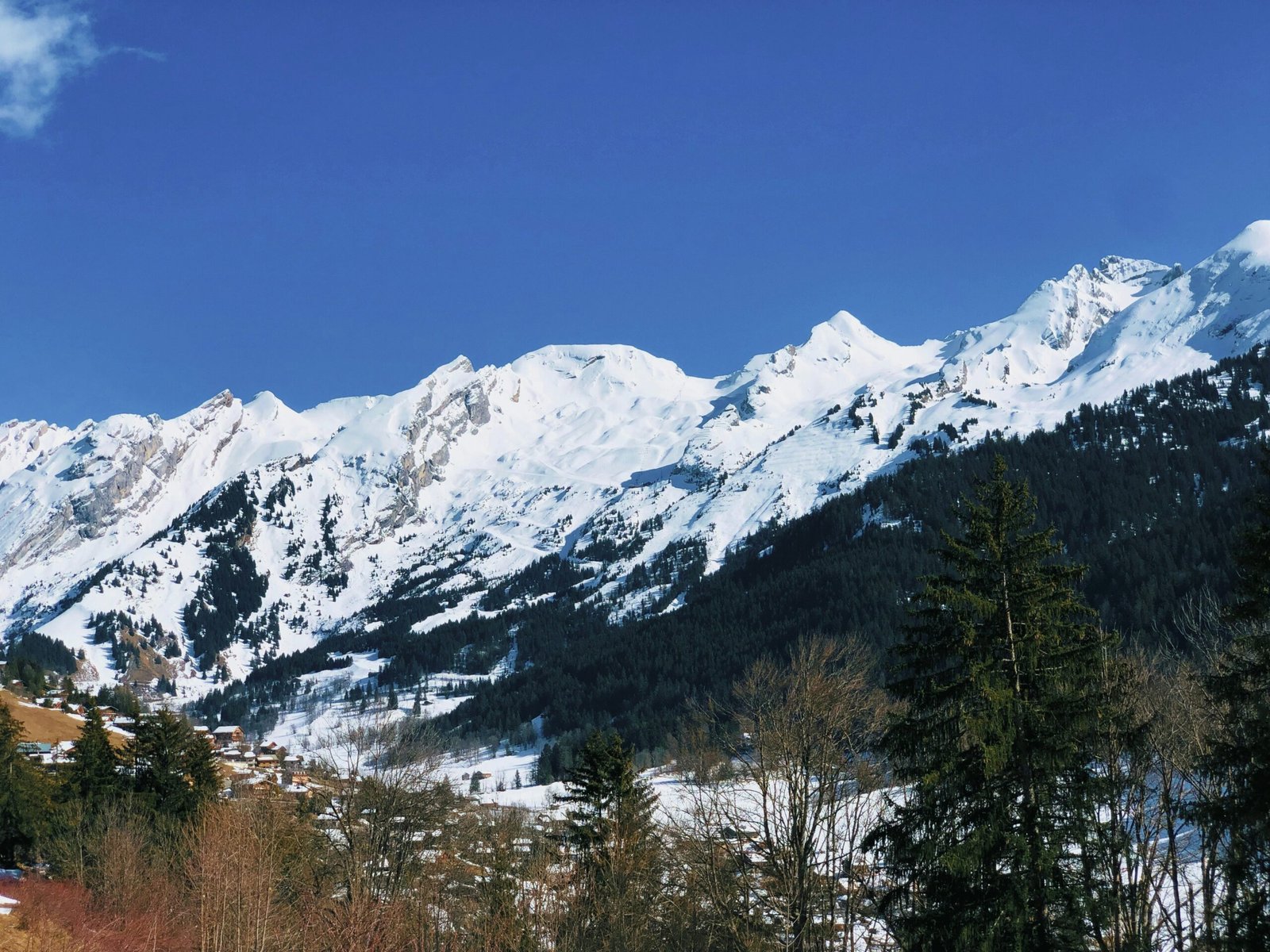
February in France is Carnival month — the Nice Carnival is the largest in the country, the Mardi Gras period animates the southern cities, and the Alps are in the best ski conditions of the winter. The truffle season continues in the Périgord.
And the retreat centres across the country are running their most focused programmes of the year in the quietest tourist month before spring begins. A yoga retreat in France in February rewards those who look at it carefully.


February is the month the French winter wellness calendar is most complete. The Alps have the accumulated snowpack of January plus the February sunshine that the ski community calls the best of the season. The Mediterranean coast has the Carnival energy of Nice and the specific light of the Côte d’Azur in winter — lower in angle than summer, warmer in tone, and producing the colour on the limestone hills above the coast that the summer haze obscures. The Périgord truffle season is at its February richness. And the retreat infrastructure across France is at full capacity for the smallest and most intentional groups of the year.
Browse our full yoga retreats in France guide for the complete picture of what the country offers year-round. For the global context of February retreat travel, our yoga retreats in February guide covers every destination worth considering this month.


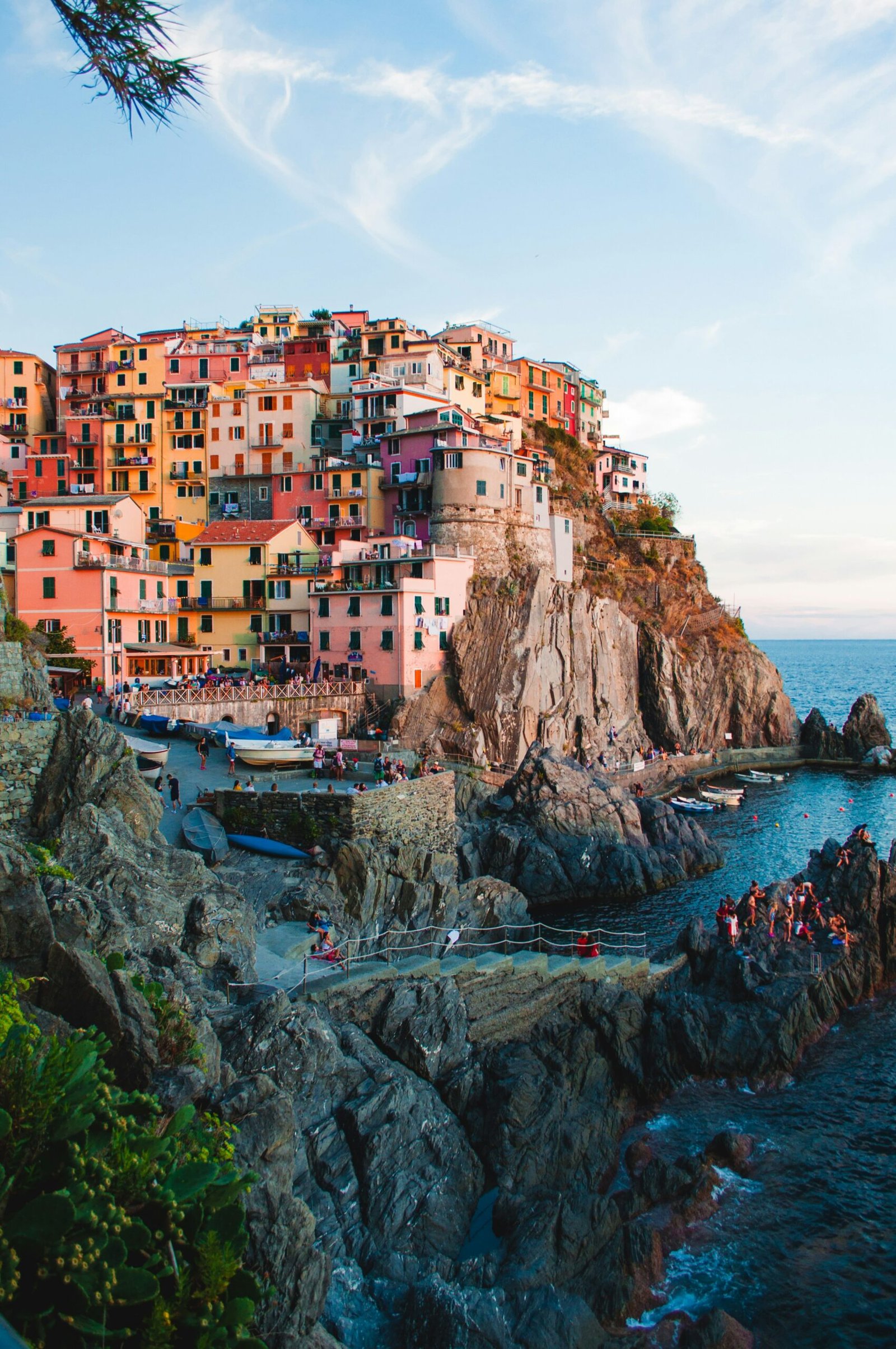

Nice in February has the Carnival — the largest in France, running for two weeks before Ash Wednesday, with the flower battle on the Promenade des Anglais and the elaborate floats through the old town streets. The Nice Carnival is specifically Mediterranean in character — more Latin, more exuberant, and more rooted in the city’s own identity than the imported Alpine Carnival traditions of other French cities. The retreat centre based in the Nice hillside villages or the Alpes-Maritimes inland — Vence, Saint-Paul-de-Vence, Grasse — uses the Carnival as an evening excursion from the mountain practice space.
The Côte d’Azur in February has the winter light that painters from Monet to Matisse came specifically for. The Matisse Museum and the Chagall Museum in Nice — both using the winter light that the summer heat changes in quality — are in February accessible without queues. The Cap Ferrat coastal path between Nice and Monaco, with the winter Mediterranean at 13-14°C and the hillside vegetation in its February form, is the February Riviera walking route at its most specific.
The French Pyrenees offer a different ski experience from the Alps — the Pyrénées-Atlantiques resorts of La Pierre-Saint-Martin, Gourette, and the Hautes-Pyrénées resorts of Saint-Lary-Soulan and Barèges-La Mongie are in February in their ski season peak with the specific character of the Basque and Gascon mountain culture rather than the international Alpine ski resort. The approach from Biarritz and the Atlantic Basque coast through the foothills to the ski area produces the February landscape combination of the Atlantic coast and the Pyrenean mountains that the Alps region cannot replicate.
The Basque Country in February — Bayonne with its Carnival (the Carnaval de Bayonne, smaller than Nice but specifically Basque in character), the ham-curing culture of the Aldudes valley visible in the farmhouse cure rooms, and the Bayonne Chocolate Festival in early February — provides the cultural context for a retreat that uses the Pyrenees ski area alongside the Atlantic Basque food culture.
Burgundy in February is the wine region at its most specific and its least touristic. The Côte d’Or vineyard villages — Gevrey-Chambertin, Chambolle-Musigny, Pommard, Meursault — are in February accessible without the summer and autumn wine tourism that fills the small hotels and the restaurant tables from April through November. The Hospices de Beaune — the 15th-century hospital with its polychrome tile roof that is the most photographed building in Burgundy — is in February visible without the coach tour groups.
The cave visits at the Burgundy domaines in February have a specific quality that the harvest season visits cannot produce: the winemaker present and available, the barrels of the most recent harvest in their first months of élevage, and the tasting of the wines in the cold underground cave producing the most direct engagement with the wine culture available. A retreat based in Beaune or the Côte de Nuits in February — morning yoga, afternoon domaine visits, evening Burgundian table — is using the quietest and most intimate window of the Burgundy year.
The Auvergne — the Massif Central volcanic highland region in the geographic centre of France — is in February at its winter character: the Puy de Dôme volcano summit accessible by the rack railway if the weather permits, the Lac Chambon and the Lac d’Aydat frozen or nearly so in the February cold, and the volcanic landscape of the Chaîne des Puys (the UNESCO-listed chain of dormant volcanoes) most dramatically visible without the summer vegetation. The Clermont-Ferrand city with its black volcanic stone Gothic cathedral and the specific Auvergnat food culture (the truffade — the potato and Cantal cheese pan dish — and the cochon d’Auvergne pork preparations) provides the urban cultural anchor for the volcanic highland retreat.
The Auvergne thermal spa tradition — the Vichy thermal city (the former capital of the collaborationist wartime government and simultaneously the most developed thermal spa complex in France), the Volvic and Châteldon mineral water sources, and the Royat thermal baths near Clermont-Ferrand — gives the February Auvergne retreat a specifically French thermal wellness dimension that the Alpine ski format does not approach.
The Nice Carnival — described above — is the defining February event on the Mediterranean coast. The Bataille des Fleurs (the flower battle on the Promenade des Anglais, where the float participants throw fresh flowers into the crowd) and the corso (the illuminated night parade) are the most specifically Nice events of the Carnival programme.
The Festival du Chocolat de Bayonne — the annual chocolate festival in the Basque city that has been producing chocolate since the Jewish refugees from Spain and Portugal introduced the tradition in the 17th century — is in the first weekend of February the most specifically Basque cultural food event of the year. The Bayonne chocolate tradition — the oldest in France, predating Parisian chocolate by over a century — is at the festival visible in its most artisanal form.
Chandeleur — the Candlemas feast of February 2nd, known in France as La Fête des Crêpes — is the day when every French household makes crêpes, tossing them in the pan while holding a coin in the other hand for good luck. The crêpe culture is year-round in France but specifically February 2nd in its most culturally rooted form. At a retreat kitchen in France on February 2nd, the crêpe session is the most specifically French February food experience.
The crêpe — the thin buckwheat or wheat flour pancake of the Breton tradition — is on February 2nd the most specifically French seasonal food. The galette de sarrasin (the buckwheat version, savoury, with ham, cheese, and egg) and the crêpe de froment (the sweet wheat flour version, with salted butter and sugar, or with the caramel au beurre salé from the Breton tradition) are the Chandeleur table at a retreat kitchen sourcing the buckwheat from the Breton mills.
The Burgundian winter table — the boeuf bourguignon slow-cooked in the Pinot Noir, the époisses cheese (the most pungent of the French soft cheeses, washed in Marc de Bourgogne) at room temperature, and the pain d’épices (the Dijon honey spice bread, the most specifically Burgundian of the regional breads) — is in February at the wine region retreat kitchen at its most appropriate. The cold Burgundy February evening and the slow-cooked Pinot Noir beef are the combination that the summer retreat cannot justify.
The Nice Carnival corso on the Promenade des Anglais — the illuminated night parade with the elaborate floats on the Avenue Jean Médecin — is the February France cultural evening that the retreat context makes most fully absorbing. The Carnival runs for two weeks and the retreat that incorporates one Carnival evening rather than attempting to attend every night uses the festival correctly.
The February domaine cave visit in the Côte d’Or — arriving at the producer by appointment (February is the quiet season and the winemakers are available in ways that the harvest season does not permit), tasting the current and previous vintages from the barrel and the bottle in the underground cave, and understanding the specific terroir that the vine plot’s geology produces — is the February Burgundy retreat excursion at its most educationally direct.
The Puy de Dôme summit hike — the 1,465-metre dormant volcano above Clermont-Ferrand, accessible by the rack railway or by the hiking trail on the south flank — is in February at its winter form: the volcanic cone snow-covered, the view across the Chaîne des Puys most visible in the February clear air, and the Roman temple of Mercury visible on the summit against the winter sky. The sunrise hike in February, with the Massif Central visible to the horizon in every direction, is the Auvergne retreat morning at its most dramatic.
Is February better than January for a yoga retreat in France? Different character. January is quieter and more contemplative — the post-Christmas pause. February has the Carnival energy on the Mediterranean coast, the Chandeleur crêpe tradition, and the best ski conditions of the Alpine winter. For those who want the festive dimension, February. For those who want the deepest quiet, January.
Is the Nice Carnival compatible with a retreat week? Yes — one Carnival evening from a retreat base in the Alpes-Maritimes inland villages or the Nice hillside produces the cultural experience without the full immersion. The retreat that gives participants one Carnival evening and processes the experience the following morning is using the February Mediterranean correctly.
Is Burgundy wine culture relevant to a yoga retreat? The domaine visit as a cultural education — the cave, the barrel tasting, the winemaker’s explanation of the geology that produces the specific flavour — is as intellectually relevant to the retreat context as any other cultural excursion. The consumption of wine is each participant’s own choice; the understanding of the culture that produced one of the world’s great agricultural traditions requires no particular relationship with alcohol.
What comes after February for yoga retreats in France? March brings the first signs of spring in Provence, the end of the ski season in the lower resorts, and the approach of Easter in the French cultural calendar. See our yoga retreats in France in March for the full picture.
1. Why is February a good time for a yoga retreat in France?
2. What types of retreat settings work well in France in February?
3. Is February better for restorative or active yoga retreats in France?
4. Are there beginner-friendly yoga retreats in France in February?
5. What should I pack for a France yoga retreat in February?
6. Who is the February yoga retreat in France best for?
Your email address will not be published. Required fields are marked *