
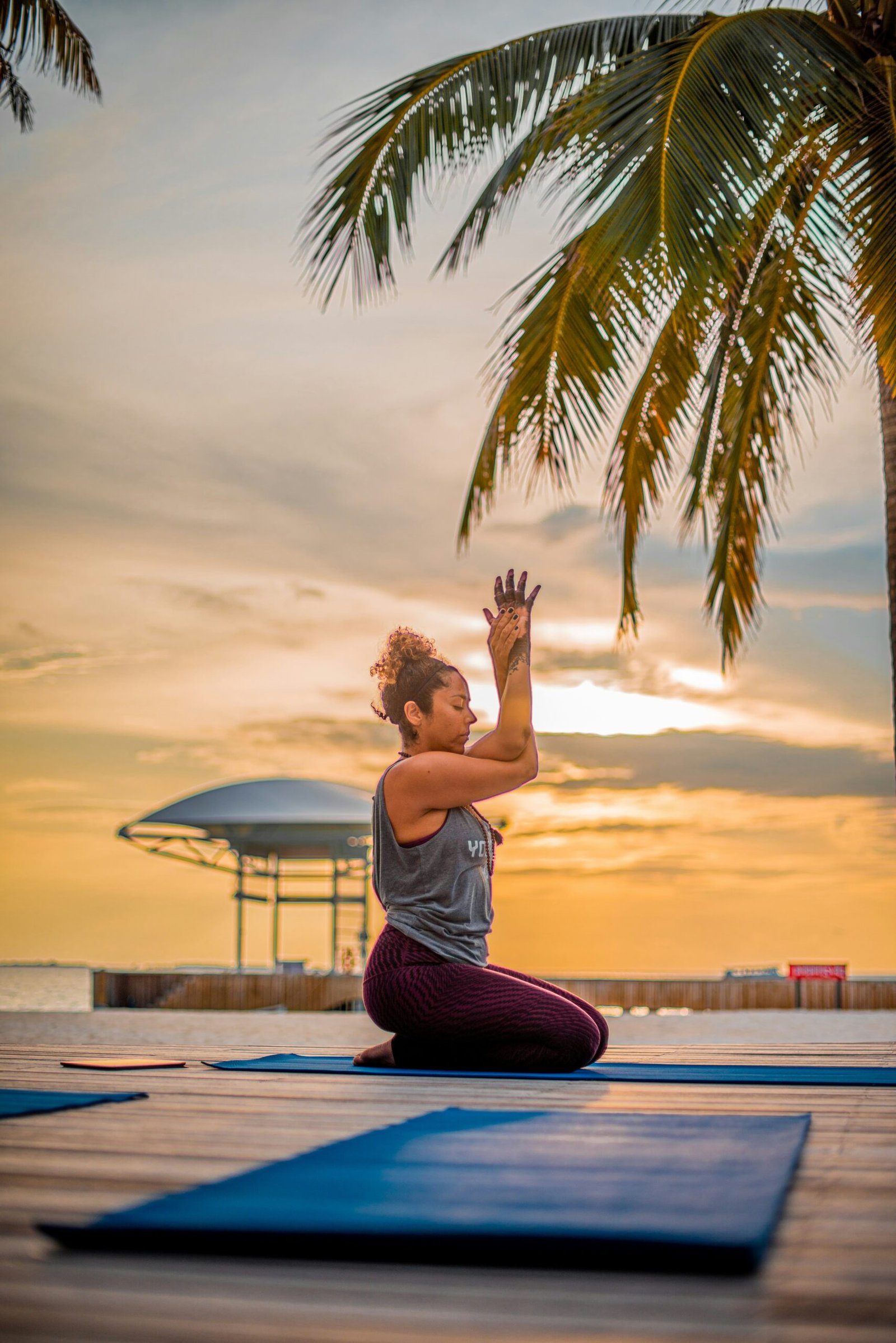
January has a reputation for fresh starts and grand resolutions, but a yoga retreat in January asks something more honest of you than a list of intentions. The year is brand new and the world is already pushing you to optimise and reset. A retreat quietly refuses that premise — offering instead something rarer: permission to begin slowly, and to let clarity arrive on its own terms.


The cold outside, the long nights, and the stripped-back quality of the natural world all conspire to make this one of the most genuinely introspective times of the year to practise. January is not a month to force the body into new shapes or the mind into new disciplines. It is a month to clear the ground so that genuine change becomes possible — and the retreat format, with its structured daily practice, seasonal food, and absence of ordinary distractions, is the most efficient environment for doing exactly that.
The destinations that are specifically good in January fall into two categories: warm escapes where the outdoor practice conditions are ideal, and deep winter immersions where the cold itself becomes part of the practice. Morocco and Thailand are at their most rewarding. Portugal’s Atlantic coast is quiet, affordable, and wild. Sweden in January is dark, cold, and transformative for those who choose it deliberately.
Browse our full collection of yoga retreats worldwide or explore the destinations below that are specifically good in January.
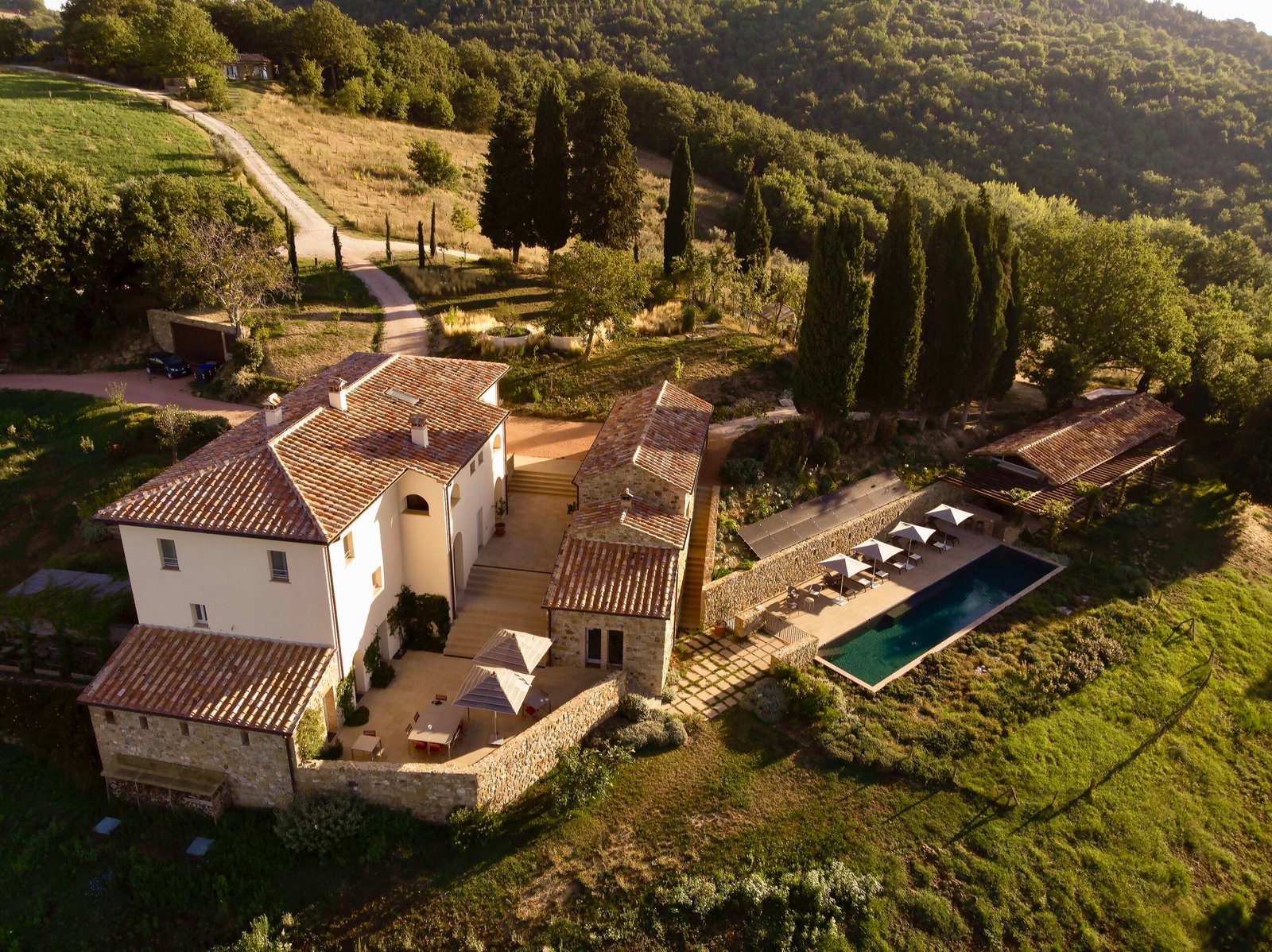
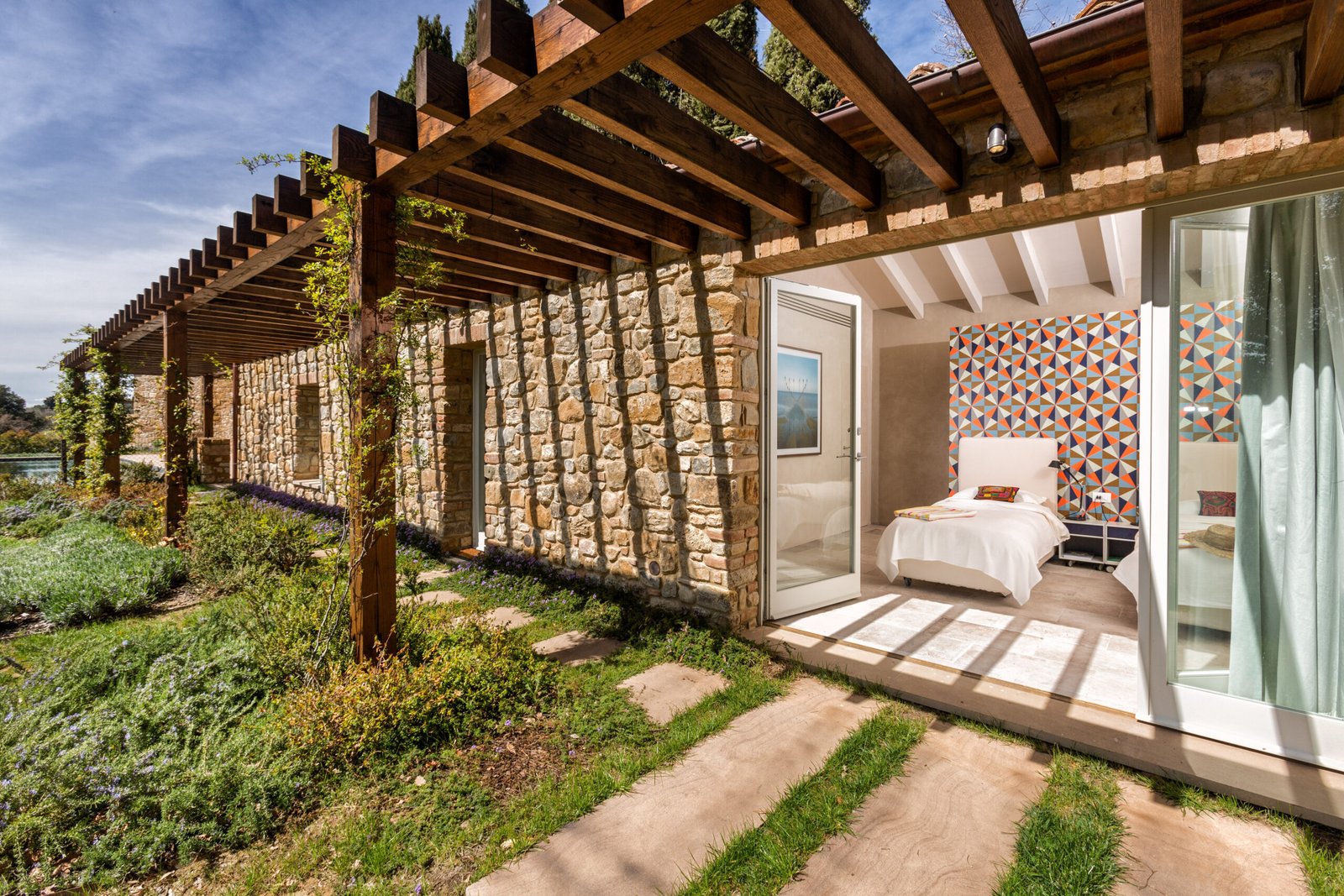
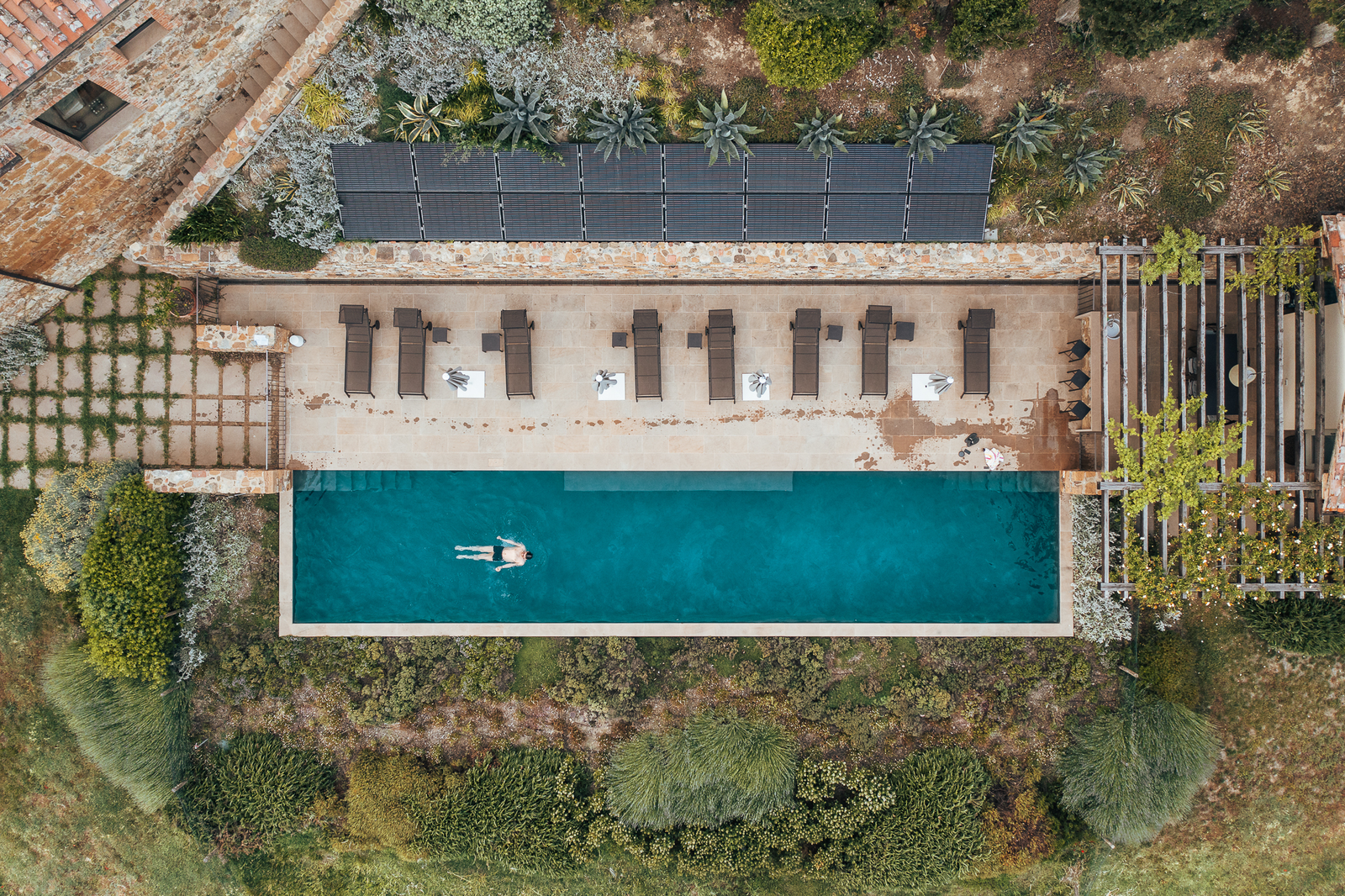
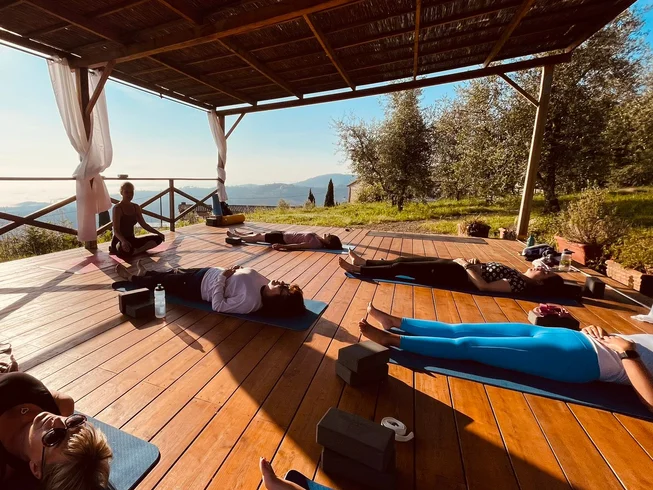
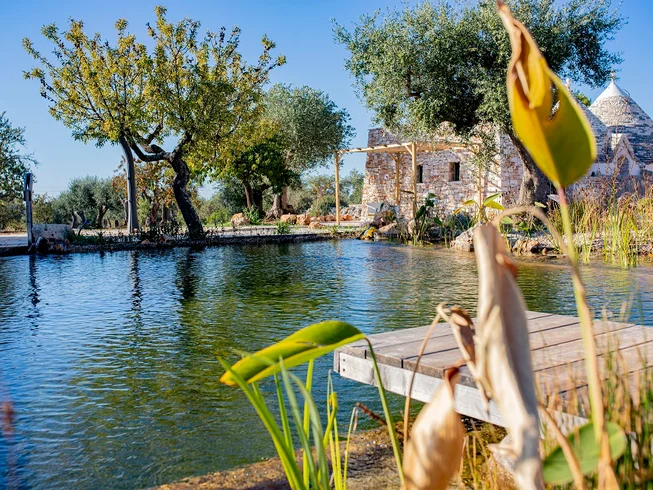
January divides the retreat world cleanly into two propositions: the warm escape and the deep winter immersion. The destinations below represent the best of both, chosen specifically for what January brings out in each of them rather than for their general year-round appeal.
Morocco in January is one of the best-value retreat destinations in Europe’s orbit, and one of the most specifically rewarding. Marrakech sits at 18-20°C through January — cool enough for focused morning practice, warm enough for afternoon walks through the medina without a coat. The January city is a different city from the one that fills with tourists in spring and autumn: the Djemaa el-Fna operates for its own residents, the spice market is functional rather than performative, and the riads where the retreat centres run their programmes have the quality of buildings that have returned to their natural pace after the season.
The Atlas Mountains behind the city are snow-capped in January, visible from the rooftop terrace practice spaces of the better retreat centres. The contrast between the warm ochre of the medina below and the white peaks above is one of those specifically January Moroccan visual pleasures that the summer haze entirely removes. Morning practice on a riad terrace with the mountains visible and the call to prayer audible from the mosque below is the January Morocco retreat moment that participants consistently describe as the most specific and most irreplaceable of the week.
On the Atlantic coast, Essaouira in January has the most powerful surf of the year — the North Atlantic storm systems producing the swells that the town’s surf-and-yoga retreat infrastructure is specifically designed around. The same wind that makes Essaouira occasionally uncomfortable in summer becomes, in January, the dramatic backdrop for morning practice on the clifftop terraces above the sea. Groups are small, prices are the lowest of the year, and the medina in January operates without any audience except the people who live in it.
The Sahara routes — the desert retreat programmes running south from Marrakech to Zagora and Merzouga — are in January at their most elemental. The desert in winter is cold at night (temperatures drop to 5-8°C after dark) and warm in the day (18-22°C), and the combination of desert silence, stargazing in the absolute darkness that only desert sky provides, and the specific quality of January light on the dunes is worth the logistics of reaching it. For the full January Morocco picture, our yoga retreats in Morocco in January guide covers every region and format.
The Algarve in January is the most reliable winter sun destination in mainland Europe, and the January retreat centres here are specifically designed for what the month offers rather than what it lacks. Average temperatures of 16-18°C, the Atlantic surf on the western coast at its seasonal peak, and prices that are 30-40% below the summer equivalent — the retreat format in Portugal in January is not a compromised version of the summer experience but a different and in many ways more complete one.
The western Algarve around Aljezur and the Costa Vicentina — protected by national park status from the development that has altered the central coast — is in January at its most wild and most empty. The beach breaks that make this stretch of Atlantic one of the best intermediate surf environments in Europe are producing their most consistent January conditions, and the surf-and-yoga retreat programmes that operate here year-round run their most focused groups of the year in January. The absence of the summer surf tourism that fills the lineup from June through September means more waves, more space, and more of the specific quality of a retreat environment that the season itself is providing.
The Alentejo interior — the cork oak plains that stretch between Évora and the Spanish border, one of the quietest and most specifically Portuguese landscapes in the country — is in January doing what it does in winter: the plains silver-bare, the villages operating entirely for themselves, and the farmhouse retreat centres running the most intimate and most contemplative programmes of their year. The black truffle from the Alentejo forests in January, the citrus orchards in fruit, and the new-season olive oil from the October harvest at the farm gate: the January Alentejo retreat table is specifically of this season and this landscape.
For the full January picture across Portugal’s retreat regions, our yoga retreats in Portugal in January guide covers what the month offers from the Algarve coast to the northern mountains.
January is the best month of the year for a yoga retreat in Thailand, and the retreat infrastructure here reflects that. The dry season is in full effect across the Gulf of Thailand — Koh Samui, Koh Phangan, and the Samui Archipelago have clear skies, temperatures of 28-30°C, and the sea at its calmest and clearest. The retreat scene in Thailand is the most developed in Southeast Asia, and January is when it runs at maximum capacity and maximum quality.
Koh Phangan — the island that has been a yoga and wellness destination since long before Koh Samui developed its luxury hotel infrastructure — is in January at its retreat peak. The Full Moon Party that defines the island for one night a month barely touches the retreat community, which lives in the quieter north and northwest of the island around Srithanu. The combination of daily yoga, Thai massage, raw and cooked food culture, and the Samui Archipelago sea is one of those retreat formats that exists in its fullest form in this part of the world, and January is the month it runs most smoothly.
Chiang Mai in the north offers a completely different January retreat experience. Temperatures of 25-28°C during the day and 15-18°C at night — cool enough for the mountain hikes through the Doi Inthanon National Park that the better retreat programmes incorporate, warm enough for outdoor morning practice. The ancient moat-enclosed old town, the temple culture active in January without the peak tourist pressure of November’s Loy Krathong festival, and the night markets operating for their own community make Chiang Mai the most culturally immersive of the Thai retreat bases. Vipassana silent retreats run throughout January from the forest monasteries in the hills above the city — some of the most rigorous and most respected in the world, available at no cost to those willing to commit to the format.
Koh Lanta on the Andaman coast and the surrounding Trang islands are in their peak dry season in January, with the Andaman sea the clearest and calmest of the year. Retreat centres on Koh Lanta specifically have developed a strong year-round wellness community that January concentrates: the island’s relatively undeveloped character, the long beaches of the west coast, and the January sea conditions make it the most consistently recommended Thai retreat destination among practitioners who have tried multiple options. Our yoga retreats in Thailand in January guide covers the full range of programmes across the country.
January in Scandinavia is not a retreat destination for everyone, but for those who choose it deliberately it is among the most transformative available. Swedish January means darkness — Stockholm gets five hours of daylight, Lapland in the far north almost none — and cold that requires genuine preparation. These are not obstacles to be managed but the specific environmental conditions that make the January Scandinavia retreat different from any warm-weather equivalent.
The Swedish sauna culture is the wellness tradition most specifically adapted to this environment. The ritual of moving between the wood-fired sauna at 80-90°C and the frozen lake or the snowbank, repeated multiple times over an evening, is not a spa concept imported from elsewhere but a genuine physiological practice that Scandinavian culture has maintained for millennia. The physiology is the same as the contrast bathing that the South Tyrolean spa culture offers — the alternating dilation and constriction of blood vessels, the autonomic nervous system response, the deep muscular relaxation that follows — but the environmental context is completely different. Ice rather than cold plunge pool. Forest rather than mountain. Darkness rather than alpine clarity. Combined with Yin yoga and restorative practice, which suit the dark and the cold in ways that dynamic Vinyasa does not, the January sauna culture produces a quality of physical and nervous system reset that warmer climates structurally cannot replicate.
In Swedish Lapland — the Abisko area on Torneträsk lake in particular, considered one of the best aurora borealis viewing locations on Earth due to its specific weather pattern — the northern lights are visible in January on clear nights. Watching the aurora above a frozen lake after an evening sauna session, in the silence of a Swedish winter forest at -15°C, is the kind of experiential context that makes the yoga practice of presence feel immediately necessary rather than conceptually interesting. Retreat centres in the Lapland and Dalarna regions combine the sauna culture with forest walking in the snow, the contemplative practices that the long darkness naturally supports, and the specific pleasure of sleeping deeply in a landscape that enforces it.
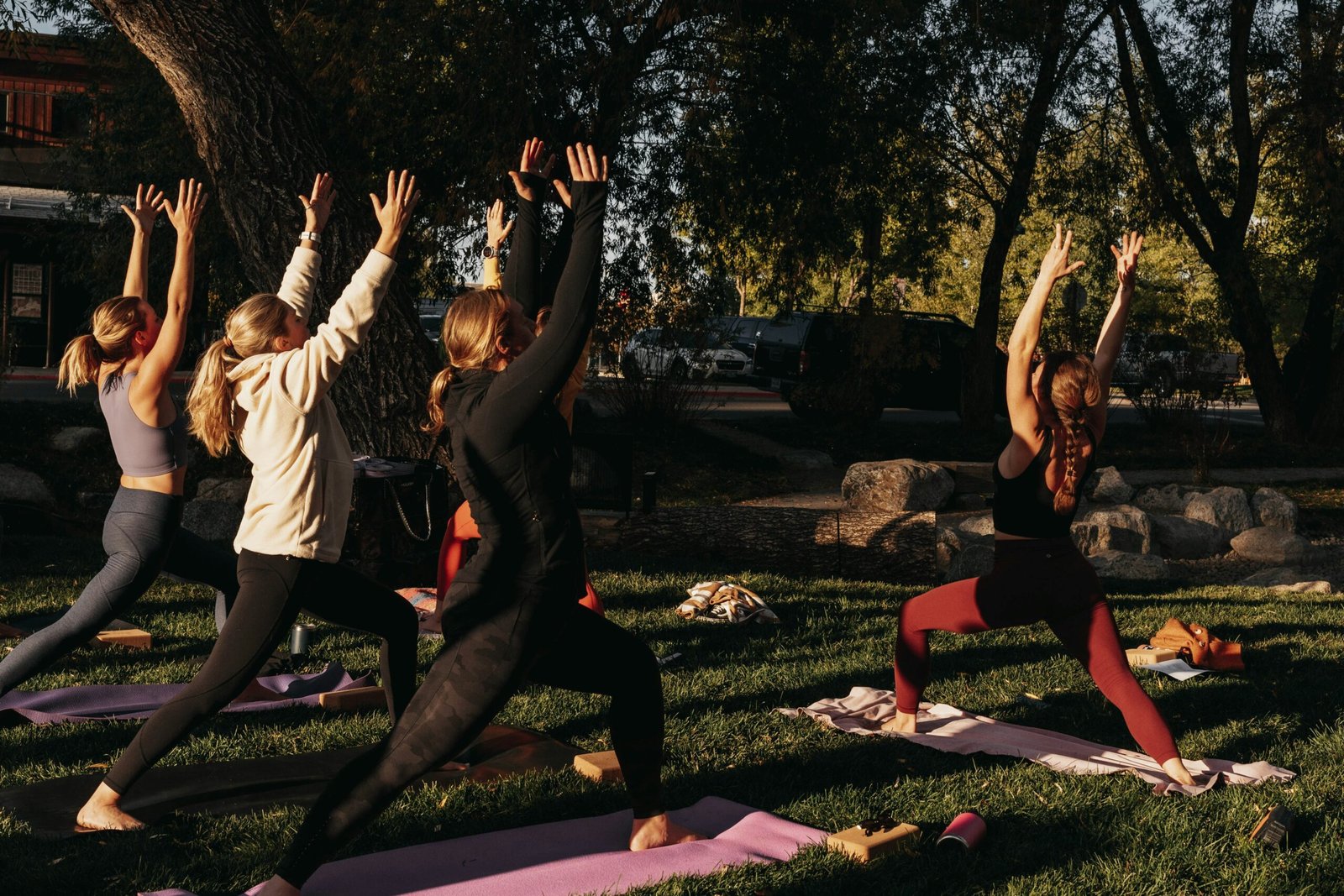
There is a cultural pressure in January to hit the ground running — new year, new habits, maximum effort from day one. Yoga, practised with any real honesty, pushes back against this instinct. The body in early January is still in a winter state: slower, more inward, and genuinely in need of restoration after the physical and emotional demands of the holiday season. A retreat that honours this — with longer warm-ups, unhurried transitions, and generous time for rest — will do more for the body in a week than a month of forcing intensity onto a system that isn’t ready for it. January on the mat is not about building; it’s about clearing the ground so that building becomes possible.
The poses that resonate most deeply in this month tend to be the ones that ask the least and give the most: long Yin holds that melt tension accumulated over weeks of cold and stress, restorative shapes supported by bolsters and blankets, forward folds that encourage the nervous system to exhale. These are not beginner poses or easy poses — they are precise tools for accessing the deeper layers of the body and mind that performance-based practice tends to skip. January’s particular gift is that it makes you slow down enough to actually use them.
The energy that arrives in the second half of a January retreat week — after the system has genuinely rested rather than been pushed — is qualitatively different from the energy produced by effort. It is sustainable, clear, and available without will-power. The practitioners who come to January retreats expecting to feel depleted by the cold and the darkness often leave surprised by this: they feel more themselves than they have in months, and the clarity arrives not through effort but through its deliberate absence.
Away from the noise of New Year’s marketing and the social pressure to declare transformation, a January retreat creates space for a more honest kind of reflection. What actually needs to change? What was genuinely working last year that deserves to continue? What has been draining energy quietly for months without ever being addressed?
These questions don’t yield their best answers in a journal prompt on January 1st. They surface slowly, over days of consistent practice, reduced stimulation, and the kind of silence that only deep winter and genuine retreat can provide. The mind in January, less scattered by heat and social activity, tends to settle more readily into stillness. Extended meditation sits feel less like a battle and more like a natural state — the darkness outside becoming an ally rather than an obstacle.
Many practitioners find that insights they have been circling for months arrive suddenly and without drama during a January retreat — not because the retreat manufactured them, but because it finally removed enough noise for them to be heard. This is the specific value of the January retreat that summer programmes, however beautiful, cannot quite replicate: the external environment is already doing half the work.
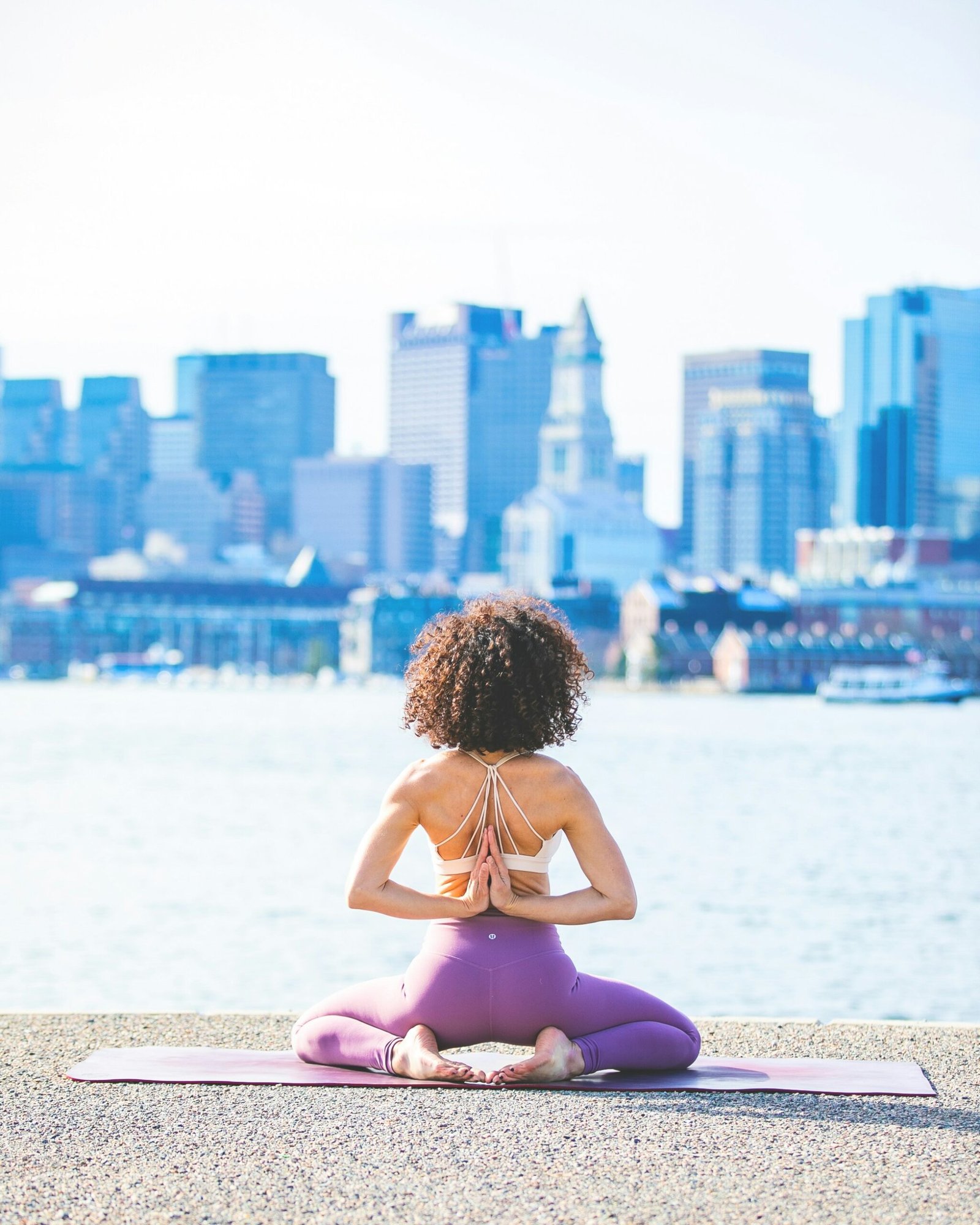
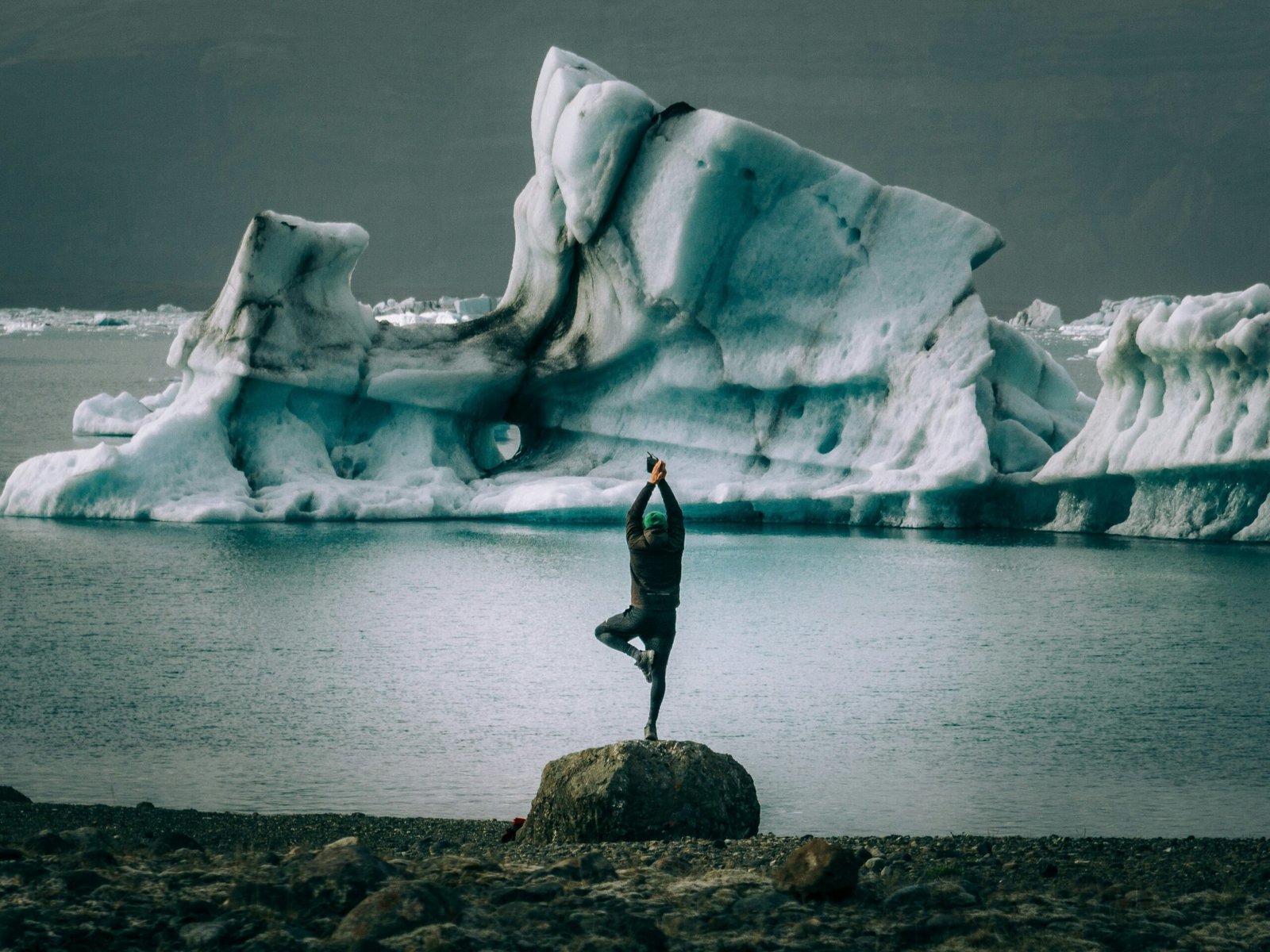
The body that arrives at a January retreat has usually been through something. A month of disrupted sleep, richer food, more alcohol, less movement, and the low-grade emotional intensity of the holiday season leaves most people depleted in ways they haven’t fully registered yet.
The first priority of a January retreat, before any spiritual ambition or physical goal, is simply recovery. Warm, easily digestible foods, consistent sleep, reduced caffeine, and gentle movement are not a disappointment — they are exactly what the system needs before anything more demanding is appropriate.
Ayurvedic principles align closely with this reality. January sits deep in Vata and early Kapha season, calling for grounding, warmth, and steady routine above all else. Sesame-based dishes, root vegetables, warming spices, and slow-cooked grains rebuild the digestive fire that the holidays typically disrupt. Hydration needs to be warm and consistent — herbal teas with ginger, cinnamon, and clove are both pleasurable and genuinely therapeutic at this time of year.
Within a few days of eating and sleeping well in a structured environment, most people notice a shift that feels less like a resolution being kept and more like the body remembering what it actually needs. The appetite for practice returns before it is asked for. The mind quiets without being told to. January, given the right conditions, does its own work.
Your email address will not be published. Required fields are marked *