
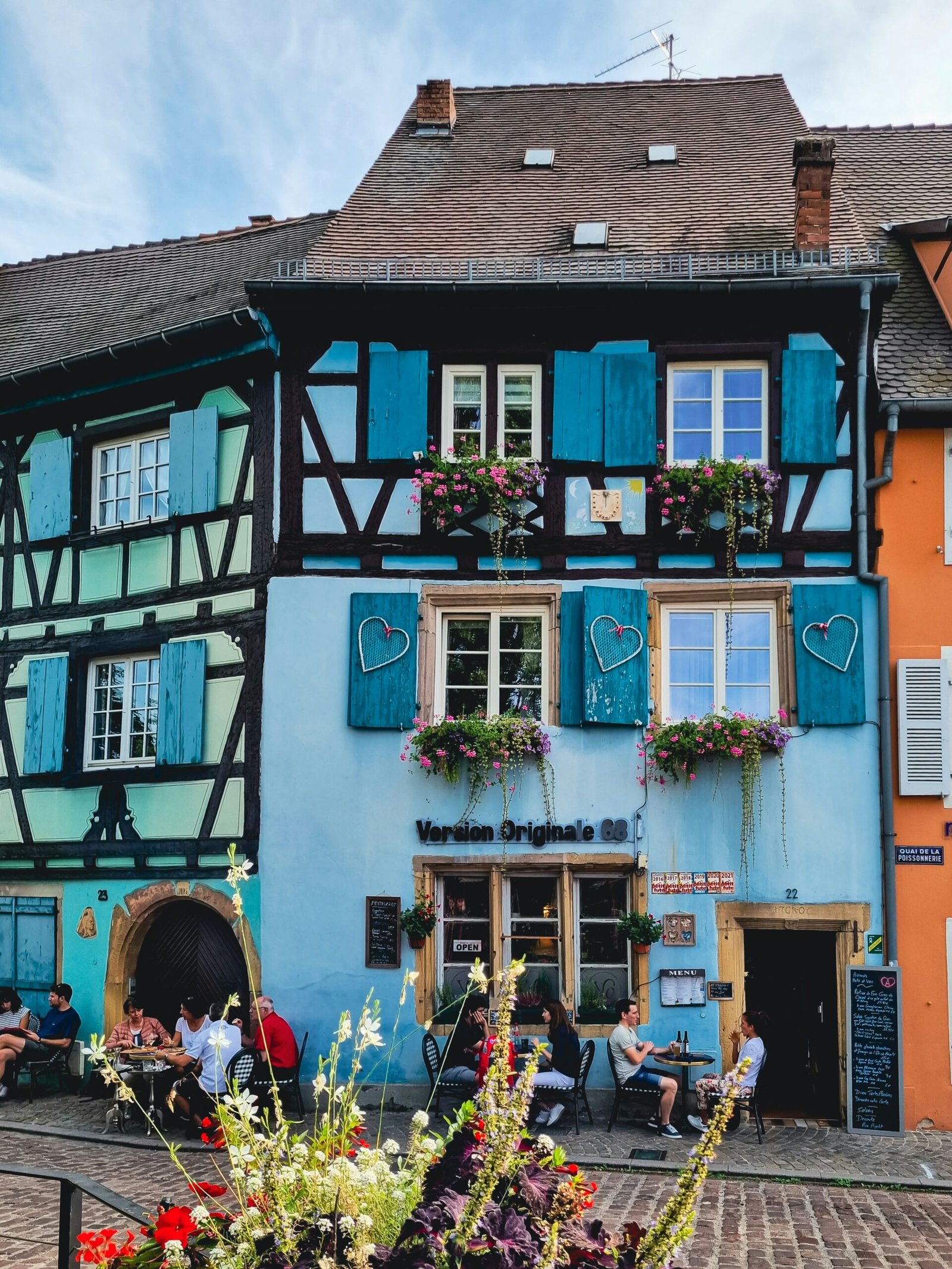
March in France is the transition month — the Alpine ski season winding down in the lower resorts while the high altitude areas stay open through April, Provence producing its first almond blossom and mimosa, and the Loire Valley beginning its spring awakening. The tourist infrastructure has not yet activated for the summer.
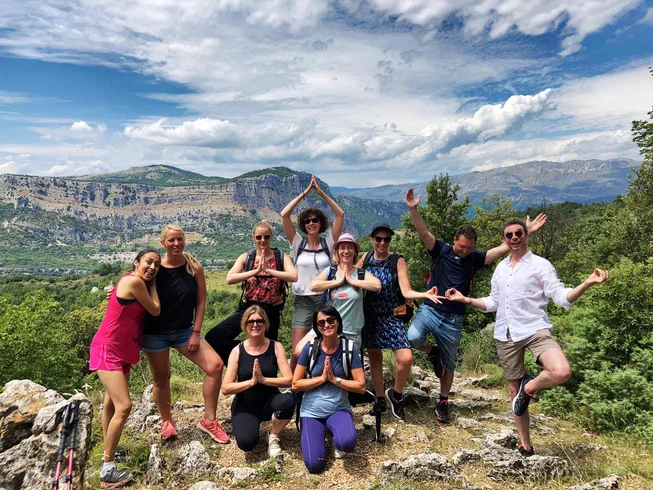
The retreat centres are running their spring opening programmes. A yoga retreat in France in March catches the country at the specific moment when the winter gives way.


March is the month France transitions from its winter character to its spring one — and the transition is specifically worth experiencing rather than waiting through. The almond blossom in the Var, the mimosa on the Riviera, and the wild asparagus in the Provençal garrigue are all March phenomena that neither winter nor summer produces. The Loire châteaux are accessible without the school holiday crowds of April. And the coastal Bretagne and Normandie are in March at the transition between the winter Atlantic mood and the spring arrival that transforms them from April onward.
Browse our full yoga retreats in France guide for the complete picture of what the country offers year-round. For the global context of March retreat travel, our yoga retreats in March guide covers every destination worth considering this month.




The Loire Valley — the UNESCO World Heritage stretch of the river between Sully-sur-Loire and Chalonnes-sur-Loire, with the greatest concentration of Renaissance châteaux in the world — is in March at the most accessible window of the year: the spring has begun (the Loire Valley is the warmest of the northern French regions in spring, the river valley creating the microclimate that the Renaissance kings chose it for), the châteaux fully open, and the school holiday crowds of April not yet present.
The Château de Chambord — the largest of the Loire châteaux, with the double-helix staircase attributed to Leonardo da Vinci — is in March accessible without the summer bus tour compression. The Château de Chenonceau — the château built across the Cher river, its arches reflected in the water below — is in March surrounded by the first spring planting in the formal gardens, the box hedges freshly clipped and the flower beds in their early season preparation. The troglodyte cave culture of the Loire — the networks of cave dwellings, cave cellars, and cave chapels carved into the tuffeau limestone above the river — is in March accessible on the cave tours that the warmer temperatures make comfortable.
Brittany — the Atlantic peninsula of northwestern France, the most Celtic of the French regions in its culture, architecture, and food tradition — is in March at the transition between its winter Atlantic character and the spring tourist season that begins in April. The Pink Granite Coast (Côte de Granit Rose) near Perros-Guirec — the extraordinary geological formation where the granite boulders of the coast are stained pink by feldspar crystals — is in March accessible without the summer visitors, the coastal path between the rocks empty and the winter sea visible in its full Atlantic force.
The Finistère coast — the western tip of Brittany, where the Pointe du Raz and the Pointe du Van overlook the Atlantic — is in March in its most dramatically itself: the ocean at full Atlantic winter force, the Celtic crosses at the prehistoric megaliths visible in the low March light, and the crêperies and cideries of the Pays Bigouden serving the local crêpe tradition without the summer tourist modification. The meneg-braz (the great menhir field at Carnac) — the most extensive megalithic site in the world, with over 3,000 standing stones — is in March accessible without the crowd management fences that the summer requires.
The Côte d’Azur in March is in its mimosa season — the acacia dealbata trees that cover the hillsides above Cannes, Mandelieu-la-Napoule, and the Massif de l’Esterel in full yellow flower, the scent filling the coastal air from January through March. The Fête du Mimosa in Bormes-les-Mimosas (the village in the Var that names itself for the tree) takes place in February, but the March mimosa is at its late-season fullness — the yellow billowing from the hillside terraces above the Mediterranean coast in the clearest March air of the year.
Grasse — the historic perfume capital of the world, in the hills above Cannes — is in March beginning its spring flower production: the jasmine and rose that the Grasse parfumeries use are summer flowers, but the visit to the Fragonard, Molinard, and Galimard parfumeries in March produces the off-season access to the production facilities that the summer tourist season does not permit. The Pays de Grasse walking trails through the mimosa-covered hillsides above the city are in March at their most fragrant and most visually specific.
The Languedoc — the southern French region between the Pyrenees and the Rhône, with the Cathar castles in the Corbières hills, the Canal du Midi (the 17th-century waterway through the Hérault vineyards), and the Montpellier university city — is in March at the pre-tourist season window when the landscape is most available for the kind of slow engagement that the retreat format enables. The Cathar castles of the Corbières — Quéribus, Peyrepertuse, Puilaurens — are perched on the limestone ridges above the garrigue at altitudes between 700 and 900 metres, and March is the last month before the walking season begins to bring the hikers who use the GR trails through the area.
The Canal du Midi in March — the 360-kilometre canal from Toulouse to the Étang de Thau lagoon, lined with the plane trees that shading its entire length — is in March at the transitional season: the canal boats beginning to emerge from their winter moorings, the plane trees at their first March leaf, and the towpath accessible for the long canal walk that the summer heat makes uncomfortable.
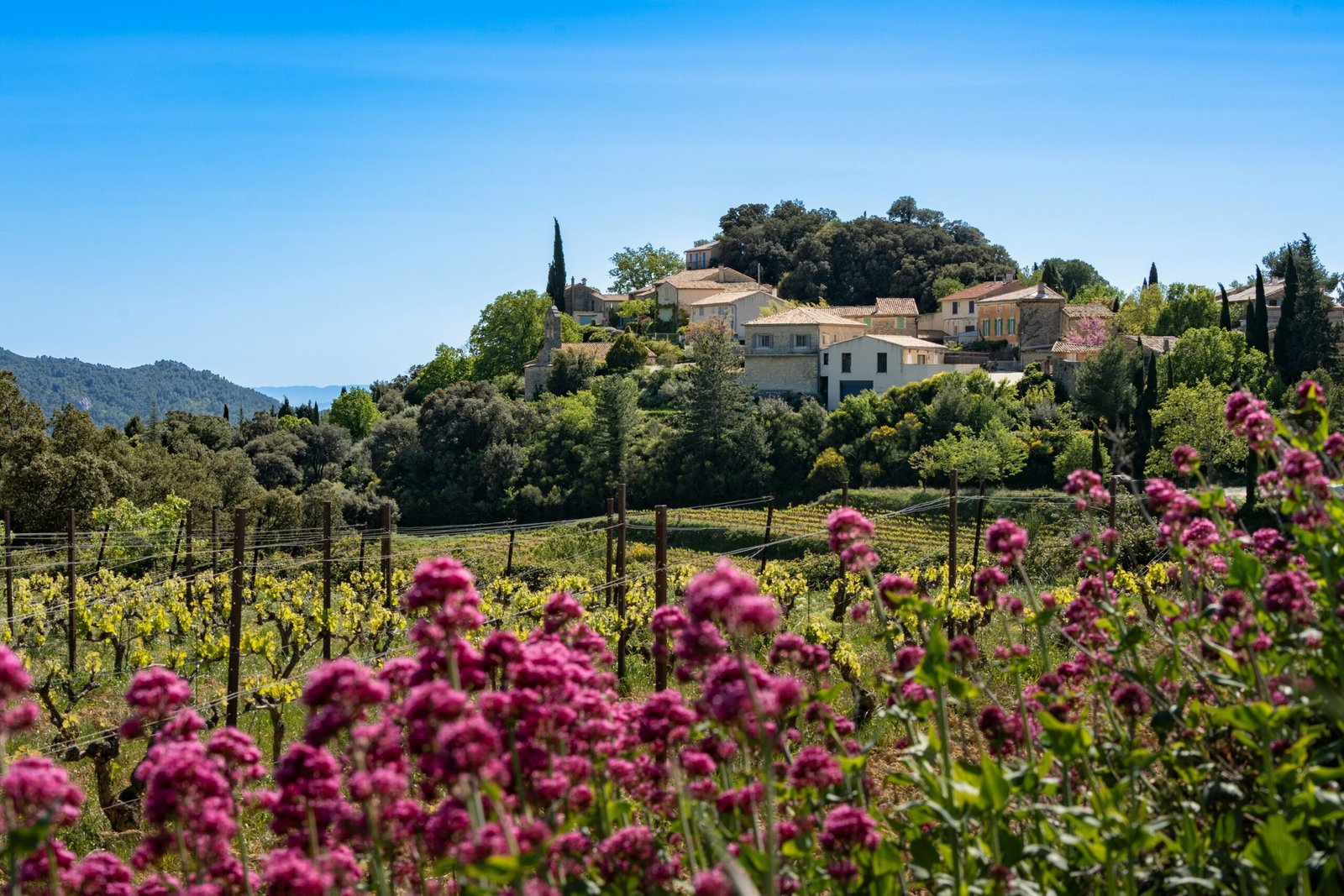
The spring equinox in France does not have the specific archaeological dimension of the Mexican Chichén Itzá alignment, but the cultural calendar acknowledges it — the Fête du Printemps in many French towns and the garden-opening season that begins on or around the equinox in Provence and the Loire Valley. The equinox is the formal opening of the spring retreat season across France.
The French school holidays at Easter (the vacances de Pâques) fill the ski resorts and the Provençal destinations from late March or early April depending on the year — the two-week period when the French domestic tourism activates the most popular spring destinations. For retreat guests, the pre-Easter weeks of March are the quietest of the spring season; the Easter week itself requires advance booking at any destination that the French family holiday circuit uses.
The Fête du Mimosa at Bormes-les-Mimosas in the Var — the village named for the tree — runs in February but the mimosa on the surrounding hillsides extends through March. The festival parade through the village streets, the mimosa-decorated floats, and the yellow of the hillside terraces above the village are the March Var experience at its most specific.
The wild asparagus (asperges sauvages) — the thin, intensely flavoured wild variety that grows on the garrigue hillsides of Provence and the Languedoc — begins appearing at the Provençal and Languedoc markets in March. The wild asparagus is specifically a March product — available for only a few weeks before the domestic season arrives in April — and its flavour (more bitter and more intense than the cultivated white and green varieties) is specifically good with the simple preparation: blanched, then dressed with olive oil and fleur de sel from the Camargue.
The galette de sarrasin (the Breton buckwheat crêpe) and the cidre bouché (the traditional Breton fermented apple cider in the corked bottle) are the March Brittany retreat food and drink at their most specifically appropriate. The Breton crêperie in March serves the galette without the summer tourist modifications that the highest-traffic establishments sometimes produce — the simple combination of the buckwheat, the egg, the ham, and the butter in the traditional folded square that the crêpe culture is built around.
The March Loire Valley market has the first spring produce of the region — the asperges de la Loire (the white asparagus cultivated under the tuffeau-covered mounds that produce the blanched variety), the rillons (the pork belly pieces preserved in their own fat, the Touraine equivalent of rillettes), and the Vouvray and Montlouis white wines from the tuffeau cellars that the Loire’s underground geology produces in the most extensive cave-wine culture in France.
The Carnac menhir fields in March — arriving at the Ménec alignment before 9am when the site opens and the crowds have not yet assembled — is the March Brittany retreat morning that uses the specific March accessibility of the world’s most extensive megalithic site. The 3,000 standing stones in the four main alignments (Ménec, Kermario, Kerlescan, and Le Petit Ménec) are in March visible without the summer rope-managed access that limits the paths between them, and the early morning March light on the granite produces the megalithic landscape at its most atmospheric.
The Canal du Midi towpath walk — the 360-kilometre path along the canal from Toulouse to the sea, but more practically the section from Carcassonne to Béziers through the Hérault vineyards — is in March at the opening of its walking season: the canal boats beginning to appear, the plane trees at their first leaf, and the path accessible without the summer heat that makes long canal walks genuinely uncomfortable. The section through the Orb aqueduct (the point where the canal crosses the Orb river on a stone aqueduct bridge) is the most specifically engineered of the Canal du Midi’s 17th-century hydraulic achievements.
The Loire château circuit by bicycle — the Loire à Vélo cycle path along the river connecting the main châteaux — is in March at its opening season conditions: the path dry, the villages accessible, and the château gardens in their spring preparation. The March circuit from Amboise through Chenonceau to Cheverny (the château that provided the model for Tintin’s Moulinsart castle) covers the most specifically Renaissance of the Loire’s architectural heritage in a day’s cycling from a single base.
Your email address will not be published. Required fields are marked *