

February is the month that most people write off and that experienced retreat travellers quietly claim for themselves. A yoga retreat in February catches you between the reset of January and the energy of spring — in a specific stillness that is entirely its own. The destinations that are genuinely good this month are specifically good, not coincidentally available.


The post-January reset has settled. The year has found its rhythm. And February has something January lacks: the almond blossom beginning on the Atlas foothills, the Carnival energy spreading from Venice to Rio, and India in its last comfortable weeks before the heat arrives. There is also something particular about February practice — quieter than March, deeper than January’s initial clearing, and sitting at the specific moment when winter’s interior work is complete and the first signals of spring are becoming readable.
The retreat world in February is running its most focused programmes. Groups are small everywhere in the Mediterranean. In Asia, the peak season is in its final weeks and the infrastructure is fully operational. For those who look carefully rather than past it, February is one of the better-kept secrets in the retreat calendar.
Our worldwide yoga retreat collection covers every destination and format — the options below are the ones worth considering specifically in February.
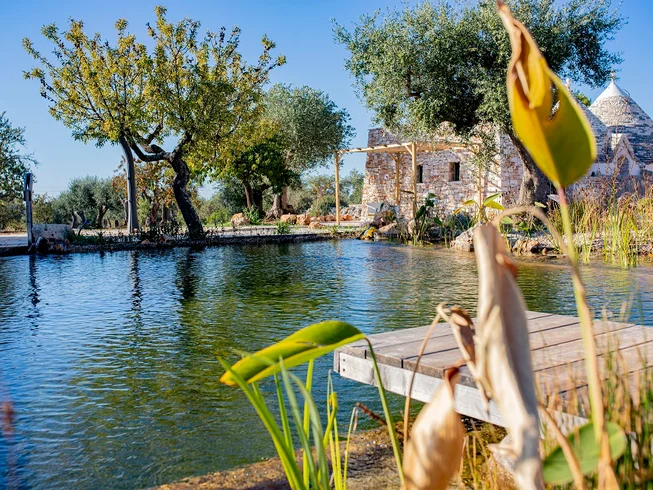
February is when the Moroccan countryside does something that the summer visitor never sees. The almond trees that cover the foothills of the Atlas Mountains — the Ourika Valley south of Marrakech, the Amizmiz road, the hillsides above Taroudant — flower in February in white and pink blossom, one of those specifically seasonal landscape events that lasts three weeks and then is gone. The timing varies by altitude and year, but the second and third weeks of February are typically the peak: the low-altitude orchards flowering first, the higher ones following as the month progresses.
For retreat guests based in Marrakech in February, a half-day excursion to the Ourika Valley during blossom week — the road south from the city climbing through the orchards into the first Atlas foothills — is the kind of seasonal experience that no other month offers and that the retreat context, with its accumulated attention and presence, makes genuinely absorbing rather than simply photogenic. The Valley of Roses around Kelaa M’Gouna begins to prepare for its May harvest in February, the rosewater distilleries starting their pre-season preparations and the rose gardens beginning to show the first buds.
Marrakech itself in February has the quality of a city between seasons — past the winter quiet of January but not yet into the spring peak that March brings. The temperatures of 18-22°C are at their most comfortable for exploring: the souks, the Saadian Tombs, the Bahia Palace, and the Majorelle Garden are all accessible without the summer heat management and without January’s occasional rain. The retreat centres are running programmes of genuine intimacy — the groups are small, the attention is individual, and the city is operating at the pace that its residents rather than its visitors set.
The Sahara in February has the specific quality of desert winter transitioning to desert spring: cold nights (5-8°C) that produce the clearest star fields of the year above Merzouga, and warm days (20-24°C) that allow the camel treks and the sunrise dune walks that the summer heat makes challenging. For the full February Morocco picture, our yoga retreats in Morocco in February guide covers every region and format.
The Canary Islands in February are at the peak of their season, and the gap between what they offer and what mainland Europe offers in February is at its annual maximum. Tenerife, Gran Canaria, Lanzarote, and Fuerteventura sit at 20-23°C year-round — but February is when that consistency is most valued, when the contrast with the grey of London, Paris, or Berlin is at its sharpest and most motivating.
Tenerife in February has the Teide National Park — the volcanic caldera around Spain’s highest peak (3,715 metres) — dusted with snow on the upper slopes while the coastal retreat centres run morning practice in temperatures of 21-23°C. The combination of the volcanic landscape, the subtropical forest of the Anaga Rural Park in the northeast, and the black sand beaches of the south coast makes Tenerife the most geologically varied and the most retreat-suited of the Canary Islands in winter. The Santa Cruz Carnival, held in February and considered one of the most elaborate in the world after Rio de Janeiro, adds a cultural dimension to the February Tenerife retreat week that the summer programme cannot replicate.
Lanzarote is the most architecturally distinctive of the Canaries — the volcanic landscapes designed by César Manrique into a specific aesthetic of black lava, white architecture, and intense green that is unlike anywhere else in the Spanish archipelago. The wind on the eastern coast is consistent and strong in February, making it the finest windsurfing and kitesurfing month of the year at Famara and El Cotillo. Retreat centres here combine morning yoga with afternoon water sports in a format that February specifically enables.
Fuerteventura in February has the Atlantic surf at its February peak — the island’s long western beaches producing the most consistent surf breaks of the Canaries — and the wind conditions that make it the kite and windsurf capital of Europe. For surf-and-yoga retreats specifically, February Fuerteventura is the most complete version of this format available in Europe at any price point. Our yoga retreats in Spain in February guide covers the full Canary Islands programme alongside the mainland options.
February is the last comfortable month in most of India before the heat arrives, and the retreat infrastructure responds accordingly — the programmes running at full capacity, the teachers present rather than travelling, and the cultural calendar producing its most specific events of the year.
Goa in February is the state at its most complete: the dry season fully established, the sea at 27-28°C, and the tourist season in full swing without the absolute peak of Christmas week. The beach yoga scene that has made Goa an international retreat destination since the 1970s is in February at its most developed. The northern beaches — Arambol, Morjim, Mandrem — have the density of yoga shalas, Ayurvedic centres, and retreat properties that makes this stretch of coastline genuinely unique in the world: an organic accumulation of practitioners and teachers that no designed resort complex has replicated. The Goa Carnival in February — the Portuguese colonial legacy producing four days of masked parades in Panaji — adds the specific Goan festive dimension that the beach culture alone does not provide.
Rishikesh in February is cold at night (8-12°C) and warm during the day (20-24°C) — a combination that suits serious practice in ways that the summer heat does not. The Yoga Capital of the World label that the city has been carrying since the Beatles came here in 1968 is earned in February more than in any other month: the yoga schools are all operational, the Ganga is at its most clear, and the International Yoga Festival (held in the first week of March, with registrations and preparatory programmes running through February) brings the most concentrated gathering of teachers and practitioners in the world to the Uttarakhand foothills. The ashrams along the river in February are at their most authentic — the tourist pressure present but not dominant, and the spiritual practice community at its most visible.
Kerala in February has the backwaters, the Ayurvedic tradition, and the monsoon-reversed weather of the southwest coast all at their most accessible. The Ayurveda programmes in the traditional Kalaripayattu towns of the central Kerala highlands and the beach resort towns of Kovalam and Varkala are running their full February season. The Theyyam ritual performances — the trance-based temple ceremonies of northern Kerala, one of the most extraordinary ritual art traditions in the world — run through February in the Kannur district, accessible by a two-hour drive from the main coastal retreat bases. Our yoga retreats in India in February guide covers the full picture across the country.
February in Brazil is Carnival, and Carnival in Brazil is an experience that the yoga retreat format approaches from an unexpected angle. The obvious contradiction — between the excess and the spectacle of the world’s largest party and the inward discipline of a yoga retreat — is, in practice, less of a contradiction than it appears. The energy of Carnival, properly experienced rather than merely consumed, is one of collective embodiment: the samba, the street dancing, the communal movement of millions of people in the same rhythm produces a quality of physical presence and social connection that the yoga tradition is also trying to access through different means.
Rio de Janeiro in February needs no introduction, but the retreat context that surrounds it does. The yoga and wellness community in Rio — concentrated in the beachside neighbourhoods of Ipanema, Leblon, and Barra da Tijuca — runs its most ambitious February programmes around the Carnival weeks, specifically designed for practitioners who want the full Carnival experience without losing the practice that gives it context. Morning yoga before the afternoon parades. Meditation before the evening blocos. The specific discipline of maintaining a daily practice inside the most undisciplined event on the calendar is not a compromise but an experiment in what the practice actually is when the external conditions are not cooperating.
Florianópolis in Santa Catarina — the island city in the south of Brazil, the Brazilian destination that the international yoga community chooses when it wants Carnival energy without Rio’s density — has a February retreat scene that is significantly more developed than its international profile suggests. The combination of the Atlantic surf breaks on the eastern and southern beaches, the lagoon kitesurfing culture, and the February temperatures of 28-30°C produces a retreat environment that is specifically Brazilian and specifically of this month.
February is not January and it is not March, and the yoga practice that acknowledges this distinction will be more useful than one that ignores it. January was about clearing and restoring. March will be about opening and energising. February sits between them — the practice in a moment of genuine transition, where the body has recovered from winter and is beginning to sense the spring that has not yet arrived.
This transitional quality produces a specific opportunity. The Yin practice of January begins to give way, gradually, to slightly more dynamic forms — a longer sun salutation sequence, standing poses that begin to open the hips and the chest, pranayama that moves from the passive cooling breath of winter toward the energising Kapalabhati that the spring will use. But the movement is gradual, responsive, and honest about where the body actually is rather than where the calendar says it should be.
The sequence that works in February is one that begins in stillness and earns its movement: a long grounding practice in the first part of the session, seated and restorative, followed by a graduated progression into standing poses that feel genuinely supported rather than forced. The body in February is ready for more than January asked of it, but not yet for the full expression of spring energy. The teacher who reads this correctly produces a February retreat week that feels specifically of its moment — a quality that is harder to achieve than it sounds and more valuable than it is given credit for.
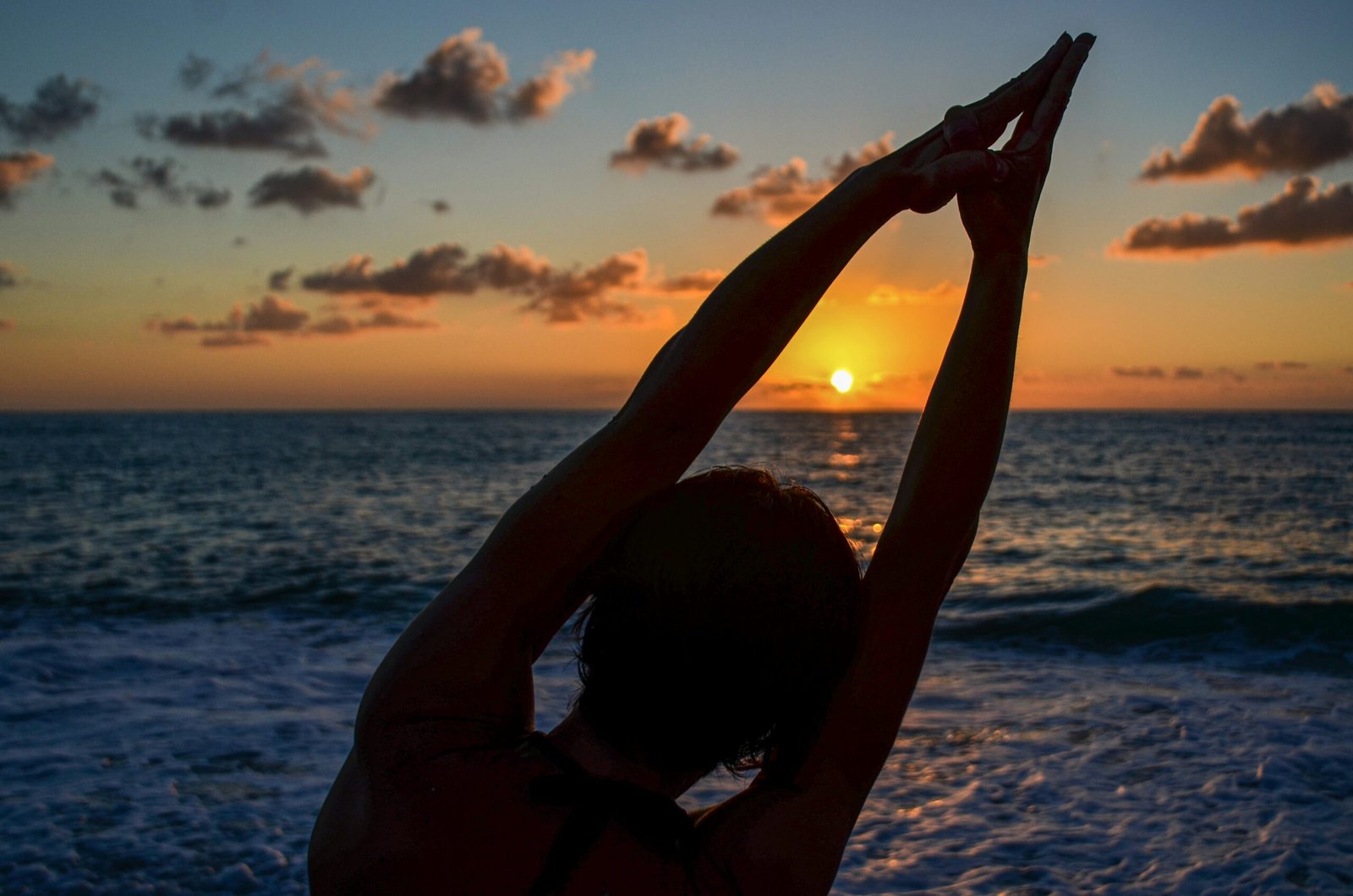
Every major wisdom tradition has a season of celebration before a season of discipline, and February contains both. The Carnival period — running from the Thursday before Ash Wednesday through Mardi Gras — appears in some form in almost every country touched by the Christian or pre-Christian seasonal calendar: the Brazilian samba, the Venetian masks, the Viareggio floats in Tuscany, the Cologne street festival, the New Orleans jazz, and the older substrata of the Roman Saturnalia and the Celtic fire festivals that preceded all of them.
For the yoga practitioner, the question of how to relate to Carnival is genuinely interesting. The tradition of dropping ordinary rules, reversing hierarchies, and celebrating with full physical presence before the discipline of Lent begins is not antithetical to spiritual practice — it is a different mode of the same fundamental awareness. Being fully present in the body during a samba procession or a Venetian masked ball requires the same quality of attention as being present in a Yin hold. The object of attention is different; the quality of attention is the same.
The retreats that acknowledge Carnival rather than treating it as noise to be managed — building in a Carnival evening, incorporating the local festive tradition into the week’s programme, using the contrast between collective celebration and individual practice as teaching material — produce a February retreat experience that is specifically of the month and specifically impossible to replicate in any other.
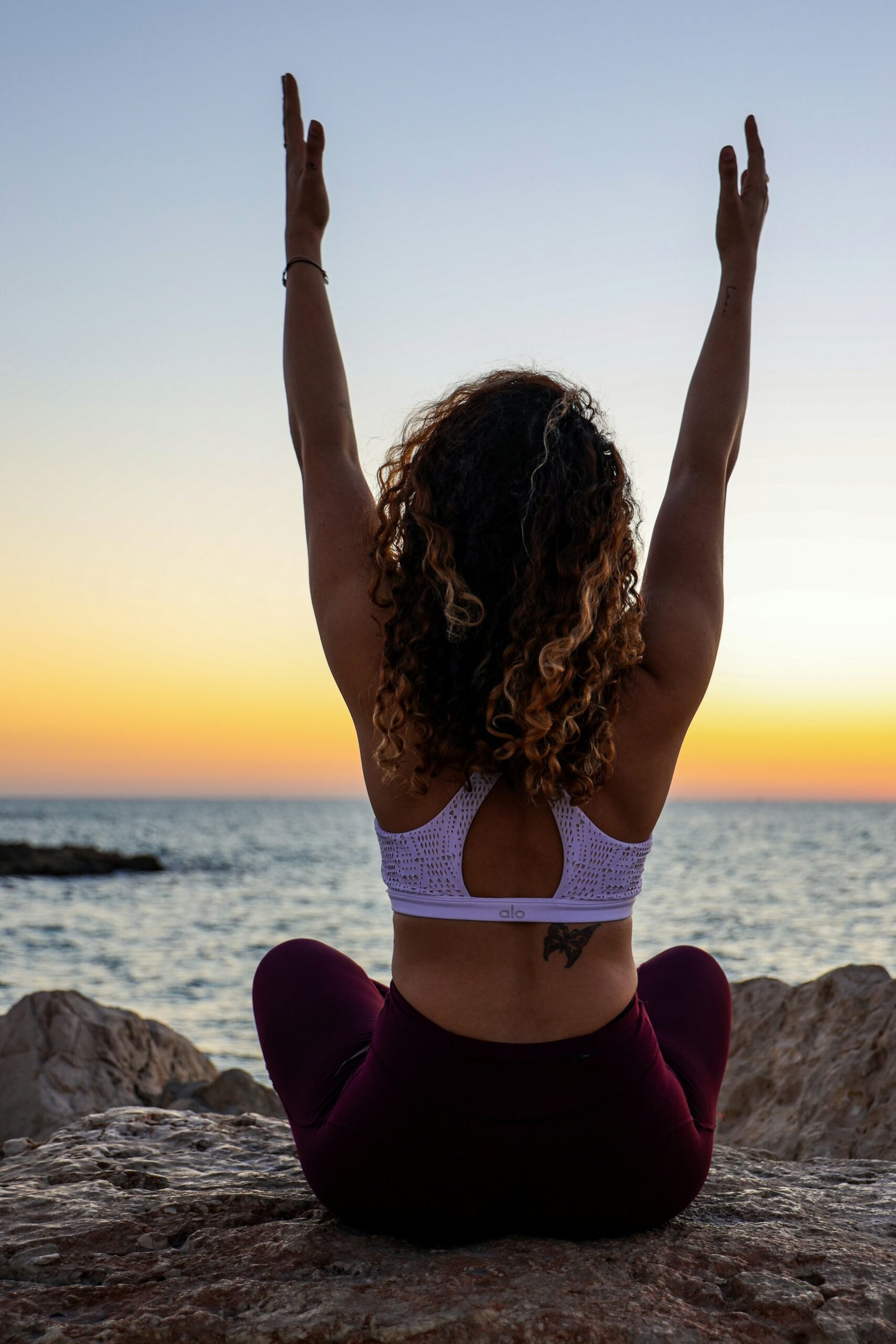
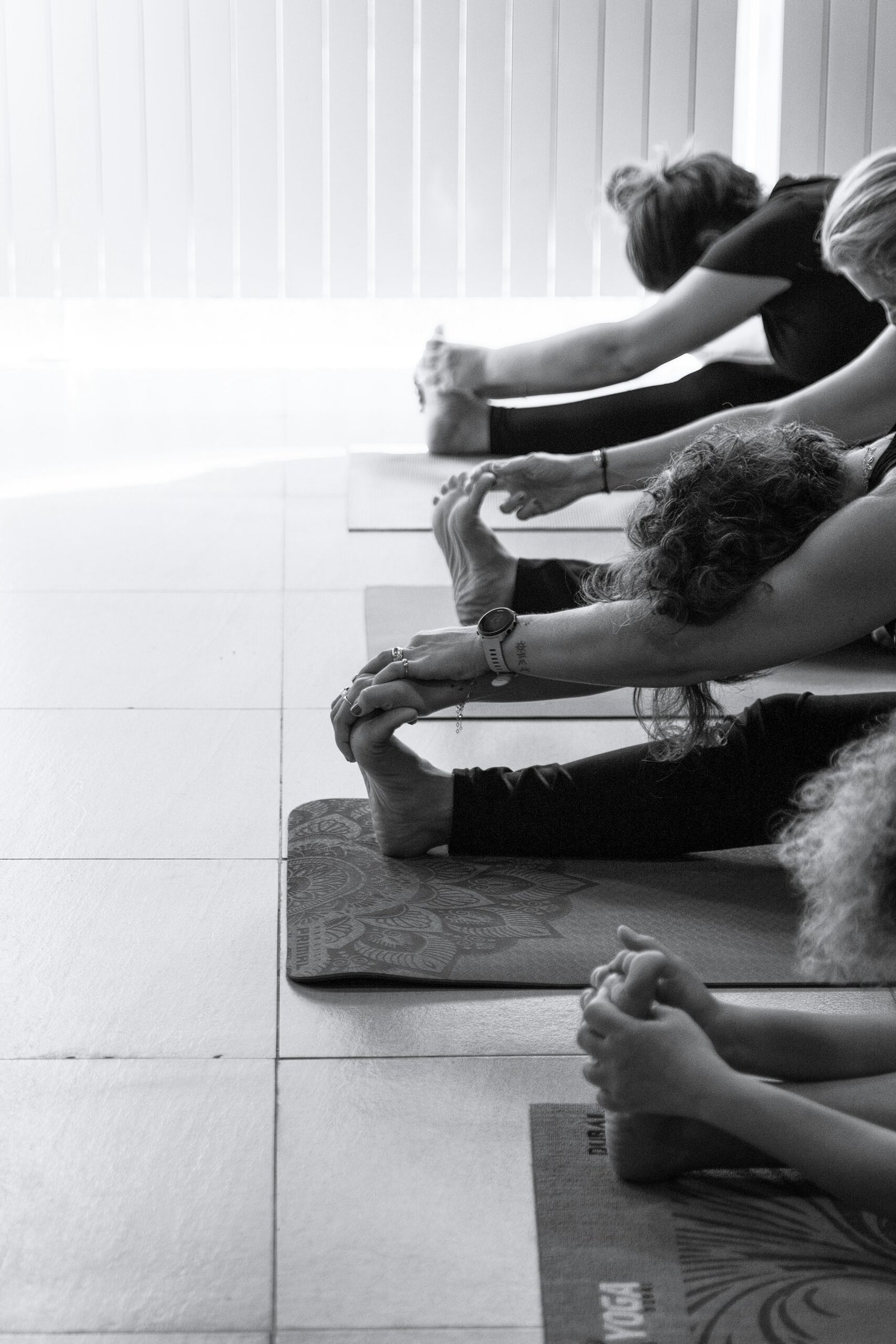
February is not quite spring, but the body begins to sense it coming. Days are fractionally longer, light has a slightly different quality in the afternoon, and something in the system starts to stir after months of contraction. A well-timed retreat in late February can work with this emerging energy, beginning the gradual transition from deep restorative practice toward something slightly more dynamic — without rushing the process or pretending winter is already over. This is a delicate and genuinely rewarding moment to practice, sitting right at the threshold between two very different seasons.
Ayurvedically, late February marks the beginning of the shift from Vata to Kapha — from the dry, mobile energy of deep winter to the heavier, more cohesive quality that precedes spring. The body may feel a little more sluggish than it did in January, and energy can seem to arrive in shorter bursts. Rather than fighting this, a February retreat that incorporates stimulating breathwork, sun salutations timed with the morning light, and gradually increasing movement intensity works with the seasonal shift rather than against it. By the final days of the retreat, most practitioners find themselves feeling not just restored, but genuinely ready — for spring, for movement, for whatever comes next.
Your email address will not be published. Required fields are marked *