
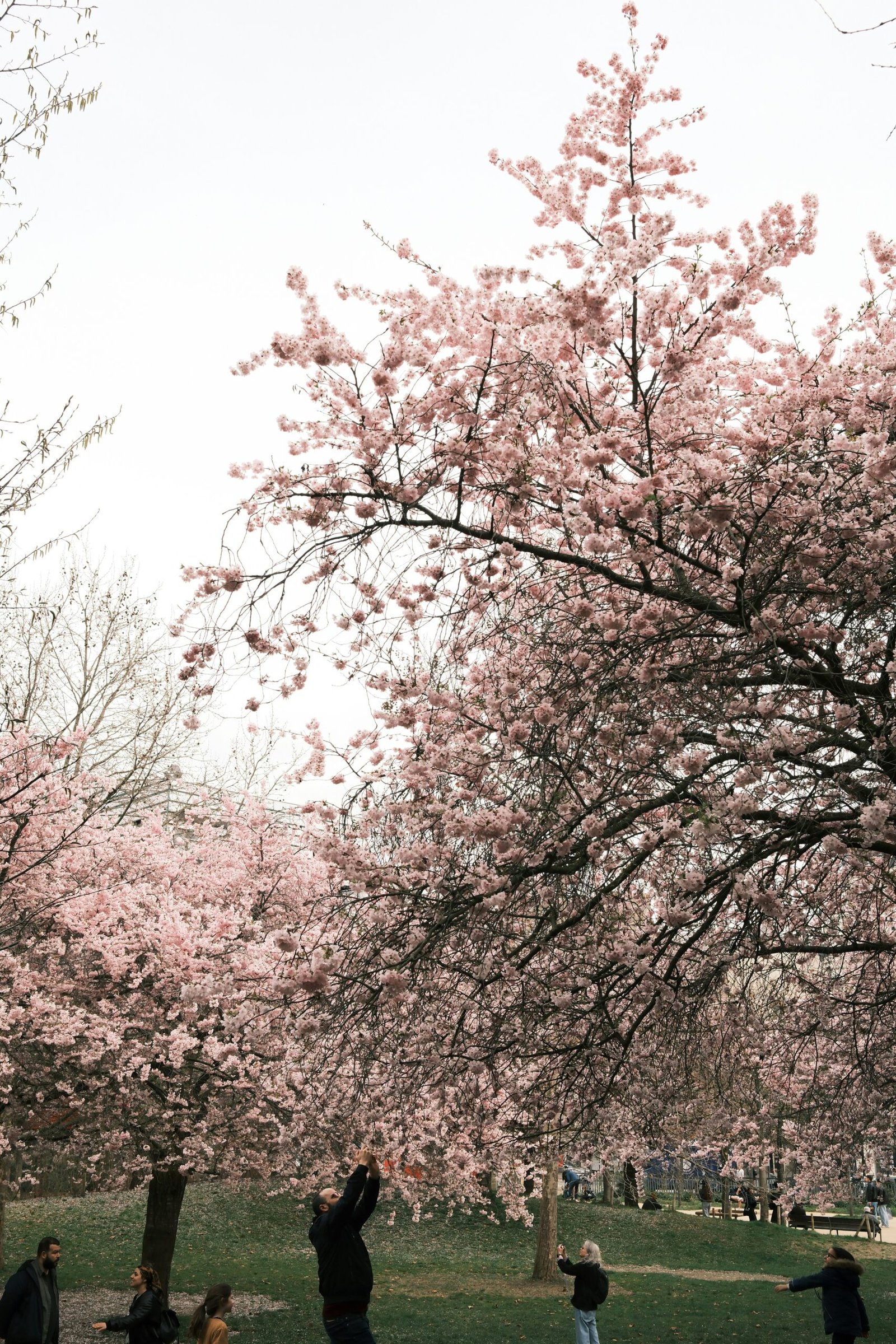
April in France is the month the country earns its reputation as the most beautiful in Europe. Provence is covered in wildflowers. The Loire châteaux are surrounded by blossom.
Paris has the chestnuts flowering on the boulevards. And the light — the specific quality of April light in France that painters have been trying to capture for two centuries — is at its annual best. A yoga retreat in France in April is the country at its most specifically beautiful.


April is when France’s spring arrives in its full form — simultaneously in the Provençal garrigue, in the Loire Valley orchards, in the Dordogne river valleys, and on the Normandie coast. The Easter school holidays bring domestic tourism to the most popular destinations, but the retreat centres away from the holiday circuit use April’s extraordinary natural conditions without the crowd pressure. The cultural calendar has Easter, the spring exhibitions opening in Paris, and the specific festive energy of the country that most completely believes in the significance of spring.
Browse our full yoga retreats in France guide for the complete picture of what the country offers year-round.
For the global context of April retreat travel, our yoga retreats in April guide covers every destination worth considering this month.


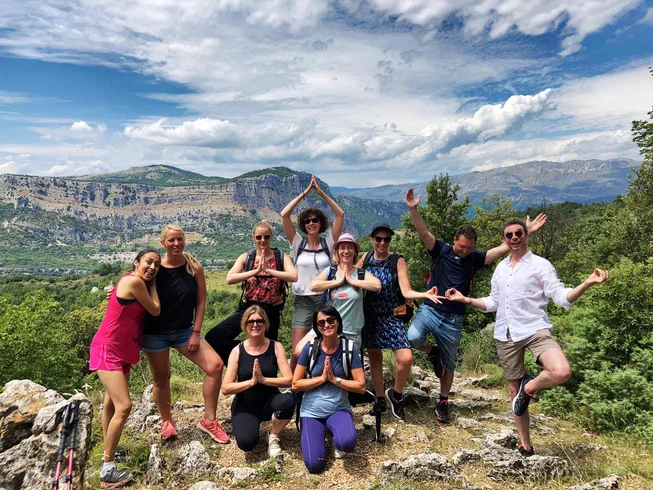

Provence in April is the region at its most dramatically beautiful — the garrigue hillsides above the Luberon and the Alpilles covered in the wildflowers that the April rains and the April sun produce simultaneously: the wild thyme in its first flowering, the rockrose (cistus) with its pink and white tissue-paper petals, the lavender not yet in bloom but the plants at their fresh green growth of the season, and the poppies beginning to appear in the cereal fields of the Crau plain. The Gorges du Verdon — the limestone canyon in the Alpes-de-Haute-Provence, the deepest canyon in France — is in April accessible without the summer kayak and climbing tourism, the turquoise river at its spring volume from the snowmelt, and the canyon walls visible in the April light from the corniche roads above.
The Abbaye de Sénanque near Gordes — the 12th-century Cistercian monastery set in a lavender valley — is in April surrounded by the lavender plants in their pre-bloom spring growth rather than the July purple that the postcards show. The April visit is specifically less photographed and more genuinely architectural: the grey stone of the abbey visible against the spring green of the valley rather than the purple summer version.
Normandie in April is the Atlantic coast at its spring best — the Falaises d’Étretat (the chalk sea cliffs with the natural arches that Monet painted from the beach below) in the April light that the summer heat changes in quality. The D-Day beaches — the Omaha, Utah, Gold, Juno, and Sword beach landing sites — are in April accessible without the summer pilgrimage tourism, and the visit to the American Cemetery above Omaha Beach or the Pointe du Hoc cliff assault position produces the most contemplative engagement with the 1944 events when the site is not managing tour group logistics.
The Normandie apple orchards are in April in full blossom — the cidre apple and calvados pear orchards that cover the Pays d’Auge and the Pays de Bray in white flower above the half-timbered farmhouses of the Normandie countryside. The Route du Cidre through the orchards in April blossom is the most specifically April of any French driving or cycling excursion — the combination of the blossom, the half-timbered architecture, and the farm-gate calvados distilleries accessible without the summer tourist pricing.
Paris in April is the most specifically Parisian of months — the chestnut trees flowering on the boulevards, the Jardin du Luxembourg and the Tuileries gardens in their spring planting, and the city operating at the pre-summer European tourism volume that the June-August peak entirely changes. The Seine riverbanks in April, the Canal Saint-Martin neighbourhood with its iron bridges and poplar-lined towpath, and the Marais with the Place des Vosges in the April light produce the Paris that the Paris mythology is built around.
The yoga and wellness culture of Paris is among the most developed in Europe — the concentration of studios, retreat centres, and wellness facilities in the arrondissements around the Canal Saint-Martin, the 11th and 10th arrondissements, and the quieter neighbourhood studios in the Marais and Batignolles produce the urban yoga retreat format that no other French city can replicate. The April Paris retreat — morning practice at the studio, afternoon at the museum exhibitions, evening at the natural wine bar — is the specifically urban version of the French retreat that the countryside destinations do not offer.
Corsica in April is the Mediterranean island at its spring best — the maquis (the aromatic shrubland of cistus, myrtle, heather, and wild rosemary that covers the island’s coastal slopes) in its April flowering, the chestnut forests of the interior in new leaf, and the island’s hiking trails (the GR20, considered the most challenging long-distance trail in Europe) in their spring accessible form before the July and August heat closes some of the high sections. The island’s coastal retreats around Porto-Vecchio and Bonifacio in the south and Calvi and L’Île-Rousse in the north are in April opening their spring programmes without the summer density.
The Corsican food culture in April is at the spring table — the charcuterie (the figatellu, the lonzu, and the coppa from the free-range Nustrale pig) at its spring production, the brocciu cheese (the Corsican fresh sheep’s milk ricotta, available only from October through June) at its April availability, and the wine estates of the Patrimonio appellation in the north of the island accessible for the cave visits that the summer tourist traffic makes more difficult.
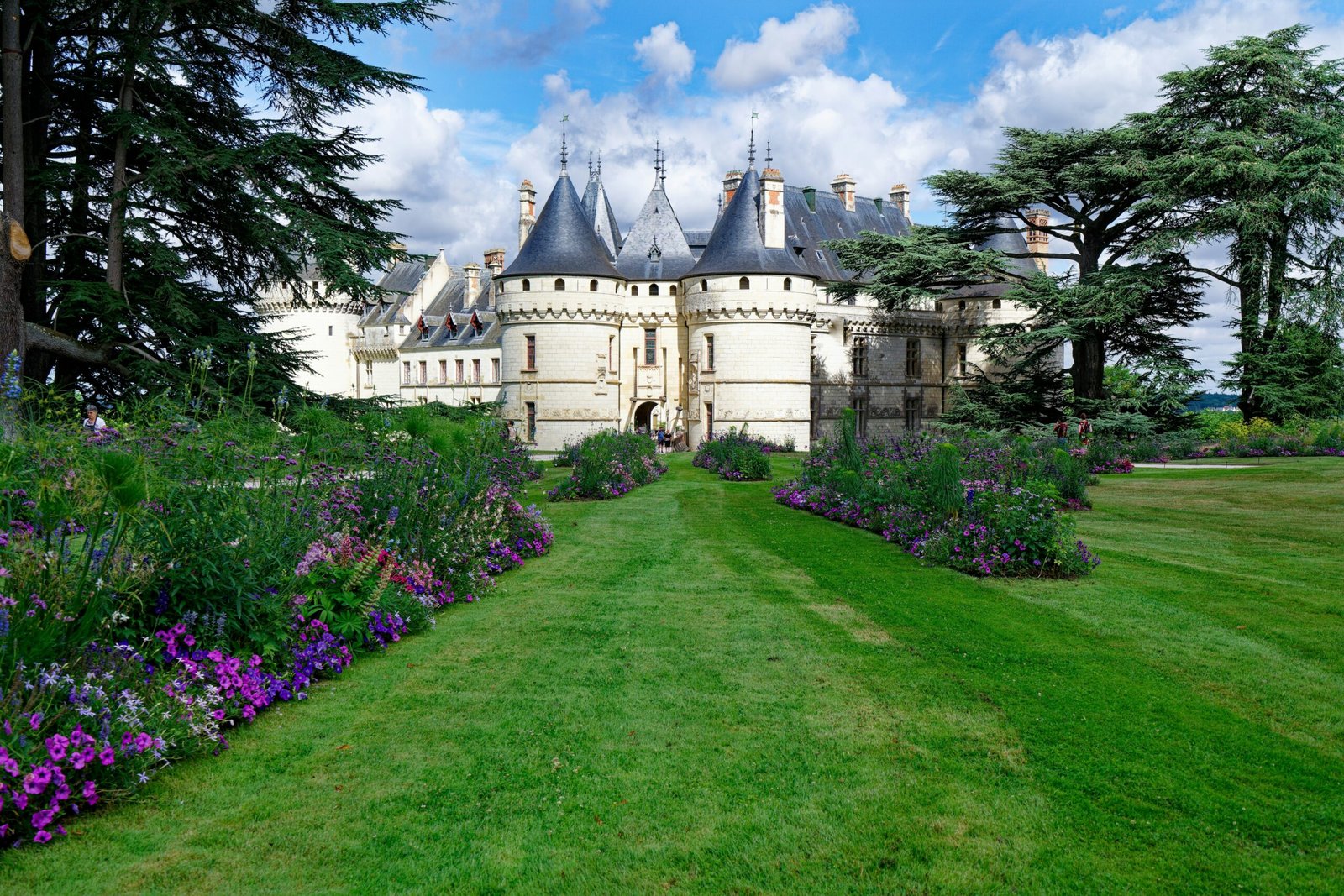
Pâques — Easter — is the most important religious and cultural celebration of the French spring. The Easter Sunday lunch (the agneau pascal, the Easter lamb with the spring vegetables) is the most specifically French domestic food event of the spring calendar. The Easter egg hunts in the gardens of the Loire châteaux and the Provençal mas are the family version. For retreat guests, the Easter Sunday in France is most specifically accessed at the smaller French towns and villages where the Easter Mass at the village church and the Sunday market lunch at the local restaurant produce the most genuine version of the tradition.
The spring plantings on the Champs-Élysées and the Tuileries gardens in Paris reach their peak in April — the tulip and narcissus plantings that the city’s parks department produces annually. The April Tuileries garden, with the tulip beds and the spring plane trees, is specifically worth the visit from any Paris retreat base.
The Easter lamb (agneau pascal) — the most specifically French of the Easter dishes — is in April at the butcher counters and the farm-gate sales in the Provençal and Loire Valley retreats. The lamb from the Sisteron appellation (the most prized of the French spring lamb, from the lambs raised on the thyme-covered garrigue of the Haute-Provence) is at its April season. At a Provençal retreat kitchen sourcing from the local butcher in April, the roast Sisteron lamb with the spring garlic and the flageolet beans is the most specifically French and most specifically April of any dish available.
The brocciu cheese — available only from October through June — is in April at the Corsican markets at its spring freshness: the fresh sheep’s milk ricotta, slightly grainy, with the specific flavour of the island’s spring pasture that dries into the summer character when the grass burns in July. The brocciu au miel (the fresh cheese with the Corsican chestnut honey) and the beignets de brocciu (the fried cheese fritters that the Corsican kitchen produces with the fresh season cheese) are specifically April dishes on the island.
Ail des ours (wild garlic, Allium ursinum) — the broad-leafed woodland plant that carpets the French forests from March through May with its white flowers and its intensely garlicky perfume — is in April at its most available and most fragrant at the spring markets and the forest foraging walks of the Alsace, the Vosges, and the Normandie woodland areas. The pesto d’ail des ours and the soupe à l’ail des ours are the April retreat kitchen recipes that specifically require the forest floor ingredient.
The GR20 first section from Calenzana to Haut Asco — the most challenging opening stage of the most challenging long-distance trail in Europe — is in April accessible in its lower sections, with the snow still present on the highest ridges above 1,800 metres. The April GR20 is for experienced hikers only, but the lower sections of the trail through the Corsican maquis — the aromatic scrubland in April flower — are accessible for shorter day walks from the trailhead villages without the full GR commitment.
The Étretat cliff path — the Falaises d’Étretat coastal walk above the chalk arches that Monet painted — is in April at its most accessible and its most dramatically lit. The path runs along the cliff edge above the Amont and Aval arches, the April sea below at its spring blue-green, and the cliff-top meadows in the first wildflowers of the season. The walk from the Amont arch east of the village to the Manneporte arch west of it, with the views across the chalk sea cliffs, is the April Normandie coastal walk at its most specific.
The Seine riverbank walk in Paris in April — from the Pont de la Concorde east along the left bank to the Île Saint-Louis, crossing to the right bank and returning through the Marais — is the Paris spring walk in its most complete form. The April light on the Seine, the chestnut trees of the Tuileries terrace above the river, and the booksellers (bouquinistes) along the riverside boxes produce the April Paris morning that the retreat context enables without the tourist-management anxiety.
Your email address will not be published. Required fields are marked *