

April is spring at its most convincing. The hesitant light of March has become something more committed, the air carries genuine warmth for the first time in months, and the natural world is in full, unambiguous motion.
A yoga retreat in April feels less like a withdrawal from life and more like an alignment with it.


A yoga retreat in April catches you at one of the most energetically alive moments of the year: the transition from contraction to expansion, from rest to renewal, from the long interior work of winter to the first genuine impulse to grow. This is not January’s careful optimism or February’s quiet depth — April is something more visceral, more physical, more awake. The practice this month doesn’t ask you to go inward. It asks you to come out.
The retreat world reflects this. Greece has fully reopened after winter. Bali is between its high seasons in specifically the right way. Japan is in cherry blossom. Spain’s Andalusia is at its most spectacular. And across Europe, the combination of mild temperatures, wildflowers still present in the first two weeks, and prices not yet at the summer peak makes this one of the most genuinely rewarding months to travel for practice.
Our worldwide yoga retreat collection covers every destination and format — the options below are the ones worth considering specifically in April.
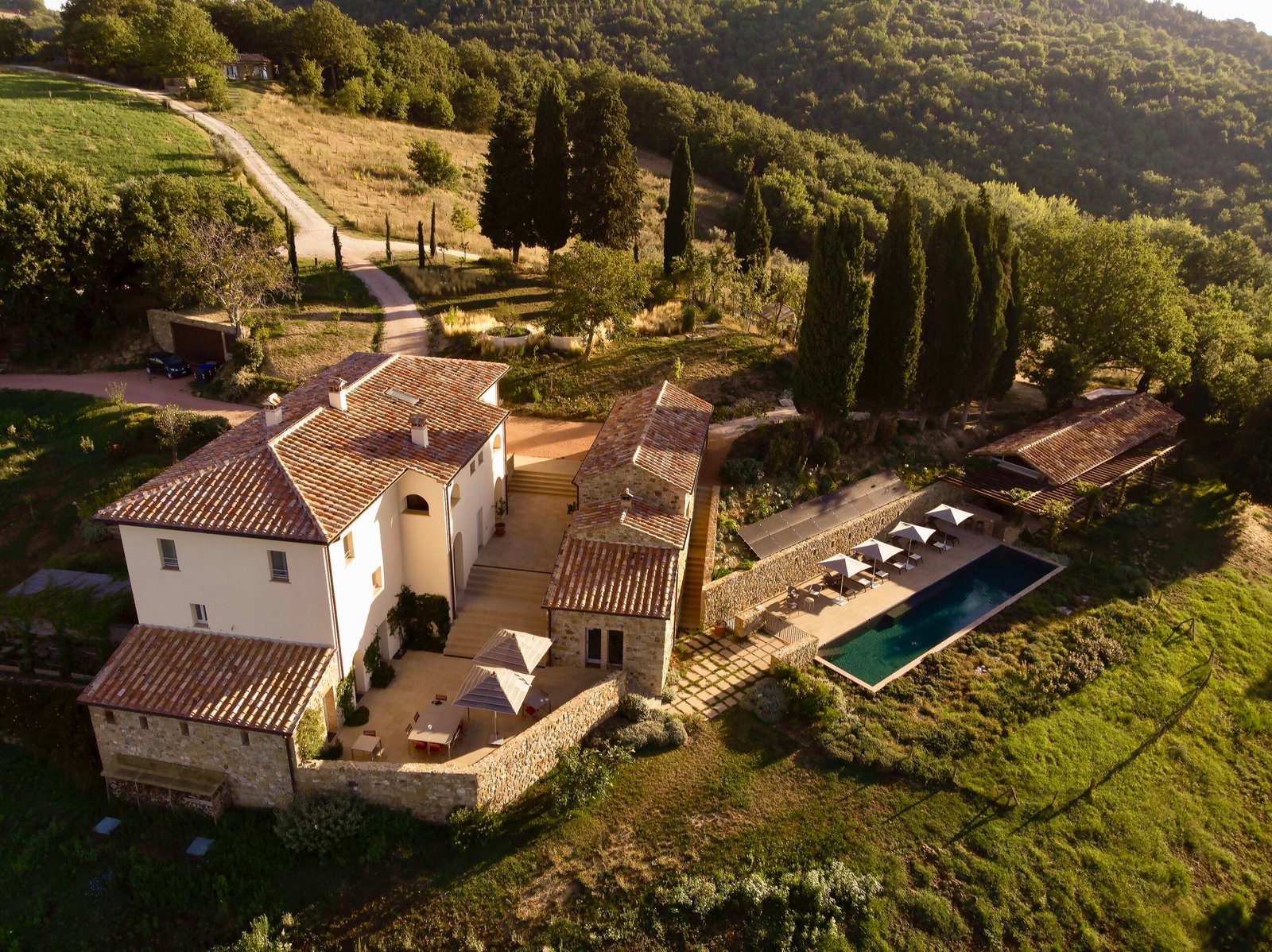
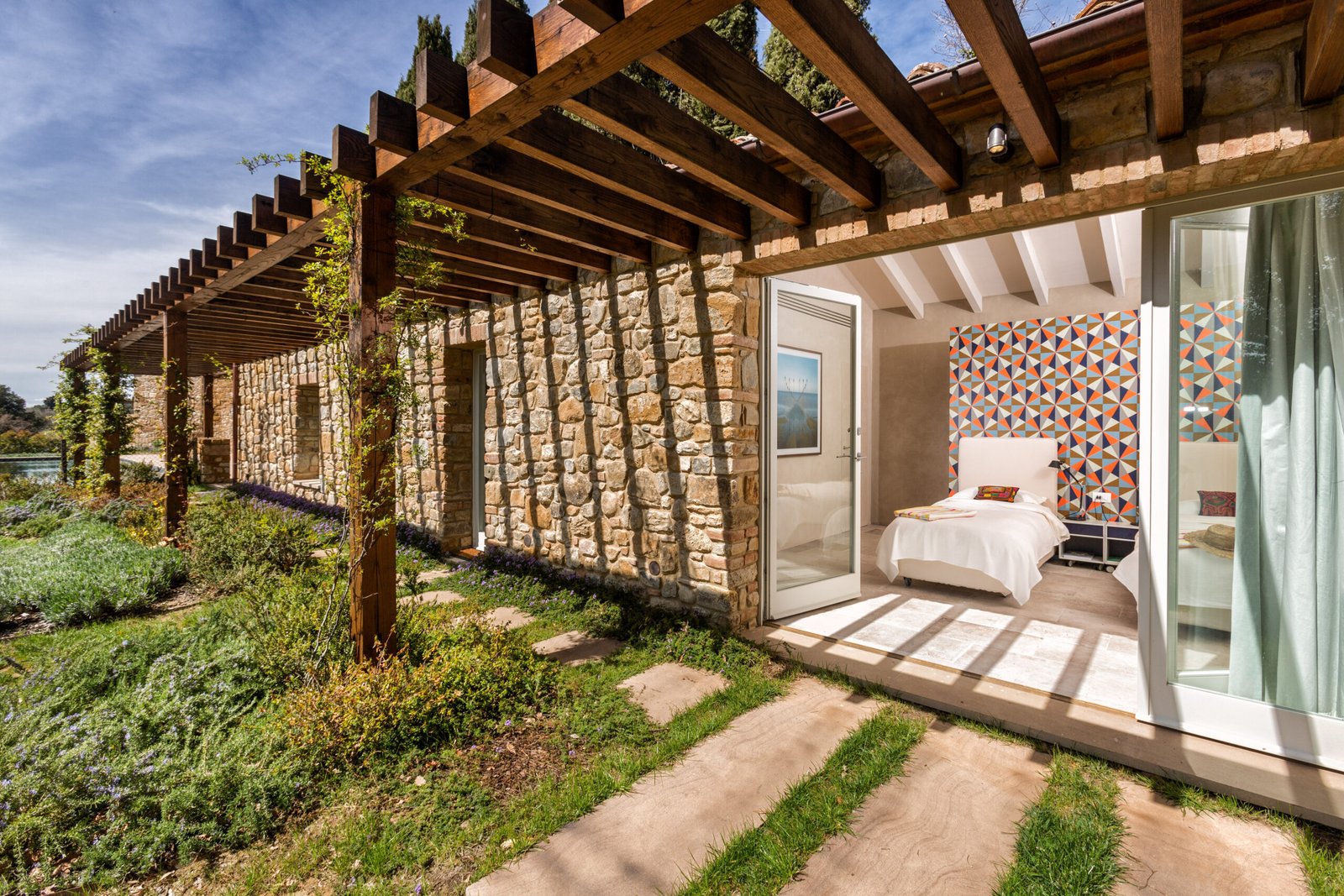
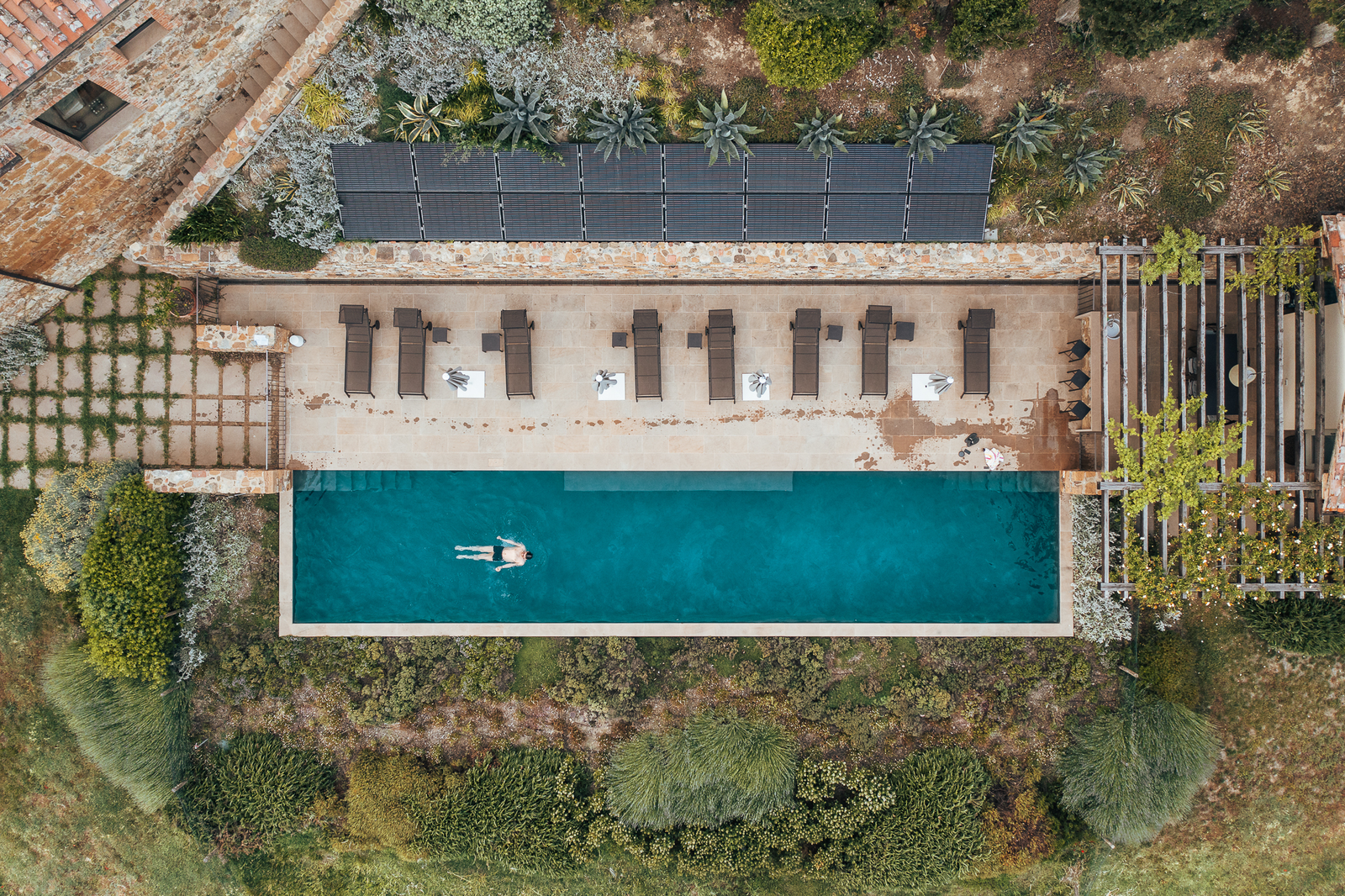
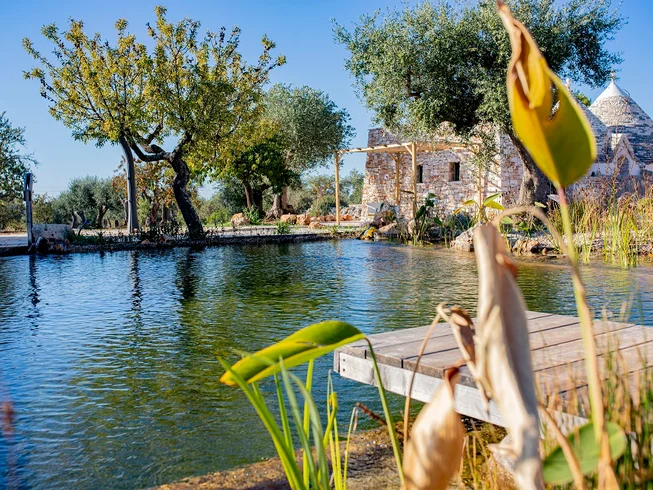
April is the month Greece opens properly, and the conditions across the country are close to perfect simultaneously. The Cycladic islands that were closed through winter — Santorini, Mykonos, Paros, Naxos — are operational again from early April, typically with better retreat availability and lower prices than they will see again until October. The mainland destinations that have been running through winter — Crete, the Peloponnese, the Athens Riviera — are in April at their spring best.
Santorini in April is the island before the season arrives in force. The caldera views, the cave houses, and the volcanic cliffs that in July require navigating through thousands of day-trippers are in April genuinely accessible — you can stand at the Oia castle at sunset without the crowd that makes the same experience in August a logistical exercise. The caldera rim path from Fira to Oia, lined with wild capers, sea squill, and the small yellow flowers that grow in the volcanic soil, is in April a walk of genuine beauty rather than a queue management exercise. Morning practice on a terrace with the caldera below and the wildflowers at eye level, the sea still 17-18°C but warming rapidly, is the April Santorini retreat day at its most complete and its most specific.
The Peloponnese in April has the archaeological sites in their spring clarity — Mycenae, Epidaurus, the Byzantine city of Mystras — and the Easter celebrations that make Holy Week in the Greek villages one of the most specifically atmospheric cultural events in Europe. The Good Friday epitaphios procession through the old town streets of Nafplio — the flower-covered bier of Christ carried through the Venetian architecture of Greece’s first modern capital by candlelight — is the kind of specifically Greek Orthodox moment that the retreat context, with its accumulated presence and attention, makes genuinely absorbing. If Easter falls in April (check current-year dates), the retreat week that incorporates one Easter evening is doing April Greece correctly.
The Cyclades from late April — Paros and Naxos specifically — have a spring quality that July cannot produce: the tourist infrastructure fully operational, the beaches accessible, and the Aegean warming toward the 18°C that makes sustained swimming possible. The Naxian interior — the marble villages of Apiranthos and Halki, the Graviera cheese cooperatives producing their spring milk batches, and the Naxian potatoes appearing at the weekly market — provides the food culture dimension alongside the sea. Our yoga retreats in Greece in April guide covers the full picture across the islands and the mainland.
Spain in April is doing two things at once that the other months cannot combine. The wildflower season that peaked in March is still present in the cooler northern and mountain regions, while the southern coast and the islands are warm enough for outdoor practice at any hour. The Easter celebrations — the Semana Santa processions in Seville, Granada, and Málaga — are among the most visually elaborate in the world, and the week after Easter is consistently one of the most rewarding and most competitively priced periods in the Spanish retreat calendar.
Andalusia in April is the region at its most compelling. The orange blossom scent that fills the streets of Seville and Córdoba in the second and third weeks of April is one of those specifically seasonal sensory experiences that photographs cannot convey — the smell arrives before the flowers are visible, and the combination of the Moorish architecture, the April light, and the blossom in the air produces the Andalusian atmosphere that the rest of the year approximates. Retreat centres in the Sierra de Ronda, the Axarquía hills behind Málaga, and the countryside around Granada use the April landscape — the almond orchards finishing their run, the wildflowers on the limestone hillsides, the first warm afternoons — as the outdoor context for practice that the Andalusian setting makes specifically good.
Ibiza in April is the island before the season — and for those who know what Ibiza actually is outside its summer identity, this is the most rewarding time to be there. The island’s interior, the pine forests of the north, and the specific quality of light on the rocky coastline have drawn artists, writers, and practitioners since the 1960s, and April is when this quality is most accessible. The retreat centres that operate in the inland casas and fincas away from the resort areas are running their spring programmes in conditions that the summer season, with its famous energy, makes structurally impossible. Our yoga retreats in Spain in April guide covers Andalusia, Ibiza, and the mainland options for the month.
Bali in April sits in the transition between the wet and dry seasons, and this transitional quality produces a retreat experience that neither the peak dry season nor the full wet season can replicate. The rains that characterised January through March are becoming less frequent and less sustained, the air has a specific freshness and clarity that the dry season loses as the months progress, and the tourist pressure — which peaks in July and August — is in April at one of its lowest points of the year.
Ubud in April is the cultural and retreat heart of Bali in its most accessible form. The rice terraces of the Tegallalang area are in April showing the bright green of a recently planted cycle, the water still visible in the paddies and the terraces reflecting the sky. The monkey forest, the Puri Saren royal palace with its regular dance performances, and the weekly market at Sukawati are all operating without the July density. The retreat centres that have developed around the Ubud creative and spiritual community — some of the most established in Southeast Asia — are in April running their spring programmes with availability and at prices that August cannot approach.
Canggu and the Bukit peninsula in the south offer a different April proposition: the surf community, the beach clubs, and the cliff-top yoga shalas of the Bukit above Padang Padang and Uluwatu. The April surf on the southwest coast is transitional — the swell less consistent than the dry season peak but the lineups less crowded, the water warm (28-29°C), and the post-practice options of the Bukit beaches fully available. The retreat centres here combine morning yoga with afternoon surf, the Balinese ceremony culture that continues year-round, and the evening Kecak fire dance performances at the Uluwatu temple with the ocean sunset as backdrop. Our yoga retreats in Bali in April guide covers the island’s retreat landscape in full.
April in Japan is cherry blossom season, and the combination of the sakura — the brief, extraordinary flowering of the cherry trees that lasts ten to fourteen days and then falls in pink snow — with the practice of yoga and meditation produces one of the most specific retreat experiences available anywhere in the world. The Japanese concept of mono no aware — the bittersweet awareness of impermanence, of beauty precisely because it is fleeting — is nowhere more directly expressed than in the cherry blossom, and the yoga practitioner who understands impermanence as a foundational concept encounters it in April Japan as a living, embodied reality rather than an abstract teaching.
The blossom moves northward through the country from late March through April and into May. The specific dates shift by up to two weeks depending on the year’s winter temperatures, and tracking the sakura front — the meteorological forecast that Japan takes with the seriousness of a national event — is itself a form of attentiveness that the practice of mindfulness is trying to develop. Retreat centres in Kyoto, which has the highest concentration of cherry blossom viewing sites in the country — Maruyama Park, the Philosopher’s Path, the temples of Higashiyama — run their April programmes specifically around the blossom window, combining morning yoga with the afternoon hanami (blossom viewing) that Japanese culture makes into a contemplative art form.
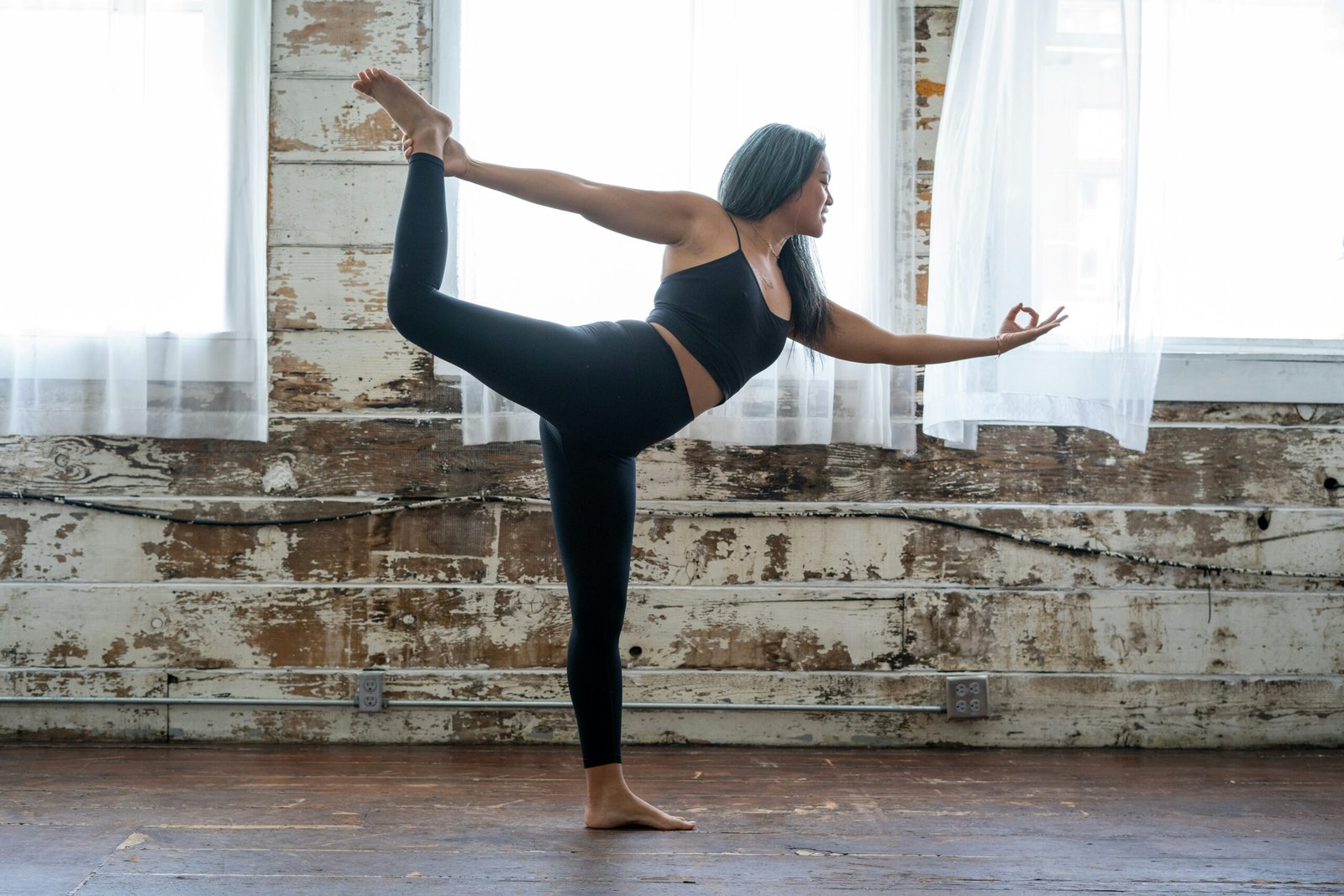
By April, the body’s seasonal transition is complete. The careful reawakening of March has given way to something more confident and more capable, and the mat reflects it. Flexibility that was hard-won through the slow work of winter is now available more readily; strength that was conserved through the cold months is ready to be used. This is the month for practices that ask more — longer holds, deeper expressions of challenging poses, sequences that build genuine heat and demand real presence. The body is not just willing; it is ready in a way that feels qualitatively different from any other point in the year.
Dynamic styles come fully into their own in April. Ashtanga, power Vinyasa, and more athletic expressions of the practice find fertile ground in a body that has been through a full winter of restorative and Yin work and is now genuinely equipped to go further. The foundation laid through the slower months pays dividends now — the connective tissue is supple, the nervous system is regulated, and the breath has been trained through months of pranayama to move with efficiency and depth. April practice doesn’t start from scratch. It builds on everything winter quietly put in place.
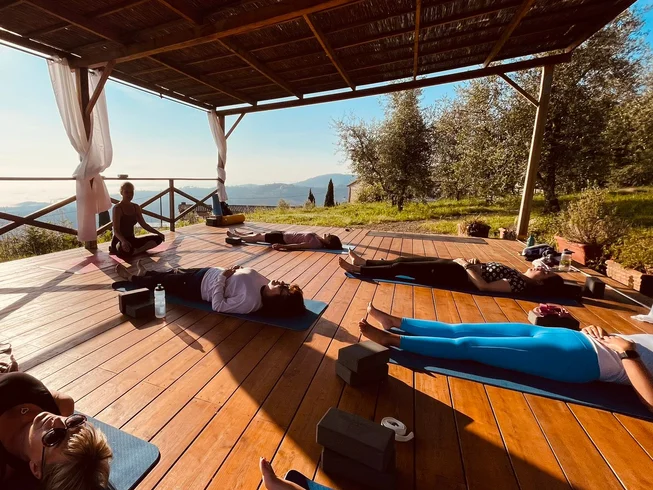
The outdoor practice that March made possible for the first time is in April fully established. The morning terrace session, the beach practice as the sun rises over the Aegean, the garden yoga on the Balinese hillside: these are not weather-dependent variations on the indoor programme but the April retreat at its natural operating mode. The quality of natural light, the sensory richness of a world in full bloom, and the subtle physical demand of practising on living ground rather than a studio floor add dimensions to the same poses that no controlled environment can supply. The retreat that uses April’s outdoor conditions fully is delivering something that January, however beautifully programmed, structurally cannot.
April brings a mental aliveness that is one of spring’s most distinctive gifts and also one of its subtler risks. The clarity that arrives with longer days, warmer air, and the return of social energy is genuinely exhilarating — ideas come more easily, motivation feels effortless, and the heaviness of winter recedes so completely that it can be hard to remember it was ever there. A retreat in April creates space to work with this energy wisely rather than simply being swept along by it. The practice becomes less about generating momentum and more about learning to direct it.
The risk of April, psychologically, is overextension. After months of enforced slowness, the sudden availability of energy can lead to taking on too much, committing too quickly, and spending the spring reserves before summer has even arrived. A good April retreat builds in as much stillness as it does movement — meditation sits that anchor the busy mind, journalling that helps distinguish genuine inspiration from seasonal restlessness, and restorative sessions that remind the body it doesn’t have to prove anything just because it finally can. The most valuable thing April practice can teach is discernment: knowing the difference between energy that wants to be used and energy that wants to be cultivated.
The chakra system maps this April energy upward — from the grounding root work of winter, through the heart opening of late winter and early spring, toward the expressive upper chakras of full spring. Vishuddha, the throat chakra, becomes particularly active: the impulse to communicate, create, and express what has been processed through the quieter months finds its voice. Chanting, sound practices, and any creative dimension added to the retreat — writing, movement improvisation, expressive arts — resonate especially deeply in April.
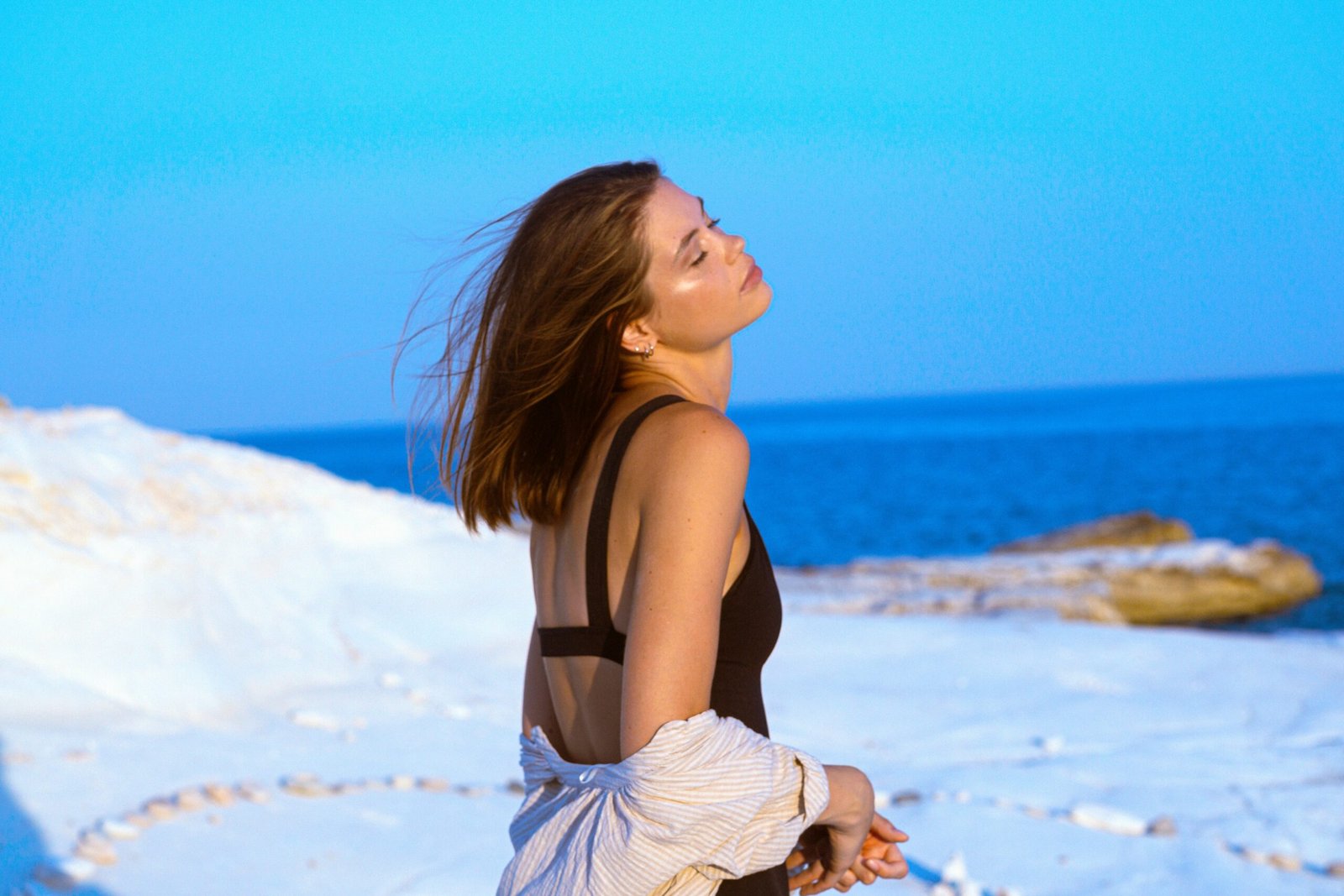
April is the month to fully commit to spring eating, and a retreat offers the ideal environment to experience what that actually means in practice. The heavy, grounding foods that carried the body through winter are now genuinely counterproductive — Kapha has peaked and needs active clearing rather than further feeding. The dietary focus shifts decisively toward lightness, freshness, and digestive stimulation: bitter greens, lightly cooked vegetables, legumes prepared with pungent spices, and the first genuinely fresh produce of the season, eaten with an appreciation that only winter’s absence can produce.
Raw food makes a full return in April, particularly at midday when digestive fire is at its strongest. Fresh salads, lightly dressed with lemon and olive oil, sprouts, and early seasonal vegetables eaten close to their natural state provide a quality of vitality and micronutrient density that cooked food, however well prepared, cannot fully replicate. Hydration shifts too — the body in April welcomes cooler water more readily than it did in March, and fresh herbal infusions made with mint, lemon balm, and nettle reflect the season’s own botanical offerings. Coconut water becomes a genuinely useful post-practice option as activity levels increase.
Eating in April, at its best, feels less like nutrition management and more like a direct conversation with the natural world. The retreat kitchen that sources locally and seasonally in April — the wild asparagus from the hillside, the artichokes from the coastal gardens, the fresh broad beans from the first picking — is serving food that the season provides automatically and that no concept kitchen in any other month can replicate.
Your email address will not be published. Required fields are marked *