


Koh Lanta: Season Opening
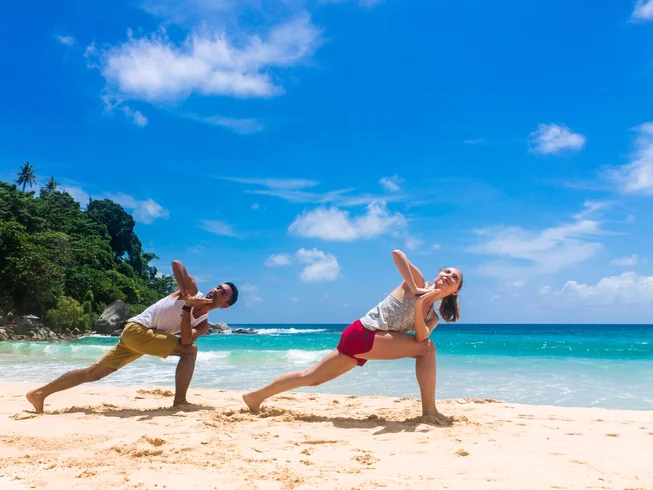
Koh Lanta reopens in October after its May-September monsoon closure — the first retreats of the new dry season running in the final weeks of October as the Andaman sea calms and the resort and retreat infrastructure comes back online. The October Koh Lanta has the specific quality of a place returning to itself after months of absence: the beach in pristine condition from months without tourist traffic, the coral reefs in the Mu Ko Lanta Marine Park recovered from the low-season rest, and the retreat centres running their opening programmes for the small number of visitors who come specifically for the first weeks of the season.
The sea in October on the Andaman coast is still settling — the visibility improving daily as the monsoon sediment clears — and the snorkelling and diving around the Koh Lanta archipelago is in the first half of October still variable but improving rapidly toward the November clarity. The retreat centres that open in October are doing so for guests who specifically want the season’s opening rather than its peak, and the prices reflect this: significantly below the January-March peak at the same properties.
Phuket: Vegetarian Festival and Season Opening
Phuket in October is managing two things simultaneously: the Vegetarian Festival (Tesakan Kin Je) that transforms the Chinese-Thai community for nine days, and the beginning of the new Andaman dry season. The retreat centres of the Rawai and Nai Harn areas are in October coming back to life after the wet season, the prices at their pre-season low and the facilities freshly maintained after the quiet months.
The Phuket Vegetarian Festival — held on the ninth lunar month of the Chinese calendar, typically falling in October — is one of the most extraordinary cultural events in Southeast Asia. The nine days of strict vegetarian eating, purification rituals, and the extreme practices of the spirit mediums (the devotees who pierce their cheeks, tongues, and bodies with large metal implements while in a trance state, believed to be possessed by deities) draw Thai-Chinese communities from across the country to Phuket’s five Chinese shrines. The firewalking ceremonies and the blade ladder climbing at the Jui Tui and Bang Neow shrines are performed by the mediums as acts of spiritual merit for the community.
For retreat guests, the Vegetarian Festival is worth experiencing specifically for the street food dimension alongside the ritual: the nine days of vegetarian eating that the festival mandates for participating households produce the most elaborate vegetarian food culture available in Thailand at any time of year — the mock meat preparations, the tofu dishes, and the specifically Chinese-vegetarian cooking that the festival tradition has developed over generations.
Kanchanaburi: River and Forest in October
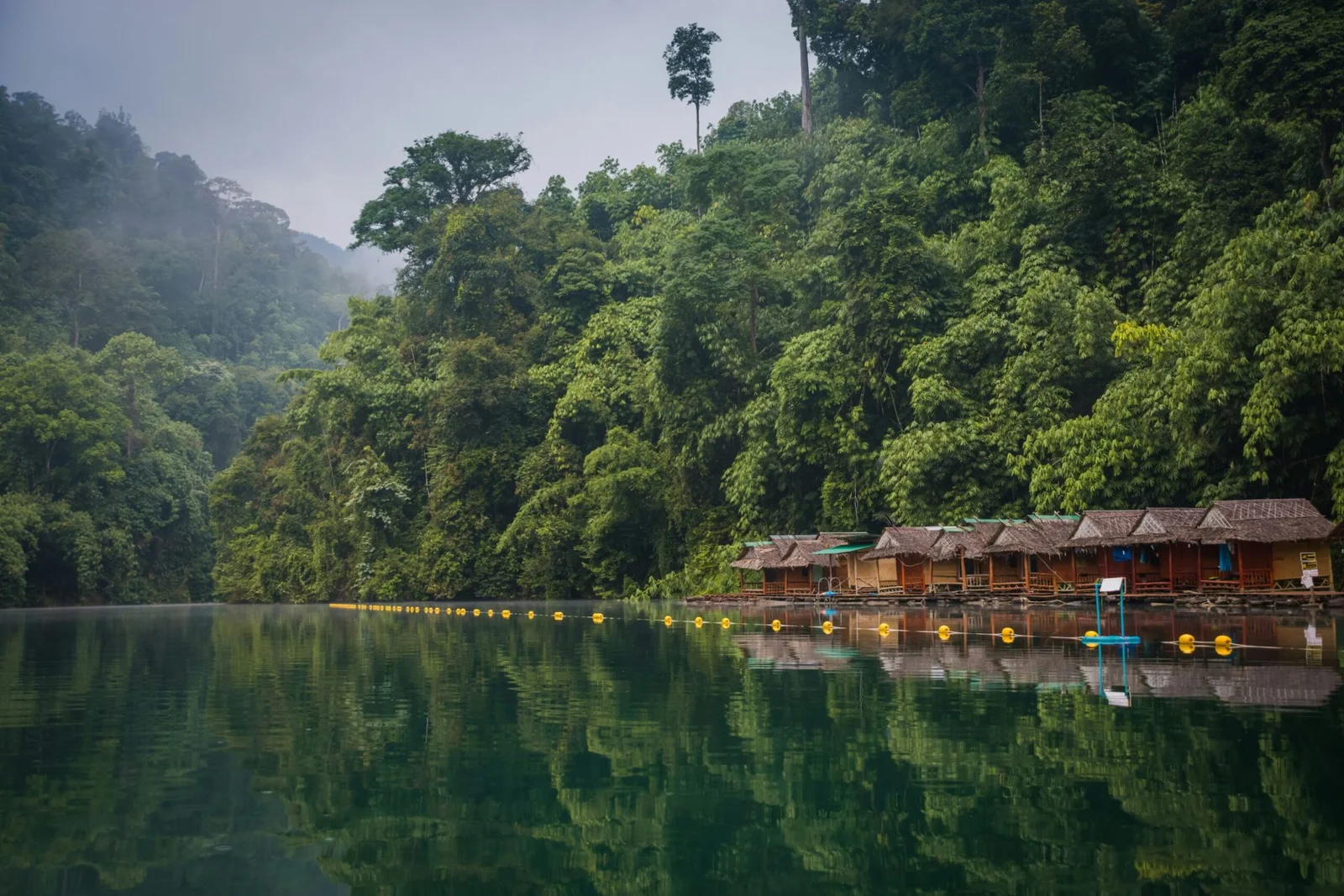
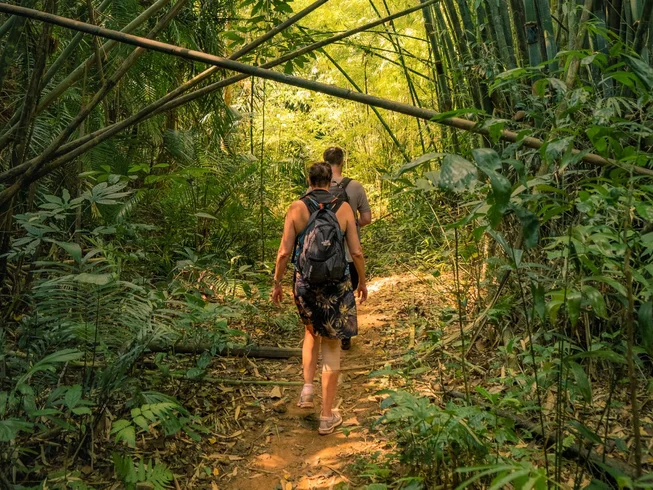
Kanchanaburi in October is at the specific moment when the wet season transitions to the dry — the rivers still running high from the monsoon, the forests at their deepest green, and the waterfalls of the Erawan National Park at near-full volume before the dry season progressively reduces them. The seven tiered emerald pools of the Erawan falls are in October at their most dramatic: the water level high enough that all seven tiers are running simultaneously, the green colour at its most vivid from the algae that the current season has produced, and the fish (the Tor tambra mahseer and the endemic Scaphiodonichthys acanthopterus species that the pools are famous for) visible in the clear water of the middle tiers.
The Hellfire Pass Memorial and the Death Railway Museum near Kanchanaburi town are in October accessible without the weekend Bangkok day-tripper traffic — the historical sites of the WWII railway construction available for the contemplative engagement that the retreat context enables rather than the tourist-site management of the peak weekend.
Chiang Mai: Ork Phansa and Loy Krathong Preparation
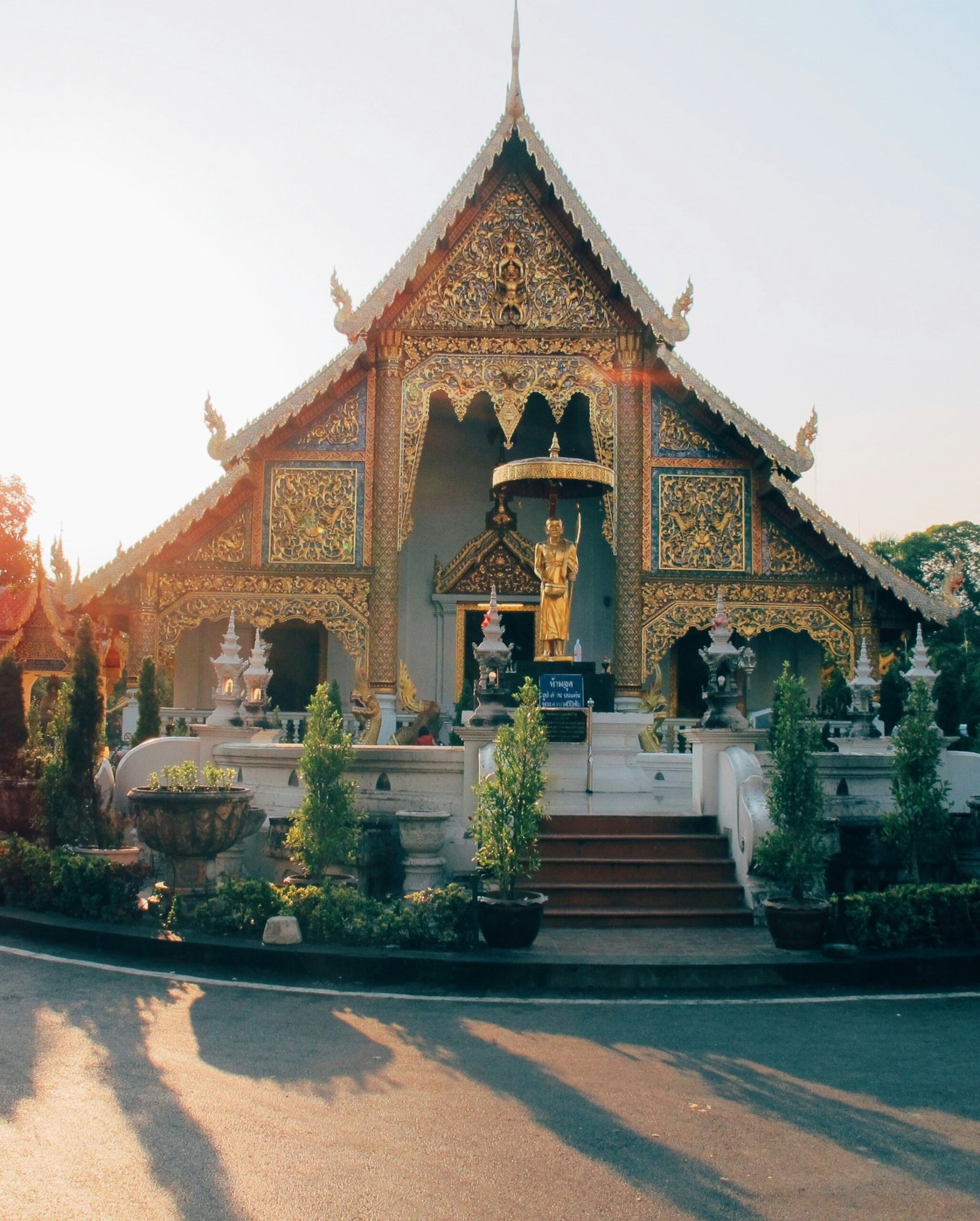
Chiang Mai in October has the end of the Buddhist Lent — Ork Phansa — as its defining cultural event. The full moon of October marks the night when the monks come out of their three-month retreat, marked by candle-lit processions at the major temples and the Kathin robe-offering ceremonies that follow in the weeks after. At Wat Phra Singh, Wat Chedi Luang, and the forest monasteries above the city, the Ork Phansa ceremonies are among the most atmospheric of the Thai Buddhist calendar — the monks filing out of the temple hall by candlelight, the lay community offering the robes and supplies that tradition requires.
The preparations for Loy Krathong — the floating lantern festival that falls in November but whose preparation is visible throughout late October — are underway in the Chiang Mai markets: the banana leaf krathong bases, the flowers, the incense, and the candles being assembled at the market stalls, and the city’s Ping River being cleaned and prepared for the flotilla of lanterns that will cover its surface on the November full moon night.