
November is the month the Thai retreat calendar fully reopens. The Andaman coast is in its new dry season — Phuket, Krabi, and Koh Lanta operational and improving daily. The Gulf coast is entering its own wet season but managing it well. And on the full moon of November, Loy Krathong transforms every river, canal, and lake in the country into a flotilla of candlelit banana leaf boats. A yoga retreat in Thailand in November catches the country at its most complete.


November is the month both coasts are operational — the Andaman in its early dry season, the Gulf managing its transitional weather, and the north in the opening weeks of the cool season that will peak in January. The retreat infrastructure is back at full capacity and the Loy Krathong festival on the November full moon provides the most photogenic and most genuinely participatory cultural event of the autumn.
Browse our full yoga retreats in Thailand guide for the complete picture of what the country offers year-round. For the global context of November retreat travel, our yoga retreats in November guide covers every destination worth considering this month.
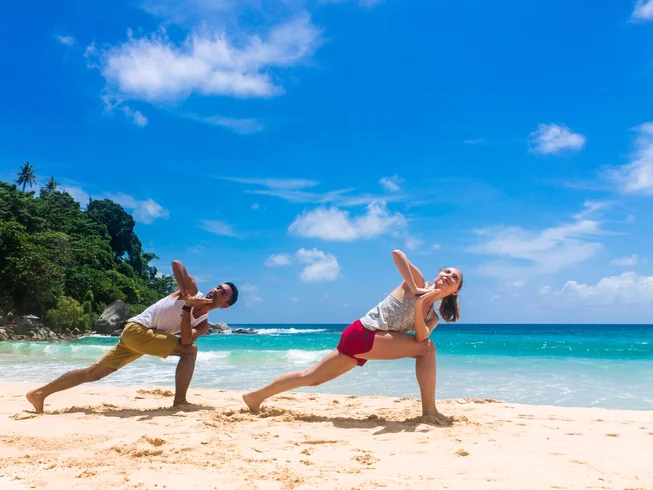
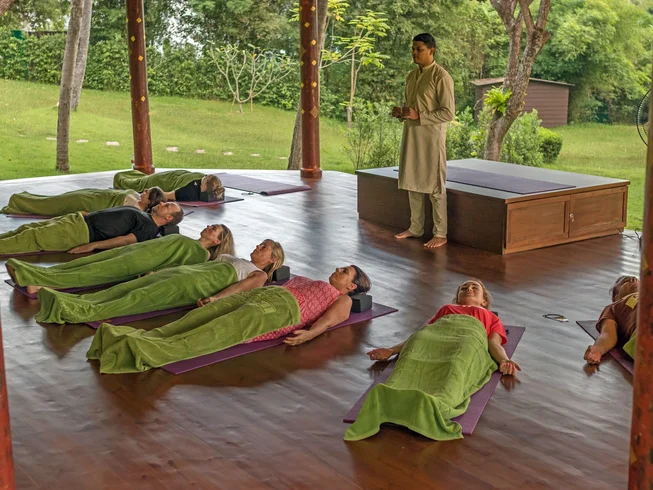
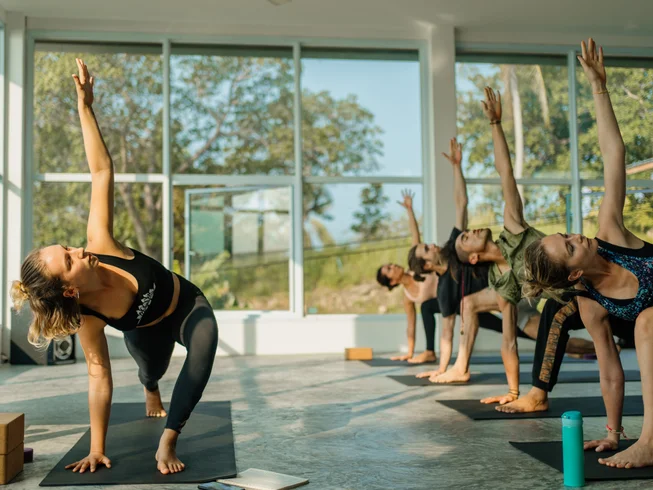
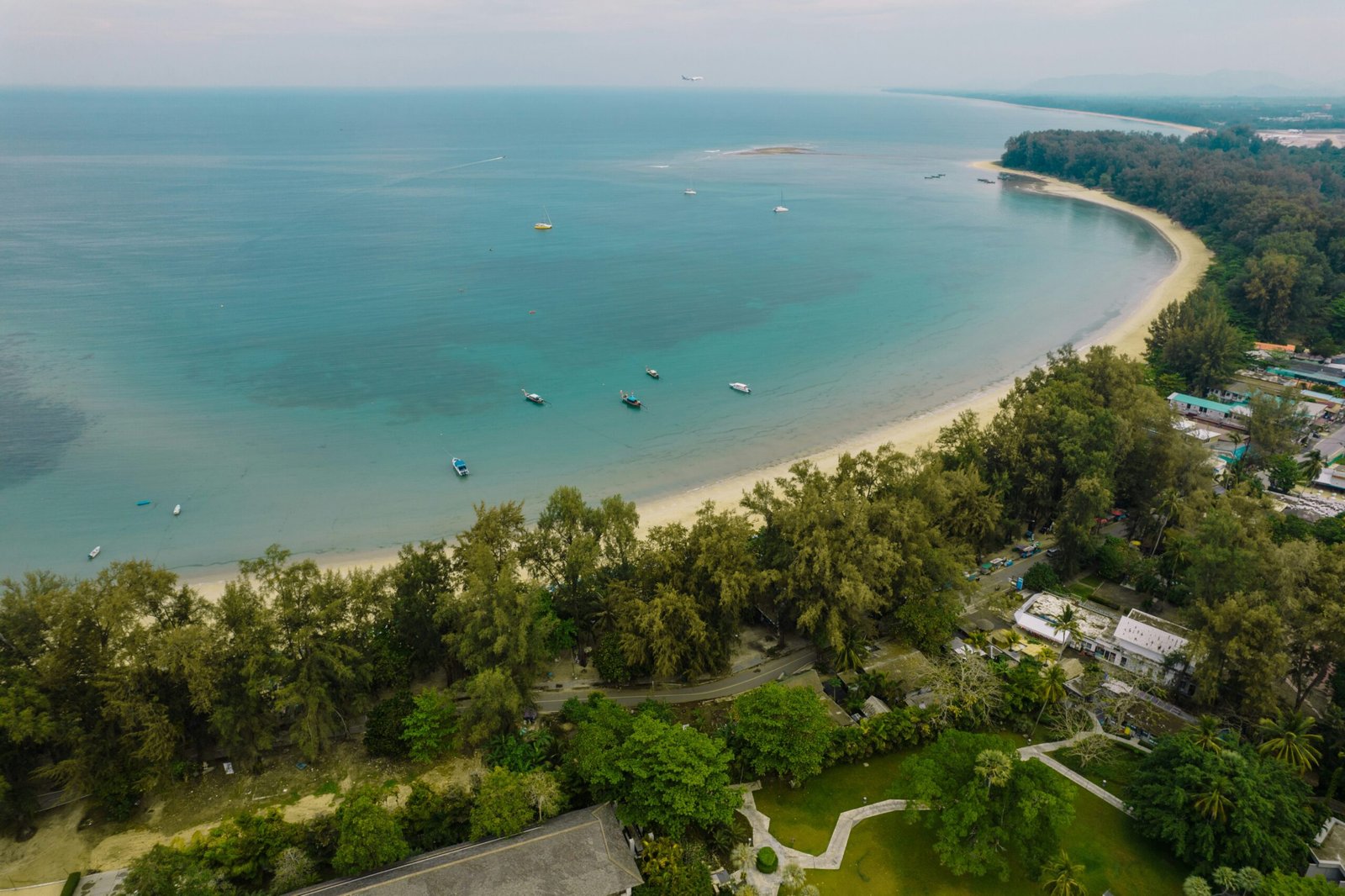
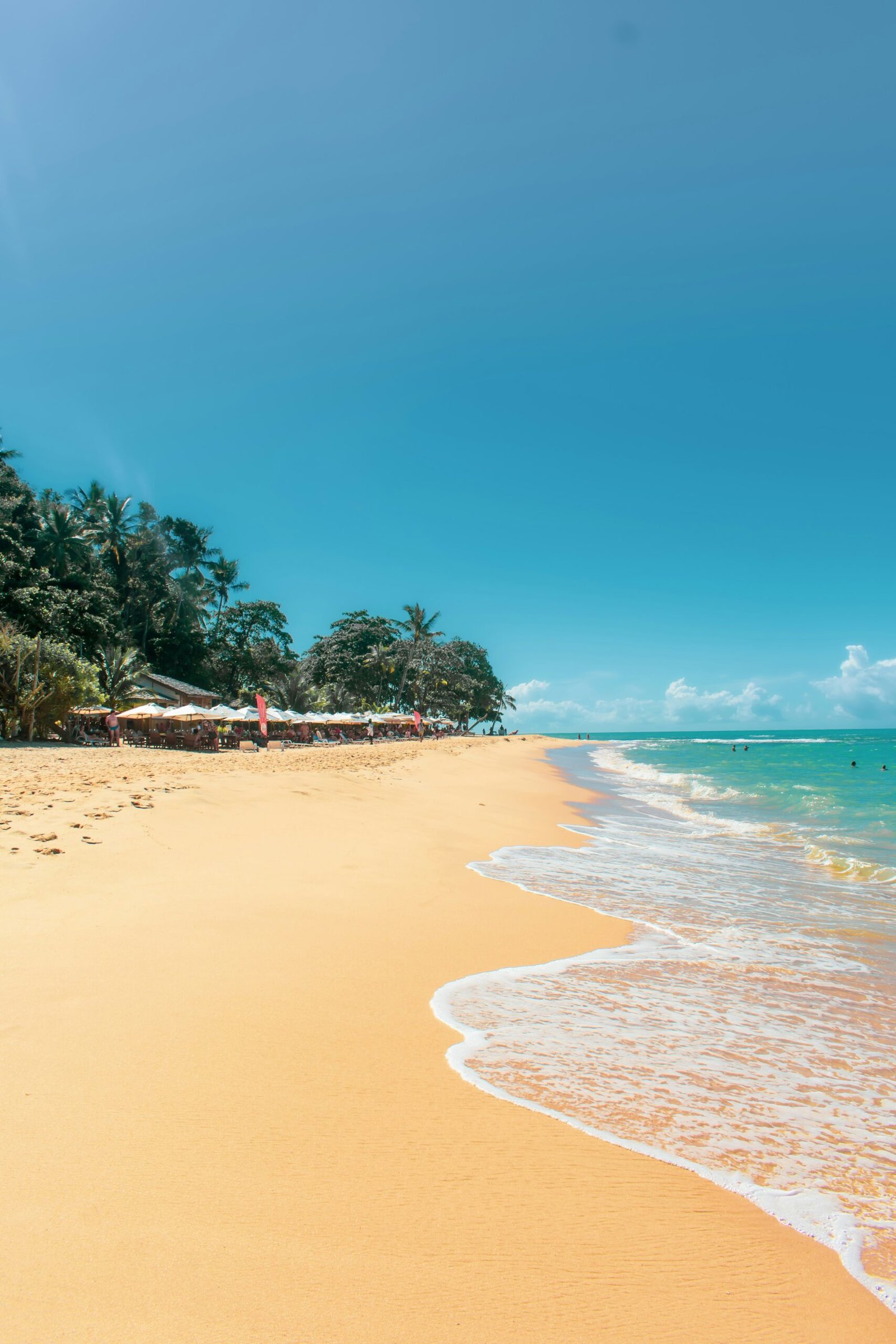
Krabi in November is in the opening weeks of its new Andaman dry season — the sea calming, the visibility improving daily, and the Railay peninsula (accessible only by longtail boat from Ao Nang, the road network unable to penetrate the limestone headland) in its November transition from the monsoon quiet to the dry season activity. The Railay rock climbing routes on the limestone cliffs — the overhanging crags above the beach and the deep-water soloing routes above the Andaman — are in November returning to their dry season condition: the rock drying after months of monsoon moisture, the routes becoming progressively more reliable through the month.
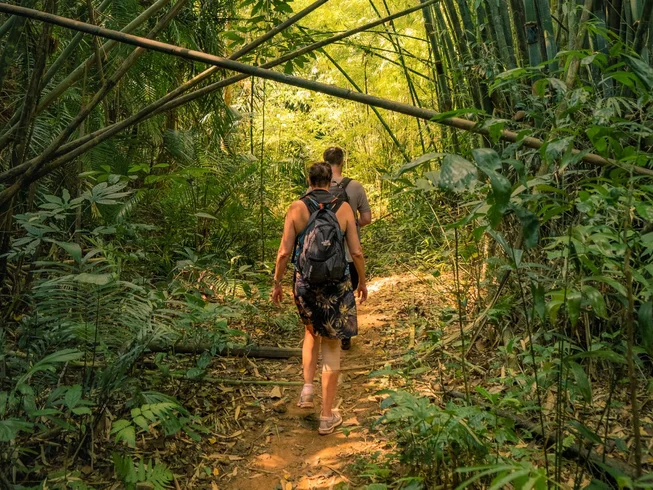
The four Railay beaches — Had Railay West, Had Railay East, Phra Nang Cave Beach, and Had Ton Sai — are in November returning to their dry season character without the January-February peak crowds. The Phra Nang Cave at the southern end of the peninsula — the shrine to the spirit of a drowned princess, festooned with wooden phallus offerings by the local fishing community — is in November accessible without the tourist compression of peak season, and the walk along the cliff path from Railay West to Phra Nang through the jungle above the Andaman is the November Krabi experience at its most specific.
The retreat centres in the Ao Nang and Klong Muang areas north of Krabi town — the yoga villas and wellness resorts on the quieter beaches north of the main tourist area — are in November running their early dry season programmes at prices that the January peak has not yet elevated.
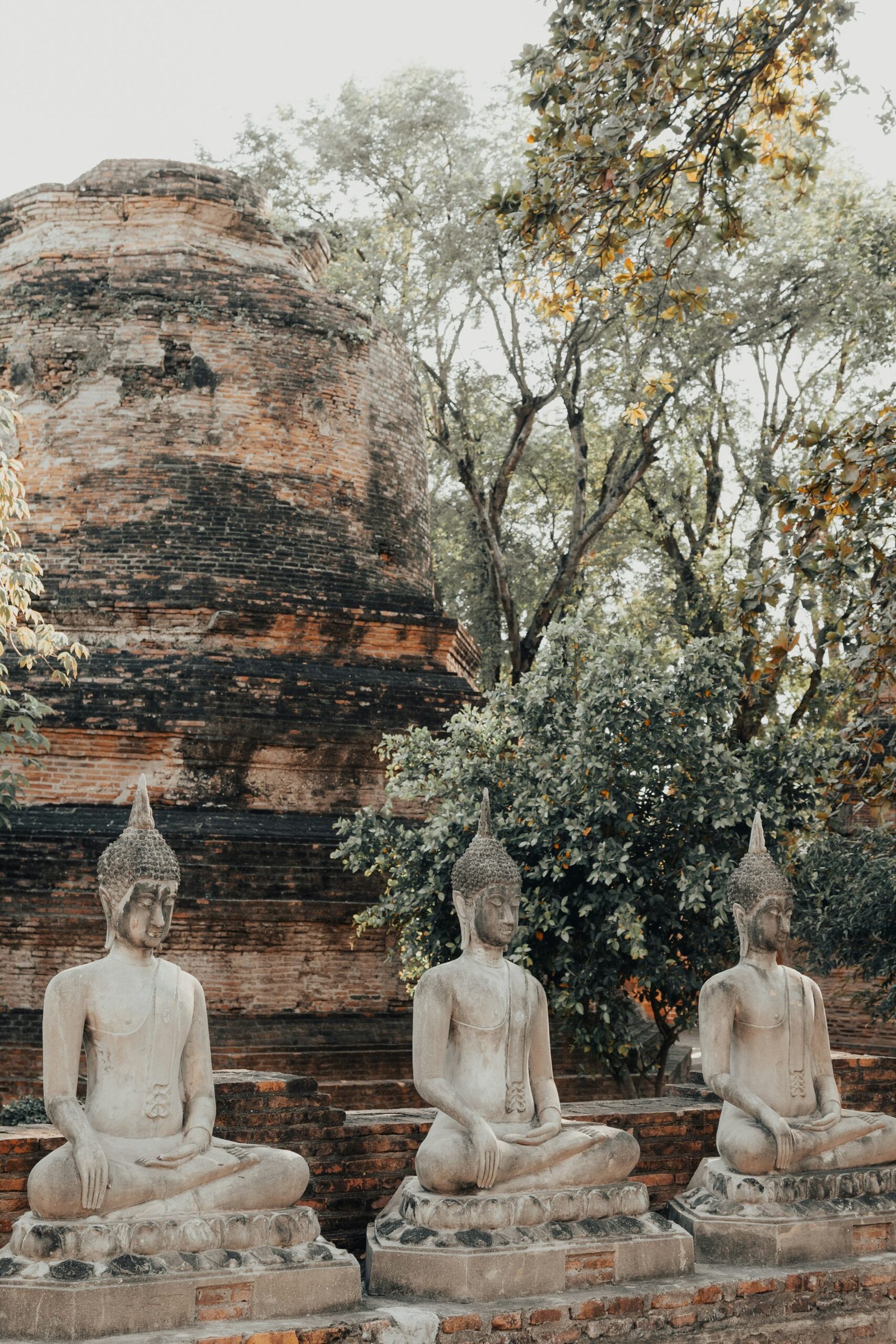
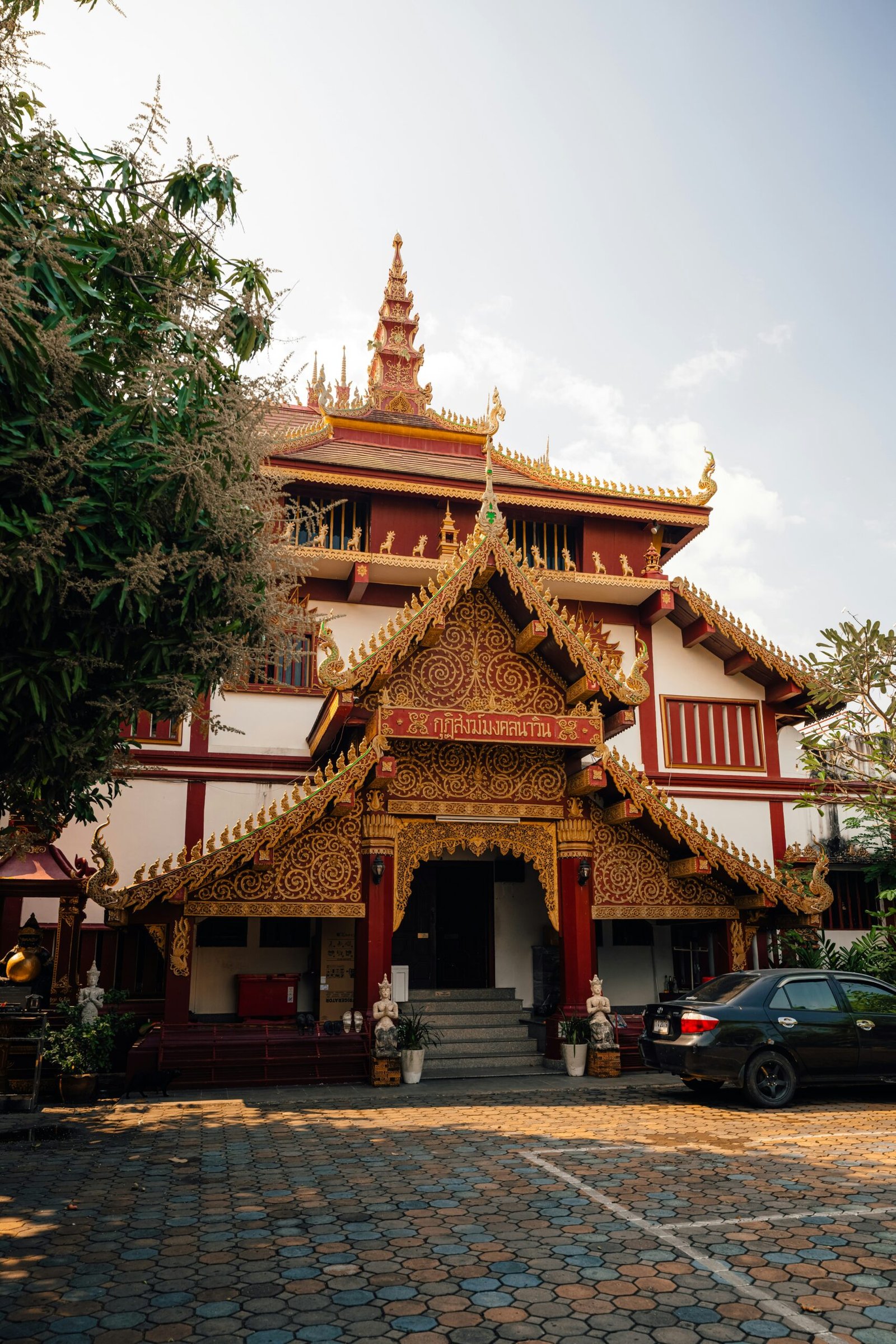
Sukhothai in November is the destination for the most historically authentic Loy Krathong celebration in Thailand. The festival is believed to have originated in Sukhothai during the 13th-century kingdom, and the Sukhothai Historical Park — the ruins of the ancient capital, with its lotus-bud chedis and the reflection pools that surround the temple complexes — provides the most specific setting for the full moon ceremony: the krathong (banana leaf boats with flowers, candles, and incense) released on the reflection pools that surround the Wat Sa Si and Wat Mahathat temples, with the ancient ruins illuminated by the festival lights and the full moon above.
The Sukhothai Loy Krathong festival runs for several days around the full moon, with the light and sound show at the historical park, the krathong-making competitions, and the traditional Thai dance performances in the temple courtyards. For retreat guests, the specifically historical dimension of celebrating Loy Krathong at its origin site — releasing a krathong on the same reflection pool where the tradition is believed to have begun, with the 13th-century ruins visible above the water — is the kind of culturally specific experience that the retreat context makes genuinely absorbing.
Hua Hin in November is the Gulf coast resort town in the opening weeks of its cool season — the temperatures dropping from October’s peak toward the 24-28°C that the November days produce, the sea still warm (27-28°C), and the Thai royal family in residence at the Klai Kangwon Palace (the palace name translates as “far from worries”) for the cool season months. The presence of the royal court gives Hua Hin in November a specific Thai domestic tourism energy — the upscale Thai families from Bangkok arriving for the cool season, the railway from Bangkok running its most frequent November schedule, and the town operating at its most specifically Thai rather than most internationally touristic.
The Hua Hin Night Market in November — the weekend market along the beachfront and the lanes of the old fishing village — is in November at the specific cool season quality that the summer heat changes. The Cicada Market at the Monsoon Valley vineyard — the weekend arts and food market that has been running since 2011 — is in November in its most active season, the cool evenings producing the outdoor market atmosphere that the summer market cannot sustain. The Plearn Wan retro market near the Hua Hin train station, built around a recreated 1950s Thai market town aesthetic, is in November specifically good for the slow morning walk that the cool season temperatures make comfortable.
Chiang Mai in November is entering the cool season — the temperatures beginning their drop toward the January minimum, the air quality improving to its dry season clarity after the last of the monsoon moisture dissipates, and the Loy Krathong festival (known in Chiang Mai as Yi Peng — the sky lantern festival) transforming the city on the November full moon night. The Yi Peng lantern release at Chiang Mai is the most internationally photographed event in Thailand: thousands of khom loi (sky lanterns — paper lanterns with a small fire beneath that lifts them into the air) released simultaneously from the banks of the Ping River and from the temple courtyards, filling the November sky with points of floating light.
The retreat centres of Chiang Mai are in November entering their new cool season — the outdoor morning practice returning to its comfortable form, the temple circuit accessible again without the burning season smoke, and the programmes that were modified for the rainy season returning to their full outdoor format. The Doi Suthep sunrise hike, the Sunday Walking Street, and the temple meditation programmes are all in November at their most accessible and most specifically Chiang Mai.
Loy Krathong — the festival of floating banana leaf boats on rivers, canals, and ponds across Thailand — falls on the full moon of the twelfth lunar month, typically in November. The krathong (a small banana leaf boat decorated with flowers, a candle, and incense) is released on the water as an act of letting go — of bad luck, of grudges, of the things from the previous year that are no longer needed. The tradition across Thailand is universal: every town, every city, every village releases krathong on the same night.
In Chiang Mai, Loy Krathong coincides with Yi Peng — the northern Thai festival of sky lanterns — producing the combination of lanterns on the water and lanterns in the sky that makes the Chiang Mai November full moon the most photographically extraordinary night in Thailand. The Mae Jo University sky lantern release outside the city — a mass simultaneous release of thousands of khom loi at a ticketed event — has become an international tourist attraction; the more authentic version is the spontaneous releases from the Nawarat Bridge and the Ping River banks throughout the evening.
In Sukhothai, the Loy Krathong at the historical park produces the most historically specific version of the ceremony. In Bangkok, the Chao Phraya river is covered in krathong from Nonthaburi to Bang Rak on the November full moon evening.
The Surin Elephant Round-Up — the annual festival in Surin province in Isaan that showcases the traditional elephant culture of the Suay people (the ethnic group whose relationship with elephants predates Thailand’s formal history) — takes place on the third weekend of November. The elephant procession, the elephant polo, and the elephant war re-enactment at the Surin stadium involve hundreds of elephants and the Suay mahouts who have trained them. For retreat guests with an interest in the human-elephant relationship in its historical Thai context (rather than the ethical sanctuary model of the Chiang Mai area), the Surin Round-Up provides access to a tradition that is genuinely different from any other elephant encounter in Thailand.
The Loy Krathong street food culture around the festival grounds and the riverside in Chiang Mai and Sukhothai is in November at its most festive. The khao lam (sticky rice cooked in bamboo tubes over charcoal) that appears at festivals throughout Thailand, the khanom krok (coconut-rice pancakes in cast iron molds over a charcoal fire), and the mango sticky rice in its cool season form (the mango now the less sweet November variety rather than the April-May peak) are the November festival food at its most specific. The bamboo tube rice at the Sukhothai historical park food stalls, eaten while watching the krathong float past the ancient ruins, is the Loy Krathong food experience at its most complete.
Pomelo continues its season in November — the Nakhon Pathom and Chai Nat orchards still producing, the fruit at its most available and most affordable in the November market. The tangerine and mandarin oranges from the Fang and Chiang Dao highland orchards of northern Thailand begin appearing at the Chiang Mai markets from November — small, intensely flavoured, and specifically of the cool season highland climate that the lowland citrus growing areas cannot produce.
The northern Thai kitchen in November is responding to the first cool evenings with the warming dishes that the cool season makes appropriate. The khao tom (rice congee) that is the year-round Thai breakfast becomes in November specifically appealing at the Chiang Mai morning market as the dawn temperature drops below 20°C for the first time since March. The gaeng hang lay (the Burmese-influenced northern Thai pork curry with ginger, garlic, and tamarind) and the naem nuea (fermented beef with garlic and chilli, a specifically northern Thai preparation) are November dishes that the cool season specifically activates in the Chiang Mai food culture.
The Krabi seafood in November — the first full month of the new Andaman dry season fishing — is at its freshest of the year. The Krabi town morning market at the riverside, and the Klong Muang seafood restaurants north of Ao Nang, are in November receiving the first full-season supply of the Andaman crab, squid, and reef fish that the monsoon closure made unavailable since May. The crab curry (gaeng bpu) and the steamed seabass with lime and chilli at the Krabi riverside restaurants in November are the new season dishes at their earliest and most specifically fresh.
The sky lantern release on the November full moon evening in Chiang Mai — from the Nawarat Bridge, from the Ping River banks, from the temple courtyards — is the most visually extraordinary event in the Thai retreat calendar. The lanterns, released throughout the evening rather than simultaneously, fill the sky progressively from dusk onward, and the combination of the paper lanterns rising above the Ping River with the banana leaf krathong floating on the water below produces the most specifically Chiang Mai moment of the year. The retreat centre that acknowledges Yi Peng in its November programme — with a release from the retreat garden, or a walk to the river for the evening — is doing November in Chiang Mai correctly.
The Sukhothai Loy Krathong at the historical park — releasing a krathong on the reflection pool in front of the Wat Sa Si temple with the ancient ruins illuminated around it — is the most historically specific participation in the festival available in Thailand. The several-day festival at the park includes the light and sound show at the ruins, the traditional Thai dance performances, and the krathong-making from banana leaf and flowers available at the park entrance stalls. The combination of the contemplative retreat week and the November full moon ceremony at the origin site of the tradition is the specifically November Sukhothai retreat experience.
The Railay rock climbing in November — the limestone routes returning to their dry season condition after months of monsoon moisture — is specifically good in the second half of November when the rock has had several weeks to dry. The deep-water soloing routes above the Andaman (climbing without a rope above the sea, falling into the water below) are November-accessible again after the monsoon closure, and the multi-pitch routes on the Railay wall are returning to their dry season quality. The retreat centres in the Ao Nang and Klong Muang area that incorporate a Railay climbing day into their November programme are offering the Andaman climbing at the specific moment of its seasonal return.
Your email address will not be published. Required fields are marked *