
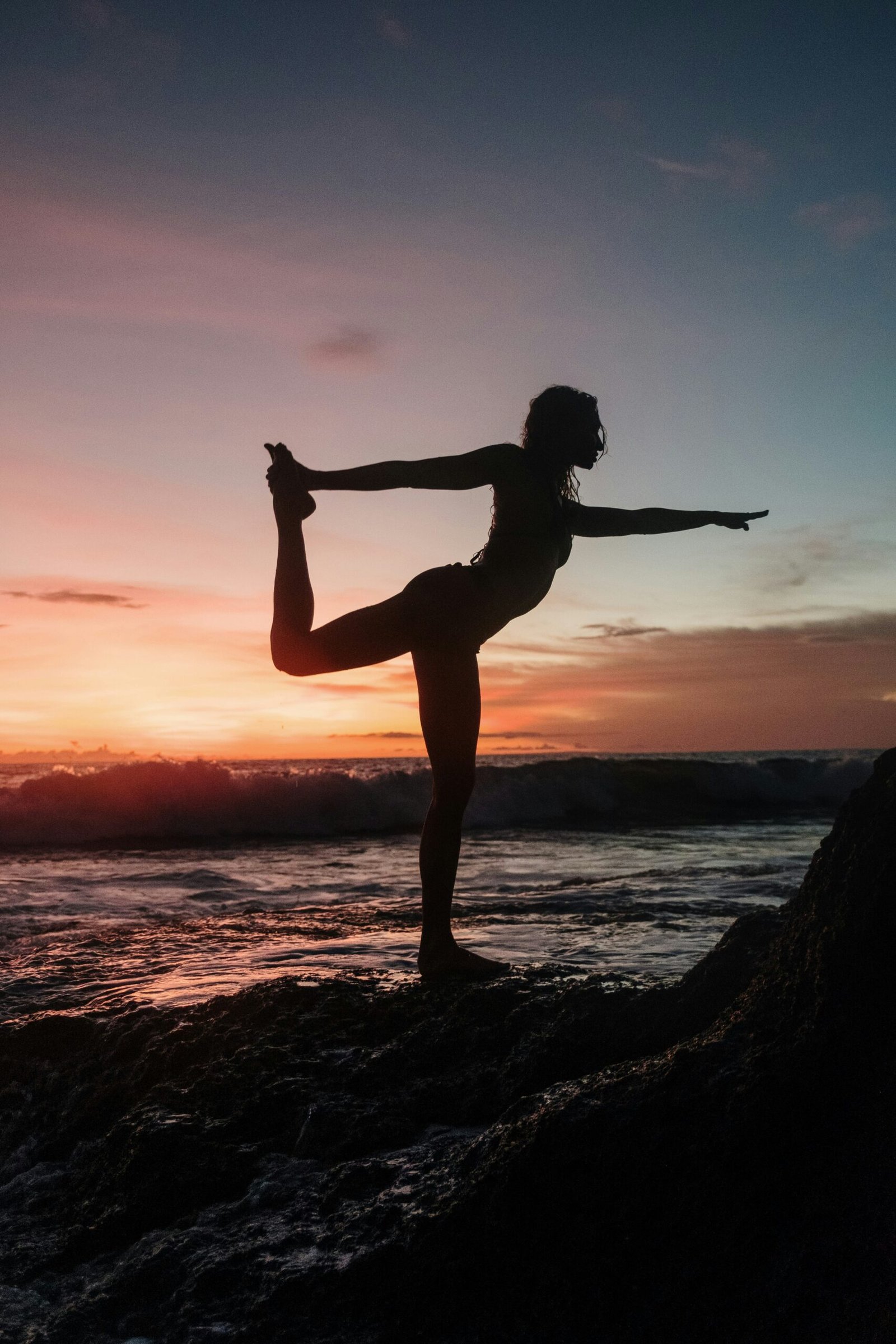
October is autumn made undeniable. The warmth that September still held onto has finally, definitively released, the trees are doing something extraordinary with colour, and the light — lower, more amber, arriving later and leaving earlier each day — transforms even familiar landscapes into something worth stopping for.
A yoga retreat in October arrives at the moment when the natural world is most visibly practicing what yoga teaches: letting go, fully and without reservation, of what it no longer needs. There is no clinging in October, no pretending the season is something other than what it is.
The trees don’t mourn their leaves. A retreat this month invites the same quality of release — not as a forced exercise in positivity, but as a genuine, embodied response to what the season is already doing all around you. October doesn’t require explanation. It simply shows you how.


October is the month that people who know the Mediterranean retreat calendar choose when they have real flexibility. The summer crowds are gone. The sea is still warm enough to swim — 22-23°C in Greece and the Canaries, 20-21°C on the Portuguese coast. The olive harvest is beginning in Morocco and the Greek mainland. The Dolomite larch forests are turning yellow and amber. And the prices are noticeably below what the same retreat cost in August. It is, in short, a month that rewards knowing about it.
Not sure where to go? Our full yoga retreat guide covers every destination. The ones below are specifically good in October.

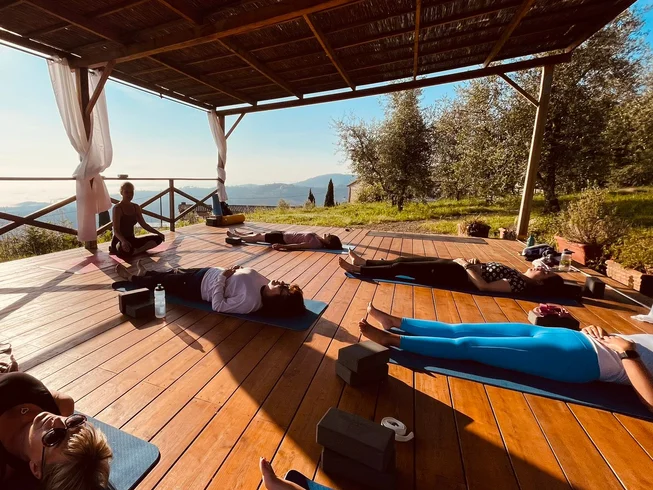
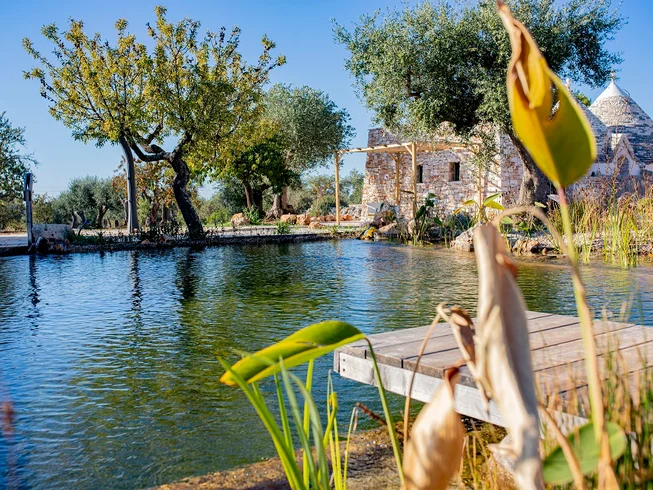
October is the beginning of Morocco’s best retreat season — the summer heat that made Marrakech inadvisable for midday outdoor practice has broken, the temperatures in the city are 22-26°C, and the riads and retreat centres that run their most ambitious programmes from October through April are back in full operation. The Atlas Mountains above Marrakech are in October doing something specific: the walnut harvest in the Ourika Valley, the first snow on the high peaks above 3,000 metres, and the specific quality of October light on the ochre walls of the medina that the summer’s harsh overhead sun completely changes.
The Sahara desert routes south from Marrakech to Zagora and Merzouga are in October at their most rewarding — the extreme summer heat has passed, the nights are cold and clear (temperatures drop to 8-12°C after dark), and the stargazing from the desert camps is at its annual best. Retreat programmes that combine a Marrakech base with a two-night desert excursion to the Erg Chebbi dunes near Merzouga are offering a specifically October Moroccan experience that the summer heat makes impossible and the winter cold makes uncomfortable. Our yoga retreats in Morocco in October guide covers the full October picture.
October in Greece is the harvest month, and Crete and the Peloponnese are simultaneously doing two things that no other European retreat destination combines in October: the olive harvest is beginning in the lowland groves, and the sea is still 22-23°C on the south coast — genuinely swimmable, carrying the accumulated warmth of a Mediterranean summer into conditions that the crowds of August made difficult to enjoy.
On Crete, the coastal retreat centres of the south coast — Plakias, Agia Galini, the villages above the Libyan Sea — are in October at their most specific quality: the harvest visible in the olive groves above, the sea warm below, and the summer visitors entirely gone. The Minoan archaeological sites of the island — Knossos, Phaistos, Gortyna — are in October accessible without the guided tour bottleneck that July produces. Knossos specifically, which requires arriving at 8am in summer to have any quality of experience, is in October a place where it is possible to actually stand in the palace courtyards and think.
The Peloponnese in October has the archaeological sites in their autumn clarity alongside the harvest: Mycenae, Epidaurus, and the Byzantine ghost city of Mystras on the Taygetos slopes are all in October at their most photographically and experientially compelling. Our yoga retreats in Greece in October guide covers the October options across the country.
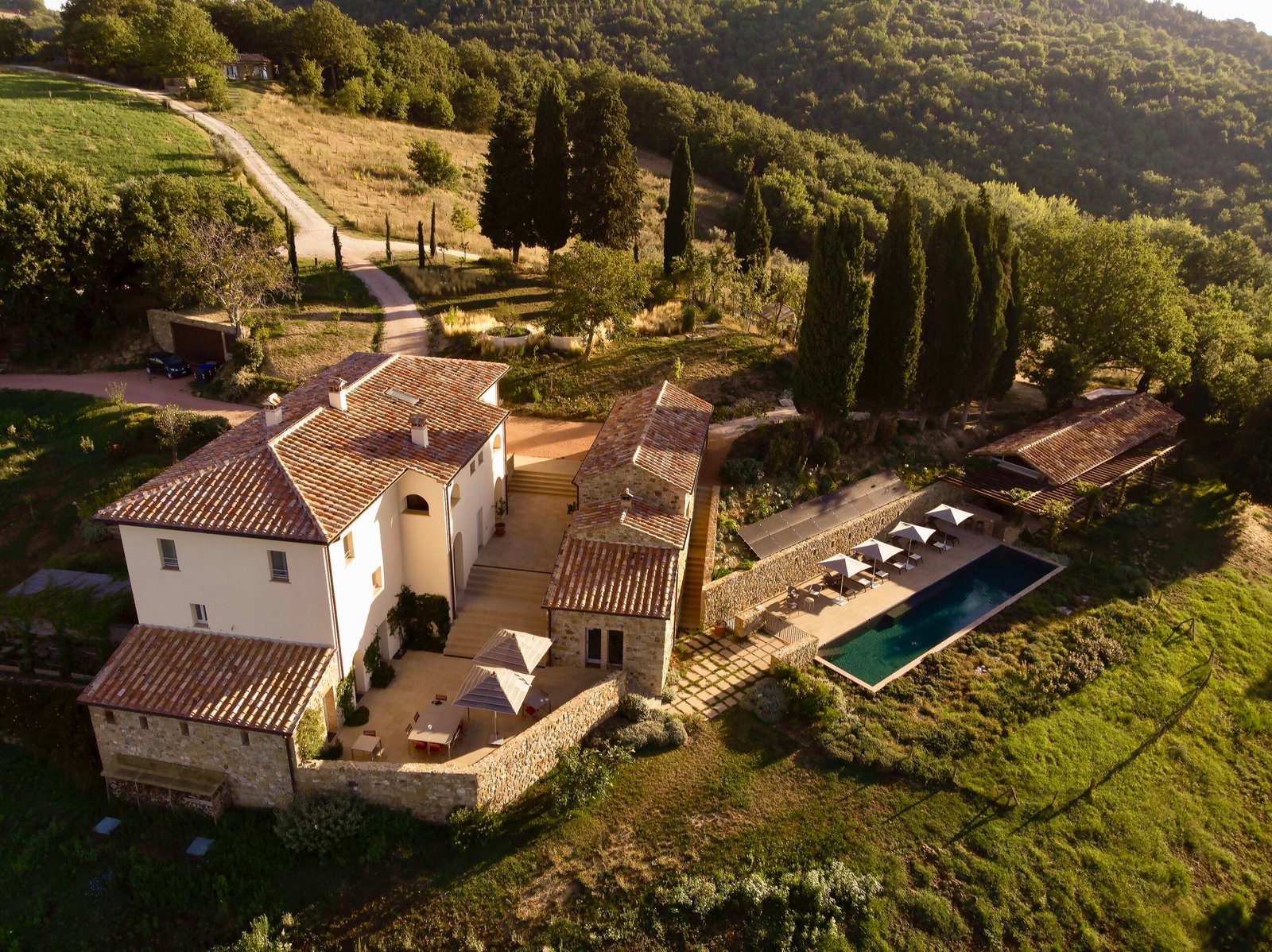
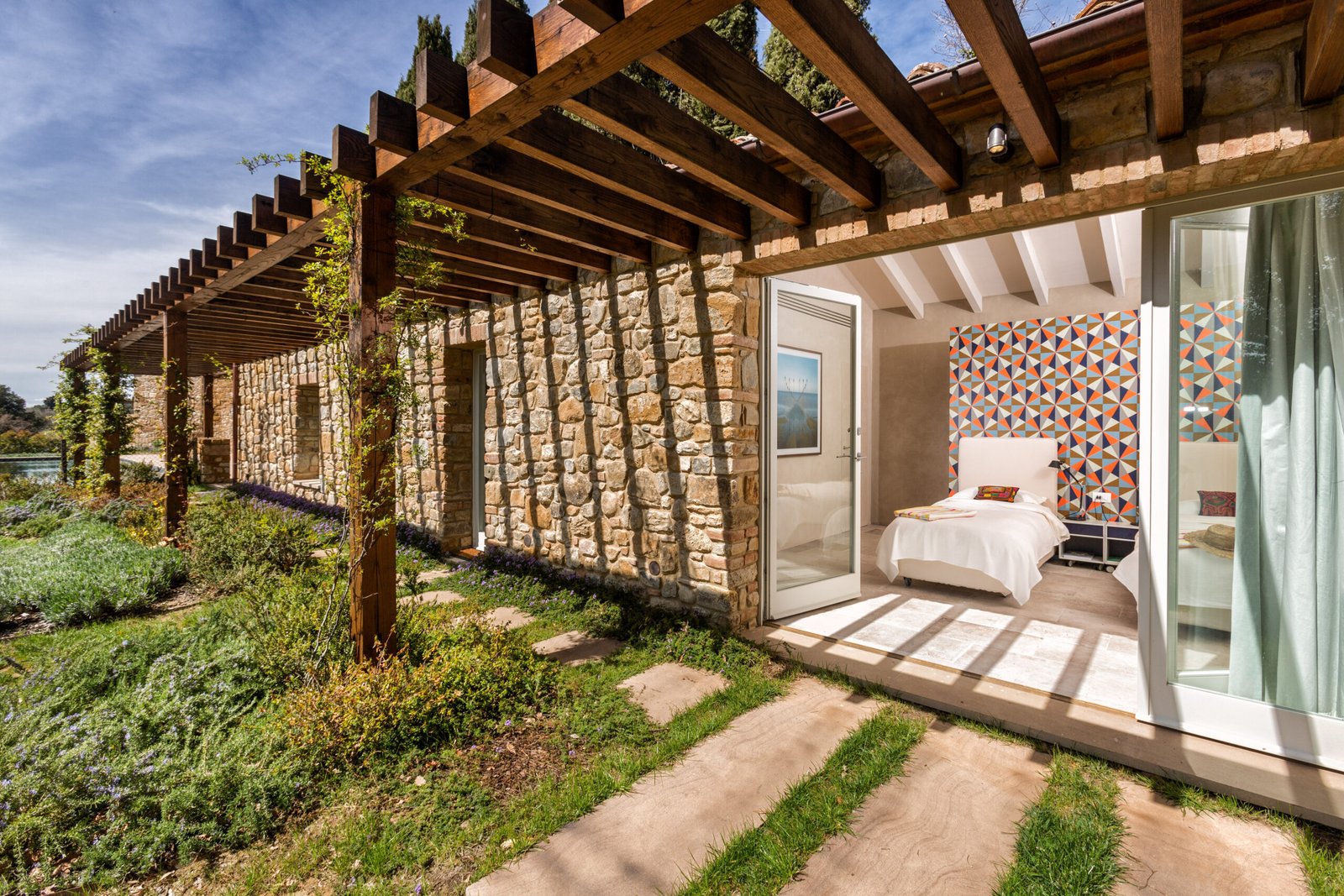
October in Italy is doing two things simultaneously that June and July cannot combine. In Tuscany, the olive harvest is beginning and the Val d’Orcia is in its golden autumn form — the wheat fields harvested and the landscape turning amber, the thermal springs of Saturnia now surrounded by autumn colour rather than the spring wildflowers that April provides. In the Dolomites, the larch forests of the Val di Funes and the Alpe di Siusi are in October turning yellow and gold — the most dramatic autumn colour display in the Alps, peaking in the second and third weeks of the month and producing a landscape that photographers specifically plan their year around.
A retreat that uses both — a few days at a Tuscan agriturismo with a morning at the olive press, then a few days in the Val Gardena for the larch colour and the Dolomite spa circuit — is using October Italy correctly and producing an experience that neither destination alone can replicate. The thermal springs of Saturnia in October, with the air at 14-16°C and the water at 37°C surrounded by the autumn Maremma landscape, are the thermal experience at its most visually specific. Our wellness retreats in Italy in October guide covers the full Italian October picture.
October is the peak month of Nepal’s trekking season and one of the most competitive retreat windows in Asia. The post-monsoon clarity has arrived — the Himalayan peaks visible from the Pokhara valley and the Kathmandu bowl with a sharpness that the pre-monsoon haze and the monsoon clouds both obscure — and the temperatures in the middle hills are at their most comfortable for walking: 18-24°C in the day, cool but not cold at night.
The Annapurna circuit, the Everest base camp approach, and the shorter Poon Hill circuit above Pokhara are all in October at their most accessible and their most visually dramatic. The rhododendron forests that were flowering pink and red in March are in October turning amber and copper on the upper slopes. The terraced fields of the Annapurna foothills are at the harvest — the millet and buckwheat being threshed in the village squares, the women in traditional dress carrying loads on the high paths.
Yoga retreat centres in the Pokhara valley combine daily practice with guided mountain walks, the lakeside cultural programme of the city, and the specific quality of a Himalayan valley in its peak autumn clarity. Booking 3-4 months in advance is standard for October Nepal retreats — this is the most competitive window of the year and availability at the better centres disappears by July.
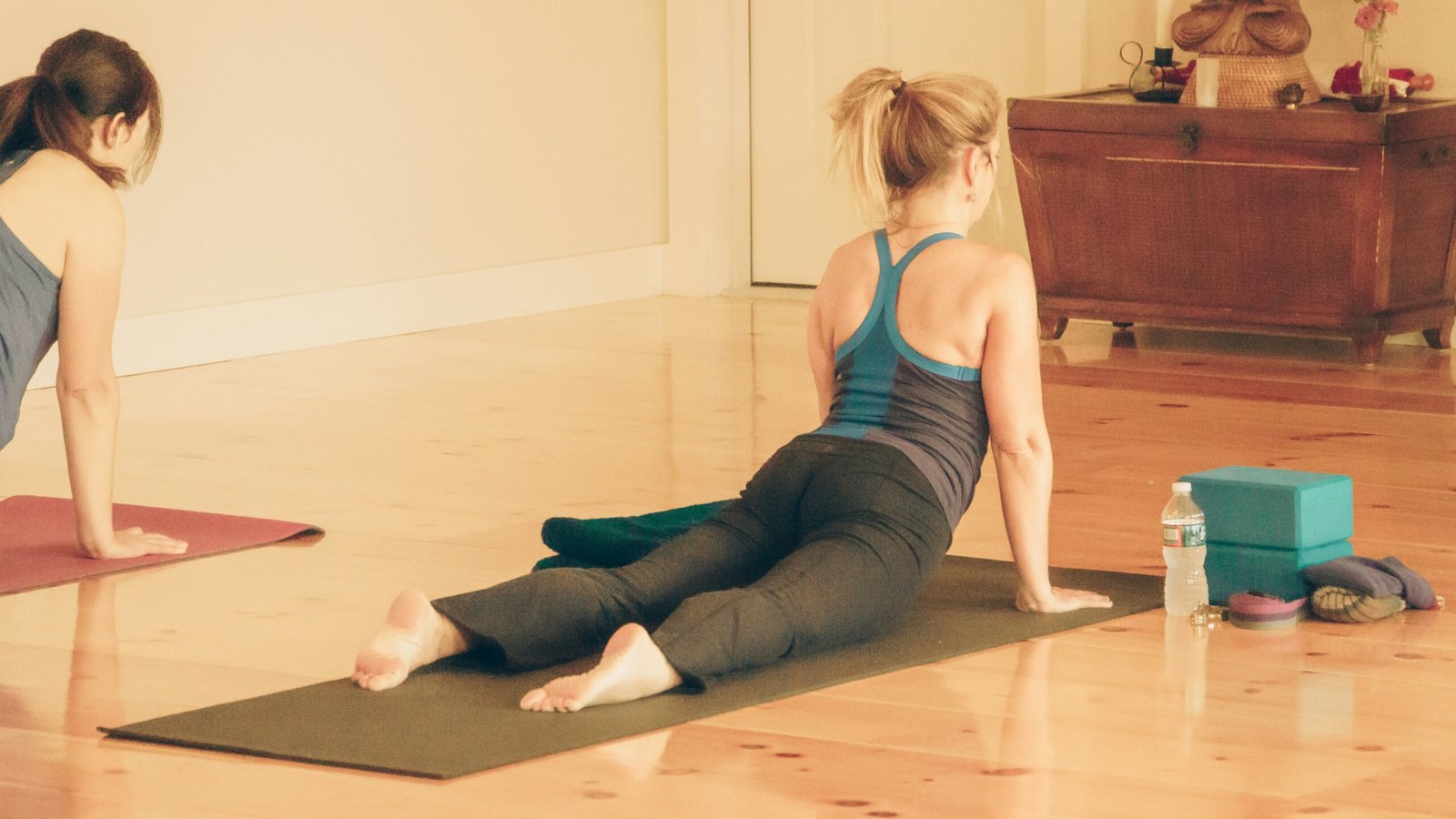
By October, the body has completed its full seasonal arc from the expansive openness of summer to something more contained, more deliberate, and more inward. The warmth that made everything feel effortless in July is a memory, and the practice must now generate from within what the season no longer provides from without. This is not a diminishment — it is a different kind of capability, one that many practitioners find more honest and more revealing than summer’s generous physical availability. When the body is not simply warm and open by default, every degree of flexibility that appears on the mat has been genuinely earned, and that quality of earned openness carries a different kind of satisfaction.
The connective tissue in October is beginning to respond to cooler temperatures in ways that make warm-ups non-negotiable rather than merely advisable. Joints that moved freely through the summer months need more careful preparation, and the practice benefits from an extended, unhurried opening sequence that brings genuine heat to the body before any depth is attempted. This is not a limitation to work around — it is a built-in instruction to slow down, pay closer attention, and practice with the kind of deliberateness that faster, warmer seasons make it easy to skip. October demands presence at the beginning of practice in a way that July simply doesn’t, and that demand, met honestly, makes everything that follows more conscious and more precise.
Yin and restorative practices find their full seasonal resonance in October. The long holds that felt unnecessary when the body was naturally open now become genuinely useful tools — penetrating into the deeper layers of connective tissue that the body has begun to tighten and protect as temperatures drop. A week of consistent Yin practice in October can produce a quality of release that is different in character from summer’s effortless opening: slower, deeper, and accompanied by a quality of emotional processing that the body’s autumn state seems to actively encourage. October bodies hold things. A good retreat gives them permission and space to let go.
October marks the point in the year when the cultural and natural pressure to be outward-facing finally eases. Summer’s social obligations, September’s re-engagement with routine and performance, and the relentless external orientation of the warmer months all begin to recede, and something more interior becomes not just possible but actively called for. A yoga retreat in October is not swimming against the current — it is moving with one of the most powerful seasonal pulls of the year, toward stillness, toward reflection, toward the honest accounting of what the year has actually been.
The practices that thrive in this environment are the ones that require and reward genuine interiority. Extended meditation sits, Yoga Nidra in the dark of an October afternoon, pranayama sequences that work with the quality of the autumn breath — cooler, more conscious, requiring more deliberate management than summer’s easy respiration — and the kind of journaling that goes beyond daily reflection into something more structural: what has the year built, what has it dismantled, what remains that is genuinely worth carrying into the winter ahead. These are not small questions, and October is unusual in providing both the external conditions and the internal readiness to approach them with real seriousness. The month has a gravity to it that makes superficiality feel not just unsatisfying but actively incongruent.
There is also something specifically valuable about practicing in a community during October. The shared experience of turning inward together — of sitting in morning meditation while darkness still presses against the windows, of moving through an evening practice by candlelight, of gathering for warm meals that feel increasingly like acts of genuine care rather than mere sustenance — creates a quality of human connection that summer’s extroversion and winter’s isolation both, in different ways, make harder to access. October retreats tend to produce an unusual depth of group intimacy, precisely because the season strips away the social performances that warmer, busier months encourage and leaves something more genuine in their place.

October eating is one of the genuine pleasures of the seasonal calendar, and a retreat is the ideal context in which to experience it fully. The produce available this month — squash in all its varieties, root vegetables at their sweetest and most complex, apples and pears reaching their peak, late-season greens with a bitterness that the body actually craves — is among the most nourishing and most delicious of the year, and cooking that honours these ingredients rather than fighting them produces meals that feel genuinely aligned with the season rather than merely adequate to it. There is a reason that October food is the food of celebration in cultures across the northern hemisphere: it is, quite simply, some of the best eating of the year.
Ayurvedically, October sits fully in Vata season, and the dietary priorities shift accordingly. Warm, oily, grounding, and gently spiced food becomes not just pleasant but genuinely therapeutic — the dry, light, mobile quality of Vata accumulation responds directly to its opposites, and meals that are moist, heavy enough to anchor, and prepared with warming spices like ginger, cinnamon, cardamom, and nutmeg provide the kind of constitutional support that keeps the nervous system stable as the season’s changeable energy increases.
Ghee deserves particular mention: used generously in October cooking, it lubricates the joints, supports digestion, and provides a quality of deep nourishment that no other fat quite replicates in Vata season. Cold, raw, and dry food should be minimised — not eliminated, but firmly secondary to the warm, cooked preparations that the body is increasingly asking for. Herbal teas with ashwagandha, licorice, and warming spices support both hydration and the nervous system’s need for grounding as the days shorten and the internal landscape grows more complex.
1. Is October too cold for a yoga retreat? The question inverts the reality. October’s cooler temperatures are not an obstacle to retreat practice — they are part of what makes it valuable. The season creates conditions for depth, interiority, and the kind of slow, deliberate practice that warmer months actively work against. A retreat designed for October rather than simply transplanted into it will use the temperature, the light, and the energy of the month as tools rather than inconveniences. The practitioners who find October retreats most rewarding are typically those who arrive expecting something different from summer, rather than those hoping for the same experience in cooler weather.
2. Which yoga styles work best in October? A carefully constructed blend serves October best. Morning practice benefits from styles that generate genuine internal heat — a slow but progressive Hatha or Vinyasa flow that extends the warm-up phase well beyond summer’s quick five minutes and builds deliberately toward peak poses rather than arriving there quickly. Afternoon and evening sessions suit Yin, restorative, and extended pranayama work that honours the body’s October tendency toward depth and stillness. Yoga Nidra, practiced in the darkness of an October afternoon, is among the most powerful practices the month offers and deserves a dedicated place in any well-designed October retreat schedule.
3. How does October affect Vata dosha, and why does it matter for practice? Vata — the Ayurvedic energy of air and ether, governing movement, change, creativity, and the nervous system — increases naturally in autumn as the season’s qualities mirror its own: dry, light, mobile, cool, and changeable. When Vata is in balance, these qualities manifest as inspiration, sensitivity, and mental clarity. When it accumulates in excess, which October’s conditions actively promote, the result is anxiety, scattered thinking, physical dryness, disturbed sleep, and a quality of nervous system dysregulation that makes consistent practice difficult. A retreat that actively manages Vata — through warm nourishment, consistent daily rhythm, grounding practices, oil self-massage, and adequate rest — is not simply more comfortable than one that ignores it. It is physiologically and psychologically more effective.
4. What role does Abhyanga play in an October retreat? Abhyanga — the Ayurvedic practice of self-massage with warm oil — is one of the most directly effective Vata-management tools available, and October is its peak season. Applied before showering with sesame or almond oil warmed to body temperature, Abhyanga lubricates the joints, calms the nervous system, nourishes the skin against autumnal dryness, and creates a quality of physical groundedness that translates directly into more settled, more embodied practice. Many people who encounter Abhyanga for the first time at an October retreat find it becomes a non-negotiable part of their daily routine well beyond the retreat itself — its effects are immediate, cumulative, and genuinely difficult to replicate through any other single practice.
5. How does October darkness affect meditation practice? Productively, when worked with rather than resisted. The reduced light of October mornings and evenings creates a natural container for meditation that summer’s brightness actively disrupts. Sitting in genuine darkness, even briefly, before the morning session begins resets the nervous system in ways that the artificially brightened studio environment cannot replicate. The quality of stillness available in October meditation — specifically the kind that arrives when the external world is dark and quiet and there is genuinely nowhere else the mind needs to be — is one of the month’s most valuable and most underappreciated offerings. Embrace the dark. It is doing something useful.
6. Is October a good month for a first yoga retreat? An excellent one. The quieter energy of the season, the smaller group sizes typical of October retreats, and the naturally contemplative atmosphere of autumn all create conditions that are specifically supportive for newcomers. The pace is slower than summer, the social pressure is lower, and the inward quality of the month makes first-time practitioners less self-conscious about the newness of what they are doing. The one consideration for beginners is the cool temperatures — morning sessions will require a warm layer until the body generates its own heat, and the warm-up phase of October practice takes longer than it does in July. A retreat that communicates this clearly and builds in adequate warm-up time produces first experiences that are genuinely positive rather than unnecessarily uncomfortable.
7. What should I pack for an October yoga retreat? Layers are the answer, and more of them than you think you need. October temperatures vary significantly between early morning, midday, and evening — a day that starts at 10°C can reach 20°C by afternoon and drop back to 12°C by the time the evening session ends. Thermal base layers for early morning practice, mid-weight fleece or wool for outdoor sessions and walks, a waterproof outer layer for rain that October reliably produces, and the lightest clothing you have for the warmest midday hours. Warm socks — two pairs at least, including one pair specifically for practice. A good journal, because October is the month you will actually use it. And a quality eye mask and earplugs, because October’s early darkness makes sleep management both more important and more achievable than in the summer months.
Your email address will not be published. Required fields are marked *