Koh Phangan: Year-End Retreat Culture
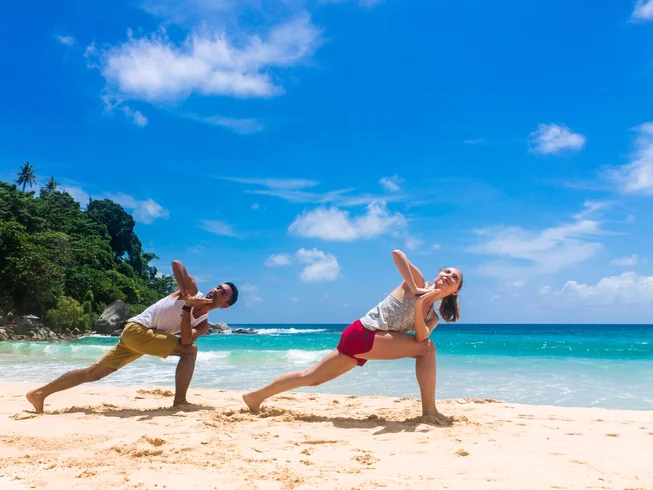
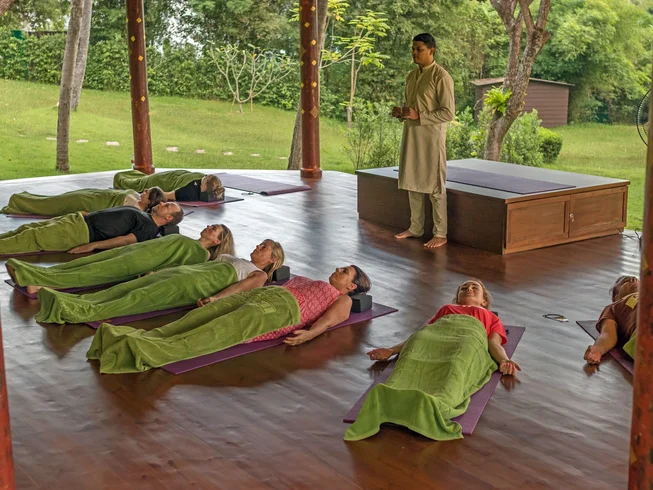
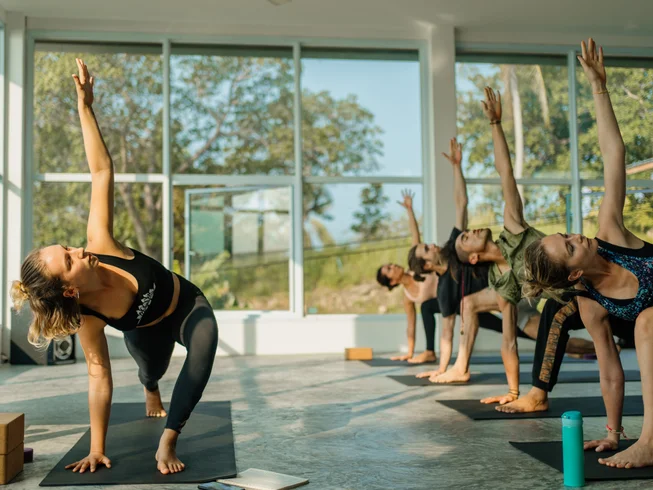
Koh Phangan in December has the most specific end-of-year retreat energy in Thailand — the international practitioners who choose the island for the Christmas and New Year period creating a community that is simultaneously global and locally rooted in the Srithanu yoga culture that the island has been building since the 1990s. The retreat centres that programme specifically for the December period — the solstice practice on December 21st, the year-end reflection sessions, and the New Year sunrise meditation on January 1st — are offering something that requires the combination of the Gulf dry season conditions and the deliberate end-of-year intention.
The sea on Koh Phangan in December is 28-29°C — the Gulf dry season at its warmth — and the Srithanu area has the most concentrated yoga, wellness, and raw food infrastructure of any retreat destination in Southeast Asia. The December Full Moon Party on Had Rin is the most internationally attended of the year, but the retreat community in the northwest of the island maintains its specific character regardless of what happens on the opposite coast.
The December teacher training programmes on Koh Phangan — the 200-hour and 300-hour yoga teacher training courses that the Phangan schools run through December — attract the participants who specifically want to complete their training in the year-end window, and the energy of a training cohort at the end of a 28-day immersion adds a specific dimension to the retreat community of December Srithanu.
Similan Islands: Peak Diving Season
The Similan Islands National Marine Park — which reopened on November 15th after its May-October closure — is in December at the beginning of its peak dive season. The nine granite islands of the Similan archipelago, 80 kilometres offshore from Khao Lak on the Andaman coast, have the most biodiverse marine environment in the Andaman Sea: the manta rays that visit the cleaning stations at Koh Bon and Koh Tachai from November through April, the whale sharks at the outer dive sites, and the hard coral gardens of the sheltered eastern sides of the islands producing underwater landscapes that the Gulf coast dive sites cannot approach.
The liveaboard dive trips from Khao Lak to the Similans are in December beginning their full season schedule — typically 3-4 day liveaboards covering the full Similan archipelago plus the Richelieu Rock pinnacle (consistently rated among the top ten dive sites in the world) and the Surin Islands further north. For retreat guests based on the Andaman coast in December who want to add a liveaboard to the retreat week, December is the month when the full northern Andaman route is operational and the manta rays have returned.
Chiang Mai: Cool Season Peak
Chiang Mai in December is in the best weather of the year — the cool season temperatures dropping to 12-15°C at dawn by the last weeks of the month, the air at its driest and clearest, and the outdoor morning practice that defines the northern retreat at its most specifically valuable. The temperature differential between the 7am practice in 12-15°C cool air and the warm midday sun of 26-28°C produces a quality of morning practice that the summer retreat cannot replicate — the body genuinely cool at the start, the warming happening through the practice itself rather than from the ambient temperature.
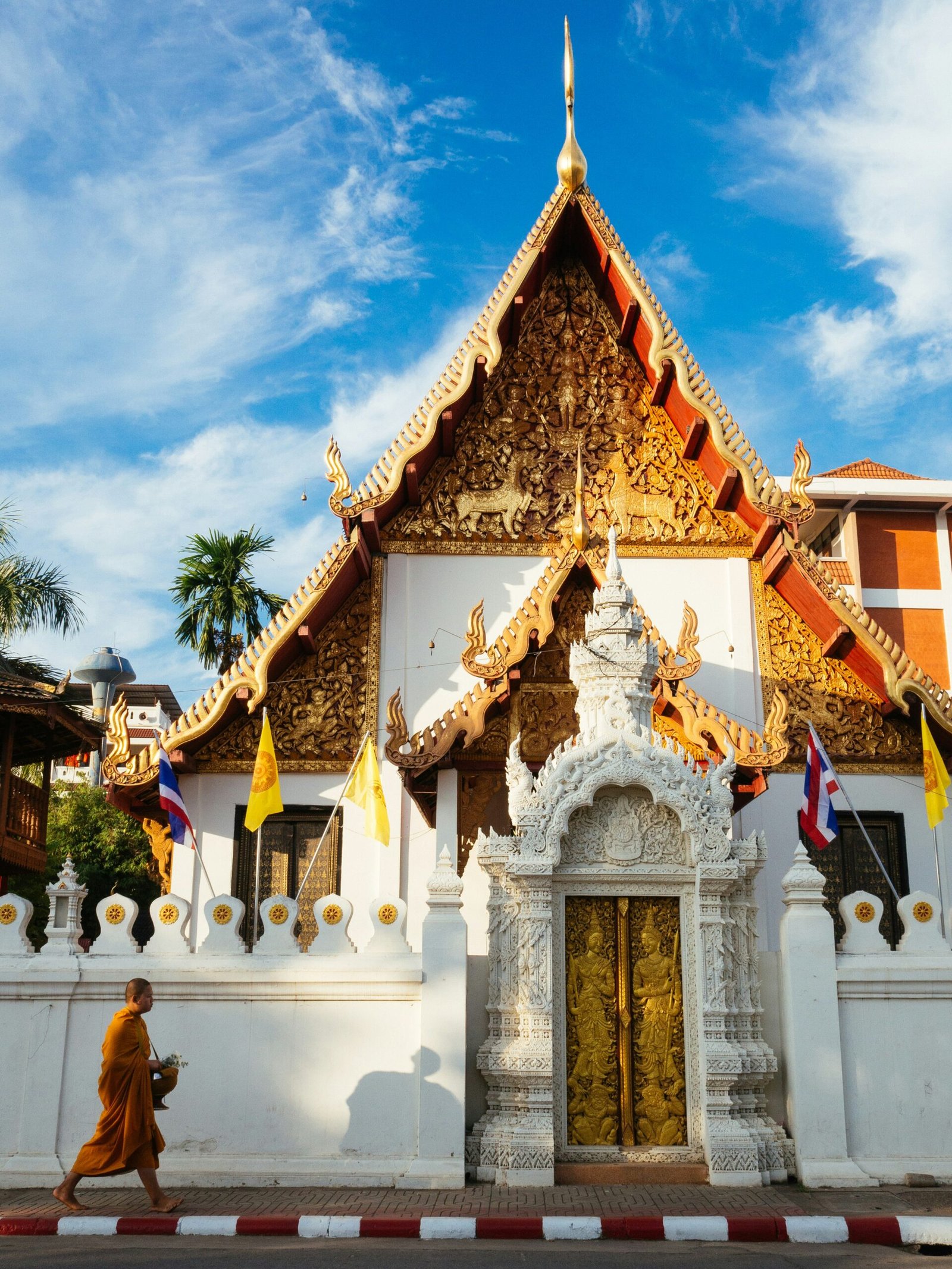
The Christmas culture in Chiang Mai has a specifically Thai-Christian dimension — the Chiang Mai Cathedral in the old city, the Karen and Shan Christian communities in the surrounding hills, and the Doi Pui hilltribe village above Doi Suthep where the Christian tradition coexists with the animist practices of the local communities produce a December Chiang Mai that is multicultural in a specifically northern Thai way. The Christmas market at the Nimman area and the Bossy Chiang Mai cultural events of December add the international festive dimension to the Thai cool season culture.
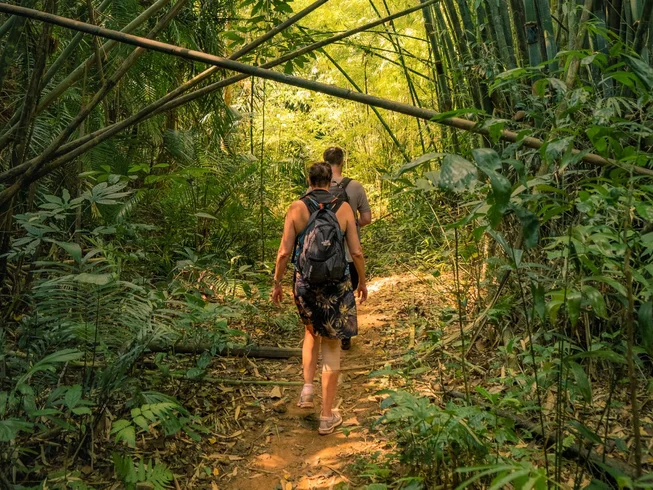
The Doi Ang Khang highland agricultural station — the royal project farm at 1,400 metres above sea level, growing temperate vegetables, berries, and cut flowers in the cool season conditions — is in December at its most dramatically active: the cherry blossoms of the Taiwanese cherry variety at their December-January flowering, the strawberry fields beginning their December harvest, and the highland vegetable gardens producing the asparagus, cabbages, and root vegetables that the lowland Thai climate cannot support.
Phang Nga Bay: Limestone Karsts at Dry Season Best
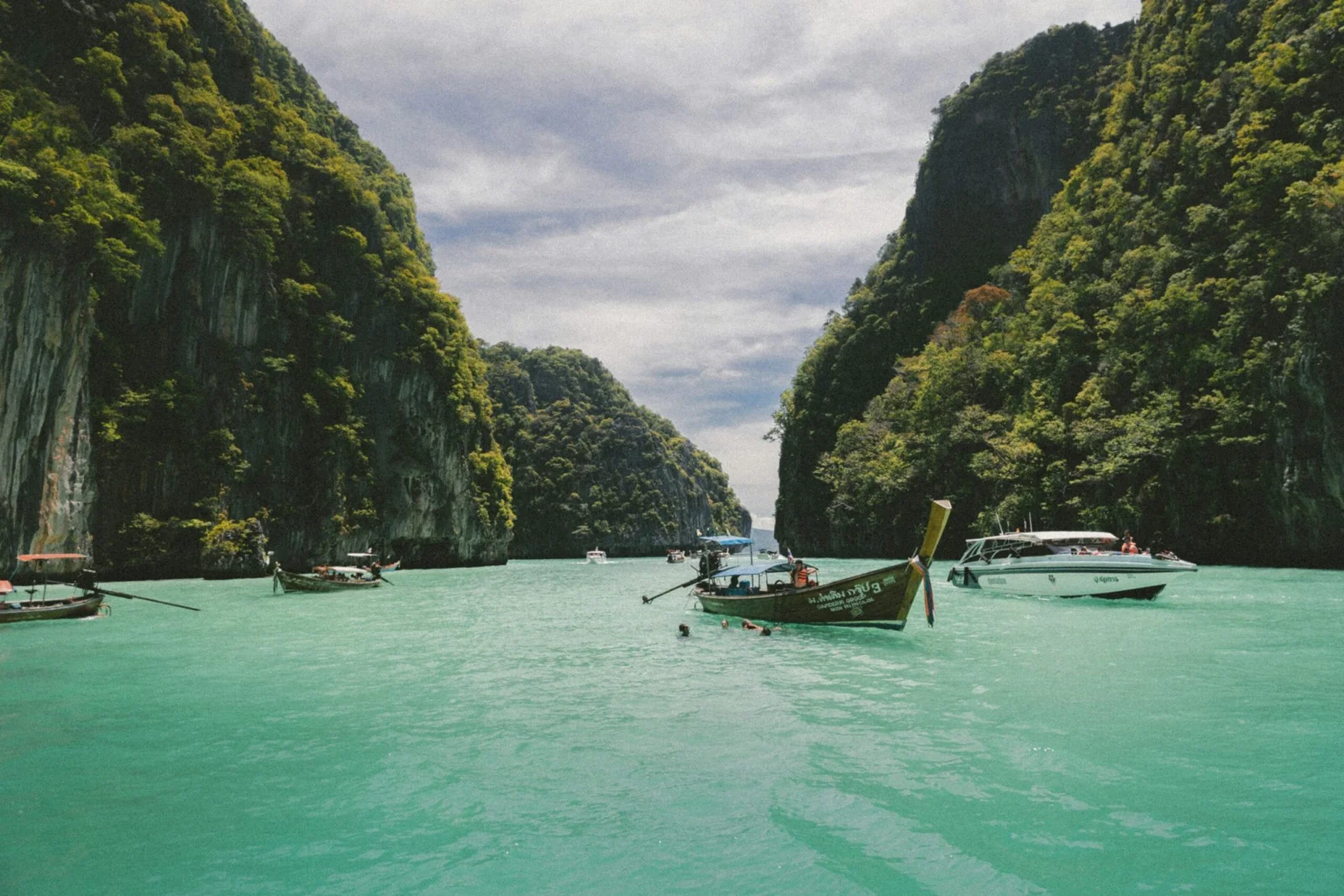
Phang Nga Bay — the inland sea north of Phuket, dotted with the vertical limestone karst formations that the James Bond film “The Man with the Golden Gun” made internationally famous as James Bond Island — is in December at its dry season calm. The sea kayaking through the mangrove channels and the sea caves (hongs) that penetrate the hollow limestone formations is in December at its most accessible — the sea flat enough for the paddling to be pleasurable rather than challenging, the caves accessible at the specific tide windows that the low-season rough sea makes impossible to use.
The Phang Nga Bay retreat — typically based at one of the small resorts on Koh Yao Noi or Koh Yao Yai (the low-development islands in the centre of the bay, equidistant from Phuket and Krabi) — produces a specific retreat experience: the karst formation landscape visible from the morning practice space, the sea kayaking through the mangroves as the afternoon activity, and the sunset over the bay from the island’s elevated viewpoints. Koh Yao Noi in December has the Andaman dry season conditions without the Phuket resort density — the island’s limited infrastructure maintained specifically by its community, which has resisted the large-resort development that the surrounding area has experienced.