
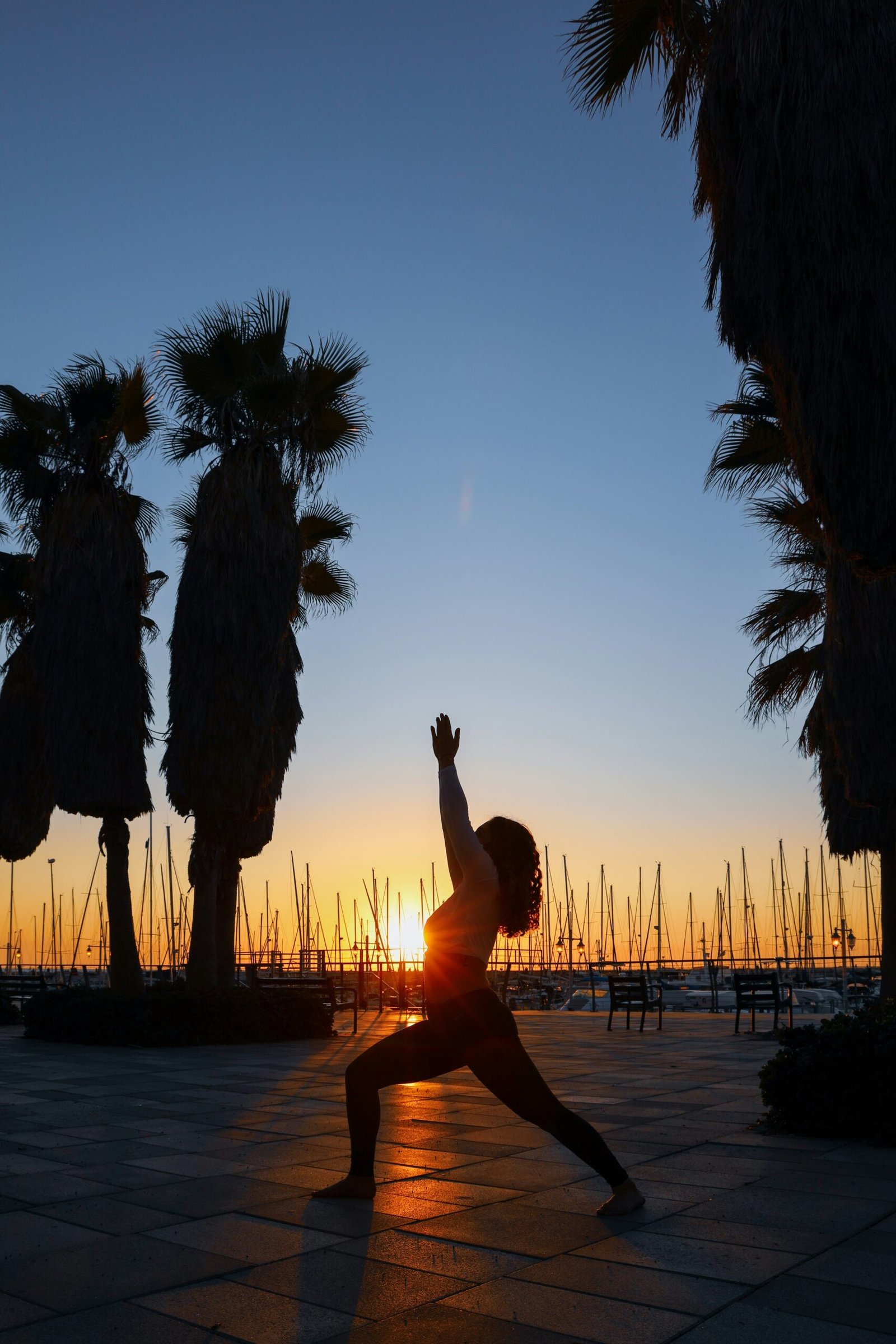
November is the month that asks the most of you and offers the most in return, provided you’re willing to meet it honestly. The last traces of autumn’s golden ambiguity are gone — the trees are bare, the light is thin and brief, and the cold has stopped being a suggestion and started being a fact. There is nowhere to hide in November, and no seasonal aesthetic to soften the reality of what the month actually is: the year’s most stripped-back, most demanding, and most revealing chapter. A yoga retreat in November doesn’t promise comfort or warmth or the kind of experience that photographs well. It promises something more durable — the particular clarity that arrives when everything non-essential has been removed, and what remains on the mat, and in the mind, is simply what is true. November is not for everyone. For those it suits, there is nothing quite like it.


November splits the retreat world cleanly. In northern and central Europe, the season is effectively over — the outdoor options have closed, the days are too short, and the temperatures too low for the kind of retreat experience most people are looking for. But south of a certain latitude, November is actually good. Crete and the Peloponnese are mild and operating without tourists. Portugal’s south coast is at 18-20°C. Morocco is in its best retreat window of the year. Thailand is back in full dry season. And all of them are at their most affordable. The question is not whether to go — it is which version of November you want.
Not sure where to go? Our full yoga retreat guide covers every destination. The ones below are specifically good in November.
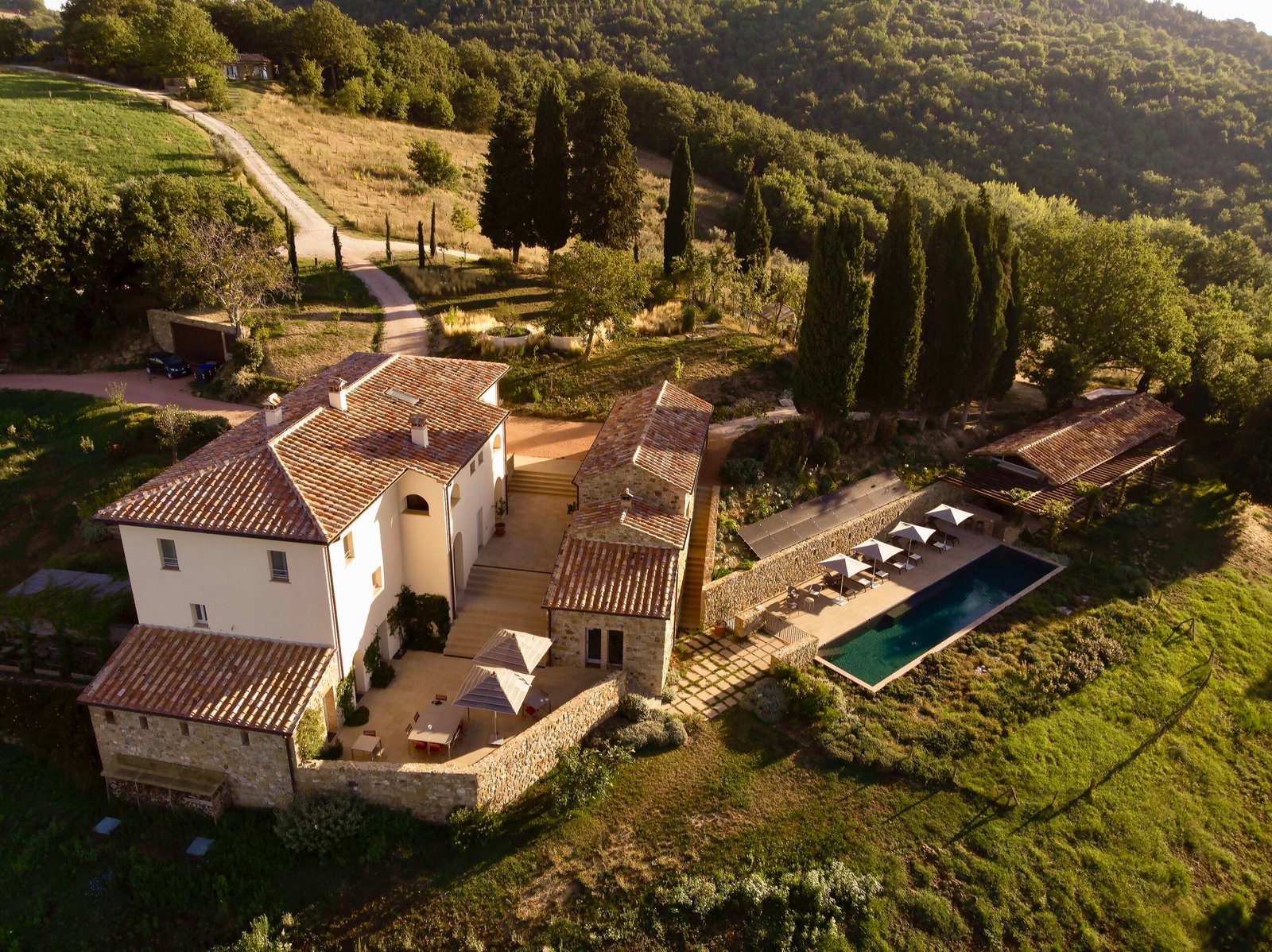
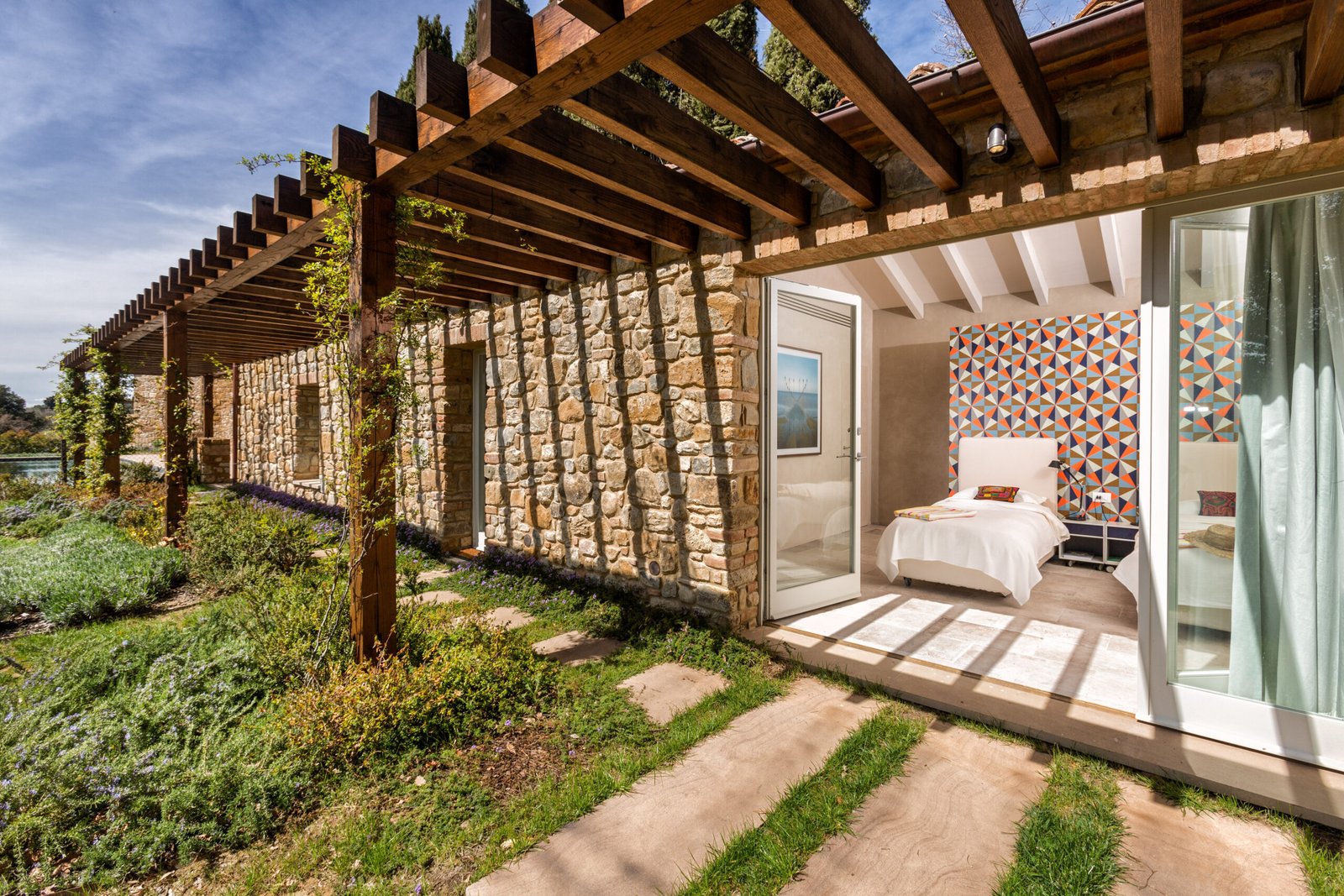
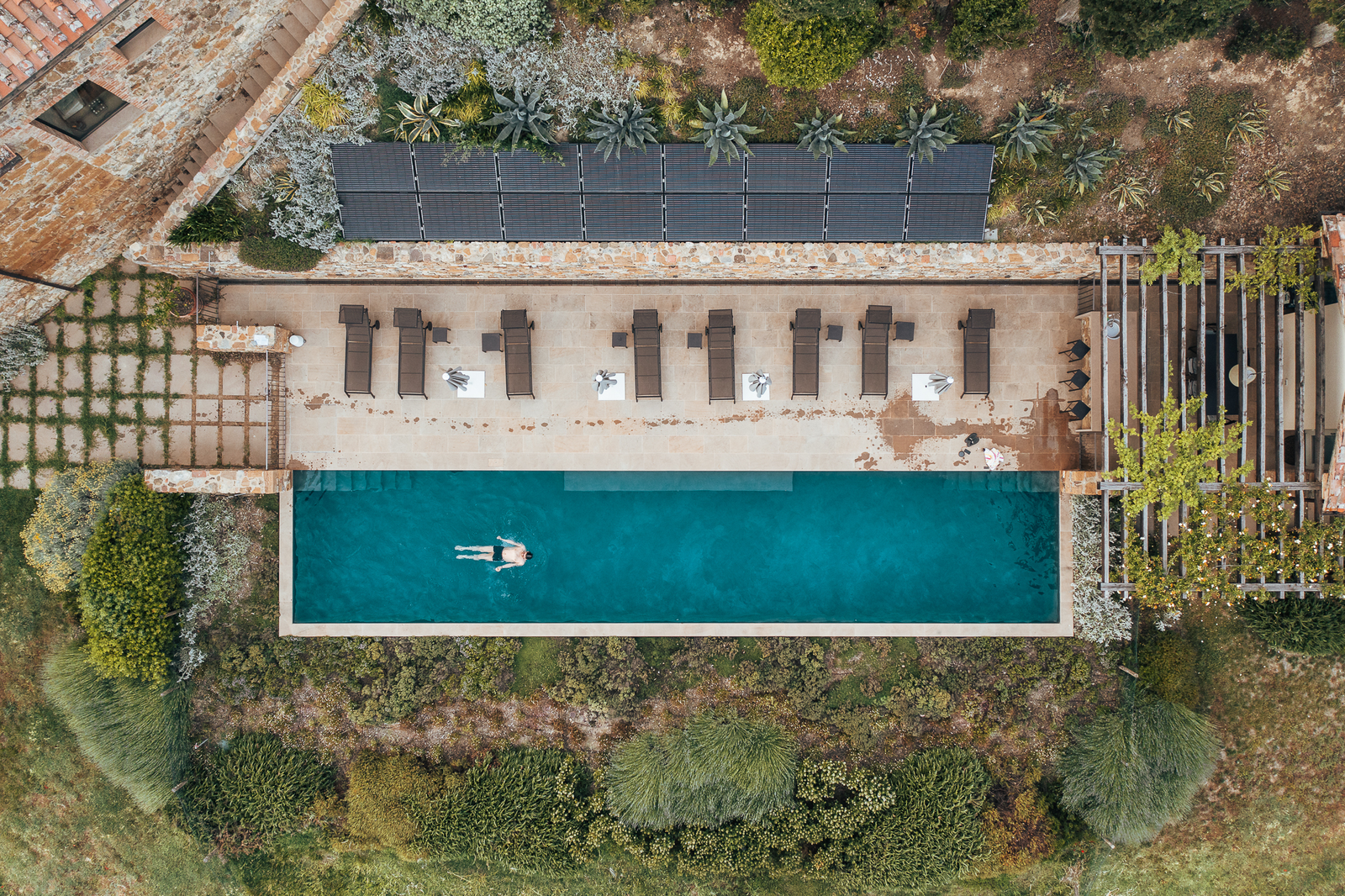
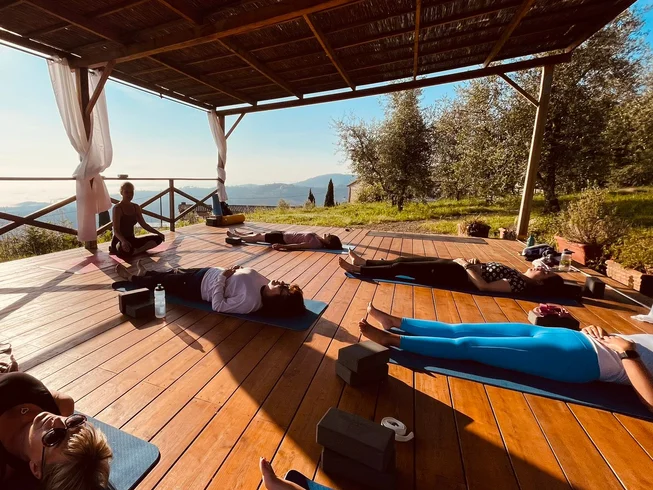
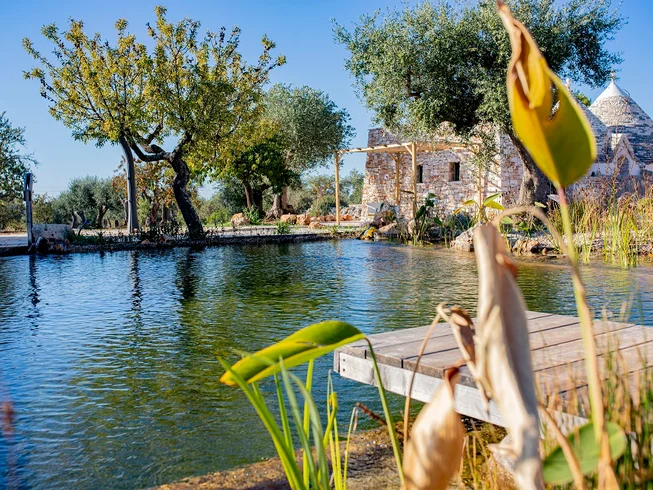
November in Portugal is the year’s first properly quiet month — the October visitors who extended their summer into early autumn have gone home, and the Christmas crowd has not yet arrived. What remains is a country operating for itself, at its own pace, in the specific quality of a late Mediterranean autumn that northern Europe cannot produce.
The Alentejo in November has the cork oak forests after the harvest, the rolling plains between Évora and the Spanish border in their winter quiet, and the farmhouse retreat centres running their most intimate programmes of the year. The truffle season is beginning in the Alentejo forests — the black truffle found in the oak woodland, not the internationally famous Périgord variety but a closely related Portuguese species that the local restaurants and retreat kitchens use with the same reverence. A morning truffle hunt with a local hunter and their dog, followed by a lunch at the retreat kitchen using the morning’s find, is a November Alentejo experience that requires both the season and the location to access.
The Algarve in November is 16-18°C, largely empty, and specifically good for those who want the western Atlantic coast without the summer competition. The surf on the west-facing beaches — Sagres, Carrapateira, Praia do Amado — is at its autumn power, the swells consistent and larger than the summer, and the retreat centres that combine yoga with surf instruction are running their most uncrowded programmes. Our yoga retreats in Portugal in November guide covers the full November picture.
The Canary Islands argument in November is simple: they are at 21-23°C when the rest of Europe is deciding between a coat and a heavy coat. Tenerife, Gran Canaria, Lanzarote, and Fuerteventura all operate year-round at roughly the same temperature, but November is when the gap between their conditions and those of the mainland is at its widest and most persuasive.
Lanzarote in November has the volcanic landscape — the black lava fields of Timanfaya, the white architecture of Arrecife, the vineyards grown in the volcanic ash craters of La Geria — in their most dramatic form: the low November sun hitting the black rock at an angle that summer’s overhead light entirely changes. The retreat centres that operate in the rural fincas of the island’s interior are in November running their most serious programmes of the year, for participants who chose Lanzarote in November specifically rather than defaulting to summer.
Fuerteventura in November has the Atlantic surf at its autumn peak — the island’s long west coast beaches producing the consistent breaks that the international surf community specifically targets in the autumn and winter months — combined with the yoga retreat infrastructure that has developed around that community. The kitesurfing at El Cotillo and Corralejo is in November at its prime conditions. Our yoga retreats in Spain in November guide covers the Canary Islands and the mainland options.
November marks the return of the dry season to the Gulf of Thailand coast, and the retreat scene responds immediately. After five months of monsoon conditions on Koh Samui and Koh Phangan, November brings the clear skies, 28-30°C temperatures, and the sea at 27-28°C that make the Gulf coast genuinely good rather than merely operational.
Koh Phangan in November has the retreat community re-emerging from the monsoon quieter and more locally-rooted than the high-season version — the teachers who stayed through the wet season, the retreat centres that used the rain months to renovate and programme, and the general energy of a place that has come through something and is ready to offer its best version again. The Samui Archipelago in November has the specific quality of early dry season: everything still green from the rains, the beaches clean from months without tourist traffic, and the water conditions improving daily.
Our yoga retreats in Thailand in November guide covers the Gulf coast and the northern options for the month.
November in Crete is the olive harvest at full production. The frantoi (olive presses) run continuously through November, the smell of fresh-pressed oil in the villages is one of those specifically seasonal sensory experiences that no other month provides, and the new-season oil — bright green, intensely peppery, available at farm gates before it enters the distribution chain — is at its maximum freshness and nutritional intensity.
The island in November has a quality that August makes structurally impossible: the Minoan archaeological sites genuinely accessible without any management of crowds, the coastal towns operating for their own residents rather than for visitors, and the retreat centres in the Chania and Rethymno areas running their most focused and most intimate programmes of the year. The south coast of the island — the villages above the Libyan Sea — is in November still mild (16-18°C) and operating without any audience except the people who live there.
For those who want Crete in November specifically for the harvest, the timing matters: the lower altitude groves begin in October, the mountain groves continue through November and into December. A retreat week in mid-November typically catches the harvest at full activity. Our yoga retreats in Greece in November guide covers Crete and the other Greek options for the month.
November practice has a quality of exposure that no other month replicates. The body, no longer supported by summer’s warmth or autumn’s lingering ease, must generate everything from within — heat, motivation, the willingness to begin. Warm-ups are long and non-negotiable, the first twenty minutes of any session devoted entirely to building the internal fire that the season withholds. This is not a disadvantage. It is one of the most honest and instructive aspects of November practice — the requirement to generate your own momentum, without external assistance, teaches something about the nature of discipline that the easier months never quite reach. Every practitioner who has maintained a consistent November practice knows that the sessions begun in the cold and dark are the ones most worth beginning.
The body in November is contracting in ways that are both physiological and something harder to name. Muscles hold more tension as a default state, joints move with less of the fluid ease that characterised the summer months, and the breath — cooler, drier, requiring more conscious management — demands a quality of attention that June’s effortless respiration never called for. All of this creates a practice that is slower, more deliberate, and more revealing of the body’s actual state than any seasonal equivalent. The poses that feel easy in November are genuinely strong. The flexibility that remains is genuinely earned. There is nothing borrowed from the weather, nothing given freely by the season — and that absence of assistance produces a quality of self-knowledge that is difficult to access any other way.
What November strips from the physical practice, it gives back in the subtler dimensions. Pranayama deepens significantly in the cold months — the breath, made more conscious by the season’s demands, becomes a more precise and more powerful tool than it is when breathing requires no particular effort. Meditation sits settle more readily than in the restless energy of spring or the scattered warmth of summer. The mind in November has fewer places to go and fewer reasons to wander, and the stillness that results — not comfortable, not decorated, but genuinely present — is the kind that produces real insight rather than pleasant experience. November is the month to find out what the practice actually is, beneath everything the better months allow you to project onto it.
November has a psychological weight that is worth acknowledging directly rather than coaching away. The year is almost over, the darkness is almost complete, and the gap between what was intended in January and what has actually been accomplished has nowhere left to hide. For many people, November produces a specific quality of reckoning — not quite despair, not quite grief, but something adjacent to both: a confrontation with time, with limitation, with the distance between aspiration and reality that the busyness of the year has been successfully postponing. A retreat in November does not resolve this confrontation. It creates the conditions to have it honestly, which is considerably more useful.
The yoga tradition’s tools for navigating this terrain are not motivational. They are structural. Consistent daily practice creates a rhythm that the nervous system can anchor to when the external world offers none. Pranayama — particularly the long, slow exhale practices that activate the parasympathetic nervous system — directly addresses the low-grade anxiety that November’s darkness and year-end pressure tend to produce. Meditation offers not escape from difficult thoughts but a different relationship with them: the capacity to observe without being consumed, to witness the mind’s November content without mistaking it for permanent truth. These are not small gifts. In a month that asks a great deal, they are precisely what is needed.
There is also something to be said for the particular quality of human connection that November retreat life produces. Stripped of summer’s social ease and autumn’s golden mood, the community that forms around a shared practice in November tends to be unusually honest and unusually close. People arrive with less performance and more genuine need, which creates the conditions for the kind of connection that actually sustains rather than simply entertains. The conversations that happen over warm food in a November retreat kitchen, or in the quiet after an evening meditation session, tend to be the ones that participants remember long after the experience has ended. November honesty, shared, becomes something close to intimacy.
November eating is about one thing above all others: warmth. Not just the temperature of food — though that matters enormously — but the quality of nourishment that builds internal fire, supports the immune system against the cold season’s demands, and provides the kind of deep, sustained energy that November’s darkness and physical contraction require. The Ayurvedic framework is unambiguous and practically useful here: Vata is at its peak in November, and the antidote is everything the season withholds — warmth, moisture, heaviness, and the grounding stability of food that takes time to prepare and time to digest.
Slow-cooked dishes come fully into their own this month. A long-simmered lentil soup with ginger, turmeric, and black pepper does more for a November body than any supplement protocol — it warms from the inside out, supports digestion and immunity simultaneously, and provides the kind of protein and mineral density that keeps energy stable through the short days and long evenings. Root vegetables — parsnips, beetroot, sweet potato, celeriac — roasted with warming spices and generous amounts of good oil or ghee, provide grounding that the nervous system is actively requesting. Bone broth, for those who consume it, is arguably November’s most complete food: collagen for the joints that the cold is tightening, minerals for the immune system, warmth and depth of flavour that makes eating feel genuinely restorative rather than merely functional.
Hydration in November requires more intention than any earlier autumn month. The thirst signal is significantly suppressed by cold, indoor heating is profoundly drying, and the combined effect of both means that chronic mild dehydration is almost universal in November without deliberate management. Warm herbal teas — particularly those containing ashwagandha, licorice root, tulsi, and warming spices — serve double duty as both hydration and nervous system support. A thermos kept within reach throughout the retreat day, refilled consistently rather than reactively, is among the simplest and most effective tools for maintaining the fluid balance that November quietly and persistently works to undermine.
1. Is a November retreat genuinely worth doing, or is it just difficult? It is genuinely worth doing precisely because it is difficult — not in the sense that difficulty is inherently valuable, but in the sense that November’s particular challenges reveal things about the practice, and about the practitioner, that more comfortable conditions actively conceal. The people who find November retreats most transformative are typically not those who arrived expecting an easy or beautiful experience, but those who arrived willing to work honestly with what the month actually offers. That distinction — between consuming an experience and genuinely engaging with one — produces results that last considerably longer than a pleasant week in the sun.
2. Which yoga styles suit November best? The morning practice in November benefits from styles that build heat methodically and deliberately — a slow Hatha or Vinyasa flow with an extended warm-up, building progressively toward more demanding work once the body is genuinely ready rather than merely impatient. Ashtanga, practiced at a measured pace with attention to breath rather than speed, suits November’s demand for discipline and precision. Afternoon and evening sessions suit Yin, restorative, and Yoga Nidra — the body in November welcomes the deep release of long-held poses with a receptivity that summer’s easier openness never quite produces. Pranayama deserves significant dedicated time in November: Nadi Shodhana for nervous system balance, long exhale practices for anxiety and sleep, Kapalabhati in the morning to generate heat and lift energy.
3. How should a November retreat address the risk of seasonal depression? Directly and without euphemism. A well-designed November retreat acknowledges that some participants will be navigating genuine low mood rather than simple seasonal preference, and builds its program accordingly. Morning light exposure — even the thin November light — is neurologically significant and worth seeking deliberately: outdoor practice or walking in the first hour after sunrise provides meaningful benefit even on overcast days. Consistent movement, adequate sleep, warm nourishing food, reduced alcohol, and the quality of purposeful community that retreat life provides address the core physiological contributors to seasonal low mood more comprehensively than most people expect. If a participant’s experience moves beyond seasonal adjustment into something more acute, a retreat with qualified and attentive teachers will recognise this and respond appropriately.
4. What pranayama practices are most valuable in November? Nadi Shodhana — alternate nostril breathing — is the month’s most broadly useful tool, balancing the nervous system, supporting sleep, and managing the anxiety that Vata accumulation produces. Long exhale practices — extending the exhale to twice the length of the inhale — activate the parasympathetic nervous system directly and are particularly effective for the evening wind-down that November’s restless energy can make difficult. Kapalabhati in the morning generates heat and mental clarity efficiently without requiring the body to be fully warmed up first. Ujjayi breath, maintained throughout the asana practice, keeps the internal fire burning steadily through sessions that the cold threatens to interrupt. Each of these techniques is worth learning properly at a November retreat and then having as a year-round resource — November’s particular demands make their value immediately and unmistakably clear.
5. How long should the warm-up phase be in November practice? Longer than feels comfortable, and considerably longer than summer habits suggest. A minimum of twenty minutes of gentle, progressive movement before any depth is attempted is a reasonable November baseline — the joints need more time to lubricate, the muscles more time to soften, and the nervous system more time to shift from its default winter state of vigilance into the receptive openness that genuine practice requires. Practitioners who skip or abbreviate the warm-up in November typically find the rest of the session less effective and occasionally uncomfortable in ways that leave marks the following day. The warm-up is not preparation for the practice. In November, it is the practice — everything else that follows is made possible by the quality of attention it receives.
6. Is November a good month for a yoga retreat if you struggle with seasonal low mood? Yes, specifically — provided the retreat is well-designed and the participant is willing to engage honestly with what the month offers rather than using the retreat as an escape from it. The practices that address seasonal low mood most directly — morning movement and light exposure, consistent daily rhythm, warm nourishing food, genuine community, and the specific neurological effects of regular pranayama and meditation — are all central to a well-designed November retreat rather than incidental to it. Many people who have struggled with November low mood for years find that a deliberately structured retreat week provides a reference point and a set of tools that changes their relationship with the month permanently. That said, if mood difficulties are acute or clinical rather than seasonal, a retreat is a complement to professional support rather than a substitute for it.
7. What should I pack for a November yoga retreat? Pack for two climates simultaneously if the retreat is in southern Europe or Morocco — genuinely warm layers for early morning and evening practice, and lighter clothing for the midday hours when temperatures in the Algarve or Crete or the Canaries reach 18-22°C. Thermal base layers, a mid-weight fleece, and a proper waterproof outer layer are all necessary. Warm socks are non-negotiable — cold feet in November undermine everything else the practice is trying to do. A thermos for the warm teas that November makes essential. Good quality eye mask and earplugs, because November darkness, paradoxically, can make sleep more difficult rather than easier when it arrives before the body is ready for it. And a journal — November is the month that most clearly benefits from being written through rather than simply experienced.
Your email address will not be published. Required fields are marked *