


Koh Samui: The Exception to the Monsoon Rule
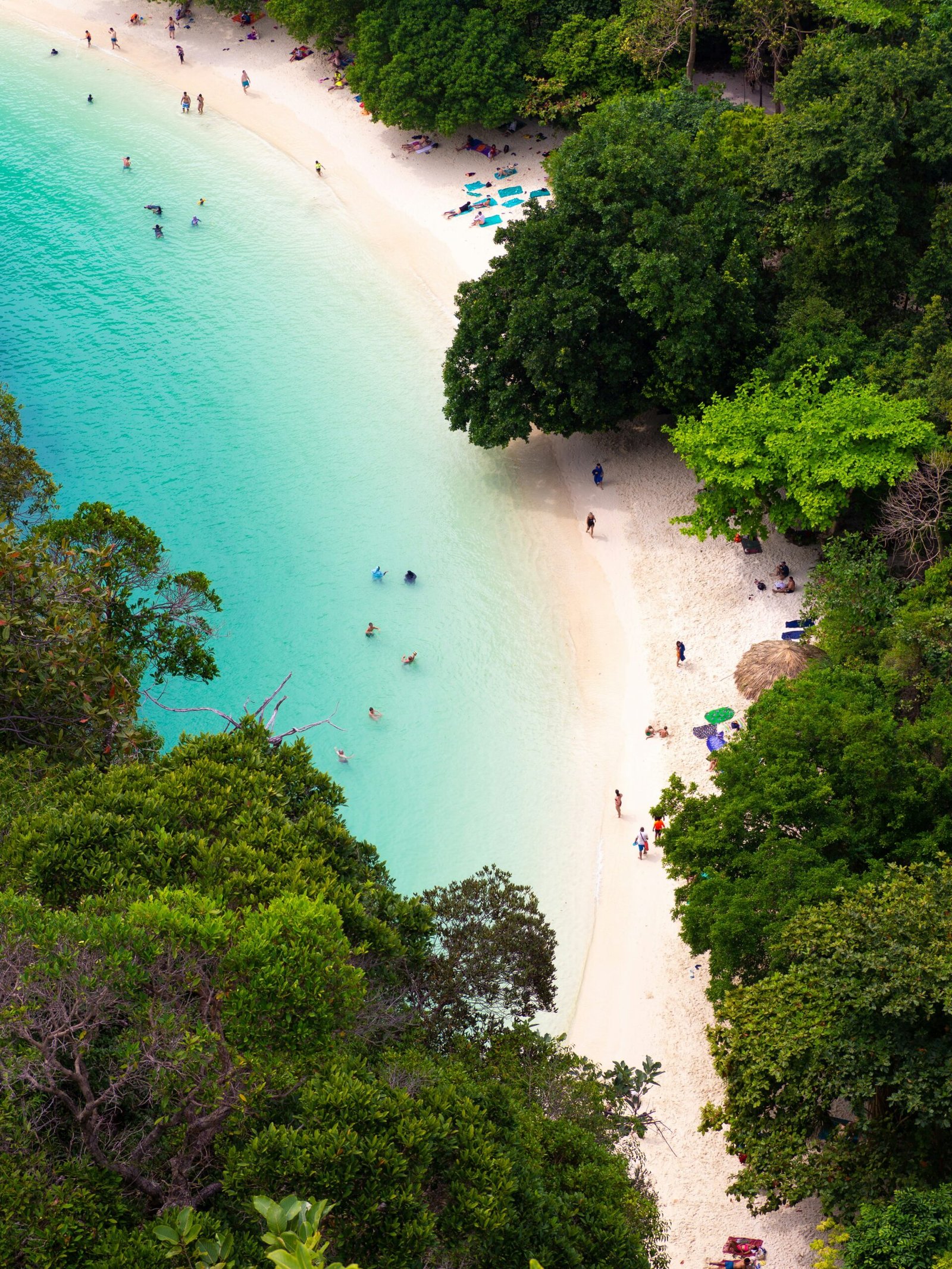
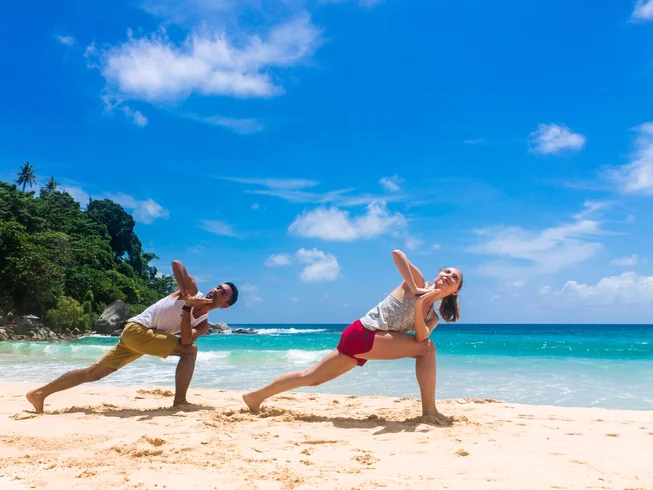
Koh Samui is in June the most counterintuitive destination in Thailand — the island that is dry when the Andaman coast is wet, and wet when the Andaman coast is dry. The Gulf of Thailand’s weather patterns mean that Koh Samui’s wet season runs from October through December, not May through October like the Andaman coast. In June, Koh Samui typically has some rain but significantly less than Phuket or Krabi — often clear mornings with afternoon showers, the sea still warm at 29-30°C, and the retreat infrastructure fully operational.
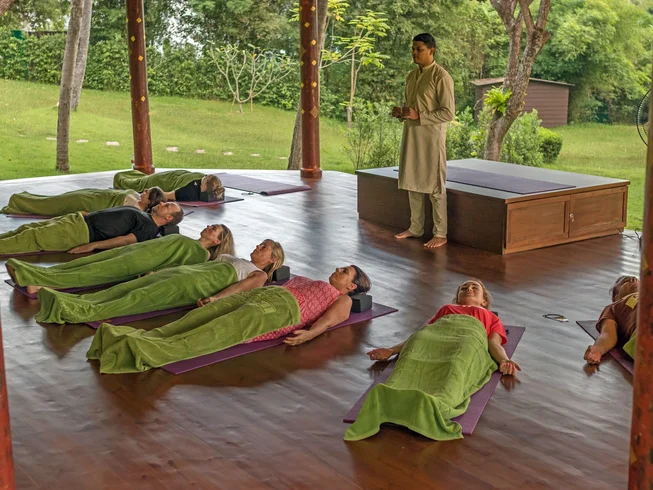
The June Koh Samui retreat has the specific quality of the shoulder season — the January and February peak visitors gone, the October wet season not yet arrived, and the island running at a pace that suits the retreat format better than the high season energy. The Samahita Retreat on the south coast, the Kamalaya Wellness Sanctuary on the southeast coast — two of the most established retreat centres in Southeast Asia — are both in June offering their full programmes at prices below the peak season. The Nathon and Bang Por areas on the quieter west coast have the June character of a Thai coastal town between tourist seasons: the local restaurants open, the beach accessible without crowds, and the ferry connections to Koh Phangan and Koh Tao still running regularly.
Doi Inthanon and the Chiang Mai Highlands
Doi Inthanon — Thailand’s highest peak at 2,565 metres — is in June at its most dramatically green. The wet season rains have been falling for several weeks and the cloud forest that covers the upper slopes above 2,000 metres is in June at its most specific: the perpetual mist, the rhododendrons that line the summit path in flower until July, and the Siamese rosebay (a rhododendron specific to these elevations) in its June flowering peak. The summit temperature in June is 10-15°C — cold enough to require a proper layer and genuinely unlike anywhere else in Thailand.
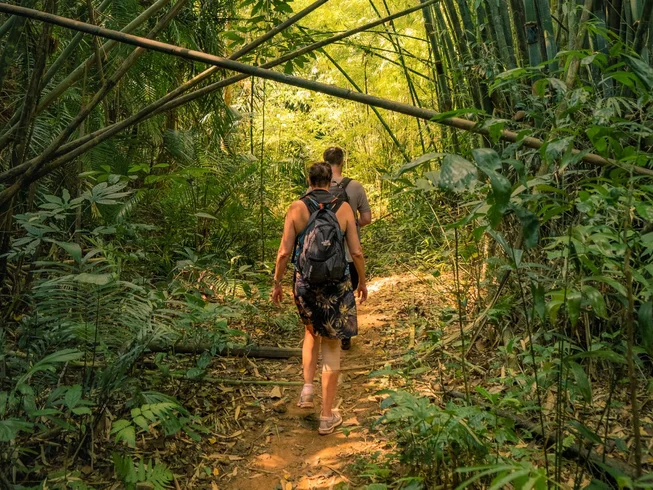
The retreat centres in the Mae Wang valley south of Chiang Mai use the Doi Inthanon area as the altitude excursion from a lower base. The valley itself in June is receiving the rains that are transforming it from the brown of April to the deep green that the wet season produces — the rice paddies being planted, the streams running at full volume, and the forest trails between the retreat centre and the national park accessible with the right footwear. The birding on Doi Inthanon in June is at its wet season peak — the Green-tailed Sunbird and the Rufous-bellied Niltava that are specific to these elevations appearing in June in the rhododendron thickets below the summit.
Isaan: The Overlooked Northeast
Isaan — the northeastern plateau of Thailand, bordering Laos and Cambodia, the agricultural heartland of the country — is in June entering its rice planting season and is almost entirely absent from the international retreat calendar despite having some of the most culturally specific and most landscape-rich environments in the country. The Mekong River that forms the border with Laos for much of the Isaan region is in June beginning its seasonal rise from the monsoon rains upstream, the fishing communities along the bank responding to the changing water conditions with the specific agricultural knowledge that the river cycle produces.
Udon Thani, Khon Kaen, and the smaller towns of the Isaan plateau are not retreat destinations in the conventional sense — the infrastructure is minimal and the English language penetration is lower than in the tourist areas. But the retreat organiser who brings a small group to Isaan in June for a specifically cultural and landscape-oriented programme — the Ban Chiang archaeological site (the 5,000-year-old Bronze Age settlement with its remarkable pottery), the Phu Phan National Park limestone formations, and the Mekong river communities — is offering something that has no equivalent in the Thai retreat calendar. The Isaan food culture in June — the larb (minced meat salad with toasted rice powder), the som tam (papaya salad with fermented fish sauce in its most authentic regional version), and the sticky rice eaten by hand at every meal — is the most specific regional cuisine in Thailand and the least accessible to visitors who stay in the tourist areas.
Koh Chang: Eastern Gulf in Green Season
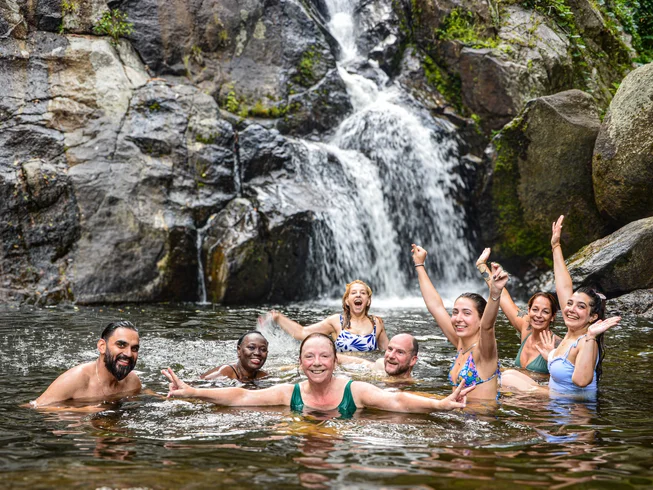
Koh Chang — the large island near the Cambodian border in the eastern Gulf — is in June entering its own wet season, but the eastern Gulf weather pattern produces a different character from the Andaman monsoon. The Klong Plu waterfall on the west coast of Koh Chang is in June running at its most powerful — the green pool at the base of the three-tiered falls full and clear from the recent rains, and the surrounding jungle at its most intensely green. The retreat centres on Koh Chang’s west coast use the waterfall as the standard afternoon excursion — a 20-minute walk from the beach through the jungle, with the sound of the falls audible from the path before the falls are visible.
The snorkelling around Koh Chang’s surrounding islands — the Mu Ko Chang National Marine Park — is in June still good on the clearer days, the sea at 29-30°C, and the marine park accessible by the longtail boats that the west coast piers operate. The June tourist volume on Koh Chang is significantly below the dry season peak, and the retreat centres here are in June running their most locally-rooted programmes — smaller groups, more access to the Thai community that lives on the island year-round, and the specific quality of the island’s east coast villages (largely untouched by tourism) accessible by the local songthaew that costs a fraction of a taxi.