




Koh Samui : L'exception à la règle de la mousson
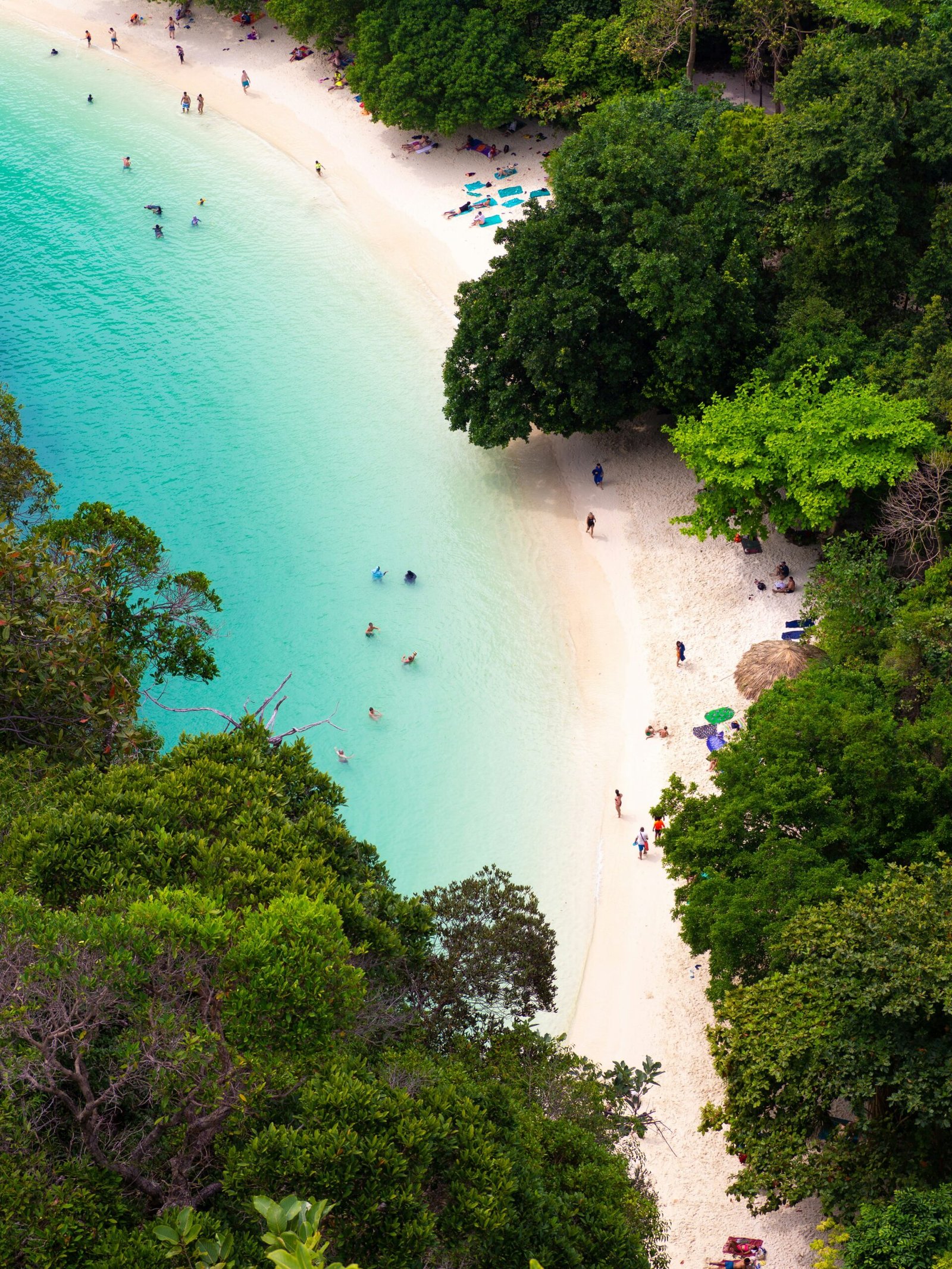
Koh Samui Koh Samui est, en juin, la destination la plus paradoxale de Thaïlande : une île sèche lorsque la côte d’Andaman est humide, et humide lorsque la côte d’Andaman est sèche. Les conditions météorologiques du golfe de Thaïlande font que la saison des pluies à Koh Samui s’étend de… D'octobre à décembre, et non de mai à octobre comme sur la côte d'Andaman. En juin, Koh Samui présente généralement Quelques averses, mais nettement moins importantes. que Phuket ou Krabi — souvent des matinées dégagées avec des averses l'après-midi, la mer encore chaude à 29-30°C, et l'infrastructure de retraite est pleinement opérationnelle.
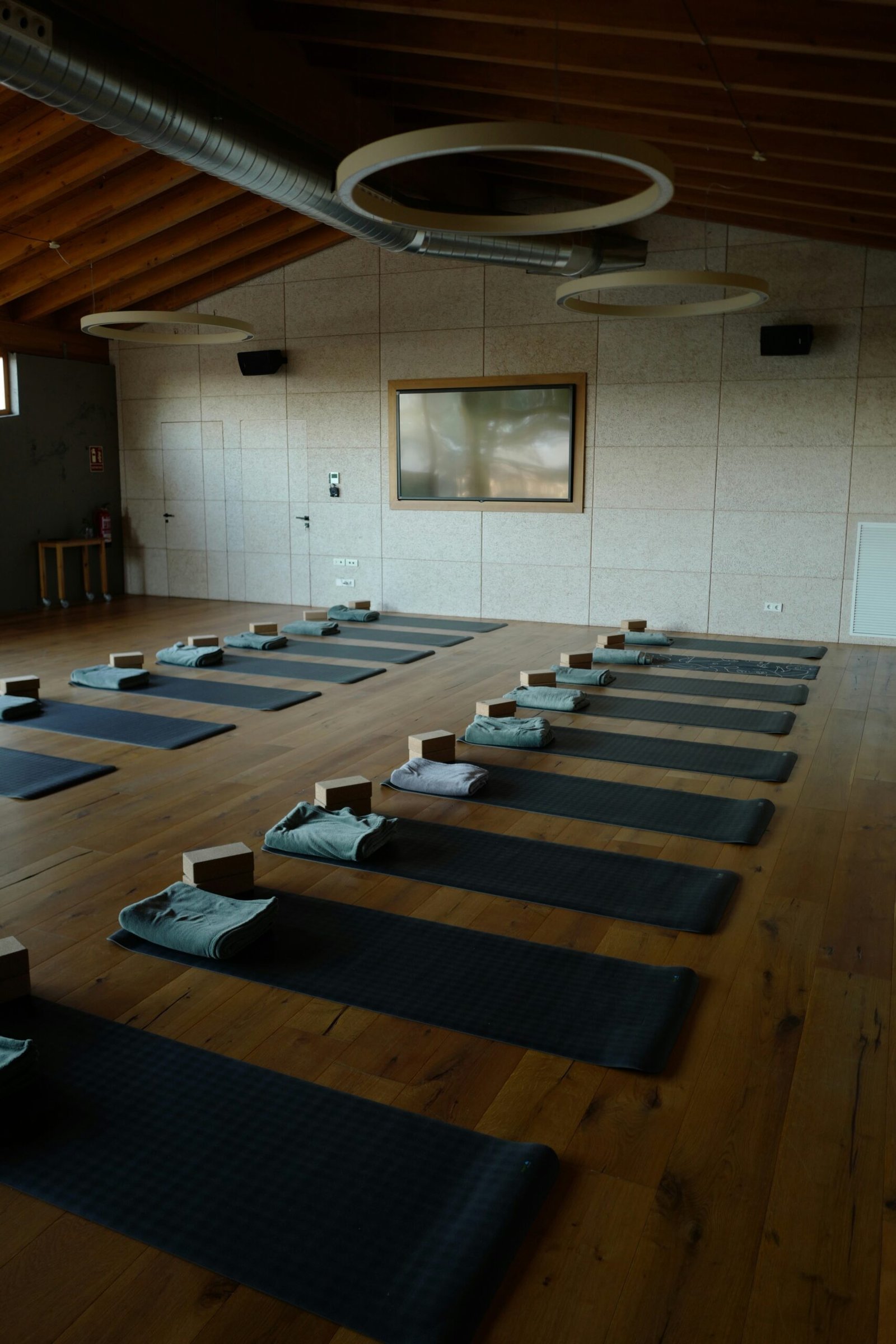
La Retraite de juin à Koh Samui L'île possède le charme particulier de la basse saison : les touristes de janvier et février sont partis, la saison des pluies d'octobre n'est pas encore arrivée et l'île vit à un rythme qui convient mieux à la formule du séjour de détente qu'à l'énergie de la haute saison. Retraite Samahita sur la côte sud, Sanctuaire de bien-être Kamalaya Sur la côte sud-est, deux des centres de retraite les plus réputés d'Asie du Sud-Est proposent tous deux en juin leurs programmes complets à des prix inférieurs à ceux de la haute saison. Nathon et Bang Por Les zones plus tranquilles de la côte ouest ont le charme d'une ville côtière thaïlandaise en juin, entre deux saisons touristiques : les restaurants locaux sont ouverts, la plage est accessible sans foule et les liaisons par ferry vers Koh Phangan et Koh Tao fonctionnent toujours régulièrement.
Doi Inthanon et les hauts plateaux de Chiang Mai
Doi Inthanon — Le plus haut sommet de Thaïlande à 2 565 mètres — est en juin dans toute sa splendeur verte. Les pluies de la saison humide tombent depuis plusieurs semaines et la forêt de nuages qui recouvre les pentes supérieures au-dessus de 2 000 mètres est en juin dans toute sa splendeur : la brume perpétuelle, rhododendrons qui bordent le sentier du sommet en fleurs jusqu'en juillet, et les Rosebaye siamoise (un rhododendron spécifique à ces altitudes) en pleine floraison en juin. La température au sommet en juin est de 10-15°C — suffisamment froid pour nécessiter une couche de vêtements appropriée et véritablement unique en Thaïlande.
La centres de retraite dans la vallée de Mae Wang Au sud de Chiang Mai, la région de Doi Inthanon est idéale pour une excursion en altitude depuis un point de départ plus bas. En juin, la vallée elle-même reçoit les pluies qui la transforment du brun d'avril au vert profond caractéristique de la saison humide : les rizières sont plantées, les ruisseaux coulent à leur débit maximal et les sentiers forestiers entre le centre de retraite et le parc national sont accessibles avec des chaussures adaptées. l'observation des oiseaux Le Doi Inthanon atteint son apogée en juin, durant la saison des pluies. Souimanga à queue verte et le Niltava au ventre roux qui sont spécifiques à ces altitudes et qui apparaissent en juin dans les fourrés de rhododendrons situés en contrebas du sommet.
Isaan : Le Nord-Est méconnu
Isaan Le plateau du nord-est de la Thaïlande, frontalier du Laos et du Cambodge, cœur agricole du pays, entre en juin dans sa saison des plantations de riz et est presque totalement absent du calendrier des retraites internationales, malgré le fait qu'il possède certains des environnements les plus riches en paysages et présentant une spécificité culturelle parmi les plus marquées du pays. Mékong La rivière qui forme la frontière avec le Laos sur une grande partie de la région d'Isaan commence en juin sa montée saisonnière en raison des pluies de mousson en amont, les communautés de pêcheurs le long de la rive réagissant aux conditions changeantes de l'eau grâce aux connaissances agricoles spécifiques que le cycle fluvial produit.
Udon Thani, Khon Kaen, et les petites villes du plateau d'Isaan ne sont pas des destinations de retraite au sens conventionnel du terme : l'infrastructure y est minimale et la maîtrise de l'anglais y est moins répandue que dans les zones touristiques. Mais l'organisateur de retraites qui emmène un petit groupe en Isaan en juin pour un programme axé sur la culture et les paysages — Site archéologique de Ban Chiang (le site de l'âge du bronze vieux de 5 000 ans avec sa remarquable poterie), le Parc national de Phu Phan Les formations calcaires et les communautés riveraines du Mékong offrent une expérience sans équivalent dans le calendrier des retraites thaïlandaises. culture culinaire de l'Isaan en juin — le larb (salade de viande hachée avec de la poudre de riz grillé), la som tam (salade de papaye avec sauce de poisson fermentée dans sa version régionale la plus authentique), et la riz gluant Consommé avec les mains à chaque repas, le maki est la cuisine régionale la plus spécifique de Thaïlande et la moins accessible aux visiteurs séjournant dans les zones touristiques.
Koh Chang : Le golfe oriental en saison verte
Koh Chang — la grande île proche de la frontière cambodgienne dans l'est du golfe — entre en juin dans sa propre saison des pluies, mais le régime météorologique de l'est du golfe produit un climat différent de celui de la mousson d'Andaman. Chutes de Klong Plu Sur la côte ouest de Koh Chang, la cascade est à son apogée en juin : le bassin vert au pied des chutes à trois niveaux est plein et limpide grâce aux récentes pluies, et la jungle environnante est d'un vert intense. Les centres de bien-être de la côte ouest de Koh Chang proposent régulièrement la cascade comme excursion de l'après-midi : une marche de 20 minutes depuis la plage à travers la jungle, le grondement de l'eau étant audible avant même que la cascade ne soit visible.
La faire de la plongée en apnée autour des îles environnantes de Koh Chang - le Parc marin national de Mu Ko Chang — est encore agréable en juin par temps clair, la mer à 29-30°C, et le parc marin accessible par les pirogues à longue queue opérées depuis les jetées de la côte ouest. En juin, l'affluence touristique à Koh Chang est nettement inférieure à celle de la saison sèche, et les centres de retraite proposent des programmes plus authentiques, en petits groupes, permettant un contact privilégié avec la communauté thaïlandaise résidente et offrant un aperçu du charme unique des villages de la côte est (en grande partie préservés du tourisme), accessibles en songthaew, un moyen de transport local bien moins cher qu'un taxi.